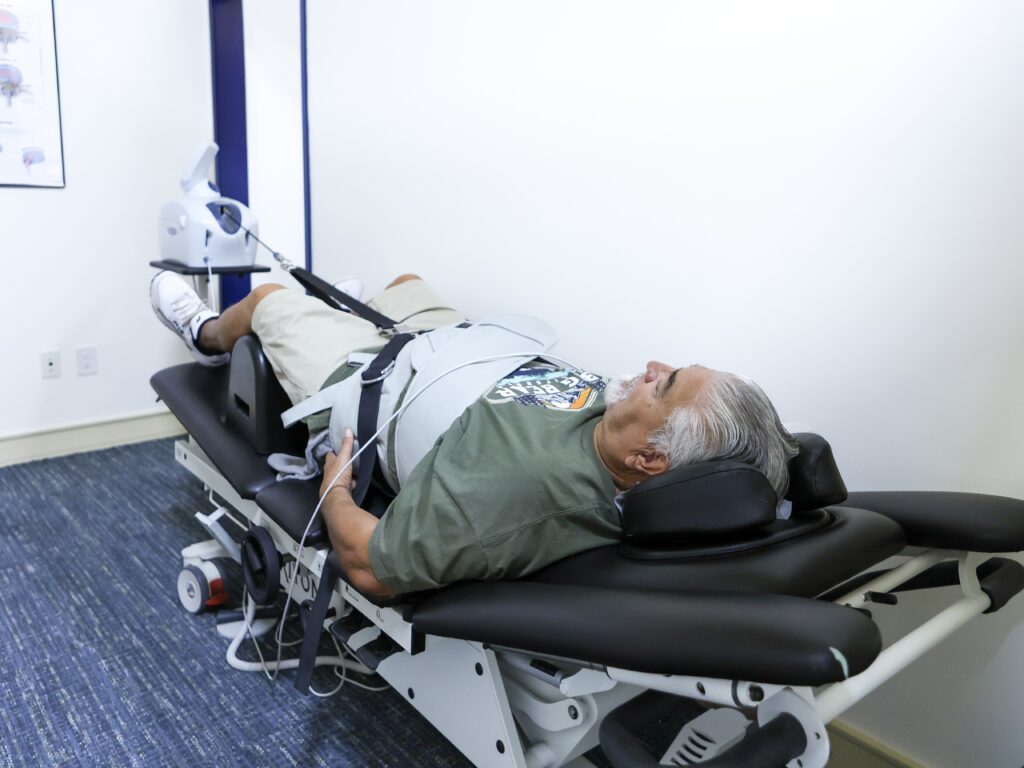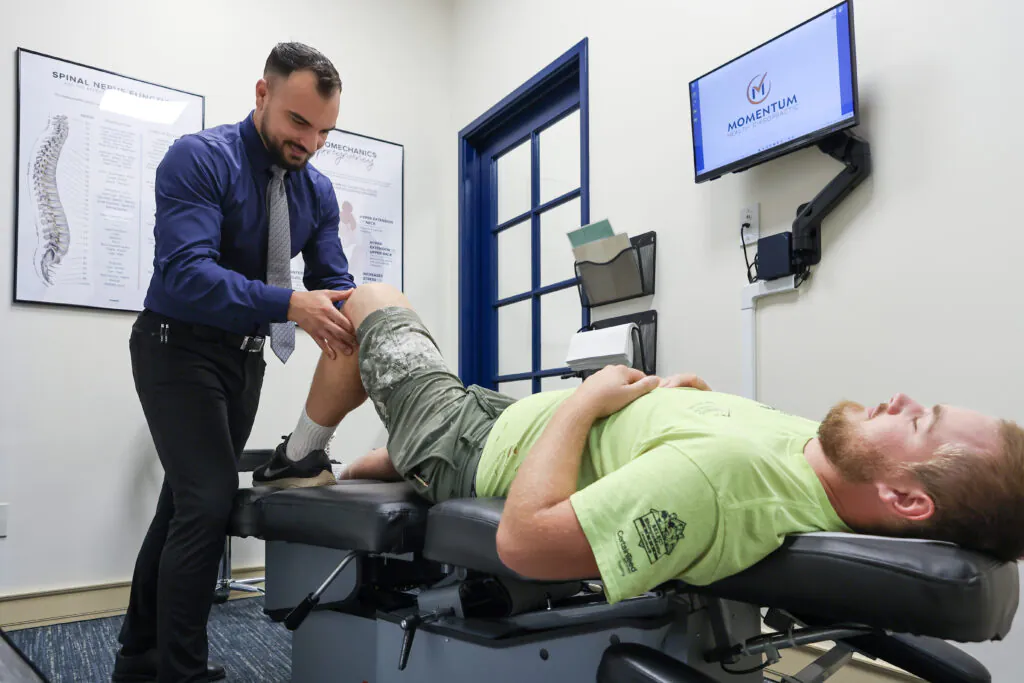

If you suffer from migraines, incorporating prevention techniques can significantly enhance your overall well-being. By identifying triggers and making specific lifestyle adjustments, you can decrease the frequency and severity of your attacks. It’s not just about managing pain; it’s about taking charge of your health and enjoying life to the fullest.
Chiropractic care plays a vital role in this journey. Regular chiropractic adjustments can help alleviate tension in your spine and neck, which are often related to migraine triggers. By maintaining proper spinal alignment, you can promote better blood flow and nerve function, reducing the likelihood of migraine onset.
In addition to chiropractic adjustments, here are some general tips to help manage migraines naturally:
- Stay Hydrated: Dehydration can be a major trigger for migraines. Ensure you drink plenty of water throughout the day.
- Maintain a Balanced Diet: Eating regular, nutritious meals can help stabilize blood sugar levels, which can prevent migraines.
- Practice Stress Management: Techniques like deep breathing, yoga, and meditation can help reduce stress, a common trigger for many people.
- Get Enough Sleep: Establishing a consistent sleep schedule can improve your overall health and reduce the risk of migraines.
- Limit Caffeine and Alcohol: Both substances can trigger migraines in some individuals, so it’s wise to consume them in moderation.
By adopting these strategies and considering regular chiropractic care, you can take significant steps toward reclaiming your life from migraines. Embrace a holistic approach to health, and empower yourself to live pain-free!
Key Takeaways
Techniques for migraine prevention are essential in helping you identify and avoid your personal triggers, which can lead to fewer and less intense migraine episodes. By making simple lifestyle changes—like eating a nutritious diet and establishing a consistent sleep routine—you can support your overall well-being while minimizing the chances of migraines.
Regular physical activity is another powerful tool in your wellness arsenal. Engaging in exercise not only releases endorphins (the body’s natural painkillers) but also helps to reduce stress and improve spinal health. A healthy spine contributes to better nervous system function, which is crucial for managing migraine triggers.
Chiropractic care is an excellent choice for those seeking natural relief from migraines. By focusing on spinal alignment, chiropractic adjustments can reduce tension and enhance the function of your nervous system. This complementary approach can play a significant role in managing and preventing migraines without the need for medications or invasive procedures.
Being aware of the early signs of a migraine means you can take proactive steps to address it before it disrupts your day. This awareness can significantly reduce anxiety about future attacks and help you maintain control over your life.
In summary, prioritizing chiropractic care along with healthy lifestyle choices can lead to improved health and reduced migraine occurrences. Remember to listen to your body, stay active, and consult with your chiropractor to explore effective strategies tailored to your needs.
Understanding Migraine Triggers
Understanding migraine triggers is crucial for anyone seeking to manage their headaches naturally and effectively. By recognizing what sparks your migraines, you can take proactive steps to regain control of your health. Common triggers include stress, certain foods, hormonal fluctuations, and environmental factors such as bright lights or strong odors.
To start, consider keeping a migraine journal. This simple tool allows you to document the details surrounding each headache episode, including what you ate, how you felt, and your activities leading up to the migraine. By doing this, you can discover patterns and identify triggers that are specific to you.
Once you’ve identified your triggers, you can make informed lifestyle changes to minimize your exposure. For example, if stress is a frequent trigger, incorporating relaxation techniques such as deep breathing, meditation, or yoga can be beneficial. These practices not only help reduce stress but also promote overall wellness.
Chiropractic care can also play a significant role in managing migraines. Regular chiropractic adjustments can help align your spine, improve nervous system function, and reduce tension throughout your body.
By maintaining a healthy spine, you may find that your frequency and intensity of migraines decrease.
The more you understand your triggers and embrace natural approaches like chiropractic care, the better equipped you’ll be to prevent migraines and enjoy a more comfortable, pain-free life. Remember, taking care of your body through healthy habits and chiropractic support is key to achieving optimal health and wellness.
The Importance of Early Detection
Early detection of migraines can significantly enhance your quality of life, especially when you incorporate chiropractic care into your wellness routine. By recognizing early warning signs, such as aura or mood changes, you can take proactive steps to manage your symptoms before they escalate into full-blown migraines. This approach not only helps you feel more in control but also reduces the likelihood of disruptions to your daily activities.
Chiropractic care plays a vital role in this process by promoting proper spinal alignment, which can alleviate tension and stress that may trigger migraines. Understanding your unique migraine patterns is essential, as it allows you to identify specific triggers and work with your chiropractor to develop effective strategies to avoid them.
Increased awareness of your migraines can boost your confidence in managing them, helping to lessen any anxiety about when the next episode might occur. Incorporating regular chiropractic adjustments can support your overall health and wellness, making it easier to maintain a balanced lifestyle.
Here are a few general tips to help you manage migraines naturally:
- Stay Hydrated: Dehydration can be a trigger, so drink plenty of water throughout the day.
- Maintain a Healthy Diet: Eating regular, nutritious meals can help prevent spikes in blood sugar that may lead to migraines.
- Practice Stress Management: Techniques such as deep breathing, yoga, or meditation can help reduce stress levels and may decrease the frequency of migraines.
- Get Regular Exercise: Physical activity can improve your overall physical health and help manage stress, both of which may reduce migraine frequency.
- Keep a Migraine Diary: Tracking your migraines can help you identify patterns and triggers, allowing you to take preventive measures.
Ultimately, early detection and a proactive approach, supported by chiropractic care, empower you to take control of your health and enjoy a more manageable, enjoyable life.
Lifestyle Changes for Prevention
Making simple lifestyle changes can significantly reduce your migraine frequency and enhance your overall well-being. As a local chiropractor, I believe that focusing on healthy diet choices and incorporating regular exercise into your routine can lay a strong foundation for preventing migraines. Not only do these adjustments support your body’s natural healing processes, but they also promote spinal health, which is essential for optimal wellness.
Let’s dive into some practical tips that can make a difference for you:
- Mind Your Diet: Pay attention to what you eat. Incorporate plenty of fresh fruits, vegetables, whole grains, and lean proteins into your meals. Foods rich in magnesium, like spinach and bananas, can be particularly beneficial for reducing migraine frequency.
- Stay Hydrated: Dehydration can trigger migraines, so make sure you’re drinking plenty of water throughout the day. Aim for at least eight glasses, and consider reducing caffeine and alcohol, as they can also contribute to dehydration.
- Regular Exercise: Engaging in regular physical activity, such as walking, swimming, or yoga, can help alleviate tension and stress, which are common migraine triggers. Exercise also promotes better spinal health, reducing the risk of misalignments that can contribute to pain.
- Prioritize Sleep: Establish a consistent sleep schedule to ensure you’re getting enough restful sleep each night. Quality sleep plays a crucial role in managing stress and overall health.
- Stress Management: Incorporate relaxation techniques into your daily routine. Practices like mindfulness, deep breathing, or gentle stretching can help manage stress levels and reduce the likelihood of migraine attacks.
- Chiropractic Care: Consider regular chiropractic adjustments as part of your wellness routine. Chiropractic care focuses on the alignment of your spine, which can improve nerve function and reduce tension in your body. Many patients find that chiropractic adjustments help alleviate headache symptoms and enhance their overall quality of life.
By making these lifestyle changes and considering chiropractic care, you can take meaningful steps toward reducing your migraines and achieving better health. Remember, it’s all about creating a balanced approach that supports both your body and mind.
If you have any questions or need guidance, don’t hesitate to reach out for personalized advice tailored to your needs.
Healthy Diet Choices
A well-balanced diet can significantly aid in preventing migraines, and as a chiropractor, I want to emphasize how important natural wellness is for your overall health. Focusing on whole foods that are rich in nutrients—such as fresh fruits, colorful vegetables, wholesome grains, and lean proteins—can nourish your body and support your spine.
Staying hydrated is crucial, so make sure to drink plenty of water throughout your day. Proper hydration can help keep your body functioning optimally and may alleviate some headache symptoms. Additionally, steering clear of processed foods, excessive caffeine, and artificial sweeteners can help minimize migraine triggers, promoting a more balanced state of health.
Keeping a food diary is a practical tip to pinpoint any specific items that may provoke your headaches. This simple practice can help you make informed choices about what to eat. Maintaining regular meal times can also be beneficial, as it helps prevent drops in blood sugar, which can lead to migraines.
Consider incorporating magnesium-rich foods into your diet, like nuts and leafy greens. Magnesium is known for its potential to aid in headache relief and promote relaxation, which can complement the benefits of chiropractic care.
Regular Exercise Routine
Regularly engaging in physical activity can be a transformative approach to migraine prevention, and as a chiropractor, I want to emphasize how this aligns with a holistic, natural path to wellness. Exercise plays a crucial role in reducing stress, a common trigger for migraines. When you move your body, it releases endorphins—your body’s natural painkillers that not only help alleviate discomfort but also uplift your mood.
To reap the benefits, aim for at least 30 minutes of moderate exercise most days of the week. Activities like walking, swimming, or cycling can be excellent choices. It’s important to listen to your body; choose exercises that you genuinely enjoy, and avoid pushing yourself too hard, as excessive exertion may inadvertently trigger a migraine.
Incorporating regular physical activity into your routine is vital for your overall health and can significantly decrease the likelihood of future migraine attacks. Remember, consistency is key!
Alongside your exercise regimen, consider regular chiropractic adjustments to help maintain spinal health and enhance your body’s natural ability to heal. Chiropractic care focuses on aligning your spine and improving nervous system function, which can contribute to a decrease in migraine frequency and intensity.
Dietary Adjustments to Reduce Attacks
When it comes to managing migraines, your diet plays a vital role, but it’s just one piece of the puzzle. As a chiropractor, I believe that a holistic approach to health, including spinal care and nutrition, can significantly enhance your well-being and help reduce the frequency of migraine attacks. By identifying trigger foods to avoid and incorporating nutrient-rich alternatives, along with chiropractic adjustments, you can make a big difference in your migraine management.
Here are some simple dietary adjustments and lifestyle tips that can complement your chiropractic care for better migraine relief:
- Stay Hydrated: Dehydration is a common trigger for migraines. Make sure to drink plenty of water throughout the day. Consider herbal teas or infused water for variety.
- Keep a Food Diary: Tracking what you eat can help you identify specific foods that may trigger your migraines. This awareness is crucial in making informed dietary choices.
- Embrace Whole Foods: Focus on whole, unprocessed foods like fruits, vegetables, whole grains, and lean proteins. These foods aren’t only nourishing but can also help maintain stable blood sugar levels, which is important for preventing migraines.
- Limit Caffeine and Alcohol: While some people find a small amount of caffeine helpful, too much can lead to rebound headaches. Alcohol can also trigger migraines for many. Moderation is key.
- Regular Meals: Skipping meals can lead to low blood sugar, which may trigger a migraine. Try to eat balanced meals at regular intervals to keep your energy levels steady.
- Consult Your Chiropractor: Regular chiropractic adjustments can help improve spinal alignment and reduce tension in the body, potentially decreasing the frequency and intensity of migraine attacks.
Trigger Foods to Avoid
As a chiropractor, I understand how debilitating migraines can be for many individuals. It’s important to recognize that certain foods might be contributing to the frequency and intensity of your migraines. By identifying and steering clear of these trigger foods, you can take an important step towards managing your condition and enhancing your overall wellness. Here are three common foods that many migraine sufferers find can lead to discomfort:
- Aged Cheeses: These cheeses might contain a substance called tyramine, which has been known to trigger migraine attacks. If you enjoy cheese, consider opting for fresher varieties that are less likely to contain this compound.
- Processed Meats: Items like deli meats or hot dogs often contain preservatives such as nitrates. These chemicals can be culprits in triggering migraines. Look for fresh, unprocessed meats or plant-based proteins as alternatives to help minimize your risk.
- Alcohol: Particularly red wine, can lead to dehydration, which may exacerbate migraine symptoms. If you enjoy a drink, try to stay well-hydrated and consider limiting alcohol intake to see if it makes a difference in how you feel.
In addition to avoiding these trigger foods, chiropractic care can play a significant role in managing migraines. Regular chiropractic adjustments can help relieve tension in your neck and spine, which may contribute to headache pain.
Maintaining good posture and incorporating stress-relief techniques, such as deep breathing or gentle stretching, can also promote overall wellness and reduce the likelihood of migraines.
Nutrient-Rich Alternatives
Incorporating nutrient-rich alternatives into your diet can significantly help in managing migraine attacks, and as a chiropractor, I believe that a holistic approach to health is key. By focusing on whole foods—such as leafy greens, nuts, seeds, and fatty fish—you’re not only nourishing your body but also supporting your spine and overall wellness.
Omega-3 fatty acids, which are abundant in salmon and walnuts, can help reduce inflammation, a common trigger for migraines. Additionally, magnesium-rich foods like spinach and avocados are great for relaxing blood vessels, which can contribute to a reduction in headache frequency and intensity.
Staying well-hydrated is also crucial; dehydration can be a significant migraine trigger. Make sure to drink plenty of water throughout the day to keep your body functioning optimally.
By replacing processed foods with these healthier options, you’re making strides toward a more balanced lifestyle. Remember, small changes in your diet can lead to significant improvements in your quality of life.
Alongside these dietary adjustments, regular chiropractic care can further enhance your well-being by helping to align your spine, reduce tension, and promote natural healing. It’s all about taking proactive steps in your health journey. Embrace these tips and consider how chiropractic care can fit into your overall strategy for pain relief and healthier living.
Stress Management Techniques
Effectively managing stress is essential for overall wellness and can significantly reduce the frequency and severity of migraines. As a chiropractor, I believe that embracing natural healing methods is vital for achieving optimal health. By incorporating simple stress management techniques into your daily routine, you can create a more peaceful environment that supports your spine and overall well-being. Here are three effective strategies you can try:
- Mindfulness Meditation: Take a few moments each day to focus on your breathing and clear your mind. This practice not only helps lower stress levels but also increases your awareness of tension in your body, especially around the neck and shoulders, which can greatly impact spinal health.
- Deep Breathing Exercises: Engaging in deep, slow breaths is an excellent way to relax and alleviate anxiety. Try inhaling for four counts, holding for four, and exhaling for six. This simple technique can help promote relaxation and support better spinal alignment by reducing muscle tension.
- Progressive Muscle Relaxation: This technique involves intentionally tensing and then relaxing each muscle group in your body, which helps release built-up tension and encourages relaxation. By focusing on your muscles, you can become more in tune with your body, allowing you to better recognize areas that may need chiropractic care.
Incorporating these techniques into your daily routine can empower you to manage stress more effectively and may lead to fewer migraines. Remember, chiropractic care is a natural and holistic approach to achieving optimal health and wellness.
The Role of Regular Exercise
Regular exercise is essential for preventing migraines and enhancing your overall well-being. Engaging in physical activity triggers the release of endorphins in your body, which are natural pain relievers and mood boosters. Additionally, consistent exercise can improve your sleep quality—an important factor in reducing migraine occurrences.
Incorporating simple activities like walking, cycling, or swimming into your routine not only boosts your cardiovascular health but also helps manage stress levels. Both of these elements are significant in minimizing migraine triggers.
As a chiropractor, I recommend finding an exercise regimen that feels right for you and easily fits into your daily life. Aim for at least 30 minutes of moderate activity a few times a week. It’s crucial to listen to your body; while exercise is beneficial, overexertion can sometimes lead to discomfort or even trigger migraines.
Moreover, chiropractic care can play a vital role in your overall health journey. Regular adjustments help align the spine and improve nervous system function, which can contribute to reduced pain and tension that may lead to migraines.
With consistent exercise and regular chiropractic care, you’re likely to notice a significant decrease in migraine frequency and intensity, alongside an overall enhancement in your physical and mental health.
Alternative Therapies and Their Benefits
While exercise is certainly beneficial for maintaining overall health, exploring alternative therapies can also be a vital part of migraine prevention. These therapies can complement your chiropractic care routine, offering additional strategies to manage your symptoms effectively. Here are three alternative therapies you might consider to enhance your wellness journey:
- Acupuncture: This ancient practice focuses on specific points in your body to promote relaxation and reduce tension, which can be helpful in alleviating migraine pain. While chiropractic adjustments primarily target spinal alignment, acupuncture works differently, and some patients find it to be a useful adjunct to their chiropractic care.
- Herbal Supplements: Certain herbs, like butterbur and feverfew, have been noted for their potential in reducing the frequency of migraines. However, it’s essential to consult with your chiropractor or healthcare provider before incorporating any new supplements into your routine. They can guide you on safe and effective options that align with your overall health goals.
- Cognitive Behavioral Therapy (CBT): This therapeutic approach can assist in identifying and changing negative thought patterns related to migraines. By improving your coping strategies, CBT can enhance the benefits of your chiropractic adjustments, leading to a more holistic approach to pain relief.
In addition to these therapies, consider incorporating regular chiropractic care into your routine. Chiropractic adjustments can help relieve tension in your spine and neck, which may contribute to migraine symptoms. Maintaining a healthy spine is crucial for overall wellness and can greatly improve your quality of life.
Building a Support System for Migraine Management
Building a strong support system can significantly enhance your ability to manage migraines naturally and effectively. Surrounding yourself with individuals who understand your condition can provide not only emotional support but also practical strategies for relief. Start by sharing your migraine experiences with close friends and family; educating them about how migraines impact your life fosters empathy and encourages them to offer help and understanding during challenging times.
Consider connecting with others through a migraine support group, whether in-person or online. Engaging with people who face similar challenges can provide you with valuable insights and coping methods. You may find comfort in sharing and hearing how others manage their triggers and explore natural remedies, including chiropractic care, which can be a powerful tool for pain relief and overall wellness.
Don’t forget to reach out to healthcare professionals, particularly chiropractors. They can help you develop a comprehensive management plan tailored to your needs, focusing on spinal health and natural healing techniques. Chiropractic adjustments can relieve tension, improve spinal alignment, and promote better overall health, making them a great choice for migraine management.
As you build your support system, remember that taking charge of your wellness journey not only lightens your burden but also empowers you to make informed choices about your health. Embrace a lifestyle that includes regular chiropractic visits, stress management techniques, and open communication with those around you. These steps can lead to more effective migraine management and a healthier, pain-free life.