
Arm pain is one of those symptoms that’s easy to brush off. Maybe you slept wrong, overdid it at the gym, or spent too many hours at your computer. But when that ache in your arm doesn’t go away—or worse, when it starts interfering with everyday tasks like lifting your coffee cup, typing, or reaching for something on a shelf—your body is trying to get your attention. Here in San Luis Obispo, many patients walk into Momentum Health Chiropractic after weeks or even months of ignoring arm discomfort, only to discover that what seemed like a minor nuisance was actually a sign of something that needed care. The good news? Arm pain is often treatable, especially when addressed early with the right approach. This article will help you understand what your arm pain might mean, when it’s time to seek professional help, and how chiropractic care can play a role in your recovery.
What Is Arm Pain Really Telling You? Arm pain is a broad symptom that can stem from muscles, nerves, joints, or even referred issues from your neck or upper back. It may feel like a dull ache, sharp stabbing, burning sensation, tingling, or weakness. The underlying message is usually the same: something in your musculoskeletal or nervous system needs attention, whether it’s irritated nerves, overworked muscles, or joint dysfunction.
Table of Contents
- Understanding Arm Pain: More Than Just Sore Muscles
- Common Causes of Arm Pain
- Signs and Symptoms You Shouldn’t Ignore
- How Chiropractic Care Fits In
- Practical Tips to Protect Your Arms
- When to See a Chiropractor
- Arm Pain Symptoms vs. Common Causes
- Myths vs. Facts About Arm Pain
- Final Thoughts from Momentum Health Chiropractic
- Frequently Asked Questions
- TL;DR: Key Takeaways
Understanding Arm Pain: More Than Just Sore Muscles
Arm pain isn’t always what it seems. While muscle soreness from a tough workout or a long day of yard work is straightforward and typically resolves on its own, persistent or unexplained arm pain often points to something deeper. Your arm is an intricate structure of bones, muscles, tendons, ligaments, nerves, and blood vessels—all working together to allow you to reach, lift, type, throw, and hug. When one part of this system becomes irritated or injured, it can create discomfort that ranges from annoying to debilitating.
Many people assume arm pain originates in the arm itself, but the reality is that a significant portion of arm pain actually starts somewhere else—most commonly in the cervical spine or shoulder region. Nerves that control sensation and movement in your arms exit from your neck and travel down through your shoulders and into your hands. If these nerves become compressed, irritated, or inflamed along the way, you can experience pain, tingling, numbness, or weakness anywhere along that pathway.
Understanding where your arm pain comes from is the first step in addressing it effectively. Ignoring the symptom or hoping it will go away on its own can lead to chronic issues, compensatory movement patterns, and a longer recovery time down the road. Your body is remarkably good at sending warning signals—arm pain is one of them.
Common Causes of Arm Pain
Arm pain can develop for a variety of reasons. Some causes are acute and result from a specific injury or incident, while others are chronic and build up gradually over time. Here are some of the most common culprits:
Cervical Radiculopathy (Pinched Nerve in the Neck)
One of the most frequent causes of arm pain is a pinched nerve in the cervical spine. When a nerve root is compressed by a herniated disc, bone spur, or spinal misalignment, it can send shooting pain, tingling, or numbness down the arm. Patients often describe this as a burning or electric sensation that may worsen with certain neck movements or positions.
Rotator Cuff Injuries
The rotator cuff is a group of muscles and tendons that stabilize the shoulder joint. Overuse, repetitive overhead activities, or sudden trauma can lead to rotator cuff strains or tears. This type of injury typically causes pain in the shoulder that radiates down the upper arm, especially when lifting or reaching.
Thoracic Outlet Syndrome
Thoracic outlet syndrome occurs when nerves or blood vessels between the collarbone and first rib become compressed. This can cause pain, tingling, or weakness in the arm and hand. Poor posture, repetitive arm movements, and certain anatomical variations can contribute to this condition.
Tendonitis
Inflammation of the tendons in the shoulder, elbow, or wrist can lead to localized arm pain. Tennis elbow and golfer’s elbow are common forms of tendonitis that result from repetitive gripping or wrist movements. Even activities like typing or using a smartphone excessively can contribute to tendon irritation.
Carpal Tunnel Syndrome
While carpal tunnel syndrome primarily affects the wrist and hand, the pain and discomfort can radiate up the forearm. This condition results from compression of the median nerve as it passes through the wrist, often due to repetitive hand motions or prolonged wrist flexion.
Muscle Strain or Overuse
Sometimes arm pain is simply the result of overworked muscles. Lifting something too heavy, performing unfamiliar movements, or holding your arm in an awkward position for too long can strain the muscles and cause soreness. This type of pain usually improves with rest and gentle stretching.
Postural Dysfunction
Hours spent hunched over a computer, looking down at your phone, or driving with poor posture can lead to muscle imbalances and joint restrictions in the neck and upper back. Over time, this dysfunction can irritate the nerves that travel into your arms, creating discomfort that feels like it’s coming from your arm when the real issue is higher up.
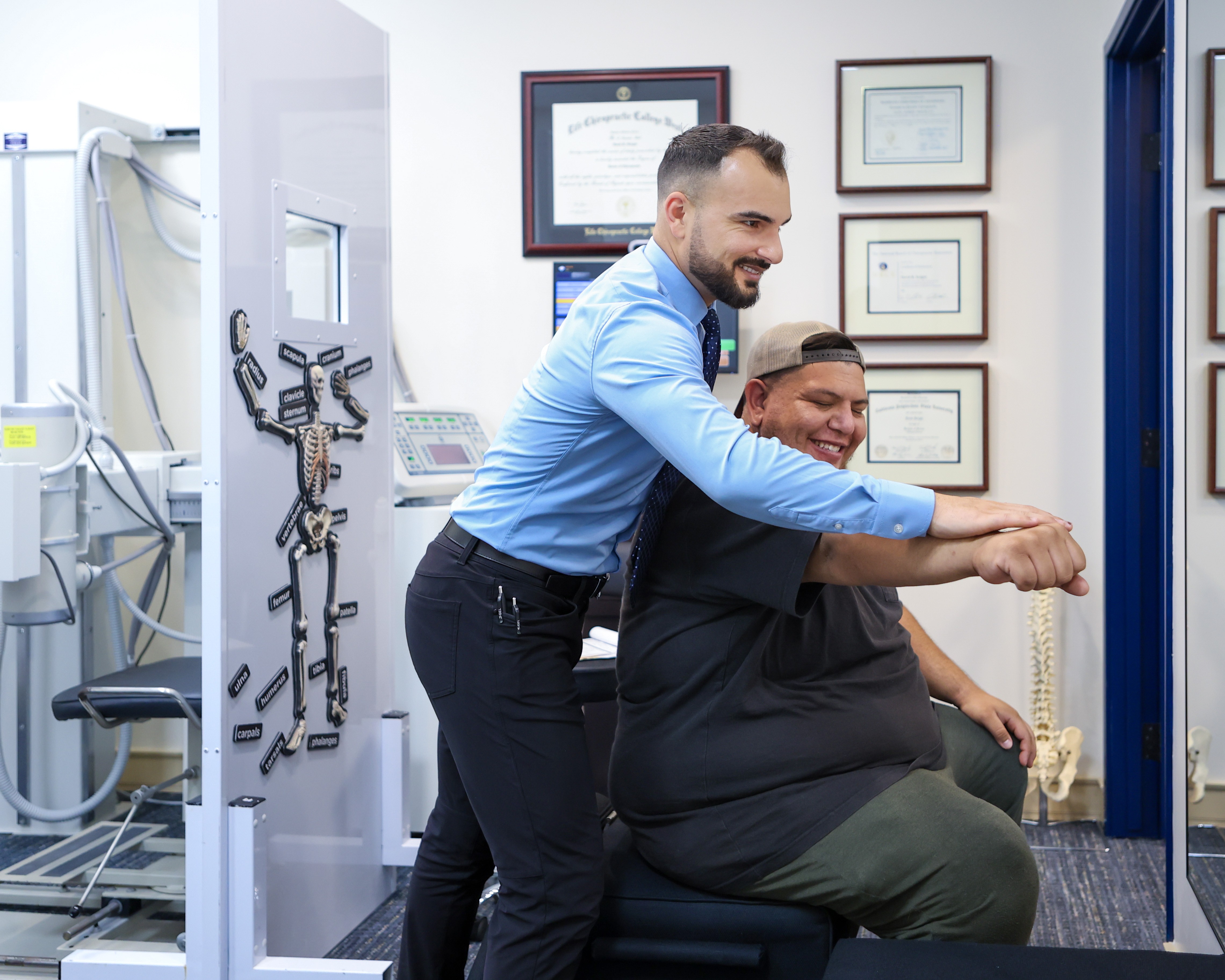
Signs and Symptoms You Shouldn’t Ignore
Not all arm pain requires immediate attention, but certain signs and symptoms warrant a closer look. Being aware of these red flags can help you decide when it’s time to seek professional care rather than waiting it out.
Sharp, shooting pain that travels from your neck or shoulder down into your arm is often a sign of nerve involvement. If this pain is accompanied by tingling, numbness, or a “pins and needles” sensation, it suggests that a nerve is being compressed or irritated. Weakness in your arm or hand, difficulty gripping objects, or a noticeable loss of coordination are also important indicators that the nervous system may be affected.
Pain that persists for more than a few days without improvement, or pain that worsens over time, should not be ignored. While it’s normal for minor muscle soreness to resolve within a few days, ongoing discomfort suggests an underlying issue that needs to be addressed. Similarly, if your arm pain interferes with daily activities—such as getting dressed, carrying groceries, typing, or sleeping—it’s time to get evaluated.
Swelling, redness, or warmth in the arm can indicate inflammation or, in some cases, a more serious condition that requires medical attention. If you experience sudden, severe arm pain without an obvious cause, especially if it’s accompanied by chest pain, shortness of breath, or dizziness, seek emergency medical care immediately, as these could be signs of a cardiac event.
How Chiropractic Care Fits In
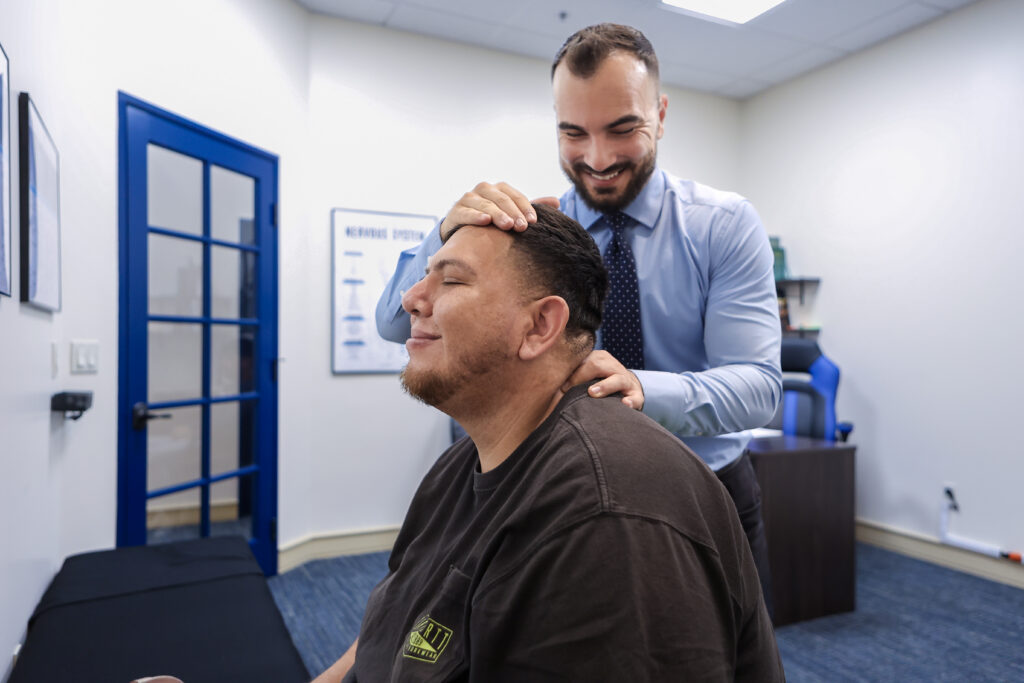
Chiropractic care offers a conservative, non-invasive approach to addressing many types of arm pain, particularly when the pain is related to spinal misalignment, nerve irritation, or musculoskeletal dysfunction. At Momentum Health Chiropractic in San Luis Obispo, Dr. David Sedghi takes a whole-body approach to understanding and treating arm pain, recognizing that the source of the problem may not always be where the pain is felt.
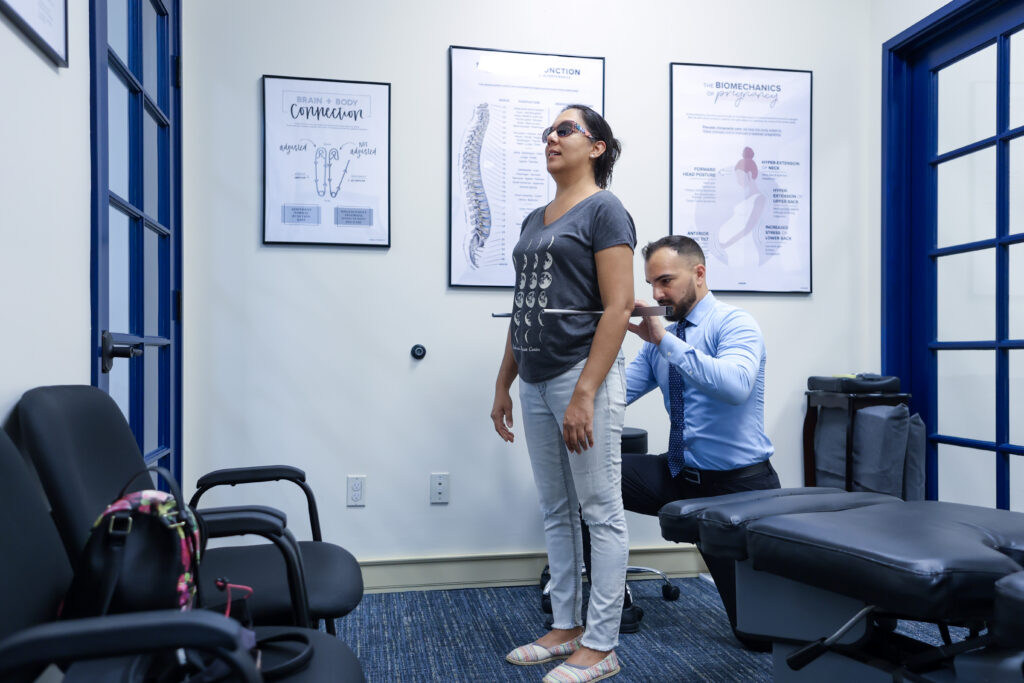
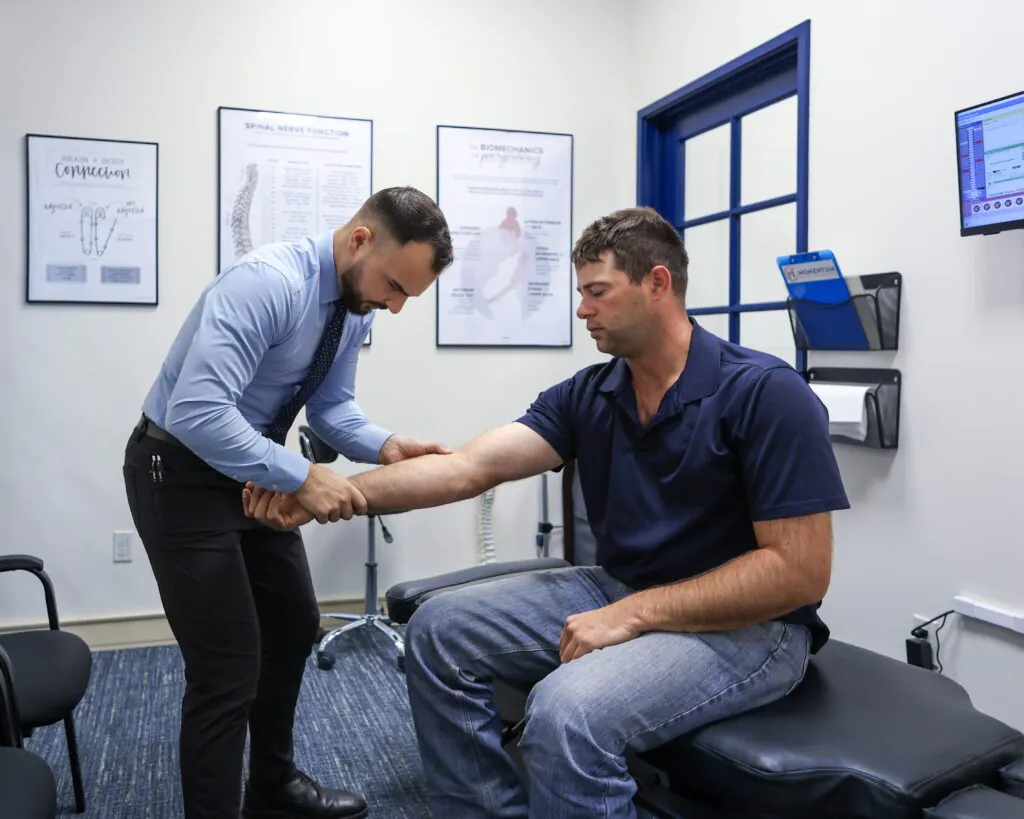
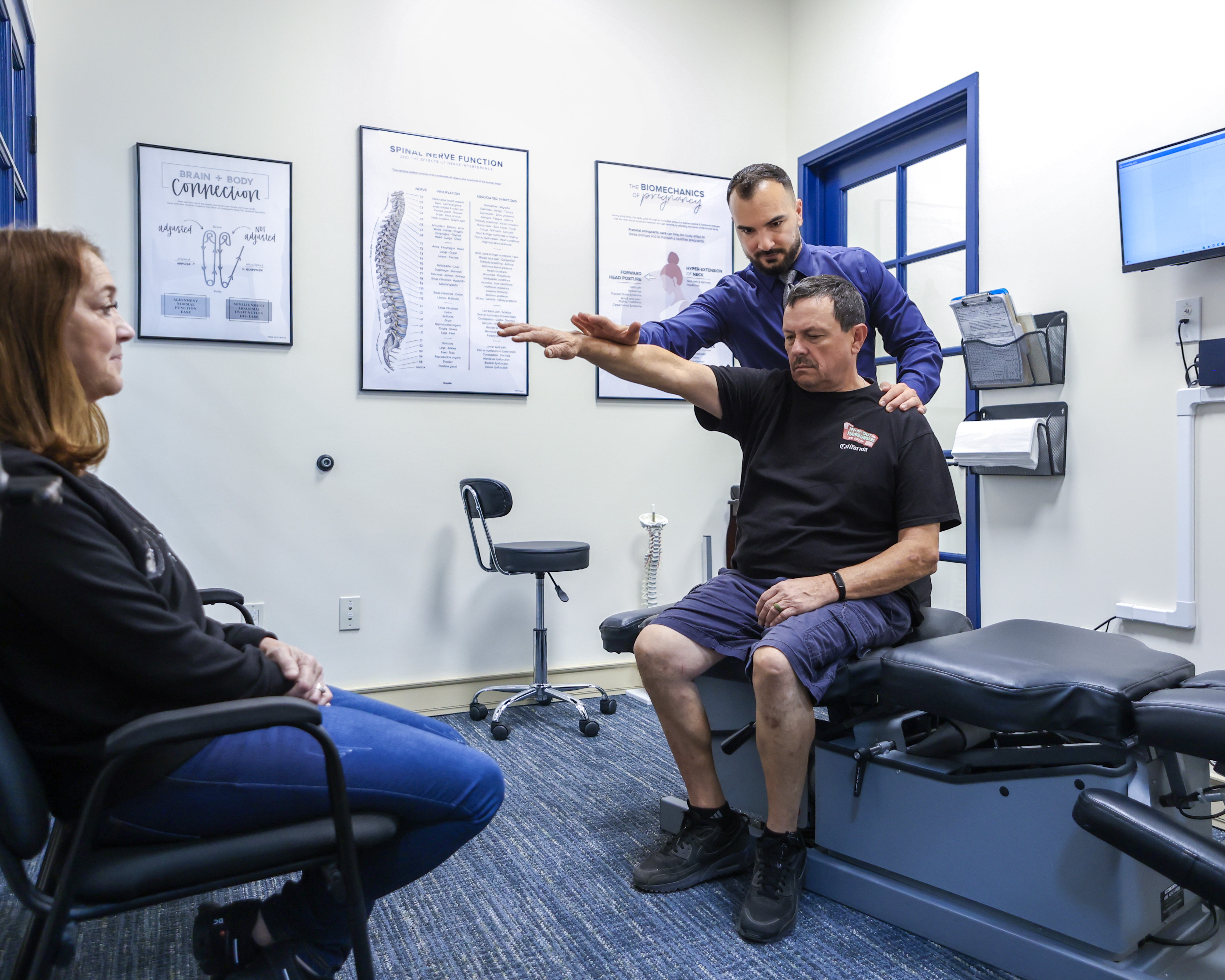
During your initial visit, Dr. David Sedghi will conduct a thorough evaluation that includes a detailed health history, physical examination, and assessment of your posture, range of motion, and neurological function. This helps identify whether your arm pain is stemming from a spinal issue, a joint restriction, muscle imbalance, or nerve compression. In some cases, imaging or additional testing may be recommended to rule out other conditions.
Chiropractic adjustments are a cornerstone of care for arm pain related to cervical radiculopathy or thoracic outlet syndrome. Gentle, precise adjustments to the cervical and thoracic spine can help restore proper alignment, reduce nerve irritation, and improve mobility. When the vertebrae in your neck are moving correctly and pressure is taken off the nerves, pain and other symptoms often decrease significantly.
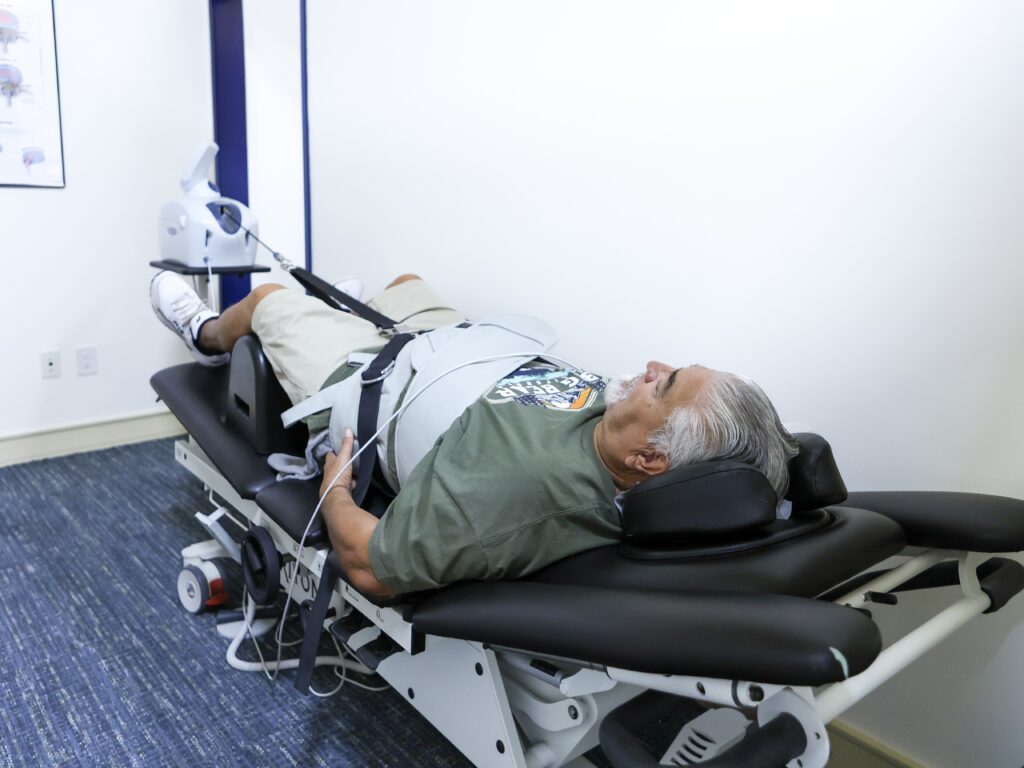
Beyond spinal adjustments, chiropractic care at Momentum Health Chiropractic may include soft tissue therapies such as massage, myofascial release, or instrument-assisted techniques to address tight or overworked muscles. Stretching and strengthening exercises are often prescribed to help correct postural imbalances and prevent future issues. Ergonomic guidance and lifestyle recommendations are also part of a comprehensive care plan, empowering you to take an active role in your recovery.
It’s important to note that chiropractic care is individualized. What works for one patient may not be the best approach for another. Dr. David Sedghi tailors each treatment plan to the specific needs and goals of the patient, ensuring that care is safe, effective, and aligned with the best available evidence.
Practical Tips to Protect Your Arms
While professional care is important, there are also steps you can take at home and in your daily routine to reduce arm pain and prevent it from returning. These practical tips are grounded in sound biomechanics and wellness principles.
Improve Your Workspace Ergonomics
If you spend a lot of time at a desk or computer, your workstation setup can have a huge impact on your arm health. Make sure your monitor is at eye level so you’re not constantly looking down or craning your neck. Your keyboard and mouse should be positioned so your elbows are at a 90-degree angle and your wrists are neutral. Consider using a wrist rest or ergonomic keyboard to reduce strain. Take frequent breaks to stand, stretch, and move around.
Pay Attention to Your Posture
Forward head posture and rounded shoulders put extra stress on the neck and upper back, which can contribute to nerve irritation and arm pain. Make a habit of checking in with your posture throughout the day. Roll your shoulders back, keep your head aligned over your spine, and avoid slouching. Strengthening the muscles that support good posture—such as the upper back and core—can also help.
Stretch Regularly
Gentle stretching can keep the muscles and joints in your neck, shoulders, and arms flexible and healthy. Simple stretches like neck tilts, shoulder rolls, and wrist flexion and extension can be done throughout the day. If you’re not sure which stretches are best for you, ask your chiropractor for personalized recommendations.
Avoid Repetitive Strain
Repetitive movements, whether from work, hobbies, or exercise, can lead to overuse injuries. If your job or activities involve repetitive arm motions, try to vary your tasks, take regular breaks, and use proper technique. For example, if you’re lifting weights, make sure you’re using correct form and not overloading your muscles and joints.
Stay Active
Regular physical activity supports overall musculoskeletal health and can help prevent arm pain. Activities that promote strength, flexibility, and cardiovascular health—such as walking, swimming, yoga, or resistance training—are all beneficial. Just be mindful not to overdo it, especially if you’re coming back from an injury.
Manage Stress
Chronic stress can lead to muscle tension, particularly in the neck, shoulders, and upper back. This tension can contribute to pain and discomfort in the arms. Incorporating stress-reduction techniques such as deep breathing, mindfulness, or regular exercise can help keep your muscles relaxed and your nervous system balanced.
When to See a Chiropractor
Knowing when to seek professional care can make a big difference in your recovery. If your arm pain has been present for more than a week without improvement, or if it’s getting worse despite rest and home care, it’s time to schedule an evaluation. Even if the pain is mild, persistent symptoms can indicate an underlying issue that won’t resolve on its own.
If you’re experiencing tingling, numbness, or weakness in your arm or hand, these are signs of possible nerve involvement and should be assessed by a chiropractor or other healthcare provider. Similarly, if your arm pain is affecting your ability to perform daily activities or is disrupting your sleep, it’s worth getting checked out sooner rather than later.
Certain red flags warrant immediate medical attention. If your arm pain is sudden and severe, especially if it’s accompanied by chest pain, shortness of breath, nausea, or sweating, seek emergency care right away. These could be signs of a heart attack or other serious condition. If you notice significant swelling, redness, or warmth in your arm, or if you have a fever along with arm pain, these could indicate infection or another medical issue that requires prompt evaluation.
At Momentum Health Chiropractic in San Luis Obispo, the team is equipped to evaluate your arm pain and determine the best course of action. If your condition is within the scope of chiropractic care, you’ll receive a personalized treatment plan. If your symptoms suggest a condition that requires medical referral or additional testing, you’ll be guided accordingly. The goal is always to provide you with safe, effective care that addresses the root cause of your discomfort.
Arm Pain Symptoms vs. Common Causes
| Symptom | Possible Cause |
|---|---|
| Sharp, shooting pain from neck to arm | Cervical radiculopathy (pinched nerve) |
| Dull ache in shoulder and upper arm | Rotator cuff injury or shoulder strain |
| Tingling or numbness in fingers | Thoracic outlet syndrome or carpal tunnel syndrome |
| Pain on the outside of the elbow | Lateral epicondylitis (tennis elbow) |
| Pain on the inside of the elbow | Medial epicondylitis (golfer’s elbow) |
| Weakness when gripping or lifting | Nerve compression or muscle strain |
| Pain that worsens with overhead activity | Rotator cuff tendonitis or impingement |
| Arm pain after poor posture or long computer use | Postural dysfunction or muscle imbalance |
Myths vs. Facts About Arm Pain
Myth: Arm pain always means something is seriously wrong.
Fact: While arm pain should be taken seriously, many cases are caused by treatable musculoskeletal issues such as muscle strain, joint dysfunction, or nerve irritation. With the right care and lifestyle adjustments, most people experience significant improvement.
Myth: If the pain is in my arm, the problem must be in my arm.
Fact: Arm pain is often referred pain, meaning the source of the problem is actually in the neck, upper back, or shoulder. Nerves that travel from the cervical spine down into the arm can become irritated or compressed, causing pain that feels like it’s coming from the arm itself.
Myth: Rest alone will cure arm pain.
Fact: While rest is important for acute injuries, many cases of arm pain require active treatment to address the underlying cause. This may include chiropractic adjustments, soft tissue therapy, corrective exercises, and ergonomic changes. Relying solely on rest can sometimes lead to stiffness and prolonged recovery.
Myth: Chiropractic care is only for back pain.
Fact: Chiropractors are trained to assess and treat a wide range of musculoskeletal issues, including arm pain, shoulder pain, and nerve-related symptoms. Many patients find relief from arm pain through chiropractic adjustments and supportive therapies that address the root cause of the problem.
Myth: You have to live with arm pain as you get older.
Fact: While age can bring changes to the musculoskeletal system, chronic arm pain is not an inevitable part of aging. With proactive care, including regular movement, good posture, and professional treatment when needed, many older adults maintain strong, pain-free arms and shoulders well into their later years.
Final Thoughts from Momentum Health Chiropractic
Arm pain is your body’s way of telling you that something needs attention. Whether it’s a pinched nerve in your neck, overworked muscles from poor posture, or a repetitive strain injury from your daily activities, ignoring the message won’t make it go away—and in many cases, it will only get worse. The good news is that with the right care, most people can find relief and get back to doing the things they love without pain or limitation.
Here in San Luis Obispo, the team at Momentum Health Chiropractic is dedicated to helping patients understand their symptoms, address the root causes of their discomfort, and build healthier habits for the long term. Dr. David Sedghi and the entire team take a patient-centered approach, listening carefully to your concerns and creating individualized care plans that fit your needs and goals.
If you’ve been putting off getting help for your arm pain, now is the time to take action. Whether your pain is new or something you’ve been dealing with for months, you deserve to feel better. Reach out to Momentum Health Chiropractic in San Luis Obispo, California, and take the first step toward understanding what your body is really trying to tell you.
Frequently Asked Questions
Can arm pain be caused by sleeping in the wrong position?
Yes, sleeping with your arm in an awkward position or with your neck twisted can compress nerves and lead to arm pain or numbness. If this happens occasionally, it usually resolves on its own, but recurring issues may indicate an underlying problem with your cervical spine or shoulder that could benefit from chiropractic evaluation.
How long does it take for arm pain to go away with chiropractic care?
The timeline varies depending on the cause and severity of the pain, as well as how long it has been present. Some patients notice improvement within a few visits, while others may require several weeks of care. Dr. David Sedghi will provide an honest assessment and realistic expectations based on your specific situation.
Is arm pain ever a sign of a heart attack?
Arm pain can be a symptom of a heart attack, especially if it’s sudden, severe, and accompanied by chest pain, shortness of breath, nausea, or sweating. If you experience these symptoms, seek emergency medical care immediately. Most arm pain, however, is related to musculoskeletal or nerve issues and not a cardiac event.
Can chiropractic care help with carpal tunnel syndrome?
Chiropractic care may help with carpal tunnel syndrome, particularly when symptoms are related to nerve compression in the neck or misalignment in the wrist and forearm. Adjustments, soft tissue therapy, and ergonomic guidance can all play a role in reducing symptoms and improving function.
Should I use ice or heat for arm pain?
Ice is generally recommended for acute injuries or inflammation, as it can help reduce swelling and numb pain. Heat is often better for chronic muscle tension and stiffness, as it promotes blood flow and relaxes tight muscles. If you’re unsure which to use, your chiropractor can provide guidance based on your specific condition.
Can poor posture really cause arm pain?
Absolutely. Poor posture, especially forward head posture and rounded shoulders, places extra stress on the cervical spine and can irritate the nerves that travel into the arms. Over time, this can lead to pain, tingling, and weakness. Correcting your posture and addressing spinal alignment can often reduce or eliminate these symptoms.
TL;DR: Key Takeaways
- Arm pain is often a sign of nerve irritation, muscle strain, or joint dysfunction originating in the neck, shoulder, or spine—not just the arm itself.
- Common causes include cervical radiculopathy, rotator cuff injuries, thoracic outlet syndrome, tendonitis, carpal tunnel syndrome, and postural dysfunction.
- Chiropractic care can effectively address many types of arm pain through spinal adjustments, soft tissue therapy, corrective exercises, and ergonomic education.
- Practical steps like improving posture, adjusting your workstation, stretching regularly, and avoiding repetitive strain can help prevent arm pain and support recovery.
- If arm pain persists for more than a week, is accompanied by tingling or weakness, or interferes with daily activities, it’s time to seek professional evaluation at Momentum Health Chiropractic in San Luis Obispo, California.