
If you’ve ever experienced a sharp, burning pain that shoots from your lower back down through your leg, you already know how disruptive sciatica can be. For older adults especially, sciatica can feel alarming — and understandably so. Here in San Luis Obispo, many patients who visit Momentum Health Chiropractic describe this kind of pain as one of the most intense and confusing symptoms they’ve ever dealt with. The good news is that sciatica is well understood, and there are safe, effective, non-invasive approaches that can help. This article will walk you through what sciatica actually is, why it tends to affect older adults more frequently, and what your options are for finding relief.
What Is Sciatica?
Sciatica is not a diagnosis in itself — it’s a symptom. It refers to pain that travels along the path of the sciatic nerve, which runs from the lower back through the hips and buttocks and down each leg. The pain typically affects one side of the body and can range from a mild ache to a severe, jolting sensation. It often comes with numbness, tingling, or muscle weakness in the affected leg.
Why Sciatica Becomes More Common With Age
Aging is a natural process, and it brings gradual changes to the spine and surrounding structures. As we get older, the discs between our vertebrae begin to lose water content and flexibility. The bones themselves can develop small bony growths called bone spurs. The spinal canal may also narrow slightly — a condition known as spinal stenosis. All of these age-related changes can place additional pressure on the sciatic nerve, making sciatica significantly more common in adults over 50.
That doesn’t mean sciatica is inevitable, and it certainly doesn’t mean you have to live with the pain. Understanding why it’s happening is the first step toward doing something about it. Dr. David Sedghi at Momentum Health Chiropractic often explains to patients that the spine is a dynamic, living structure — and while age-related wear is normal, it doesn’t have to mean permanent pain or disability.
Lifestyle factors that accumulate over decades also play a role. Years of sitting at a desk, carrying heavy loads, or simply not moving enough can compound the effects of natural aging. For many older adults in San Luis Obispo, the combination of these factors creates the perfect environment for sciatic nerve irritation to develop.
Common Causes of Sciatica in Older Adults
While the sciatic nerve itself is not damaged in most cases, the structures around it can shift, narrow, or bulge in ways that put pressure on it. The most frequently seen causes in older populations include the following.
Degenerative Disc Disease: As spinal discs lose height and hydration over time, they provide less cushioning between vertebrae. This can allow the vertebrae to compress nearby nerves, including the sciatic nerve. Despite the word “disease,” this is largely a natural part of aging — though its effects vary widely from person to person.
Herniated or Bulging Discs: Even in older adults, a disc can herniate — meaning its soft inner material pushes outward through a weakened outer layer. This bulging tissue can press directly on the sciatic nerve root, producing classic sciatica symptoms. Herniated discs can result from a single awkward movement, but in older adults they are often the result of cumulative stress on the spine over time.
Spinal Stenosis: This condition involves a narrowing of the spinal canal, which puts pressure on the nerves running through it. Spinal stenosis is particularly common in adults over 60 and is one of the most frequent contributors to sciatica in older populations. Symptoms often worsen with standing or walking and may improve when sitting or leaning forward.
Piriformis Syndrome: The piriformis is a small muscle located deep in the buttock. When this muscle becomes tight or spasms, it can irritate or compress the sciatic nerve that runs beneath it (or, in some people, directly through it). Piriformis syndrome tends to be more of a muscular issue than a spinal one, but it produces very similar sciatica symptoms and is sometimes overlooked.
Spondylolisthesis: This occurs when one vertebra slips forward over the one below it. The resulting misalignment can compress the nerve roots that form the sciatic nerve. It’s more common in older adults due to years of wear on the facet joints that normally keep vertebrae in place.
Signs and Symptoms to Watch For
Sciatica tends to present in recognizable ways, though the intensity and exact location of symptoms can vary from person to person. The hallmark sign is pain that radiates from the lower back down through the buttock and into the leg — often following a specific path depending on which nerve root is involved.
Many patients at Momentum Health Chiropractic describe the pain as sharp, electric, or burning. Others experience it more as a deep, persistent ache. In some cases, the pain is accompanied by a sensation of numbness or tingling, almost like the leg has “fallen asleep.” Muscle weakness in the leg or foot is also possible in more significant cases.
Sciatica symptoms in older adults often feel worse after prolonged sitting — something worth noting if you spend long stretches of time in a chair. Coughing, sneezing, or straining can also temporarily intensify the pain, which is a common indicator that nerve irritation is involved.
One thing Dr. David Sedghi emphasizes with patients is that while sciatica is painful, the pain itself does not necessarily mean that permanent damage is occurring. Most cases of sciatica resolve with appropriate conservative care, and understanding the nature of the pain can actually help reduce the anxiety that often makes it feel worse.
How Chiropractic Care Can Help
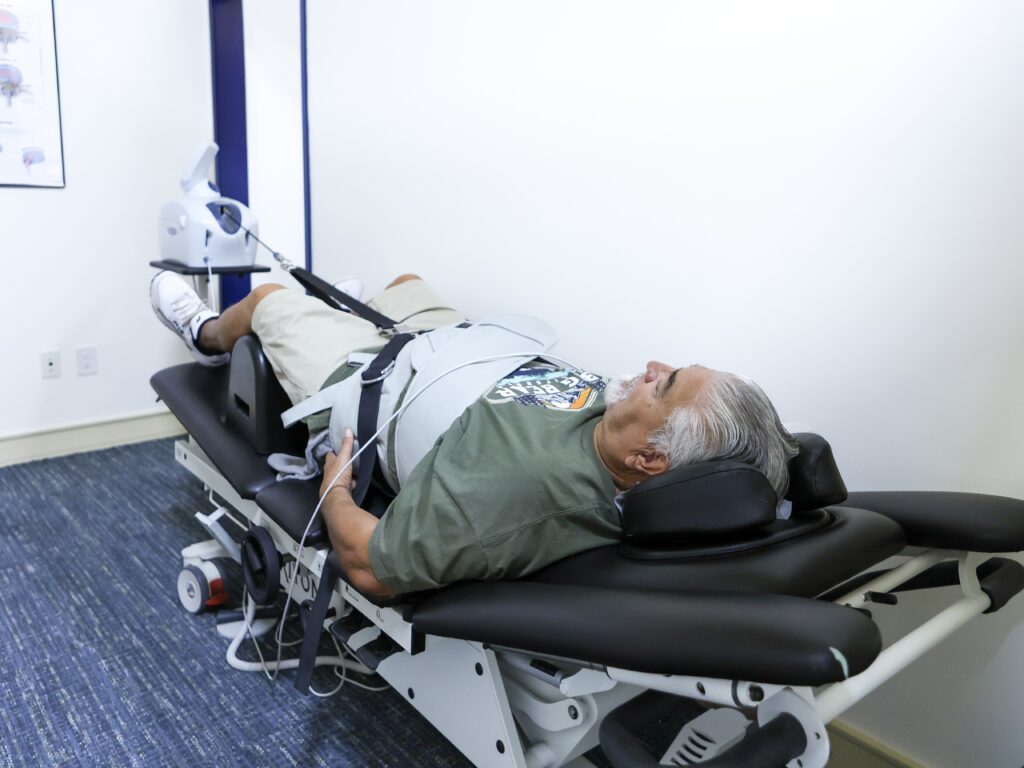
Chiropractic care offers a non-surgical, drug-free approach to addressing the underlying mechanical causes of sciatica. Rather than simply masking the pain, chiropractic evaluation focuses on identifying where the nerve pressure or irritation is coming from and working to address it at the source.
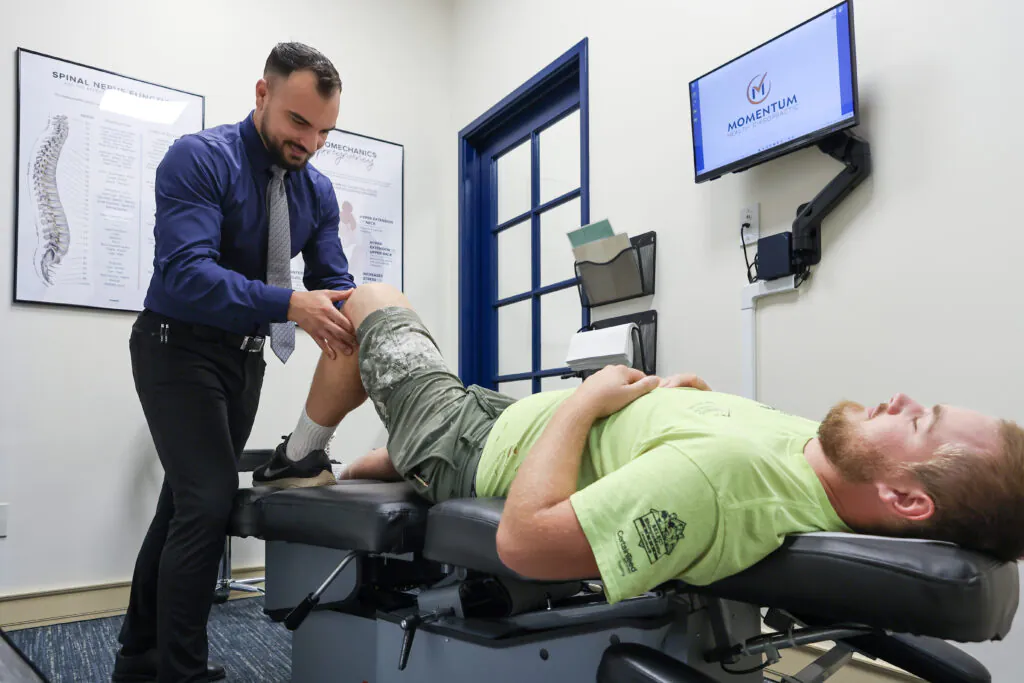
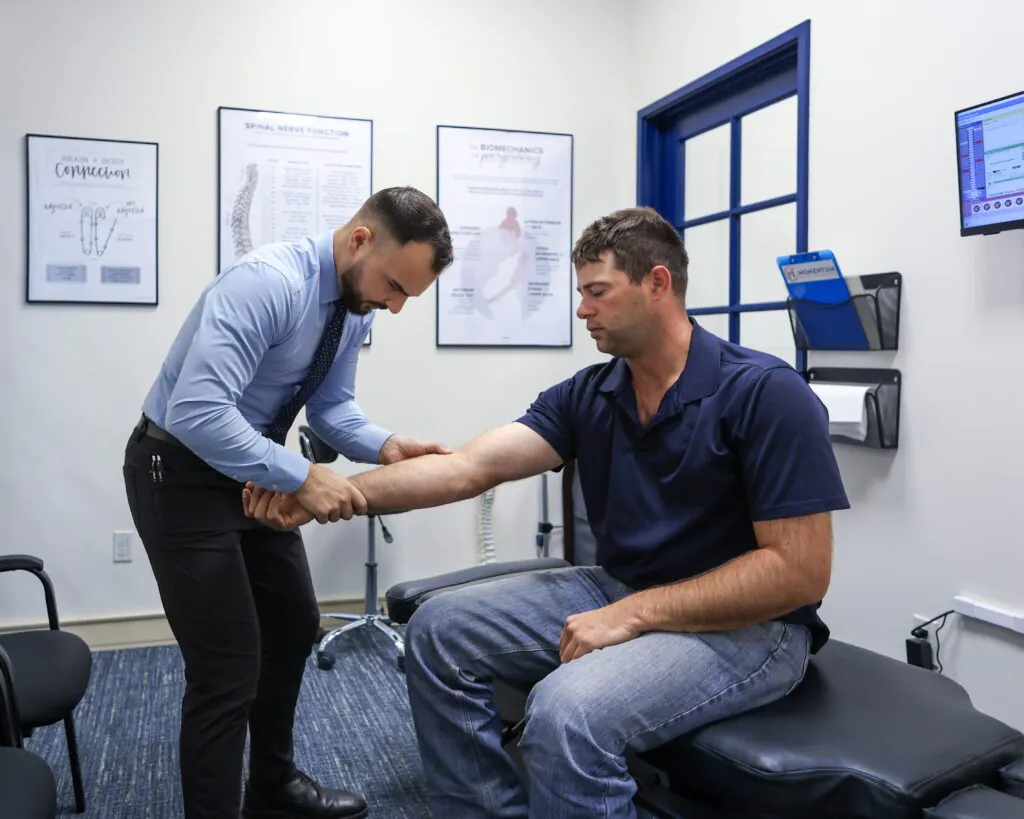
At Momentum Health Chiropractic in San Luis Obispo, Dr. David Sedghi begins with a thorough evaluation to understand each patient’s unique presentation. Because sciatica can arise from several different causes, the approach to care is never one-size-fits-all. What helps someone with a herniated disc may differ from what helps someone with piriformis syndrome or spinal stenosis.
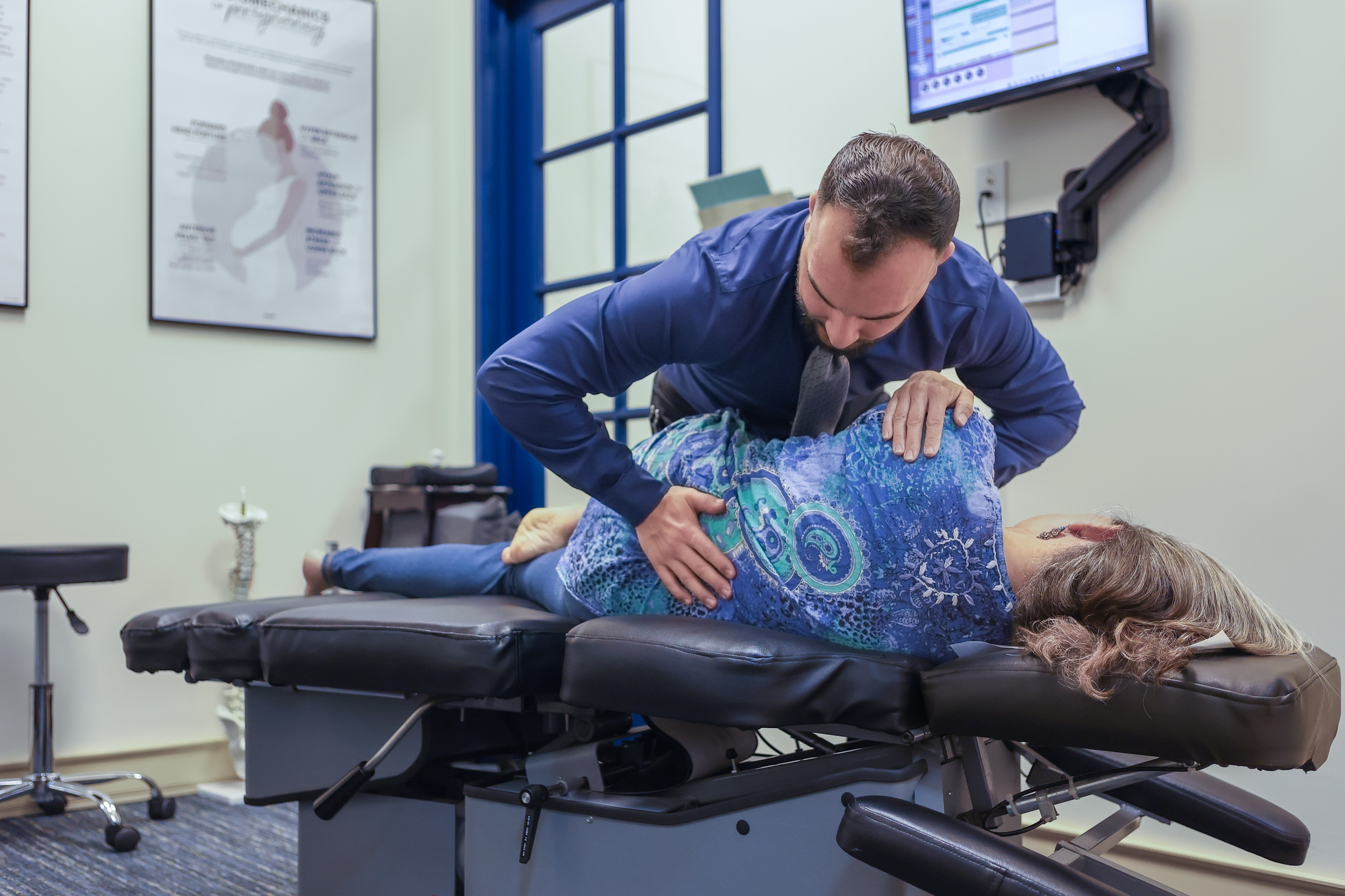
Spinal adjustments — also called spinal manipulation — are a core component of chiropractic care for sciatica. Evidence published in journals like the Spine Journal and reviewed by organizations such as the American Chiropractic Association suggests that spinal manipulation can be effective for reducing low back and radiating leg pain in appropriate candidates. The goal is to restore better alignment and movement to the spine, which can reduce pressure on irritated nerve tissue.
In addition to adjustments, chiropractic care for older adults with sciatica may include soft tissue techniques to address muscle tension, recommendations for specific movement and stretching exercises, and postural guidance tailored to daily activities. The care is gentle and adapted to the individual’s age, overall health, and comfort level. Older patients are never pushed beyond what their body is ready for.
Chiropractic care also tends to be collaborative. If Dr. David Sedghi determines that a patient’s sciatica requires imaging, co-management with another healthcare provider, or a different form of intervention, he will make that recommendation without hesitation. The priority is always the patient’s wellbeing.
Practical Tips for Managing Sciatica at Home
While professional care is important, there are meaningful steps you can take on your own to support your recovery and reduce sciatica flare-ups. These suggestions are meant to complement — not replace — professional evaluation and care.
Gentle movement is one of the most important things you can do. Prolonged bed rest was once recommended for sciatica, but current evidence strongly suggests that staying gently active helps more than resting completely. Short, frequent walks can help maintain circulation and reduce nerve sensitivity without overloading the spine.
Pay close attention to how you sit. Sitting with poor posture or sinking into a soft couch for extended periods places more pressure on the lumbar discs and can aggravate sciatic symptoms. A supportive chair with your feet flat on the floor and your hips at roughly a 90-degree angle is a good starting point. Taking breaks to stand and walk every 30 to 45 minutes is also helpful.
Sleeping position matters, too. Many people with sciatica find relief by sleeping on their side with a pillow between their knees, which helps maintain a more neutral alignment of the pelvis and lower spine. Sleeping on your stomach tends to be one of the more problematic positions for those with lower back and sciatic issues.
Heat and ice can both play a role in symptom management, depending on the nature of your discomfort. Ice is often more helpful during acute flare-ups when inflammation is present, while heat may be better for chronic muscle tightness. When in doubt, it’s always worth asking Dr. David Sedghi which approach is best suited to your specific situation.
When to See a Chiropractor
If you’ve been experiencing radiating leg pain, numbness, or tingling that lasts more than a few days, it’s a reasonable time to have a professional evaluation. Sciatica that lingers without improvement — or that progressively worsens — deserves attention sooner rather than later. Early care often leads to better outcomes and prevents compensatory movement patterns from developing.
There are, however, certain red flag symptoms that warrant immediate medical attention rather than a chiropractic visit. These include loss of bladder or bowel control, severe progressive weakness in both legs, numbness in the groin or inner thighs, or sciatica following a significant trauma like a fall or car accident. These symptoms may indicate a more serious condition called cauda equina syndrome, which requires urgent medical care. At Momentum Health Chiropractic, any presentation involving these red flags would be referred immediately to the appropriate medical provider.
For the vast majority of people experiencing typical sciatica symptoms — even those who have been dealing with it for weeks or months — chiropractic care in San Luis Obispo is a safe and sensible first step in conservative management.
Sciatica Triggers vs. Aggravating Factors
|
Root Cause / Trigger |
Common Aggravating Activities |
What May Provide Temporary Relief |
|---|---|---|
|
Herniated or Bulging Disc |
Bending forward, prolonged sitting, lifting |
Lying down, gentle walking, extension-based movements |
|
Spinal Stenosis |
Standing, walking, spinal extension |
Sitting, leaning slightly forward, flexion-based positions |
|
Piriformis Syndrome |
Sitting on hard surfaces, climbing stairs, hip rotation |
Gentle hip stretching, lying flat, warm compresses to the buttock |
|
Spondylolisthesis |
Standing for long periods, hyperextension of the spine |
Flexion positions, supported sitting, rest with knees elevated |
|
Degenerative Disc Disease |
Morning stiffness, prolonged static positions |
Gentle movement, heat therapy, positional changes |
Myths vs. Facts About Sciatica
Myth: Sciatica Always Requires Surgery
Fact: The vast majority of sciatica cases resolve with conservative, non-surgical care. Research consistently supports chiropractic care, physical rehabilitation, and other conservative approaches as first-line interventions. Surgery is typically considered only when conservative options have been exhausted and significant neurological deficits are present.
Myth: Rest Is the Best Treatment for Sciatica
Fact: While it may be tempting to stay in bed when pain is severe, prolonged rest is not recommended. Current evidence and clinical guidelines support staying gently active as a more effective approach. Movement encourages circulation, reduces stiffness, and supports the body’s natural healing process.
Myth: Sciatica Is Just a Normal Part of Getting Older That You Have to Accept
Fact: While age-related spinal changes do make sciatica more likely, that does not mean the pain is something you simply have to live with. Many older adults find significant relief through chiropractic care and lifestyle modifications. Accepting pain without seeking evaluation is not necessary — and not recommended.
Myth: Sciatica Pain Means Your Sciatic Nerve Is Permanently Damaged
Fact: In most cases, sciatica is caused by irritation or compression of the nerve, not permanent damage to it. Once the pressure is relieved — whether through chiropractic care, improved posture, or other interventions — the nerve typically recovers and symptoms improve. Permanent nerve damage is possible in severe, untreated cases, but it is not the common outcome.
Myth: Chiropractic Adjustments Are Too Risky for Older Adults
Fact: Chiropractic care is routinely adapted to suit the needs of older patients. Dr. David Sedghi at Momentum Health Chiropractic uses techniques that are appropriate for each individual’s age, bone density, and overall health. Gentler approaches — including low-force adjusting techniques — are commonly used with older adults and have a strong safety record when performed by a trained chiropractor.
Final Thoughts
Sciatica is one of the most common reasons people seek chiropractic care, and for good reason — it responds well to the kind of hands-on, individualized, conservative approach that chiropractic offers. If you’re an older adult in San Luis Obispo who has been dealing with radiating leg pain, shooting discomfort down your back and hip, or unexplained numbness in your lower extremities, you don’t have to guess what’s going on or simply push through it.
At Momentum Health Chiropractic, Dr. David Sedghi takes the time to understand each patient’s unique history and presentation before recommending a course of care. Our community here in San Luis Obispo deserves access to thoughtful, evidence-informed care — and that’s exactly what we aim to provide. Whether you’re newly experiencing sciatica symptoms or you’ve been managing chronic sciatic pain for years, there is real support available to you.
Reaching out for an evaluation is a simple, low-risk step that could make a meaningful difference in your comfort and your quality of life. You deserve to move freely and feel well — and that goal is absolutely worth pursuing.
Frequently Asked Questions
How long does sciatica typically last in older adults?
The duration of sciatica varies depending on the underlying cause and how quickly appropriate care is started. Many acute cases improve within a few weeks with conservative care. Chronic or more complex cases — especially those involving significant spinal degeneration — may take longer to respond, but improvement is still very possible with consistent, appropriate management.
Can a chiropractor help with sciatica caused by spinal stenosis?
Chiropractic care can be helpful for managing symptoms related to spinal stenosis, including sciatic pain. The approach is modified based on the individual’s specific presentation, and flexion-based techniques or gentle mobilization may be used instead of more aggressive manipulation. A thorough evaluation helps determine what is appropriate for each patient.
Is it safe to exercise when I have sciatica?
Gentle, low-impact activity is generally encouraged for those with sciatica. Walking, swimming, and specific therapeutic movements are often beneficial. High-impact exercises or movements that worsen symptoms should be avoided until your care provider gives guidance. Always consult with Dr. David Sedghi or your healthcare provider before starting a new exercise routine during a sciatica episode.
What is the difference between sciatica and general lower back pain?
Lower back pain stays localized to the back, while sciatica specifically involves pain that radiates from the lower back through the buttock and down the leg — often past the knee. The presence of leg symptoms like numbness, tingling, or weakness alongside back pain is a key indicator that the sciatic nerve is involved rather than just local back structures.
Does losing weight help with sciatica?
Maintaining a healthy body weight can reduce the mechanical load on the lumbar spine and surrounding structures, which may lessen the likelihood of nerve compression. While weight loss alone is not a treatment for sciatica, it is a meaningful lifestyle factor that supports overall spinal health and can complement other forms of care.
Do I need an MRI before seeing a chiropractor for sciatica?
An MRI is not required before seeking chiropractic care in most cases. Dr. David Sedghi will conduct a thorough clinical evaluation and, if imaging is deemed necessary for safe and effective care, will recommend or refer for the appropriate diagnostic study. Many patients respond well to conservative care without ever needing advanced imaging.
TL;DR Summary
-
Sciatica is nerve-related pain that radiates from the lower back down through the leg, and it becomes more common with age due to natural spinal changes like disc degeneration, stenosis, and joint wear.
-
Common causes in older adults include herniated discs, spinal stenosis, piriformis syndrome, and spondylolisthesis — each of which responds differently to care.
-
Chiropractic care offers a non-surgical, individualized approach to relieving the pressure or irritation on the sciatic nerve, and it is safely adapted for older patients.
-
Home strategies like gentle walking, supportive sitting, and smart sleep positioning can support recovery alongside professional care.
-
If you’re experiencing sciatica symptoms in San Luis Obispo, Momentum Health Chiropractic and Dr. David Sedghi are here to help you find lasting relief through thoughtful, evidence-informed care.