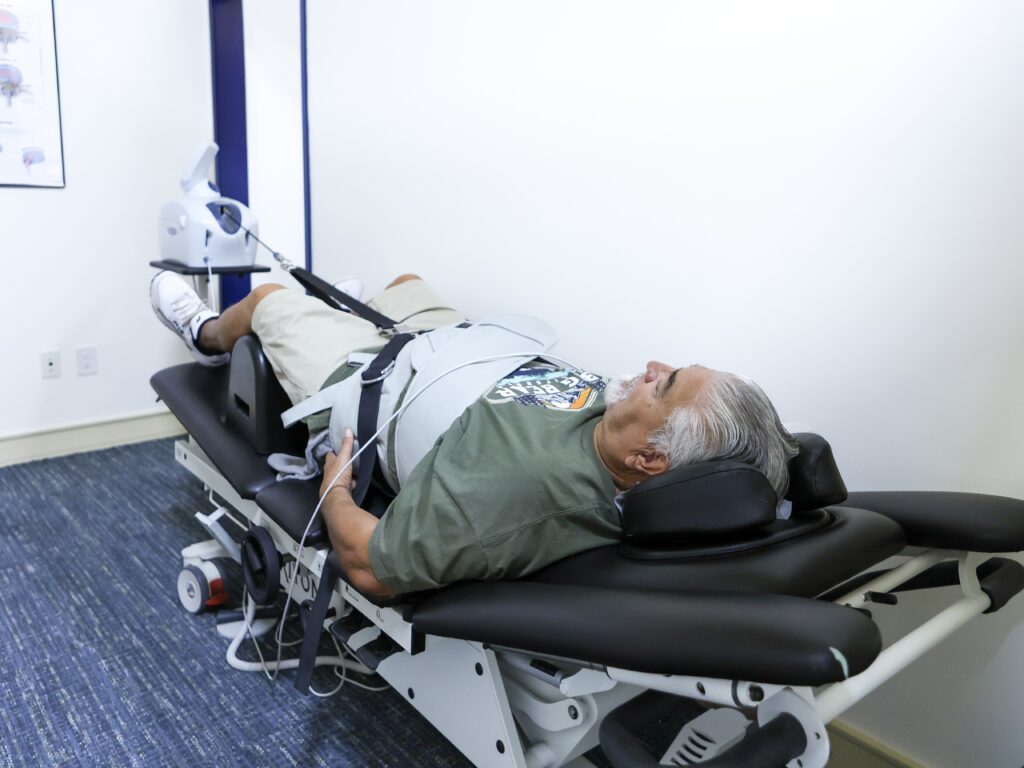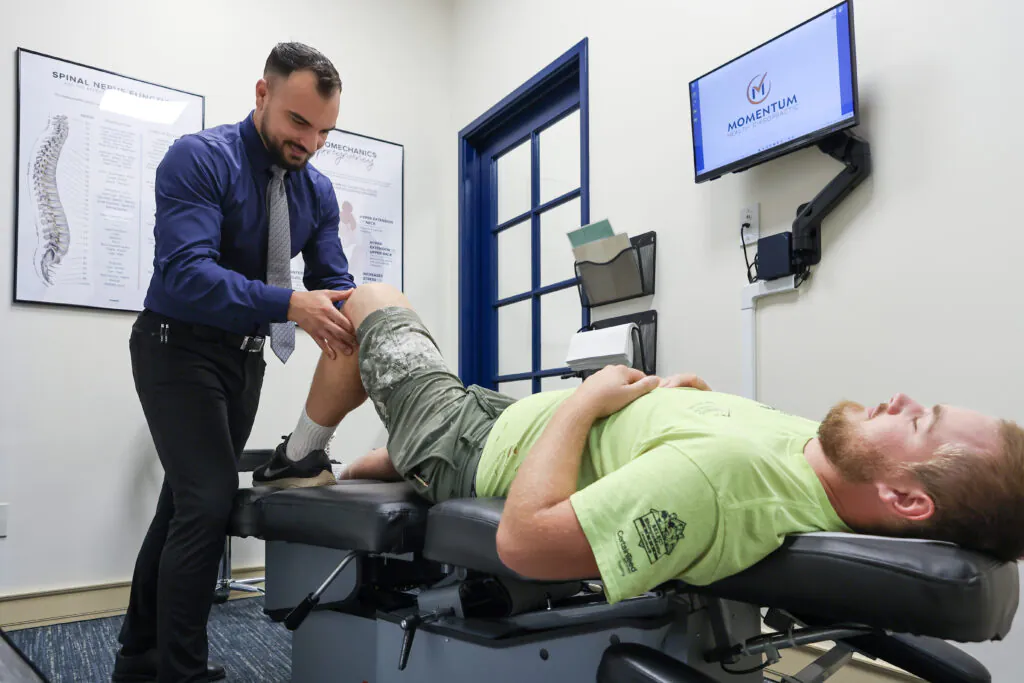

If you’ve ever dealt with a tension headache, you know just how frustrating and debilitating it can be. You may have heard that chiropractic adjustments are often recommended for relief, but you might wonder why that is. These gentle adjustments focus on restoring proper spinal alignment, which is essential for alleviating pain and promoting overall wellness.
So, how do these adjustments help ease the discomfort of tension headaches? The secret lies in the connection between your spine, muscles, and nerves. When your spine is misaligned, it can cause tension in the surrounding muscles and put pressure on the nerves, leading to discomfort and pain. By realigning the spine, chiropractic care helps to reduce this tension and restore balance to your body.
Here are a few tips you can incorporate into your daily routine to help manage tension headaches:
- Stay Hydrated: Dehydration can contribute to headaches, so make sure you’re drinking plenty of water throughout the day.
- Practice Good Posture: Being mindful of your posture, especially while sitting at a desk or using your phone, can help prevent unnecessary strain on your neck and shoulders.
- Take Breaks: If you spend long periods sitting or staring at a screen, take regular breaks to stretch and move around. This helps reduce muscle tension.
- Use Relaxation Techniques: Incorporate relaxation methods such as deep breathing, meditation, or yoga into your routine to help alleviate stress, which can trigger headaches.
- Schedule Regular Chiropractic Visits: Regular adjustments can help maintain spinal alignment and prevent tension headaches from occurring in the first place.
Chiropractic care is a natural and effective way to support your body’s health and wellness. If you’re looking for relief from tension headaches, consider reaching out to a chiropractor. With their expertise in spinal health, they can help you feel your best and lead a healthier, pain-free life.
Key Takeaways
Chiropractic adjustments play a vital role in alleviating tension headaches by focusing on the spine’s alignment. When the spine is misaligned, it can put pressure on the nerves, which may trigger headaches. By realigning the spine through gentle adjustments, we can help reduce this nerve compression, leading to a decrease in headache frequency and intensity.
Proper spinal alignment is essential for optimal blood flow. When blood can circulate freely, it helps alleviate muscle tension and reduces headache symptoms. Regular adjustments not only improve blood circulation but also enhance nerve function, ensuring better communication between your brain and body.
The gentle pressure applied during chiropractic adjustments works wonders for muscle tightness. By relieving this tightness, we can effectively diminish associated headache pain. It’s important to remember that maintaining spinal health is an ongoing process. Regular chiropractic visits can help keep your spine in alignment, which can significantly reduce the chances of experiencing tension headaches.
As you consider your health and wellness journey, remember that chiropractic care offers a natural and effective way to manage pain and promote overall well-being. To further support your health, try to incorporate simple habits into your daily routine, such as staying hydrated, practicing good posture, and engaging in regular physical activity. These practices, combined with chiropractic care, can lead to a healthier, headache-free life.
Understanding Tension Headaches
When you experience tension headaches, it often feels like a tight band is squeezing your head. This discomfort usually arises from muscle tension in your neck, shoulders, and scalp. Factors like stress, poor posture, and fatigue play a significant role in triggering these headaches. You may find that your headache worsens after a long day at work or during particularly stressful moments.
Unlike migraines, tension headaches typically don’t come with nausea or visual disturbances. Instead, you might feel a dull, aching pain that can last anywhere from 30 minutes to several days. Recognizing your triggers—whether they’re emotional stressors or physical strain—is essential in managing these headaches effectively.
Chiropractic care can be an excellent option for alleviating tension headaches. By focusing on spinal health and addressing misalignments, a chiropractor can help relieve the muscle tension that contributes to your headaches. Regular chiropractic adjustments can improve posture, reduce stress, and promote overall wellness, helping you feel better both physically and mentally.
In addition to seeking chiropractic care, there are simple lifestyle changes you can make to ease your symptoms. Taking regular breaks during the day, practicing gentle stretching, and incorporating relaxation techniques like deep breathing or meditation can make a significant difference. Keeping track of what triggers your tension headaches is the first step toward finding relief. By understanding these factors and utilizing chiropractic care, you can work towards achieving optimal health and reducing the frequency and intensity of your tension headaches. Remember, a holistic approach to wellness is key!
The Role of Spinal Alignment
Spinal alignment is essential for managing tension headaches, and as a chiropractor, I want to share how important it’s to keep your spine in top shape for your overall health. When the spine is misaligned, it can lead to muscle tension and discomfort, which can trigger headaches. However, when your spine is properly aligned, it supports healthy nerve function and blood flow, greatly reducing the chances of experiencing headaches.
Many of my patients notice a significant decrease in their headaches after receiving an adjustment. This is because chiropractic adjustments help restore the natural alignment of the spine, allowing your body to work more efficiently. With your spine in its proper position, the nervous system can function without interference, which promotes relaxation and eases tension.
In addition to regular chiropractic care, being mindful of your posture throughout the day is crucial for maintaining spinal alignment. Here are some easy tips to keep your spine healthy and potentially alleviate tension headaches:
- Sit Up Straight: When sitting, ensure your back is straight, shoulders are relaxed, and your feet are flat on the ground. Consider using a chair that offers good back support.
- Take Breaks: If you spend long hours at a desk, take short breaks every hour to stretch and move around. This helps relieve built-up tension in your muscles.
- Sleep Smart: Make sure your pillow supports your neck properly. A good mattress can also make a huge difference in maintaining spinal alignment while you sleep.
- Stay Active: Regular exercise strengthens the muscles that support your spine, which can help keep it aligned and reduce the risk of headaches.
Muscle Tension and Its Impact
Muscle tension is a common contributor to tension headaches, and addressing it’s vital for finding relief. When the muscles in your neck, shoulders, or jaw become tight, they can lead to a painful, throbbing sensation that spreads across your head. This tension often stems from stress, poor posture, or extended periods in front of screens—issues that can sneak up on you until discomfort sets in.
As you unconsciously clench your jaw or hunch your shoulders, these muscles can become fatigued, resulting in aches and headaches. This discomfort can hinder your ability to concentrate and may leave you feeling irritable. The good news is that recognizing the early signs of muscle tension is the first step toward effectively managing your headaches.
Chiropractic care is an excellent way to tackle muscle tension and promote overall wellness. By visiting a chiropractor, you can receive personalized adjustments that relieve tension, improve posture, and promote spinal health. These adjustments not only alleviate headaches but also enhance your body’s natural healing ability.
In addition to chiropractic care, here are some simple tips to help manage muscle tension and prevent headaches in your daily life:
- Practice Good Posture: Be mindful of your posture, especially when sitting at a desk or using a phone. Keep your shoulders relaxed and your back straight to reduce strain on your neck and shoulders.
- Take Breaks: If you spend a lot of time on screens, take regular breaks. Stand up, stretch, and move around every 30 minutes to alleviate tension.
- Stay Hydrated: Drinking enough water can help prevent dehydration-related headaches and keep your muscles functioning optimally.
- Incorporate Relaxation Techniques: Techniques like deep breathing, meditation, or gentle yoga can help reduce stress and muscle tension.
- Get Regular Chiropractic Adjustments: Regular visits to your chiropractor can help maintain spinal health, improve your body’s function, and reduce the likelihood of tension headaches.
How Chiropractic Adjustments Work
Chiropractic adjustments are a natural and effective way to address misalignments in your spine and joints, helping to restore balance and optimal function to your body. By focusing on these issues, you can alleviate tension and enhance your overall health. Here’s how chiropractic adjustments work and how they can benefit you:
- Realignment: During a chiropractic adjustment, I apply gentle and controlled pressure to specific areas of your spine and joints. This helps guide your bones back into their ideal positions. When your body is properly aligned, it functions better, allowing for improved overall health.
- Increased Mobility: One of the great benefits of chiropractic care is increased flexibility and range of motion in your joints. Adjustments help you move more freely, reducing stiffness and tightness that can lead to discomfort, including headaches. When your body can move better, you can enjoy more activities with ease.
- Muscle Relaxation: Chiropractic adjustments also relieve pressure on the muscles and surrounding tissues. By decreasing tension in these areas, you can experience a more relaxed state, which can significantly reduce the frequency and intensity of headaches.
In addition to these benefits, chiropractic care isn’t just about addressing current discomfort; it’s also about prevention. Regular adjustments can help keep your body balanced, reducing the likelihood of future tension headaches and other issues.
Here are some simple tips to complement your chiropractic care and enhance your wellness journey:
- Stay Active: Engage in regular physical activity such as walking, stretching, or yoga. This can help maintain your joint mobility and overall health.
- Practice Good Posture: Pay attention to your posture whether you’re sitting at a desk or standing. Good posture can prevent unnecessary strain on your spine.
- Stay Hydrated: Drinking enough water is crucial for overall health and can aid in muscle function and recovery.
- Listen to Your Body: If you feel tension or discomfort, don’t ignore it. Seek chiropractic care to address these feelings proactively.
The Connection Between Nerves and Headaches
Your nerves play a crucial role in how you experience headaches, particularly when they become compressed due to poor spinal alignment. As a chiropractor, I want to emphasize that maintaining proper spine alignment is key to alleviating this pressure. By doing so, you can significantly reduce the frequency and intensity of tension headaches.
Understanding the connection between your spine, nerves, and headaches is essential for effective relief. When your spine is misaligned, it can lead to nerve irritation, which often manifests as headache pain. This is where chiropractic care shines! Through gentle adjustments and spinal realignment, we can help restore proper function to your nervous system, allowing your body to heal naturally.
Here are some general tips you can incorporate into your daily routine to support your spinal health and minimize headaches:
- Practice Good Posture: Whether sitting at a desk or using your phone, be mindful of your posture. Keep your back straight and shoulders relaxed to reduce strain on your spine.
- Stay Hydrated: Dehydration can trigger headaches. Make sure you’re drinking plenty of water throughout the day to keep your body functioning optimally.
- Incorporate Stretching: Regular stretching can help relieve tension in your neck and shoulders, which are often culprits in headache pain.
- Limit Screen Time: Prolonged screen time can lead to eye strain and tension headaches. Take regular breaks and practice the 20-20-20 rule: every 20 minutes, look at something 20 feet away for 20 seconds.
- Regular Chiropractic Visits: Regular adjustments can help keep your spine aligned and your nervous system functioning properly, reducing the likelihood of headaches.
Nerve Compression Effects
While many people think tension headaches stem from muscle tightness, it’s important to recognize that nerve compression can significantly contribute to these issues. When nerves are compressed, they send pain signals that can lead to discomfort and headaches. Understanding this connection can’t only help you find relief but also highlight the benefits of chiropractic care in achieving optimal health.
Here are three common effects of nerve compression and how chiropractic can help:
- Radiating Pain: You may experience pain that travels from your neck or shoulders to your head, often creating a throbbing sensation. Chiropractic adjustments can help relieve pressure on the nerves, promoting better alignment and reducing pain.
- Numbness or Tingling: If you’re feeling tingling or numbness, it can make it difficult to concentrate or relax. Chiropractic care focuses on restoring proper function to your spine and nervous system, which can alleviate these symptoms and improve your overall well-being.
- Muscle Weakness: Weakness in your arms or shoulders can complicate daily activities and lead to frustration. Regular chiropractic treatments can strengthen your body, enhance function, and reduce the likelihood of experiencing weakness due to nerve compression.
By recognizing these symptoms, you can better understand how nerve health impacts your headaches. Seeking chiropractic care not only addresses these issues but also supports your journey towards natural healing and a healthier lifestyle.
Spine Alignment Importance
Proper spine alignment is crucial for maintaining your overall health, especially when it comes to nerve function and preventing tension headaches. When your spine is aligned, it helps reduce nerve compression, allowing your brain and body to communicate effectively. On the other hand, misalignments, also known as subluxations, can irritate and inflame nerves, often leading to headaches.
By focusing on proper spinal alignment, you not only promote optimal nerve function but also support blood flow and decrease muscle tension. Regular chiropractic adjustments play a key role in achieving this alignment, providing relief from headache symptoms and contributing to your overall wellness.
Here are some simple tips to help you maintain your spine health at home:
- Maintain Good Posture: Whether sitting at a desk or standing, keep your shoulders back and your spine straight. This helps reduce strain on your back and neck.
- Stay Active: Regular physical activity strengthens your muscles and supports your spine. Simple exercises like walking, stretching, or yoga can make a big difference.
- Use Supportive Seating: Ensure that your chair provides proper back support, especially if you spend long hours sitting. Consider using a cushion to help maintain the natural curve of your lower back.
- Sleep Smart: Choose a mattress and pillow that support your spine’s natural alignment. Sleep on your back or side to minimize strain on your neck and back.
- Stay Hydrated: Drinking plenty of water helps maintain the health of your discs and joints, which is essential for a well-aligned spine.
- Schedule Regular Chiropractic Care: Regular adjustments can help you maintain proper alignment, reduce tension, and alleviate headaches. Your chiropractor can provide personalized care tailored to your needs.
Benefits of Chiropractic Care for Headaches
If you’re dealing with tension headaches, chiropractic care is a safe and natural way to find relief. This holistic approach not only addresses the underlying issues contributing to your headaches but also offers numerous benefits that can improve your overall health and wellness. Here are three significant advantages of chiropractic care for headache relief:
- Pain Reduction: Chiropractic adjustments work wonders by realigning your spine, which can ease discomfort. By relieving muscle tension and improving blood circulation, you’ll feel a noticeable decrease in headache pain.
- Enhanced Mobility: Regular visits to your chiropractor can help restore your range of motion. This means you can engage in daily activities without the constant worry of headache pain holding you back. Plus, staying active can help prevent headaches from occurring in the first place!
- Stress Relief: The gentle techniques used in chiropractic care aren’t just about physical adjustments; they can also help lower your stress levels. Since stress is a common trigger for tension headaches, finding ways to relax and unwind can be crucial for your well-being.
In addition to chiropractic care, consider adopting some simple lifestyle changes to further support your health. Stay hydrated, practice good posture, and incorporate regular physical activity into your routine.
These small adjustments can make a big difference in how you feel. Remember, choosing chiropractic care is a proactive step toward achieving optimal health and living pain-free!
Evidence Supporting Chiropractic Adjustments
Chiropractic adjustments are a natural and effective way to reduce tension headaches and enhance your overall well-being. Research shows that spinal manipulation can alleviate pain by restoring proper alignment and function in the spine. When your spine is aligned, it minimizes nerve irritation, allowing your body to heal itself more effectively.
Chiropractic care goes beyond just addressing headaches; it can also improve your range of motion and posture, which are often key factors in tension headaches. Many patients experience significant relief after just a few sessions, highlighting how powerful these adjustments can be.
Moreover, studies have revealed that chiropractic treatment can lead to fewer headache days and lessen the intensity of pain when headaches do arise. By choosing chiropractic care, you’re not simply masking symptoms; you’re tackling the root causes, paving the way for lasting relief.
Here are a few tips to enhance your wellness journey alongside chiropractic care:
- Stay Active: Regular physical activity helps maintain spinal health and overall wellness. Simple activities like walking or stretching can make a big difference.
- Maintain Good Posture: Be mindful of your posture while sitting, standing, and even sleeping. Proper alignment can reduce strain on your spine and help prevent headaches.
- Stay Hydrated: Drinking enough water is essential for maintaining healthy spinal discs and overall health.
- Incorporate Relaxation Techniques: Stress can contribute to tension headaches. Practices like deep breathing, meditation, or yoga can help you manage stress and promote relaxation.
- Listen to Your Body: If you notice tension building up, don’t hesitate to reach out for a chiropractic adjustment. Early intervention can prevent headaches from escalating.
Complementary Therapies for Tension Relief
When you’re seeking relief from tension headaches, chiropractic care can be a powerful ally in your journey to wellness. Unlike other methods, chiropractic treatments focus on aligning the spine and improving overall body function, which can help alleviate muscle tightness and promote relaxation.
Let’s explore how chiropractic care can provide the relief you need, along with some helpful tips for maintaining your well-being.
Chiropractic adjustments target misalignments in the spine that may contribute to tension headaches. By restoring proper alignment, we can help reduce pressure on nerves and muscles, leading to decreased pain and discomfort.
This natural approach not only addresses the symptoms but also works to identify and correct the underlying issues.
In addition to chiropractic adjustments, here are a few tips you can incorporate into your routine to help manage tension headaches:
- Stay Hydrated: Dehydration can contribute to headaches, so make sure you drink plenty of water throughout the day.
- Practice Good Posture: Pay attention to your posture, especially while sitting at a desk or using your phone. Keeping your spine aligned can help reduce tension.
- Incorporate Regular Stretching: Gentle stretches for the neck and shoulders can help relieve tightness and prevent headaches from occurring.
- Manage Stress: Engage in stress-relief activities such as deep breathing, yoga, or meditation to help keep tension at bay.
- Get Adequate Sleep: Aim for a consistent sleep schedule to support overall health and reduce the likelihood of tension headaches.
Massage Therapy Benefits
Massage therapy can be a helpful addition to your wellness routine, especially for those who suffer from tension headaches. However, for optimal health and effective pain relief, I always recommend considering chiropractic care as your primary approach. Chiropractic adjustments focus on spinal health, which is essential in relieving tension and improving overall well-being. Here’s how chiropractic care can help with headaches and what you can do to support your health:
- Spinal Alignment: Regular chiropractic adjustments can correct misalignments in the spine that may contribute to muscle tension and headaches. By ensuring your spine is properly aligned, you can reduce pressure and pain.
- Improved Nerve Function: A healthy spine supports optimal nerve function. When your spine is aligned, the nervous system can communicate effectively, leading to better circulation and reduced discomfort.
- Holistic Stress Management: Chiropractic care not only addresses physical symptoms but also promotes relaxation and stress relief. Techniques such as spinal manipulation can help calm the body and mind, reducing the likelihood of headaches.
Tips for Natural Relief:
- Stay Hydrated: Dehydration can trigger headaches. Make sure to drink plenty of water throughout the day.
- Practice Good Posture: Sitting and standing with proper posture can alleviate tension in your neck and shoulders, reducing headache frequency.
- Incorporate Regular Movement: Engaging in gentle exercises or stretches can help keep your muscles loose and prevent tightness that leads to headaches.
Acupuncture for Tension Relief
Acupuncture can be a beneficial tool for relieving tension headaches, but as a chiropractor, I believe that chiropractic care is the most effective way to achieve optimal health and wellness. By focusing on spinal health and alignment, chiropractic adjustments can help alleviate tension headaches at their source.
When your spine is misaligned, it can lead to muscle tension and nerve irritation, contributing to headache symptoms. Regular chiropractic adjustments not only help to restore proper alignment but also improve blood flow and relieve muscle tension, promoting overall relaxation.
In addition to chiropractic care, there are simple lifestyle changes you can implement to further manage tension headaches. Make sure to stay hydrated, practice good posture, and take regular breaks from screens to reduce strain. Incorporating gentle stretching and relaxation techniques, such as deep breathing or yoga, can also help.
While acupuncture may offer some relief, prioritizing chiropractic care ensures you’re addressing the root cause of your headaches rather than just managing the symptoms. If you’re seeking a natural approach to ease your tension headaches and improve your overall wellness, consider visiting a chiropractor. Together, we can work towards a healthier and pain-free life.
When to Seek Professional Help
While tension headaches can often be managed with home remedies, there are certain situations where seeking professional help is crucial. As a chiropractor, I believe that understanding when to reach out for care can greatly enhance your overall wellness.
Here are some key signs to watch for:
- Persistent Pain: If your headache lasts more than a few days or begins to intensify, this could signal an underlying issue that requires a thorough evaluation. Regular chiropractic adjustments can help identify and address spinal misalignments that may contribute to headache pain.
- Accompanying Symptoms: If you start experiencing nausea, vision changes, or difficulty speaking along with your headaches, it’s important to seek attention from a healthcare professional. These symptoms can indicate a more serious condition that warrants immediate care.
- Increased Frequency: Should your headaches become more frequent or severe, it’s time to consult with a chiropractor. We can help assess your posture, spinal health, and lifestyle factors that could be contributing to your discomfort.
In addition to these signs, consider incorporating some general tips into your routine to promote natural healing and prevent headaches:
- Stay Hydrated: Dehydration can often lead to headaches, so make sure you’re drinking plenty of water throughout the day.
- Practice Good Posture: Maintaining proper posture, especially while working at a desk, can reduce tension in your neck and shoulders, alleviating headache triggers.
- Incorporate Stretching and Exercise: Regular physical activity and stretching can improve circulation and reduce muscle tension.
By taking these signs seriously and considering chiropractic care, you can better manage your tension headaches and enhance your overall health. Remember, it’s always wise to prioritize your well-being and seek help when necessary.
Embrace a natural approach to healing and let chiropractic care guide you toward optimal health!