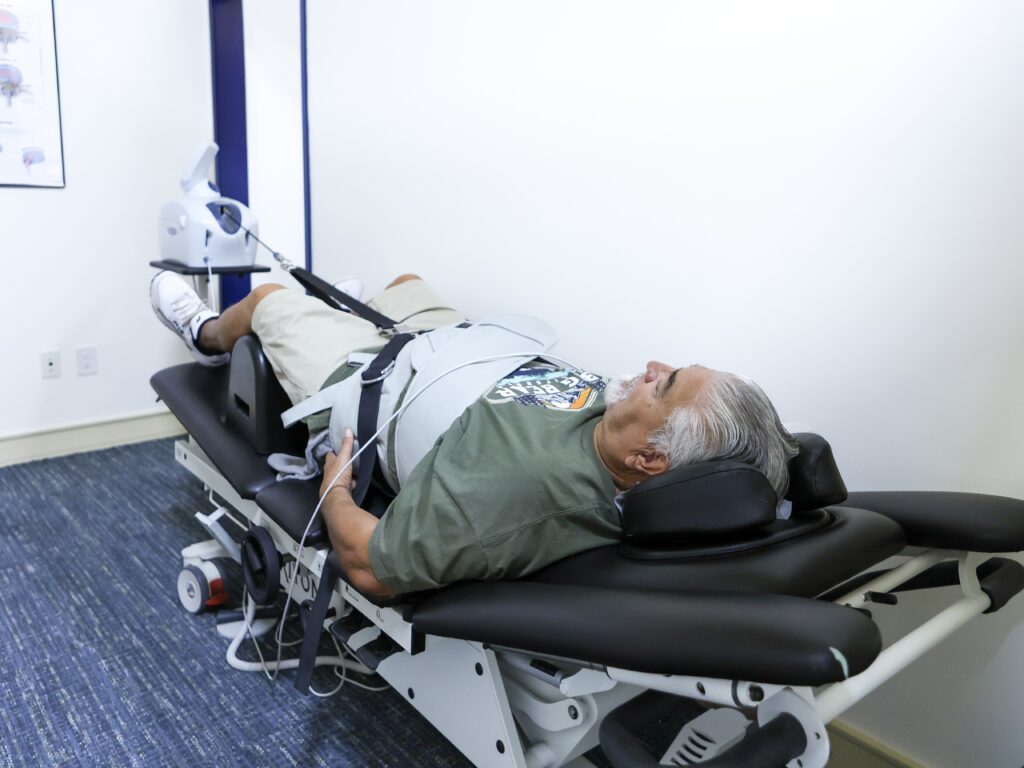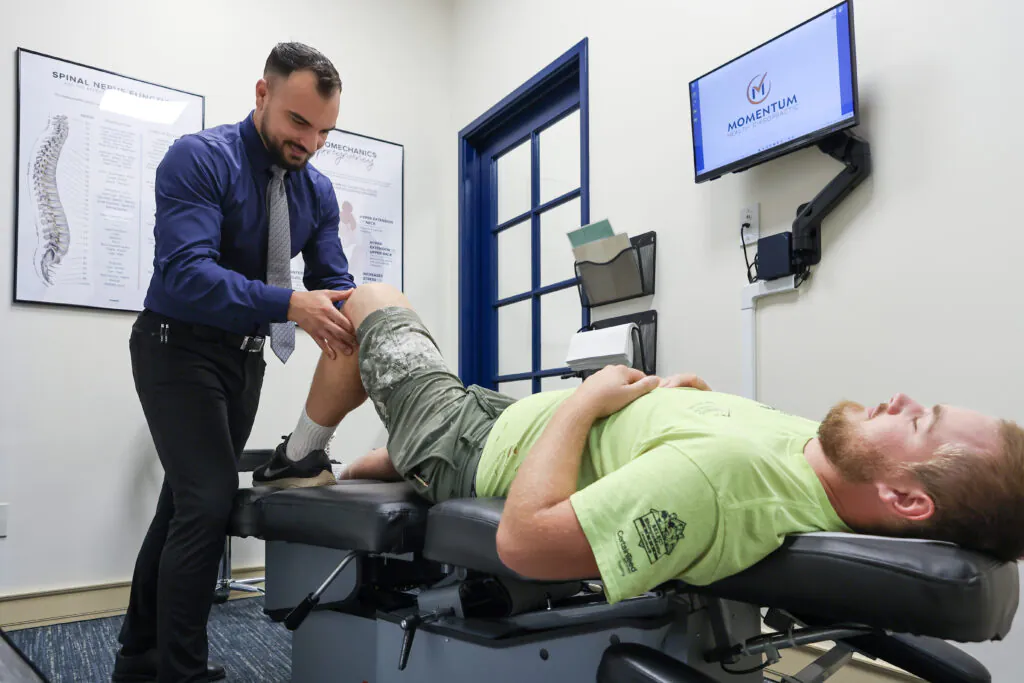

If you’re dealing with tension headaches, opting for chiropractic care can truly transform your everyday experience. By focusing on the underlying issues, such as stress and poor posture, chiropractic adjustments can help you regain your comfort and boost your productivity. It’s not just about relieving pain; it’s about nurturing lasting wellness.
Chiropractic care works by aligning your spine and improving your nervous system function, which can lead to a reduction in headache frequency and intensity. Regular adjustments can also help improve your posture, reducing strain on your neck and shoulders, which are often culprits in tension headaches.
In addition to chiropractic adjustments, here are some general tips to help you manage tension headaches and enhance your overall well-being:
- Practice Good Posture: Be mindful of your posture while sitting, especially if you work at a desk. Keep your back straight, shoulders relaxed, and feet flat on the floor.
- Stay Hydrated: Dehydration can contribute to headaches. Make sure to drink plenty of water throughout the day.
- Manage Stress: Incorporate stress-reducing activities into your routine, such as yoga, meditation, or deep-breathing exercises.
- Take Breaks: If you’re working on a computer or focusing on a task for a long time, take regular breaks to give your eyes and neck a rest.
- Get Regular Exercise: Physical activity can help reduce stress and tension in the muscles, which can help prevent headaches.
By choosing chiropractic care, you’re taking a proactive step towards not only alleviating your tension headaches but also achieving optimal health and wellness. Let’s work together to break the cycle of discomfort and promote a healthier, happier you!
Key Takeaways
Why Choose Chiropractic Care for Tension Headache Prevention?
- Regular chiropractic adjustments are key in alleviating muscle tension, improving your posture, and enhancing spinal health, which can significantly lower the occurrence of tension headaches.
- By practicing proper ergonomics and maintaining mindful body alignment while working, you can prevent unnecessary strain, helping to reduce headache triggers that come from poor posture and desk setups.
- Incorporating stress management techniques such as deep breathing and mindfulness can be incredibly beneficial. These practices promote relaxation, effectively addressing common stress-related headache triggers that many of us face.
- Simple preventive habits like staying hydrated, engaging in regular stretching, and making sleep a priority are essential for overall health and can help lower the risk of headaches.
- Seeking professional chiropractic care can help restore balance in your body. A chiropractor can provide personalized adjustments and recommendations that support your natural healing process and enhance your long-term well-being.
By prioritizing chiropractic care, you’re choosing a natural path to pain relief and improved health, enabling you to live your best life free from the burden of tension headaches.
Understanding Tension Headaches
Tension headaches are a common issue that many people face, and they can certainly interfere with your daily activities. You might experience a dull ache that stretches across your forehead or a feeling of pressure like a tight band around your head. These headaches often arise from muscle tension, poor posture, or even eye strain. It can be challenging to concentrate on tasks when discomfort strikes.
Understanding the signals your body sends is crucial. When you notice tension building, it’s a good indicator to take some proactive steps. Consider how long you sit at your desk or how you manage stress throughout the day. By identifying what triggers your tension headaches, you can work towards reducing their frequency and intensity.
Chiropractic care is a fantastic option for addressing the root causes of tension headaches. Regular chiropractic adjustments can help relieve muscle tension, improve your posture, and enhance your overall spinal health, which may lead to fewer headaches over time.
In addition to chiropractic care, there are several simple habits you can adopt to support your well-being. Remember to stay hydrated, take regular breaks during long periods of work, and practice proper ergonomics at your workstation. Stretching and incorporating relaxation techniques, like deep breathing or gentle yoga, can also be beneficial.
With the right approach, including chiropractic care and these healthy habits, you can’t only manage your discomfort but also enhance your overall quality of life. Prioritizing your health and wellness is key, and with chiropractic support, you can work towards achieving optimal health naturally.
The Role of Stress Management
Managing stress is crucial not only for your mental well-being but also for preventing tension headaches that can arise from physical strain and misalignment in the spine.
As a chiropractor, I encourage you to explore various stress-reduction techniques that can seamlessly integrate with your care. Mindfulness and relaxation practices, such as deep breathing and gentle stretching, can significantly enhance your overall health and keep those pesky headaches at bay.
Incorporating these strategies into your daily routine can lead to a noticeable improvement in how you feel. Remember, a well-aligned spine is key to a healthy nervous system, which plays a vital role in stress management. Regular chiropractic adjustments can help maintain spinal health, alleviate tension, and support your body’s natural healing processes.
Here are a few simple tips you can start implementing today:
- Practice Deep Breathing: Take a few moments each day to focus on your breath, inhaling deeply through your nose and exhaling slowly through your mouth. This helps calm your nervous system and reduce stress.
- Stay Active: Engage in light physical activities like walking or yoga. These not only keep your body in motion but also release endorphins, which can improve your mood and reduce tension.
- Maintain Good Posture: Be mindful of your posture, especially when sitting at a desk. Good alignment can help prevent strain on your neck and shoulders, reducing the likelihood of headaches.
- Schedule Regular Chiropractic Visits: Regular adjustments can help keep your spine aligned, improve your body’s function, and enhance your ability to manage stress effectively.
Techniques for Stress Reduction
Reducing stress is crucial for preventing tension headaches, as chronic stress can both trigger and worsen these painful episodes. As a chiropractor, I believe that managing stress is an important part of your overall health and wellness journey. Incorporating some simple techniques into your daily routine can help you achieve a more relaxed state and maintain optimal health.
Here are a few effective stress-reduction techniques that you can easily adopt:
| Technique | Description |
|---|---|
| Deep Breathing | Take a moment to focus on slow, deep breaths. This practice calms your mind and can help relieve tension in your body, promoting better spinal health. |
| Regular Exercise | Engaging in physical activity is not just good for your body; it also releases endorphins, which naturally enhance your mood and reduce stress. Plus, it supports a healthy spine! |
| Time Management | Prioritize your tasks to avoid feeling overwhelmed. By managing your time effectively, you can create a more balanced life that contributes to your overall well-being. |
Mindfulness and Relaxation Practices
Practicing mindfulness and relaxation techniques can greatly enhance your ability to cope with stress, which in turn can help reduce the frequency and severity of tension headaches. As a chiropractor, I often emphasize the importance of a holistic approach to health that includes not only spinal care but also mindfulness practices. By incorporating simple techniques such as deep breathing exercises, meditation, or yoga into your daily routine, you can cultivate a sense of calm and awareness that supports your overall wellness.
These practices encourage you to focus on the present moment, enabling you to identify and manage your stress triggers more effectively. Regular engagement in mindfulness can lead to improved emotional resilience and lower levels of anxiety, which are essential for maintaining a healthy spine and overall well-being. Just a few minutes each day dedicated to these techniques can make a significant difference.
Alongside these practices, it’s important to remember the role of chiropractic care in achieving optimal health. Regular chiropractic adjustments help ensure that your spine is functioning properly, which can alleviate tension and discomfort that contribute to headaches. By keeping your spine aligned, you create a solid foundation for your body to manage stress better.
As you embrace both mindfulness techniques and chiropractic care, you’ll find yourself better equipped to handle daily stresses, leading to fewer headaches and a more balanced life. Remember, taking care of your body and mind is key to enjoying a pain-free, healthy lifestyle.
Importance of Posture and Ergonomics
Your posture and ergonomics are crucial in preventing tension headaches, and as a chiropractor, I want to emphasize how addressing these aspects can promote your overall well-being. By setting up your workstation correctly—ensuring your chair supports your lower back and your computer screen is at eye level—you can significantly reduce strain on your neck and shoulders.
In addition to a proper desk setup, remember to take regular breaks to stretch and move around. Simple stretches, such as neck rolls or shoulder shrugs, can relieve built-up tension and keep your muscles relaxed. Staying mindful of your body alignment throughout the day is essential; good posture not only helps prevent discomfort but also contributes to better spinal health.
Chiropractic care is an excellent option for those seeking natural pain relief and improved wellness. Regular adjustments can help keep your spine aligned, which supports your nervous system and overall health.
Proper Desk Setup
Setting up your desk properly is essential for not only enhancing your comfort but also for supporting your overall spinal health and wellness. As a local chiropractor, I want to share some valuable tips that can help you prevent tension headaches and promote a healthier work environment.
First and foremost, ensure your chair provides adequate support for your lower back. This can help maintain the natural curve of your spine, reducing the chances of discomfort. Your feet should rest flat on the floor, ensuring proper alignment and support for your entire body.
Next, position your monitor at eye level to avoid straining your neck. This simple adjustment can significantly lessen the tension on your cervical spine, which is crucial for overall neck health. Keeping your keyboard and mouse close will also prevent you from reaching too far, which can lead to shoulder tension and discomfort.
Adjusting your screen brightness and minimizing glare can help reduce eye strain, a common culprit for headaches. When typing, focus on keeping your wrists in a neutral position and your arms parallel to the ground. This posture supports not just your wrists but also your shoulders and neck.
Lastly, a clutter-free workspace promotes a more relaxed environment, further aiding in your overall well-being. By implementing these ergonomic adjustments, you’re not only reducing the risk of tension headaches but also fostering a healthier lifestyle that aligns with the principles of chiropractic care.
Regular Stretching Breaks
Even with a well-organized desk setup, taking regular stretching breaks is crucial for supporting your spine and overall well-being. Stretching not only helps relieve tension in your muscles, but it also promotes better blood circulation, enhancing your body’s natural healing processes. When you ignore your body’s signals, you risk feeling tight, fatigued, and can even put extra stress on your spine.
Here’s a quick reminder of the benefits of stretching and how it can contribute to your overall health:
| Benefits | Feelings |
|---|---|
| Reduces muscle tension | Invigorating energy |
| Improves circulation | Enhanced focus |
| Prevents stiffness | Increased relaxation |
Incorporating short stretching breaks into your daily routine not only enhances your physical well-being but can also improve your productivity. Remember, taking care of your spine is essential for a healthy life, and chiropractic care can guide you toward optimal health by addressing any underlying issues.
Here are some simple tips to help you incorporate stretching into your day:
- Set Reminders: Use your phone or computer to set reminders every hour to take a quick break and stretch.
- Focus on Your Spine: Perform gentle stretches that promote spinal flexibility, such as gentle twists or forward bends.
- Breathe Deeply: Remember to take deep breaths while stretching. This helps relax your muscles and enhances the benefits of the stretch.
- Listen to Your Body: Pay attention to how your body feels. If something doesn’t feel right, ease into the stretch or stop.
- Consider Chiropractic Care: Regular visits to a chiropractor can help ensure your spine is aligned, making stretching even more effective.
Mindful Body Alignment
Maintaining mindful body alignment is crucial for preventing tension headaches and enhancing your overall well-being. As a chiropractor, I often see how poor posture can lead to strain in the neck and shoulders, resulting in discomfort and headaches. Whether you’re sitting at a desk or standing, being aware of your body position can make a significant difference.
To improve your alignment, here are some simple tips you can follow:
- Relax Your Shoulders: Keep your shoulders down and relaxed. This helps alleviate tension that can build up over time.
- Align Your Head with Your Spine: Make sure your head is directly over your spine. This alignment helps reduce strain on your neck.
- Feet Flat on the Floor: When sitting, ensure your feet are flat on the ground. This promotes better balance and support.
- Chair Support: Use a chair that supports your lower back. This will help maintain the natural curve of your spine.
- Eye Level Screen: Position your computer screen at eye level to prevent leaning forward, which can cause neck strain.
Regularly checking in with your posture throughout the day is essential. By making these small adjustments, you can prevent muscle tension and significantly reduce your risk of tension headaches.
Chiropractic care is a powerful way to achieve optimal health. By focusing on your spine and overall alignment, you can enhance your body’s natural healing abilities.
I encourage you to prioritize your posture and consider chiropractic adjustments as a proactive step toward better health and wellness. Remember, taking care of your spine is taking care of your entire body!
Developing Healthy Lifestyle Habits
Adopting healthy lifestyle habits is essential for reducing the frequency and intensity of tension headaches, and chiropractic care can play a significant role in supporting your journey to optimal health. By making a few simple changes and incorporating chiropractic adjustments, you can positively impact your overall well-being and manage headaches naturally.
- Stay Hydrated: Drinking plenty of water throughout the day is crucial in preventing dehydration, a common headache trigger. Proper hydration supports spinal health and can enhance the effectiveness of your chiropractic care.
- Practice Regular Exercise: Engaging in physical activities like walking or yoga not only relieves stress but also improves circulation and spinal alignment. Regular chiropractic adjustments can further enhance your physical activity by ensuring your body is functioning at its best.
- Maintain a Balanced Diet: Eating regular, nutritious meals helps stabilize your energy levels and prevents blood sugar dips, which can contribute to headaches. A well-balanced diet supports overall health, and your chiropractor can provide guidance on nutrition that complements your care.
- Prioritize Sleep: Aiming for 7-9 hours of quality sleep each night is essential for your body’s recovery and can significantly reduce headache risk. Good sleep is also linked to a properly aligned spine, which is where chiropractic care can help.
Incorporating these habits into your daily routine, along with regular chiropractic visits, can help you feel more energized and resilient against tension headaches. This holistic approach allows you to enjoy life to the fullest while promoting natural healing and wellness.
Exploring Professional Care Options
When you’re dealing with tension headaches, exploring professional care options can be a crucial step in managing your symptoms effectively. As a chiropractor, I encourage you to consider chiropractic care as a natural and holistic approach to finding relief.
Start by visiting a chiropractor who specializes in spinal health. Your spine plays a vital role in your overall well-being, and misalignments can contribute to tension and headaches. A chiropractor will assess your spine and posture and may perform gentle adjustments to alleviate pressure and restore balance. This natural method can help reduce the frequency and intensity of your headaches without the need for medications or invasive treatments.
In addition to chiropractic adjustments, there are simple lifestyle changes you can implement to help manage tension headaches. Regular exercise, such as stretching or yoga, can improve flexibility and reduce muscle tension. Staying hydrated is essential, so make sure you’re drinking enough water throughout the day. Also, consider setting up an ergonomic workspace to promote good posture, which can further reduce strain on your neck and shoulders.
Stress management is another key factor. Techniques like deep breathing exercises or mindfulness can help you stay relaxed and reduce the likelihood of tension headaches. If you find that stress is a significant trigger, speaking with a counselor can provide additional strategies for coping.
Furthermore, alternative therapies like acupuncture and massage can complement your chiropractic care. These modalities have been shown to help relieve headaches by relaxing tight muscles and improving blood flow.
Don’t hesitate to reach out to your chiropractor with any questions or concerns. Together, we can develop a tailored plan that works for you, guiding you toward effective relief and a healthier, more balanced lifestyle. Embracing chiropractic care can be a powerful step toward achieving optimal health and well-being.
The Long-Term Benefits of Prevention Strategies
The Long-Term Benefits of Prevention Strategies Through Chiropractic Care
As a local chiropractor, I want to share how prevention strategies, particularly through chiropractic care, can significantly enhance your overall well-being and help reduce the frequency of tension headaches. By incorporating chiropractic methods into your routine, you’re not just addressing headache issues; you’re making a valuable investment in your long-term health.
Here are some benefits you can look forward to:
- Reduced Headache Frequency: Regular chiropractic adjustments can help align your spine and relieve tension in your neck and back, leading to fewer headaches and less disruption in your daily life.
- Improved Productivity: When you’re free from headache pain, you can concentrate better and accomplish more throughout your day. Chiropractic care can also help improve your posture, which contributes to better focus and efficiency.
- Better Sleep Quality: Chiropractic care can enhance your overall nervous system function, leading to improved sleep patterns. A well-aligned spine promotes relaxation and can help you wake up feeling refreshed and energized.
- Enhanced Stress Management: Learning relaxation and coping techniques from your chiropractor can help you manage stress effectively. Stress is a common trigger for headaches, and by addressing it holistically, you can experience fewer headaches and a calmer mindset.
General Tips for Headache Prevention:
- Maintain good posture while sitting or standing. Pay attention to how you position your body, especially when working at a desk.
- Stay hydrated; drinking plenty of water can prevent dehydration, which is a common headache trigger.
- Incorporate regular physical activity into your routine. Gentle exercises, including stretching and walking, can relieve tension and improve spinal health.
- Practice deep breathing or mindfulness techniques to help reduce stress levels.