
If you’re dealing with tension headaches, you’re not alone; they can be quite disruptive to your daily life. Thankfully, there are several natural techniques you can incorporate to help alleviate your discomfort. As a chiropractor, I believe that understanding the root causes of your headaches is essential to finding effective relief. Many times, poor posture, stress, and muscle tension contribute to these headaches, and with the right approach, you can significantly improve your situation.
Firstly, consider adjusting your workspace. Ensuring that your desk and chair are ergonomically designed can help maintain proper spinal alignment, reducing strain on your neck and shoulders. A supportive chair and a desk at the right height can make a world of difference.
Incorporating relaxation practices is another powerful way to combat tension headaches. Techniques like deep breathing, meditation, or gentle yoga can help reduce stress and tension in your body. These practices promote relaxation and can contribute to overall wellness.
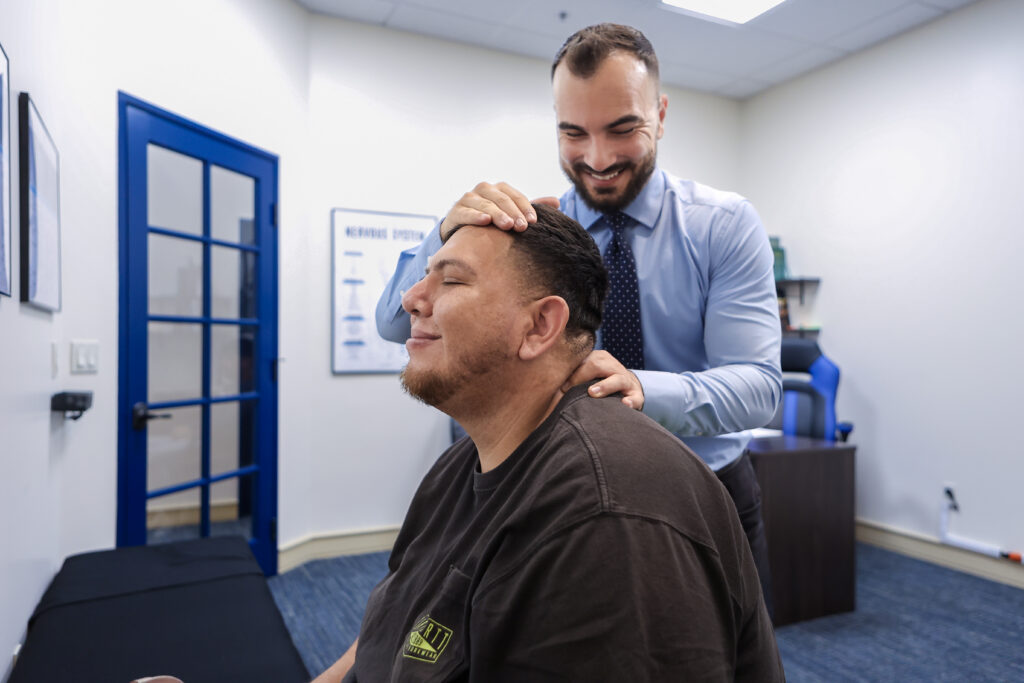
Don’t underestimate the power of chiropractic care. Regular adjustments can help realign your spine, relieve pressure on nerves, and improve your body’s function. By addressing the underlying issues that may be contributing to your headaches, chiropractic care can lead to long-term relief and improved quality of life.
Additionally, simple lifestyle changes can have a significant impact. Staying hydrated, maintaining a balanced diet, and ensuring you get enough sleep are all crucial for your overall health and can help prevent headaches. Stretching your neck and shoulder muscles throughout the day can also alleviate tension and prevent headaches from developing.
Remember, the key to managing tension headaches lies in understanding your body and being proactive about your health. By incorporating these strategies and considering chiropractic care, you can take control of your discomfort and work towards a healthier, pain-free life.
Key Takeaways
- Prioritize good posture by investing in ergonomic furniture and ensuring your body is aligned correctly. This helps reduce strain on your neck and shoulders, which can lead to tension headaches. Regular chiropractic adjustments can further enhance your posture and spinal health.
- Engage in regular physical activity, such as stretching, yoga, or aerobic exercise. These activities help alleviate muscle tension, improve blood flow, and promote overall wellness. Chiropractic care can also provide personalized exercise recommendations tailored to your needs.
- Incorporate relaxation techniques into your routine, such as deep breathing, meditation, or mindfulness practices. These methods can help manage stress and reduce headache triggers. A chiropractor can guide you in finding the best techniques for your body and lifestyle.
- Take frequent breaks during long hours spent at your desk. Stand, stretch, and refresh your body to prevent muscle tightness and discomfort. Consider visiting a chiropractor for adjustments that can help relieve tension and improve your overall comfort at work.
- Stay hydrated and maintain a balanced diet to keep your blood sugar levels stable and support your overall well-being. Proper nutrition plays a vital role in reducing headache risk. Your chiropractor can also provide nutritional advice to support your health goals.
By focusing on these natural techniques and incorporating chiropractic care into your wellness routine, you can effectively relieve tension headaches and promote optimal health.
Understanding Tension Headaches
When you experience a tension headache, it can feel like a tight band is squeezing your head. This common type of headache often arises from stress, anxiety, or muscle tension in your neck and shoulders. You might notice a dull, aching pain that can linger for hours or even days. Unlike migraines, tension headaches typically don’t come with nausea or sensitivity to light, which sometimes makes them easier to overlook.
These headaches can be triggered by poor posture, long hours spent at a desk, or lack of sleep. They often sneak up on you during busy, stressful days. Understanding the nature of tension headaches is important, as it allows you to recognize the signs early on and take action before the discomfort escalates.
Chiropractic care can be a powerful ally in managing tension headaches. By focusing on spinal alignment and overall body mechanics, chiropractic adjustments can help reduce muscle tension and improve posture. This can lead to significant relief from headache symptoms.
In addition to regular chiropractic visits, consider incorporating some simple lifestyle changes to help prevent tension headaches. Make sure to take regular breaks from your desk to stretch and reset your posture. Practicing relaxation techniques, such as deep breathing or meditation, can also help manage stress levels. Staying hydrated and ensuring you get enough sleep are essential for maintaining your overall well-being.
Identifying Triggers and Symptoms
To effectively manage tension headaches, it’s essential to identify their triggers and symptoms. A great starting point is to keep a headache diary. In this diary, note when your headaches occur and any potential triggers, such as stress, poor sleep, or eye strain. Pay close attention to your body; symptoms often include a dull, aching pain, tightness around the forehead, or sensitivity to light and sound.
Recognizing these signs is crucial. For instance, do you often feel tension building after long hours at your desk? Or do your headaches worsen following a stressful day? By identifying these patterns, you can take proactive steps to reduce the frequency and intensity of your headaches.
In addition to tracking your headaches, consider factors like hydration, nutrition, and sleep quality—these play important roles in your overall health. Staying well-hydrated, eating nourishing foods, and ensuring restful sleep can significantly impact how your body responds to tension.
Chiropractic care can be a powerful ally in managing tension headaches. A chiropractor can help alleviate muscle tension, improve spinal alignment, and promote relaxation, which can all contribute to reducing headache frequency and severity. By addressing the root causes of tension through regular chiropractic adjustments, you can experience lasting relief and enhance your overall well-being.
Incorporate simple wellness tips into your daily routine, such as taking regular breaks during long work hours, practicing stress-reducing techniques like deep breathing or yoga, and ensuring your workspace is ergonomically friendly. These small changes, along with chiropractic care, can help you lead a healthier, headache-free life. Remember, understanding your unique triggers and symptoms is key to creating a personalized approach to tension headaches and achieving optimal health.
Practicing Good Posture
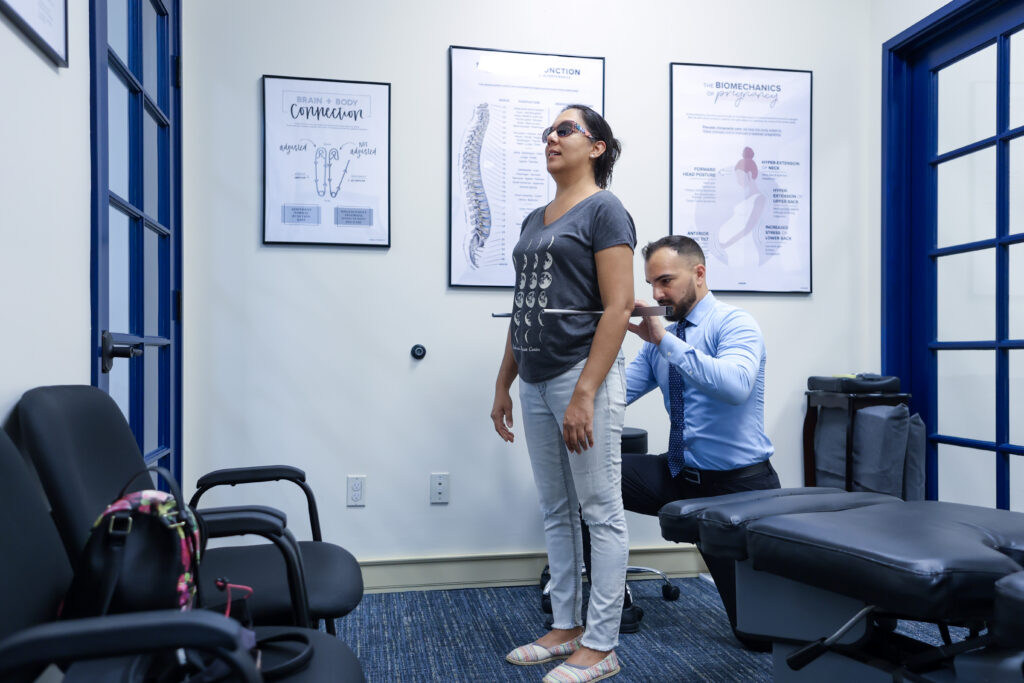
Practicing good posture is vital for preventing tension headaches and enhancing your overall well-being. As a chiropractor, I emphasize the importance of maintaining a healthy spine, which plays a crucial role in how our bodies function. An ergonomic setup at your workspace not only supports your posture but also helps alleviate stress on your spine, leading to fewer headaches and discomfort.
Incorporating regular stretching and mindful breathing techniques into your daily routine can significantly improve your posture and overall health. Simple stretches can relax tight muscles and enhance flexibility, while mindful breathing can reduce stress and tension, promoting a sense of calm.
Here are a few tips to help you maintain good posture and reduce the risk of headaches:
- Adjust Your Workspace: Ensure that your chair supports your lower back and that your computer screen is at eye level to avoid straining your neck.
- Take Breaks: Stand up, stretch, and walk around every hour to keep your blood flowing and your muscles relaxed.
- Practice Alignment: When sitting, keep your feet flat on the floor, your knees at a right angle, and your shoulders relaxed. This alignment helps maintain the natural curve of your spine.
- Stay Hydrated: Drinking plenty of water keeps your discs healthy and can help prevent headaches caused by dehydration.
- Seek Chiropractic Care: Regular chiropractic adjustments can help align your spine and improve your posture, leading to better overall health and alleviating tension headaches.
Importance of Ergonomic Setup
Creating an ergonomic workspace is essential for reducing the risk of tension headaches and promoting overall wellness. As a chiropractor, I want to emphasize the importance of a supportive environment for your spine and health.
Start by ensuring your chair has proper lumbar support, which helps maintain the natural curve of your lower back. This support allows your spine to stay aligned and reduces the strain that can lead to headaches. Your feet should rest flat on the floor, which promotes better circulation and stability.
Next, adjust your desk height so that your elbows form a 90-degree angle when typing. This position minimizes shoulder tension and keeps your posture in check. Additionally, position your computer monitor at eye level, roughly an arm’s length away. This setup will help you avoid neck strain, which is a common contributor to headaches.
Keep frequently used items like your phone, notepad, or office supplies within easy reach. This prevents awkward stretching or twisting, which can throw your spine out of alignment. Also, consider using a keyboard and mouse designed to support a natural wrist position, as this can help prevent discomfort in your hands and arms.
By prioritizing an ergonomic setup, you can enhance your posture and alleviate tension that contributes to headaches. Remember, taking these simple steps not only helps you feel better but also complements the natural healing benefits of chiropractic care.
If you’re dealing with persistent headaches or discomfort, consider visiting a chiropractor who can provide personalized care and guide you towards optimal health. Your well-being is worth it!
Stretching and Movement Breaks
Incorporating regular stretching and movement breaks into your daily routine is essential for maintaining a healthy spine and can significantly alleviate the tension that often leads to headaches. As a chiropractor, I recommend taking short breaks every hour. Stand up, move around, and keep your muscles engaged. Simple stretches that target your neck, shoulders, and back can work wonders for relieving tightness. Try rolling your shoulders, gently tilting your head side to side, or reaching your arms overhead. These movements not only enhance flexibility but also boost circulation, promoting overall wellness.
Be mindful of your posture throughout the day; sitting up straight helps reduce strain on your neck and spine, which is crucial for preventing discomfort and headaches. By prioritizing these movement breaks, you’re not just creating a healthier work environment; you’re also taking proactive steps toward reducing your risk of tension headaches.
Mindful Breathing Techniques
How can mindful breathing techniques enhance your posture and overall well-being? As a chiropractor, I often see how the alignment of the spine affects not just physical health but also mental clarity and emotional balance. By focusing on your breath, you create a calming effect that helps you become more aware of your body and its alignment. This awareness encourages you to maintain good posture, which is crucial for spinal health. Good posture reduces tension in your neck and shoulders, areas that often bear the brunt of daily stress.
Practicing mindful breathing can be a simple yet powerful tool to alleviate headaches and promote relaxation. When you take the time to breathe deeply and mindfully, you send a message to your body to relax, which can help you manage pain more effectively.
| Benefits of Mindful Breathing | Feelings Evoked |
|---|---|
| Improves posture | Relief |
| Reduces tension | Calmness |
| Enhances focus | Clarity |
| Boosts overall well-being | Empowerment |
Incorporating these techniques into your daily routine can significantly transform how you feel and improve your quality of life. Here are some simple tips:
- Set a Timer: Start with just five minutes a day to focus on your breathing. Gradually increase the time as you feel comfortable.
- Find a Comfortable Position: Sit or lie down in a way that feels good for your spine. Keep your back straight to promote better posture.
- Inhale Deeply: Breathe in through your nose, allowing your belly to rise. This engages your diaphragm and supports spinal alignment.
- Exhale Slowly: Release your breath through your mouth, letting go of tension and stress.
- Practice Regularly: Make mindful breathing a part of your daily routine, whether it’s in the morning, during lunch, or before bed.
Incorporating Regular Exercise
Incorporating regular exercise into your routine can significantly help alleviate tension headaches, and as a chiropractor, I believe this is an essential part of maintaining overall health. Both aerobic activities, like walking or swimming, and strength-training exercises can provide unique benefits that support not just your physical well-being but also your spinal health.
When you engage in regular physical activity, you promote better blood flow and reduce muscle tension, which can help ease headache symptoms. Additionally, exercise can be a powerful stress reliever, helping you to manage daily stressors that may contribute to headaches.
Creating a consistent exercise routine is key. Aim for at least 30 minutes of physical activity most days of the week. You don’t need to go all out; even gentle exercises like yoga or stretching can be incredibly beneficial for your spine and overall comfort.
Remember to listen to your body and ensure that your movements are supportive of your spine. If you ever experience pain during exercise, it’s best to consult with your chiropractor. They can provide personalized guidance on safe exercises that will enhance your health and help you achieve optimal wellness naturally.
Benefits of Exercise
Regular exercise can be a powerful ally in managing tension headaches, and as a chiropractor, I can tell you that maintaining a healthy lifestyle is essential for optimal health.
Incorporating physical activity into your daily routine can lead to numerous benefits that positively impact your overall well-being.
Exercise helps reduce muscle tension and enhances blood circulation, both of which are crucial for alleviating headache symptoms.
Additionally, physical activity stimulates the release of endorphins—your body’s natural pain relievers—which can promote a greater sense of well-being.
Here are some key benefits of exercise that can help you manage tension headaches and improve your health:
- Reduced Stress Levels: Engaging in regular exercise can lower cortisol levels, the hormone responsible for stress. This can help ease the tension that often contributes to headaches.
- Improved Sleep Quality: A good night’s sleep is vital for headache prevention. Exercise can help you fall asleep faster and enjoy deeper sleep, which is essential for recovery and overall health.
- Enhanced Mood: Physical activity is known to boost your mood and energy levels, making it easier to cope with daily stressors that can lead to headaches.
- Increased Resilience: Consistent workouts help your body adapt to stress more effectively, lessening the likelihood of tension headaches.
In addition to regular exercise, consider incorporating chiropractic care into your wellness routine.
Chiropractic adjustments can help align your spine, reduce muscle tension, and improve overall function, supporting your body’s natural ability to heal itself.
Here are some general tips to enhance your exercise routine and overall health:
- Stay Hydrated: Dehydration can trigger headaches, so remember to drink plenty of water before, during, and after exercise.
- Practice Good Posture: Maintaining proper posture during exercise and daily activities can help prevent muscle tension that leads to headaches.
- Include Stretching: Incorporate stretching exercises to relieve tight muscles and improve flexibility, especially in the neck and shoulders, areas prone to tension headaches.
- Listen to Your Body: If you start to feel any discomfort while exercising, take a break and consult with a chiropractor to address any underlying issues.
By making exercise a priority and considering chiropractic care as part of your wellness journey, you may find that those tension headaches become less frequent.
Embrace a healthier lifestyle, and let your body thrive!
Types of Exercises
Discovering the right types of exercises can significantly enhance your ability to manage tension headaches, and chiropractic care plays a vital role in this journey. A healthy spine is crucial for overall wellness, and incorporating specific exercises can help maintain that balance. Focus on activities that promote relaxation and improve blood flow, which are essential for headache relief.
Stretching exercises, such as neck and shoulder rolls, are excellent for relieving muscle tension in key areas. These simple movements can help ease the tightness that often contributes to headaches. Gentle yoga is another fantastic option; it not only helps reduce stress but also improves posture—something chiropractic care strongly emphasizes for preventing headaches and maintaining spinal health.
Aerobic exercises, like walking or cycling, are great for boosting endorphins, which can elevate your mood and help with tension relief. Remember, keeping your spine in alignment through chiropractic adjustments can further enhance the benefits of these exercises.
Here’s a quick overview of some effective exercise types and their benefits:
| Exercise Type | Benefits |
|---|---|
| Stretching | Relieves muscle tension |
| Yoga | Reduces stress; improves posture |
| Aerobic Exercise | Boosts mood and energy |
| Strength Training | Builds resilience; improves posture |
| Deep Breathing | Enhances relaxation |
Incorporating these exercises into your daily routine, alongside regular chiropractic care, can make a significant difference in managing tension headaches and achieving optimal health. Remember, a healthy spine is the foundation for a healthier life, and chiropractic care is here to support you on that path.
Creating a Routine
To effectively manage tension headaches, establishing a consistent exercise routine is essential for your overall well-being and can complement the benefits of chiropractic care. Regular physical activity not only helps reduce stress but also promotes a healthy spine and improves your body’s function.
Here are some simple tips to create an exercise routine that supports natural healing and wellness:
- Schedule Your Workouts: Try to exercise at the same time each day. This consistency helps build a habit, making it easier to stick with your routine.
- Choose Activities You Enjoy: Engage in exercises like walking, yoga, or swimming. Enjoyable activities make it more likely you’ll continue your routine and reduce stress, which is crucial for preventing tension headaches.
- Listen to Your Body: Pay attention to how you feel during and after exercise. If you’re tired or feeling discomfort, it’s okay to take a break. Rest is important for recovery and overall health.
- Mix It Up: Vary your activities to keep things interesting and target different muscle groups. This can enhance your fitness level while keeping you motivated.
- Track Your Progress: Keeping a record of your activities and improvements can help you stay motivated. Celebrate small victories along the way!
Incorporating these tips into your daily life, along with regular chiropractic adjustments, can lead to improved spinal health and a reduction in tension headaches.
Using Relaxation Techniques
Incorporating relaxation techniques into your daily routine can be a powerful ally in alleviating tension headaches, and it’s important to understand how these practices can complement your chiropractic care for optimal health.
Start with deep breathing exercises. Inhale slowly through your nose, hold for a moment, and then exhale through your mouth. This simple practice calms both your mind and body, helping to relieve muscle tension that may be contributing to your headaches.
Guided imagery can also be beneficial. Picture a serene environment, like a tranquil beach or a peaceful forest. Visualizing these calming scenes can help distract you from pain and create a sense of peace, reducing stress levels.
Another effective technique is progressive muscle relaxation. Focus on tensing each muscle group for a few seconds and then releasing. This method helps you recognize areas where tension accumulates, promoting relaxation and overall well-being.
Mindfulness meditation is another valuable tool. Spend a few minutes each day concentrating on your breath and being present in the moment. This practice can enhance your mental resilience against headache triggers and support your journey toward wellness.
By integrating these relaxation techniques into your routine, you can significantly lower your chances of experiencing tension headaches.
Applying Hot or Cold Compresses
When you’re experiencing a tension headache, applying hot or cold compresses can offer significant relief. As a chiropractor, I understand the importance of addressing the root causes of pain and discomfort. While heat therapy can relax tight muscles and improve blood flow, cold therapy can numb the area and reduce inflammation, providing a balanced approach to pain relief.
To effectively apply these compresses, start with heat. You can use a warm towel or a heating pad on a low setting. Place it on the back of your neck or forehead for about 15-20 minutes to help ease muscle tension. Remember, the goal is to promote relaxation and enhance mobility, which is essential for optimal spinal health.
For cold therapy, use a cold pack or a bag of ice wrapped in a cloth. Apply it to the same areas for 10-15 minutes to help reduce swelling and numb the pain. This combination of heat and cold can work wonders for alleviating tension headaches.
In addition to these compresses, regular chiropractic adjustments can further enhance your body’s ability to heal naturally. By maintaining proper spinal alignment, you can reduce stress on your nervous system, which is vital for overall wellness. Don’t forget to incorporate gentle stretches and stay hydrated, as these practices can also contribute to reducing headache frequency and intensity.
Benefits of Heat Therapy
Applying hot or cold compresses can be an effective way to relieve tension headaches for many individuals. Heat therapy, in particular, can work wonders by soothing tight muscles and enhancing blood circulation, helping to ease the pressure that contributes to your headache.
Here are some key benefits of using heat therapy that can complement your chiropractic care:
- Relaxation: The soothing warmth helps to relax tense muscles in your neck and shoulders, which can be a common source of tension headaches.
- Increased blood flow: Heat promotes better circulation, ensuring that vital nutrients and oxygen reach your head, which is essential for overall health.
- Natural pain relief: Heat serves as a natural analgesic, effectively dulling the pain signals sent to your brain, allowing you to feel more comfortable.
- Ease of use: Applying heat is simple and convenient. You can use a warm towel, heating pad, or hot water bottle at home, making it easy to incorporate into your daily routine.
Incorporating heat therapy into your wellness routine can significantly enhance your ability to manage tension headaches. As a chiropractor, I encourage you to consider combining heat therapy with regular chiropractic adjustments to address the root causes of your discomfort, promote natural healing, and achieve optimal health.
Advantages of Cold Therapy
While heat therapy has its benefits, cold therapy can also be a powerful tool for relieving tension headaches, especially when combined with chiropractic care. By applying a cold compress, you can help constrict blood vessels, which reduces inflammation and numbs the pain. This method can offer quick relief, particularly if your headache is related to muscle tension or stress—common issues that chiropractic adjustments can also address.
Cold therapy can effectively ease that throbbing sensation that often accompanies tension headaches. It’s simple to use; just take a bag of ice or a cold pack, wrap it in a cloth, and place it on your forehead or the back of your neck. This technique can be refreshing, especially on warm days, making it a convenient option for headache relief.
Incorporating cold therapy into your routine, along with regular chiropractic adjustments, can promote better spinal health and overall wellness. Remember, maintaining a healthy spine is key to reducing tension and preventing headaches. If headaches persist, consider visiting your chiropractor to explore holistic solutions tailored to your needs.
Application Techniques Explained
To effectively ease tension headaches, knowing how to apply hot or cold compresses can significantly enhance your relief routine. As a chiropractor dedicated to promoting natural healing and wellness, I want to share some simple techniques that can help alleviate your discomfort and support your overall health.
- For a hot compress: You can use a warm towel or a heating pad. Gently apply it to your neck or forehead for about 15-20 minutes. This warmth helps to relax tense muscles, which can be a contributing factor to your headaches.
- For a cold compress: Wrap some ice cubes in a cloth or use a cold pack. Place it on your forehead for 10-15 minutes. The cold sensation can numb the pain and reduce inflammation, offering you relief without the use of medication.
- Alternate methods: Feel free to switch between hot and cold compresses. This can help you discover what feels best for your unique situation. Listening to your body is essential in finding the right balance.
- Stay comfortable: Always ensure that the temperature of your compress isn’t too extreme to prevent skin irritation. It’s crucial to prioritize your comfort during these applications.
These techniques can be a valuable part of your self-care routine as you seek relief from tension headaches. Remember, chiropractic care not only helps in addressing the root causes of headaches but also promotes overall wellness.
Regular chiropractic adjustments can improve spinal alignment, reduce tension, and enhance your body’s natural healing abilities, leading to a healthier, more vibrant life.
Exploring Massage Therapy
Massage therapy can be a wonderful complement to chiropractic care, especially for those struggling with tension headaches. While massage helps ease muscle tightness and reduce stress, it’s important to remember that chiropractic adjustments target the underlying issues in your spine and nervous system, which can be key players in headache relief.
When you address spinal misalignments through chiropractic adjustments, you can improve overall function and reduce the frequency and intensity of headaches. Coupling this with massage therapy can enhance your relaxation and pain relief even further. Techniques like Swedish, deep tissue, and trigger point massage can provide additional benefits, but it’s essential to have a solid foundation through chiropractic care.
Here’s a quick breakdown of how these massage techniques can work alongside chiropractic adjustments:
| Technique | Focus Area | Benefits |
|---|---|---|
| Swedish | Full body | Promotes relaxation and improves circulation |
| Deep Tissue | Deeper muscle layers | Helps alleviate chronic tension that may stem from spinal issues |
| Trigger Point | Specific knots | Releases localized pain, often linked to spinal misalignments |
Incorporating both chiropractic care and regular massage sessions into your wellness routine can be a game changer for managing headaches. Here are some general tips to help you on your journey to optimal health:
- Stay Hydrated: Drink plenty of water to help prevent headaches and maintain muscle elasticity.
- Posture Check: Pay attention to your posture, especially if you spend long hours sitting. Good posture can reduce strain on your spine and muscles.
- Regular Adjustments: Consider regular chiropractic adjustments to keep your spine aligned and functioning well.
- Stretching: Incorporate gentle stretching exercises into your daily routine to relieve tension in the neck and shoulders.
If you’re experiencing headaches, don’t hesitate to consult with a chiropractor. We can tailor a treatment plan that addresses your specific needs, helping you achieve not just pain relief but a healthier, more balanced life. Remember, chiropractic care is a natural and effective way to support your overall wellness!
Managing Stress Through Mindfulness
Stress is a significant contributor to tension headaches, which is why it’s important to care for your mental well-being alongside seeking physical treatments like chiropractic care. By practicing mindfulness, you can effectively manage stress, which can lead to a reduction in the frequency and intensity of your headaches. Focusing on the present moment can help you find a sense of calm and clarity, essential for overall wellness.
Here are some simple mindfulness techniques you can easily incorporate into your daily routine, alongside your chiropractic care:
- Deep Breathing: Take slow, deep breaths. This not only relaxes your mind but also helps align your spine by encouraging proper posture.
- Meditation: Spend a few minutes in quiet reflection, concentrating on your breath or a positive affirmation. This practice can enhance your body’s natural healing processes.
- Body Scan: Mentally check in with each part of your body, including your spine. Notice any areas of tension and consciously relax them. This can complement your chiropractic adjustments.
- Mindful Walking: When you walk, focus on each step. This awareness helps you connect with your body and the ground beneath you, promoting better posture and spinal health.
Staying Hydrated and Maintaining Nutrition
Staying properly hydrated and maintaining a balanced diet are crucial in managing tension headaches, and as a chiropractor, I believe these practices can greatly complement your overall wellness journey. When you don’t drink enough water, dehydration can be a common trigger for headaches. It’s recommended to aim for at least eight glasses of water a day, but you may need more depending on your activity level and the climate you’re in. Keeping a water bottle nearby can serve as a great reminder to sip throughout the day, ensuring you stay hydrated.
Nutrition plays a vital role in your health as well. Eating regular, balanced meals helps stabilize your blood sugar levels, which can reduce the risk of headaches. Focus on incorporating whole foods into your diet—think fresh fruits, vibrant vegetables, lean proteins, and whole grains. It’s also wise to limit excessive caffeine and sugary snacks, as these can lead to energy crashes and worsen tension.
Pay attention to your body; if you notice certain foods or drinks trigger headaches, consider eliminating them from your diet. By prioritizing hydration and nutrition, you’re setting a strong foundation for headache relief.
Seeking Professional Help and Treatment Options
When dealing with tension headaches, it’s essential to recognize when you could benefit from more than just hydration and nutrition. If your headaches persist despite your self-care efforts, seeking the expertise of a chiropractor can be a great step. Chiropractors specialize in identifying the root causes of pain and can offer you effective, natural solutions to help relieve your discomfort.
Here are some helpful approaches to consider:
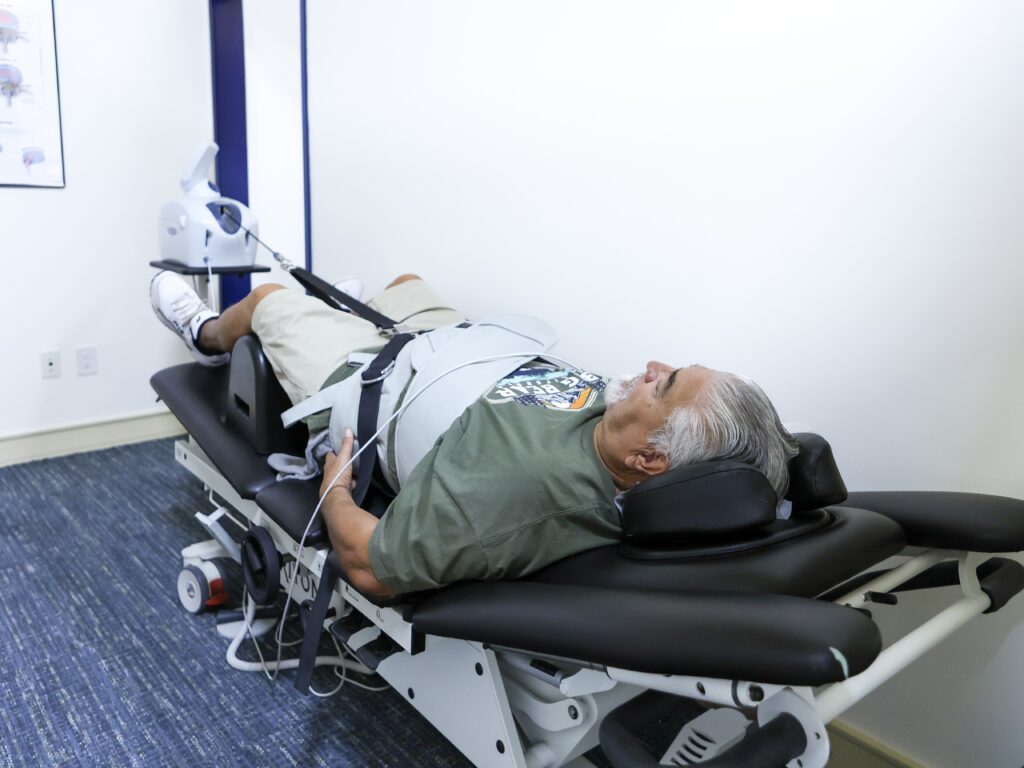
- Chiropractic Adjustments: Gentle spinal adjustments can help realign your spine, reduce tension, and improve overall function. This can alleviate headaches that stem from muscle tightness and misalignment.
- Posture Education: A chiropractor can guide you on maintaining proper posture, which is vital for reducing strain on your neck and upper back. This can significantly lessen the frequency and intensity of tension headaches.
- Therapeutic Exercises: Engaging in specific exercises recommended by your chiropractor can strengthen your muscles and improve flexibility, helping to prevent future headaches.
- Stress Management Techniques: Your chiropractor can provide insights into relaxation techniques and lifestyle modifications that can help manage stress—a common trigger for tension headaches.