
Whiplash is one of those injuries that often catches people off guard — you might feel fine immediately after an accident, only to wake up the next day with a stiff, aching neck that makes even the simplest movements difficult. If you’ve recently been in a car accident or experienced a sudden impact that jerked your head forward and back, understanding your treatment options is an important first step toward recovery. Here in San Luis Obispo, many patients come through the doors of Momentum Health Chiropractic looking for answers about whiplash — what it is, why it hurts, and most importantly, what can actually be done about it. This article walks you through exactly how chiropractic care approaches whiplash treatment in a safe, drug-free, and individualized way.
What Is Whiplash?
Whiplash is a soft tissue injury to the neck caused by a rapid, forceful back-and-forth motion of the head — much like the cracking of a whip. It most commonly occurs during rear-end car collisions but can also result from sports injuries, falls, or other physical trauma. The injury affects the muscles, ligaments, discs, and joints of the cervical spine (the neck region), often causing pain, stiffness, and a range of other symptoms that can develop over hours or days.
What Happens to Your Spine During Whiplash
To understand how chiropractic care helps, it’s useful to know what’s actually happening inside your neck when whiplash occurs. The cervical spine is made up of seven vertebrae stacked on top of each other, cushioned by discs and stabilized by a complex network of muscles and ligaments. When your head is suddenly thrown forward and then snapped back — or vice versa — those structures are pushed well beyond their normal range of motion in a fraction of a second.
This rapid, uncontrolled movement can strain or tear soft tissues, compress or irritate spinal joints (called facet joints), and in some cases, shift vertebrae slightly out of their optimal alignment. Chiropractors refer to these misalignments as vertebral subluxations. Even a small amount of joint dysfunction in the neck can irritate nearby nerves, restrict movement, trigger muscle spasms, and create a cycle of ongoing pain and stiffness that doesn’t resolve on its own.
What makes whiplash particularly tricky is that adrenaline often masks the pain immediately following an accident. Symptoms can be delayed by 12 to 48 hours, which is why so many people are surprised by how sore they feel the morning after. At Momentum Health Chiropractic in San Luis Obispo, Dr. David Sedghi frequently sees patients who waited days — or even weeks — before seeking care, only to find that their symptoms had worsened over time.
Common Symptoms of Whiplash
Whiplash doesn’t always look the same from person to person. While neck pain and stiffness are the hallmark symptoms, the injury can produce a surprisingly wide range of complaints depending on how severe the trauma was and which specific structures were affected.
Neck pain and reduced range of motion are almost universally present. Many patients also experience headaches that start at the base of the skull, upper back and shoulder pain, arm tingling or numbness (if a nerve is involved), jaw discomfort, dizziness, and difficulty concentrating — sometimes described as “brain fog.” Fatigue and sleep disturbances are also commonly reported in the days and weeks following the injury.
It’s worth noting that even low-speed collisions can produce significant soft tissue injuries. The severity of vehicle damage does not always correlate with the severity of the injury to the person inside. If you’re experiencing any of these symptoms after an accident or impact injury, getting a professional evaluation — like the kind offered at Momentum Health Chiropractic — is a smart and proactive step.
What Chiropractors Do To Treat Whiplash
This is the heart of the question. Chiropractic care for whiplash is centered on restoring normal movement, reducing inflammation in the affected joints and soft tissues, alleviating nerve irritation, and helping the body heal as efficiently as possible. The approach is hands-on, non-surgical, and tailored to each patient’s specific presentation. Here’s a closer look at the core techniques Dr. David Sedghi and the team at Momentum Health Chiropractic commonly use.
Spinal Manipulation and Chiropractic Adjustments
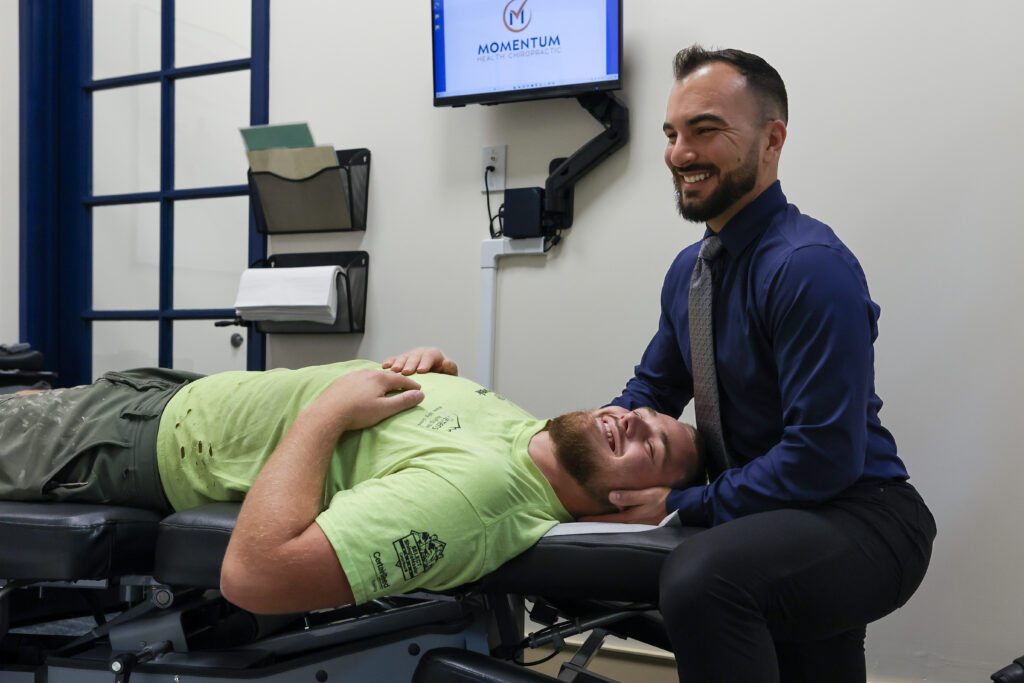
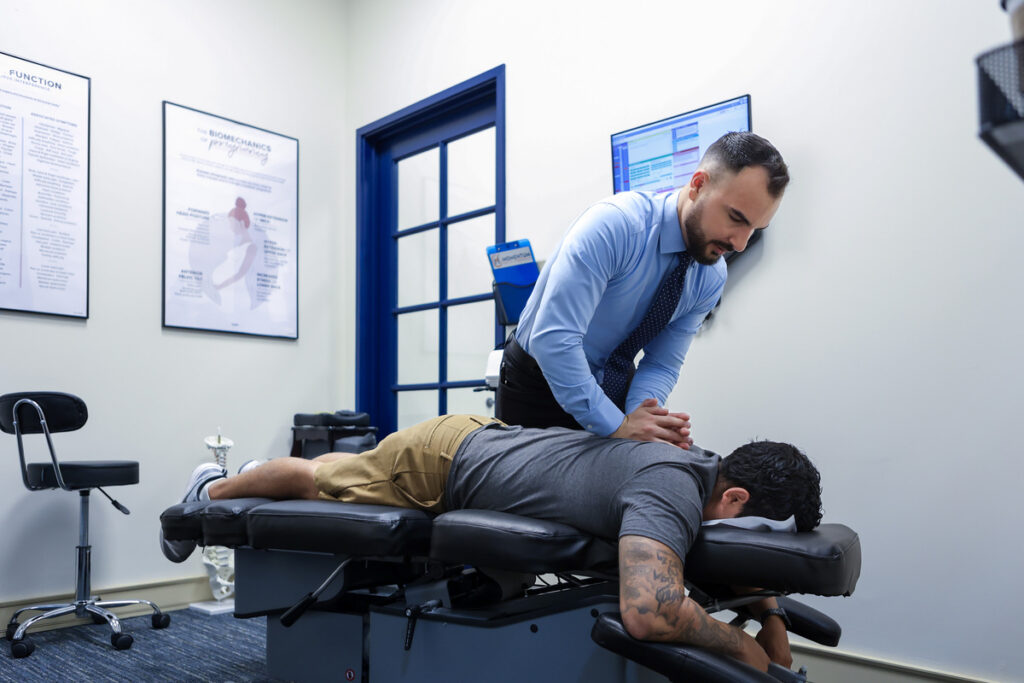
The cornerstone of chiropractic whiplash treatment is spinal manipulation — also called a chiropractic adjustment. When vertebrae in the cervical spine are not moving freely or have shifted out of proper alignment, an adjustment involves applying a precise, controlled force to the affected joint to restore its normal motion and position. This can reduce pain, decrease muscle guarding, and improve overall neck mobility.
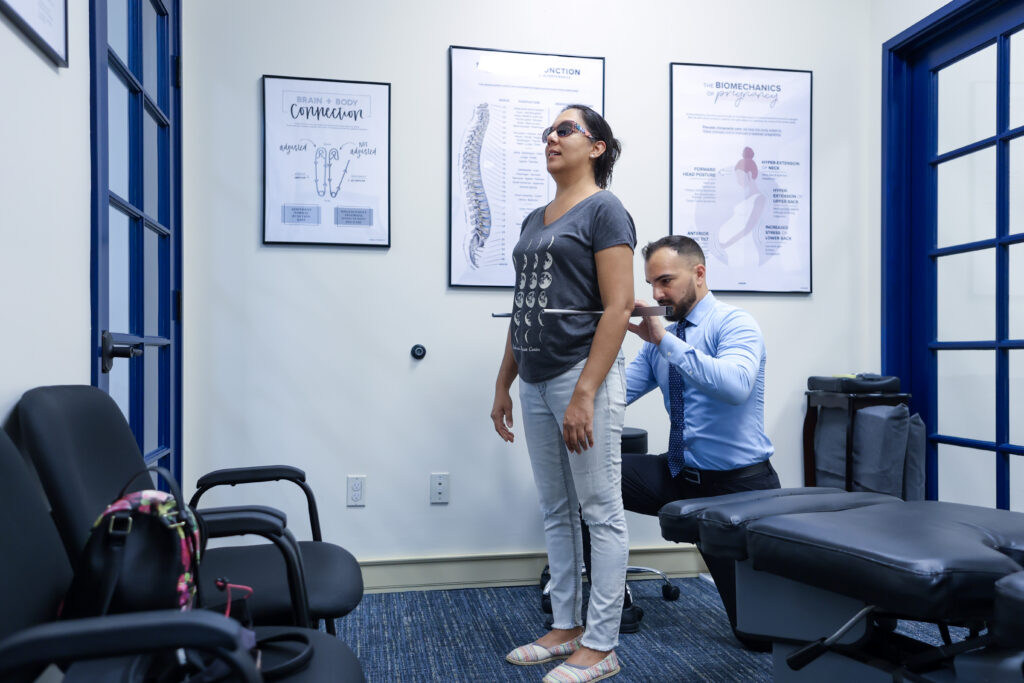
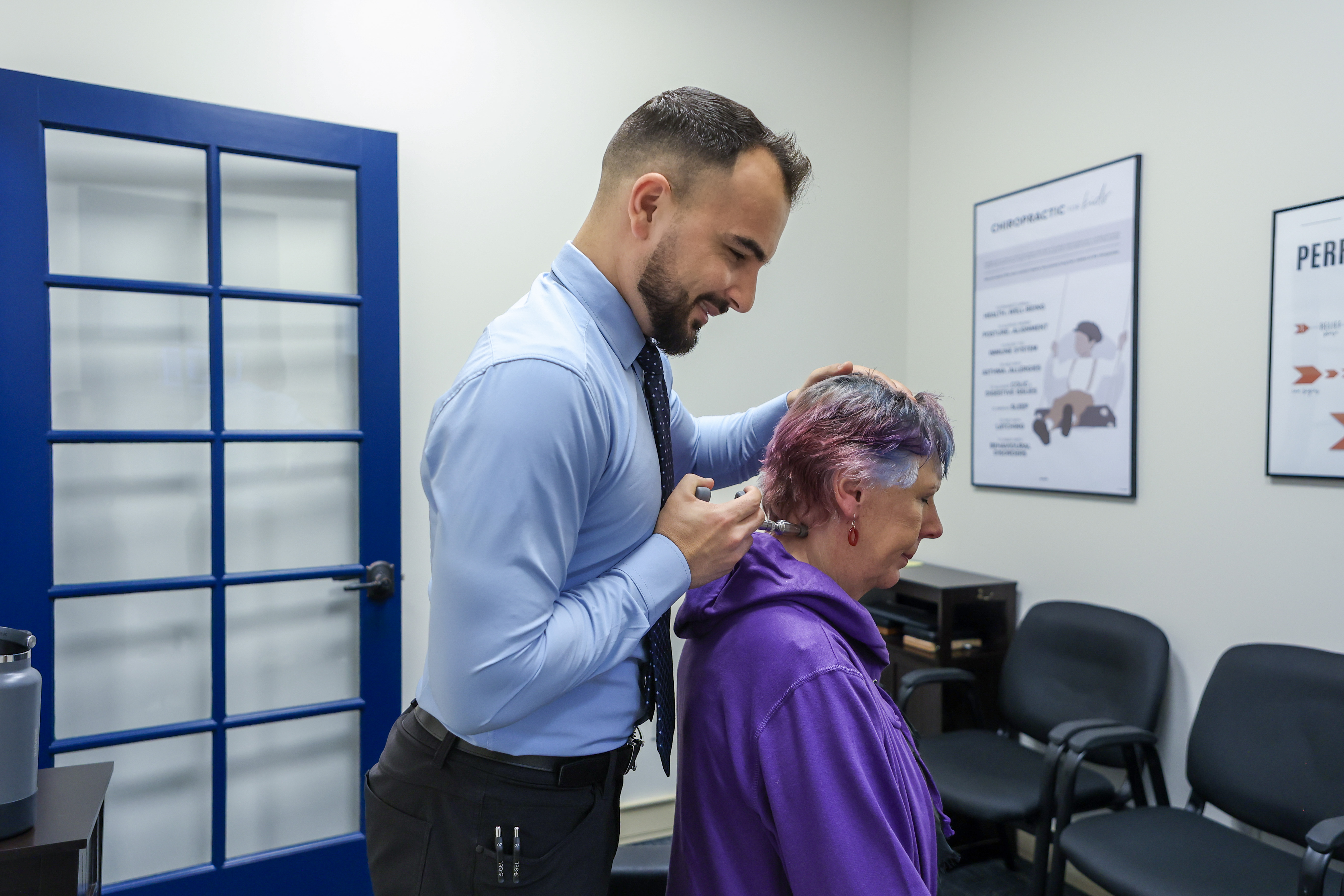
For whiplash patients, the approach is often gentler than a standard adjustment, especially in the acute phase of injury when tissues are still inflamed and sensitive. Dr. David Sedghi carefully assesses each patient before performing any manipulation, taking into account the severity of the injury, the patient’s comfort level, and any contraindications. Technique selection is individualized — some patients respond well to instrument-assisted adjusting, while others benefit more from low-force manual techniques.
Soft Tissue Therapy
Because whiplash is fundamentally a soft tissue injury, addressing the muscles and connective tissue is just as important as working on the joints. Soft tissue therapies used in chiropractic care include myofascial release, trigger point therapy, and instrument-assisted soft tissue mobilization (IASTM). These techniques help break up scar tissue, relieve muscle tension, improve circulation, and reduce the kind of deep, persistent aching that whiplash so often produces in the neck and upper back.
Cervical Mobilization
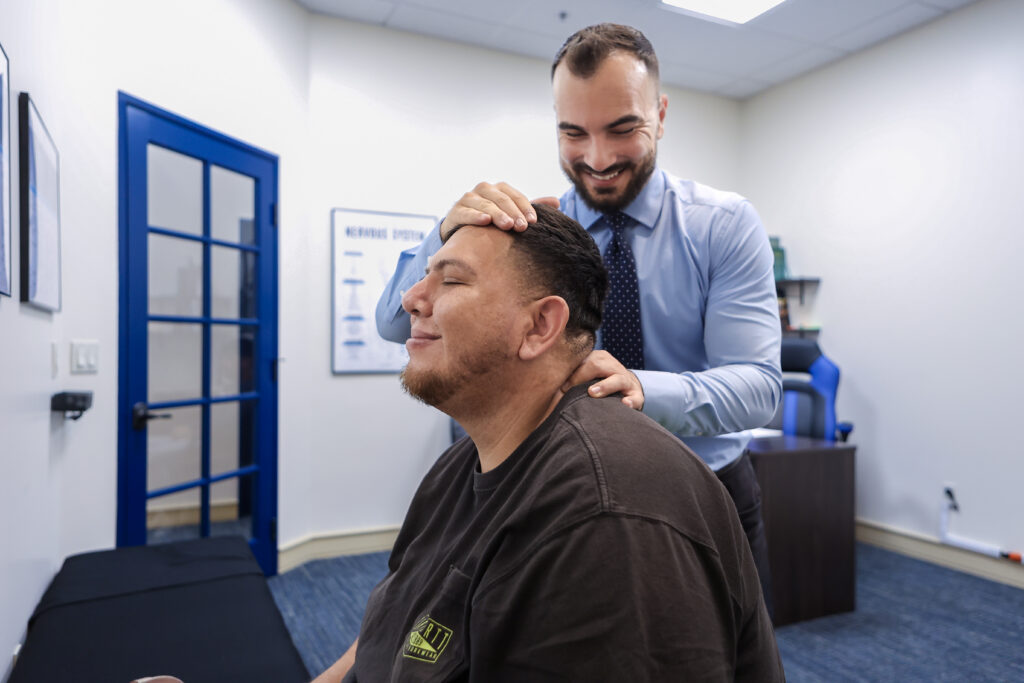
In cases where the spine is too irritated for a more direct adjustment, cervical mobilization is a wonderful alternative. This technique involves slower, rhythmic movements of the neck joints within their comfortable range of motion, gently encouraging mobility without the high-velocity thrust associated with traditional manipulation. Many patients find this approach very comfortable and report significant relief even in the early stages of whiplash recovery.
Therapeutic Exercises and Rehabilitation
Chiropractic whiplash treatment isn’t just about what happens on the table. Restoring long-term function requires rehabilitating the muscles and movement patterns that were disrupted by the injury. Dr. David Sedghi typically prescribes specific exercises to strengthen the deep cervical stabilizer muscles, improve postural control, and restore the neck’s full range of motion. These exercises are designed to be performed at home and progress in difficulty as the patient heals.
Patient Education and Postural Guidance
One often-overlooked component of whiplash care is patient education. Understanding how to position your body at your desk, how to sleep without straining your neck, and how to move safely during recovery can make a significant difference in healing time. At Momentum Health Chiropractic in San Luis Obispo, patients leave with practical, personalized guidance they can apply right away in their daily lives.
Practical Tips for Whiplash Recovery at Home
Professional care is essential after a whiplash injury, but what you do between appointments matters too. The following habits can support your recovery and help prevent the injury from becoming a chronic problem.
In the first 48 to 72 hours after injury, gentle movement is generally preferable to complete rest. While it may feel instinctive to wear a soft cervical collar and keep your neck very still, research suggests that early, gentle movement actually supports tissue healing better than prolonged immobilization. Avoid any heavy lifting, sudden jerking movements, or activities that sharply worsen your symptoms.
Pay attention to your sleep position. Sleeping on your back with a supportive cervical pillow — one that keeps your neck in a neutral alignment — is often the most comfortable and healing-friendly option during recovery. Avoid sleeping on your stomach, as this requires rotating the neck to one side for an extended period and can aggravate whiplash symptoms.
Staying hydrated supports disc and soft tissue health. The intervertebral discs in your neck rely on adequate hydration to maintain their height and shock-absorbing capacity. Drinking enough water throughout the day is a simple but genuinely helpful part of spinal care. And while it’s tempting to reach for anti-inflammatory medications to manage pain, it’s always best to discuss any medication use with a qualified healthcare provider to make sure it’s appropriate for your situation.
When To See a Chiropractor for Whiplash
The short answer: sooner is better. Early intervention after a whiplash injury can significantly influence how well and how quickly you recover. If you’ve been in a car accident or experienced any kind of impact that jolted your head and neck, a chiropractic evaluation is a sensible first step even before symptoms fully develop. Catching joint dysfunction and soft tissue strain early gives your body the best environment for healing.
That said, certain symptoms should prompt you to seek urgent medical attention before — or in addition to — chiropractic care. Severe headache that comes on suddenly, loss of consciousness, significant dizziness or balance problems, weakness or numbness that spreads down both arms, or any difficulty swallowing or speaking should be evaluated in an emergency setting first. These symptoms can sometimes indicate more serious neurological involvement that requires immediate medical assessment.
If your neck pain and stiffness have been present for more than a few days following an injury and aren’t improving, that’s a clear signal that your body needs professional support. Chronic whiplash — pain that persists for months after the initial injury — is harder to treat than acute whiplash, which reinforces why it’s so important not to wait and hope the pain just goes away on its own.
Chiropractic vs. Other Common Approaches
Approach |
How It Works |
Pros |
Considerations |
|---|---|---|---|
|
Chiropractic Care |
Restores joint motion, reduces nerve irritation, rehabilitates soft tissues |
Drug-free, hands-on, individualized, addresses root cause |
Requires multiple visits; best started early |
|
Pain Medication |
Reduces pain signals or inflammation chemically |
Quick short-term relief |
Does not address underlying joint/tissue dysfunction; potential side effects with prolonged use |
|
Physical Therapy |
Focuses on strengthening, stretching, and movement re-education |
Evidence-based exercise rehabilitation |
May not address spinal joint alignment directly; often complements chiropractic care well |
|
Rest and Immobilization |
Limiting movement to allow healing |
Simple, low-effort |
Prolonged rest can delay recovery and lead to muscle deconditioning |
|
Massage Therapy |
Manual soft tissue work to reduce muscle tension |
Relaxing, reduces muscle guarding and pain |
Does not directly address spinal alignment; works well alongside chiropractic care |
Myths vs. Facts About Whiplash and Chiropractic Care
Myth: If the car damage was minor, the injury can’t be serious.
Fact: Vehicle damage and body injury do not reliably correlate. Low-speed crashes can produce significant soft tissue trauma because modern bumpers are designed to absorb impact, which can actually transfer more force to the occupant’s body. Injuries should always be assessed on their own merits, not based on what the vehicle looks like afterward.
Myth: Whiplash always heals on its own within a few days.
Fact: While mild cases may resolve relatively quickly, many whiplash injuries involve joint dysfunction and soft tissue damage that requires active care to heal properly. Without treatment, some patients develop chronic neck pain, persistent headaches, or long-term mobility restrictions. Early evaluation and appropriate care can significantly improve outcomes.
Myth: Chiropractic adjustments are dangerous for whiplash patients.
Fact: When performed by a trained and licensed chiropractor, spinal manipulation is considered a safe and evidence-informed treatment for whiplash-associated disorders. Dr. David Sedghi conducts a thorough assessment before any treatment to ensure the approach is appropriate for each individual patient. Techniques are adapted based on the stage of healing and the patient’s comfort.
Myth: You should wait until the pain gets really bad before seeing a chiropractor.
Fact: Early care is associated with better outcomes. Waiting for pain to become severe can allow joint dysfunction and muscle compensations to become more entrenched, making recovery more complex. If you’ve been in an accident, scheduling an evaluation promptly — even if symptoms seem manageable — is a proactive and genuinely wise choice.
Myth: Chiropractors only treat back pain.
Fact: Chiropractors are trained in the evaluation and treatment of the entire musculoskeletal system, with particular expertise in the spine — including the cervical spine (neck). Whiplash falls squarely within the scope of chiropractic practice, and chiropractic care is recognized as one of the leading conservative treatment options for whiplash-associated disorders by major healthcare organizations.
Final Thoughts From Momentum Health Chiropractic
Recovering from whiplash doesn’t have to feel overwhelming or uncertain. With the right care, most people with whiplash injuries are able to regain full function and return to their normal lives — and chiropractic care plays a meaningful role in making that happen as smoothly as possible. The key is to take the injury seriously, seek an evaluation early, and follow through with a consistent care plan that addresses both the joints and the soft tissues involved.
Here in San Luis Obispo, the team at Momentum Health Chiropractic is deeply committed to helping community members heal well after injuries like whiplash. Dr. David Sedghi brings a thorough, individualized approach to every patient — taking the time to understand your specific situation, explain what’s happening in your body, and create a care plan that makes sense for where you are in your recovery.
Whether you’re dealing with a fresh injury or have been managing neck pain for months after an accident, Momentum Health Chiropractic in San Luis Obispo is here to help you move forward with confidence. You don’t have to manage this on your own — compassionate, skilled, and experienced care is available right here in your community.
Frequently Asked Questions
How many chiropractic visits does it typically take to recover from whiplash?
Recovery varies depending on the severity of the injury, how soon care began, and the individual’s overall health. Mild cases may resolve in a handful of visits, while more complex injuries may require a longer course of care. Dr. David Sedghi reassesses progress regularly and adjusts the care plan accordingly so treatment remains purposeful and appropriate.
Can I see a chiropractor if I was just in a car accident yesterday?
Yes — in fact, seeking an evaluation promptly after an accident is encouraged. Early assessment allows a chiropractor to identify joint dysfunction and soft tissue injury before compensatory patterns set in. As long as there are no signs of fracture or serious neurological injury, chiropractic evaluation is generally appropriate right after an accident.
Is chiropractic care for whiplash covered by auto insurance?
In many cases, chiropractic care following a motor vehicle accident is covered under personal injury protection (PIP) or medical payment provisions in auto insurance policies. The specifics depend on your individual policy, so it’s worth contacting your insurance provider directly for details about your coverage.
Can whiplash cause headaches, and can a chiropractor help with those too?
Yes, headaches are one of the most common symptoms of whiplash. They typically originate from the upper cervical joints and surrounding musculature — structures that chiropractic care directly addresses. Many whiplash patients report significant improvement in their headache frequency and intensity as their neck function is restored through chiropractic treatment.
What should I expect during my first chiropractic visit for whiplash?
Your first visit will generally include a thorough health history, a physical and orthopedic examination of the neck and spine, and possibly imaging referrals if clinically necessary. The chiropractor will explain their findings, discuss a proposed care plan, and answer any questions you have before beginning treatment. The goal is for you to feel informed and comfortable every step of the way.
Is it normal for symptoms to feel worse before they get better after a chiropractic adjustment?
Some patients experience mild soreness after their first few adjustments, similar to how muscles feel after exercise. This is generally short-lived and considered a normal part of the body adapting to changes in joint motion. It’s always important to communicate openly with your chiropractor about how you’re feeling so the approach can be adjusted as needed.
TL;DR
-
Whiplash is a soft tissue and joint injury to the neck caused by rapid, forceful movement of the head — most commonly in car accidents.
-
Symptoms including neck pain, stiffness, headaches, and arm tingling can be delayed by hours or days after the injury.
-
Chiropractors treat whiplash using spinal adjustments, soft tissue therapy, cervical mobilization, therapeutic exercises, and patient education.
-
Early care leads to better outcomes — waiting for symptoms to worsen can make recovery more difficult and prolonged.
-
At Momentum Health Chiropractic in San Luis Obispo, Dr. David Sedghi provides individualized, drug-free whiplash care tailored to each patient’s stage of healing and specific needs.