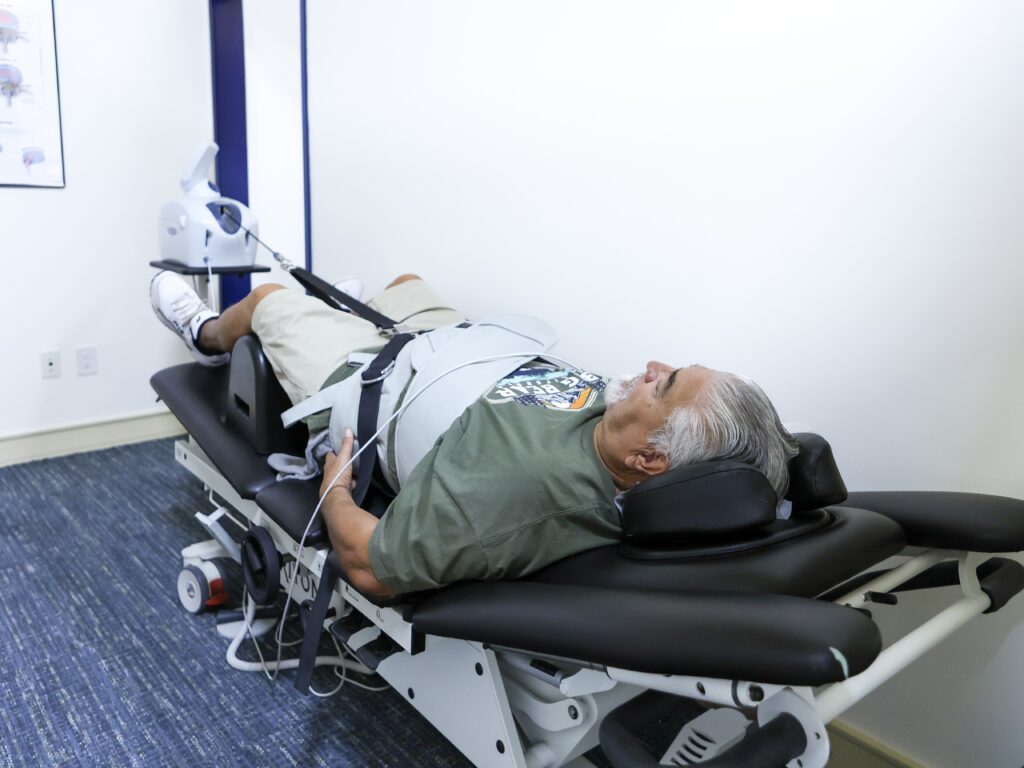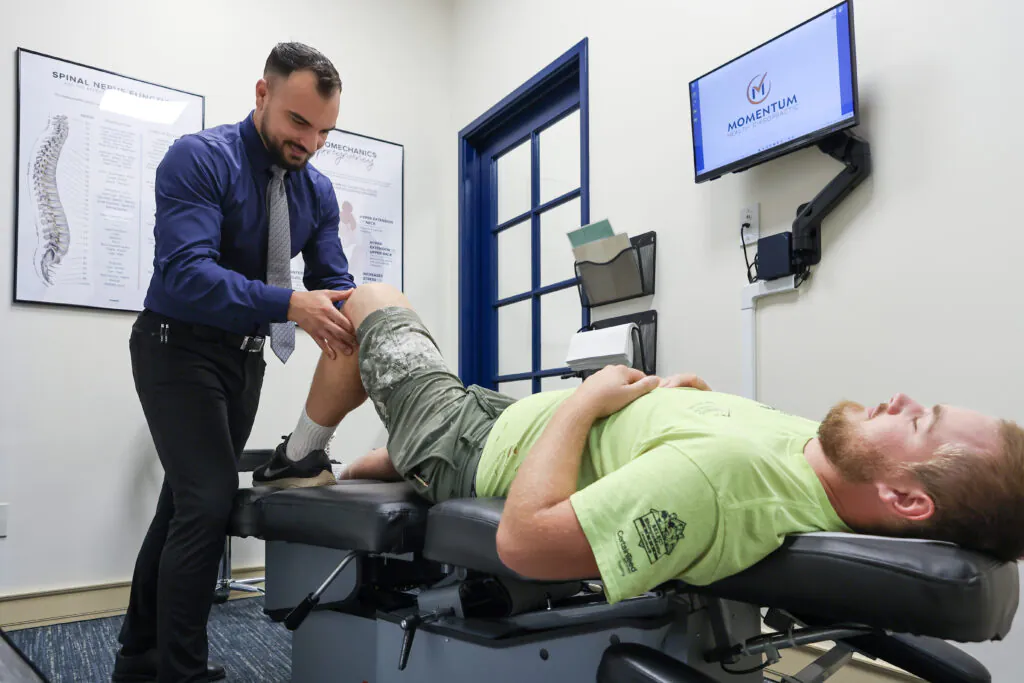

If you suffer from migraines, you know how disruptive they can be. Understanding and implementing effective prevention techniques is essential for managing your symptoms, and chiropractic care can play a vital role in your journey toward relief. By focusing on natural healing and a balanced lifestyle, you can regain control over your well-being.
One of the first steps in migraine prevention is identifying potential triggers. This could include certain foods, stress, or even poor posture. As a chiropractor, I emphasize the importance of spinal alignment and how it can affect your overall health. Misalignments in the spine can contribute to tension and discomfort, leading to migraines. Regular chiropractic adjustments can help keep your spine aligned, reducing the frequency and intensity of your headaches.
Maintaining a consistent routine is another key strategy. This includes regular sleep patterns, hydration, and meals. Incorporating relaxation techniques such as deep breathing, yoga, or meditation can also be beneficial. These practices help reduce stress, which is a common trigger for migraines.
Here are a few practical tips to help you manage migraines naturally:
- Stay Hydrated: Dehydration can trigger migraines, so aim to drink plenty of water throughout the day.
- Practice Good Posture: Poor posture can lead to spinal misalignments, increasing your risk of headaches. Be mindful of your posture when sitting or working.
- Regular Chiropractic Visits: Schedule regular chiropractic adjustments to maintain spinal health and improve your overall well-being.
- Keep a Migraine Diary: Documenting your migraines can help you identify patterns and potential triggers, allowing you to make necessary lifestyle adjustments.
- Incorporate Physical Activity: Regular exercise can help reduce stress and tension in the body, which may decrease the likelihood of migraines.
By adopting these strategies and prioritizing chiropractic care, you can work toward a healthier, more balanced life. Remember, every small step you take can make a big difference in managing your migraines and enhancing your overall wellness.
Key Takeaways
- Keep a migraine diary to track your triggers, including food, drinks, and environmental factors. This can help you identify patterns and manage your migraines more effectively, complementing the benefits of regular chiropractic adjustments.
- Establish a consistent sleep schedule, aiming for seven to nine hours of restorative rest each night. Quality sleep is essential for overall health and can enhance the effectiveness of chiropractic care in relieving pain.
- Stay well-hydrated by drinking plenty of water and including water-rich foods in your diet. Hydration plays a crucial role in preventing dehydration-triggered migraines, and regular chiropractic visits can support your body’s hydration and wellness.
- Incorporate stress management techniques such as mindfulness, meditation, and regular physical activity into your routine. These practices not only help reduce anxiety but also work synergistically with chiropractic care to lower migraine triggers and enhance overall health.
- Engage in regular low-impact exercises like walking or yoga for at least 150 minutes each week. This can decrease the frequency and intensity of migraines, while chiropractic adjustments can help keep your spine aligned and your body functioning optimally.
By integrating these strategies into your lifestyle, alongside the benefits of chiropractic care, you can take proactive steps towards managing migraines naturally and achieving better health.
Identifying and Avoiding Triggers
When it comes to preventing migraines, identifying and avoiding triggers is crucial for your overall wellbeing. A great starting point is to keep a migraine diary. This simple tool allows you to track when your headaches occur along with what you ate, drank, or experienced beforehand. By doing this, you can better understand your unique triggers, which may include specific foods, stress, or environmental factors. Common offenders often include aged cheeses, chocolate, caffeine, and alcohol, so it’s important to pay close attention to how your body reacts to these items.
In addition to tracking your triggers, evaluating your lifestyle plays a significant role in managing migraines. Ensuring you stay well-hydrated is key, as dehydration is a common cause of headaches. Make it a habit to drink plenty of water throughout the day. Also, consider your stress levels, as high stress can lead to tension headaches. Incorporating relaxation techniques such as deep breathing, yoga, or even chiropractic adjustments can help alleviate tension and promote a sense of calm.
Be mindful of your environment as well. Bright lights and loud noises can be triggers for many individuals. Creating a comfortable and soothing space at home can make a big difference. Soft lighting and quiet areas can help you feel more at ease.
Lastly, don’t hesitate to reach out for support. A chiropractor can provide you with tailored advice on managing your condition and help you develop a comprehensive plan to avoid your specific triggers. Chiropractic care not only focuses on relieving pain but also emphasizes natural healing and overall health. By choosing chiropractic care, you’re taking a proactive step toward reducing the frequency and intensity of your migraines while enhancing your overall wellness.
Maintaining a Consistent Sleep Schedule
A consistent sleep schedule can significantly enhance your ability to manage migraines, and as a chiropractor, I understand the vital connection between sleep, spinal health, and overall well-being. When you go to bed and wake up at the same time each day, your body starts to develop a natural rhythm that may help decrease the frequency of migraine attacks. Aim for seven to nine hours of quality sleep each night, since both too little and too much sleep can trigger discomfort.
To establish a healthy sleep routine, consider creating a calming pre-sleep ritual. Activities like gentle stretching, reading a book, or practicing mindfulness techniques can signal your body that it’s time to relax. It’s also wise to limit screen time and avoid stimulating activities before bed, as these can interfere with your sleep quality and spinal relaxation.
If you struggle to keep this schedule on weekends, try to keep your sleep times within an hour of your weekday routine. This consistency not only promotes better sleep but can also support the alignment and health of your spine, ultimately contributing to your overall wellness. Remember, chiropractic care can also play a key role in enhancing your sleep quality and managing pain, so consider incorporating regular adjustments into your routine for optimal health benefits.
Staying Hydrated
Staying hydrated is crucial for managing migraines, and it’s something you should make a priority every day. Dehydration can often trigger headaches, so maintaining a consistent water intake is essential for your overall wellness. As a chiropractor, I believe in the importance of holistic health, and proper hydration plays a significant role in that.
Here are some straightforward tips to help you stay hydrated:
- Carry a Water Bottle: Keeping a water bottle with you makes it easy to sip throughout the day. This small habit can significantly enhance your hydration levels and support your body’s natural healing processes.
- Set Reminders: Use your phone to set reminders to take a sip every hour. This simple technique can help you build a consistent hydration routine, which is essential for reducing migraine occurrences.
- Eat Water-Rich Foods: Incorporate snacks like cucumbers, watermelon, and oranges into your diet. These foods not only hydrate you but also provide essential nutrients that support overall health and wellness.
- Track Your Intake: Consider using an app or a journal to monitor your daily water consumption. Being aware of how much you drink can motivate you to stay consistent, which is vital for maintaining optimal health and wellness.
Managing Stress Effectively
Managing stress is crucial for preventing migraines, and incorporating chiropractic care into your wellness routine can be a game changer.
Regular chiropractic adjustments can help align your spine, reduce tension, and promote overall well-being, which in turn can lower your stress levels and mitigate migraine triggers.
In addition to chiropractic care, consider integrating mindfulness and meditation techniques into your daily life.
These practices can help calm your mind and reduce anxiety.
Engaging in physical activity and exercise is also vital; it not only helps release endorphins, which naturally elevate your mood, but it can also relieve tension in your muscles and joints.
By focusing on these holistic strategies, you can take control of your stress and find relief from migraines.
Remember, maintaining a healthy spine through chiropractic care is one of the best ways to support your body’s natural healing processes and achieve optimal health.
Don’t hesitate to reach out to a local chiropractor to learn more about how they can support your wellness journey!
Mindfulness and Meditation Techniques
Incorporating mindfulness and meditation techniques into your daily routine can significantly help in managing stress, which is often a common trigger for migraines. As a local chiropractor, I believe that by fostering a sense of calm and awareness, you can support your body’s natural healing processes and improve your overall well-being.
Here are four effective methods to get started that complement chiropractic care:
- Breathing Exercises: Start by focusing on your breath. Inhale deeply for a count of four, hold that breath for four seconds, and then exhale for four counts. Repeat this several times. This simple practice helps to calm your nervous system and reduce tension.
- Guided Meditation: Consider using apps or online videos that offer guided meditation sessions. These can help you relax and focus your mind, making it easier to unwind after a long day. This practice can enhance the benefits you receive from chiropractic adjustments by promoting a relaxed state.
- Body Scan: While lying down in a comfortable position, take a moment to mentally check in with each part of your body, starting from your toes up to your head. Notice any areas of tension, and consciously release that tension. This exercise enhances body awareness, which is essential for maintaining good spinal health.
- Mindful Walking: Go for a slow, mindful walk, paying attention to each step you take and the environment around you. This not only provides gentle movement, which is beneficial for your spine, but also encourages mindfulness, helping to reduce stress levels.
Physical Activity and Exercise
Incorporating physical activity into your daily routine can be an effective way to manage stress and reduce the frequency of migraines, and as a chiropractor, I emphasize that maintaining a healthy spine is essential for overall wellness. Regular exercise not only releases endorphins, which can boost your mood and alleviate tension, but it also promotes better spinal health. Whether you enjoy a brisk walk, gentle yoga, or swimming, finding an activity you love will make it easier to stay committed. Aim for at least 30 minutes of physical activity on most days to support your health.
Here’s a quick overview of how different activities can benefit you, especially in relation to chiropractic care:
| Activity | Benefits | Frequency |
|---|---|---|
| Walking | Lowers stress, promotes spinal alignment | 30 minutes daily |
| Yoga | Increases flexibility, enhances posture | 2-3 times/week |
| Swimming | Provides a full body workout, low impact on joints | 2-3 times/week |
Incorporating Regular Exercise
Incorporating regular exercise into your routine can significantly enhance your overall wellness and may even help with migraine prevention. As a chiropractor, I encourage you to explore various types of workouts that resonate with you. Whether it’s walking, yoga, or swimming, finding activities you enjoy can make it easier to stay consistent.
Pay attention to how often and how long you exercise, as striking the right balance is key to reducing the frequency and severity of migraines. Regular physical activity not only promotes better circulation and reduces tension but also supports spinal health, which is crucial for overall well-being.
Remember, chiropractic care plays an essential role in achieving optimal health. By addressing spinal alignment and improving nerve function, chiropractic adjustments can enhance your body’s ability to cope with stress and tension, which may contribute to migraines.
Incorporate these general tips into your routine:
- Start small – Even a short daily walk can make a big difference in your health.
- Stay hydrated – Proper hydration is vital for both exercise and migraine prevention.
- Listen to your body – If a certain activity triggers discomfort, consult with your chiropractor to find the best approach for you.
Exercise Types to Consider
Finding the right exercise can greatly enhance your ability to manage migraines, and it’s essential to choose activities that are low-impact and enjoyable. As a chiropractor, I believe that incorporating physical activity into your routine can be a natural way to promote spinal health and overall wellness.
Here are some types of exercises you might consider:
- Walking: This simple yet effective activity improves circulation and can easily be integrated into your daily routine. Plus, it’s gentle on your body and can help reduce stress, which is crucial in managing migraines.
- Yoga: Practicing yoga helps with gentle stretching and breathing exercises that can alleviate tension and promote relaxation. It not only benefits your spine but also encourages mindfulness, which can be beneficial for those prone to migraines.
- Swimming: Engaging in swimming provides a full-body workout while the buoyancy of water supports your joints and spine. This makes it a fantastic low-impact option that can help ease tension without putting strain on your body.
- Cycling: Whether you prefer a stationary bike or cycling outdoors, this fun activity can boost your mood and release endorphins. It’s a great way to stay active while maintaining a gentle approach to your physical health.
As you experiment with these options, pay attention to how your body responds. Finding the right exercise can contribute significantly to your overall health and wellness.
Remember that consistency is key. Regular physical activity, combined with chiropractic care, can enhance your body’s natural healing processes and help you manage migraines more effectively. Always listen to your body and consult with your chiropractor to create a personalized plan that aligns with your wellness goals.
Frequency and Duration Matters
When it comes to managing migraines, the frequency and duration of your physical activity are incredibly important. Engaging in regular, moderate exercise not only enhances your overall well-being but can also help reduce the frequency and intensity of migraine attacks. Aim for at least 150 minutes of aerobic activity each week, spread out over several days. This consistency is vital—choosing a routine that you can comfortably stick to will lead to better results.
Incorporate activities that you genuinely enjoy, such as walking, swimming, or cycling. These exercises not only keep you active but also make the process enjoyable. However, it’s essential to listen to your body. Pushing yourself too hard can sometimes trigger a migraine, so finding a balance is key.
Don’t forget the importance of rest days to allow your body to recover. This is where chiropractic care can play a significant role. Regular chiropractic adjustments can help keep your spine aligned, improve your overall function, and enhance your body’s ability to cope with stress—factors that can contribute to migraine triggers.
Following a Balanced Diet
Eating a balanced diet regularly plays a crucial role in preventing migraines, and as a chiropractor, I believe that what you put into your body can significantly impact your overall health, including your spinal wellness. By focusing on nourishing foods, you can help reduce the frequency and severity of your headaches, while also supporting your body’s natural healing processes.
Here are some key dietary tips to keep in mind:
- Stay Hydrated: Keeping your body hydrated is essential for overall health, including spinal function. Drink plenty of water throughout the day, as dehydration can trigger migraines. Always have a water bottle nearby to remind yourself to sip throughout the day.
- Limit Processed Foods: Processed foods often contain additives and preservatives that can act as migraine triggers for some individuals. By reducing your intake of these foods, you not only support your health but also reduce the risk of headaches. Opt for fresh, whole foods whenever possible.
- Incorporate Omega-3 Fatty Acids: Foods like salmon, walnuts, and flaxseeds are rich in omega-3 fatty acids, which can help reduce inflammation throughout the body, including the spine. A diet rich in these healthy fats may lessen headache occurrences and promote overall wellness.
- Maintain Regular Meal Times: Consistency is key when it comes to meal times. Skipping meals can cause fluctuations in blood sugar levels, which can trigger migraines. Aim to eat at regular intervals to keep your energy stable and your body functioning optimally.
By following these dietary tips, you can support your body’s natural ability to heal and maintain overall wellness, which aligns perfectly with chiropractic care.
Exploring Alternative Therapies
In addition to maintaining a balanced diet, exploring alternative therapies can provide valuable support in preventing migraines, and chiropractic care is one of the best options to consider. Many people find that regular chiropractic adjustments help reduce the frequency and intensity of migraine attacks by addressing spinal alignment, which can alleviate tension and nerve irritation.
Incorporating herbal supplements like butterbur or feverfew may also be helpful, but it’s always best to check with your chiropractor before trying anything new. They can guide you on safe and effective options that align with your overall wellness plan.
Mind-body techniques such as yoga and meditation complement chiropractic care beautifully. These practices can help reduce stress, a well-known migraine trigger, while also enhancing your overall health and well-being. They promote relaxation and mindfulness, which can be vital in managing migraine symptoms.
Don’t forget about the importance of regular physical activity! Exercise not only boosts your mood but also helps to relieve tension that can lead to migraines. Activities like walking, swimming, or gentle stretching can work wonders in conjunction with chiropractic care.
Keeping a Migraine Diary
Keeping a migraine diary can significantly improve your understanding of the triggers and patterns related to your headaches.
As a chiropractor dedicated to promoting natural healing and wellness, I encourage you to track your migraine episodes.
By documenting your experiences, you’ll begin to uncover connections that can help you avoid future pain, and support your overall health. Here are some essential elements to include in your diary:
- Date and Time: Record when each migraine starts and ends. This can help you identify any recurring patterns, which is crucial for maintaining your spinal health and overall wellness.
- Symptoms: Write down specific symptoms you experience during a migraine, such as nausea or sensitivity to light. Understanding these symptoms can aid in recognizing when it’s time to seek natural relief through chiropractic care.
- Dietary Factors: Keep track of what you eat and drink leading up to an episode. Certain foods may trigger migraines, and by identifying these, you can make healthier dietary choices that support your well-being and reduce the strain on your body.
- Environmental Influences: Pay attention to your surroundings, including weather changes or strong smells. These factors can contribute to headaches and may indicate lifestyle adjustments that can promote a healthier environment for your spine and overall health.
By maintaining a migraine diary, you’re taking an active role in your health journey.
Consulting With Healthcare Professionals
When you’re struggling with persistent migraines, exploring natural healing options can be a game changer on your path to relief. One of the most effective approaches is chiropractic care, which focuses on spinal alignment and overall wellness. By adjusting your spine, chiropractors can help alleviate tension that may contribute to your migraines, providing you with a holistic solution without the need for medications or invasive procedures.
It’s essential to communicate openly about your symptoms and any patterns you’ve noticed. Keeping a migraine diary can be incredibly helpful. You can track what triggers your headaches, the intensity of the pain, and any other relevant factors. This information can guide your chiropractor in tailoring your treatment plan to fit your unique needs.
Here’s a quick overview of how chiropractic care can assist you:
| Chiropractic Role | How It Helps |
|---|---|
| Chiropractor | Adjusts the spine to relieve tension |
| Nutrition Guidance | Offers advice on dietary choices for wellness |
| Lifestyle Coaching | Suggests stress management techniques |
| Exercise Recommendations | Provides exercises to promote relaxation |
In addition to chiropractic adjustments, here are some general tips to help manage migraines naturally:
- Stay Hydrated: Drink plenty of water throughout the day to avoid dehydration, which can trigger headaches.
- Practice Good Posture: Maintain a proper posture, especially if you sit for long periods, to reduce spinal tension.
- Incorporate Relaxation Techniques: Activities like yoga, meditation, or deep breathing can help manage stress, a common migraine trigger.
- Regular Sleep Schedule: Aim for a consistent sleep routine to ensure your body gets the rest it needs.
- Limit Caffeine: While some people find relief in small amounts, excessive caffeine can lead to withdrawal headaches.