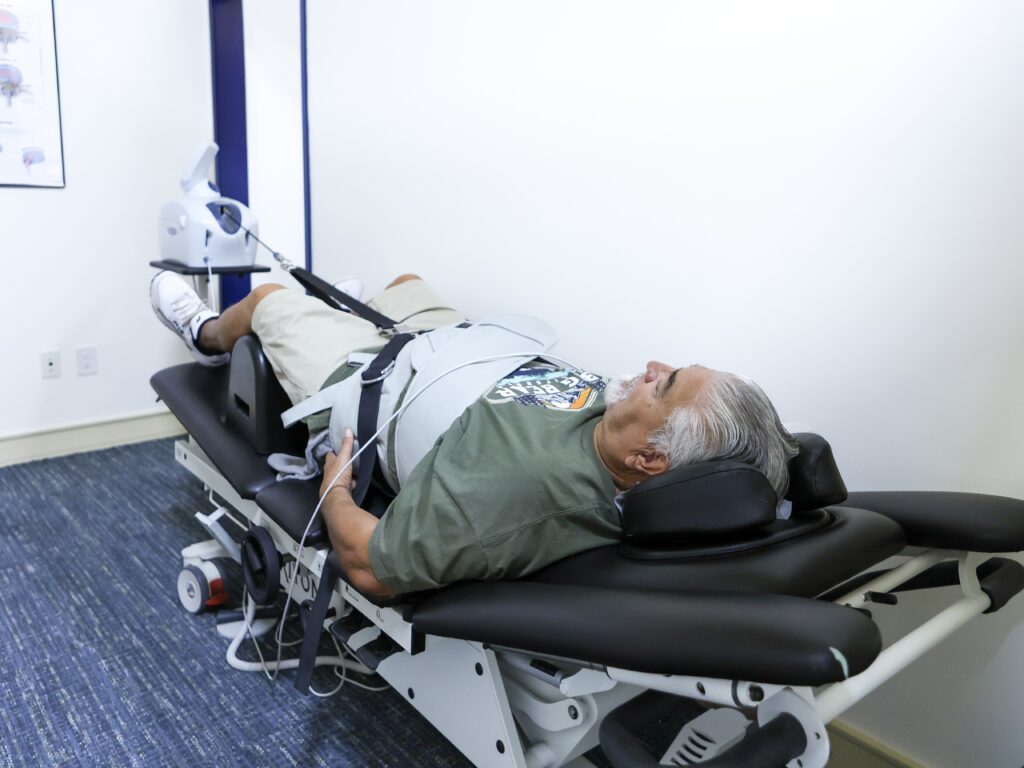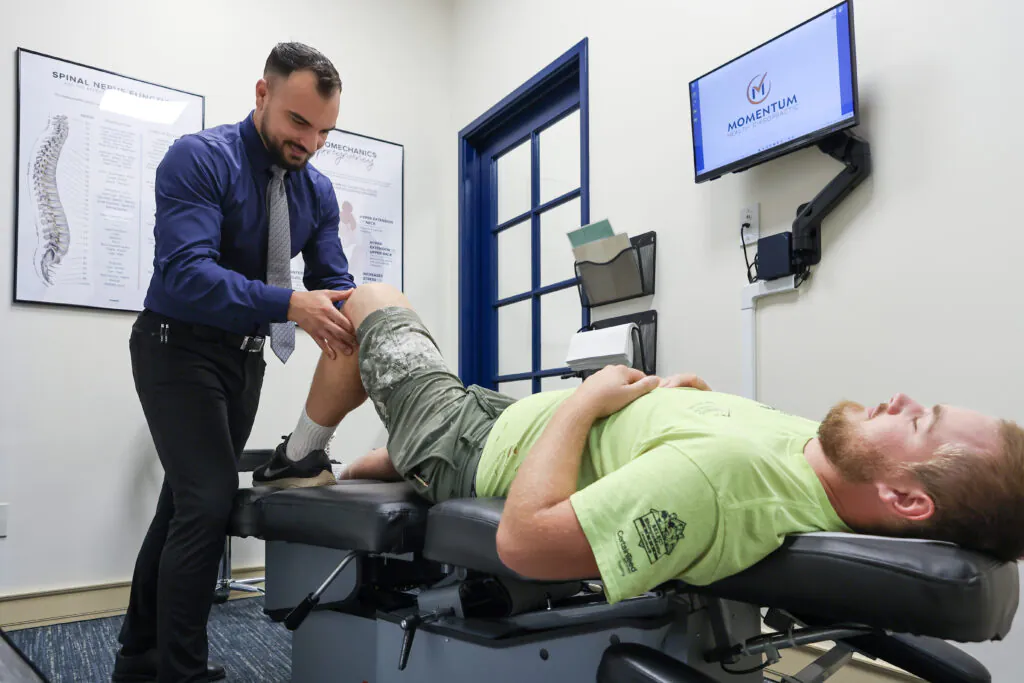

When it comes to finding the ideal frequency for headache relief, it really depends on your unique situation. Different types of headaches may require different approaches, and striking the right balance is key. Regular chiropractic care can play a crucial role in managing headaches and promoting overall wellness. By addressing spinal alignment and tension in the body, chiropractic adjustments can help reduce the frequency and intensity of headaches.
You might benefit from regular visits to your chiropractor as a preventive measure. Many patients find that consistent adjustments not only relieve pain but also help identify patterns and triggers related to their headaches. Understanding these can make a significant difference in your overall health.
In addition to chiropractic care, there are simple tips you can incorporate into your daily routine to help manage headaches. Staying hydrated, maintaining good posture, and practicing stress-relief techniques can all contribute to reducing headache occurrences. Remember, the goal is to listen to your body and adjust your care based on your specific needs.
If you’re struggling with headaches, consider visiting your chiropractor to explore how regular adjustments can support your path to natural healing and optimal health. Together, you can create a personalized plan that works best for you!
Key Takeaways
- Regular chiropractic visits every 2–4 weeks can be a game changer in managing headaches. By addressing spinal alignment and tension in the body, chiropractic care helps reduce both the frequency and intensity of headaches tailored to your individual needs.
- If you find yourself experiencing headaches more than twice a week or if they last longer than 72 hours, it’s important to seek the guidance of a healthcare professional. A chiropractor can work with you to create a personalized treatment plan that targets the root causes of your headaches.
- Be mindful of how often you reach for pain relievers. Using them more than two to three times a week may lead to rebound headaches and dependency, which can make your situation worse. Chiropractic care offers a natural alternative to managing pain without the risks associated with medication.
- Incorporating simple lifestyle changes can make a significant difference. Stay well-hydrated, practice good posture, and find effective stress management techniques. These habits not only support your overall wellness but can also help reduce the occurrence of headaches.
- Open communication with your chiropractor is key. By discussing your symptoms and experiences, they can provide personalized care that not only helps alleviate headaches but also promotes your overall health and well-being. Embrace chiropractic care as a pathway to a healthier, pain-free life!
Understanding Different Types of Headaches
When you experience a headache, it’s important to understand that not all headaches are the same. Each type can vary greatly in intensity, duration, and the way it makes you feel.
Tension headaches are the most common and often arise due to stress or muscle tension. You might feel a dull, aching sensation, typically around your forehead.
Migraines, in contrast, can bring about more severe pain and may be accompanied by nausea or heightened sensitivity to light and sound. Some people even notice visual disturbances before the pain starts.
Then there are cluster headaches, which, although less common, are extremely painful and tend to occur in cycles, sometimes waking you up at night.
Identifying the type of headache you’re experiencing is crucial for determining the best approach for relief. Chiropractic care can be a powerful ally in managing headache pain naturally. By focusing on spinal health and proper alignment, chiropractors can help alleviate the tension that contributes to headaches.
In addition to chiropractic adjustments, here are some general tips to help you manage and potentially reduce headache occurrences:
- Stay Hydrated: Dehydration can be a major trigger for headaches, so make sure you drink plenty of water throughout the day.
- Practice Good Posture: Poor posture can lead to muscle tension in the neck and shoulders, which can contribute to tension headaches. Be mindful of your posture, especially if you spend long hours at a desk.
- Manage Stress: Incorporating stress-reducing techniques such as deep breathing, yoga, or meditation can help lower your chances of tension headaches.
- Get Enough Sleep: Establishing a regular sleep schedule and ensuring you get enough rest can have a positive impact on headache frequency and severity.
- Regular Chiropractic Visits: Regular check-ups with your chiropractor can help maintain spinal alignment and prevent tension build-up, reducing the occurrence of headaches.
Over-the-Counter Medications: How Often to Use
When dealing with headaches, it’s important to consider natural and holistic approaches to relief, rather than relying on over-the-counter medications. Many people may not realize that frequent use of these medications can lead to complications, such as rebound headaches, which can make your pain even worse over time.
As a chiropractor, I believe that the body has an incredible ability to heal itself when given the right support. Instead of turning to pain relief pills, consider exploring chiropractic care as a natural and effective way to address the root causes of your headaches. Chiropractic adjustments can help to align your spine, relieve tension, and improve blood flow, which can lead to significant relief from headache pain.
In addition to chiropractic care, here are some simple tips you can incorporate into your daily routine for better headache management:
- Stay Hydrated: Dehydration can often trigger headaches. Make sure you drink plenty of water throughout the day.
- Practice Good Posture: Poor posture can lead to tension in the neck and shoulders, contributing to headaches. Be mindful of your posture, especially when sitting for long periods.
- Manage Stress: Stress can be a major headache trigger. Consider relaxation techniques such as deep breathing, meditation, or yoga.
- Get Regular Exercise: Physical activity can help reduce stress and improve overall well-being, potentially reducing the frequency of headaches.
- Limit Screen Time: Prolonged exposure to screens can strain your eyes and lead to headaches. Take regular breaks and practice the 20-20-20 rule: every 20 minutes, look at something 20 feet away for 20 seconds.
Recommended Dosage Guidelines
Headaches can be a real pain, but there are natural ways to find relief without resorting to over-the-counter medications. As a chiropractor, I believe in promoting health and wellness through safe, effective methods that focus on the body’s natural healing abilities.
Chiropractic care is an excellent option for managing headaches. Misalignments in the spine can contribute to tension and pain, and a gentle spinal adjustment can help restore balance, reduce tension, and improve overall well-being.
By addressing the root cause of your headaches rather than just masking the symptoms with medications, chiropractic care can lead to long-lasting relief.
In addition to chiropractic adjustments, there are several simple tips you can incorporate into your daily routine to help alleviate headache pain:
- Stay Hydrated: Dehydration can trigger headaches, so make sure you’re drinking plenty of water throughout the day.
- Practice Good Posture: Poor posture can strain your neck and back, leading to tension headaches. Be mindful of your posture while sitting at a desk or using your phone.
- Regular Exercise: Engaging in regular physical activity can boost your overall health and help reduce the frequency and intensity of headaches.
- Manage Stress: Techniques such as deep breathing, meditation, or yoga can help you manage stress, which is often a trigger for headaches.
- Adequate Sleep: Ensure you’re getting enough restful sleep each night. Poor sleep can contribute to headache frequency.
- Dietary Considerations: Certain foods can trigger headaches for some individuals. Keeping a food diary may help you identify any potential culprits.
Remember, while it’s important to find what works for you, chiropractic care remains one of the best choices for addressing headaches naturally. If you’re experiencing frequent or severe headaches, consider consulting with a chiropractor to explore your options for better health and wellness.
Risks of Overuse
When you feel a headache coming on, it can be tempting to grab an over-the-counter medication for quick relief. However, using these medications too often can lead to some unexpected issues. As a chiropractor, I want to highlight the importance of understanding the risks associated with frequent medication use and suggest healthier alternatives for achieving pain relief.
Here are some important points to consider:
- Medication Overuse Headaches: It’s surprising, but using pain relievers too frequently can actually lead to more headaches in the long run. Instead of relying on medications, consider exploring natural methods to alleviate pain.
- Dependency: Leaning on these medications can create a reliance that makes it difficult to function without them. Instead, focusing on lifestyle changes and natural remedies can empower you to manage pain without dependency.
- Side Effects: Over-the-counter medications can come with side effects like stomach issues, dizziness, or allergic reactions. Chiropractic care, on the other hand, aims to support your body’s natural healing process without the risks associated with medication.
- Masking Serious Conditions: Regularly using pain relievers might prevent you from noticing underlying health issues that require attention. Chiropractic evaluations can help identify the root causes of your discomfort, allowing for more effective treatment strategies.
To manage headaches naturally and improve your overall wellness, consider these tips:
- Stay Hydrated: Dehydration can contribute to headaches, so make sure you’re drinking plenty of water throughout the day.
- Maintain Good Posture: Poor posture can lead to tension in your neck and back, causing headaches. Focus on maintaining a neutral spine whether you’re sitting at a desk or standing.
- Practice Relaxation Techniques: Stress can trigger headaches, so incorporating relaxation techniques like deep breathing, yoga, or meditation can be beneficial.
- Regular Chiropractic Adjustments: Chiropractic care can help reduce tension, improve spinal alignment, and promote overall wellness, which may decrease the frequency and intensity of headaches.
Alternative Pain Management Options
Many people experience headaches and often reach for over-the-counter medications to find relief. However, it’s essential to recognize that frequent use of these medications can lead to more issues down the line. If you find yourself needing to take them more than two to three times a week, it may be time to consider alternative approaches, such as chiropractic care.
Chiropractic adjustments can help alleviate headache pain by addressing spinal misalignments that may contribute to tension and discomfort. By restoring proper alignment, chiropractic care can promote better nerve function and blood flow, both of which are crucial for reducing headache frequency and intensity.
In addition to chiropractic adjustments, you can also explore relaxation techniques such as deep breathing, meditation, and gentle stretching. These practices can help reduce stress and tension, which are common headache triggers. Acupuncture is another option that some find beneficial, as it can help relieve pain and promote overall wellness.
Herbal remedies may also offer natural relief, but it’s essential to consult with a healthcare provider knowledgeable in holistic practices to ensure safety and effectiveness.
Ultimately, managing headaches effectively and safely involves finding the right balance. Chiropractic care stands out as a powerful tool in your wellness toolkit, helping you achieve optimal health without the risks associated with over-the-counter medications. Always consult with a chiropractor or healthcare provider before starting any new treatment to ensure it’s the right choice for you. Remember, taking proactive steps towards your health today can lead to a more comfortable tomorrow!
Prescription Medications: Frequency Considerations
When it comes to managing headaches, understanding how to achieve relief naturally is key. Instead of relying on prescription medications, which often come with guidelines on frequency and potential side effects, consider exploring chiropractic care as a holistic approach to wellness.
Chiropractic adjustments can help address the root causes of headaches, such as tension in the spine and misalignments, leading to effective pain relief without the need for drugs. Regular chiropractic visits can also promote better posture and reduce stress, both of which can contribute to headache symptoms.
To enhance your overall health and prevent headaches, here are some simple tips:
- Stay Hydrated: Dehydration can trigger headaches, so make sure to drink plenty of water throughout the day.
- Practice Good Posture: Pay attention to your posture while sitting at a desk or using electronic devices. Try to keep your spine aligned and take breaks to stretch.
- Manage Stress: Incorporate relaxation techniques like deep breathing, meditation, or yoga into your daily routine to help reduce tension.
- Get Regular Exercise: Physical activity can improve blood flow, reduce stress, and enhance overall well-being, all of which can help keep headaches at bay.
- Consider Chiropractic Care: Regular visits to a chiropractor can help maintain spinal health, reduce tension, and promote a balanced body, leading to fewer headaches over time.
Medication Types and Frequency
When it comes to managing headaches, many people often turn to prescription medications for relief. However, as a chiropractor, I believe there are more natural and effective methods to alleviate discomfort and promote overall wellness.
Understanding how medications can impact your health is crucial, and I encourage exploring alternative approaches, like chiropractic care, to address the root causes of headaches.
Chiropractic Care: A natural and holistic way to relieve headaches is through chiropractic adjustments. These adjustments can help align your spine, relieve tension, and improve your overall body function.
Many patients report significant relief from headaches after regular chiropractic sessions.
Lifestyle Tips: In addition to chiropractic care, there are simple lifestyle changes you can make to reduce the frequency and intensity of headaches:
- Stay Hydrated: Dehydration can lead to headaches, so make sure you’re drinking enough water throughout the day.
- Manage Stress: Stress is a common trigger for headaches. Techniques such as deep breathing, meditation, or yoga can be beneficial.
- Regular Exercise: Physical activity can help reduce headache frequency by improving blood flow and decreasing tension.
- Proper Posture: Maintaining good posture, especially if you spend long hours at a desk, can reduce strain on your neck and spine, which may help prevent headaches.
By focusing on these natural approaches and incorporating chiropractic care into your routine, you can achieve optimal health and find long-lasting relief from headaches without relying on medications.
Always consult with your chiropractor to determine the best plan for your individual needs.
Dosage Guidelines and Safety
While it might be tempting to reach for pain relievers at the first sign of a headache, there are natural approaches that can significantly improve your health and well-being.
As a chiropractor, I believe that understanding how to manage pain through holistic methods is essential for achieving optimal health. Instead of relying on medications, consider exploring chiropractic care, which addresses the root causes of headaches by focusing on spinal health and overall wellness.
When you experience a headache, it’s important to pay attention to your body and identify potential triggers. Common culprits can include stress, poor posture, and tension in the neck and shoulders. Regular chiropractic adjustments can help alleviate tension in your spine, improve your posture, and ultimately reduce the frequency and intensity of headaches.
Here are some tips to manage headaches naturally:
- Stay Hydrated: Dehydration can lead to headaches, so make sure you’re drinking enough water throughout the day.
- Practice Good Posture: Maintaining proper posture, especially if you work at a desk, can help reduce strain on your neck and shoulders.
- Incorporate Relaxation Techniques: Activities like yoga, meditation, or deep-breathing exercises can help reduce stress and tension, which may contribute to headaches.
- Get Regular Chiropractic Care: Regular visits to your chiropractor can help keep your spine aligned and your body functioning at its best, reducing the likelihood of headaches.
- Pay Attention to Your Diet: Certain foods may trigger headaches in some individuals. Keeping a food diary can help you identify and avoid these triggers.
- Take Breaks: If you’re working on a computer or engaging in activities that require focus, make sure to take regular breaks to give your eyes and neck a rest.
If you find yourself frequently struggling with headaches, I encourage you to discuss these concerns with your chiropractor. Together, you can develop a personalized plan that focuses on natural healing and wellness, helping you manage headaches without the need for medications.
Prioritizing chiropractic care means prioritizing your overall health and well-being.
Monitoring Side Effects Regularly
Regularly observing how your body responds to different factors is vital for anyone dealing with headaches. Keeping track of your symptoms can empower you to identify patterns and make informed choices about your health. This proactive approach is key to ensuring you find effective and natural relief, especially through chiropractic care, which focuses on holistic healing and overall wellness.
Here are some simple tips to help you monitor your headaches:
- Frequency of headaches: Pay attention to how often your headaches occur. Keeping a journal can help you spot any trends.
- Intensity: Rate the pain level on a scale from 1 to 10. This can help you communicate more effectively with your chiropractor about your experience.
- New symptoms: Be mindful of any new sensations or discomfort that accompany your headaches, as these can provide valuable insights for your treatment.
- Duration: Note how long your headaches last. Understanding this can help your chiropractor tailor a specific care plan that works best for you.
Chiropractic care can play a pivotal role in managing headaches by addressing spinal alignment and reducing tension. By focusing on natural healing methods, you can promote a healthier lifestyle and potentially reduce the frequency and intensity of your headaches.
The Role of Lifestyle Changes in Headache Management
Lifestyle changes can significantly aid in managing headaches and promote overall wellness. As a chiropractor, I often emphasize the importance of daily habits that support spinal health and natural healing. By making some adjustments to your routine, you can not only reduce the frequency and intensity of headaches but also enhance your overall quality of life. Here are some key areas to focus on:
- Hydration: Drinking enough water each day is essential. Proper hydration helps prevent tension headaches that can arise from dehydration. Aim for at least 8 glasses of water a day to keep your body and spine in optimal condition.
- Sleep Routine: Establishing a consistent sleep schedule is vital. A well-rested body leads to better spinal alignment and reduces stress on your body, which can help you avoid headaches. Try to go to bed and wake up at the same time every day.
- Balanced Diet: Eating nutritious meals plays a significant role in stabilizing blood sugar levels, which can help prevent headaches. Incorporate a variety of fruits, vegetables, and whole grains into your diet for better overall health.
Here’s a simplified table to illustrate these lifestyle changes and their benefits for headache management:
| Change | Action | Benefit |
|---|---|---|
| Hydration | Drink enough water daily | Prevents dehydration headaches |
| Sleep Routine | Maintain a consistent sleep schedule | Promotes restorative sleep and spinal health |
| Balanced Diet | Eat nutritious meals | Stabilizes blood sugar levels, reducing headache triggers |
Alternative Therapies: When and How Often to Seek Relief
Alternative therapies can provide effective relief from headaches, especially when you’re looking for natural and holistic approaches. As a chiropractor, I believe that chiropractic care is one of the best ways to address the root causes of headaches and promote overall wellness. Here are some therapies to consider, along with suggestions on how often to seek them, with an emphasis on chiropractic care:
- Chiropractic adjustments: Regular chiropractic visits can be a game-changer. I recommend coming in every 2-4 weeks, depending on how often you experience headaches. Chiropractic adjustments can help realign your spine, reduce tension, and improve overall nervous system function, which may help decrease the frequency and intensity of your headaches.
- Acupuncture: While chiropractic care is my primary focus, acupuncture can complement your treatment. If you choose to explore acupuncture, consider trying sessions once a week for several weeks and then assess how you feel. This can help with muscle tension and stress relief.
- Massage therapy: Incorporating massage therapy into your routine can also be beneficial. Scheduling a massage once a month can help alleviate tension and stress, which are common headache triggers. It’s a great way to relax your muscles and promote overall wellness.
- Herbal remedies: If you’re interested in herbal supplements like feverfew or butterbur, it’s essential to discuss this with a healthcare professional first. However, remember that these shouldn’t replace the foundational benefits of chiropractic care in managing headaches.
General Tips:
- Stay hydrated and maintain a balanced diet, as dehydration and poor nutrition can lead to headaches.
- Practice good posture, especially if you spend long hours at a desk. Poor posture can strain your neck and back, leading to headaches.
- Incorporate regular physical activity into your routine. Exercise can help reduce stress and tension, which may alleviate headache symptoms.
The Importance of Keeping a Headache Diary
Keeping track of your headaches can significantly improve your understanding of their triggers and patterns, leading you toward a healthier, pain-free life. By maintaining a headache diary, you’ll uncover what might be causing your discomfort, whether it’s certain foods, stress, lack of sleep, or environmental factors. Each entry can help you identify common threads and frequency, empowering you to take proactive steps towards wellness.
In your diary, be sure to note the date, time, duration, and intensity of each headache you experience. You might also want to include any lifestyle habits, such as your diet and exercise routines, as these can reveal connections between your daily choices and headache occurrences. Understanding these relationships is key to finding natural relief.
Tracking your symptoms can also assist you in discussing your experiences with your chiropractor, who can work with you to develop a tailored treatment plan. Chiropractic care focuses on aligning your spine and addressing underlying issues that may contribute to headaches. By optimizing your spinal health, you can potentially reduce the frequency and intensity of your headaches without relying on medications or other invasive treatments.
Additionally, consider incorporating general wellness practices into your routine, such as staying hydrated, practicing good posture, and managing stress through relaxation techniques like yoga or meditation. These small changes can make a big difference in your overall well-being and help you regain control over your health.
A headache diary is a powerful tool not only for identifying patterns but also for exploring how chiropractic care can support your journey to optimal health and natural wellness. Remember, your body has an incredible ability to heal itself, and with the right support, you can pave the way to a pain-free future.
When to Consult a Healthcare Professional
While many headaches can be managed at home through lifestyle changes and self-care techniques, there are certain situations when it’s important to consult a healthcare professional. Recognizing these signs can help you take charge of your health and wellness. Here are a few symptoms to watch out for that may indicate it’s time to seek help:
- Severe, sudden headaches: If you experience a headache that comes on suddenly and feels intense, like a thunderclap, it’s important to get it checked out.
- Frequent headaches: If you find yourself dealing with headaches more than twice a week or if they last longer than 72 hours, it’s a good idea to consult a professional.
- Changes in headache patterns: Noticeable shifts in how your headaches feel or their frequency can signal that something needs attention. Pay close attention to any worsening or new characteristics.
- Neurological symptoms: If you experience any vision changes, weakness, or difficulty speaking along with your headaches, this is a sign you should seek help right away.
Remember, it’s always best to be proactive about your health. A chiropractor can help you identify potential underlying causes of your headaches, utilizing natural healing techniques that focus on spinal health and overall wellness.
By addressing any misalignments in your spine, you can promote better nerve function and potentially alleviate headache pain.
In addition to seeking professional care, here are some general tips you can incorporate into your daily routine to help manage headaches:
- Stay hydrated: Drink plenty of water throughout the day.
- Practice good posture: Be mindful of how you sit and stand to reduce strain on your neck and back.
- Manage stress: Incorporate relaxation techniques like deep breathing, meditation, or gentle yoga.
- Prioritize sleep: Aim for a consistent sleep schedule and ensure you’re getting quality rest.
Taking these steps can contribute to better overall health and may help in reducing the frequency and severity of headaches. Remember, chiropractic care is a natural and effective way to support your body’s healing process and achieve optimal wellness!
Balancing Treatment Frequency With Potential Risks
As you seek relief from headaches, it’s essential to strike a balance between how often you seek treatment and the potential risks of overdoing it. Frequent interventions, whether they be various therapies or medications, can sometimes lead to rebound headaches or unwanted side effects. It can be tempting to increase your treatment frequency when your symptoms flare up, but this can lead to a cycle that’s hard to break.
Instead, consider the long-term benefits of choosing chiropractic care for your headache relief. Chiropractic adjustments are a natural and effective way to address the root causes of your pain without the need for medications or invasive procedures. Regular chiropractic visits can help realign your spine, improve nerve function, and reduce tension in your body, all of which can contribute to fewer headaches.
To ensure you’re getting the most out of your chiropractic care, regularly evaluate how you feel and communicate openly with your chiropractor about any changes in your symptoms. They can help tailor a treatment plan that focuses on your individual needs and minimizes any potential risks.
Here are some general tips to help manage headaches naturally:
- Stay Hydrated: Dehydration can trigger headaches, so make sure you’re drinking enough water throughout the day.
- Maintain Good Posture: Poor posture can contribute to tension headaches. Be mindful of your posture, especially when sitting at a desk or using your phone.
- Incorporate Relaxation Techniques: Practices like deep breathing, meditation, or yoga can help reduce stress and tension that may lead to headaches.
- Regular Exercise: Staying active can improve blood flow and reduce headache frequency. Find an activity you enjoy and stick with it.
- Limit Screen Time: Too much time in front of screens can strain your eyes and neck, leading to headaches. Take regular breaks to give your eyes a rest.
Developing a Personal Headache Management Plan
Creating a personal headache management plan is essential for effectively addressing your unique triggers and symptoms. Understanding the root causes of your headaches and how to manage them naturally can significantly improve your quality of life. Here’s how to get started on a path toward relief:
- Identify Triggers: Start by keeping a headache diary to note down any foods, activities, or stressors that seem to lead to your headaches. This can help you pinpoint patterns and understand your body better.
- Set Treatment Goals: Think about what relief looks like for you. Is it about reducing how often you get headaches, lessening their intensity, or shortening their duration? Setting clear goals will help you track your progress.
- Choose Coping Strategies: Consider exploring natural options that align with chiropractic care. Techniques like regular spinal adjustments can help relieve tension and improve overall spinal health, which may reduce headache frequency. Additionally, practices such as deep breathing, gentle stretching, and hydration are excellent ways to support your body’s natural healing process.
- Evaluate and Adjust: Regularly review how your plan is working for you. If you find certain strategies aren’t effective, don’t hesitate to adjust your approach. This is all about finding what works best for your body.