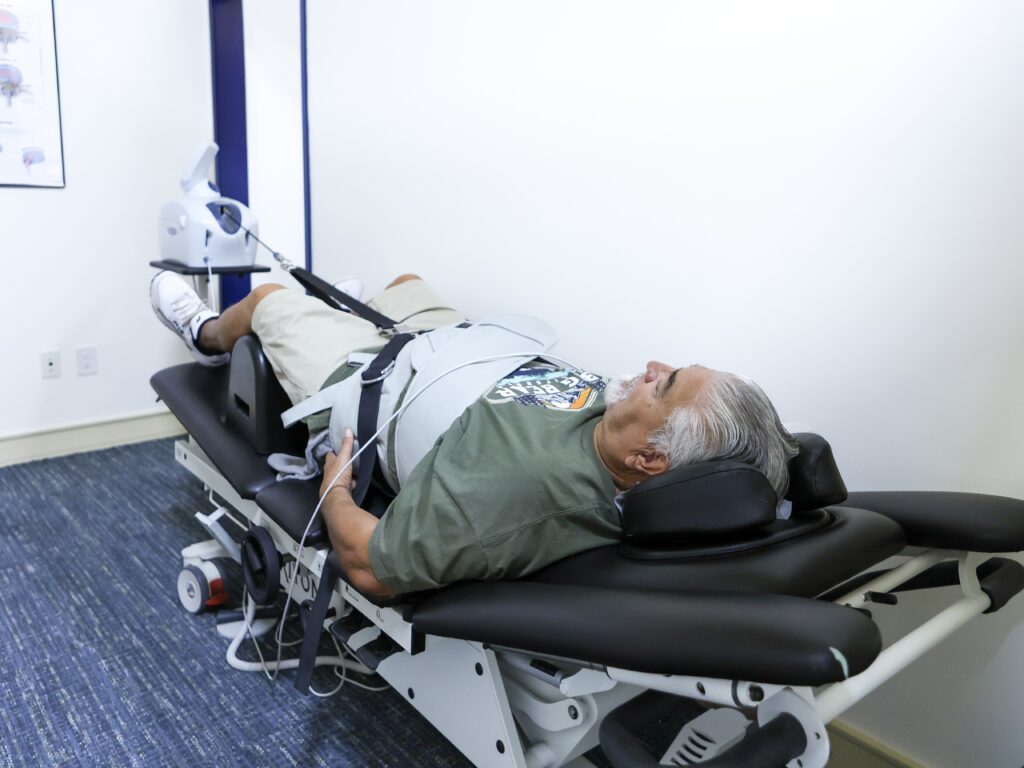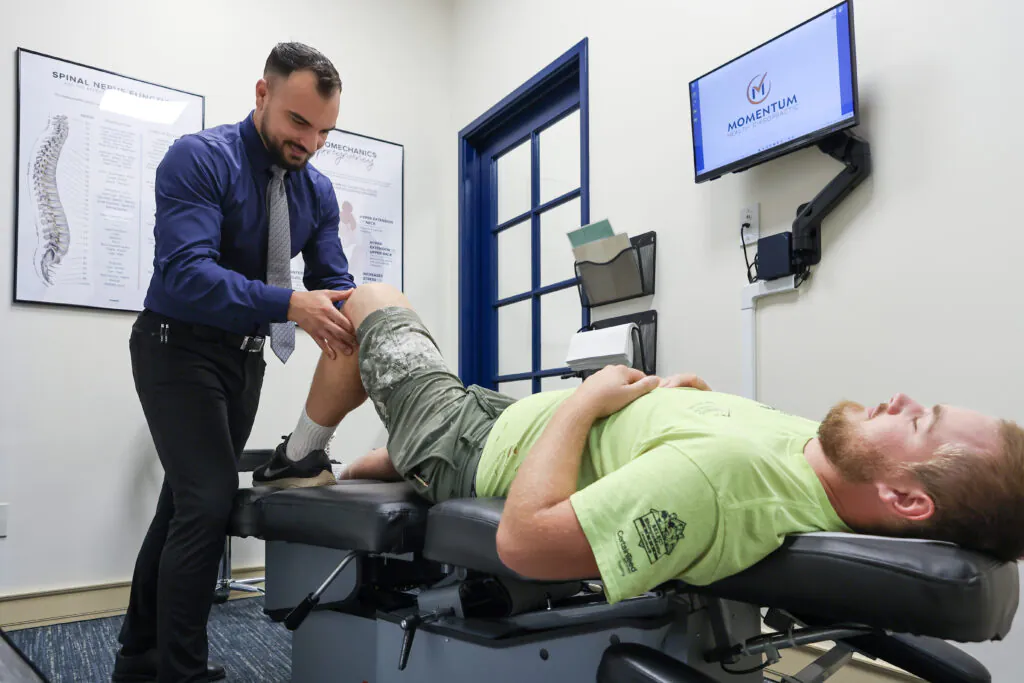

If you suffer from migraines, you may be searching for effective ways to manage your discomfort. One of the most beneficial approaches to consider is chiropractic adjustments. These gentle yet powerful treatments can help reduce muscle tension and improve spinal alignment, leading to significant relief from migraine symptoms. Not only can these adjustments alleviate pain, but they can also enhance your overall sense of well-being.
Chiropractic care goes beyond just adjustments. It’s about creating a holistic approach to your health. By addressing the root causes of your migraines—such as misalignments in the spine or tension in the muscles—chiropractic care helps restore balance to your body. This leads to a more natural way of managing your health without the need for medications or invasive procedures.
Here are some general tips to help you on your journey to migraine relief:
- Stay Hydrated: Dehydration can trigger migraines, so make sure to drink plenty of water throughout the day.
- Maintain Good Posture: Poor posture can contribute to tension headaches. Focus on sitting and standing tall, especially if you work at a desk.
- Regular Chiropractic Visits: Consistent adjustments can help maintain spinal health and prevent future migraines. Consider scheduling regular visits to your chiropractor.
- Stress Management: Incorporate relaxation techniques into your daily routine, such as deep breathing exercises, meditation, or yoga, to help reduce stress-related triggers.
- Healthy Diet: Pay attention to your diet and identify any food triggers that may be contributing to your migraines. Eating a balanced diet rich in whole foods can help support your overall health.
By integrating chiropractic care into your wellness strategy, you can take a proactive step toward managing your migraines naturally. Remember, the journey to optimal health is a personal one, and chiropractic care can play a vital role in helping you achieve a pain-free lifestyle.
Key Takeaways
Chiropractic adjustments can provide significant relief for those suffering from migraines. By enhancing spinal alignment, these adjustments can improve nerve function, which may help reduce some common migraine triggers.
When you receive regular chiropractic care, it promotes better blood circulation throughout your body. This means that oxygen and essential nutrients are delivered more effectively, helping to ease muscle tension and pain that can contribute to migraines.
Adjustments also target neck muscle tension, which is often a key factor in triggering and worsening migraine symptoms. By alleviating this tension, chiropractic care can help break the cycle of pain and discomfort associated with migraines.
Moreover, when the spine is properly aligned, nerve communication is enhanced. This can lead to a decrease in the frequency and intensity of migraine attacks, offering you a more comfortable daily life.
Incorporating chiropractic care into your routine, along with healthy lifestyle changes like staying hydrated, practicing good posture, and managing stress, can create a comprehensive approach to migraine management. This not only helps reduce your reliance on medications but also supports your overall wellness.
If you’re looking for natural ways to alleviate migraine pain, consider visiting a chiropractor. Together, we can work towards achieving optimal health and a brighter, pain-free future.
Understanding Migraines and Their Triggers
Migraines can be incredibly challenging, but understanding their triggers is a key step in managing them effectively. Many people find that certain factors—like stress, lack of sleep, or specific foods—can trigger their migraines. Keeping a migraine diary is a great way to identify patterns and determine what might be setting off your episodes. Don’t forget to consider your environment; bright lights or strong smells can also play a role.
Hormonal changes, especially those connected to your menstrual cycle, can significantly influence migraine activity. Staying hydrated and eating balanced meals are crucial, as both dehydration and skipping meals can exacerbate your symptoms.
Another important aspect is how your daily routines affect your migraines. Regular exercise, relaxation techniques, and sticking to a consistent sleep schedule can all contribute to reducing the frequency and intensity of your migraines.
Chiropractic care can also be an effective natural approach to managing migraine pain. By addressing spinal alignment and improving nervous system function, chiropractic care can help reduce the frequency and severity of migraine attacks.
The Role of Chiropractic Care in Migraine Management
When it comes to managing migraines, many people overlook the powerful benefits of chiropractic care. As a local chiropractor, I want to highlight how chiropractic adjustments can play a crucial role in alleviating the tension in your neck and spine, which may be contributing to your migraine symptoms. By correcting misalignments in your body, we can enhance your overall function and potentially decrease the frequency and intensity of your migraines.
Chiropractic care not only targets the physical aspects of migraine relief but also supports your overall well-being. Many migraine sufferers find that regular visits to a chiropractor help them manage stress and anxiety—two common triggers for migraines.
Together, we can create a personalized treatment plan that addresses your unique needs and lifestyle.
Incorporating chiropractic care into your migraine management strategy empowers you to take charge of your health in a natural way. By embracing this holistic approach, you may experience fewer migraines and an improved quality of life.
Here are some practical tips to complement your chiropractic care:
- Stay Hydrated: Dehydration can trigger migraines, so be sure to drink plenty of water throughout the day.
- Practice Good Posture: Poor posture can contribute to neck and back tension. Be mindful of your posture while sitting, especially if you spend long hours at a desk.
- Manage Stress: Engage in relaxation techniques such as deep breathing, meditation, or yoga to help reduce stress levels.
- Keep a Migraine Diary: Tracking your migraines can help identify triggers and patterns, allowing you to make lifestyle adjustments.
- Get Regular Sleep: Aim for consistent sleep patterns, as irregular sleep can exacerbate migraine issues.
Don’t hesitate to reach out and consult with me. Together, we can explore how chiropractic care can support your journey toward relief and improved wellness. Remember, you have the power to take control of your health naturally!
How Chiropractic Adjustments Work
Chiropractic adjustments are all about keeping your spine aligned, which is essential for your overall health and well-being. When your spine is in proper alignment, it enhances your nerve function, which can significantly reduce the triggers that lead to migraines. Many of my patients have experienced relief from tension and discomfort through these adjustments, leaving them feeling relaxed, balanced, and ready to take on their day.
One of the great things about chiropractic care is that it’s a natural approach to healing. Instead of relying on medications or surgeries, which often come with side effects and complications, chiropractic adjustments work with your body to promote its own healing abilities.
I encourage everyone to pay attention to their posture and ergonomic habits, as these can greatly impact spinal alignment. Simple things like sitting up straight, using supportive chairs, and taking regular breaks from screens can help maintain your spine’s health. Remember, when your spine is healthy, your body can function at its best!
If you’re looking for a holistic way to achieve optimal health and wellness, consider chiropractic care as your go-to option. It’s a safe, effective, and natural way to relieve pain and enhance your overall quality of life.
Spinal Alignment Importance
Spinal alignment is essential for your overall health, especially if you’re dealing with migraines. When your spine is properly aligned, it enhances movement and flexibility, which helps reduce tension in your muscles and tissues.
On the other hand, poor spinal alignment can create imbalances that may trigger headaches and discomfort.
One of the best ways to achieve optimal spinal alignment is through chiropractic adjustments. These gentle manipulations help realign your spine, relieving pressure on your nerves and muscles. This process not only alleviates pain but also promotes better blood flow, which is crucial for healthy brain function.
Regular chiropractic adjustments can keep your spine in top shape, potentially reducing the frequency and severity of migraine attacks. In addition to chiropractic care, there are some simple tips you can incorporate into your daily routine to support your spinal health:
- Maintain Good Posture: Whether sitting at a desk or standing, be mindful of your posture. Keep your back straight, shoulders relaxed, and feet flat on the ground.
- Stay Active: Engage in regular physical activity to strengthen your core and back muscles, which support your spine.
- Stretch Regularly: Incorporate gentle stretching into your day to relieve tension and improve flexibility.
- Stay Hydrated: Drinking plenty of water helps keep your spinal discs hydrated and healthy.
- Sleep Smart: Ensure your sleep environment supports spinal alignment. Use a supportive mattress and pillows to maintain a neutral spine position.
Nerve Function Enhancement
Proper nerve function is vital for your overall health and well-being, and that’s where chiropractic adjustments come in. As a local chiropractor, I want to share how these adjustments can enhance your health naturally. By correcting misalignments in your spine, chiropractic care allows your nerves to communicate effectively, reducing stress on your nervous system. This is especially important for managing issues like migraines.
Here are some key benefits of chiropractic adjustments:
| Benefit | Description | How It Helps |
|---|---|---|
| Improved Coordination | Enhances communication between nerves | Helps reduce migraine triggers |
| Increased Blood Flow | Promotes healthy circulation around the spine | Eases tension and pain |
| Enhanced Mobility | Restores natural movement in the spine | Supports overall health |
As you can see, chiropractic care is a great choice for relieving pain and promoting natural wellness. Here are some simple tips you can incorporate into your daily life to support your nerve function:
- Stay Active: Regular movement helps keep your spine healthy and your nerves functioning properly. Try to incorporate light exercises or stretches into your routine.
- Focus on Your Posture: Whether sitting at a desk or standing, maintaining good posture can prevent unnecessary strain on your spine and nerves.
- Stay Hydrated: Drinking plenty of water supports overall health and helps maintain the fluid balance around your spinal discs.
- Get Enough Sleep: Quality sleep is essential for your body to heal and recharge, including your nervous system.
Tension Relief Techniques
Regular chiropractic adjustments are a wonderful way to relieve tension and encourage relaxation throughout your body. By realigning your spine and easing muscle tightness, these adjustments can significantly reduce stress and enhance your overall well-being.
Let’s explore four effective tension relief techniques that chiropractic care offers:
- Spinal Manipulation: This gentle technique helps realign your vertebrae, relieving pressure on your nerves and improving your movement. When your spine is in alignment, it can lead to less pain and discomfort.
- Soft Tissue Therapy: Focusing on those pesky muscle knots and areas of tightness, soft tissue therapy can help improve your flexibility and circulation. It’s a great way to relax those tight muscles that often contribute to tension.
- Postural Guidance: Good posture is key to preventing tension. As your chiropractor, I’ll educate you on ways to maintain proper posture throughout your daily activities, helping to keep tension at bay and ensuring your spine stays healthy.
- Stretching Exercises: I’ll provide you with personalized stretching exercises designed to relieve tight muscles and promote relaxation. Incorporating these stretches into your routine can be a simple yet effective way to manage tension on your own.
In addition to these techniques, remember that staying hydrated, maintaining a balanced diet, and incorporating regular physical activity into your routine can also help manage stress and tension. Chiropractic care is a natural and effective way to support your journey toward optimal health and wellness.
Embrace these methods, and you’ll be on your way to feeling your best!
Evidence Supporting Chiropractic Treatments for Migraines
As you seek effective solutions for managing migraines, consider the compelling evidence supporting chiropractic care as a natural and holistic approach. Numerous studies highlight the benefits of chiropractic adjustments, showing that they can significantly reduce both the frequency and intensity of migraine attacks. For instance, research published in the “Journal of Manipulative and Physiological Therapeutics” found that patients experienced fewer migraine days after receiving chiropractic care—an encouraging result for those looking for relief.
Chiropractic care not only focuses on spinal adjustments but also on the overall health of your musculoskeletal system. This approach can alleviate tension, promote balance, and ultimately lead to diminished migraine symptoms. Many patients find that with chiropractic treatments, they rely less on medications and experience fewer side effects, allowing them to enjoy their daily lives more fully.
To enhance your migraine management, think about incorporating these simple wellness tips alongside chiropractic care:
- Stay Hydrated: Dehydration can trigger migraines, so make sure to drink plenty of water throughout the day.
- Maintain Good Posture: Poor posture can lead to tension in your neck and shoulders. Be mindful of your posture, especially if you spend long hours sitting at a desk.
- Manage Stress: Techniques such as deep breathing, meditation, or yoga can help reduce stress levels, which may contribute to fewer migraine episodes.
- Regular Exercise: Engaging in regular physical activity can improve your overall health and help prevent migraines by reducing stress and tension.
- Sleep Well: Aim for a consistent sleep schedule, as irregular sleep patterns can trigger migraines in some individuals.
With these strategies in mind, consider discussing chiropractic options with your healthcare provider. Embracing chiropractic care can be a powerful step towards achieving optimal health and finding the relief you deserve from migraines.
Benefits of Improved Spinal Alignment
Chiropractic care is a powerful tool for enhancing your overall health, particularly through improved spinal alignment. When your spine is properly aligned, it can lead to a variety of benefits that support both your physical and mental well-being. Here are four key advantages of maintaining good spinal alignment, all of which can be achieved through regular chiropractic adjustments:
- Enhanced Nerve Function: When your spine is in alignment, your nervous system can communicate without interference. This means that your body functions more smoothly, which can help reduce migraine triggers and other discomforts.
- Better Posture: With the right spinal alignment, you’ll naturally improve your posture. Good posture means less strain on your neck and back, making everyday activities more comfortable.
- Increased Mobility: A well-aligned spine can enhance your flexibility and movement. This not only makes daily tasks easier but also allows you to enjoy physical activities more fully.
- Boosted Immune System: A healthy spine supports your body’s immune system, which is crucial for preventing illnesses that could worsen migraine symptoms or other health issues.
To embrace these benefits, consider regular chiropractic adjustments as part of your wellness routine.
In addition to chiropractic care, here are a few general tips to support your spinal health:
- Practice Good Posture: Be mindful of your posture while sitting, standing, and walking. Keep your shoulders back and your head aligned over your spine.
- Stay Active: Engage in regular physical activity, such as walking, swimming, or yoga, to keep your spine flexible and strong.
- Ergonomic Setup: If you work at a desk, ensure your workspace is set up ergonomically to reduce strain on your back and neck.
- Stretch Regularly: Incorporate stretching into your daily routine to keep your muscles relaxed and your spine aligned.
By choosing chiropractic care and following these simple tips, you can pave the way for a healthier, more balanced life.
Embrace the journey to optimal health through natural healing—your body will thank you!
Reduction in Muscle Tension and Stress
When migraines strike, they often come hand in hand with muscle tension in your neck, which can significantly heighten your discomfort. This is where chiropractic care shines. By receiving gentle adjustments, you can alleviate that tension, enhance blood flow, and activate your body’s natural relaxation response.
Chiropractic adjustments focus on aligning your spine and relieving pressure on nerves, which can help reduce stress levels that frequently accompany migraines. By addressing these underlying issues, you may find a natural and effective route to relieve your symptoms without the need for medications or invasive procedures.
In addition to chiropractic care, consider incorporating some simple lifestyle tips. Regular stretching, staying hydrated, and practicing stress-reduction techniques like deep breathing or mindfulness can also support your overall well-being and help manage migraine triggers. Remember, when it comes to achieving optimal health and wellness, chiropractic care is a powerful ally on your journey to a pain-free life.
Alleviation of Neck Tension
Many individuals who suffer from migraines often find that neck tension plays a significant role in worsening their symptoms. This tension can create an ongoing cycle of discomfort that feels challenging to escape. Fortunately, chiropractic adjustments can effectively alleviate this neck tension, enhancing your overall quality of life. Here’s how chiropractic care can help:
- Release Muscle Tightness: Chiropractic adjustments specifically target tight muscles in the neck, helping them to relax and ease discomfort.
- Improve Posture: Proper spinal alignment through chiropractic care reduces unnecessary strain on your neck and spine, promoting better posture and comfort.
- Reduce Stress: By relieving physical tension in your body, chiropractic care can contribute to lower overall stress levels, which is essential for managing migraines.
- Enhance Mobility: Regular adjustments can improve neck flexibility, making it easier to move your head and neck without discomfort.
In addition to chiropractic adjustments, here are some general tips to help manage neck tension:
- Practice Good Posture: Be mindful of your posture when sitting or standing. Keep your shoulders relaxed and aligned over your hips.
- Take Breaks: If you work at a desk or spend long hours looking at screens, remember to take breaks. Stand up, stretch, and move around to alleviate tension.
- Stay Hydrated: Drink plenty of water throughout the day to help keep your muscles hydrated and functioning well.
- Gentle Stretches: Incorporate gentle neck stretches into your routine to help maintain flexibility and reduce tightness.
- Mindfulness and Relaxation Techniques: Consider practices such as deep breathing, meditation, or yoga to help manage stress and promote relaxation.
Embracing chiropractic care as a natural and effective solution for neck tension can lead to significant improvements in your overall health and wellness.
Improved Blood Flow
Improved blood flow is crucial for reducing muscle tension and stress, particularly for those who suffer from migraines. When your muscles are tight, circulation can become restricted, leading to discomfort and potentially triggering migraine episodes. That’s where chiropractic care comes in! By making gentle adjustments to your spine and aligning your body properly, we can help alleviate that tension and promote better blood flow throughout your entire system.
As your circulation improves, more oxygen and nutrients reach your muscles, helping them to relax and feel less tight. Many of our patients report feeling a significant reduction in discomfort and a greater sense of ease after receiving chiropractic care. Additionally, improved blood flow helps remove waste products that can cause inflammation and pain, contributing to an overall healthier body.
By focusing on relieving muscle tension through spinal adjustments, you’re not just boosting circulation; you’re also creating a more balanced internal environment. This can potentially lessen the frequency and intensity of migraines, allowing you to enjoy life more fully.
Here are a few tips you can incorporate into your daily routine to support your blood flow and overall wellness:
- Stay Hydrated: Drinking plenty of water helps maintain proper blood circulation and can aid in reducing muscle tension.
- Stretch Regularly: Simple stretching exercises can help keep your muscles relaxed and improve circulation.
- Practice Good Posture: Maintaining good posture while sitting or standing can help prevent muscle tightness and promote better blood flow.
- Incorporate Light Exercise: Activities like walking, yoga, or swimming can enhance circulation and lessen stress.
- Consider Regular Chiropractic Visits: Regular adjustments can help keep your spine aligned, promote optimal blood flow, and support your overall health.
Enhanced Relaxation Response
Stress and muscle tension are common triggers for migraines, but did you know that chiropractic adjustments can significantly enhance your body’s relaxation response? By realigning your spine and alleviating pressure, these adjustments help release built-up tension, leading to lower stress levels and a greater sense of calm.
Here are a few ways chiropractic care contributes to relaxation and overall wellness:
- Improved Posture – Chiropractic adjustments help correct misalignments in your spine, which reduces strain on your muscles and joints. Good posture not only feels better but also helps your body function more efficiently.
- Increased Endorphins – Adjustments can stimulate the release of endorphins, your body’s natural pain relievers. These feel-good hormones can lift your mood and make you feel more relaxed.
- Enhanced Circulation – By improving spinal alignment, chiropractic care promotes better blood flow throughout your body. This increased circulation helps deliver oxygen and nutrients more effectively, which can aid in relaxation and overall health.
- Better Sleep Quality – Regular chiropractic adjustments can help you achieve deeper, more restorative sleep. Better sleep means less stress and a clearer mind, which are essential for managing migraine triggers.
Incorporating chiropractic care into your wellness routine is a powerful way to manage stress and muscle tension naturally. By prioritizing your spinal health, you can pave the way for a life with fewer migraines and greater overall well-being.
Enhanced Blood Flow and Oxygenation
When you receive adjustments to your spine through chiropractic care, one of the wonderful benefits you might experience is an improvement in blood flow and oxygenation throughout your body. This boost in circulation can be crucial for those struggling with migraine symptoms. When your blood circulates better, essential nutrients and oxygen reach your brain more effectively, which can help reduce both the frequency and intensity of migraines.
Additionally, better oxygenation can help alleviate inflammation and tension in your muscles, which are often key players in migraine pain. By enhancing your vascular health through chiropractic adjustments, we can also support your nervous system, helping you achieve a more balanced and healthy state.
As your body begins to adapt to these positive changes, many patients find that their headaches become less severe and easier to manage. The great news is that improved blood flow and oxygenation can lead to the relief you’re seeking, allowing you to enjoy a better quality of life while addressing migraine challenges more effectively.
To further support your wellness journey, consider these simple tips: stay hydrated, maintain good posture, incorporate relaxation techniques like deep breathing or yoga, and prioritize regular chiropractic care. Each of these steps can contribute to your overall health and help you manage migraines naturally. Remember, chiropractic care is a powerful choice for achieving optimal health and wellness without relying on medications or invasive procedures.
Integrating Chiropractic Care Into a Comprehensive Treatment Plan
Integrating chiropractic care into a comprehensive treatment plan can truly transform how you manage migraines. By collaborating with a chiropractor, you can focus on the root causes of your pain rather than just the symptoms. Here are four key benefits of incorporating chiropractic care into your migraine management strategy:
- Improved Spinal Alignment: Regular adjustments can correct misalignments in your spine that may be triggering your migraines. A well-aligned spine promotes better overall health and can help reduce the frequency of headaches.
- Reduced Muscle Tension: Chiropractic techniques are designed to relieve tension in the neck and shoulders, which can often be a source of headaches. By easing this tension, you may experience fewer migraines and a greater sense of relaxation.
- Enhanced Nervous System Function: When your spine is healthy, the communication between your brain and body improves. This can lead to a decrease in migraine attacks, as your nervous system functions more effectively.
- Holistic Approach: By combining chiropractic care with healthy lifestyle choices—such as proper hydration, regular exercise, and stress management—you can create a well-rounded plan to address your migraines. This holistic approach tackles the issue from multiple angles, promoting overall wellness.
Here are some general tips to support your migraine management alongside chiropractic care:
- Stay Hydrated: Dehydration can be a migraine trigger, so make sure you drink plenty of water throughout the day.
- Practice Good Posture: Pay attention to your posture, especially when sitting at a desk or using your phone. Keeping your spine aligned can help reduce tension.
- Incorporate Relaxation Techniques: Activities like yoga, deep breathing, or meditation can help manage stress, which is a common migraine trigger.
- Maintain a Consistent Sleep Schedule: Aim for regular sleep patterns to help minimize the likelihood of migraines.