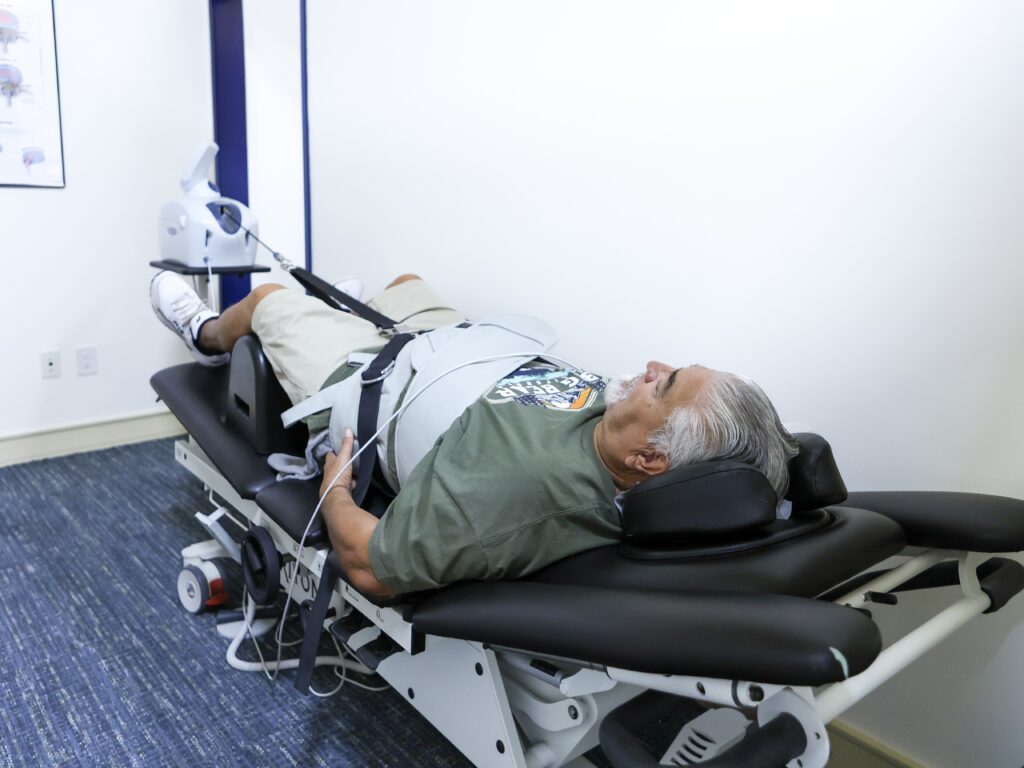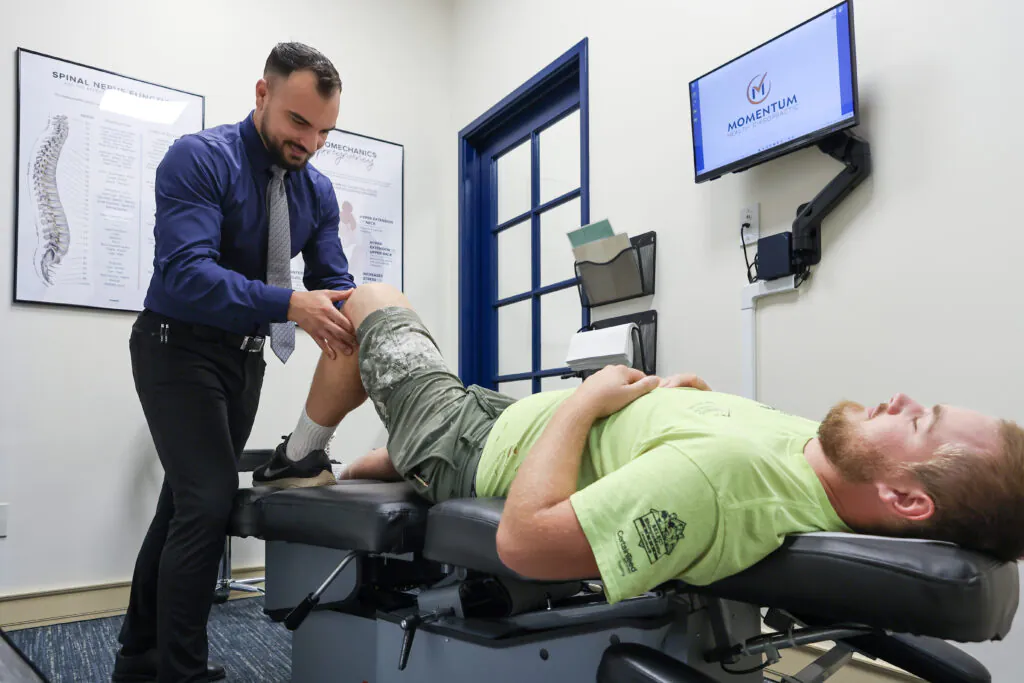

When it comes to managing headaches, many people often turn to medication for relief. However, there are effective options beyond pills that can help reduce both the frequency and intensity of headaches, and one of the best approaches is chiropractic care. By focusing on the health of your spine and nervous system, chiropractic adjustments can help alleviate tension and improve overall wellness.
In addition to chiropractic care, there are several lifestyle changes and holistic therapies that may provide relief. Here are some strategies to consider:
- Maintain Good Posture: Poor posture can strain your neck and back, leading to headaches. Being mindful of your posture while sitting, especially at a desk, can make a big difference.
- Stay Hydrated: Dehydration is a common trigger for headaches. Make sure you’re drinking enough water throughout the day.
- Regular Exercise: Engaging in regular physical activity can help reduce stress and tension, which are common headache triggers. Activities like yoga or stretching can also promote relaxation.
- Manage Stress: Incorporate relaxation techniques such as deep breathing, meditation, or gentle yoga into your routine. These practices can help calm your mind and reduce headache frequency.
- Sleep Well: Ensure you’re getting enough rest each night. Establishing a regular sleep schedule can help prevent headaches caused by fatigue.
- Nutrition Matters: Pay attention to your diet. Certain foods may trigger headaches in some individuals, so keeping a food diary to identify any potential culprits can be helpful.
- Regular Chiropractic Visits: Consistent chiropractic care not only addresses existing headaches but can also help prevent them from recurring. Your chiropractor can tailor a treatment plan specific to your needs, focusing on spinal alignment and overall health.
Exploring these alternatives could lead to a more sustainable approach to headache management. With chiropractic care at the forefront, you can optimize your health and find relief in a natural, drug-free way. Take charge of your well-being and consider incorporating these strategies into your daily life for a healthier, headache-free future.
Key Takeaways
- Incorporate regular physical activity like brisk walking or yoga to release endorphins, which can naturally help alleviate headaches and reduce triggers that lead to discomfort. Staying active is essential for maintaining overall health and wellness.
- Practice stress-management techniques, such as mindfulness meditation and deep breathing exercises. These methods not only ease tension and anxiety but can also complement the benefits of chiropractic care by promoting relaxation and a balanced state of mind.
- Maintain proper hydration by drinking plenty of water and consuming hydrating foods. Staying hydrated is crucial, as dehydration can often lead to headaches. By prioritizing hydration, you support your body’s natural healing processes, which chiropractic care can enhance.
- Follow a balanced diet while avoiding common trigger foods that may lead to headaches. Including magnesium-rich options, such as leafy greens and nuts, can further help reduce headache frequency and support your overall wellness. Nutrition plays a significant role in how your body feels, and chiropractic care can help optimize your digestive health.
- Consider seeking regular chiropractic care to improve spinal alignment and relieve tension throughout your body. Proper spinal health is vital for overall bodily function and can significantly contribute to headache management. A chiropractor can provide personalized adjustments and guidance to support your journey toward optimal health and wellness.
Remember, chiropractic care is a natural and effective way to achieve relief from headaches while promoting overall well-being. By combining these lifestyle tips with regular chiropractic visits, you can work toward a healthier, headache-free life.
Lifestyle Modifications for Headache Prevention
As a local chiropractor, I believe that simple lifestyle changes can significantly reduce the frequency and intensity of headaches, while also promoting overall well-being. One of the most crucial aspects of maintaining optimal health is prioritizing your sleep. Aim for seven to eight hours each night and establish a consistent sleep schedule. Quality rest can enhance your body’s natural healing processes, including those that alleviate headaches.
Managing stress is another key factor in headache prevention. Consider incorporating relaxation techniques such as meditation or deep breathing exercises into your daily routine. These practices can help ease tension and promote a sense of calm, making it less likely for headaches to arise.
Regular physical activity is also essential. Engaging in even a short daily walk can release endorphins, which are natural pain relievers. Movement not only supports your spine’s health but also contributes to overall wellness.
Staying hydrated is vital, as dehydration is a common headache trigger. Make sure to drink plenty of water throughout the day. It’s also important to monitor your caffeine intake. While moderate amounts can provide relief, too much caffeine might lead to headaches, so find a balance that works for you.
Finally, consider your environment. Bright lights, loud noises, and strong smells can all contribute to headaches. Create a calm, comfortable space to relax in, which may help reduce headache occurrences.
Dietary Changes to Reduce Headaches
When it comes to reducing headaches, what you eat and drink plays a vital role in your overall health and wellness. Staying hydrated is crucial, as dehydration can often lead to headaches. Make it a habit to drink plenty of water throughout the day to keep your body functioning optimally.
Additionally, being mindful of trigger foods is essential for preventing headaches. Common culprits include processed foods, excessive caffeine, and certain aged cheeses. By keeping a food diary, you can identify what might be causing your headaches and make healthier choices.
Incorporating a balanced diet rich in fruits, vegetables, whole grains, and lean proteins can also support your overall health and may help reduce the frequency of headaches. Foods rich in magnesium, like spinach and almonds, can be particularly beneficial.
As a chiropractor, I believe in a holistic approach to wellness. Regular chiropractic adjustments can enhance your body’s natural healing abilities, alleviate tension in the spine, and ultimately help reduce headache pain. By addressing spinal alignment, you may find that your headaches decrease in intensity and frequency.
Hydration and Headache Relief
Staying well-hydrated is essential not just for your overall health but also for headache relief. Even mild dehydration can lead to discomfort, fatigue, and irritability, which can all affect your spinal health and wellness. As a chiropractor, I want to emphasize the importance of hydration in supporting your body’s natural healing processes.
When your body is low on fluids, it can trigger headaches. To help combat this, make it a habit to drink plenty of water throughout the day. Keeping a reusable water bottle handy is a great way to remind yourself to sip regularly. You can also boost your hydration by including hydrating foods in your diet, such as cucumbers and watermelon. These foods can help maintain fluid balance and support your body’s functions.
It’s important to listen to your body; feeling thirsty is a clear sign that you need to replenish your fluids. By prioritizing hydration, you not only support your body’s ability to heal but also reduce the frequency and intensity of headaches. Proper hydration can lead to improved spinal alignment and overall wellness.
In addition to staying hydrated, remember that chiropractic care can play a significant role in managing headaches. Regular adjustments can help alleviate tension in the spine and neck, which may contribute to headache pain. By focusing on natural healing through chiropractic care and maintaining proper hydration, you can promote a healthier, more comfortable life. So, drink up, take care of your spine, and keep those headaches at bay!
Trigger Foods to Avoid
Identifying and cutting out trigger foods can be a game changer in your journey towards wellness and pain relief, especially when it comes to headaches. Many people don’t realize that specific foods can contribute to their discomfort. Common culprits include aged cheeses, processed meats, chocolate, and foods containing MSG. Alcohol, particularly red wine, may also trigger headaches for some individuals.
A great way to become more aware of your body’s reactions is to keep a food diary. By noting what you eat and how you feel afterward, you can start to pinpoint which foods may be causing issues. Once you identify these triggers, try eliminating them from your diet for a few weeks to see if you experience a reduction in headache frequency or intensity.
Remember, everyone’s body is different, so it’s important to tailor your diet to what works best for you. Additionally, maintaining a healthy lifestyle, staying hydrated, and ensuring proper spinal alignment through regular chiropractic care can enhance your overall well-being and potentially reduce headache occurrences.
The Role of Hydration in Headache Management
Staying hydrated is essential for preventing headaches, especially since even mild dehydration can trigger discomfort. When you don’t drink enough water, your body can respond negatively, leading to pain and tension. By prioritizing your water intake, you can help manage and reduce headache occurrences.
As a chiropractor, I encourage you to consider the holistic approach to wellness, which includes staying adequately hydrated. Water plays a key role in maintaining proper spinal function and overall health. When your body is well-hydrated, your spinal discs are better cushioned, which can reduce strain on your spine and help prevent headache triggers.
Here are some simple tips to ensure you stay hydrated:
- Set a Goal: Aim to drink at least 8 glasses of water a day. You can adjust this based on your activity level and individual needs.
- Carry a Water Bottle: Keep a reusable water bottle with you throughout the day. This will serve as a constant reminder to drink more water.
- Infuse Your Water: If plain water doesn’t excite you, try infusing it with fruits or herbs like lemon, cucumber, or mint for added flavor.
- Eat Water-Rich Foods: Incorporate fruits and vegetables into your diet that have high water content, such as cucumbers, watermelon, and oranges.
- Monitor Your Intake: Use apps or journals to track your water consumption. This can help you stay accountable and ensure you’re meeting your hydration goals.
Importance of Water Intake
Staying properly hydrated is crucial for overall health and can significantly help in managing headaches. When your body is low on water, dehydration can set in, leading to tension and discomfort that may trigger headaches. By prioritizing your water intake, you’re not just satisfying your thirst; you’re taking a proactive step in preventing pain and discomfort.
Aim for at least eight 8-ounce glasses of water each day, but remember to listen to your body, as everyone’s hydration needs can differ. A simple way to stay on top of your hydration is to carry a reusable water bottle with you throughout the day. This not only makes it easier to track your intake but also encourages you to drink more often.
Be mindful of the signs of dehydration, such as dry mouth, fatigue, or even lightheadedness, as these can indicate that your body needs more water. Incorporating hydration into your daily routine can enhance your overall well-being and may even reduce the frequency of headaches.
As a chiropractor, I emphasize the importance of holistic health practices that support your spine and nervous system. Staying hydrated complements the benefits of chiropractic care by promoting better circulation and reducing tension in your body. Remember, taking care of your body through proper hydration is a vital part of achieving optimal health and wellness.
Hydration and Headache Triggers
Hydration is an essential aspect of maintaining overall health, and it plays a significant role in managing headaches. As a chiropractor, I often see how even mild dehydration can contribute to discomfort in the head and neck. When your body lacks sufficient water, your brain can temporarily shrink due to fluid loss, which can lead to pain and tension in the area.
To help prevent headaches, it’s important to drink water consistently throughout the day. This is especially crucial during hot weather or after exercise when your body loses more fluids. A good habit is to keep a water bottle with you as a reminder to stay hydrated.
Additionally, be mindful of factors that can increase your hydration needs. High caffeine intake and salty foods can deplete your body’s water levels, making headaches more likely. By prioritizing hydration, you not only support your overall health but also create a more comfortable daily experience.
Remember, chiropractic care also plays a vital role in achieving optimal wellness. Regular adjustments can help alleviate tension in your neck and spine, which may further reduce headache frequency and intensity. By combining proper hydration with chiropractic care, you can take significant steps toward better health and well-being.
Make these habits a part of your routine and experience the benefits for yourself!
Stress Management Techniques
Managing stress effectively is essential for overall wellness and can significantly reduce the frequency and intensity of headaches. Incorporating stress management techniques into your daily routine can lead to a more balanced and peaceful life, all while supporting your spinal health. Here are three powerful methods that complement chiropractic care and can help you achieve optimal health:
1. Mindfulness Meditation: Just a few minutes each day spent focusing on your breath can calm your mind and release built-up tension in your body. This practice not only promotes relaxation but also enhances your overall well-being, creating a harmonious environment for your spine and nervous system.
2. Physical Activity: Engaging in regular physical activity, such as a brisk walk or yoga, is crucial for maintaining a healthy spine. Movement helps release endorphins, which uplift your mood and reduce stress.
As you stay active, you’ll find that your body feels more aligned and ready to tackle daily challenges, ultimately supporting your chiropractic care.
3. Deep Breathing Exercises: Practicing deep, intentional breathing can significantly lower your heart rate and ease feelings of anxiety. By incorporating these exercises into your routine, you can gain a greater sense of control over stress and its potential triggers, which is beneficial for preventing headaches and maintaining spinal health.
Holistic Therapies: Acupuncture and Massage
While many individuals may seek medication for headache relief, I want to emphasize that chiropractic care offers a highly effective, natural alternative for managing headaches and promoting overall wellness. Unlike medications that often mask symptoms, chiropractic focuses on addressing the root causes of pain, particularly through spinal health and alignment.
Chiropractic adjustments help relieve tension in the nervous system, improve blood flow, and restore proper function to the spine. This can lead to significant relief from headaches caused by tense muscles or misalignments. Additionally, regular chiropractic care can enhance your overall well-being, reducing stress and promoting relaxation.
Here’s a quick comparison of chiropractic care with other therapies:
| Therapy Type | Benefits | Duration |
|---|---|---|
| Chiropractic | Alleviates pain, improves spinal alignment | 30-60 minutes |
| Acupuncture | Reduces pain, restores balance | 30-60 minutes |
| Massage | Relieves tension, promotes relaxation | 30-90 minutes |
Incorporating chiropractic care into your wellness routine can be a game changer for headache management. Regular adjustments can help maintain spinal health and prevent headaches before they start. Beyond chiropractic, here are some general tips to help you manage headaches naturally:
- Stay Hydrated: Dehydration can lead to headaches, so make sure to drink plenty of water throughout the day.
- Practice Good Posture: Maintain proper posture while sitting, especially if you work at a desk, to prevent tension in your neck and shoulders.
- Manage Stress: Engage in relaxation techniques such as deep breathing exercises, yoga, or meditation to reduce stress levels.
- Get Enough Sleep: Ensure you are getting adequate rest, as lack of sleep can trigger headaches.
- Limit Screen Time: Take regular breaks from screens to reduce eye strain and tension headaches.
Innovative Approaches: Biofeedback and Neuromodulation
For those looking for effective ways to manage headaches, innovative approaches like biofeedback and neuromodulation can be powerful tools. However, as a chiropractor, I want to emphasize that chiropractic care remains one of the best options for natural pain relief and overall wellness. Here’s how you can take control of your headaches with chiropractic care and some helpful tips:
- Personal Empowerment Through Chiropractic: Regular chiropractic adjustments can help you understand your body better. By aligning your spine, you can reduce tension and learn to recognize stress signals that may lead to headaches. This gives you more control over your pain and overall health.
- Reduced Frequency and Intensity of Headaches: Many patients experience fewer and less severe headaches after receiving chiropractic care. By addressing spinal misalignments, we can improve your nervous system function, which often leads to a better quality of life.
- Natural and Non-Invasive Treatment: Chiropractic care is a non-invasive way to treat headaches without the risks associated with medications or surgeries. Adjustments can relieve pressure on nerves and improve blood flow, helping to alleviate headache symptoms effectively.
General Tips for Headache Relief:
- Stay Hydrated: Dehydration can lead to headaches, so make sure you’re drinking plenty of water throughout the day.
- Maintain Good Posture: Poor posture can strain your neck and back, contributing to headaches. Pay attention to your sitting and standing posture.
- Manage Stress: Incorporate stress-reducing techniques into your daily routine, such as deep breathing exercises, yoga, or meditation.
- Get Regular Adjustments: Consistent chiropractic care can help maintain spinal health and prevent headaches from occurring.
Physical Activity and Exercise as a Remedy
Engaging in regular physical activity can be a powerful remedy for headaches, and as a chiropractor, I want to emphasize how vital it’s for your overall health.
Exercise isn’t just about staying fit; it plays a crucial role in releasing endorphins, which are your body’s natural painkillers. This can significantly reduce both the frequency and intensity of headaches.
Whether it’s a brisk walk, gentle yoga, or cycling, find an activity that you genuinely enjoy. This will help keep you motivated and consistent. Aim for just 30 minutes of moderate exercise most days. You’ll notice improvements not just in your mood, but also in your circulation, and the relief of muscle tension—all of which can contribute to headache relief.
If you spend long hours at a desk, I encourage you to incorporate stretching or gentle movements during your breaks. This simple practice can help prevent tension buildup that leads to headaches. Additionally, staying hydrated and maintaining good posture during your activities can make a world of difference.
Remember, regular chiropractic care can also enhance your physical activity by ensuring your spine is aligned and your body is functioning optimally. This holistic approach to wellness is key to achieving long-term health and alleviating discomfort.