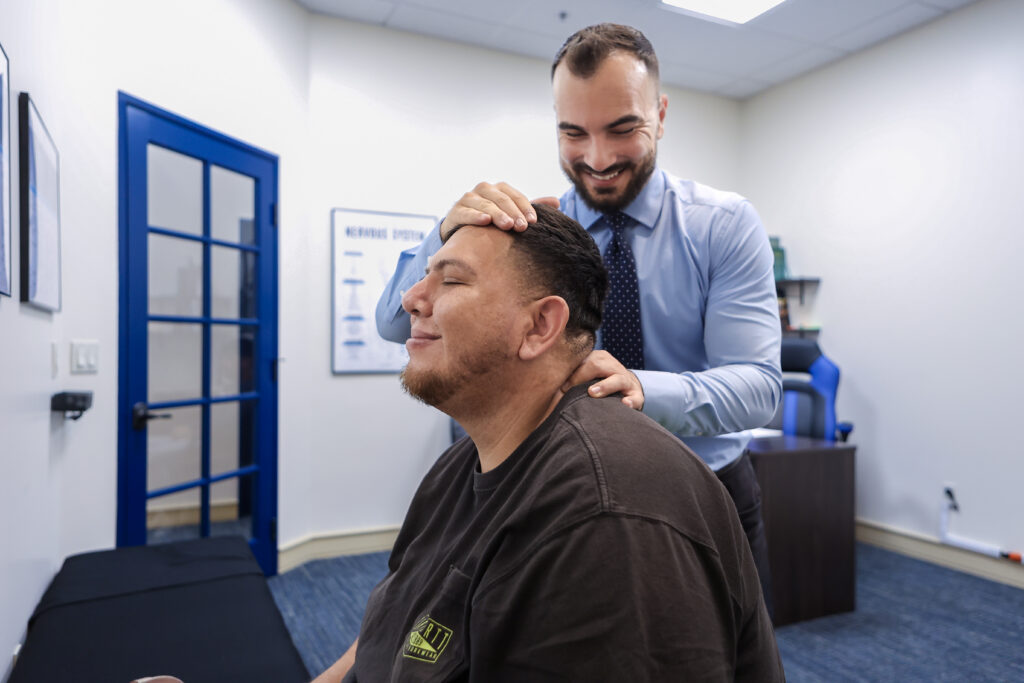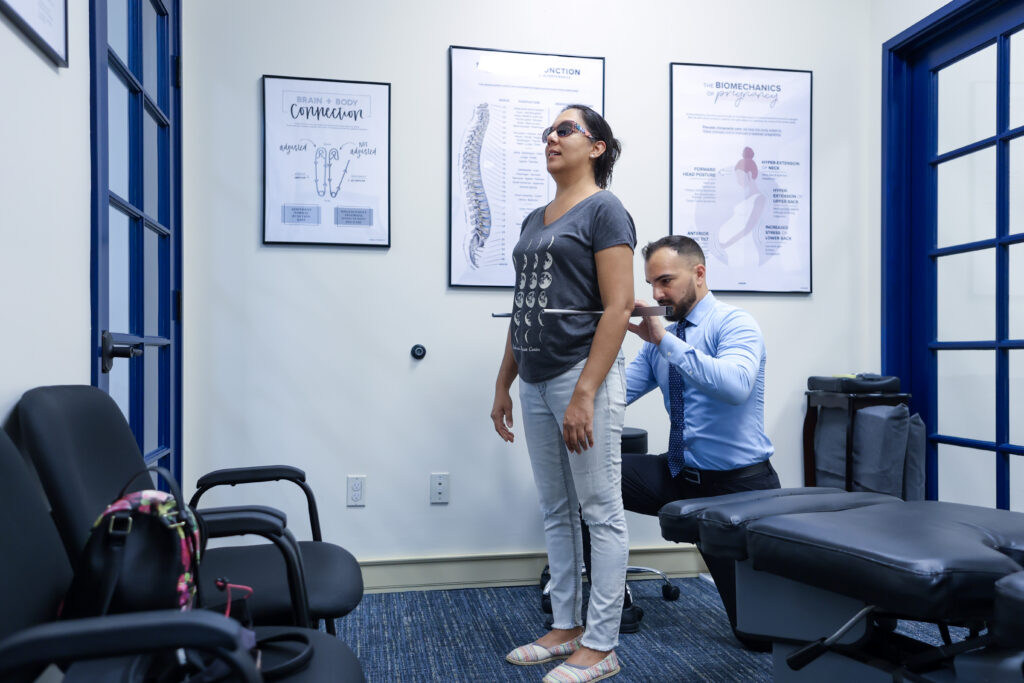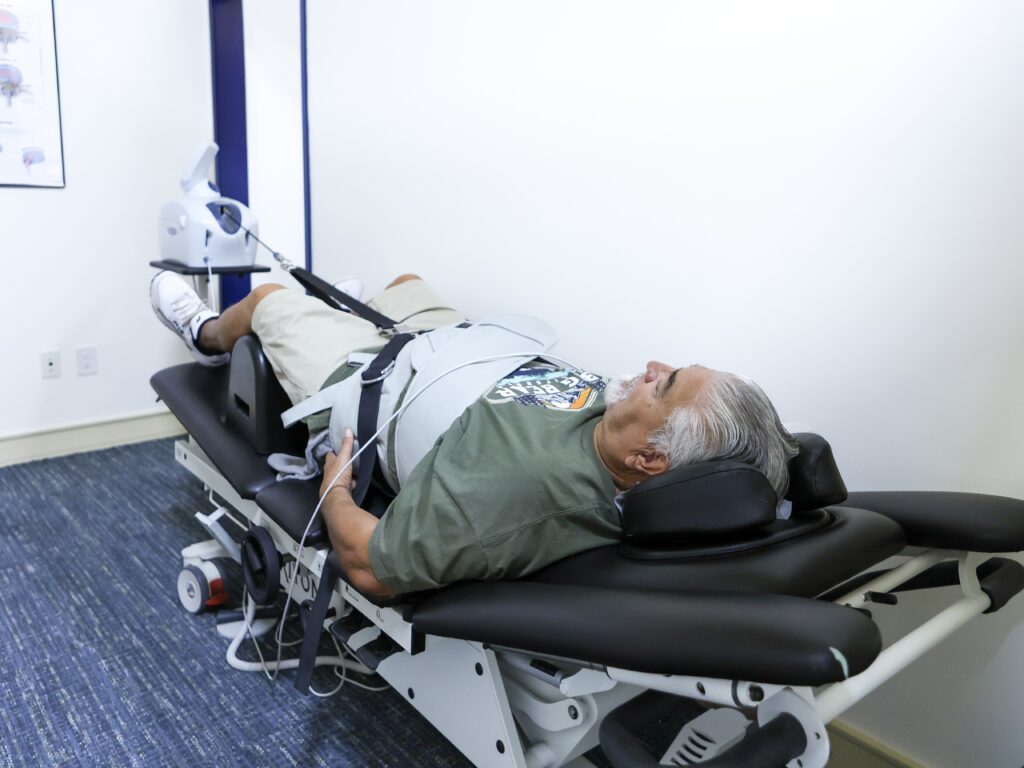

As a local chiropractor, I want to emphasize how crucial your posture is in managing back pain. It often has a greater impact on your treatment outcomes than you may realize. By understanding the way your alignment affects your muscles and joints, you can begin to make small adjustments that can lead to substantial relief from discomfort.
Every aspect of your posture, including the ergonomics of your workspace and specific exercises, can either support your healing process or hinder it. If you’re curious about how these factors work together to help alleviate your pain, let’s dive deeper into the connections. Remember, proper posture is not just about standing up straight; it’s about creating a balanced and supportive environment for your spine and overall health.
The Connection Between Posture and Back Pain
As a local chiropractor, I want to shed light on the vital connection between your posture and your back health. Many of us spend long hours sitting or may find ourselves slouched, which can have a significant impact on our spine. Poor posture can lead to muscle imbalances—some muscles become tight while others weaken—resulting in increased strain on your spine and a higher risk of back pain.
When you prioritize good posture, you help your spine align properly, allowing for even weight distribution and reducing stress on your back. I often remind my patients that standing tall or sitting with proper alignment doesn’t just feel more comfortable; it can also serve as a preventive measure against discomfort and pain.
Regularly checking in on your posture throughout the day can lead to notable improvements in your overall back health. In addition to being mindful of your posture, incorporating ergonomic furniture into your workspace and taking regular breaks to stretch can be incredibly beneficial.
As you become more aware of how you sit and stand, you’ll find that you can enhance your back’s resilience against pain, which ultimately contributes to a better quality of life. My goal is to empower you with the knowledge and tools to support your spine’s health and well-being.
How Poor Posture Can Worsen Existing Pain
As a local chiropractor, I want to share how poor posture can significantly worsen your existing pain, particularly in the back. When you adopt a slouched or hunched position, it disrupts the natural alignment of your spine. This misalignment puts extra strain on already compromised muscles and joints, leading to increased pressure on spinal discs and surrounding tissues. As a result, you may experience heightened discomfort, which can impede your body’s ability to heal effectively.
Additionally, poor posture often creates muscle imbalances. This means that some muscles become overly tight while others weaken, causing further pain and limiting your mobility. You may find that even simple movements—like lifting or bending—become increasingly difficult and painful because of this imbalance.
Improving your posture isn’t just about feeling more comfortable; it’s a crucial aspect of managing pain effectively. By understanding how your posture plays a role in your discomfort, you can take proactive steps to correct it. This not only aids in your recovery but also enhances your overall well-being.
Embracing chiropractic care can provide you with the tools and techniques needed to achieve better posture, ultimately leading to a healthier and more pain-free life.
The Role of Ergonomics in Posture Correction
As a local chiropractor, I want to emphasize the significant role that ergonomics plays in correcting posture and promoting overall well-being. Ergonomics is all about adjusting your workspace to better fit your body’s natural alignment. When your environment supports proper posture, you can greatly reduce discomfort and strain.
To get started, it’s important to adjust your chair so that your feet rest flat on the floor and your knees are at the same level as your hips. This simple adjustment can make a big difference in how your body feels throughout the day.
Your desk should be set at a height that allows your elbows to remain close to your body, ideally forming a 90-degree angle when you’re typing.
Next, let’s talk about your computer monitor. It should be positioned at eye level to prevent any unnecessary neck strain. Ideally, the screen should be about an arm’s length away to help minimize eye fatigue.
Additionally, incorporating supportive tools like lumbar cushions or ergonomic keyboards can further enhance your comfort and support your posture.
By making these ergonomic adjustments in your workspace, you’re taking proactive steps toward improving your posture. This not only helps to alleviate back pain but also contributes to a healthier and more productive daily routine.
Exercises to Improve Posture and Relieve Pain
As a local chiropractor committed to your well-being, I want to emphasize the importance of not just creating an ergonomic workspace, but also incorporating specific exercises into your daily routine to enhance your posture and alleviate pain.
Let’s start with a simple exercise called wall angels. To do this, stand against a wall and ensure that your heels, buttocks, shoulders, and head are all in contact with the wall. As you slide your arms up and down while maintaining this contact, you’ll be strengthening your upper back, which plays a crucial role in maintaining good posture.
Another effective exercise is the plank, which focuses on engaging your core. When you hold a plank position, keep your body straight from head to heels. This strengthens your abdominal muscles, providing vital support to your spine and helping to prevent back pain.
It’s also important to incorporate stretches into your routine, such as the chest opener. Stand tall, clasp your hands behind your back, and gently lift your arms to open up your chest. This action counteracts the hunching that often occurs from prolonged sitting and helps promote better posture.
Lastly, don’t overlook the benefits of neck stretches. Tilting your head side to side can relieve tension that builds up in the neck area.
By integrating these exercises regularly into your life, you can significantly improve your posture, reduce discomfort, and contribute to overall relief from back pain.
Mindfulness and Its Impact on Posture Awareness
As a local chiropractor, I want to emphasize the importance of posture awareness in your daily life. Have you ever considered how often you check in on your posture throughout the day?
Incorporating mindfulness into your routine can significantly enhance your awareness of posture, which can help alleviate back pain and improve your overall well-being. By being present and conscious of your body, you can identify when you might be slouching or holding unnecessary tension.
Here are some practical strategies to integrate mindfulness into your life for better posture:
- Breathing Exercises: Take a moment to focus on deep, even breaths; this can help relax your muscles and encourage better alignment.
- Body Scanning: Spend a few minutes mentally checking in with different parts of your body, identifying any areas of tension or discomfort.
- Regular Reminders: Set alerts on your phone or calendar to prompt you to assess your posture throughout the day.
- Mindful Movement: Engage in practices like yoga or tai chi, which not only promote awareness but also help in stretching and strengthening your body.
- Journaling: Keep a journal to reflect on your posture habits and how they affect your physical and emotional state.
By incorporating these mindfulness techniques, you can create a greater awareness of your posture, ultimately leading to improved spinal health and reduced discomfort.
As a chiropractor, I’m here to support you on this journey to better posture and natural healing.
Conclusion
As your local chiropractor, I want to emphasize the crucial role that posture plays in your back pain treatment. Many people may not realize that being mindful of your body alignment can significantly impact your recovery journey. By making simple ergonomic adjustments and incorporating targeted strengthening exercises, you can not only alleviate discomfort but also promote healing.
It’s important to understand that small changes in your daily habits—like how you sit, stand, or lift—can lead to substantial improvements in your overall well-being. Prioritizing good posture is not just about feeling more comfortable; it’s a vital step toward achieving a healthier, pain-free life.
I encourage you to start today by paying attention to your posture. You might be surprised at the positive difference these adjustments can make in your everyday life. Together, we can work towards a healthier future where back pain doesn’t hold you back!