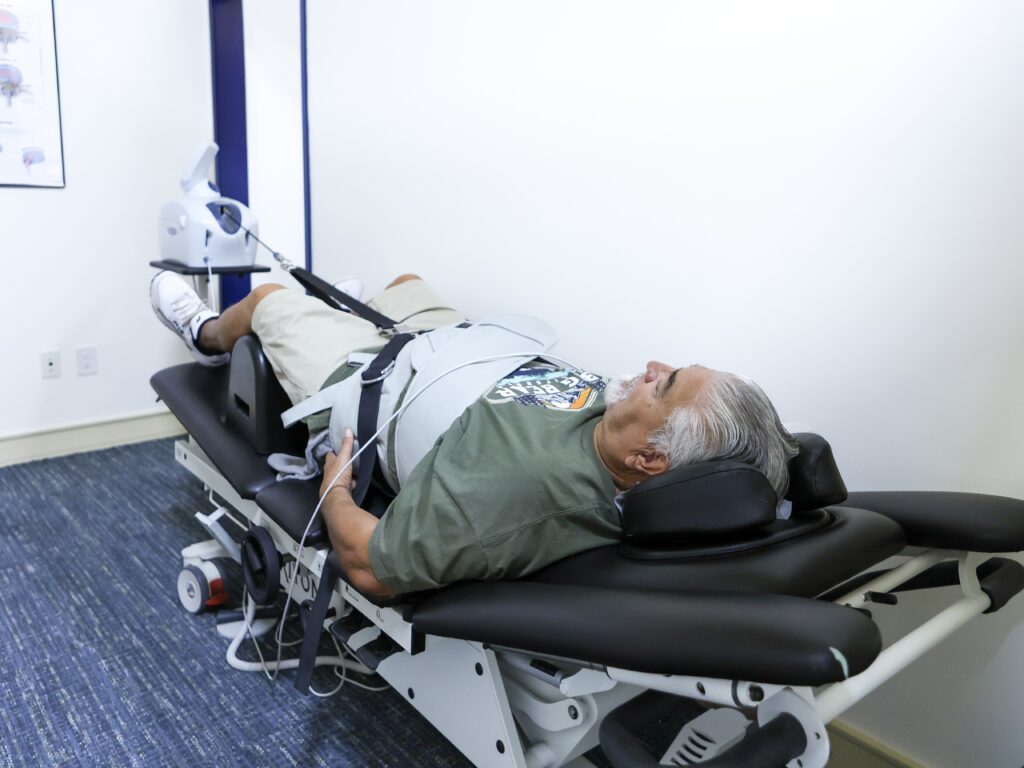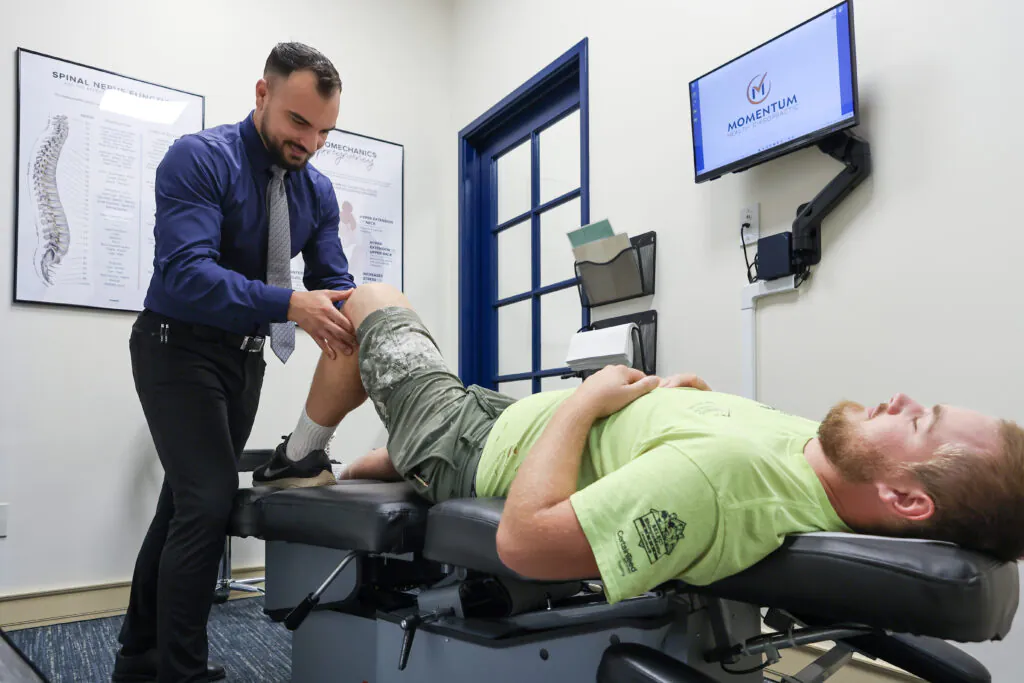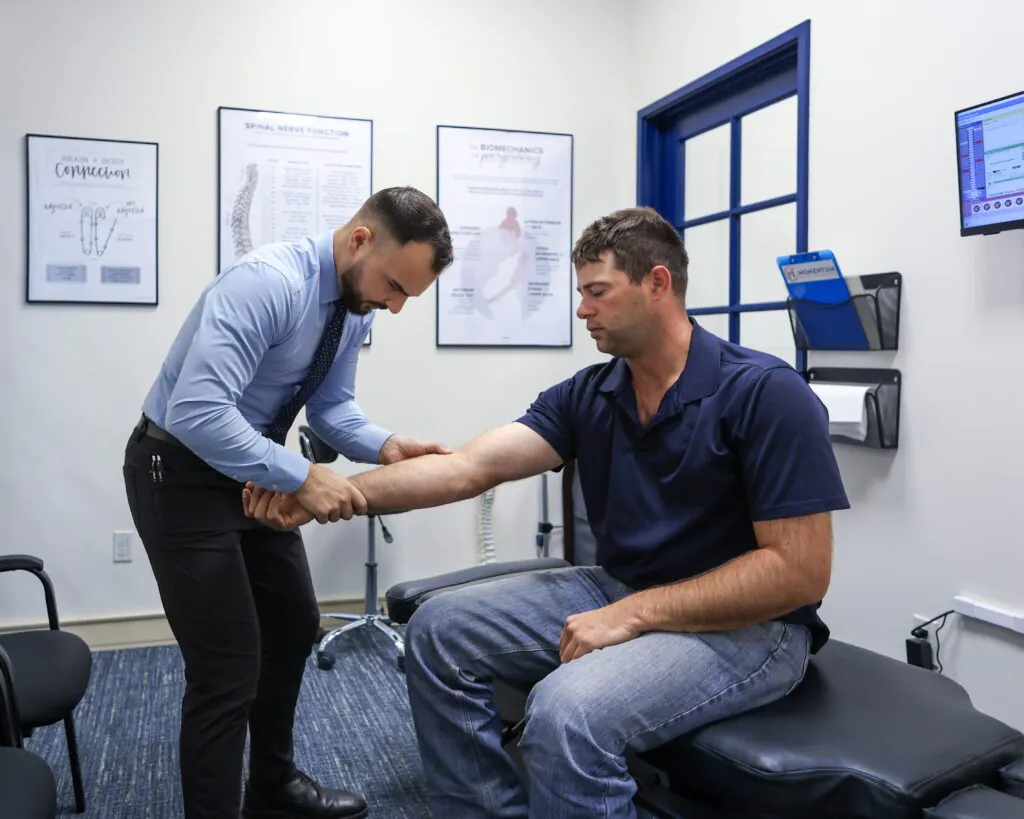

If you’re experiencing back pain, I understand how discouraging it can be to seek effective relief. Many patients come to me after trying conventional treatments that haven’t provided the results they hoped for. That’s why I want to introduce you to some alternative methods that could make a significant difference in your comfort and overall well-being.
As a chiropractor, I often see success with techniques like mindfulness and ergonomic adjustments, which can greatly alleviate pain. Additionally, there are innovative gadgets designed to support your spine and improve posture. However, I encourage you to explore even more unconventional approaches to pain management.
From gentle stretching routines to holistic therapies, these unexpected solutions can empower you to take control of your back pain in ways you may not have considered before. Let’s work together to discover the best strategies for your individual needs and help you regain your quality of life.
Understanding the Causes of Back Pain
As a local chiropractor, I want to help you understand the various causes of back pain and how we can address them through natural healing methods. Many people are unaware that poor posture, whether while sitting at a desk or lifting heavy objects, can significantly contribute to discomfort in your back.
It’s essential to be mindful of your body mechanics to prevent strains that can result from overexertion or sudden movements, which often lead to muscle injuries.
Furthermore, underlying conditions like herniated discs or arthritis can lead to persistent pain that interferes with daily activities. Lifestyle factors also play a crucial role; a lack of exercise or being overweight can exacerbate your back issues.
Additionally, stress and emotional tension can physically manifest in your body, causing tightness in the muscles of your back.
By recognizing these contributing factors, you can take proactive steps toward alleviating your pain. At our practice, we emphasize the importance of incorporating ergonomic practices into your daily routine, maintaining a healthy weight, and engaging in regular physical activity.
As you learn to identify your specific triggers, we can work together to create a customized approach to managing your back pain effectively and naturally. Through chiropractic care, we aim to restore balance and promote healing in your body.
The Power of Mindfulness and Meditation
As a local chiropractor, I want to emphasize that many patients tend to overlook the mental aspects of managing back pain. Incorporating mindfulness and meditation into your healing journey can significantly enhance your recovery process.
By focusing on the present moment, you can alleviate stress and anxiety—two factors that often worsen pain. Practicing mindfulness allows you to become more attuned to your body’s sensations, enabling you to address discomfort without feeling overwhelmed. This heightened awareness can be a powerful tool in your healing arsenal.
Meditation, in particular, fosters relaxation and can help redirect your focus away from the pain. Even just a few minutes of meditation each day can create a calming effect, reducing muscle tension and enhancing your overall emotional well-being.
I encourage you to explore techniques such as deep-breathing exercises or guided imagery as part of your routine. These methods not only cultivate a sense of inner peace but also empower you to manage your pain more effectively.
Exploring Acupuncture for Pain Relief
As a local chiropractor, I want to share how acupuncture can be an effective complement to traditional chiropractic care, especially for those experiencing back pain. This ancient practice focuses on stimulating specific points in your body to promote healing and alleviate discomfort.
By utilizing thin needles, acupuncture can enhance blood circulation and trigger the release of endorphins, which are your body’s natural pain relievers.
Here are some potential benefits you might experience from acupuncture:
- Reduced muscle tension: Acupuncture can effectively relax tight muscles, which may relieve pressure on your spine and enhance the benefits of chiropractic adjustments.
- Improved mobility: As your pain subsides, you may notice increased ease in movement, allowing you to engage more fully in daily activities and exercise.
- Stress relief: The soothing effects of acupuncture can help lower stress levels, which is important for comprehensive pain management and overall well-being.
- Personalized treatment: Licensed acupuncturists tailor their sessions to address your specific needs and pain areas, ensuring a targeted approach to your treatment.
If you’re exploring holistic methods for back pain relief, I encourage you to consider acupuncture as a valuable addition to your wellness strategy.
It may work in synergy with chiropractic care to help you achieve lasting relief and improved health. Give it a try and see how it can benefit you!
The Role of Diet in Managing Back Pain
As your local chiropractor, I want to emphasize the vital role that your diet can play in managing back pain. Many people may not realize that what you eat can significantly impact your overall health, including the health of your muscles and spine.
By incorporating anti-inflammatory foods into your meals and ensuring you stay well-hydrated, you can enhance muscle function and alleviate discomfort in your back.
Let’s take a closer look at how making mindful dietary choices can aid in your journey towards better back pain management and overall wellness.
Anti-Inflammatory Foods
As a local chiropractor, I often see patients who are struggling with chronic back pain caused by a variety of factors. One effective way to help alleviate this discomfort is by incorporating anti-inflammatory foods into your daily diet.
Inflammation can be a major contributor to pain, and by choosing the right foods, you can support your body’s natural healing processes.
I encourage you to consider adding the following anti-inflammatory foods to your meals:
- Fatty fish such as salmon and mackerel, which are rich in omega-3 fatty acids known for their anti-inflammatory properties.
- Leafy greens like spinach and kale, which are packed with antioxidants that can help fight inflammation.
- Berries such as blueberries and strawberries, which aren’t only delicious but also effective in combating inflammation.
- Nuts, particularly walnuts and almonds, which provide healthy fats that are beneficial for your overall well-being.
By making these smarter dietary choices, you may find significant relief from back pain.
Hydration and Muscle Health
As a local chiropractor, I want to emphasize the critical role that proper hydration plays in maintaining your muscle health, particularly if you’re experiencing back pain. Water isn’t just essential for life; it also supports the transport of nutrients and the removal of waste products in your body, which is vital for optimal muscle function.
When you’re dehydrated, your muscles can become stiff and more susceptible to injury, which can worsen your back pain.
I recommend that you aim to drink enough water throughout the day. A simple way to ensure you’re staying hydrated is to carry a water bottle with you as a reminder to sip regularly.
Additionally, don’t forget that many fruits and vegetables have high water content, so incorporating them into your diet can help improve your hydration levels.
It’s also important to maintain a proper balance of electrolytes, which can greatly affect your muscle health. Foods rich in potassium and magnesium, like bananas and spinach, can be excellent additions to your meals.
By prioritizing your hydration and nutrition, you can support your muscles and potentially reduce your back pain more effectively.
Innovative Gadgets for Back Support
As a local chiropractor, I understand that many of you may be grappling with back pain, which can significantly impact your daily activities.
However, there are innovative gadgets available that can provide essential relief and support for your back. These tools not only enhance your comfort but also encourage better posture, which is crucial for overall spinal health.
Here are some effective gadgets that I recommend incorporating into your routine:
- Posture Correctors: These wearable devices serve as gentle reminders to maintain proper posture while sitting or standing, helping to alleviate strain on your spine.
- Lumbar Support Cushions: Specifically designed to support the natural curve of your spine, these cushions can make a notable difference in your comfort while sitting, whether you’re at work or home.
- Heating Pads: Both electric and microwaveable options can be used to soothe sore muscles and enhance blood circulation, providing relief from discomfort.
- Massage Guns: These portable devices can deliver targeted muscle relief, reducing tension and promoting relaxation in tight areas.
By integrating these innovative gadgets into your daily life, you may find yourself experiencing less discomfort, allowing you to focus on what truly matters.
The Benefits of Yoga and Stretching
As a local chiropractor, I want to emphasize the importance of incorporating yoga and stretching into your daily routine for optimal back health. These practices aren’t just trendy; they’re powerful tools that promote flexibility, strength, and relaxation.
Regularly engaging in yoga can significantly improve your posture and balance, which are crucial factors in alleviating and preventing back pain. The various poses in yoga specifically target the muscles that support your spine, enhancing their strength and endurance. This is vital, as a strong support system for your spine can help prevent injuries and discomfort.
Stretching, on the other hand, plays a critical role in releasing tension from tight muscles that often contribute to discomfort. Gentle stretches can alleviate stiffness and improve your range of motion, making everyday activities more manageable and comfortable.
Moreover, both yoga and stretching promote mindfulness and deep breathing. These practices can help reduce stress, which is essential for overall well-being. A calmer mind allows your body to cope more effectively with pain.
Unconventional Therapies: From Cupping to Alexander Technique
As a local Chiropractor, I want to share with you some unconventional therapies that can complement traditional treatments for back pain.
These alternative methods can provide unique benefits that address the underlying causes of discomfort and support your overall wellness.
Here are some therapies you might want to consider:
- Cupping Therapy: This age-old practice involves placing cups on the skin to create suction. It can enhance blood circulation and alleviate muscle tension, which may contribute to your back pain.
- Alexander Technique: This approach emphasizes proper posture and movement. By learning to move more efficiently, you may find relief from chronic pain and improve your overall body mechanics.
- Acupuncture: This traditional Chinese medicine technique involves inserting fine needles at specific points on the body. It can stimulate your natural pain relief systems and promote healing, making it a valuable option for managing discomfort.
- Feldenkrais Method: This gentle, movement-focused therapy encourages awareness of your body and promotes better mobility. It can lead to increased comfort and improved function, which is essential for maintaining a healthy back.
By exploring these unconventional therapies, you may discover new avenues for healing that resonate with you.
As always, I encourage you to discuss any new treatments with me so we can tailor a comprehensive approach to your care.
Utilizing Heat and Cold Therapy Effectively
As a local chiropractor committed to your well-being, I want to share some valuable techniques for managing back pain using heat and cold therapy. Many people may not be familiar with how effective these methods can be, but they can significantly enhance your comfort and aid in your recovery.
When you experience back pain, it’s best to start with cold therapy, especially if you’re within the first 48 hours of an injury. Applying an ice pack wrapped in a cloth for 15–20 minutes can help reduce inflammation and numb the area, providing much-needed relief.
Once the initial swelling decreases, transitioning to heat therapy is beneficial. A heating pad or a warm towel, applied for another 15–20 minutes, can improve circulation and help relax any tight muscles.
It’s essential to listen to your body throughout this process. If at any point you feel pain or discomfort, please stop the therapy.
For those dealing with chronic pain, alternating between heat and cold can be particularly effective. Additionally, you might find that warm baths or showers can further alleviate tension in your back.
Ergonomics: Creating a Pain-Free Workspace
As a local chiropractor, I often see patients who are unaware of how their workspace might be contributing to their back discomfort. A well-designed ergonomic workspace is essential for reducing strain on your back and promoting overall comfort while you work.
Here are some key adjustments I recommend for creating a healthier work environment:
- Chair Height: Ensure your chair provides adequate support for your lower back and allows your feet to rest flat on the floor. This support is crucial for maintaining the natural curve of your spine.
- Desk Position: Your desk should be set at elbow height to prevent hunching over while typing. Maintaining a neutral position can help prevent muscle strain and discomfort.
- Monitor Level: Position your monitor at eye level to keep your neck aligned. This simple adjustment can significantly reduce neck strain, leading to less tension and pain.
- Breaks and Movement: Don’t forget to take regular breaks! Stand, stretch, and walk around every hour to keep your muscles engaged and avoid stiffness. Incorporating movement into your day is vital for your overall spinal health.
By making these adjustments to your workspace, you can help alleviate back pain and create a more comfortable working environment.
If you have any questions or need further guidance, feel free to reach out! Your well-being is my priority.
The Impact of Sleep Quality on Back Health
As a local chiropractor, I often emphasize the significance of sleep quality in relation to back health. Have you ever considered how well you sleep at night? The quality of your sleep is vital for your spine’s well-being. If you find yourself tossing and turning, your spine may not receive the necessary support it requires. Poor sleep can lead to muscle tightness and an increase in discomfort, making it challenging to start your day on the right foot.
To enhance your sleep, let’s take a closer look at your mattress and pillow. A firm mattress can offer better support for your back, while a pillow that keeps your neck aligned with your spine is crucial for maintaining proper posture during sleep.
Additionally, think about your sleep position. For instance, sleeping on your side with a pillow nestled between your knees can help keep your spine aligned and minimize strain.
Furthermore, it’s beneficial to develop a bedtime routine that encourages relaxation. Limiting screen time before bed and creating a serene environment can help you fall asleep more easily and stay asleep longer.
Conclusion
As a local chiropractor, I want to share some surprising solutions that can significantly improve your experience with back pain. Embracing mindfulness is one approach that can help you connect with your body and manage pain more effectively. Additionally, exploring innovative gadgets designed to enhance posture and mobility can make a difference in your daily life.
Paying attention to your diet and ensuring that your workspace is ergonomically set up are also crucial steps in reclaiming your comfort. Quality sleep is another vital component of your overall health, so prioritizing it can lead to better recovery and less discomfort.
I encourage you to consider unconventional therapies that resonate with you, as they can complement traditional chiropractic care. Remember, finding relief from back pain often requires a holistic approach. With persistence, an open mind, and the right support, you can achieve a more comfortable, pain-free life. Together, we can explore these options and work towards your wellness goals.