
Migraines can be incredibly challenging, impacting your daily life and well-being. As a chiropractor, I want to share effective ways to alleviate migraine discomfort through natural healing and lifestyle adjustments. By understanding your body’s signals and making some mindful changes, you can find relief without relying on medications or invasive procedures.
One of the first steps in managing migraines is identifying your triggers. Common culprits can include stress, certain foods, dehydration, and even poor posture. Keeping a journal of your migraine episodes can help you recognize patterns and avoid these triggers in the future.
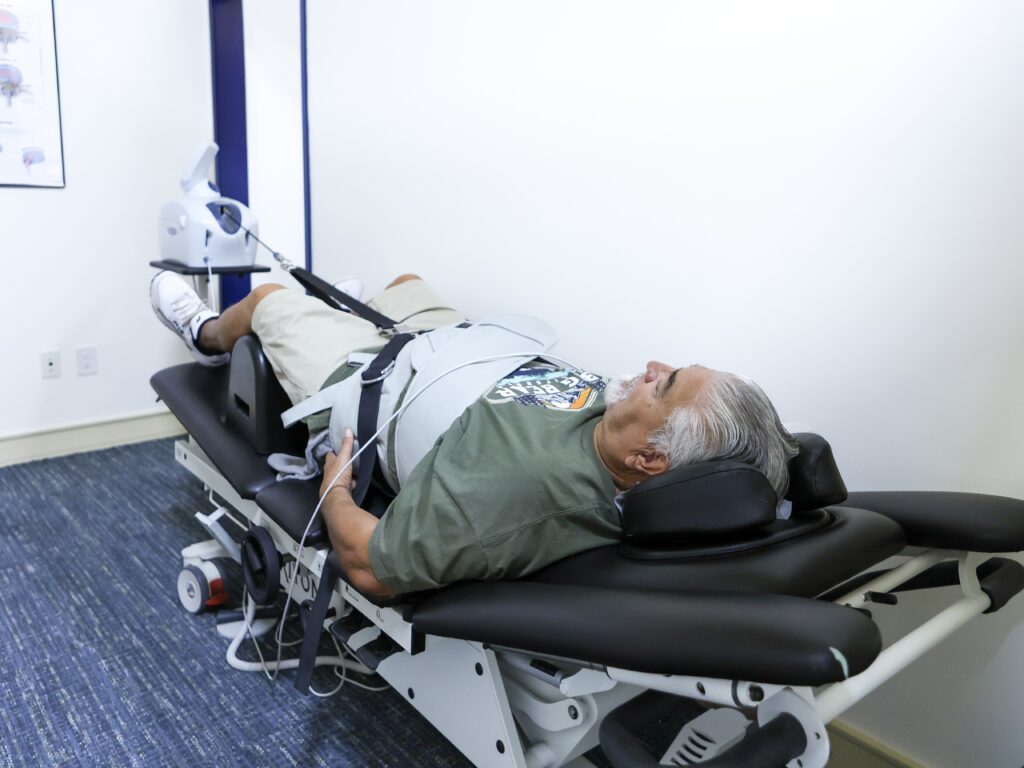
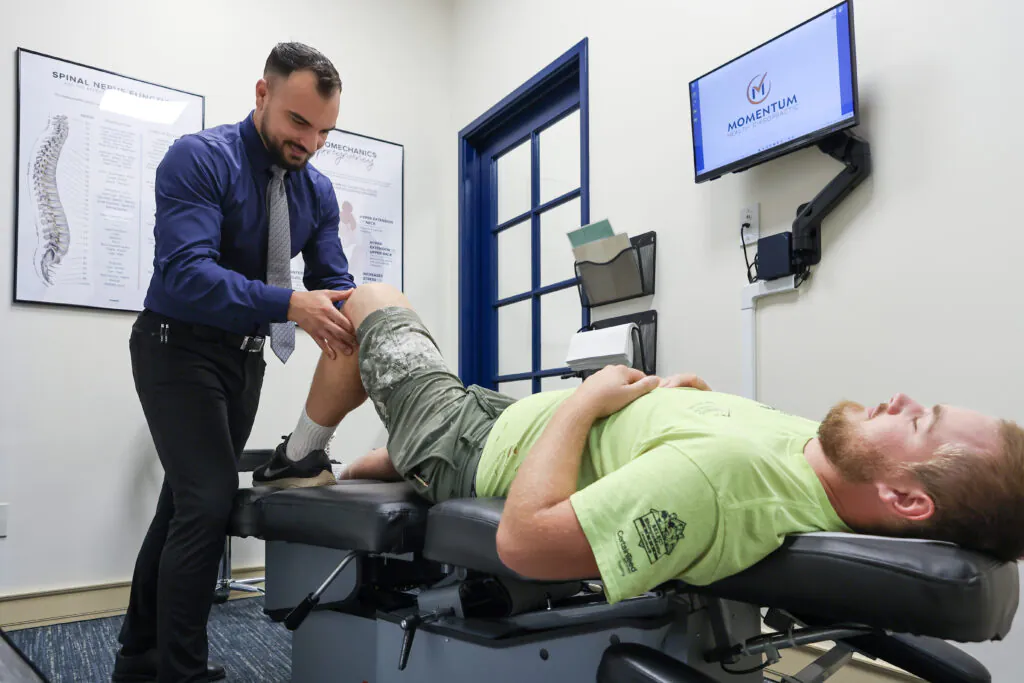
Incorporating regular chiropractic care into your routine is a fantastic way to promote overall wellness and address underlying issues that may contribute to migraines. Chiropractic adjustments can help align your spine, relieve tension, and improve your body’s communication systems, which can significantly reduce the frequency and intensity of headaches.
Additionally, consider adopting some healthy lifestyle habits. Staying hydrated, practicing relaxation techniques such as yoga or meditation, and ensuring you get enough sleep are all vital for migraine prevention. Regular exercise can also help reduce stress and improve your overall health.
Remember to listen to your body and take breaks throughout your day, especially if you work at a desk. Simple stretches and good ergonomic practices can make a big difference in preventing tension headaches.
By combining chiropractic care with these lifestyle strategies, you can create a personalized approach to managing your migraines and enhancing your overall health. Let’s work together towards a pain-free life!
Key Takeaways
- Establish a consistent sleep routine, aiming for seven to eight hours each night. Quality sleep can significantly reduce the frequency of migraines and improve overall wellness. Chiropractic adjustments can also help enhance sleep quality by relieving tension and promoting relaxation.
- Keep yourself well-hydrated throughout the day. Dehydration can trigger headaches, so drinking plenty of water is essential for your health. Regular chiropractic care can also support hydration by improving spinal alignment and promoting better circulation.
- Incorporate regular physical activity into your daily routine. Aim for at least 30 minutes of movement most days. Exercise releases endorphins, which can help alleviate pain. Chiropractic care can further enhance your physical activity by ensuring your spine is aligned, allowing for better movement and flexibility.
- Practice stress management techniques such as yoga, meditation, or deep breathing exercises. These methods can help reduce tension and stress, which are common migraine triggers. Chiropractic care can complement these practices by relieving physical stress on the body through spinal adjustments.
- Explore natural remedies like acupuncture and essential oils for additional relief. Although these are not substitutes for chiropractic care, they can work synergistically. Regular chiropractic adjustments can optimize your body’s response to these therapies, enhancing your overall well-being and vitality.
By incorporating these lifestyle changes and considering chiropractic care, you can take proactive steps toward managing migraine discomfort and achieving better health naturally.
Understanding Migraines: Causes and Triggers
Understanding migraines starts with recognizing their causes and triggers, which can differ from person to person. One of the most common culprits is stress. You may notice that when you’re under intense emotional pressure or facing anxiety, a migraine can strike.
Additionally, hormonal changes—especially in women—can also contribute significantly. If you find that your migraines align with your menstrual cycle or menopause, it’s worth noting.
Environmental factors like strong smells, bright lights, or loud noises can also trigger migraines. Certain foods, particularly aged cheeses, processed meats, or too much caffeine, might spark discomfort as well.
Sleep patterns play a crucial role; both not getting enough sleep and oversleeping can lead to a migraine. Don’t overlook hydration, as dehydration is another frequent cause of migraines.
Identifying your unique triggers is essential. Keeping a diary of your migraine episodes can help you notice patterns and avoid triggers.
Alongside these strategies, consider incorporating chiropractic care into your wellness routine. Chiropractic adjustments can help align your spine, reduce stress, and promote overall health, which may lead to fewer migraine episodes.
Remember, taking care of your body through proper hydration, balanced nutrition, regular sleep, and stress management can empower you in your journey to migraine relief.
Lifestyle Modifications for Migraine Prevention
Understanding your migraine triggers is an essential first step in managing your health, but there’s more you can do to prevent future episodes through lifestyle modifications. One of the most impactful changes is to establish a consistent sleep schedule. Aim for seven to eight hours of quality sleep each night, and try to go to bed and wake up at the same time every day—your body thrives on routine!
Staying hydrated is another key factor, as dehydration can often lead to migraine attacks. Make it a habit to drink plenty of water throughout the day.
Regular physical activity is also beneficial; find exercises that you enjoy, whether it’s a brisk walk, yoga, or dancing, and aim for at least 30 minutes of movement most days.
When it comes to your diet, focus on regular meal times and pay attention to any foods that seem to trigger your migraines. It can be helpful to keep a food diary to notice patterns.
Additionally, managing stress is crucial; techniques such as meditation, yoga, or deep breathing exercises can significantly lower your stress levels and, in turn, reduce the frequency of migraines.
As a chiropractor, I also encourage you to consider the role of spinal health in migraine prevention. Misalignments in the spine can contribute to tension and headaches. Regular chiropractic adjustments can enhance your overall health and help alleviate tension in your body, potentially reducing the occurrence of migraines.
Lastly, keeping a migraine diary can be a valuable tool. Documenting your lifestyle changes and their effects can provide insight into what helps you feel your best.
Evidence-Based Medical Treatments
While lifestyle adjustments can significantly aid in managing migraines, many individuals find that exploring natural healing options, such as chiropractic care, can provide significant relief without relying on medications. Chiropractic care focuses on aligning the spine and optimizing the nervous system, which can help reduce the frequency and intensity of migraine attacks, empowering you to take charge of your health and well-being.
Here are some ways chiropractic care can support migraine management:
| Approach | Benefits | Purpose |
|---|---|---|
| Spinal Adjustments | Alleviate tension, restore alignment | Improve nervous system function |
| Lifestyle Counseling | Nutrition tips, exercise guidance | Promote overall wellness and reduce triggers |
| Stress Management | Relaxation techniques, breathing exercises | Address stress, a common migraine trigger |
| Posture Correction | Ergonomics advice | Prevent strain and tension on the body |
| Regular Check-ups | Ongoing support and assessment | Maintain optimal health and prevent recurrences |
Consulting with a chiropractor can help you discover which natural healing methods work best for you and develop a personalized plan for managing your migraines.
In addition to chiropractic care, here are some general tips that may help reduce migraine occurrences:
- Stay Hydrated: Drink plenty of water throughout the day to prevent dehydration, which can trigger migraines.
- Maintain a Regular Sleep Schedule: Aim for consistent sleep patterns to regulate your body’s internal clock.
- Identify and Avoid Triggers: Keep a diary to track your migraines and pinpoint potential triggers like certain foods or stressors.
- Practice Relaxation Techniques: Incorporate mindfulness, yoga, or deep-breathing exercises into your routine to manage stress effectively.
- Eat Balanced Meals: Focus on a diet rich in whole foods, including fruits, vegetables, whole grains, and lean proteins to support overall health.
Natural Remedies and Alternative Therapies
Chiropractic care is an excellent foundation for managing migraines, offering a natural approach that promotes overall health and wellness. While chiropractic adjustments help align the spine and improve nervous system function, there are additional natural remedies and alternative therapies that can enhance your migraine relief journey.
One complementary technique is acupuncture, which involves targeting specific points on the body to relieve pain and tension. Many people find this method effective in reducing migraine symptoms.
Additionally, herbal supplements like feverfew and butterbur have been noted for their potential in lowering the frequency and intensity of migraines. Always check with your healthcare provider before trying new supplements to ensure they fit well with your personal health goals.
Essential oils, such as peppermint and lavender, can also be beneficial. Inhaling these calming scents or applying them topically may provide soothing relief during a migraine episode.
Incorporating mindfulness practices like yoga and meditation can be an excellent way to manage stress, a known trigger for migraines. These practices not only promote relaxation but can also enhance your overall well-being.
Remember, maintaining a balanced diet and staying well-hydrated are crucial in preventing migraines. Regular exercise, which releases endorphins—your body’s natural pain relievers—can also play a significant role in reducing migraine occurrences.
As you explore these natural options, keep in mind that chiropractic care remains one of the best choices for achieving optimal health and wellness. It focuses on addressing the root causes of pain, rather than just masking symptoms.
Always consult with a healthcare professional before beginning any new treatment, but know that with chiropractic care and these supportive practices, you can create a more holistic approach to managing migraines effectively.
Developing a Personalized Migraine Management Plan
Creating a personalized migraine management plan is a vital step in addressing your unique triggers and symptoms, and chiropractic care can play a key role in this process.
Begin by keeping a detailed migraine diary. Record when your migraines occur, their severity, and any potential triggers such as certain foods, stress levels, or changes in your sleep patterns. This information is crucial as it helps you identify patterns that can guide your approach to managing migraines naturally.
Next, consider consulting with a chiropractor who understands the connection between spinal health and migraine relief. They can work with you to develop a tailored plan that may include chiropractic adjustments, lifestyle changes, and natural remedies. Chiropractic care focuses on restoring proper alignment in your spine, which can alleviate tension and improve overall body function—key factors in reducing migraine frequency and intensity.
Additionally, don’t underestimate the power of relaxation techniques like yoga or meditation, which can help lower stress levels—one of the common triggers for migraines. Incorporating mindfulness practices into your daily routine can enhance the benefits of chiropractic care and promote a sense of well-being.
Set realistic goals for managing your migraines, and regularly evaluate your progress with your chiropractor. It’s important to remain flexible and open to adjustments in your plan as your triggers and symptoms may evolve over time.
Conclusion
Incorporating trustworthy approaches can significantly help you manage migraine discomfort, and chiropractic care is one of the best options available. By understanding your personal triggers and making simple lifestyle changes, you can create an effective plan to alleviate those painful migraine episodes.
Chiropractic care focuses on the health of your spine and nervous system, which can play a crucial role in reducing the frequency and severity of migraines. Regular adjustments can help align your spine, improve circulation, and relieve tension in your neck and shoulders. This natural healing method not only addresses the root cause of your pain but also promotes overall wellness.
In addition to chiropractic adjustments, consider incorporating these general tips into your daily routine:
- Stay Hydrated: Dehydration can trigger migraines, so make sure you’re drinking plenty of water throughout the day.
- Maintain a Consistent Sleep Schedule: Aim for 7-9 hours of quality sleep each night to help your body recharge and reduce stress.
- Practice Relaxation Techniques: Activities such as yoga, meditation, or deep breathing can help manage stress, which is a common migraine trigger.
- Keep a Migraine Diary: Tracking your symptoms and triggers can help identify patterns and inform your chiropractic care.
- Eat Regular, Balanced Meals: Skipping meals or consuming excessive caffeine can lead to migraines, so focus on a healthy diet rich in whole foods.
Remember, patience is key as you explore these strategies. By prioritizing chiropractic care and making these simple adjustments to your lifestyle, you can greatly improve your quality of life and find relief from migraine discomfort. Embrace this journey towards optimal health—you’re worth it!