
If you’ve ever experienced neck pain, you know how it can interfere with your daily activities and overall well-being. Understanding what causes neck pain is important, but knowing how to effectively address it is even more crucial. As a chiropractor, I believe that chiropractic care is one of the best approaches to relieve pain and promote natural healing.
Incorporating simple stretches into your routine can greatly improve your neck health. Gentle neck rotations and side stretches can help increase flexibility and reduce tension. Additionally, making ergonomic adjustments to your workspace—like using a chair that supports your spine and positioning your computer screen at eye level—can prevent strain on your neck.
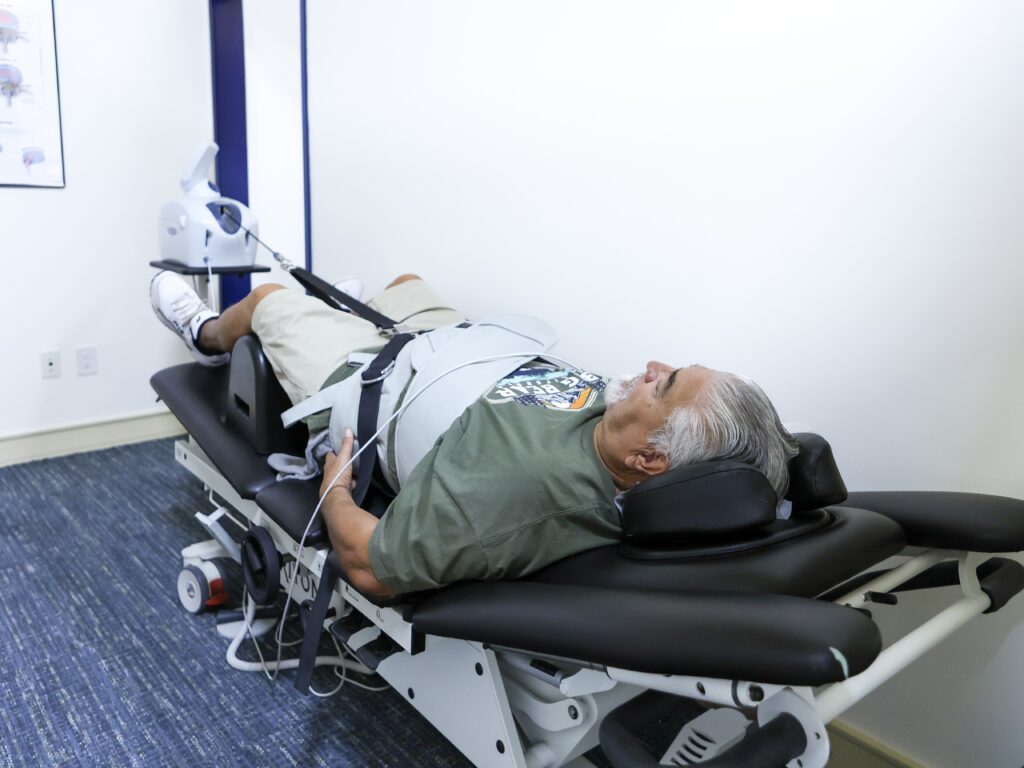
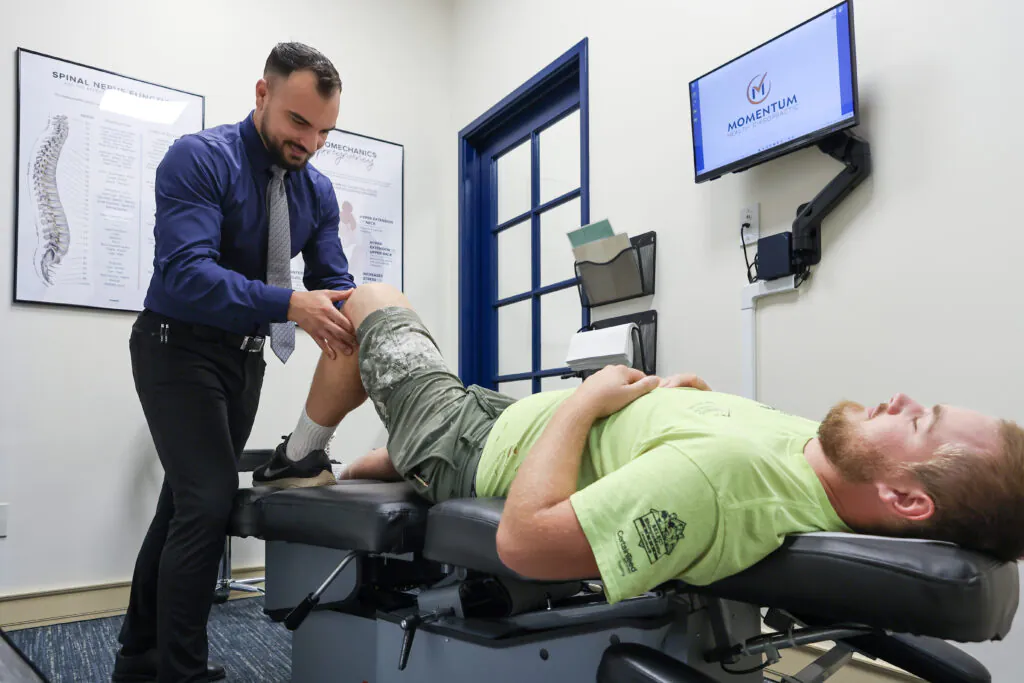
Chiropractic adjustments are an excellent way to alleviate neck pain and restore proper alignment to your spine. These adjustments not only relieve discomfort but also enhance your body’s ability to heal naturally.
Curious about more practical solutions? Here are some tips you can implement today to help regain comfort and mobility:
- Practice Good Posture: Keep your head aligned over your shoulders and avoid slouching, especially when sitting for long periods.
- Take Breaks: If you work at a desk or use your phone frequently, take regular breaks to stretch and move around. This helps prevent stiffness and promotes circulation.
- Apply Heat or Cold: Using a warm compress or an ice pack can help reduce inflammation and soothe sore muscles in your neck.
- Stay Hydrated: Proper hydration supports joint health and helps maintain the elasticity of spinal discs.
- Prioritize Sleep: Ensure your pillow supports your neck in a neutral position to prevent waking up with stiffness.
Remember, chiropractic care not only addresses existing pain but also helps you maintain optimal health and prevent future issues. If you’re struggling with neck pain, consider reaching out to a chiropractor who can guide you on your path to recovery and wellness. Your journey to a pain-free life starts with informed choices!
Key Takeaways
- Incorporate gentle neck stretches, like neck tilts and chin tucks, into your daily routine. These simple exercises can help improve flexibility and provide relief from discomfort, making chiropractic care even more effective.
- Consider using heat therapy to relax tight muscles and boost blood circulation, which can significantly aid in pain management. A warm compress can be a great way to prepare your body for spinal adjustments.
- Cold therapy can also be beneficial; it helps reduce inflammation and numb sharp pain. Alternating between heat and cold can provide optimal relief, complementing the benefits of chiropractic adjustments.
- Ensure your workspace is ergonomically set up. By keeping your computer screen at eye level and using a chair that offers proper support, you can maintain a neutral neck position that prevents strain and enhances the effectiveness of your chiropractic care.
- Incorporate stress management techniques such as deep breathing and mindfulness meditation into your routine. These practices can help alleviate tension in your neck and shoulders, promoting overall comfort and making it easier for your chiropractor to assist you in achieving optimal health.
By following these tips alongside regular chiropractic care, you can take significant steps towards a healthier, pain-free life. Remember, your spine’s health is crucial to your overall well-being!
Understanding the Causes of Neck Pain
When it comes to neck pain, it’s important to recognize that various factors can contribute to your discomfort. One of the most common culprits is poor posture. Slouching while sitting or constantly looking down at your phone can put a strain on your neck muscles, leading to pain. To combat this, try to maintain a neutral spine position. Keep your shoulders relaxed and ensure your screen is at eye level to reduce the strain on your neck.
Repetitive motions can also lead to discomfort over time. Think about the activities you do daily, such as typing or frequently turning your head. Taking regular breaks to stretch and move can help alleviate tension. Simple neck stretches and gentle movements can work wonders in keeping your muscles relaxed and flexible.
Stress is another significant factor that can lead to neck pain. When we’re stressed, we tend to clench our neck and shoulder muscles, which can cause discomfort. Finding ways to manage stress, through techniques like deep breathing, yoga, or meditation, can’t only improve your overall wellness but also help relieve tension in your neck.
Injuries, such as whiplash from car accidents, can trigger acute neck pain. If you’ve experienced an injury, seeking chiropractic care can be a natural and effective way to promote healing and restore function to your neck.
Age-related changes, like arthritis or degenerative disc disease, can also contribute to neck stiffness and chronic issues. Regular chiropractic adjustments can help keep your spine aligned and functioning optimally, potentially alleviating some of these age-related concerns.
Lastly, your sleeping position and pillow height can greatly impact neck alignment. Make sure your pillow supports your neck properly, keeping it in a neutral position while you sleep. Consider sleeping on your back or side to minimize strain.
By understanding these common causes of neck pain, you can identify potential triggers in your daily routine and take proactive steps to manage your discomfort.
Effective Neck Stretches for Relief
To alleviate neck pain and promote overall wellness, incorporating effective stretches into your daily routine can make a world of difference. As a chiropractor, I often emphasize the importance of natural healing, and these stretches can help relieve tension while supporting your spine.
Start with the neck tilt: gently tilt your head toward one shoulder, allowing the muscles along the sides of your neck to stretch. Hold this position for 15-30 seconds, then switch sides. This simple movement can enhance flexibility and ease discomfort.
Next, try the chin tuck. Whether sitting or standing, pull your chin back toward your neck, creating a double chin effect. Hold this position for 5 seconds and repeat it 10 times. This exercise strengthens the muscles that support your neck and helps improve posture, which is crucial for spinal health.
For a deeper stretch, perform the doorway stretch. Stand in a doorway and place your arms on the frame at shoulder height. Gently lean forward until you feel a stretch across your chest and shoulders. Hold this position for 15-30 seconds. This stretch not only opens up your chest but also supports better alignment of your spine.
Finally, finish your routine with shoulder rolls. Roll your shoulders forward and backward in a circular motion for about 30 seconds. This may seem simple, but it can significantly reduce tension and improve mobility in your neck and shoulders.
Incorporating these stretches into your daily routine can help you achieve better neck health naturally.
Strengthening Exercises to Support Neck Health
Strengthening your neck muscles is crucial for maintaining good posture and preventing discomfort. At our chiropractic practice, we believe that incorporating specific exercises into your routine can help you achieve a strong and healthy neck, naturally.
Start with chin tucks: whether you’re sitting or standing, maintain a tall posture and gently tuck your chin towards your chest. Hold this position for 5 seconds and repeat it 10 times. This exercise helps realign your spine and improve the strength of your neck muscles.
Next, try neck side bends: tilt your head towards one shoulder, feeling a gentle stretch, and hold for 15 seconds. Alternate sides and aim for 3 sets. This not only increases flexibility but also enhances the overall mobility of your neck.
You can also perform neck rotations by slowly turning your head to one side and holding for 5 seconds before switching sides. This exercise helps improve your range of motion and can relieve tension in the neck area.
For added strength, consider using a soft headband. Gently push against it while keeping your head steady, completing 10 repetitions in each direction. This resistance training helps build neck strength, further supporting your spine.
Incorporating these exercises into your daily routine not only enhances strength but also improves flexibility, contributing to your overall neck health.
Remember, chiropractic care is a natural and effective way to support your body’s healing process and maintain optimal health. Before starting any new exercise program, it’s always a good idea to consult with a healthcare professional, especially a chiropractor, who can provide personalized guidance tailored to your specific needs.
Take these tips to heart, and make them a part of your wellness routine for a healthier, pain-free neck!
Importance of Ergonomics in Daily Activities
Setting up your workspace with ergonomics in mind is crucial for preventing neck pain and promoting overall spinal health. As a chiropractor, I often see the impact that a poorly arranged workspace can have on the body. One of the simplest changes you can make is to adjust your screen to eye level. This helps keep your neck in a neutral position, reducing strain on your spine.
Additionally, finding a comfortable seating position is essential. Make sure your chair supports your lower back and allows your feet to rest flat on the ground. This not only enhances your posture but also encourages proper alignment of your spine throughout the day.
Remember, small adjustments can lead to significant improvements in your comfort and productivity. Prioritizing these ergonomic factors can create a healthier work environment and help you feel your best.
If you ever experience persistent pain, consider visiting a chiropractor for personalized care and guidance on maintaining a healthy spine. Your journey to optimal health starts with taking these steps seriously!
Proper Desk Setup
Since many individuals spend countless hours at their desks each day, it’s crucial to have a proper setup to prevent neck pain and support overall well-being. As a chiropractor, I understand how important it’s to maintain a healthy spine, which can be achieved through an ergonomic workspace.
Start by choosing a chair that provides adequate support for your lower back. This will help maintain the natural curve of your spine. Ensure your feet can rest flat on the floor to promote better posture and circulation.
When typing, keep your elbows at a 90-degree angle and your wrists straight. This positioning can significantly reduce strain on your neck and back. Position your keyboard close enough to avoid any reaching, as this can lead to discomfort. Your mouse should be within easy reach, too, to help minimize tension in your shoulders.
It’s also essential to take breaks every hour. Stand up, stretch, and change your position to alleviate any built-up tension in your body.
By creating an ergonomic workspace, you not only relieve discomfort but also enhance your productivity and overall comfort throughout the day. Remember, chiropractic care can be an excellent way to address pain and support your journey toward natural wellness.
Regular adjustments can help keep your spine aligned and functioning optimally, which is key to preventing issues before they start. Prioritizing your spinal health will empower you to live a healthier, more comfortable life.
Ideal Screen Height
The height of your computer screen is crucial for maintaining a healthy spine and preventing neck pain. As a chiropractor, I want to emphasize the importance of proper screen positioning to support your overall wellness. Ideally, your screen should be at eye level. This way, you don’t have to tilt your head up or down, which can lead to unnecessary strain on your neck. Keeping your head in a neutral position helps maintain a healthy spinal alignment, promoting better posture.
Here’s a simple reference table to help you set up your screen height for optimal health:
| Screen Height | Ideal Position |
|---|---|
| Eye Level | Top of the screen aligns with your eyes |
| Monitor Tilt | Slightly tilted back 10-20 degrees |
| Distance from Eyes | 20-30 inches away |
| Screen Size | Larger screens may require higher placement |
In addition to adjusting your screen height, here are a few more tips to keep in mind for a healthier workspace:
- Take Breaks: Remember to stand up and stretch every 30 minutes. This can help relieve tension and prevent stiffness.
- Stay Hydrated: Keep a water bottle at your desk to remind yourself to drink enough water throughout the day.
- Practice Good Posture: Sit up straight with your shoulders relaxed and your feet flat on the ground. Consider using a lumbar support cushion to help maintain the natural curve of your spine.
- Incorporate Movement: If possible, use a standing desk or take short walks during your breaks to keep your body active.
Comfortable Seating Position
Creating a comfortable seating position is crucial for your well-being, particularly if you spend long hours working or relaxing. As a chiropractor, I can’t stress enough how important it’s to support your spine to promote optimal health.
Your chair should have proper lumbar support to keep your lower back aligned, which is essential for preventing discomfort and maintaining a healthy posture. Make sure your feet rest flat on the floor or on a footrest, with your knees at a 90-degree angle.
Position your hips at the back of the chair to support your spine and encourage good posture. It’s not just about comfort; it’s about protecting your spine and overall health.
When seated, allow your arms to hang relaxed at your sides, with your elbows close to your body also at a 90-degree angle. Adjust your desk height to ensure that your wrists stay straight while typing. This simple adjustment can help avoid strain and discomfort in your arms and wrists.
Remember to take breaks every hour. Stand up, stretch, and move around. These small actions can significantly reduce neck strain and boost your overall comfort during daily activities.
Heat and Cold Therapy for Pain Management
When neck pain strikes, utilizing heat and cold therapy can be an effective part of your pain management toolkit. As a chiropractor, I want to emphasize that these natural methods can complement your journey towards wellness and optimal health.
Heat therapy, such as warm towels or heating pads, is wonderful for relaxing tight muscles and enhancing blood circulation. By applying heat for 15 to 20 minutes, you can relieve discomfort and improve flexibility, allowing your body to move more freely.
On the other hand, cold therapy—using ice packs or cold compresses—works to reduce inflammation and numb sharp pain. It’s generally best to apply cold for about 15 minutes and allow your skin to rest in between applications.
You can alternate between heat and cold therapy based on your specific needs. If you’ve recently strained your neck, starting with cold therapy can help minimize swelling. Once the initial inflammation has subsided, switching to heat can promote healing and relaxation.
A key tip is to always wrap ice or heat sources in a cloth to protect your skin from direct contact. Consistent application of these therapies can lead to significant relief and improved mobility, making everyday activities more manageable.
Remember, while heat and cold therapy can be beneficial, incorporating regular chiropractic care is one of the best ways to achieve lasting relief and overall wellness.
Chiropractic adjustments help align your spine, reduce tension, and promote natural healing throughout your body. If you’re experiencing neck pain, consider visiting a chiropractor to explore a holistic approach to your health and well-being.
Stress Reduction Techniques to Alleviate Tension
To ease neck pain, incorporating stress reduction techniques into your daily routine can be incredibly beneficial. As a chiropractor, I often see how tension in the body can exacerbate discomfort, particularly in the neck and shoulders. Simple practices such as deep breathing exercises, mindfulness meditation, and progressive muscle relaxation can help you release that built-up tension, allowing for a greater sense of comfort and well-being.
Deep breathing exercises can be done anywhere and anytime. By focusing on slow, deep breaths, you can activate your body’s relaxation response, which helps to reduce tension in your muscles.
Mindfulness meditation allows you to center your thoughts and calm your mind, creating a peaceful state that can alleviate stress-related pain. Progressive muscle relaxation is another powerful technique; by systematically tensing and then relaxing each muscle group, you can identify areas of tension and encourage them to relax.
In addition to these practices, regular chiropractic care plays a vital role in achieving optimal health. Chiropractic adjustments can help align your spine, reduce nerve interference, and promote overall wellness.
By addressing the root cause of your neck pain through natural healing methods, you can experience long-lasting relief without the need for medications or surgical interventions.
Remember, taking small steps each day to manage stress and care for your spine can lead to significant improvements in your comfort and quality of life.
Consider incorporating these techniques into your routine and consult with your chiropractor for personalized advice on maintaining a healthy spine and reducing neck pain effectively.
Deep Breathing Exercises
While neck pain can often arise from physical strain, it’s important to recognize that stress and tension significantly contribute to discomfort. One natural and effective way to alleviate this tension is through deep breathing exercises, which can complement your chiropractic care.
To start, find a comfortable position, whether sitting or lying down. Take a deep breath in through your nose, allowing your abdomen to expand fully. Hold that breath for a moment, and then exhale slowly through your mouth, consciously releasing any tightness in your neck and shoulders.
Repeat this process for five to ten minutes, focusing on the rhythm of your breath. As you engage in these exercises, you may notice that your body begins to relax, which can help ease the tension that contributes to your neck pain.
Incorporating deep breathing into your daily routine not only promotes relaxation but also enhances the effectiveness of chiropractic adjustments, making it an excellent tool for overall wellness.
Remember, chiropractic care is designed to address the root causes of pain and promote natural healing. By combining deep breathing exercises with regular chiropractic visits, you can achieve optimal health and relief from neck discomfort.
Embrace these practices as part of a healthier lifestyle and experience the benefits of a pain-free life!
Mindfulness Meditation Practices
How can mindfulness meditation complement chiropractic care in reducing stress and alleviating tension in your neck? By focusing your attention on the present moment, mindfulness meditation encourages relaxation and enhances your awareness of your body. This practice can help you identify and release built-up tension in your neck and shoulders, which is often linked to stress and poor posture.
To integrate mindfulness meditation into your wellness routine, set aside a few minutes each day to sit comfortably, close your eyes, and concentrate on your breath. As you inhale and exhale, visualize any tightness in your neck gradually melting away. If your thoughts start to drift, gently guide your focus back to your breath without judgment. This simple practice can help you manage stress more effectively, promoting a sense of calm that directly contributes to relief from neck pain.
It’s important to remember that while mindfulness meditation can be a valuable tool for relaxation, regular chiropractic care plays a crucial role in maintaining a healthy spine and overall wellness. A chiropractor can help address any misalignments that may be contributing to your discomfort, ensuring that your body functions optimally.
By combining mindfulness meditation with chiropractic adjustments, you can foster a deeper connection with your body and enhance your healing process.
In addition to practicing mindfulness, make sure to maintain good posture throughout your day, take regular breaks from screens, and engage in gentle stretching exercises to support your neck health. Together, these strategies can lead to a healthier, more balanced life, helping you achieve optimal health and well-being naturally.
Progressive Muscle Relaxation
As you look for effective methods to reduce stress and ease neck tension, incorporating Progressive Muscle Relaxation (PMR) into your routine can be a beneficial practice alongside chiropractic care. This technique focuses on systematically tensing and then relaxing various muscle groups in your body, enhancing your awareness of physical sensations and promoting overall relaxation.
Begin by settling into a comfortable position, allowing your body to feel supported. Start with your toes—tense them gently for a few seconds, then let go and notice the difference. Gradually move upwards through your body—working on your calves, thighs, abdomen, and finally your neck and shoulders. This practice not only encourages relaxation but also helps in releasing tension that may have built up over time.
Regularly practicing PMR can significantly enhance your sense of calm and contribute to reducing neck discomfort. While chiropractic care is your best choice for targeted pain relief and natural wellness, adding techniques like PMR can complement your journey to optimal health.
Remember, taking time for yourself and engaging in relaxation practices can make a big difference in how you feel. Incorporating these simple techniques into your daily routine, along with regular chiropractic adjustments, can help you achieve lasting relief and a greater sense of well-being.
Prioritize your health and embrace these natural methods to support your journey toward a pain-free and healthier life!
When to Seek Professional Help for Neck Pain
When should you consider reaching out to a chiropractor for neck pain? If your neck pain lingers for more than a few days despite trying some home remedies, it’s a good idea to seek professional help.
Neck pain that’s severe and disrupts your daily activities or is accompanied by symptoms like numbness, tingling, or weakness in your arms or hands shouldn’t be ignored. It’s important to get checked out, particularly if the pain started after an injury, like a fall or accident.
Look out for any additional signs such as fever, unexplained weight loss, or ongoing headaches alongside neck pain. These can be indicators that you need to address the issue sooner rather than later.
Remember, early intervention is key to preventing complications and promoting a faster recovery.
Chiropractic care offers a natural approach to healing and can help alleviate your neck pain effectively. Techniques such as spinal adjustments, gentle stretches, and exercises can help restore your neck’s function and overall health.
Don’t hesitate to ask questions or express any concerns during your visit. Your well-being is the priority, and working with a chiropractor can lead you on the path to optimal health without the need for invasive procedures or medications.
For some quick tips, consider practicing good posture, taking regular breaks to stretch your neck, and applying heat or cold packs to alleviate discomfort.
Your journey to a pain-free neck can start with the right care and lifestyle choices!
Conclusion
Managing neck pain effectively requires a balanced approach that prioritizes natural healing and wellness. As a chiropractor, I believe that incorporating gentle stretches, strengthening exercises, and ergonomic adjustments into your daily routine can significantly alleviate discomfort and promote spinal health.
Consider adding simple neck stretches throughout your day to relieve tension and improve flexibility. Strengthening exercises, especially for the muscles that support your neck, can enhance stability and reduce pain. Additionally, making ergonomic changes—like adjusting your workspace to maintain proper posture—can make a world of difference.
Don’t underestimate the power of heat and cold therapy; they can provide immediate relief by helping to relax tight muscles and reduce inflammation. It’s also essential to manage stress, as tension can exacerbate neck pain. Techniques such as deep breathing or mindfulness can be incredibly beneficial.
If your neck pain persists or worsens, it’s crucial to seek professional help from a chiropractor. We specialize in spinal health and can offer personalized treatment plans tailored to your needs. By prioritizing chiropractic care, you can achieve optimal health and a more comfortable, pain-free life. Take charge of your well-being today, and let’s work together towards a healthier tomorrow!