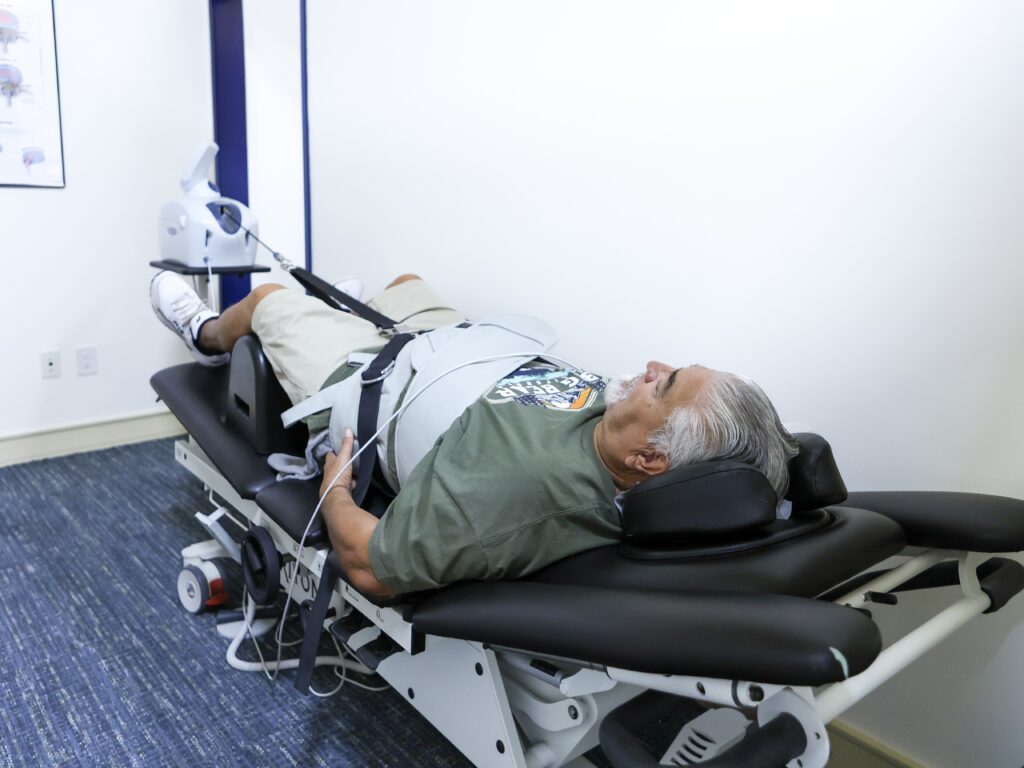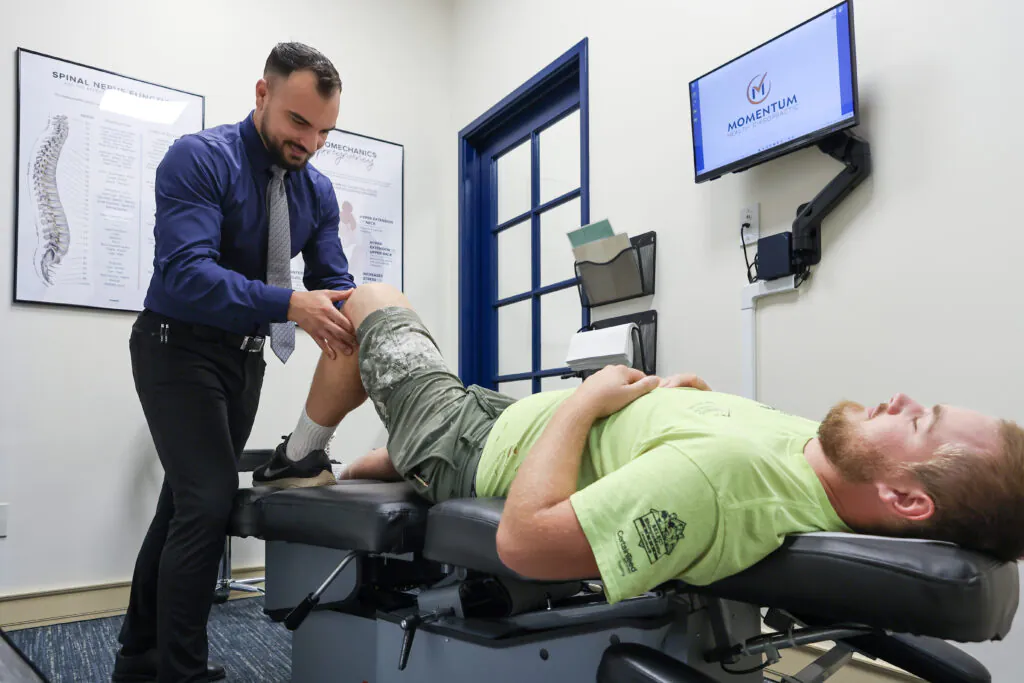

When headaches strike, turning to medication isn’t always the most effective or healthiest solution. As a chiropractor, I want to share some natural alternatives that can help ease your discomfort while promoting overall wellness. There are numerous options worth exploring, from gentle spinal adjustments to lifestyle changes that can support your body’s natural healing processes.
Chiropractic care is a powerful tool in managing headaches. By focusing on spinal health and alignment, we can relieve tension in the neck and back that often contributes to headache pain. Regular chiropractic adjustments not only help alleviate headaches but also enhance your overall well-being by improving your body’s function.
In addition to chiropractic care, consider integrating these simple tips into your daily routine:
- Stay Hydrated: Dehydration can trigger headaches, so make sure you’re drinking enough water throughout the day.
- Practice Good Posture: Poor posture can lead to tension headaches. Be mindful of your posture at your desk or while using your phone.
- Incorporate Relaxation Techniques: Practices like deep breathing, yoga, or meditation can reduce stress and prevent headaches from occurring.
- Get Regular Exercise: Physical activity increases blood circulation and releases endorphins, which can help keep headaches at bay.
- Apply Heat or Cold: Using a warm compress on your neck or a cold pack on your forehead can provide immediate relief.
- Maintain a Regular Sleep Schedule: Lack of sleep or irregular sleep patterns can trigger headaches. Aim for consistent sleep habits to improve your overall health.
- Limit Screen Time: Prolonged screen exposure can lead to eye strain and headaches. Take breaks and practice the 20-20-20 rule (every 20 minutes, look at something 20 feet away for 20 seconds).
- Consider Dietary Changes: Certain foods or additives can trigger headaches in some individuals. Keep a food diary to identify any potential culprits.
- Explore Acupressure: Applying pressure to specific points on the body can help relieve headache pain. You might find relief by pressing on the space between your thumb and index finger.
- Consult with a Chiropractor: Regular visits can help maintain spinal health and prevent headaches from becoming a recurring issue.
By incorporating these strategies and prioritizing chiropractic care, you can take control of your headache management and enhance your overall health naturally. Let’s work together to find the best approach for your unique needs!
Key Takeaways
- If you’re looking for natural ways to manage headaches, consider incorporating herbal remedies like feverfew and ginger tea into your routine. These herbs have anti-inflammatory properties that may help reduce the frequency and intensity of headaches.
- Aromatherapy with essential oils can also be a soothing option. Inhaling peppermint or lavender oil or applying them topically can promote relaxation and ease tension, which may help alleviate headache pain.
- Regular chiropractic care is an excellent way to address underlying issues that contribute to headaches. By correcting spinal misalignments and relieving muscle tension, chiropractic adjustments can provide long-lasting relief and improve your overall well-being.
- Heat therapy is another simple yet effective method to relieve headaches. Applying warm compresses or using a heating pad can help relax tight muscles and improve circulation, offering comfort during a headache episode.
- Cold therapy is particularly useful for immediate relief. By using cold compresses or ice packs, you can numb pain and reduce inflammation, making it a quick fix for headache discomfort.
Incorporating these natural options can enhance your journey to wellness, and when paired with regular chiropractic care, you may find even greater relief and improved health. Always listen to your body and consult with your chiropractor to find the best approach for your individual needs.
Herbal Remedies
When it comes to finding relief from headaches, exploring natural options can be a great way to support your overall wellness. As a chiropractor, I often emphasize the importance of holistic approaches to health, and herbal remedies can be a gentle addition to your routine. One popular option is peppermint oil; applying it to your temples may provide a soothing effect that complements spinal care.
Feverfew is another herbal choice that could help reduce the frequency of headaches. You might consider taking it in capsule form or enjoying it as a tea. Ginger tea is also a wonderful option, as its anti-inflammatory properties can assist in alleviating pain while being gentle on your body. If you’re seeking something calming, chamomile is fantastic for its relaxing effects, which can help reduce tension that may contribute to headaches.
While these herbal remedies can be supportive, I always recommend prioritizing chiropractic care for optimal wellness. Regular adjustments can help align your spine, relieve tension, and improve your overall health, which may also reduce headache occurrences.
As you look for natural solutions, remember to consult with a healthcare provider if you’re on medication or have existing health conditions. Additionally, consider incorporating stress-reducing practices like deep breathing, hydration, and regular movement. By integrating these approaches, including chiropractic care, you can take proactive steps toward managing headache discomfort in a natural and holistic way.
Acupressure Techniques
Acupressure techniques can be a wonderful way to complement your overall wellness routine and manage headache pain naturally, especially when used alongside chiropractic care. By focusing on specific pressure points in your body, you can help alleviate discomfort and promote relaxation.
One effective point to target is located between your thumb and index finger, known as LI4. Gently pressing this area for several minutes can help relieve tension and ease headache symptoms. Another beneficial point is the space between your eyebrows, called Yintang. Applying consistent pressure here can calm your mind and help reduce discomfort.
Additionally, if you press the base of your skull, where your neck meets your head—known as GB20—you may find significant relief from headache intensity.
To maximize the benefits of these techniques, use your fingers or a small, rounded object to apply firm, steady pressure. Remember to breathe deeply and focus on the sensations you feel. Consistency is key; practicing these techniques regularly can enhance their effectiveness.
Incorporating acupressure into your wellness routine, alongside regular chiropractic adjustments, can help you manage headache pain naturally and promote a healthier, more balanced lifestyle. Chiropractic care not only addresses the root causes of pain but also supports your body’s natural healing processes, allowing you to achieve optimal health.
Essential Oils for Relief
As a chiropractor, I understand the discomfort that headaches can cause and the importance of finding natural relief methods. Essential oils can be an effective tool for headache relief, and when combined with chiropractic care, they can enhance your overall wellness. Popular options like lavender and peppermint not only offer soothing effects but can also complement the adjustments and treatments you receive in my office.
Here are some simple ways to use essential oils for headache relief:
- Inhalation: One of the easiest ways to use essential oils is through inhalation. Simply add a few drops of your chosen oil to a bowl of hot water, cover your head with a towel, and breathe deeply. This can help relax your mind and alleviate tension.
- Topical Application: Dilute essential oils with a carrier oil (like coconut or jojoba oil) and apply them to your temples and the back of your neck. This can soothe tight muscles and promote relaxation. Always do a patch test first to ensure you don’t have an allergic reaction.
- Diffusion: Using a diffuser can spread the calming scents throughout your living space. This not only creates a relaxing atmosphere but can also help prevent headaches caused by stress.
- Combining with Chiropractic Care: Regular visits to your chiropractor can help address the underlying issues that contribute to headaches, such as spinal misalignments and tension in your neck and shoulders. When used alongside chiropractic adjustments, essential oils can enhance your recovery and promote a holistic approach to health.
Popular Essential Oils
As a chiropractor, I understand that many people experience headaches and often seek natural remedies for relief. While chiropractic care is one of the most effective ways to address the root causes of headaches, incorporating popular essential oils can also enhance your wellness routine and promote relaxation. Here are some essential oils that may help alleviate tension and support your overall health:
| Essential Oil | Benefits | Suggested Use |
|---|---|---|
| Peppermint | Relieves tension and provides a cooling effect | Inhale deeply or apply diluted on temples for soothing relief |
| Lavender | Creates a calming atmosphere and reduces stress | Diffuse in your space or apply topically for a relaxing experience |
| Eucalyptus | Helps open airways and invigorate the senses | Inhale directly or add to a steam inhalation for a refreshing boost |
| Rosemary | Supports improved circulation and mental clarity | Use in massage or inhale for added focus during your day |
In conjunction with these essential oils, I encourage you to consider regular chiropractic adjustments. These adjustments can help realign your spine, relieve tension, and improve your overall well-being. Remember, maintaining a healthy spine is key to living a pain-free life.
In addition to essential oils and chiropractic care, here are some general tips to help you manage headaches naturally:
- Stay Hydrated: Dehydration is a common headache trigger. Ensure you drink plenty of water throughout the day.
- Maintain Good Posture: Poor posture can lead to tension in your neck and shoulders. Be mindful of your posture while sitting or standing.
- Take Breaks: If you work at a desk, take regular breaks to stretch and move around.
- Manage Stress: Incorporate relaxation techniques such as deep breathing, yoga, or meditation into your daily routine.
Application Techniques
When it comes to finding relief from headaches, exploring natural methods can be incredibly beneficial for your overall wellness. One effective approach is using essential oils, which can complement the benefits of chiropractic care.
Start by selecting a soothing essential oil such as peppermint or lavender. It’s essential to dilute these oils with a carrier oil, like coconut or jojoba oil, to avoid any skin irritation. Once diluted, gently apply the mixture to your temples, forehead, and the back of your neck, taking the time to massage it in. This not only enhances the oil’s effectiveness but also encourages relaxation.
In addition to topical application, inhaling the calming scents of essential oils can be done using a diffuser. If you don’t have one handy, placing a few drops on a tissue and taking deep breaths can also be effective. For an added layer of relief, consider using a warm or cool compress infused with your chosen essential oils on your forehead, which can help alleviate tension.
Mindfulness and Meditation
When you’re experiencing a headache, turning to mindfulness and meditation can be a beneficial part of your wellness routine, but it’s important to remember that chiropractic care can provide the most effective relief. A skilled chiropractor can help address the root cause of your headaches, often related to spinal alignment and tension in the neck and upper back.
In addition to chiropractic adjustments, you can incorporate mindfulness and breathing techniques to enhance your overall relaxation. Focusing on deep, slow breaths can help calm your mind and body, reducing tension that may contribute to headaches. Guided visualization, where you picture a peaceful scene, can also aid in alleviating stress.
Here are some tips to help you find comfort and relaxation:
- Regular Adjustments: Schedule regular visits with your chiropractor to maintain proper spinal alignment and reduce headache frequency.
- Practice Mindfulness: Set aside a few minutes each day to practice mindfulness or meditation. This can help you manage stress, which is often a trigger for headaches.
- Stay Hydrated: Drink plenty of water throughout the day, as dehydration can lead to headaches.
- Maintain Good Posture: Be mindful of your posture, especially if you spend long hours at a desk. Proper alignment can prevent tension buildup.
- Incorporate Gentle Stretching: Simple neck and shoulder stretches can relieve tightness and improve blood flow, reducing the likelihood of headaches.
Breathing Techniques
Practicing breathing techniques can be a powerful way to alleviate headache symptoms and promote overall wellness. When you focus on your breath, you not only shift your attention away from pain and tension, but you also encourage relaxation and mindfulness. This is crucial because stress and tension can often lead to headaches, and chiropractic care aims to reduce those contributing factors.
To get started, find a comfortable position—whether sitting or lying down—and take a deep breath in through your nose for a count of four. Hold your breath briefly, then exhale slowly through your mouth for a count of six. Repeat this cycle several times. This simple exercise can help calm your nervous system, making it easier to manage stress, which is often linked to headache pain.
Incorporating these breathing techniques into your daily routine can enhance the benefits of regular chiropractic care, which focuses on spinal alignment and nervous system health. You might also consider aligning your breath with a positive affirmation or visualization to deepen your practice.
Guided Visualization
Guided visualization is a fantastic technique for managing headache pain, and it can complement your chiropractic care by providing a mental escape from discomfort. By focusing on calming imagery, you can shift your attention away from the pain and promote overall wellness.
To get started, find a quiet space where you can relax without interruptions. Close your eyes and take a few deep breaths to help center yourself.
Imagine a peaceful place, such as a sunny beach or a tranquil forest. Engage all your senses—feel the warmth of the sun on your skin, listen to the gentle sound of waves, or breathe in the fresh scent of pine trees. As you immerse yourself in this soothing scene, allow any tension in your body to melt away.
Incorporating guided visualization into your routine can enhance your relaxation skills, making it easier to cope with headaches when they occur. Remember, chiropractic care is an excellent way to address the underlying causes of headache pain, such as spinal misalignments or tension in the neck and shoulders. By combining these techniques, you can achieve optimal health and natural pain relief.
Here are some general tips to keep in mind:
- Practice guided visualization regularly to improve your relaxation skills.
- Maintain good posture to support spinal health.
- Stay hydrated and nourish your body with healthy foods to prevent headaches.
- Consider regular chiropractic adjustments to help align your spine and reduce tension.
Embracing these holistic approaches can lead to a healthier, more balanced life.
Hydration and Nutrition
Staying properly hydrated and nourished is essential for your overall health and can significantly help reduce the frequency and intensity of headaches. To keep your body functioning at its best, aim to drink at least eight 8-ounce glasses of water throughout the day—hydration is key! Dehydration is a common headache trigger, so it’s smart to keep a water bottle handy and sip regularly to ensure you’re meeting your hydration needs.
Nutrition also plays a crucial role in your well-being. A balanced diet filled with fresh fruits, vegetables, whole grains, and lean proteins can help stabilize your blood sugar levels. When your blood sugar dips too low, it can lead to headaches, so don’t skip meals! Including magnesium-rich foods like spinach, nuts, and seeds in your diet can also be beneficial, as magnesium deficiencies have been linked to headaches.
Be mindful of how certain foods might affect you. Some common triggers, such as aged cheeses, processed meats, and artificial sweeteners, can provoke headaches in some individuals. Keeping a food diary can be a practical tool to help you identify any foods that may be causing issues.
Physical Activity and Stretching
Regular physical activity and stretching are powerful tools for alleviating headache symptoms and reducing their frequency. By incorporating consistent exercise into your routine, you can enhance blood circulation, lower stress levels, and trigger the release of endorphins—your body’s natural pain relievers. Aim for at least 30 minutes of moderate exercise most days; activities like walking, swimming, or biking can significantly benefit your overall health and help in managing headaches.
In addition to exercise, stretching plays a crucial role in maintaining a healthy spine and relieving tension that can lead to headaches. Focus on areas such as your neck, shoulders, and upper back. Simple stretches like neck rolls or shoulder shrugs can be very effective in alleviating muscle tension, which is often a common headache trigger. Consider incorporating yoga or Pilates into your routine; these practices combine movement with relaxation techniques, further supporting your journey to headache relief.
As you embark on this path to better health, remember to listen to your body. If you notice tension building up in your muscles, take a moment to stretch or move around. Prioritizing physical activity and stretching, alongside chiropractic care, allows you to take a proactive approach to managing headaches. Chiropractic adjustments can help align your spine, improve your posture, and enhance your overall well-being, making it a vital component of your health journey.
Hot and Cold Compresses
When you’re struggling with a headache, incorporating hot and cold compresses can be an effective, natural way to find relief. Heat therapy works by soothing tense muscles and enhancing blood circulation, which can help alleviate discomfort. On the other hand, cold therapy can numb the pain and reduce inflammation, providing a soothing counterbalance.
By combining these techniques, you may experience enhanced relief from your headache. Remember, while these methods can be very helpful, they’re best used alongside regular chiropractic care. A chiropractor can help you address the underlying issues that may be contributing to your headaches, ensuring you achieve optimal health and wellness.
In addition to using compresses, here are a few simple tips to keep in mind for headache relief:
- Stay Hydrated: Dehydration can often trigger headaches, so make sure you’re drinking plenty of water throughout the day.
- Maintain Good Posture: Poor posture can strain your neck and shoulders, leading to tension headaches. Be mindful of your sitting and standing posture.
- Practice Relaxation Techniques: Stress is a common headache trigger. Techniques such as deep breathing, meditation, or gentle yoga can help reduce stress levels.
- Get Regular Chiropractic Adjustments: Regular visits to your chiropractor can help keep your spine aligned and reduce tension, preventing headaches before they start.
Benefits of Heat Therapy
For those dealing with headaches, heat therapy can be a comforting and effective method to find relief. By applying a warm compress to your forehead or the back of your neck, you can help relax tense muscles and improve blood circulation, which may ease the pain. This gentle heat is especially helpful for sinus headaches, as it can alleviate sinus pressure.
Incorporating a heating pad or warm towel into your relaxation routine can create a soothing environment, allowing you to unwind and de-stress. The warmth not only feels good but can also uplift your mood, making it easier to manage discomfort. Just be sure to use heat safely—make sure it’s at a comfortable temperature, and limit your application to about 15-20 minutes to avoid skin irritation.
While heat therapy can offer temporary relief, remember that seeking chiropractic care is an excellent way to address the underlying causes of your headaches. Chiropractors can help identify spinal misalignments and tension that may be contributing to your pain, providing adjustments and techniques that promote natural healing and overall wellness.
By prioritizing your spinal health, you can work towards a more pain-free and balanced life.
For ongoing wellness, consider these general tips:
- Maintain good posture to reduce strain on your neck and back.
- Stay hydrated, as dehydration can lead to headaches.
- Incorporate regular movement into your day to prevent muscle tension.
- Practice stress-reducing techniques, such as deep breathing or meditation.
Cold Therapy Applications
While heat therapy can provide soothing relief, cold therapy is another effective option for managing headaches, and it can complement the benefits of chiropractic care. Cold compresses can help numb the pain and reduce inflammation, which is essential for overall spinal health and wellness. Here are some simple ways to apply cold therapy that you can easily incorporate into your routine:
- Use a gel ice pack wrapped in a cloth to apply directly to your forehead. This method not only helps with headache relief but also supports your body’s natural healing process.
- For a convenient option, place a bag of frozen vegetables on your forehead. Just make sure to wrap it in a cloth to protect your skin.
- Soak a washcloth in cold water, wring it out, and apply it to your temples. This can provide immediate relief while you focus on relaxation and mindfulness.
- Consider trying a cold shower. This refreshing approach can invigorate you and help alleviate discomfort while promoting circulation and overall well-being.
- Experiment with cooling eye masks designed specifically for headaches. These can provide targeted relief while encouraging rest and relaxation, which is vital for your spinal health.
Remember, while these cold therapy techniques can be helpful, chiropractic care is a holistic approach that addresses the root causes of pain and discomfort.
Regular chiropractic adjustments can help improve your spinal alignment, reduce tension, and enhance your overall quality of life. By combining cold therapy with chiropractic care, you can achieve optimal health and wellness naturally.
Combining Techniques Effectively
Combining hot and cold compresses can be a fantastic addition to your headache relief strategy, especially when paired with chiropractic care. Each method offers unique benefits that can complement your natural healing journey. Start with a cold compress to reduce inflammation and numb the pain—apply it for about 15-20 minutes. This can help your body feel better as you work to align your spine and reduce any tension that might be contributing to your headaches.
After the cold compress, switch to a hot compress. This can help relax tense muscles and improve circulation, further enhancing your overall comfort. This combination creates a powerful, balanced approach to relief that aligns well with the principles of chiropractic care.
You might also find that alternating between cold and heat is particularly effective. For example, use a cold compress in the early stages of a headache, then transition to heat as tension builds. Remember to listen to your body; if one method feels better, feel free to stick with it. This flexibility not only empowers you to manage headaches more effectively but also supports your journey towards optimal health.
Incorporating regular chiropractic adjustments can further enhance your wellness routine. A chiropractor can help ensure your spine is aligned, which can alleviate the underlying causes of headaches and promote overall health. By combining these techniques, you’re taking proactive steps towards reclaiming your comfort and well-being in a natural, holistic way.
Aromatherapy Practices
Aromatherapy practices can be a wonderful complement to chiropractic care when it comes to finding relief from the discomfort of headaches. While chiropractic adjustments focus on aligning the spine to enhance overall health and alleviate pain, essential oils can create a calming environment that further supports your well-being.
Here are some essential oils that are particularly beneficial for headaches, along with methods to incorporate them into your self-care routine:
- Peppermint oil: This oil is known for its cooling effect and can help relieve tension. Consider applying diluted peppermint oil to your temples while practicing deep breathing to enhance relaxation.
- Lavender oil: With its calming aroma, lavender is excellent for promoting relaxation and reducing stress. You might diffuse lavender oil while enjoying a chiropractic session to create a peaceful atmosphere.
- Eucalyptus oil: If you experience sinus-related headaches, eucalyptus oil can be especially helpful. It opens up airways and eases pressure, making it a great addition to your wellness routine.
- Rosemary oil: This invigorating scent can help improve circulation, which may reduce headache pain. Try inhaling rosemary oil directly or adding it to a warm compress applied to your neck.
- Chamomile oil: Known for its soothing properties, chamomile can help calm both your mind and body. Consider adding a few drops to your evening routine to promote relaxation before bedtime.
To fully benefit from these essential oils, consider diffusing them in your home, adding them to a warm bath, or inhaling them directly from the bottle.
Pair these practices with regular chiropractic care to enhance your overall wellness and find a natural way to combat headache pain.
Sleep Hygiene Improvements
Many people often overlook the importance of sleep hygiene, yet it plays a crucial role in managing headaches and overall health. As a chiropractor, I understand that proper sleep can significantly impact your spinal health and overall well-being. To improve your sleep quality, start by establishing a consistent sleep schedule. Aim to go to bed and wake up at the same time every day, even on weekends, to help regulate your body’s internal clock.
Creating a relaxing bedtime routine can signal to your body that it’s time to wind down. Consider gentle activities like reading or stretching, which can help ease tension in your muscles and promote relaxation.
Your sleep environment is also key. Keep your bedroom cool, dark, and quiet to create an ideal space for restful sleep. A supportive mattress and pillows that align with your spinal posture are essential for avoiding strain on your back and neck. Additionally, limit exposure to screens at least an hour before bed, as the blue light emitted can interfere with melatonin production, making it harder to fall asleep.
Be mindful of your diet as well; try to avoid heavy meals, caffeine, and alcohol close to bedtime, as these can disrupt your sleep cycle. By enhancing your sleep hygiene, you’re not just aiming for restful nights; you’re actively supporting your body in reducing headache frequency and intensity while promoting overall wellness.
Chiropractic and Osteopathic Treatments
Improving your sleep hygiene is a crucial first step towards finding relief from headaches, and chiropractic care offers a natural, effective solution. By focusing on the musculoskeletal system, chiropractic treatments aim to alleviate tension and enhance your overall function, which can significantly improve your quality of life.
Here are some benefits you can expect from chiropractic care when it comes to headache relief:
- Pain Reduction: Many patients experience swift relief from headache pain after receiving chiropractic adjustments. These gentle manipulations help realign the spine and relieve pressure on nerves that may be contributing to your discomfort.
- Improved Mobility: When your joints are functioning optimally, you’re less likely to experience tension headaches. Chiropractic care enhances your range of motion, making daily activities easier and reducing the likelihood of headaches.
- Holistic Approach: Chiropractic care is designed to treat you as a whole person, not just your symptoms. By addressing the underlying causes of your headaches, we can work together to improve your overall well-being.
- Personalized Care: Every patient is unique, and so are their headaches. Chiropractic treatments are customized to fit your specific needs, ensuring that you receive the most effective care possible.
- Preventative Benefits: Regular chiropractic sessions can help keep headaches at bay, promoting long-term wellness and preventing future issues from arising.
In addition to seeking chiropractic care, here are some general tips to improve your sleep hygiene and potentially reduce headaches:
- Establish a Routine: Go to bed and wake up at the same time every day to regulate your body’s clock.
- Create a Restful Environment: Keep your bedroom dark, quiet, and cool to promote better sleep quality.
- Limit Screen Time: Reduce exposure to screens at least an hour before bed, as the blue light can interfere with your sleep.
- Stay Hydrated: Drink enough water throughout the day, but limit intake close to bedtime to avoid disruptions.
- Manage Stress: Incorporate relaxation techniques such as deep breathing, meditation, or gentle stretching before bed to ease tension.