
Migraines can be incredibly challenging, but you don’t have to rely solely on medication to find relief. As a chiropractor, I believe in the power of natural techniques to help you take control of your symptoms and potentially reduce the frequency of these debilitating headaches. By focusing on holistic health and spinal wellness, you can improve your overall well-being and find effective ways to manage migraines.
One of the first steps is to track your triggers. Keeping a journal of your migraine occurrences alongside notes on your diet, stress levels, and physical activities can help you identify patterns. This knowledge empowers you to make adjustments that may reduce the likelihood of future migraines.
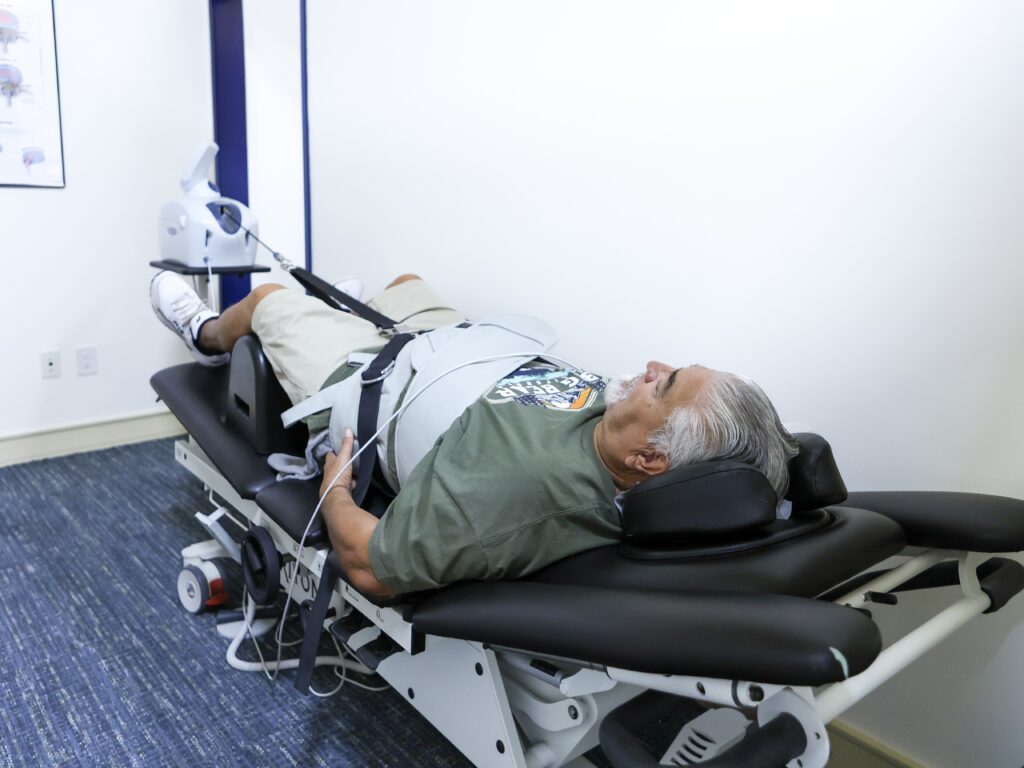
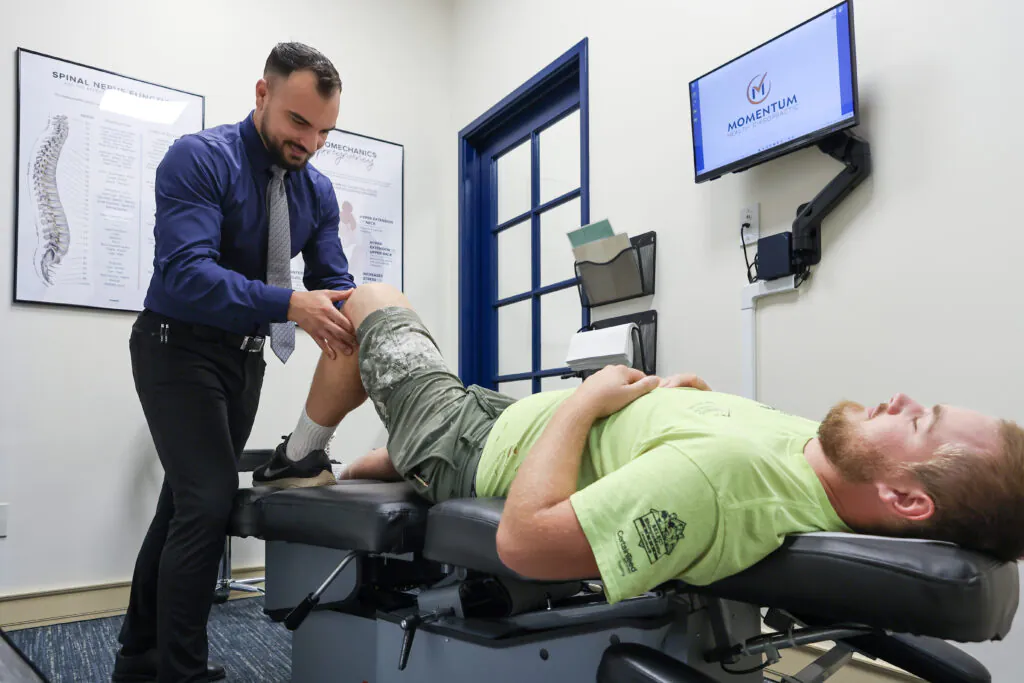
Incorporating regular chiropractic adjustments into your routine can also play a crucial role in migraine management. Misalignments in the spine can contribute to tension and stress, which are common migraine triggers. By ensuring your spine is aligned and functioning properly, chiropractic care helps alleviate tension, improve circulation, and support overall nervous system health.
Additionally, consider making dietary adjustments. Eating a balanced diet rich in whole foods, such as fruits, vegetables, whole grains, and healthy fats, can significantly impact your body’s ability to minimize headaches. Staying hydrated is equally important, so be sure to drink plenty of water throughout the day.
Regular exercise is another vital component of a migraine prevention strategy. Engaging in activities like walking, yoga, or swimming can help reduce stress and promote relaxation, which may lower the risk of migraines. Plus, these exercises can improve your spinal health and overall body function.
Lastly, don’t underestimate the power of relaxation techniques. Practices such as deep breathing, meditation, and gentle stretching can help alleviate stress and tension in your body, which are often linked to migraine onset.
By integrating these natural techniques and prioritizing chiropractic care, you can take proactive steps towards managing your migraines more effectively. Remember, the journey to optimal health is a personal one, and every small change can lead to significant improvements. If you’re struggling with migraines, consider reaching out for chiropractic support to help you achieve better health and wellness.
Key Takeaways
- Stay well-hydrated by drinking plenty of water and incorporating fruits and vegetables with high water content into your meals. Proper hydration can help alleviate headache frequency, and it’s a simple step toward overall wellness that complements chiropractic care.
- Keep a food diary to pinpoint and avoid common migraine triggers such as aged cheeses, processed meats, and artificial sweeteners. Understanding your body’s responses to certain foods can enhance your health journey and is something we often discuss during chiropractic consultations.
- Make regular physical activity a part of your routine. Activities like walking or yoga not only improve circulation but also help reduce stress—two factors that can trigger migraines. Chiropractic adjustments can further enhance your physical well-being, allowing you to engage in these activities more comfortably.
- Incorporate mindfulness techniques into your daily life. Practices like deep breathing and meditation can effectively manage stress, a common migraine catalyst. Your chiropractor can also provide guidance on how spinal health impacts your overall stress levels and wellness.
- Establish a consistent sleep schedule and create a calming pre-sleep routine to improve your sleep quality, which is crucial in preventing migraines. Good spinal alignment, achieved through chiropractic care, can also contribute to a more restful night’s sleep, helping you wake up refreshed and ready to tackle the day.
Understanding Migraines: Triggers and Symptoms
Understanding Migraines: Triggers and Symptoms
If you suffer from migraines, it’s crucial to understand their triggers and symptoms to manage them effectively and find relief. Triggers can differ from person to person, but common ones include stress, certain foods, hormonal changes, and environmental factors. Keeping track of when your migraines occur can help you spot patterns and make informed lifestyle changes.
The symptoms of a migraine are often intense and can include throbbing pain, usually on one side of your head, alongside nausea and increased sensitivity to light and sound. Some people may also experience an aura, which includes visual disturbances that can occur before the headache begins. Recognizing these symptoms early allows you to take action and seek relief before the pain worsens.
One effective way to manage migraines is by keeping a migraine diary. This can help you track your symptoms and any potential triggers. Sharing this information with your chiropractor can be invaluable. As a local chiropractor, I believe in the power of natural healing and spinal health to help alleviate pain and improve overall well-being.
Incorporating chiropractic care into your wellness routine can help address underlying issues that may contribute to migraines. Regular adjustments can improve spinal alignment, which may reduce tension and stress in your body. Additionally, embracing a healthier lifestyle—such as staying hydrated, eating a balanced diet, and practicing relaxation techniques—can also make a significant difference.
The Role of Hydration in Migraine Prevention
Staying properly hydrated is essential for everyone, especially for those who suffer from migraines. Dehydration can be a common trigger for headaches, making it important to focus on maintaining adequate fluid intake throughout the day.
Here are four simple and practical tips to help you stay hydrated and support your overall wellness:
- Drink Water Regularly: Aiming for at least eight 8-ounce glasses of water each day is a good rule of thumb. However, listen to your body and adjust your intake based on your activity level and the climate you’re in. Staying hydrated can help reduce headache frequency and intensity.
- Infuse Your Water: If plain water isn’t your favorite, try infusing it with slices of fresh fruit or herbs. This can add a refreshing twist to your hydration routine without any added sugars, making it a healthy choice that supports your wellness.
- Monitor Caffeine Intake: While some people find that a moderate amount of caffeine can help relieve headaches, too much can lead to dehydration. Striking a balance is important; consider limiting your caffeine consumption to maintain optimal hydration levels.
- Eat Water-Rich Foods: Incorporating fruits and vegetables that are high in water content, like cucumbers, watermelon, and oranges, can contribute to your daily hydration. These foods not only keep you hydrated but also provide essential nutrients that support overall health.
Remember, chiropractic care plays a vital role in promoting not just spinal health, but also overall wellness. By maintaining a healthy lifestyle—including proper hydration—you can enhance the benefits of chiropractic adjustments and help prevent migraines naturally.
Stay proactive about your health and enjoy the benefits of living well!
Dietary Adjustments: Foods to Embrace and Avoid
Making the right dietary choices can significantly impact your overall health and wellness, particularly when it comes to managing migraines. As a local chiropractor, I believe in the power of natural healing, and one way to support your body is through a balanced diet. Start by incorporating whole, unprocessed foods into your meals—think fresh fruits, vibrant vegetables, lean proteins, and wholesome grains. These nutrient-rich options can help stabilize your blood sugar levels and may reduce the chances of triggering a migraine. Foods rich in magnesium, like spinach, nuts, and seeds, can also be beneficial.
On the other hand, it’s important to be mindful of certain foods that might trigger your migraines. Common offenders include aged cheeses, processed meats, alcohol, and caffeine. Additionally, keep an eye on artificial sweeteners and MSG, as these can provoke migraines in some individuals.
Another key tip is to maintain a consistent eating schedule. Skipping meals can lead to hunger-induced migraines, so aim to eat regular, balanced meals throughout the day. By making these dietary adjustments, along with regular chiropractic care, you can take significant steps toward reducing the frequency and severity of your migraines. Remember, a holistic approach to health—combining good nutrition and chiropractic adjustments—can be a powerful way to achieve optimal wellness and relief from pain.
The Benefits of Regular Exercise
Regular exercise is a fantastic way to enhance your overall health and well-being, particularly when it comes to your spine and nervous system.
When you engage in physical activity, you improve blood circulation, which is essential for delivering vital nutrients and oxygen throughout your body, including your spinal structures. This increased circulation can help support a healthy spine and prevent issues that could lead to discomfort.
Moreover, regular exercise is an excellent method for managing stress. Stress can create tension in your body, contributing to headaches and other discomforts. By incorporating physical activity into your daily routine, you’re not only taking a proactive approach to your health but also helping to alleviate the tension that might lead to those painful episodes.
As a chiropractor, I encourage you to think of exercise as a natural way to promote spinal health and overall wellness.
Here are some simple tips to get started on this journey:
- Choose Activities You Enjoy: Whether it’s walking, swimming, or yoga, find exercises that you love. This will make it easier to stick with it.
- Start Slow: If you’re new to exercise, begin with short sessions and gradually increase your time and intensity.
- Focus on Core Strength: Strengthening your core muscles helps support your spine, reducing the risk of injury and discomfort.
- Listen to Your Body: Pay attention to how your body feels during and after exercise. If you experience pain, it may be a sign to adjust your routine or seek chiropractic care.
- Stay Consistent: Aim for regular activity, even if it’s just a few minutes a day. Consistency is key to reaping the benefits of exercise.
Remember, chiropractic care is an excellent complement to your exercise routine. Regular adjustments can help ensure your spine is aligned and functioning optimally, allowing you to enjoy your workouts and daily activities without the burden of pain.
Embrace a healthier lifestyle, and let chiropractic care support you on your journey to optimal wellness!
Improved Blood Circulation
Engaging in consistent exercise can significantly enhance blood circulation, which is particularly beneficial for those who suffer from migraines. When your circulation improves, it helps deliver essential oxygen and nutrients to your brain while also flushing out toxins, which may help reduce both the frequency and intensity of migraines. As a local chiropractor, I’m here to share some effective exercises that can promote better circulation and overall wellness, while also highlighting the importance of chiropractic care in your journey to optimal health.
- Walking: A brisk walk for just 30 minutes can greatly improve your blood flow. It’s simple and can be done anywhere, making it an easy addition to your daily routine.
- Cycling: Whether you prefer riding a stationary bike at home or cycling outdoors, this activity is fantastic for cardiovascular health and enhancing circulation.
- Swimming: The natural resistance of water not only boosts circulation but also provides a low-impact workout that’s gentle on your joints, making it suitable for everyone.
- Yoga: Incorporating yoga poses into your routine can promote blood flow and help relax your body. It’s a wonderful way to connect your mind and body while improving flexibility and strength.
In addition to these exercises, regular chiropractic adjustments can play a crucial role in enhancing your overall health and wellness. By ensuring that your spine is properly aligned, chiropractic care helps optimize your body’s function, including your circulatory system. This natural approach not only aids in pain relief but can also support your body’s ability to heal itself.
Stress Reduction Techniques
Improving blood circulation is essential not only for your physical health but also for effectively managing stress, which can often trigger migraines for many individuals. One of the best ways to enhance your circulation and reduce stress is through regular exercise. Engaging in activities that you enjoy, such as walking, can help release endorphins—those natural feel-good hormones that improve your mood and alleviate anxiety. Even a brisk walk can be a simple yet effective way to lower stress levels.
Incorporating gentle exercises like yoga or tai chi into your routine can offer additional benefits. These practices promote flexibility while enhancing relaxation and mindfulness, which are crucial for overall well-being. Breathing exercises are another fantastic way to calm your mind and reduce tension.
As a chiropractor, I emphasize the importance of a holistic approach to health. By prioritizing regular physical activity and considering chiropractic care, you can’t only improve your body’s function but also create a solid defense against the stress that may lead to migraines. Remember, the goal is to find activities that you enjoy, making it easier to maintain a consistent routine that supports both your physical and mental health. By choosing natural wellness options like chiropractic care, you’re investing in a healthier, more balanced life.
Establishing a Consistent Sleep Routine
Establishing a consistent sleep routine is vital for overall health and can significantly help reduce the frequency and intensity of migraines. When you maintain regular sleep patterns, your body can better regulate its internal clock, which helps minimize potential headache triggers.
Here are some straightforward tips to help you develop a consistent sleep routine, supporting not just restful nights but also your overall wellness:
- Set a Fixed Sleep Schedule: Try to go to bed and wake up at the same time every day, including weekends. This consistency helps your body know when it’s time to rest and when it’s time to be active.
- Create a Relaxing Pre-Sleep Ritual: Engage in calming activities such as reading a book, practicing gentle stretches, or meditating. These activities signal to your body that it’s time to wind down, helping to prepare your mind and muscles for restful sleep.
- Limit Screen Time Before Bed: Reducing your exposure to screens at least an hour before sleep can significantly enhance your sleep quality. The blue light emitted by devices can interfere with your body’s natural sleep-wake cycle.
- Optimize Your Sleep Environment: Ensure your bedroom is conducive to sleep—keep it cool, dark, and quiet. A comfortable environment promotes better rest, which is essential for recovery and overall health.
Incorporating these practices can’t only help alleviate migraine occurrences but also enhance your overall well-being. Remember, regular chiropractic care can further support your health by ensuring your spine is aligned, which can improve sleep quality and reduce pain.
Prioritizing both a consistent sleep routine and chiropractic adjustments will lead you toward a healthier, more balanced life.
Stress Management Techniques for Migraine Relief
While it may be impossible to eliminate stress completely, adopting effective stress management techniques can significantly alleviate the frequency and intensity of migraines. As a chiropractor dedicated to promoting health and wellness through natural methods, I want to share some simple strategies to help you manage stress and enhance your overall well-being:
| Technique | Description | Benefits |
|---|---|---|
| Deep Breathing | Focus on taking slow, deep breaths | Helps calm your nervous system and lower heart rate, promoting relaxation. |
| Mindfulness | Practice staying present in the moment | Reduces anxiety and improves focus, allowing you to better manage stressors. |
| Physical Activity | Engage in regular exercise, like walking or yoga | Releases natural feel-good chemicals (endorphins) that boost mood and reduce tension. |
| Time Management | Organize and prioritize your tasks | Helps decrease feelings of overwhelm and increases productivity, giving you more control over your day. |
Integrating these techniques into your daily routine can empower you to manage stress more effectively. Not only will this improve your overall well-being, but it can also help minimize the chances of experiencing migraine attacks. Remember, chiropractic care goes hand-in-hand with these lifestyle changes, as it can help align your spine, reduce tension, and support your body’s natural healing processes. By focusing on natural wellness and taking proactive steps toward stress management, you can enhance your quality of life and find relief in a way that promotes optimal health without the need for medications or invasive procedures.
The Impact of Caffeine on Migraines
Caffeine can have a complex relationship with migraines, influencing their onset and severity in different ways. As a chiropractor, I want to help you understand how caffeine may affect your migraines and how chiropractic care can support your journey to optimal health. Here are four key points to consider:
- Pain Relief: Caffeine can enhance the effectiveness of certain pain relievers, making them work faster and stronger. However, instead of relying solely on medications, consider chiropractic adjustments. They can help reduce tension in your body, potentially alleviating migraine symptoms naturally.
- Withdrawal Symptoms: If you consume caffeine regularly and suddenly stop, you might experience withdrawal headaches that feel similar to migraines. This is a signal from your body that it’s time to find a more balanced approach. Chiropractic care can help manage these symptoms by promoting overall wellness and balance in your nervous system.
- Moderation is Key: Small amounts of caffeine may benefit some migraine sufferers, but excessive consumption can lead to increased frequency of attacks. Instead of turning to caffeine, focus on maintaining hydration and a healthy diet rich in nutrients that support your nervous system. Chiropractic care can also help you maintain a balanced lifestyle.
- Personal Response: Everyone’s body reacts differently to caffeine. To understand its impact on your migraines, keep a diary to track your symptoms and diet. Alongside this, regular chiropractic visits can help identify any physical issues contributing to your migraines and provide natural, non-invasive treatment options.
Exploring Herbal Remedies and Supplements
Many people who suffer from migraines often seek natural ways to manage their symptoms, and as a chiropractor, I believe that exploring holistic approaches can be beneficial.
While chiropractic care is my primary focus for achieving optimal health, there are some herbal remedies and supplements that may complement your wellness journey.
For instance, feverfew is a herb that some individuals find helpful in reducing the frequency and severity of migraines. Similarly, butterbur has been studied for its potential to help prevent migraine attacks. It’s also worth noting that magnesium, a mineral that many people are deficient in, has been linked to migraine relief, as low levels can contribute to headaches.
Another natural option is riboflavin (vitamin B2), which has shown promise in decreasing the occurrence of migraines when taken consistently. Don’t overlook ginger, either; it’s known for its ability to help with nausea, a common symptom associated with migraines.
While these remedies may offer some support, it’s important to remember that chiropractic care is a safe and effective way to address the root causes of headaches and migraines.
By focusing on spinal health and alignment, chiropractic adjustments can improve your overall well-being and help alleviate pain.
Before trying any new herbal remedies or supplements, I always recommend discussing your options with a healthcare professional. This ensures that you make informed choices that align with your health goals and avoid any potential interactions with other treatments.
In addition to considering these remedies, here are a few general tips to help manage migraines naturally:
- Stay hydrated: Drink plenty of water throughout the day.
- Maintain a regular sleep schedule: Aim for consistent sleep patterns to support overall health.
- Manage stress: Incorporate relaxation techniques such as deep breathing, yoga, or meditation.
- Keep a headache diary: Tracking your migraines can help identify triggers and patterns.
Ultimately, your journey to better health can benefit significantly from chiropractic care, which focuses on natural healing and achieving balance within your body.
Mindfulness and Relaxation Practices
Practicing mindfulness and relaxation techniques can be a powerful way to manage migraine symptoms, and as your local chiropractor, I want to share how these practices can complement your journey toward optimal health. Stress is a common trigger for migraines, and by incorporating mindfulness into your daily routine, you can cultivate a sense of calm and awareness that can greatly benefit your overall well-being.
Here are four effective mindfulness and relaxation practices that can support your health and help alleviate migraine frequency:
- Deep Breathing: Take a moment to focus on your breath. Inhale deeply through your nose, hold for a moment, and then exhale slowly through your mouth. This simple exercise can help calm your nervous system and reduce tension in your body. Repeat this several times whenever you feel a migraine coming on.
- Meditation: Carve out a few minutes each day to sit quietly. Focus on your breath or a calming mantra—this practice can help center your mind and relieve stress, which is essential for managing migraine symptoms.
- Progressive Muscle Relaxation: This technique involves tensing and then relaxing each muscle group in your body, starting from your toes and moving upward. It helps release physical tension, which can contribute to headache pain.
- Gentle Yoga: Incorporating gentle yoga stretches into your routine can help relieve tension in your neck and shoulders, areas that often hold stress and contribute to migraines. Plus, the focus on breathing in yoga enhances the benefits of relaxation.
By integrating these mindfulness and relaxation techniques into your daily life, you can take an active role in managing your migraines and overall health.
Keeping a Migraine Diary for Better Management
Keeping a migraine diary can be a transformative tool in your journey towards better health and wellness. As a chiropractor, I understand that managing migraines often involves identifying triggers and symptoms. By diligently tracking your headaches, you can uncover patterns that reveal what may be causing your discomfort.
This practice not only helps you gain insight into your migraines but also empowers you to take control of your health. You might notice that certain foods, stress levels, or sleep patterns contribute to your headaches. Once you understand your triggers, you can make informed lifestyle choices to help reduce them.
In addition to maintaining a diary, consider incorporating chiropractic care into your wellness routine. Chiropractic adjustments can help align your spine, improve nervous system function, and promote overall well-being. Many patients find that regular chiropractic care not only alleviates pain but also enhances their body’s natural ability to heal itself.
Here are some general tips to help you manage your migraines and promote a healthier lifestyle:
- Stay Hydrated: Dehydration can trigger migraines, so make sure to drink plenty of water throughout the day.
- Maintain a Regular Sleep Schedule: Aim for consistent sleep patterns to help regulate your body’s rhythms.
- Practice Stress Management: Techniques such as deep breathing, yoga, or meditation can help reduce stress, which is a common migraine trigger.
- Keep a Balanced Diet: Pay attention to what you eat and consider eliminating known dietary triggers, such as aged cheeses or processed foods.
- Regular Chiropractic Visits: Regular adjustments can help relieve tension in the spine and neck, which may contribute to migraine pain.
Track Triggers Effectively
Tracking your migraine triggers effectively can play a crucial role in managing your condition and promoting overall wellness.
By maintaining a detailed migraine diary, you can uncover patterns and potential triggers that may be impacting your health. Here are four essential elements to include in your diary that align with a holistic approach to wellness:
- Food and Drink: Record everything you eat and drink. Certain foods, like aged cheeses or processed meats, can be common migraine triggers. Understanding your dietary habits can help you make healthier choices that support your well-being.
- Weather Changes: Note any shifts in the weather, such as temperature or humidity changes. These environmental factors can influence your migraines, and being aware of them may help you prepare and adapt your lifestyle accordingly.
- Stress Levels: Keep track of your daily stressors or any significant life events. Chronic stress can contribute to tension in the body, which may lead to headaches. Incorporating relaxation techniques, such as chiropractic adjustments or mindfulness practices, can help you manage stress effectively.
- Sleep Patterns: Monitor your sleep duration and quality. Irregular sleep can trigger migraines, so establishing a consistent sleep routine is vital. Chiropractic care can also support improved sleep by promoting spinal health and relaxation.
By tracking these elements, you can gain valuable insights into your migraines and work towards a healthier lifestyle.
Monitor Symptoms Daily
To manage migraines effectively, it’s essential to keep a close eye on your symptoms every day. One of the best ways to do this is by maintaining a migraine diary. This simple tool can be a game-changer in understanding your headaches better. Start by noting when your headaches occur, their intensity, and any other symptoms you experience. Also, keep track of your meals, sleep patterns, and stress levels, as these can all play a role in triggering migraines.
Consistency is crucial, so make it a daily habit to record this information. Over time, you’ll develop a detailed account that you can discuss with your chiropractor. This valuable record can help identify patterns and triggers, allowing you to take charge of your health. By understanding how your body responds to various factors, you can make informed choices that promote wellness and potentially reduce the frequency of migraines.
Chiropractic care can play a significant role in managing migraines. Regular adjustments can help improve spinal alignment, reduce tension, and enhance overall nervous system function, which may contribute to fewer headaches. Remember, a well-kept diary not only empowers you but also enhances your communication with your chiropractor, making it easier to tailor your care for optimal health.
In addition to keeping a diary, consider incorporating relaxation techniques such as deep breathing, yoga, or meditation into your daily routine. These practices can help manage stress, which is a common migraine trigger. Staying well-hydrated and maintaining a balanced diet also supports your overall health and can be beneficial in managing migraines naturally. By focusing on these proactive strategies and embracing chiropractic care, you’re taking significant steps toward a healthier, pain-free life.
Analyze Patterns Over Time
Regularly analyzing the data from your migraine diary can offer valuable insights into your headache patterns and help you understand how they relate to your overall well-being.
By tracking your symptoms over time, you can identify triggers and make proactive lifestyle changes that support your health. Here are four essential areas to focus on that can benefit from chiropractic care:
- Frequency: Keep a note of how often your migraines occur. Identifying any consistent patterns can help you and your chiropractor tailor a treatment plan that addresses the root cause of your headaches.
- Duration: Record how long each migraine lasts. Understanding the duration can help you gauge the severity and discuss effective strategies with your chiropractor to alleviate discomfort and improve your quality of life.
- Triggers: Identifying potential triggers is crucial. Common triggers include certain foods, stress, or irregular sleep patterns. Working with a chiropractor can help you develop a holistic approach to managing these triggers, incorporating spinal adjustments and lifestyle recommendations.
- Relief Methods: Track the treatments or remedies that work best for you. Chiropractic care offers natural pain relief and can be an effective method to help reduce the frequency and intensity of migraines. Your chiropractor can guide you on exercises, stretches, and techniques that promote spinal health and overall wellness.
By focusing on these key areas and integrating chiropractic care into your health regimen, you can take significant steps towards achieving optimal health and wellness.