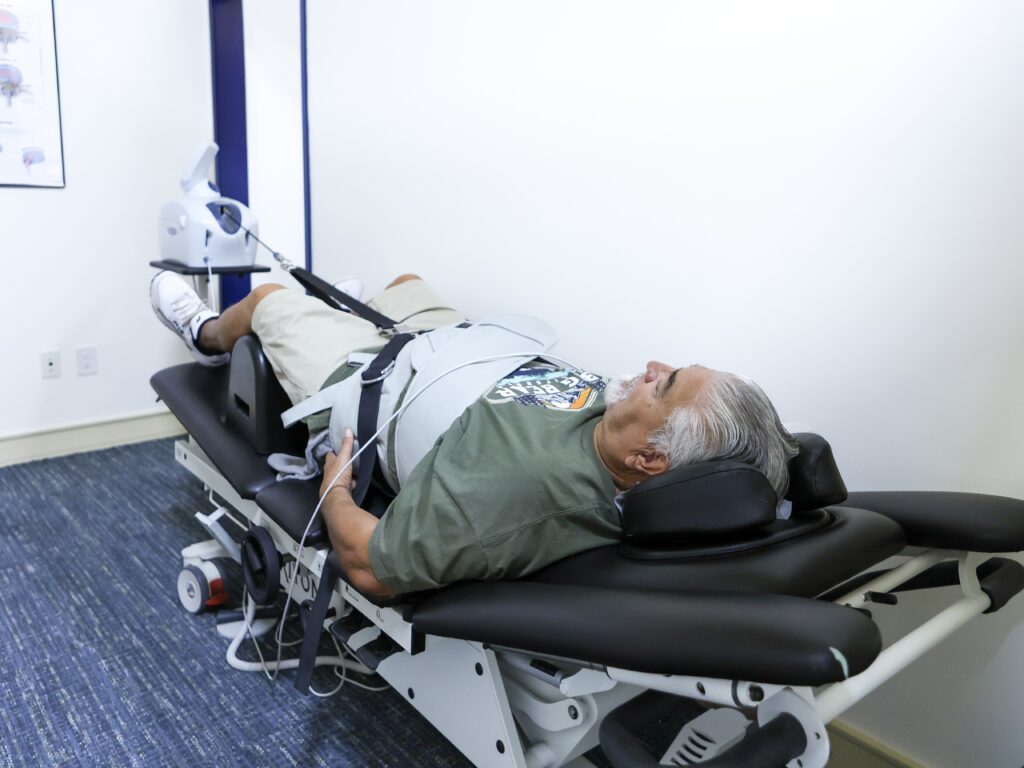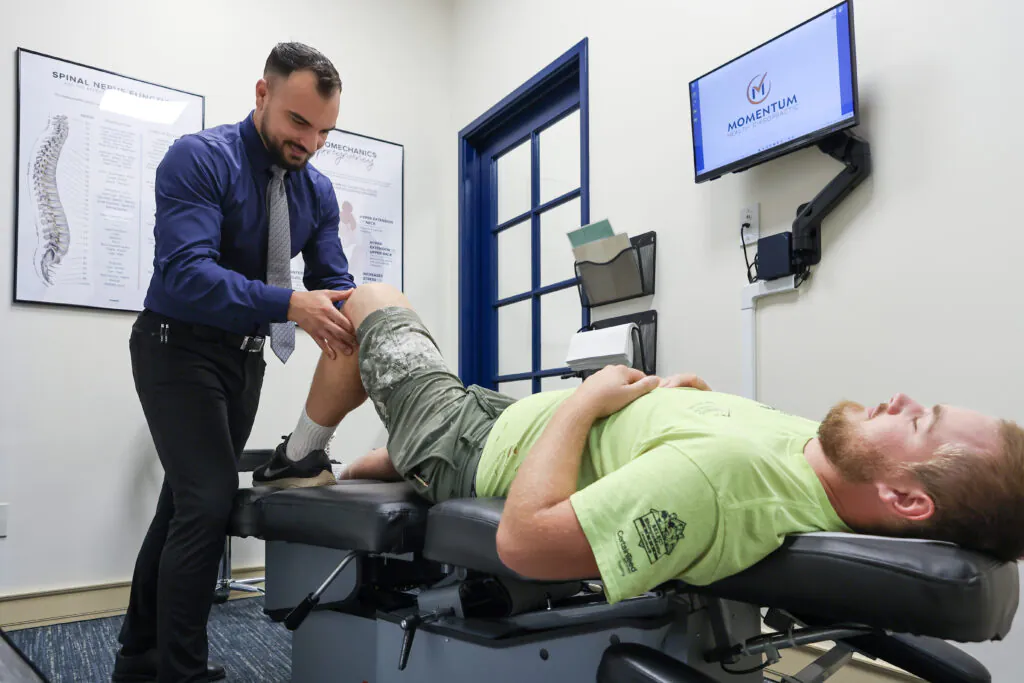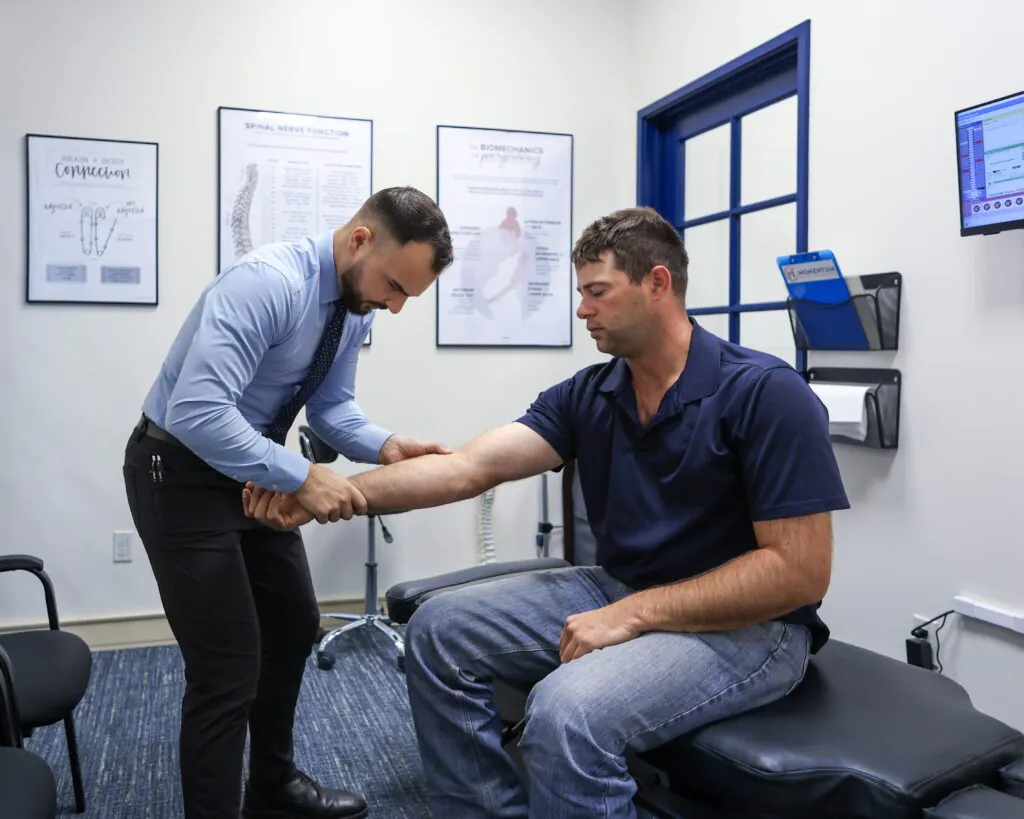

As a local chiropractor, I understand that lower back pain can significantly interfere with your daily life, making it difficult to sit at your desk or fully engage in your favorite activities. However, I want to assure you that relief is achievable within just 30 days by focusing on natural healing techniques.
In my practice, I encourage patients to explore targeted strategies that can alleviate discomfort and improve mobility. This includes specific stretches designed to enhance flexibility and strength in your lower back, as well as ergonomic adjustments to your workspace to promote better posture and support.
Let’s work together to address your lower back pain head-on and help you regain the comfort and mobility you deserve. Embracing chiropractic care and these natural methods can lead you to a healthier, pain-free life.
Understanding Lower Back Pain: Causes and Symptoms
As a local chiropractor, I want to help you understand lower back pain and how it can impact your daily life. Many people experience this discomfort as an unwelcome burden, and it often arises from a variety of causes. For instance, muscle strains can occur from heavy lifting, maintaining poor posture, or simply sitting for long periods without proper support.
Additionally, issues like herniated discs or arthritis may contribute to inflammation and nerve irritation, leading to persistent pain.
In your day-to-day activities, you might notice symptoms such as stiffness, dull aches, or even sharp pains that shoot down your legs. These sensations can make even the simplest tasks feel daunting and may significantly affect your overall quality of life.
Moreover, emotional stress can exacerbate physical discomfort, as our bodies often react to stress in various ways.
Understanding the causes and symptoms of lower back pain is crucial for effective management. As a chiropractor, I focus on identifying the root of your discomfort, which allows us to create a personalized treatment plan.
Through natural healing methods, including spinal adjustments and lifestyle recommendations, we can work together to alleviate your pain and improve your overall well-being.
Stretching Exercises for Immediate Relief
As a local chiropractor, I want to share some effective stretching exercises that can provide immediate relief from lower back pain.
These simple movements can help ease tension, enhance flexibility, and increase blood circulation to the affected area, which is essential for healing.
One of my favorite stretches is the knee-to-chest stretch. To perform this, lie flat on your back. Gently pull one knee up toward your chest, holding the position for 20-30 seconds before switching to the other leg. This stretch can help release tightness in the lower back.
Another beneficial stretch is the cat-cow stretch. Start on all fours, ensuring your hands are aligned under your shoulders and your knees under your hips.
Arch your back upward like a cat, holding this position for a few seconds, and then lower your belly while lifting your head and tailbone, creating a gentle curve in your spine. Repeat this several times to help relieve discomfort and improve spinal flexibility.
You might also find the seated forward bend helpful. Sit with your legs extended in front of you, and slowly reach towards your toes while keeping your back straight.
Hold this position for 20-30 seconds, which can greatly help in stretching out the lower back muscles.
Incorporating these stretches into your daily routine can provide you with immediate relief and enhance your overall comfort throughout the day.
Always remember to breathe deeply and pay attention to your body’s signals as you engage in these stretches.
If you have any concerns or persistent pain, don’t hesitate to reach out for professional guidance in chiropractic care and natural healing.
Strengthening Your Core for Long-Term Support
As a local chiropractor, I want to help you understand the importance of strengthening your core for the long-term support of your lower back.
A stable core is crucial not just for alleviating pain but also for improving your overall movement and posture. Incorporating effective core exercises into your routine, along with daily stretching, can significantly enhance your wellness journey.
Importance of Core Stability
As a local chiropractor, I want to highlight the critical importance of core stability for maintaining a healthy back and preventing pain. When your core muscles are strong and well-coordinated, they serve as a robust support system for your spine. This stability is essential because it helps evenly distribute forces during your everyday activities, thereby reducing unnecessary strain on your lower back.
Many people are unaware that insufficient core strength can lead to overworked back muscles, resulting in discomfort and potential injury. By focusing on improving your core stability, you’re not only protecting your lower back but also enhancing your overall body mechanics.
This support plays a key role in maintaining proper posture, improving balance, and allowing you to perform physical tasks with greater ease.
As you explore chiropractic care and natural healing, I encourage you to prioritize core stability. It’s essential for long-term back health and can significantly contribute to a more active, pain-free lifestyle.
Together, we can work towards strengthening your core and supporting your overall well-being.
Effective Core Exercises
As a local chiropractor, I want to emphasize the importance of strengthening your core for long-term back support and overall stability. A strong core plays a crucial role in stabilizing your spine, which in turn reduces strain on your lower back.
One of the best exercises to start with is the plank. This move engages multiple muscle groups while providing protection for your back. Aim to hold a plank for 30 seconds, and gradually work your way up as you build strength.
Another excellent exercise is the bridge. This targets your glutes and lower back. To perform a bridge, lie on your back with your knees bent, lift your hips off the ground, and hold this position for a few seconds before lowering back down.
For improving balance and coordination, I recommend incorporating bird-dogs into your routine. Begin on all fours, then extend one arm forward while simultaneously extending the opposite leg back. Make sure to switch sides for a complete workout.
Lastly, consider adding dead bugs to your exercise regimen. This movement effectively engages your core and helps improve stability.
Daily Stretching Routine
As a local chiropractor, I want to share the benefits of incorporating a daily stretching routine into your wellness regimen. Not only can it enhance your core stability, but it also provides effective support for your lower back.
I recommend starting with simple stretches like the cat-cow pose; this is excellent for improving flexibility in your spine. Next, consider the gentle child’s pose, which helps relieve tension in your back and hips.
It’s also important to include hip flexor stretches, as they can open up your hips and alleviate pressure on your lower back. Don’t overlook the plank exercise; this engages your entire core and is vital for providing essential support to your spine.
I suggest dedicating at least 10 to 15 minutes each day to these stretches, gradually increasing the duration as your strength improves. Remember to breathe deeply during each stretch, as this helps your muscles relax and enhances the effectiveness of your routine.
Consistency is key in your healing journey, and soon you’ll likely notice improved strength and reduced discomfort in your lower back. Embracing these natural practices can significantly contribute to your overall well-being.
The Importance of Proper Posture
As a local chiropractor, I want to emphasize the crucial role that proper posture plays in preventing and alleviating lower back pain. Your posture significantly impacts the alignment of your spine and how weight is distributed across your body. When you maintain good posture, your spine can preserve its natural curves, which helps minimize the stress on the muscles and ligaments that support it.
Conversely, when you slouch or hunch over, it can lead to strain on your back, resulting in discomfort and pain.
Improving your posture is something you can actively work on every day. Be conscious of how you sit, stand, and move. Keep your shoulders back, your chest out, and align your head with your spine.
Consider using ergonomic furniture that supports your back and remember to take regular breaks to stretch and readjust your position. Whether you’re working at a desk or lifting heavy items, engaging your core muscles is essential for providing stability.
Incorporating Heat and Cold Therapy
As a local chiropractor, I want to share some valuable insights into managing lower back pain through natural methods like heat and cold therapy. Many of my patients find these techniques incredibly helpful in alleviating discomfort.
Heat therapy is a wonderful option for easing tight muscles and enhancing blood circulation. Utilizing heating pads or enjoying a warm bath can provide soothing relief. I recommend applying heat for 15-20 minutes at a time, but be cautious not to burn your skin—your comfort is key.
On the flip side, cold therapy is effective for reducing inflammation and numbing sharp pain. Ice packs or cold compresses can work wonders, especially when applied for the same duration as heat therapy. Just remember to wrap the ice pack in a cloth to protect your skin from frostbite.
One of the most effective strategies is alternating between heat and cold therapy. Pay attention to how your body responds, and find the balance that works best for you.
Mindfulness and Relaxation Techniques
As a chiropractor dedicated to helping patients understand the benefits of natural healing, I want to share how mindfulness and relaxation techniques can be powerful tools in managing lower back pain. These practices encourage you to focus on the present moment, which can significantly reduce stress and tension that often contribute to discomfort in your back.
When you incorporate mindfulness into your daily routine, you develop a heightened awareness of your body. This awareness can help you identify specific triggers for your pain, allowing you to respond more effectively and make informed choices about your care.
Relaxation techniques, such as deep breathing and progressive muscle relaxation, are also crucial in this process. By consciously relaxing your muscles, you can release stored tension that may be aggravating your pain.
I often recommend that patients set aside a few minutes each day for meditation or gentle stretching to promote relaxation and flexibility.
Furthermore, visualization techniques can be incredibly beneficial. By creating a mental image of your pain easing, you can foster a sense of control over your condition, which can be empowering and healing.
Ergonomic Adjustments for Your Workspace
As your local chiropractor, I want to share with you how creating a comfortable workspace can significantly help in managing lower back pain. One of the first steps is to ensure your chair offers proper support for your lower back. It should be designed to maintain the natural curve of your spine, and your feet should rest flat on the floor. If your chair lacks lumbar support, I recommend using a cushion specifically designed for that purpose.
Next, let’s talk about your desk setup. Ideally, it should be positioned at elbow height, allowing your arms to remain relaxed while you type. Your computer monitor should be at eye level to prevent neck and back strain. If you often refer to documents while working, I suggest using a document holder to keep them aligned with your screen.
Don’t overlook the placement of your keyboard and mouse. They should be close enough that you don’t have to reach for them, which can lead to discomfort.
Additionally, it’s essential to integrate regular breaks into your routine. Take time to stand, stretch, or walk around. These movements are crucial for maintaining spinal flexibility and reducing stiffness.
By making these ergonomic adjustments, you can cultivate a healthier workspace that not only alleviates lower back pain but also enhances your overall comfort and well-being.
The Role of Nutrition in Back Health
As your local chiropractor, I want to emphasize the vital connection between your diet and your back health. Choosing anti-inflammatory foods can significantly impact how your body feels and functions.
Additionally, staying well-hydrated is crucial; it not only supports your muscle function but also helps to alleviate strain on your back.
By being mindful of what you eat and drink, you can play an active role in reducing discomfort and enhancing your overall well-being.
Embracing these nutritional choices is an important step toward natural healing and maintaining a healthy spine.
Anti-inflammatory Foods
As a local chiropractor, I want to share some insights into how your diet can play a crucial role in managing lower back pain. While various factors contribute to this discomfort, one of the most effective and natural ways to support your back health is by incorporating anti-inflammatory foods into your meals.
Foods rich in omega-3 fatty acids, such as salmon and walnuts, are excellent choices. They’ve been shown to help reduce inflammation and support joint health, which is vital for maintaining a healthy spine.
Additionally, leafy greens like spinach and kale are packed with antioxidants that help combat oxidative stress, and berries provide similar protective benefits.
I also encourage you to consider the power of spices like turmeric and ginger, which are renowned for their anti-inflammatory properties. Whole grains, nuts, and legumes aren’t just tasty—they offer essential nutrients that can promote healing and recovery.
By prioritizing these foods in your diet, you’re not only nourishing your body but also taking proactive steps to alleviate some of that persistent back pain.
Making these dietary changes can lead to significant improvements in your back health and overall well-being. Remember, chiropractic care is all about holistic healing, and what you put into your body matters just as much as the adjustments we make in the office.
Hydration and Muscle Function
As a local chiropractor, I want to emphasize the vital role hydration plays in maintaining muscle function and supporting your lower back health. When your body is adequately hydrated, your muscles can contract and relax more efficiently, which helps to minimize the risk of strain or injury.
On the flip side, dehydration can lead to muscle cramps and fatigue, potentially worsening any back pain you may be experiencing.
To ensure you’re staying properly hydrated and supporting your back health, here are some practical tips to keep in mind:
- Aim to drink water consistently throughout the day, rather than waiting until you’re thirsty. This will help maintain optimal hydration levels.
- Incorporate fruits and vegetables with high water content into your diet, such as cucumbers and oranges, which can contribute to your overall fluid intake.
- Be mindful of your caffeine and alcohol consumption, as both can lead to dehydration if consumed in excess.
- A simple way to monitor your hydration status is by checking the color of your urine; a light yellow hue typically indicates that you’re well-hydrated.
By prioritizing hydration, you’re not only supporting your muscle function but also promoting a healthier back, which is crucial for your overall well-being.
If you have any questions about how hydration impacts your health, don’t hesitate to ask during your next visit!
When to Seek Professional Help
When should you consider visiting a chiropractor for your lower back pain? If your discomfort persists for more than a few weeks, even after trying self-care methods like rest and over-the-counter pain relief, it’s a good idea to reach out for professional help.
You should also come in if you’re experiencing severe pain that doesn’t improve with rest or seems to intensify over time.
Pay attention to any unusual symptoms, such as numbness or tingling in your legs, as these could suggest that your nerves are involved and may require specific chiropractic care. If you find it challenging to perform daily activities like walking or standing, our expertise can provide valuable support and guidance.
Moreover, if your pain is a result of a recent injury or is accompanied by symptoms such as unexplained weight loss, fever, or issues with your bowel or bladder, it’s crucial to get evaluated by a healthcare professional.
Early intervention is key to preventing further complications, and chiropractic care can often help in managing these issues.
Trust your instincts; if something doesn’t feel right, it’s always wise to seek help. Your health and well-being are our top priorities, and as chiropractors, we’re here to offer personalized solutions to help you feel better naturally.
Don’t hesitate to reach out and discover how chiropractic care can benefit you!
Developing a Sustainable Routine for Pain Management
As a local chiropractor, I want to help you understand how to effectively manage your lower back pain through natural healing methods. Developing a sustainable routine is key, and it incorporates regular exercise, proper posture, and mindfulness techniques to not only alleviate discomfort but also enhance your overall health.
- Engage in low-impact exercises such as swimming, walking, or cycling at least three times a week. These activities can strengthen your back muscles without putting undue stress on your spine.
- Maintain proper posture while sitting, standing, and lifting. This simple adjustment can significantly reduce strain on your back and help prevent future injuries.
- Incorporate stretching and flexibility routines into your daily life. These practices can greatly enhance your mobility and relieve tension in your muscles, promoting a healthier spine.
- Practice mindfulness techniques like deep breathing or meditation. These methods can help manage stress, which often contributes to pain, and promote relaxation throughout your body.
Adopting this routine not only targets pain relief but also empowers you to take control of your health journey.
By committing to these practices, you may experience improvements in your physical condition and a more positive mental outlook.
Conclusion
As a local chiropractor, I want to share with you how you can effectively alleviate your lower back pain in just 30 days through natural methods. By incorporating specific stretches, core-strengthening exercises, and making ergonomic adjustments to your daily routine, you can significantly improve your back health. It’s essential to be mindful of your posture, as this can make a big difference in how your back feels.
Additionally, using heat or cold therapy can provide relief when needed. Don’t forget that proper nutrition also supports your back health, so consider what you’re fueling your body with. If you find that your pain persists despite your efforts, I encourage you to seek professional help. Developing a sustainable routine not only aids in pain relief but also empowers you to take control of your overall well-being. Remember, you have the ability to achieve a healthier back and lead a more active life. I’m here to support you on this journey!