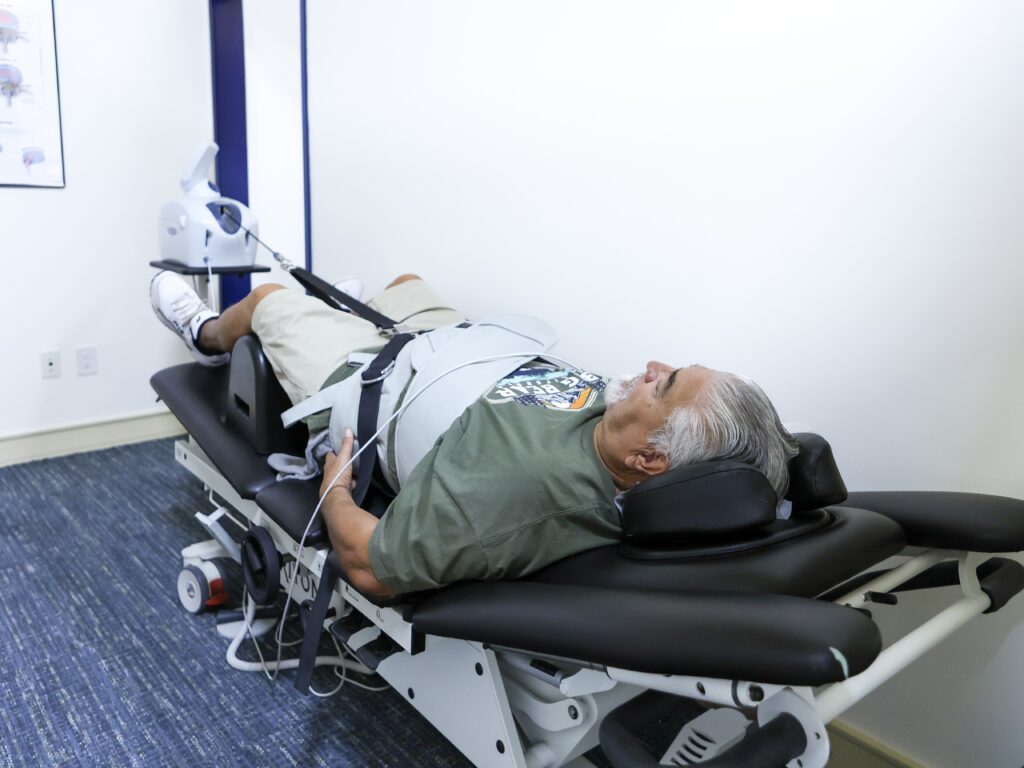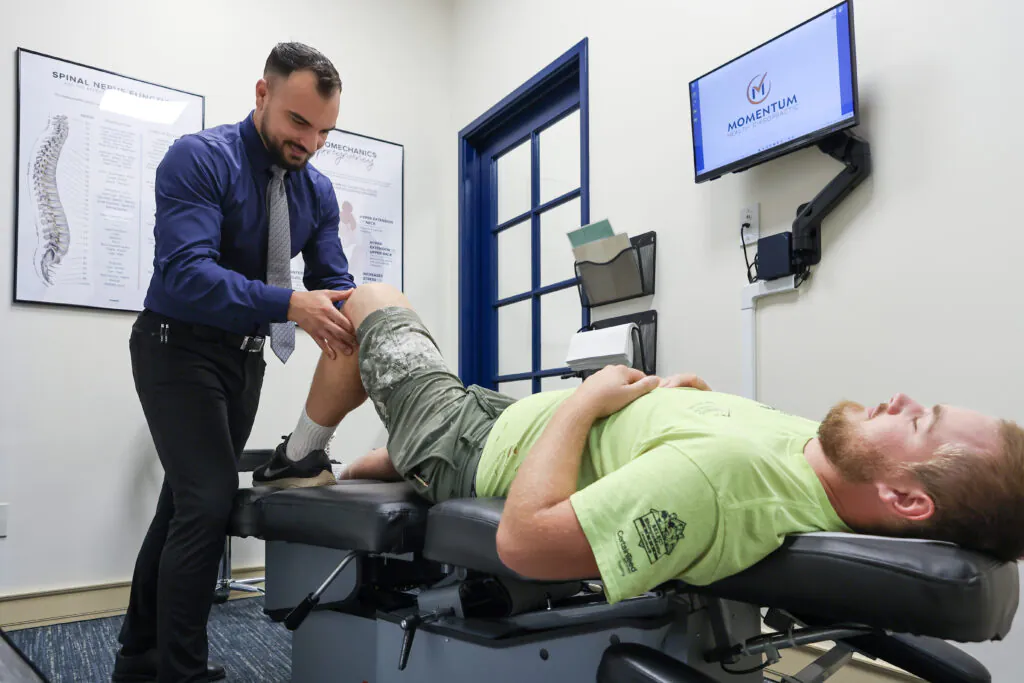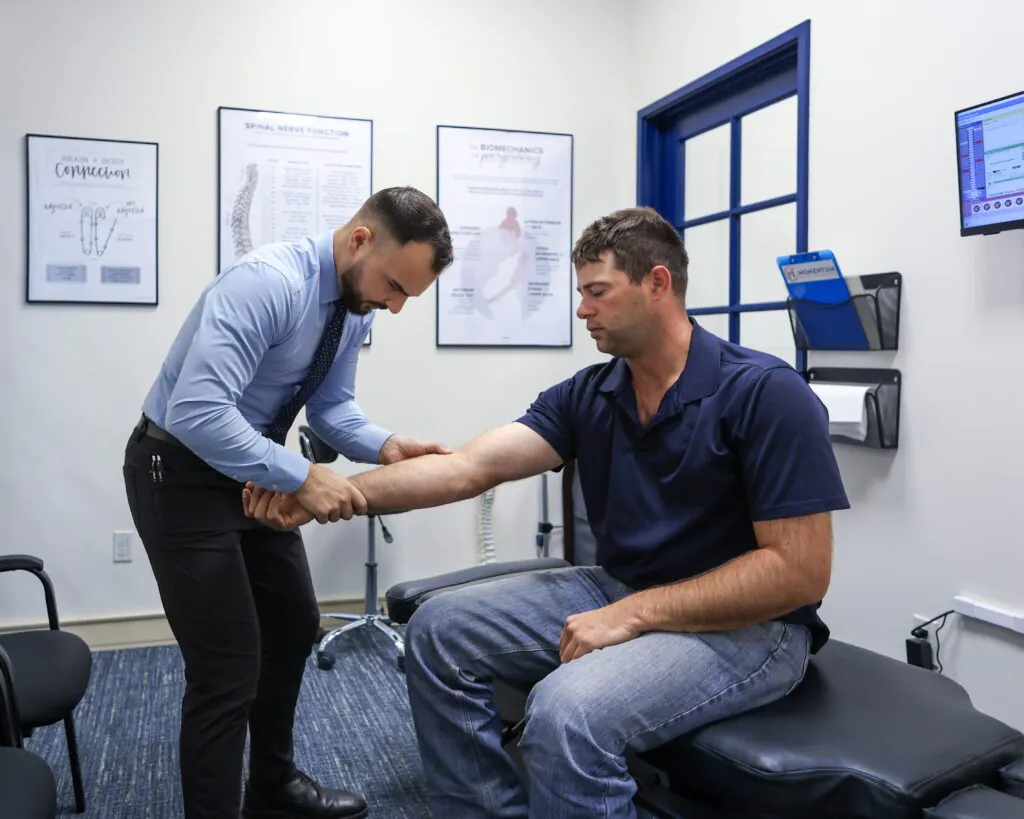

As your local chiropractor, I want to help you understand the common causes of chronic back pain and how they can be addressed naturally. Many people underestimate the impact of poor posture, a sedentary lifestyle, and even excess weight on their back health. Additionally, factors like aging and stress can further complicate the situation. It’s important to recognize how these elements are interconnected and how they can affect your well-being.
Chiropractic care focuses on restoring balance and alignment in the spine, which can alleviate discomfort stemming from these various causes. By incorporating lifestyle changes alongside regular adjustments, we can work together to improve your posture, reduce stress, and promote a healthier lifestyle. Let’s explore these factors further and discuss the best strategies for you to manage and overcome chronic back pain effectively.
Poor Posture and Its Effects
As a local chiropractor, I want to take a moment to discuss the importance of posture and how it can significantly impact your overall health. Many of you may not realize that when you slouch or sit for prolonged periods, it can lead to serious issues with your back. Poor posture places unnecessary strain on your spine, leading to muscle fatigue and discomfort.
You might notice stiffness setting in, which can restrict your movement and flexibility. If left unaddressed, these issues can evolve into chronic pain that interferes with your daily life.
Moreover, poor posture can disrupt your body’s natural alignment, affecting not just your back but also your neck and shoulders. When you find yourself hunched over a screen, your muscles have to work harder to support your head and upper body, which can result in increased tension and inflammation in these areas.
To help combat these adverse effects, I encourage you to be mindful of your posture throughout the day. Make a conscious effort to sit up straight, keep your feet flat on the floor, and be sure to take regular breaks to stretch.
Implementing these small adjustments can lead to significant improvements in how your back feels and how your entire body functions.
If you’re experiencing discomfort or pain, don’t hesitate to seek guidance. Chiropractic care focuses on natural healing and restoring alignment, which can greatly enhance your quality of life.
Sedentary Lifestyle and Weak Muscles
As your local chiropractor, I want to highlight an important aspect of your health that often gets overlooked: the impact of a sedentary lifestyle on your back.
Many of us spend extended hours sitting, whether at work, home, or commuting, and this can lead to significant strain on your back health.
One of the primary concerns is that prolonged sitting weakens your core muscles. These muscles are crucial for supporting your spine and keeping your posture aligned.
When they become weak, your spine may not receive the necessary support it needs, which can result in discomfort and even chronic pain over time.
That’s why it’s vital to incorporate exercises that strengthen your core as part of your daily routine.
By doing so, you can’t only enhance your back health but also prevent potential issues down the line.
Impact of Sitting Habits
As a chiropractor, I want to help you understand the effects of prolonged sitting on your body, particularly your spine and overall well-being. Many of us spend long hours sitting, whether at work or relaxing at home, and this can have detrimental effects on our muscles and posture.
When you sit for extended periods, your muscles can weaken, leading to poor posture and, ultimately, chronic back pain. Sitting exerts pressure on your spine and can lead to misalignment, which puts additional strain on the muscles that support your back. This strain often results in tightness, discomfort, and increased stress on your lumbar region.
You may notice that slouching or leaning forward while seated can aggravate your pain further. To counter these issues, I encourage you to take regular breaks throughout your day. Stand up, stretch, and change your position frequently.
These simple actions can significantly alleviate discomfort and help maintain a healthier spine. By being mindful of your sitting habits and incorporating these practices into your routine, you can take proactive steps to protect your back and enhance your overall health.
If you have any questions or need personalized advice, don’t hesitate to reach out. Your well-being is our priority!
Strengthening Core Muscles
As a local chiropractor, I want to share the importance of strengthening your core muscles for your overall health, especially if you lead a sedentary lifestyle. Weak core muscles can contribute to issues like chronic back pain and poor posture, which are common concerns for many of my patients.
Your core muscles play a crucial role in supporting your spine, maintaining balance, stability, and aiding in everyday movements.
To effectively strengthen your core, I recommend incorporating exercises such as planks, bridges, and leg raises into your weekly routine. Aim for at least two to three sessions each week, focusing on both endurance and strength.
It’s important to remember that core training goes beyond just crunches; engaging your entire core is essential for optimal results.
In addition to exercise, be mindful of your posture throughout the day. Sitting upright and utilizing ergonomic furniture can greatly benefit your spinal health.
By prioritizing core strength, you’ll not only reduce your risk of back pain but also improve your overall physical performance.
Obesity and Weight Management
As a chiropractor, I want to emphasize the importance of maintaining a healthy weight for your overall well-being, especially when it comes to your back health.
Carrying excess weight can place significant strain on your spine, often leading to chronic pain and discomfort.
To effectively manage your weight, I encourage you to adopt sustainable strategies that align with your lifestyle.
This may include incorporating gentle exercises, balanced nutrition, and mindful habits.
By addressing obesity not only can you alleviate pressure on your back, but you can also enhance your overall health and vitality.
Impact of Excess Weight
As your local chiropractor, I want to shed light on how carrying excess weight can significantly impact your back health and overall well-being. Many people mightn’t realize that those extra pounds can place undue stress on your spine and surrounding muscles, leading to persistent discomfort.
Here are three critical ways that excess weight can affect your back:
- Increased Pressure: When you carry additional weight, it compresses your spine, which can lead to misalignment and pain. This added pressure can result in chronic discomfort that might affect your daily activities.
- Muscle Imbalance: Excess weight can weaken your core muscles, leaving your back more susceptible to injury. A strong core is essential for supporting your spine, and when it’s compromised, your back has to work harder, increasing the risk of strain and pain.
- Inflammation: Being overweight can trigger inflammation in the body, which often exacerbates pain and discomfort in your back. This inflammatory response can lead to a cycle of pain that’s difficult to break without addressing the underlying issue.
As a chiropractor, I emphasize the importance of managing your weight not just for aesthetic reasons, but for relieving pressure on your spine and improving your overall spinal health.
Effective Weight Loss Strategies
As a local chiropractor, I want to share with you some effective weight loss strategies that align with natural healing principles and can enhance your overall well-being. It’s essential to set realistic goals for yourself; even small, manageable changes can lead to significant progress over time.
Incorporating regular physical activity into your routine is vital—aim for at least 150 minutes of moderate exercise each week. This not only helps with weight loss but also supports your spine and overall joint health.
Focus on a balanced diet that includes whole foods, such as fresh fruits, vegetables, lean proteins, and whole grains. Staying hydrated is crucial, so make sure you drink plenty of water and limit processed foods that are high in sugar and unhealthy fats.
Tracking your meals and progress is a beneficial way to stay accountable. Additionally, surrounding yourself with supportive friends and family can make a significant difference in your journey.
If you’re feeling overwhelmed, don’t hesitate to seek professional guidance; as a chiropractor, I can provide insights on how to align your body and mind for better health outcomes.
Age-Related Changes in the Spine
As we age, it’s important to recognize that our spine goes through some natural transformations that may lead to chronic back discomfort. These changes are often the result of wear and tear, and understanding them can empower you to take proactive steps toward relief.
Here are three essential factors I want you to consider:
- Disc Degeneration: Our intervertebral discs, which act as shock absorbers between the vertebrae, lose hydration and elasticity over time. This means they become less effective at cushioning our spine, leading to increased pressure on the vertebrae and potentially causing pain.
- Bone Density Loss: Aging can result in a decrease in bone density, making us more vulnerable to conditions like osteoporosis. When our bones become weaker, they’re at a higher risk of fractures, which can lead to misalignment and discomfort in the spine.
- Spinal Stenosis: Another common issue is spinal stenosis, where the spinal canal gradually narrows. This narrowing can put pressure on the spinal cord and nerves, leading to symptoms such as pain, numbness, or weakness in your arms and legs.
By understanding these age-related changes, you can take the first steps toward managing your back pain.
Chiropractic care offers natural healing methods to address these issues, improve your spinal health, and enhance your quality of life. If you have any questions or concerns, feel free to reach out, and together we can explore the best options for your wellbeing.
Injury and Trauma
As a local chiropractor, I want to share some important insights about back pain, particularly how injuries and trauma can impact your overall spinal health.
Many people are unaware that incidents such as falls, sports injuries, or car accidents can lead to significant strain on your back. These events can affect not just your muscles and ligaments but can also result in fractures or sprains that you mightn’t even realize have occurred.
Initially, you may experience sharp pain from these injuries, but it’s crucial to understand that this pain can sometimes diminish while underlying issues persist. You may not notice these lingering problems until they evolve into chronic pain, disrupting your daily activities.
I encourage you to listen to your body and acknowledge any discomfort following an injury. Ignoring these signs can lead to poor posture or compensatory movements that can exacerbate your condition.
I urge you to seek a prompt evaluation and treatment to address any back issues. Chiropractic care offers a natural healing approach that can help alleviate pain, restore function, and prevent future complications.
Herniated Discs and Nerve Compression
As your local chiropractor, I want to help you understand the relationship between herniated discs and nerve compression, as well as how this can impact your overall well-being.
When the discs in your spine, which serve as natural cushions, become damaged, they can exert pressure on surrounding nerves. This pressure often results in significant pain and discomfort that can affect your daily life.
It’s crucial to recognize the function of these discs and the signs of nerve compression. By understanding these concepts, you can take proactive steps to manage your back pain effectively.
Through chiropractic care, we can work together to alleviate your discomfort, restore proper spinal alignment, and promote natural healing.
I’m here to guide you on your journey to better spinal health and overall wellness.
Disc Structure and Function
As a local chiropractor, I want to help you understand the vital role that spinal discs play in your overall spine health, especially when it comes to issues like herniated discs and nerve compression. Your spinal discs function as crucial shock absorbers, ensuring that your spine remains flexible and stable throughout your daily activities.
Let’s break down how these discs work:
- Nucleus Pulposus: This is the soft, jelly-like center of the disc that acts as a cushion, absorbing pressure and impact as you move.
- Annulus Fibrosus: The tough outer layer of the disc is responsible for keeping the nucleus in place and maintaining the overall shape of the disc.
- Spinal Nerves: These essential nerves run close to the discs, and when a disc herniates—meaning it bulges out of its normal space—it can press on these nerves, leading to pain and discomfort.
When these components are damaged or compromised, such as in the case of a herniated disc, it can result in significant back pain and affect your quality of life.
By understanding the structure and function of your spinal discs, you can take proactive steps to protect your spine. Regular chiropractic care can help keep your spine aligned and healthy, reducing the risk of disc issues and supporting your body’s natural healing processes.
If you have any concerns about your spine or back pain, don’t hesitate to reach out—I’m here to help!
Symptoms of Nerve Compression
As a local chiropractor, I want to help you understand some important signs that may indicate nerve compression, which is something we often see in our practice.
Have you ever felt tingling or numbness radiating down your arms or legs? This could be a signal that a nerve is being compressed, possibly due to issues like herniated discs.
You might also experience sharp, shooting pain that disrupts your daily routine. This kind of discomfort can be alarming, and it’s not uncommon to notice weakness in your limbs—making it challenging to lift items or even walk steadily.
If you’ve felt a burning sensation in your back, it’s crucial to pay attention to that as well.
Many of these symptoms tend to worsen after sitting for extended periods or bending over, which can lead to chronic pain if left unaddressed. Ignoring these signs can lead to more serious complications down the road.
I encourage anyone experiencing these symptoms to consult with a healthcare professional, like a chiropractor.
Early intervention and a natural healing approach can significantly aid in your recovery and help restore your body’s health and function. We’re here to support you on this journey!
Arthritis and Inflammation
As a local chiropractor, I want to shed some light on how arthritis and inflammation can significantly impact your back health. Many people may not realize the connection between these conditions and chronic back pain, which can make everyday activities feel daunting.
By understanding how arthritis affects your back, you can take proactive steps toward managing your discomfort more effectively. Here are three key ways arthritis and inflammation can influence your well-being:
1. Joint Degeneration: Over time, arthritis can cause the cartilage in your joints to break down. This degeneration leads to increased friction, resulting in pain during movement.
As a chiropractor, I focus on gentle adjustments and techniques that can help relieve this pressure and promote joint health.
2. Inflammatory Response: Your body’s immune system may react to arthritis by creating inflammation, which can intensify pain and swelling in the affected areas.
Chiropractic care often includes natural anti-inflammatory strategies, such as spinal adjustments and exercises, aimed at reducing this inflammation and restoring balance in your body.
3. Mobility Reduction: As your pain escalates, you may start to avoid certain movements, leading to weakened back muscles and further exacerbation of your discomfort.
Through personalized chiropractic treatments, we can work together to improve your mobility, strengthen your muscles, and regain your range of motion.
By recognizing these effects of arthritis and inflammation, you can empower yourself to seek out natural healing solutions.
Chiropractic care can play a significant role in alleviating your discomfort and enhancing your overall quality of life. Let’s work together to create a tailored approach that suits your unique needs!
Stress and Its Physical Impact
As a local chiropractor, I want to highlight an important connection that many people may not realize: the impact of stress on your physical health, particularly in relation to chronic back pain.
Stress can act as a silent yet powerful force, causing your body to tense up and leading to muscle tightness, especially in your back and neck. This tension over time can contribute to discomfort and pain that you may not initially associate with stress.
When you’re under stress, your posture can also suffer. You might find yourself leaning forward or hunching your shoulders, which places additional strain on your spine and can exacerbate your back pain. It’s essential to be aware of these changes in your body and how they relate to your overall well-being.
Furthermore, stress often disrupts sleep patterns, leading to fatigue. This makes it more challenging for your body to recover from the daily stresses it faces. When you’re feeling tired, you may become less active, which can weaken your core muscles and further intensify back pain.
Recognizing the link between stress and physical symptoms is crucial for your health. By managing your stress through natural techniques such as mindfulness practices or engaging in regular exercise, you can help alleviate chronic back pain.
This not only enhances your physical well-being but also improves your mental health. As your chiropractor, I’m here to support you on this journey towards holistic healing and a pain-free life.
Medical Conditions Linked to Back Pain
As a local chiropractor, I want to help you understand that chronic back pain often signals underlying medical conditions that may not be immediately apparent.
It’s crucial to consider these issues, as they could be contributing to your discomfort without you being aware of it.
Let’s take a look at three common medical conditions that can be associated with back pain:
- Herniated Discs: These occur when the discs that cushion your vertebrae bulge or rupture. This can put pressure on nearby nerves, leading to pain and discomfort that can radiate into other areas.
- Arthritis: Conditions like osteoarthritis can cause inflammation in the joints of your spine. This inflammation can lead to chronic pain and limit your mobility, making everyday activities more challenging.
- Scoliosis: This refers to an abnormal curvature of the spine. Scoliosis can create uneven pressure and strain on your back muscles, resulting in persistent discomfort and pain.
If you suspect that you may be experiencing any of these conditions, I encourage you to consult with a healthcare provider.
A proper diagnosis is key to developing an effective treatment plan.
At our chiropractic clinic, we focus on identifying the root cause of your pain and offer natural healing solutions to help you find relief and improve your quality of life.
Improper Lifting Techniques
As a local chiropractor, I want to emphasize the importance of using proper lifting techniques to prevent back pain and injuries, which can often occur without you even realizing it.
When you bend at the waist instead of using your knees, you place unnecessary strain on your spine. It might seem like a quicker way to lift, but the health of your back is far more important.
Always remember to keep your feet shoulder-width apart for stability, and bend your knees while maintaining a straight back. Engaging your core muscles is key; use your legs to lift the object rather than relying on your back.
If something feels too heavy, please don’t hesitate to ask for assistance or utilize tools like dollies to help you out.
Another important tip is to avoid twisting your body while lifting. Instead, turn your whole body to reposition yourself.
By practicing these proper techniques, you can significantly lower your risk of developing chronic back pain. This not only helps you stay active but also aligns with the principles of natural healing that we promote in chiropractic care.
Your back health is vital, and taking these precautions will help you lead a healthier, more enjoyable life.
Conclusion
As your local chiropractor, I want to emphasize the importance of understanding the common causes of chronic back pain in order to find effective relief. Many patients aren’t aware that issues like poor posture, a sedentary lifestyle, excess weight, and improper lifting techniques can significantly contribute to back discomfort.
It’s also crucial to consider age-related changes and stress, which can further affect your spinal health. By incorporating regular activity into your routine, maintaining a healthy weight, and being conscious of how you lift heavy objects, you can make a big difference in your overall back health.
Taking proactive measures today can pave the way for a healthier, pain-free future. Prioritizing your back care through natural healing methods, such as chiropractic adjustments, can help you achieve better well-being. I’m here to guide you on this journey and help you understand how chiropractic care can support your path to relief.