
Recovering from whiplash can be a challenging journey, but you don’t have to face it alone. As a chiropractor, I believe that embracing natural healing methods is key to your recovery. By following effective strategies, you can enhance your healing process and get back to your daily routine faster. Here are some essential tips that can make a real difference in your journey towards better health:
- Prioritize Rest: Rest is crucial after a whiplash injury. Allow your body the time it needs to heal by getting plenty of sleep and taking breaks throughout your day.
- Gentle Movement: While resting is important, gentle exercises can also aid recovery. Activities like walking or light stretching can help maintain mobility without straining your neck.
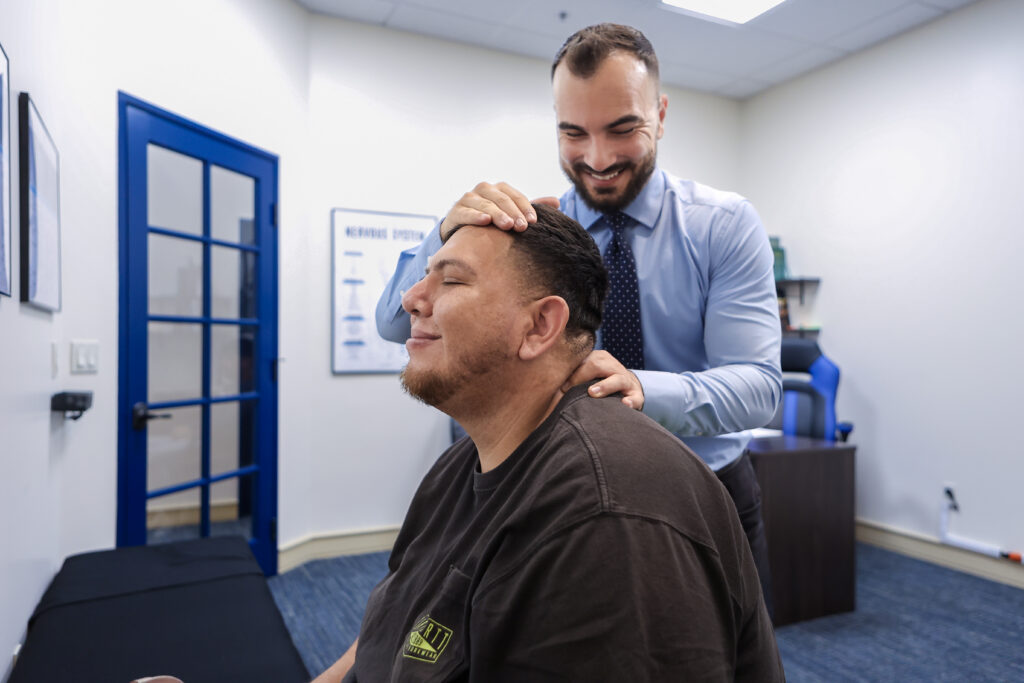
- Chiropractic Care: Regular visits to a chiropractor can significantly improve your healing process. Chiropractic adjustments help realign your spine, reduce pain, and promote better function in your body.
- Ice and Heat Therapy: Applying ice packs in the first few days can help reduce inflammation, while heat therapy can soothe muscle tension later on. Be sure to alternate between the two as needed.
- Stay Hydrated: Drinking plenty of water helps keep your tissues hydrated and supports overall healing. Aim for at least 8 glasses a day to keep your body functioning at its best.
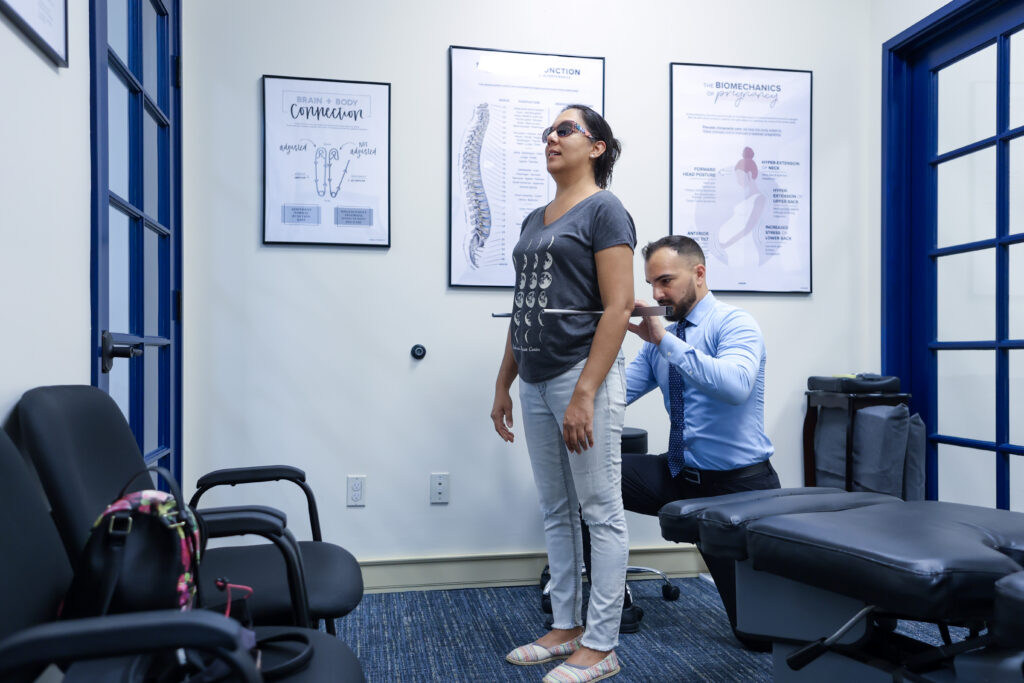
- Practice Good Posture: Maintaining proper posture, especially when sitting or working at a desk, can alleviate strain on your neck and back. Make sure your workspace is ergonomically friendly.
- Mindful Breathing: Stress can exacerbate pain, so incorporating mindful breathing exercises can help you stay relaxed and manage discomfort effectively.
- Nutrition Matters: Eating a balanced diet rich in anti-inflammatory foods, such as fruits, vegetables, nuts, and fatty fish, can support your recovery and overall wellness.
- Listen to Your Body: Pay attention to how your body feels each day. If something doesn’t feel right, don’t hesitate to consult your chiropractor for guidance.
- Stay Positive: A positive mindset can have a powerful impact on your recovery. Surround yourself with supportive friends and family, and focus on small victories as you heal.
By integrating these tips into your recovery plan, you can promote natural healing and find relief from whiplash pain. Remember, chiropractic care is a valuable resource on your path to optimal health, helping you reclaim your well-being without the need for medications or surgeries. Let’s work together towards a healthier, pain-free life!
Key Takeaways
- Rest is essential for your recovery from whiplash. Create a calming environment in your home that promotes relaxation and healing, as this can help reduce stress during your recovery journey.
- For the first 48 hours after your injury, consider applying ice to the affected area. This can help diminish swelling and relieve pain. After that initial period, switching to heat therapy can assist in relaxing tight muscles and improving blood flow.
- Gentle stretching exercises can be beneficial for improving mobility and alleviating discomfort in your neck and shoulders. Incorporating these stretches into your daily routine can help you regain your range of motion.
- Maintaining good posture is vital for your recovery. Using ergonomic furniture can provide the necessary support for your spine, reducing strain and facilitating your path to wellness.
- Staying hydrated is important for your overall health, especially during recovery. Additionally, working with a chiropractor can offer you personalized treatment plans tailored to your specific needs and adjustments that can help you heal naturally and effectively.
By focusing on these supportive practices, you can enhance your whiplash recovery and promote a healthier lifestyle, with chiropractic care as a key component of your journey to optimal health.
Rest and Relaxation
When you experience whiplash, it’s crucial to prioritize rest and relaxation, as your body needs time to heal effectively. Taking breaks from your daily activities is essential, and it’s important to listen to your body’s signals. Avoid any strenuous tasks and give yourself permission to slow down, even if it feels challenging.
Creating a comfortable environment can significantly aid in your recovery. Dim the lights, play soft music, or engage in gentle stretches that promote flexibility and relaxation. Focus on calming activities, like reading or meditating, which can also help reduce stress and tension.
Remember, your mental well-being is just as important as your physical healing.
Maintaining a consistent sleep schedule is vital, as quality sleep can greatly enhance your recovery process. If you struggle to fall asleep, consider using relaxation techniques such as deep breathing or guided imagery. These practices can help calm your mind and prepare your body for restorative sleep.
While rest is essential, chiropractic care is an excellent complementary approach for managing whiplash pain. A chiropractor can help restore proper alignment to your spine, improving mobility and reducing discomfort.
Regular adjustments can’t only aid in your recovery from whiplash but also promote overall wellness and prevent future issues.
Ice and Heat Therapy
When recovering from whiplash, incorporating ice and heat therapy into your routine can significantly enhance your healing process. Ice therapy is fantastic for reducing swelling and numbing pain, providing you with immediate relief.
On the other hand, heat therapy can help increase blood flow and relax tight muscles, promoting overall comfort and healing.
As a chiropractor, I want to emphasize the importance of understanding when and how to use these techniques effectively. For instance, using ice during the first 48 hours after your injury can be beneficial in managing inflammation. Simply apply an ice pack wrapped in a cloth for 15-20 minutes at a time.
After this initial period, you can switch to heat therapy to soothe tight muscles and enhance blood circulation. A warm compress or heating pad applied for similar intervals can work wonders.
It’s essential to listen to your body and adjust your therapy based on how you feel. Additionally, incorporating gentle stretches and maintaining good posture can complement your recovery from whiplash.
Benefits of Ice Therapy
Ice therapy can be a valuable tool for those recovering from whiplash, offering significant relief by reducing inflammation and numbing pain. When you apply ice to your neck, it helps constrict blood vessels, which can limit swelling and ease the discomfort you may be feeling.
To make the most of this simple yet effective method, aim to ice the affected area for 15-20 minutes, several times a day, especially during the first 48 hours after your injury. Always wrap the ice in a cloth to protect your skin and avoid any frostbite.
In addition to alleviating pain, ice therapy can also help manage muscle spasms, promoting greater mobility as you heal.
While ice therapy is beneficial, it’s important to remember that incorporating chiropractic care into your recovery routine can enhance your healing process. A chiropractor can assess your condition, provide targeted treatments, and guide you through exercises that promote spinal health and overall wellness.
As you navigate your recovery, consider integrating other natural remedies such as gentle stretching and proper hydration to support your healing journey.
Prioritizing chiropractic care not only addresses pain but also empowers you to achieve optimal health and wellness. Don’t underestimate the impact of these simple strategies on your journey to recovery from whiplash.
Heat Application Techniques
After you’ve utilized ice therapy to tackle the initial pain and inflammation from whiplash, introducing heat application techniques can significantly enhance your recovery.
Heat therapy is a wonderful way to relax tight muscles, boost blood circulation, and promote healing naturally. You can easily apply heat to the affected area using methods like a warm compress, a heating pad, or even by enjoying a warm shower.
Just remember, the heat should feel warm and soothing—not painful or uncomfortable. Aim to apply heat for about 15-20 minutes at a time, and always pay attention to how your body responds. If you start to feel increased pain or discomfort, it’s a good idea to stop and reassess.
Also, consider alternating between heat and ice therapy as needed, since both can offer valuable relief. This balanced approach can support your recovery process effectively.
As a chiropractor, I encourage you to explore these natural healing methods as part of your journey towards optimal health. Regular chiropractic adjustments can also play a crucial role in your recovery by ensuring your spine is aligned and functioning properly, which supports overall wellness and pain relief.
Timing for Therapy Use
Understanding the right timing for applying ice and heat therapy can make a significant difference in your recovery from whiplash, and as a chiropractor, I want to share some helpful tips to guide you through this process naturally.
Initially, it’s important to use ice therapy within the first 48 hours after your injury. Ice is great for reducing inflammation and numbing the pain, helping you feel more comfortable. When using ice, apply it for 15-20 minutes at a time, and always place a cloth or towel between the ice and your skin to avoid frostbite.
After those first couple of days, it’s time to switch to heat therapy. Heat can promote blood flow and help relax tense muscles, which is essential for healing. You can start using heat about 48 hours post-injury. Just like with ice, apply heat for 15-20 minutes, and remember to use a barrier to protect your skin.
Listening to your body is key during this recovery phase. If something doesn’t feel right or if you’re uncertain, it’s always best to consult with your chiropractor. We can provide personalized advice tailored to your unique situation and ensure your path to recovery is as smooth as possible.
Incorporating gentle stretches and staying hydrated can also support your healing process.
Gentle Stretching Exercises
Gentle stretching exercises play a crucial role in your recovery from whiplash, helping to restore mobility and alleviate pain. As a chiropractor, I want to emphasize the importance of these stretches for your neck and shoulders, which can significantly aid in your healing process.
Remember, it’s vital to perform these exercises safely and mindfully. Aim to incorporate stretching into your daily routine. A good practice is to listen to your body—if something doesn’t feel right or causes pain, it’s important to stop and reassess.
Regular gentle stretches can’t only help with whiplash recovery but also promote overall spinal health and well-being.
Here are some simple tips to keep in mind:
- Start Slowly: Begin with light stretches and gradually increase the intensity as your body allows.
- Stay Consistent: Aim for short stretching sessions several times a week to maintain flexibility and reduce stiffness.
- Focus on Breathing: Deep, controlled breathing can enhance relaxation and improve the effectiveness of your stretches.
- Incorporate Chiropractic Care: Regular visits to your chiropractor can provide additional support in your recovery journey, helping to ensure your spine is aligned and functioning optimally.
By prioritizing gentle stretching and chiropractic care, you’re taking proactive steps toward achieving natural wellness and pain relief.
Importance of Stretching
Recovering from whiplash can be a tough journey, but incorporating gentle stretching exercises is a vital step toward regaining your mobility and reducing pain. Stretching not only promotes better blood circulation but also relaxes tense muscles and enhances overall flexibility.
Here are four essential benefits of gentle stretching that you might find helpful:
- Reduces stiffness: Stretching targets tightness in the neck and shoulders, making everyday activities more manageable and comfortable.
- Improves range of motion: Engaging in regular stretching can significantly increase your flexibility, helping you to regain your full range of movement.
- Decreases pain: Gentle stretching can relieve discomfort by promoting relaxation and easing muscle tension, making it an effective natural remedy.
- Supports recovery: By keeping your muscles active and engaged, consistent stretching encourages healing, helping your body bounce back more effectively.
Incorporating stretching into your daily routine not only aligns with the principles of chiropractic care but also promotes overall wellness.
By focusing on gentle movements and listening to your body, you can enhance your recovery process naturally.
Remember, chiropractic care is an excellent way to support your healing journey. It addresses the root causes of discomfort and promotes natural recovery, positioning you on the path to optimal health.
Embrace stretching as a part of your regimen, and you’ll likely start to notice significant improvements in both your mobility and comfort.
Always consult your chiropractor for personalized advice tailored to your specific needs!
Recommended Stretching Techniques
Incorporating gentle stretching exercises into your daily routine can significantly support your recovery from whiplash and enhance your overall spinal health. These simple stretches not only promote flexibility but also help alleviate stiffness in your neck and shoulders, contributing to a more comfortable and pain-free life. Here are some effective techniques to consider:
| Stretch Name | Description | Duration |
|---|---|---|
| Neck Tilt | Slowly tilt your head towards each shoulder, feeling the stretch in your neck. | 15 seconds |
| Chin Tucks | Gently pull your chin towards your chest while keeping your back straight. This helps align your spine. | 10 repetitions |
| Shoulder Rolls | Roll your shoulders forward and then backward to release tension. | 10 repetitions |
| Side Neck Stretch | With one hand, gently pull your head to the side to stretch the opposite side of your neck. | 15 seconds |
| Upper Back Stretch | Interlace your fingers and reach your arms forward, rounding your back to stretch your upper body. | 15 seconds |
Always remember to listen to your body; if you experience any pain during these stretches, it’s important to stop. Regularly incorporating these simple techniques into your day can help you manage discomfort and promote a healthier spine.
Additionally, consider visiting your local chiropractor for personalized guidance on your recovery journey. Chiropractic care provides a natural approach to healing that focuses on restoring proper alignment and function to your spine, which is essential for optimal health. By prioritizing chiropractic adjustments alongside these stretches, you can enhance your recovery and enjoy a more vibrant, pain-free life.
Frequency and Duration
To enhance your overall well-being and support a healthy spine, establishing a regular stretching routine is key. Stretching not only promotes flexibility but also aids in natural healing, making it an excellent complement to chiropractic care. Here’s how to create a simple and effective stretching plan:
- Frequency: Aim to stretch gently every day, ideally 5-7 times a week. This regular practice helps maintain flexibility and supports your body’s healing processes. Consistency is crucial for long-term benefits.
- Duration: Dedicate about 10-15 minutes for each stretching session. This timeframe allows you to focus on key areas that may feel tight or sore, providing relief and enhancing mobility.
- Intensity: Remember to keep your stretches gentle. It’s important not to push yourself into pain; hold each stretch for 15-30 seconds, allowing your muscles to relax and lengthen naturally.
- Variation: Mix up your stretching routine by incorporating different stretches that target various muscle groups. This diversity not only prevents stiffness but also complements the adjustments you receive from chiropractic care, helping you move better and feel better overall.
By integrating these stretching tips into your daily routine, you can support your chiropractic treatments and promote a healthier, more flexible body.
Always listen to your body and adjust your routine as needed to ensure you’re feeling your best.
Physical Therapy
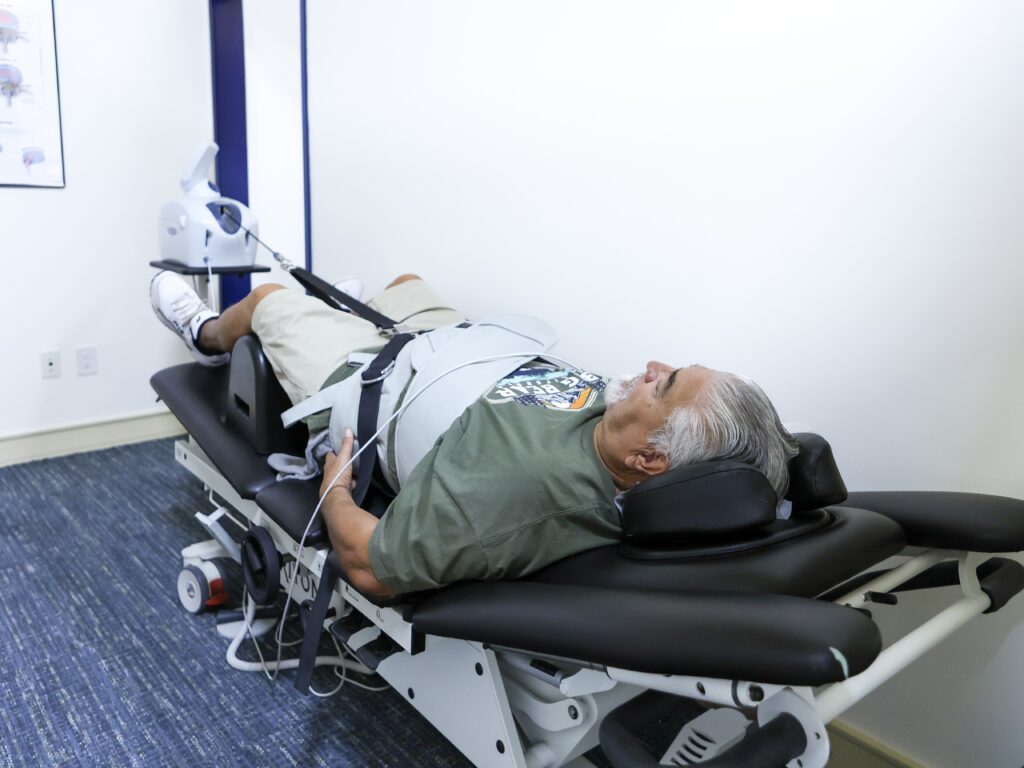
Chiropractic care plays a crucial role in whiplash recovery, helping you to restore strength and flexibility in your neck and shoulders. A knowledgeable chiropractor can design a personalized treatment plan just for you, guiding you through adjustments and exercises that promote healing and improve mobility. You’ll also learn techniques to maintain proper posture and avoid unnecessary strain, which are essential for long-lasting recovery.
| Positive Changes | Emotional Benefits |
|---|---|
| Increased range of motion | Reduced anxiety |
| Enhanced strength | Boosted confidence |
| Improved posture | Greater peace of mind |
Chiropractic adjustments can help alleviate pain and discomfort associated with whiplash, allowing your body to heal naturally. In addition to regular chiropractic visits, here are some tips to support your recovery:
- Practice Good Posture: Be mindful of your posture throughout the day. Whether sitting at a desk or walking, aim to keep your head aligned over your spine.
- Stay Active: Engage in gentle stretches and light exercises that focus on your neck and shoulders. This will help maintain flexibility and prevent stiffness.
- Ice and Heat Therapy: Alternating between ice and heat can help reduce inflammation and improve blood flow to the injured area.
- Stay Hydrated: Drinking plenty of water supports overall health and can aid in the healing process.
- Listen to Your Body: Pay attention to how your body feels during activities. If something causes pain, stop and give yourself time to rest.
Pain Management Techniques
Managing pain after a whiplash injury is crucial for your recovery, and chiropractic care is one of the most effective ways to achieve optimal health and wellness. By seeking treatment from a chiropractor, you can address the root cause of your pain rather than just masking the symptoms. Chiropractors use gentle adjustments to realign the spine and improve mobility, which can significantly reduce discomfort and promote healing.
In addition to chiropractic adjustments, you can incorporate ice and heat therapy at home to help with inflammation and muscle tension. Applying ice packs can reduce swelling, while heat can relax tight muscles.
It’s also beneficial to maintain good posture and engage in gentle stretching to support your recovery.
Remember, your body has an incredible ability to heal itself, especially when supported by natural, holistic approaches like chiropractic care. Focus on nurturing your body with healthy foods, staying hydrated, and getting adequate rest. These lifestyle choices can enhance your healing process and overall well-being.
Always consult with your chiropractor about the best plan for your specific needs, and take proactive steps toward a healthier, pain-free life!
Ice and Heat Therapy
While recovering from whiplash, incorporating ice and heat therapy can significantly help alleviate pain and stiffness. As a local chiropractor, I want to guide you on how to effectively use these methods in your healing journey, while also emphasizing the importance of chiropractic care for achieving optimal health.
1. Ice Application: Begin by applying an ice pack to the affected area for 15-20 minutes several times a day. This helps to reduce inflammation and numbs the pain, setting the stage for better recovery. Ice can be especially beneficial within the first few days of your injury.
2. Heat Therapy: After the initial days of using ice, transition to heat therapy. Apply a warm compress or heating pad for 15-20 minutes. Heat promotes blood flow and relaxes tight muscles, which can be incredibly soothing.
Remember, this is a great time to also consider a chiropractic adjustment to address any underlying misalignments contributing to your discomfort.
3. Alternating Methods: For maximum relief, alternate between ice and heat. This can be particularly helpful if you experience varying levels of pain. Alternating methods can provide a more comprehensive approach to managing your symptoms.
4. Listen to Your Body: Always pay attention to how your body reacts. If something feels uncomfortable, adjust the temperature or duration of your application. Trust your instincts—your body knows what it needs.
In addition to these techniques, visiting your chiropractor can further enhance your recovery. Chiropractic care focuses on natural healing and can address the root causes of your pain, helping you regain mobility and strength.
Remember, taking care of your spine is essential for your overall health and wellness. Make sure to prioritize your chiropractic visits as part of your healing routine.
Over-the-Counter Medications
When dealing with whiplash, many people seek effective ways to manage their pain and promote healing. While some may consider over-the-counter medications like ibuprofen or acetaminophen for temporary relief, it’s important to recognize that chiropractic care offers a natural and holistic approach to addressing the root causes of pain.
Chiropractic adjustments can help realign the spine, reduce tension in the muscles, and improve overall mobility. This can lead to significant pain relief and a faster recovery process. Unlike medications, which may only mask the symptoms, chiropractic care focuses on restoring proper function to the body, promoting healing from within.
In addition to regular chiropractic adjustments, there are several self-care strategies you can incorporate into your routine to enhance your healing journey:
- Gentle Stretching: Perform gentle neck and shoulder stretches to help alleviate stiffness and improve flexibility. Always listen to your body and avoid any movements that exacerbate your pain.
- Ice Therapy: Applying ice packs to the affected area can help reduce inflammation and numb pain. Aim for 15-20 minutes at a time, especially in the first few days after your injury.
- Posture Awareness: Pay attention to your posture throughout the day. Maintaining a straight back and relaxed shoulders can reduce strain on your neck and spine.
- Hydration and Nutrition: Staying well-hydrated and consuming anti-inflammatory foods can support your body’s healing process. Consider incorporating fruits, vegetables, and omega-3-rich foods into your diet.
- Rest and Recovery: Allow your body the time it needs to heal. Ensure you’re getting adequate rest and listening to your body’s signals.
Finally, if you’re unsure about the best approach for your whiplash recovery, consult with a qualified chiropractor who can create a personalized wellness plan tailored to your needs.
Maintain Good Posture
Maintaining Good Posture for Whiplash Recovery
As a chiropractor, I understand how critical good posture is for your whiplash recovery. Proper alignment can significantly ease the strain on your neck and spine, helping you feel more comfortable and promoting natural healing.
Here are some simple tips to help you maintain good posture throughout your day:
- Align Your Ears with Your Shoulders: Keeping your ears aligned with your shoulders helps prevent unnecessary tension in your neck. This small adjustment can lead to significant relief.
- Keep Your Feet Flat on the Ground: When you’re sitting, make sure your feet are flat on the floor. If your chair is too high, consider using a footrest to support your lower back and maintain a natural spinal curve.
- Choose Ergonomic Furniture: Investing in ergonomic chairs and desks can make a big difference, especially if you spend long hours working at a computer. These tools are designed to support your body’s natural alignment, promoting better posture and reducing discomfort.
- Take Frequent Breaks: It’s important to stand up and stretch regularly. Not only does this help prevent stiffness, but it also serves as a great reminder to check your posture throughout the day. Simple stretches can help keep your muscles relaxed and your spine healthy.
By focusing on these posture tips, you’re taking a proactive step toward your recovery and overall wellness.
Stay Hydrated
Staying hydrated is a vital part of your whiplash recovery journey, and as a chiropractor, I believe in the power of natural healing methods. Water is essential for keeping your muscles and tissues flexible, which is especially important when you’re healing from an injury. When you’re well-hydrated, your body can effectively manage inflammation and support the healing process. A good rule of thumb is to aim for at least eight glasses of water a day, but always pay attention to how your body feels.
Here’s a simple guide to help you remember why staying hydrated is so important and some easy ways to do it:
| Benefits of Hydration | Tips to Stay Hydrated |
|---|---|
| Reduces muscle stiffness | Carry a water bottle with you |
| Boosts recovery time | Set reminders on your phone to drink |
| Improves blood circulation | Add slices of fruits to your water for flavor |
| Enhances overall health | Enjoy herbal teas throughout the day |
Incorporating these hydration practices into your daily routine can significantly aid your recovery efforts. Remember, hydration is a straightforward yet powerful step on your path to healing. As you focus on recovery, consider pairing your hydration efforts with chiropractic care, which can further support your body’s natural healing abilities and enhance your overall wellness. Prioritize your health – it’s the best investment you can make for a pain-free life!
Use Supportive Devices
Hydration is just one part of your recovery journey; incorporating supportive devices can significantly enhance your healing process. These devices are designed to stabilize your neck, alleviate pain, and promote proper alignment, all of which are essential for your recovery.
Here are some key supportive devices to consider as you work towards optimal health:
- Cervical Collar: This device provides essential neck support and limits movement, which can help reduce strain while you heal. It’s a great way to give your body the rest it needs.
- Neck Pillow: A good neck pillow can make a world of difference, especially when it comes to sleep. It offers comfort and support, helping to maintain proper cervical alignment while you rest, which is crucial for recovery.
- Heat Wraps: Applying heat can be a wonderful way to relieve muscle tension and pain. Heat wraps promote blood flow to the injured area, encouraging healing and relaxation.
- Foam Rollers: These can be an excellent tool for gentle massage and stretching. They can help improve flexibility as you recover, making it easier to regain your full range of motion.
While these supportive devices can be beneficial, it’s always wise to consult with your chiropractor to ensure they’re right for your specific situation. Your chiropractor can guide you on how to use these devices effectively as part of a comprehensive plan for pain relief and natural wellness.
Remember, incorporating supportive devices into your daily routine, along with regular chiropractic care, can make a significant difference in your journey to recovery and achieving optimal health.
Embrace these tools, stay hydrated, and prioritize your well-being!
Gradual Return to Activities
As you begin to feel better, it’s crucial to ease back into your normal activities. Jumping straight into your routine may lead to setbacks, so take it slow. Start with gentle movements, such as short walks or light stretching, to gauge how your body responds. Pay attention to any discomfort and adjust your activities accordingly.
Once you’re comfortable with these light tasks, gradually introduce more challenging activities. Low-impact exercises, like swimming or cycling, can be excellent options that are gentle on your body while still helping to build strength and endurance.
Don’t forget that recovery isn’t just about physical activity; it also involves social interactions and mental wellness. Reconnect with friends or dive into hobbies that engage your mind without straining your neck or back.
Listening to your body is key. It’s perfectly okay to rest when you need to. With patience and a gradual approach, you’ll not only rebuild your physical strength but also regain your confidence, paving the way for a successful recovery.
Incorporating chiropractic care into your wellness journey can be a game changer. Regular adjustments can help ensure your spine is aligned, which supports your overall health and aids in the healing process.
Seek Professional Help
If you’re experiencing whiplash symptoms, consider visiting a chiropractor for expert care. Chiropractic adjustments can be a natural and effective way to manage your pain and support your healing process.
Here are four reasons why chiropractic care might be the best choice for you:
- Targeted Treatment: A chiropractor can evaluate your spine and neck to identify misalignments that may be contributing to your pain. They’ll create a personalized treatment plan that addresses your specific injuries.
- Natural Pain Relief: Instead of relying on medications, chiropractic care focuses on natural healing techniques. Adjustments help reduce inflammation, improve mobility, and relieve pain without the side effects associated with drugs.
- Enhanced Mobility: Chiropractic care includes exercises and stretches designed to improve your range of motion. This can help restore your neck function and prevent future injuries.
- Holistic Support: Chiropractors take a whole-body approach to health. They can provide guidance on nutrition and lifestyle changes that promote overall wellness, helping you cope with the emotional and physical effects of your injury.
Choosing chiropractic care can be a vital step toward regaining your health and well-being.
Don’t wait—reach out to a local chiropractor to start your journey to recovery and optimal health today!
Conclusion
Incorporating these tips into your recovery routine can significantly enhance your healing from whiplash, especially with the support of chiropractic care. Prioritizing rest is crucial, as it gives your body the time it needs to heal. Utilizing ice and heat therapy can also be beneficial; ice helps reduce inflammation, while heat promotes blood flow and relaxation in the muscles. Gentle exercises, guided by your chiropractor, will help restore mobility and reduce pain in a safe manner.
Staying hydrated is essential for your overall health and can aid in the healing process. Using supportive devices, like a neck brace or proper pillows, can also provide the stability needed during your recovery. As you gradually return to your everyday activities, it’s important to listen to your body. If you experience discomfort, don’t hesitate to reach out to your chiropractor for professional guidance.
Remember, every small step you take contributes to your healing journey. By choosing chiropractic care, you are opting for a natural and holistic approach to pain relief and optimal wellness. Together, we can help you feel better and regain your quality of life!