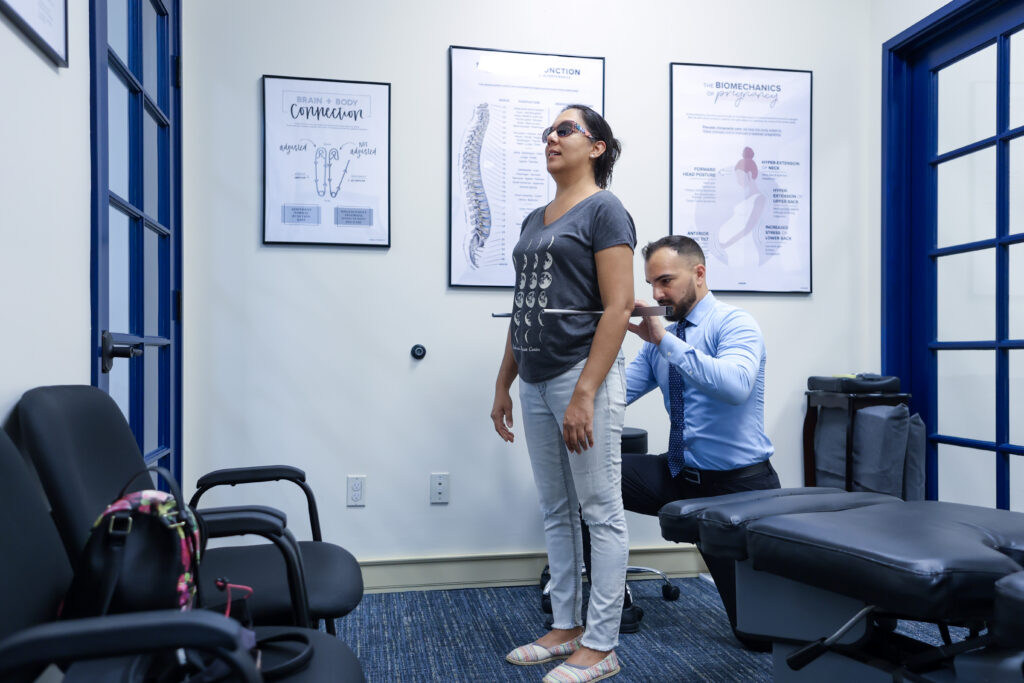

Headaches can be a frustrating part of daily life, but there are effective steps you can take to alleviate them naturally through proper alignment and lifestyle adjustments. As a local chiropractor, I want to emphasize the importance of focusing on your posture, workspace setup, and regular movement to find relief from headaches.
Proper spinal alignment is key in preventing and managing headaches. When your spine is in alignment, it helps reduce tension in your neck and shoulders, which are common culprits for headache pain. Ensure your workspace is ergonomically friendly—adjust your chair and monitor height so that you maintain good posture while working.
In addition to alignment, incorporating mindful breathing techniques can help reduce stress and tension. Taking a few moments each day to practice deep breathing can significantly lower your stress levels and, in turn, decrease the frequency of headaches. Staying hydrated is also crucial; drinking enough water can prevent dehydration, which is a common trigger for headaches.
Regular movement is essential for maintaining overall health and can also help alleviate headache pain. Make it a habit to stand up, stretch, and move around every hour, especially if you are sitting for long periods. Simple neck and shoulder stretches can relieve tension and promote better spinal health.
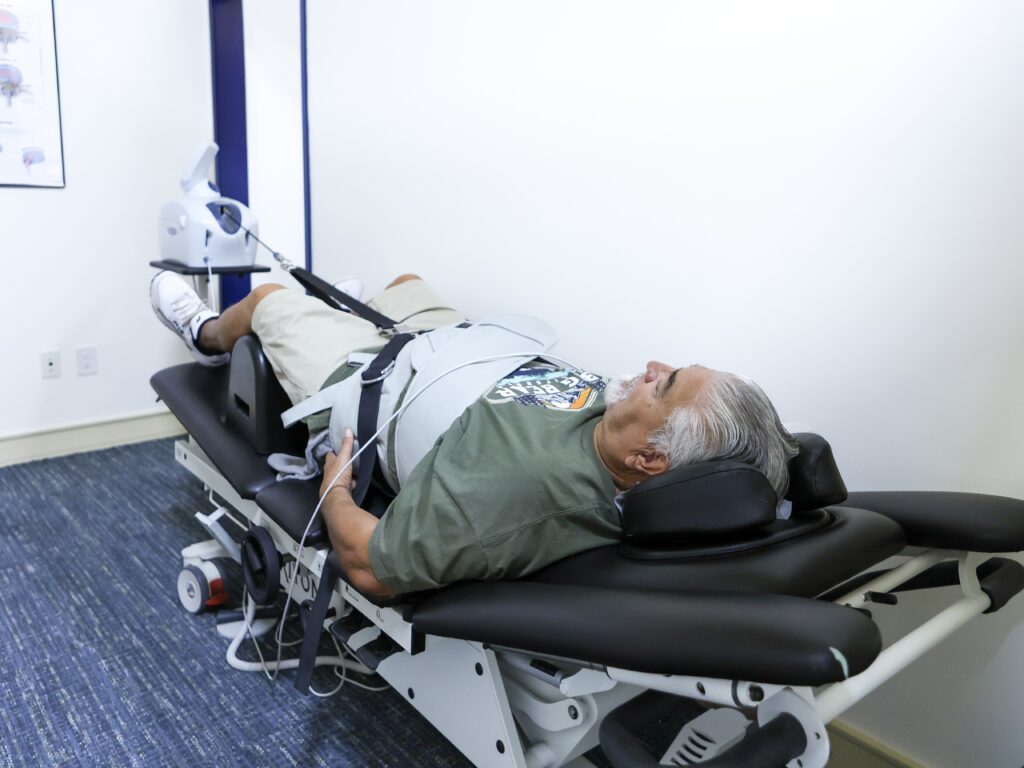
Curious about how these simple changes can impact your well-being? By prioritizing chiropractic care, you can achieve optimal health and reduce headache frequency. Chiropractic adjustments can realign your spine, relieve tension, and improve your overall posture, leading to fewer headaches and better quality of life.
Remember, managing headaches is all about making small, consistent changes. Focus on your alignment, stay active, breathe mindfully, and keep hydrated. With these strategies, you can take control of your health and experience lasting relief from headaches.
Key Takeaways
- Keep your spine in a neutral position and engage your core muscles. This simple adjustment can help support your spinal alignment and significantly reduce tension that leads to headaches. A well-aligned spine is crucial for overall health and can be easily improved with chiropractic care.
- Make it a habit to regularly check your posture and take movement breaks throughout the day. This can help alleviate strain on your neck and back, reducing the likelihood of headaches. A chiropractor can provide personalized advice on maintaining good posture for your specific body type.
- Set up your workspace ergonomically. Position your computer screen at eye level to prevent unnecessary neck strain. This is a common issue that many people face, but with the right adjustments and chiropractic guidance, you can create a workspace that supports your health.
- Incorporate gentle stretches into your daily routine, focusing on your neck and shoulders. These stretches can help release muscle tension and improve flexibility, making it easier for your body to stay aligned. Your chiropractor can recommend specific stretches that will work best for you.
- Stay hydrated and nourish your body with a balanced diet. Proper hydration and nutrition are essential for overall wellness and can help minimize headache triggers, particularly those related to dehydration. Consider speaking with your chiropractor about dietary tips that can enhance your health and prevent headaches.
By following these tips and engaging in regular chiropractic care, you can take proactive steps toward alleviating headaches and achieving optimal health. Remember, a well-aligned spine is key to feeling your best!
Maintain Proper Posture Throughout the Day
Maintaining proper posture throughout the day is essential for your overall health and well-being. As a chiropractor, I can tell you that good posture significantly reduces the strain on your neck and back, which can often lead to discomfort and headaches. Here are some practical tips to help you maintain proper alignment and promote natural healing.
Start by sitting or standing up straight. Keep your shoulders back and ensure your ears are aligned with your shoulders. This simple adjustment can make a big difference in how you feel. If you spend long hours at a desk, it’s crucial to take regular breaks. Stand up, stretch, and reset your alignment to keep your spine healthy.
Make sure your computer screen is at eye level. This prevents you from leaning forward or looking down, which can strain your neck. Choose a chair that offers good support for your lower back, and keep your feet flat on the floor to help maintain a stable base.
When walking, engage your core muscles to support your spine. This not only helps with posture but also strengthens your core over time. If you notice yourself slumping, gently remind yourself to straighten up. Mindfulness about your posture can enhance your comfort and overall well-being.
Invest in Ergonomic Furniture
Investing in ergonomic furniture is a crucial step towards enhancing your comfort and productivity, especially when it comes to maintaining a healthy spine. As a chiropractor, I often see the effects of poor posture and inadequate support on my patients’ health. By choosing the right desk height, you can promote a natural posture that keeps your spine aligned, reducing unnecessary strain on your back and neck.
A well-designed, supportive chair can work wonders for your spinal health. It’s essential to select a chair that provides adequate lumbar support, which helps keep your lower back aligned. This small adjustment can significantly reduce discomfort and the tension that often leads to headaches.
Remember, while ergonomic furniture is a fantastic investment, it’s just one piece of the puzzle. Incorporating regular chiropractic care into your wellness routine can help address any existing issues and prevent future problems. Chiropractic adjustments can enhance your body’s ability to function optimally, ensuring that your spine remains healthy and pain-free.
In addition to investing in ergonomic furniture, here are some general tips to improve your workspace and support your spinal health:
- Take Frequent Breaks: Stand up, stretch, and walk around every hour to keep your muscles engaged and blood flowing.
- Maintain Proper Screen Height: Your computer screen should be at eye level to prevent neck strain.
- Feet Flat on the Floor: Ensure your feet are flat on the ground or on a footrest to promote better posture.
- Stay Hydrated: Drink plenty of water throughout the day to keep your body hydrated, which is essential for overall health.
Proper Desk Height
Adjusting your workspace is essential not only for alleviating headaches but also for enhancing your overall well-being. As a chiropractor, I want to emphasize the importance of having the right desk height to maintain spinal health and promote natural healing. When your desk is at the perfect height, your arms can rest comfortably while typing, which helps prevent strain on your shoulders and neck. Ideally, your elbows should be at a 90-degree angle, and your hands should hover just above the keyboard.
If your desk feels too high or low, consider investing in an adjustable desk or adding a keyboard tray. This small adjustment can make a significant difference in your comfort. Additionally, your feet should rest flat on the ground or on a footrest to encourage better posture. Proper alignment allows your spine to maintain its natural curvature, reducing tension that can lead to headaches and discomfort.
Supportive Chair Design
Creating a comfortable workspace goes beyond just setting your desk at the right height; it’s essential to choose a supportive chair design that can significantly impact your spine health and overall well-being. A well-designed chair can help prevent headaches and discomfort, making it a vital investment in your daily productivity.
When selecting a chair, prioritize one that supports your lower back. This support is crucial for encouraging proper posture and maintaining a neutral spine position, which can reduce strain on your neck and shoulders. Look for adjustable features, such as seat height and armrests, that allow you to customize the chair to fit your body perfectly. This customization will help you sit comfortably and avoid misalignments that can lead to pain.
Firm cushioning is also important for your comfort. It helps distribute your weight evenly, preventing pressure points that can cause discomfort during long periods of sitting. As you choose your chair, consider the seat depth as well; it should allow your back to rest against the chair while keeping your knees slightly bent for optimal circulation.
Incorporating ergonomic furniture into your workspace is a proactive step towards improving your health and reducing pain naturally. Remember, your body deserves the best care possible. Alongside investing in a supportive chair, regular chiropractic check-ups can also play a significant role in maintaining your spinal health and preventing discomfort.
Chiropractic care focuses on aligning your spine and optimizing your body’s natural healing capabilities, which can lead to lasting relief from pain and enhanced overall wellness.
Practice Regular Stretching and Movement
To keep headaches at bay, it’s essential to prioritize flexibility and movement in your daily routine. Incorporating regular stretching can significantly enhance your overall well-being and reduce tension, which is often a contributing factor to headaches.
As a chiropractor, I believe that focusing on natural methods like stretching and chiropractic care can lead to long-lasting relief without the need for medications or surgeries.
Let’s explore some effective stretching techniques and simple ways to stay active throughout your day that can support your spine and overall health:
- Neck Stretches: Gently tilt your head to one side, bringing your ear toward your shoulder. Hold for 15-30 seconds and switch sides. This can help alleviate tension in the neck that often leads to headaches.
- Shoulder Rolls: Sit or stand comfortably and roll your shoulders forward and backward in a circular motion. This simple movement helps release shoulder tension and improves blood flow.
- Chest Openers: Stand or sit up straight and clasp your hands behind your back, gently pulling your shoulders back and opening up your chest. This stretch can counteract the slouching that comes from long hours of sitting.
- Spinal Twists: While seated, place your right hand on the back of your chair and twist your torso to the right, looking over your shoulder. Hold for 15-30 seconds and then switch sides. This twist can help maintain spinal mobility and relieve tension in your back.
- Stay Active: Incorporate movement into your daily routine. Take short breaks every hour to stand, stretch, or walk around. Simple activities like walking can improve circulation and reduce stiffness.
- Regular Chiropractic Visits: Regular adjustments can help keep your spine aligned and functioning optimally. A chiropractor can identify any underlying issues that may contribute to your headaches and provide personalized treatment plans to support your health.
By integrating these stretches and movement practices into your daily routine, along with the benefits of chiropractic care, you can promote a healthier lifestyle and potentially reduce the frequency and severity of headaches.
Importance of Flexibility
As a local chiropractor, I want to emphasize the importance of maintaining flexibility for not only preventing headaches but also enhancing your overall well-being. You may not realize it, but when your muscles and joints are flexible, it significantly reduces tension in your body, leading to fewer headaches and discomfort.
Incorporating regular stretching into your daily routine is a great way to keep your muscles loose. This helps prevent the stiffness that can often contribute to headaches and other aches and pains. Deep stretches can enhance blood flow, delivering crucial oxygen and nutrients to your tissues, which supports muscle recovery.
Moreover, flexibility plays a vital role in promoting better posture. When your body is flexible, it helps align your spine correctly, which reduces strain on your neck and shoulders. As a chiropractor, I can’t stress enough how important this alignment is for preventing pain and discomfort.
By prioritizing flexibility, you empower your body to respond better to everyday stressors, ultimately decreasing the likelihood of tension headaches. I encourage you to commit to stretching regularly. Simple stretches can be done at home or even during breaks at work.
Here are a few tips to incorporate flexibility into your routine:
- Start Small: Dedicate just 5-10 minutes a day to stretching. Focus on areas that feel tight or tense.
- Listen to Your Body: Stretch to the point of mild discomfort, but never to the point of pain.
- Stay Consistent: Make it a daily habit. Consistency is key to seeing improvements in flexibility and overall health.
- Consider Chiropractic Care: Regular visits to a chiropractor can help you maintain flexibility and ensure that your spine is aligned, which supports your body’s natural healing processes.
Incorporating Daily Movement
Incorporating daily movement into your routine is essential for your overall health and can significantly help in preventing headaches. As a chiropractor, I want to emphasize that regular activity not only enhances your well-being but also supports your spinal health, which is key to avoiding tension headaches and discomfort. By engaging in brief periods of movement throughout your day, you can improve circulation, reduce muscle tension, and promote a healthier spine—leading to relief from headaches.
Here are some simple movement ideas that you can easily fit into your daily schedule:
| Activity | Duration | Frequency |
|---|---|---|
| Desk stretches | 5 minutes | Every hour |
| Short walks | 10 minutes | 2-3 times/day |
| Standing meetings | 15-20 minutes | As needed |
| Gentle yoga | 10-15 minutes | Daily |
Incorporating these movements not only supports your physical health but also aligns with the principles of chiropractic care, which focuses on maintaining a healthy spine and nervous system. Remember, the goal is to stay active and listen to your body. Regular movement can make a significant difference in your life, helping you to live a headache-free and vibrant life. If you’re experiencing persistent headaches, consider visiting a chiropractor who can provide personalized care and guidance on how to achieve optimal health naturally.
Stretching Techniques Explained
Regular stretching is an essential practice for promoting wellness and alleviating tension, particularly for those who experience frequent headaches. By incorporating simple stretches into your daily routine, you can help maintain proper spinal alignment and release tight muscles that may contribute to discomfort.
As a chiropractor, I encourage you to consider these effective stretching techniques to enhance your overall health and support your body’s natural healing process:
- Neck Rolls: Gently roll your head in a circular motion to relieve tension in your neck. This simple movement can help improve mobility and decrease stiffness, making it an effective tool in headache prevention.
- Shoulder Shrugs: Lift your shoulders towards your ears and then relax them down. This exercise helps to release built-up tension in the shoulder area, which is often connected to headaches.
- Chest Opener: Interlace your fingers behind your back and stretch your arms while opening your chest. This stretch not only helps to improve posture but also allows for better lung capacity and circulation, which can enhance overall wellness.
- Seated Forward Bend: While seated, reach for your toes to elongate your spine and stretch your back. This movement promotes relaxation and flexibility in your lower back, which can be beneficial for those who sit for extended periods.
By integrating these stretches into your daily life, you can support your body’s natural alignment and promote a healthier, pain-free lifestyle.
Incorporate Mindful Breathing Techniques
Incorporating mindful breathing techniques can be an effective way to alleviate headache symptoms and promote overall wellness. As a chiropractor, I understand the importance of managing tension and stress, which can contribute to headaches. By focusing on your breath, you can activate your body’s natural relaxation response, helping to ease discomfort and restore balance.
To begin, find a quiet space where you can sit or lie down comfortably. Close your eyes and take a deep breath in through your nose, allowing your abdomen to gently expand. Hold that breath for just a moment, then exhale slowly through your mouth, letting go of any tension you may be holding in your body. Repeat this process for five to ten minutes, creating a calming rhythm.
While you breathe, pay attention to the sensations in your body and the rhythm of your breath. If your mind starts to wander, gently redirect your focus back to your inhalations and exhalations. This simple practice not only calms your mind but also enhances oxygen flow throughout your body, which can be beneficial in alleviating headache pain.
In addition to mindful breathing, consider how chiropractic care can support your journey toward optimal health. Regular chiropractic adjustments can help align your spine, relieve tension in your neck and shoulders, and improve overall body function. By integrating mindful breathing into your daily routine alongside chiropractic care, you can create a powerful toolkit for managing headaches and enhancing your well-being.
Stay Hydrated and Maintain a Balanced Diet
Staying hydrated and maintaining a balanced diet are crucial for overall well-being and can significantly help in preventing headaches. As a chiropractor, I want to emphasize how these simple lifestyle choices can enhance your spinal health and support your body’s natural healing processes.
When you prioritize drinking enough water and include nutrient-rich foods in your meals, you’re not only nourishing your body but also supporting your spine and nervous system. Dehydration can lead to tension in the muscles surrounding the spine, which may contribute to headaches. Therefore, keeping hydrated can help reduce this tension and promote better spinal alignment.
Additionally, being mindful of your caffeine intake is important. While some people may rely on caffeine for a quick energy boost, too much can lead to headaches and tension. Instead, focus on natural sources of energy, like whole foods that provide sustained nourishment.
Here are some simple tips to help you stay hydrated and maintain a balanced diet:
- Drink Water Regularly: Aim to drink at least 8 glasses of water a day. Carry a water bottle with you to remind yourself to hydrate throughout the day.
- Choose Whole Foods: Incorporate plenty of fruits, vegetables, whole grains, and lean proteins into your diet. These foods are rich in vitamins and minerals that support your health.
- Monitor Caffeine: Keep track of your caffeine consumption and consider reducing it gradually if you notice it triggers headaches.
- Listen to Your Body: Pay attention to how your body responds to different foods and hydration levels. Adjust as needed to find what works best for you.
- Regular Chiropractic Care: Regular visits to your chiropractor can help ensure your spine is properly aligned, which can alleviate headaches and support overall health.
Importance of Hydration
Hydration is essential not just for your overall health but also for preventing headaches, and as your local chiropractor, I encourage you to make it a daily priority. When your body isn’t getting enough water, dehydration can set in, leading to more frequent and intense headaches.
Here are some straightforward tips to help you stay hydrated and support your overall wellness:
- Aim to drink at least 8 glasses of water a day. This keeps your body functioning optimally and helps prevent headaches.
- Carry a reusable water bottle with you. Having water on hand makes it easier to remember to drink throughout the day.
- Set reminders on your phone or use sticky notes to prompt you to take hydration breaks. This simple habit can make a significant difference.
- Incorporate water-rich foods into your diet, such as fruits and vegetables. Not only are they refreshing, but they also contribute to your hydration needs.
Staying properly hydrated is an important part of maintaining your health and can complement the benefits of chiropractic care. When you prioritize hydration, you may find yourself feeling more energized and focused, reducing the likelihood of those pesky headaches.
Nutrient-Rich Foods
While you’re prioritizing hydration, it’s just as crucial to nourish your body with nutrient-rich foods that support your overall health and help reduce the risk of headaches. As a chiropractor, I believe that proper nutrition plays a vital role in achieving optimal wellness, complementing the benefits of chiropractic care.
Focus on incorporating whole foods like fresh fruits, vibrant vegetables, whole grains, and lean proteins into your meals. Foods rich in magnesium, such as spinach, nuts, and seeds, can help decrease headache frequency and intensity, which is important for maintaining a healthy spine and nervous system. Omega-3 fatty acids found in fish like salmon and in walnuts can combat inflammation, promoting better mobility and comfort.
Don’t overlook the importance of potassium-rich foods like bananas and avocados; they can help maintain fluid balance, which is essential for overall body function. By maintaining a balanced diet filled with these nutrient-dense options, you’ll not only enhance your well-being but also significantly lower the chances of experiencing those pesky headaches.
Remember, good nutrition goes hand-in-hand with chiropractic care. Together, they can help you achieve peak health. Here are a few simple takeaways:
- Drink plenty of water to stay hydrated.
- Add a variety of colorful fruits and vegetables to your meals.
- Include magnesium-rich foods like nuts and seeds in your snacks.
- Opt for fatty fish a couple of times a week for those anti-inflammatory omega-3s.
- Keep potassium-rich foods on hand for a quick energy boost.
Caffeine Intake Awareness
Caffeine often sneaks into our daily routines, so it’s important to be aware of how much we consume. While it can give you a quick energy lift, excessive caffeine can lead to headaches, dehydration, and even increased tension—issues that can affect your spinal health and overall well-being.
As a chiropractor, I encourage you to focus on natural ways to maintain your energy levels and promote wellness. Here are some tips to help you manage your caffeine intake while supporting your health:
- Limit your caffeinated beverages: Try to keep it to 1-2 per day. This helps prevent the negative side effects and keeps your energy levels stable.
- Hydrate well: Drinking plenty of water throughout the day not only keeps you hydrated but also supports your body’s natural functions, including maintaining spinal health.
- Pair caffeine with nutrient-rich foods: When you do enjoy a caffeinated drink, consider having it with a healthy snack, like nuts or fruit. This can help stabilize your energy and keep you feeling good.
- Watch for hidden caffeine sources: Foods like chocolate and some medications can contain caffeine. Being aware of these can help you better manage your overall intake.
Remember, chiropractic care is an excellent choice for achieving optimal health. By focusing on your spine and overall wellness, you can improve your energy levels naturally and reduce the need for caffeine.
If you experience headaches or tension, chiropractic adjustments can help ease discomfort and promote a healthier lifestyle. Always prioritize natural healing methods and consult with your chiropractor for personalized advice!
Optimize Your Sleep Environment
The quality of your sleep can significantly influence your overall well-being, including the frequency of headaches. As a local chiropractor, I want to help you optimize your sleep environment for better health and comfort. Here are some simple tips to create a sleep-friendly space that supports natural healing and promotes spinal health.
Start by ensuring your bedroom is dark, quiet, and cool. You can use blackout curtains to block out any outside light, which helps signal to your body that it’s time to rest. If noise is an issue, consider using earplugs or a white noise machine to create a soothing sound environment, allowing you to drift off to sleep without distractions.
Investing in a comfortable mattress and supportive pillows is crucial for maintaining proper spinal alignment during sleep. A well-aligned spine can reduce tension and discomfort, which may help decrease headache occurrences. You might explore different pillow types, such as memory foam or cervical options, to find the best fit for your unique needs.
Establishing a calming bedtime routine is essential for signaling your body that it’s time to wind down. Activities like reading, gentle stretching, or meditation can help relax your mind and body. Additionally, try to keep screens away at least an hour before bed, as the blue light emitted from devices can interfere with your sleep cycle and overall restfulness.
Utilize Heat and Cold Therapy
After creating an optimal sleep environment, you can further alleviate headaches with the natural methods of heat and cold therapy. These techniques can effectively reduce pain and tension, supporting your journey to wellness. Here’s how you can incorporate them into your routine:
- Cold Packs: For immediate relief, apply a cold pack or ice wrapped in a cloth to your forehead for about 15 minutes. This can help numb the pain and reduce inflammation, providing a soothing sensation that complements chiropractic adjustments.
- Warm Compress: A warm towel or heating pad on your neck and shoulders can work wonders. It helps to relax tight muscles that often contribute to headaches. By easing this tension, you can enhance the benefits of your chiropractic care.
- Alternating Therapy: Experiment with switching between heat and cold. This can stimulate blood flow and provide relief, making it a great addition to your wellness routine. Pay attention to what feels best for you, as personalizing your approach can lead to better results.
- Hydrotherapy: Taking a warm shower or bath can be incredibly beneficial. The steam and warmth help ease tension and promote relaxation, helping your body to recover and heal naturally.
Incorporating these therapies into your daily routine can significantly reduce the frequency and intensity of headaches.
Be Mindful of Screen Time and Eye Strain
In today’s digital world, it’s common for people to spend long hours in front of screens, whether for work or entertainment. This can lead to eye strain and even headaches, which are often signs that your body is under stress. As a chiropractor, I want to emphasize the importance of being mindful of your screen time and incorporating regular breaks to promote not just eye health, but overall wellness.
Here’s a simple guideline to help you manage your screen exposure:
| Time Interval | Break Activity |
|---|---|
| 20 minutes | Take a moment to look away from your screen and focus on something 20 feet away for 20 seconds to relieve eye strain. |
| 40 minutes | Stand up and stretch your body to improve circulation and reduce tension. |
| 60 minutes | Walk around for a few minutes to energize your body and refresh your mind. |
| 90 minutes | Take a 10-minute break away from your screen—this is a great time for a quick chiropractic stretch routine. |
| 120 minutes | Change your environment by stepping outside for fresh air or moving to a different room. |
Incorporating these breaks into your daily routine can significantly reduce eye strain and promote a healthier posture, which is essential for spinal health. Remember to adjust your screen brightness and maintain a comfortable distance from your screen to further reduce strain. You might also consider using blue-light filters to protect your eyes.
Explore Chiropractic Care
Discover the incredible benefits of chiropractic care in relieving headaches and promoting your overall well-being. By prioritizing the alignment of your spine and nervous system, chiropractors can effectively decrease the frequency and intensity of headaches, addressing root causes rather than merely covering up symptoms.
Here are some key advantages of chiropractic care for headaches:
- Enhanced spinal alignment: A properly aligned spine alleviates tension and pressure on your nerves, which can significantly reduce headache discomfort.
- Boosted blood circulation: Improved blood flow can lead to fewer headache symptoms, allowing you to feel more energized and focused.
- Customized treatment plans: Every individual is unique, and chiropractors create personalized care plans tailored to your specific needs, ensuring the best possible outcomes.
- Natural pain relief: Chiropractic care offers a holistic approach to wellness, allowing you to relieve pain without relying on medications that may have unwanted side effects.
In addition to seeking chiropractic care, here are some general tips to help manage headaches:
- Stay hydrated by drinking plenty of water throughout the day.
- Practice good posture to reduce strain on your neck and back.
- Incorporate regular physical activity to boost circulation and overall health.
- Take breaks from screens to avoid eye strain and tension headaches.
By embracing chiropractic care and these simple lifestyle changes, you can pave the way for a healthier, more balanced life free from persistent headaches.
Consider Yoga and Mindfulness Practices
Chiropractic care is an essential component of effectively managing headaches, but it’s even more powerful when combined with supportive practices like yoga and mindfulness. While chiropractic adjustments focus on aligning your spine and relieving tension in your body, incorporating yoga can further enhance your well-being. Yoga promotes flexibility, strengthens muscles, and relieves tension, which are all crucial for reducing headache symptoms. As you practice yoga, remember to pay attention to your breath. Each inhalation and exhalation can help center your mind and body, creating a calming effect.
Mindfulness practices, particularly meditation, are also beneficial. By taking just a few minutes each day to become aware of your body and the stressors that may trigger headaches, you can develop a greater sense of calm. This mindfulness can help lower your headache frequency and improve your overall health.
Integrating these practices with chiropractic care creates a holistic approach to headache management. You’re not only addressing physical alignment but also nurturing your mental well-being, leading to a more balanced and pain-free life.
Here are some simple tips to get started:
- Begin with gentle yoga poses that focus on stretching and relaxing your neck and shoulders.
- Set aside a few minutes daily for mindfulness meditation, focusing on your breath and letting go of tension.
- Schedule regular chiropractic visits to maintain proper spinal alignment and support your overall health.