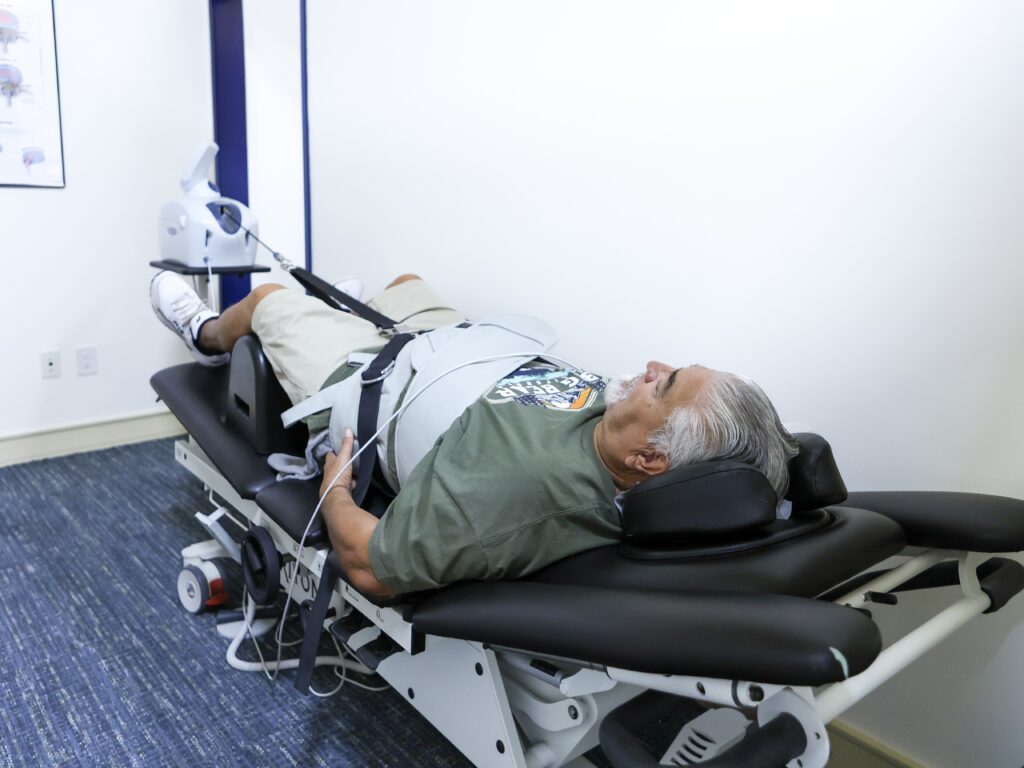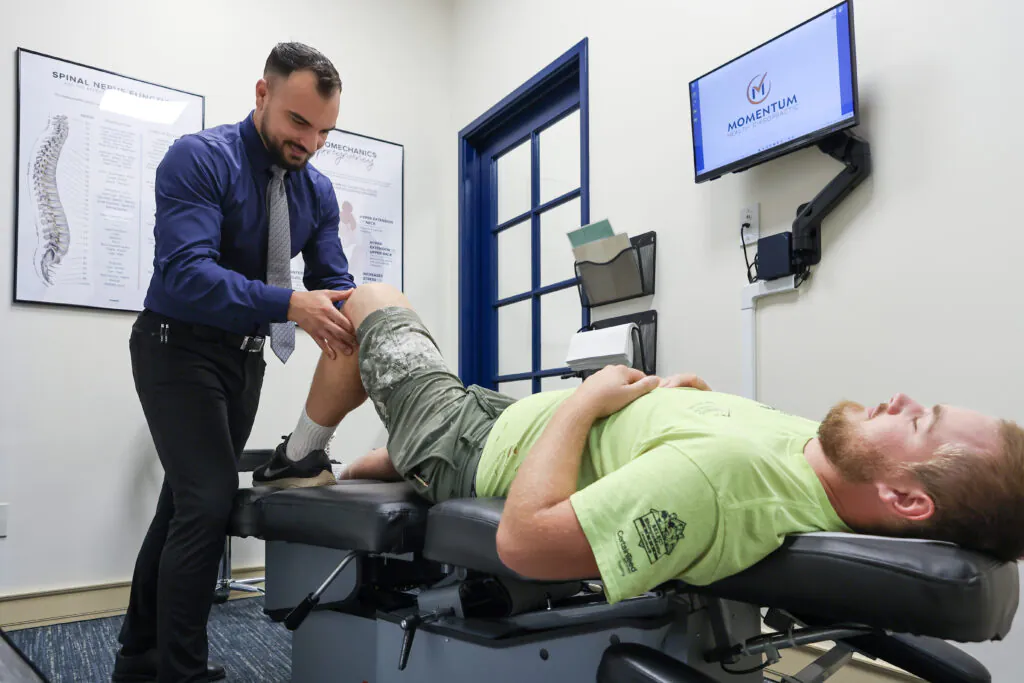

When a headache strikes, it can feel like your entire world is put on hold. Finding quick relief is often the first instinct, but it’s essential to remember that there are simple, natural strategies that can help ease your discomfort and promote overall wellness. As a chiropractor, I want to share some effective tips that can not only alleviate headache pain but also support your spinal health and enhance your quality of life.
- Stay Hydrated: Dehydration is a common trigger for headaches. Make it a habit to drink plenty of water throughout the day. Keeping your body well-hydrated supports not just your head but your entire spine and nervous system.
- Practice Good Posture: Poor posture can lead to tension in your neck and shoulders, contributing to headaches. Be mindful of your posture while sitting, standing, and even when using your phone. Regular chiropractic adjustments can help align your spine and improve your posture.
- Incorporate Relaxation Techniques: Stress is another significant headache trigger. Explore relaxation techniques like deep breathing, meditation, or gentle yoga. These practices can help release tension in your body and mind, providing natural relief.
- Get Regular Chiropractic Adjustments: Chiropractic care is an excellent way to address the root causes of headache pain. By ensuring proper spinal alignment, chiropractic adjustments can alleviate tension in the neck and shoulders, reducing the frequency and intensity of headaches.
- Apply Cold or Warm Compresses: Depending on what feels best for you, applying a cold or warm compress to your forehead or the back of your neck can help soothe headache pain. Cold packs can reduce inflammation, while heat can relax tense muscles.
- Maintain a Healthy Lifestyle: Eating a balanced diet, exercising regularly, and getting enough sleep are all crucial for preventing headaches. A healthy lifestyle supports your body’s natural healing processes and keeps your spine and nervous system functioning optimally.
- Limit Screen Time: Prolonged screen exposure can lead to eye strain and tension headaches. Take regular breaks to rest your eyes and stretch your neck. Consider setting up your workspace ergonomically to reduce strain.
By incorporating these tips into your daily routine, you can effectively manage headache pain while promoting overall wellness. Remember, chiropractic care is a vital component of your health journey, helping you achieve optimal health naturally. If you find yourself struggling with persistent headaches, consider visiting a chiropractor to explore how spinal health can play a role in your pain relief. Your comfort and well-being are just a few adjustments away!
Key Takeaways
- Staying hydrated is essential for overall health and can help alleviate headache pain. Aim to drink at least eight 8-ounce glasses of water daily, and incorporate high-water-content foods like fruits and vegetables into your diet to support hydration.
- Cold compresses can be soothing for headaches, especially when placed on the forehead or temples. For tension relief, warm compresses on the neck and shoulders can help relax tight muscles that may contribute to headaches.
- Deep breathing exercises and mindfulness techniques are great tools for reducing stress and alleviating headache tension. Taking a few minutes each day to focus on your breath can create a sense of calm and help manage pain naturally.
- A consistent sleep schedule is crucial for your overall well-being and can significantly reduce headache frequency. Establishing a calming bedtime routine can improve your sleep quality and help your body recover from daily stresses.
- Regular chiropractic adjustments are a natural and effective way to improve spinal alignment and reduce tension throughout the body. By addressing misalignments, chiropractic care can help alleviate headaches and promote optimal health without the need for medications or invasive procedures.
By integrating these simple strategies into your daily routine, you can take proactive steps toward better health and wellness while experiencing the benefits of chiropractic care.
Stay Hydrated
Staying hydrated is crucial for overall wellness and can play a significant role in managing headache pain. When your body is dehydrated, it can lead to increased headache frequency and intensity, making it essential to prioritize your hydration. As a chiropractor, I emphasize the importance of natural approaches to health, and staying hydrated is one of the simplest yet most effective strategies you can adopt.
Make it a habit to carry a water bottle with you throughout the day. Aim for at least eight 8-ounce glasses of water daily, but remember that your individual needs may vary based on your activity level and the climate you live in. If you find yourself with a headache, try drinking a glass of water first—it may provide relief faster than you think!
Incorporate foods with high water content into your diet, such as fruits and vegetables, as they can also contribute to your overall hydration. Be mindful of caffeinated beverages, as they can lead to dehydration, especially if you’re prone to headaches.
Remember, by making hydration a priority, you not only help reduce headache pain but also support your overall well-being. A simple glass of water might be all it takes to start feeling better!
As you pursue a healthier lifestyle, consider chiropractic care as a valuable tool in your wellness journey. Regular adjustments can help improve your spinal alignment, which in turn may enhance your body’s ability to manage pain and stress. By focusing on natural healing methods like chiropractic care and maintaining proper hydration, you can take significant steps towards achieving optimal health.
Practice Relaxation Techniques
When you’re experiencing headache pain, incorporating relaxation techniques can provide significant relief and support your overall wellness. As a chiropractor, I encourage you to explore breathing exercises to help alleviate tension in your body and promote a sense of calm. These exercises can be easily integrated into your daily routine, making them a practical tool for managing discomfort.
Guided meditation is another effective method to consider. It offers a wonderful escape from the stressors of daily life, allowing your mind and body to relax. By reducing stress, you may also help minimize the frequency and intensity of headaches.
Additionally, regular chiropractic adjustments can play a crucial role in addressing the root causes of headache pain. By focusing on spinal alignment and overall body function, chiropractic care can help restore balance and enhance your body’s natural ability to heal.
Breathing Exercises Benefits
Practicing breathing exercises can be an excellent way to support your overall wellness and alleviate headache pain, especially when combined with chiropractic care. By focusing on your breath, you can promote relaxation and reduce tension in your body, helping to ease discomfort.
Here are three key benefits of incorporating breathing exercises into your routine alongside regular chiropractic adjustments:
- Reduces Stress: Deep breathing techniques can lower cortisol levels, which is crucial for managing stress. When you’re less stressed, your body can better respond to chiropractic care, allowing for improved healing and relief from pain.
- Improves Oxygen Flow: Enhanced oxygen intake through deep breathing helps relieve muscle tightness that often contributes to headaches. Proper oxygen flow supports spinal health and can amplify the benefits of chiropractic adjustments.
- Increases Mindfulness: By centering your thoughts on your breath, you cultivate mindfulness, which can distract you from pain and discomfort. This mental shift not only enhances your relaxation but also complements the holistic approach of chiropractic care.
Incorporating these breathing techniques into your daily life, alongside regular chiropractic visits, can significantly enhance your ability to manage headache pain and promote overall well-being. Remember, taking a moment to breathe deeply can be a powerful tool in your journey to optimal health. Give these exercises a try and experience the difference they can make!
Guided Meditation Practices
Building on the benefits of breathing exercises, guided meditation practices can be a valuable addition to your wellness routine, especially for alleviating headache pain. By directing your focus inward, you cultivate a calming environment that can significantly reduce tension.
Start by finding a comfortable position, whether seated or lying down, and gently close your eyes. Take deep, nourishing breaths to help center yourself.
You might consider using a guided meditation app or video that resonates with you, which can help lead you through the process. As you meditate, visualize soothing scenes, like a serene landscape or the gentle ebb and flow of ocean waves, to deepen your relaxation experience.
Incorporating this practice into your daily routine, even for just a few minutes, can lead to a noticeable decrease in headache frequency and intensity. Remember, the key to effective meditation is consistency.
As a chiropractor, I also want to highlight the importance of maintaining proper spinal alignment, which plays a crucial role in overall health and can contribute to reducing headache symptoms. Regular chiropractic adjustments can help alleviate tension in your neck and shoulders, supporting your body’s natural healing processes.
In addition to meditation and chiropractic care, here are a few tips you can incorporate into your daily life:
- Stay hydrated: Dehydration can trigger headaches, so aim to drink plenty of water throughout the day.
- Manage stress: Find healthy outlets for stress, such as exercise or spending time in nature.
- Maintain good posture: Be mindful of your posture while sitting and standing to reduce strain on your spine.
- Take breaks: If you spend long hours at a desk, take breaks to stretch and move around.
Apply Cold or Warm Compress
When you’re experiencing a headache, applying a cold or warm compress can significantly enhance your comfort and support your health. Cold compresses can help numb the pain and reduce inflammation, while warm compresses work wonders in relaxing tense muscles. Understanding when and how to use each type can lead to effective relief and promote your overall well-being.
As a chiropractor, I encourage you to consider these natural methods as part of your self-care routine. For instance, if you have a tension headache, a warm compress applied to the back of your neck can help ease tight muscles. On the other hand, if you’re dealing with a migraine or sinus-related pain, a cold compress on your forehead might provide soothing relief.
In addition to using compresses, regular chiropractic adjustments can also play a crucial role in managing headaches and promoting a healthy spine. By addressing any misalignments and improving your overall posture, chiropractic care helps reduce tension and can prevent headaches from occurring in the first place.
Cold Compress Benefits
Applying a cold compress can be a simple yet effective way to relieve headache pain, and it’s a great tool to have in your wellness toolkit.
While it’s important to understand that chiropractic care addresses the underlying causes of headaches through spinal adjustments and holistic health practices, a cold compress can serve as a helpful complementary method for quick relief.
Here are three benefits of using a cold compress for your headaches:
- Reduces Pain: The cold temperature can numb the area and ease the pain sensation, providing immediate comfort while you work towards long-term solutions with chiropractic care.
- Decreases Inflammation: Cold therapy helps minimize swelling and inflammation, which is particularly beneficial for tension headaches. Reducing inflammation can optimize your overall spinal health and enhance the effectiveness of chiropractic adjustments.
- Improves Blood Flow: By constricting blood vessels, a cold compress can help lessen the intensity of the headache. This may promote better blood flow once the compress is removed, supporting overall wellness.
Remember, while a cold compress can offer temporary relief, it’s essential to address the root causes of headaches through regular chiropractic care.
If headaches are a recurring issue for you, consider consulting with a chiropractor who can help identify and treat any underlying spinal misalignments or tension that may be contributing to your discomfort.
Next time you feel a headache coming on, grab that cold compress, but also take a moment to think about how chiropractic care can help you achieve lasting relief and optimal health!
Warm Compress Advantages
Experiencing headache pain can often leave you searching for relief, and one soothing option you might consider is using a warm compress. The gentle heat from a warm compress can help relax tense muscles in your neck and shoulders—common culprits behind headaches. This increased blood flow not only promotes healing but also eases discomfort. When you apply a warm compress, you’re not just providing comfort; you’re also encouraging your body to release endorphins, which are natural pain relievers.
This method can be particularly effective for tension headaches and migraines, offering a calming effect that can enhance your overall sense of well-being. Plus, preparing and using a warm compress is simple and convenient, making it an excellent choice when you need quick relief.
However, while warm compresses can be helpful, it’s essential to address the underlying issues causing your headaches. Chiropractic care is a natural and effective approach to achieving optimal health and wellness. By focusing on spinal alignment and overall body function, chiropractic care can help alleviate the root causes of headaches, providing long-term relief and improving your quality of life.
Application Techniques Explained
When it comes to managing headache pain, applying a cold or warm compress can be a simple yet effective method. As a chiropractor, I want to share some techniques that not only help alleviate discomfort but also complement your overall wellness journey. Here’s how you can make the most of these natural remedies:
- Cold Compress: For a cold compress, take ice packs or even a bag of frozen peas, wrap them in a cloth, and gently place it on your forehead or temples for 15-20 minutes. This helps reduce inflammation and numbs the pain, providing relief without the need for medication.
- Warm Compress: A warm compress can be equally beneficial. Try using a warm towel or a heating pad on your neck and shoulders for 15-30 minutes. The heat helps relax tense muscles and improves blood flow, which is essential for easing headache symptoms.
- Positioning: It’s important to create a serene environment while you apply these compresses. Find a comfortable spot to lie down, close your eyes, and allow your body to relax. This simple practice not only enhances the effectiveness of the compress but also encourages a deeper state of calm.
Incorporating these techniques into your routine can be a great way to manage headaches naturally.
Maintain a Consistent Sleep Schedule
Maintaining a consistent sleep schedule is vital for effectively managing headache pain, and as a chiropractor, I can’t stress enough how important quality sleep is for your overall health. When you go to bed and wake up at the same time every day, you help your body establish a natural rhythm that promotes better sleep cycles. Consistent sleep can reduce the frequency and intensity of headaches, allowing you to feel more refreshed and focused.
To support your sleep health, create a calming bedtime routine that signals to your body it’s time to relax. This means steering clear of screens, bright lights, and stimulating activities before bed. Instead, try reading a book or practicing relaxation techniques such as deep breathing or gentle stretches. Making your sleep environment comfortable is key; aim for a dark, quiet, and cool space to help you drift off more easily.
If you find it challenging to fall asleep or stay asleep, take some time during the day to identify any stressors in your life and address them. Whether it’s through gentle chiropractic adjustments, mindfulness practices, or other natural healing techniques, tackling stress can significantly improve your sleep quality.
Limit Caffeine Intake
When it comes to managing headache pain, reducing your caffeine intake can be an important step towards achieving relief and maintaining overall wellness. While caffeine can offer a quick fix, consuming too much can lead to withdrawal headaches and greater sensitivity to pain.
Here are some helpful tips to consider for minimizing headaches naturally:
- Keep an Eye on Your Caffeine: It’s beneficial to track your daily caffeine consumption. Aim to stay within 200-300 mg, which is about the amount found in two to three cups of coffee. Being mindful of your intake can help you avoid headaches triggered by excess caffeine.
- Cut Back Gradually: If you typically consume a lot of caffeine, consider reducing it slowly over time. A sudden stop can lead to withdrawal symptoms, including headaches. Gradual reduction allows your body to adjust more comfortably.
- Choose Healthier Alternatives: Consider swapping out caffeinated drinks for herbal teas or simply water. Staying hydrated is crucial for reducing the frequency and intensity of headaches, and herbal teas can provide a soothing effect without the caffeine.
By focusing on these simple strategies, you can harness the power of natural healing and wellness.
Manage Stress Levels
As stress accumulates in our daily lives, it can often lead to increased headache pain, making it crucial to manage stress effectively for relief. Incorporating stress management techniques not only helps alleviate discomfort but can also improve your overall well-being. Here are some simple, effective strategies to consider that align with a natural, chiropractic approach to health:
| Technique | Description | Benefits |
|---|---|---|
| Deep Breathing | Spend a few minutes taking slow, deep breaths, focusing on your breath. | This practice helps reduce tension and anxiety, promoting relaxation. |
| Physical Activity | Regular exercise like walking, yoga, or stretching can be very beneficial. | Movement boosts your mood and energy levels, while also supporting spinal health. |
| Mindfulness | Engage in mindfulness exercises or meditation to center your thoughts. | This enhances focus and promotes a sense of calm, which is essential for overall wellness. |
| Time Management | Organize your tasks and set realistic goals to avoid feeling overwhelmed. | Good time management reduces stress and allows for a more balanced life. |
In addition to these techniques, chiropractic care can play a vital role in managing stress and headache pain. By focusing on spinal alignment and overall body function, chiropractic adjustments can help relieve tension and improve your body’s ability to cope with stress. This natural approach not only addresses pain but also fosters a healthier lifestyle, enabling you to thrive in both mind and body. Remember, taking steps toward managing stress is a key component of achieving optimal health and wellness.
Seek Professional Help if Necessary
If your headache pain continues despite trying various self-care techniques, it may be time to consider the benefits of chiropractic care. Chronic headaches can often stem from tension in the spine or misalignments that affect your overall well-being.
Here are some factors to think about when deciding to consult a chiropractor:
- Frequency and Duration: If your headaches happen more than twice a week or last several hours, it’s important to seek an evaluation from a chiropractor who can assess your spinal health.
- Intensity: Severe headaches that interfere with your daily activities or seem to intensify should be addressed. Chiropractic care focuses on relieving tension and restoring balance, which can significantly reduce headache pain.
- Accompanying Symptoms: Notice any additional symptoms like neck pain, stiffness, or tension? These may indicate that your spine is out of alignment and could benefit from chiropractic adjustments.
Chiropractic care offers a natural approach to healing, focusing on the root causes of headaches rather than just masking the pain. By addressing spinal misalignments, a chiropractor can help restore proper function and promote overall wellness.
In the meantime, here are some tips you can incorporate into your daily routine to help manage headaches:
- Stay Hydrated: Dehydration can lead to headaches, so drink plenty of water throughout the day.
- Practice Good Posture: Being mindful of your posture while sitting or working can help reduce tension in your neck and back.
- Incorporate Relaxation Techniques: Try deep breathing, meditation, or gentle stretches to relieve tension.
- Get Regular Exercise: Physical activity can improve circulation and reduce stress, both of which can help prevent headaches.