
As a local chiropractor, I understand that dealing with muscle strain or back pain can be a common struggle for many individuals. You are certainly not alone in experiencing this discomfort at some point in your life. The good news is that there are effective, natural strategies to help relieve your pain and enhance your mobility.
Chiropractic care offers a holistic approach to healing, focusing on the alignment of your spine and musculoskeletal system. Simple stretches, combined with professional adjustments, can significantly alleviate your discomfort. It’s essential to understand that your recovery process can vary, and the right approach can make all the difference in your journey toward relief.
Let’s delve into some practical tips that I believe can help you achieve a more comfortable lifestyle and restore your well-being. Together, we can explore the benefits of chiropractic care and other natural healing methods that can support your recovery.
Stretch and Strengthen Your Muscles
As a local chiropractor, I want to share some insights on how you can effectively relieve muscle strain and back pain through natural methods. A key component of managing pain is to regularly stretch and strengthen your muscles.
Start with gentle stretches that focus on your back, hamstrings, and hip flexors. Hold each stretch for 15 to 30 seconds, and remember to breathe deeply to help your body relax. Incorporating dynamic stretches can further enhance your flexibility and range of motion, which can significantly reduce stiffness.
Once you’ve warmed up with stretching, it’s important to shift your focus to strengthening exercises. Core workouts, such as planks and bridges, are particularly beneficial as they help stabilize your spine and provide crucial support for your back.
You might also consider using resistance bands or light weights to build strength without putting undue strain on your body. Aim for two to three sessions each week, and gradually increase the intensity as your muscles become stronger.
Always pay attention to your body—if you experience any discomfort or pain, it’s a sign to ease up. Consistency is vital; over time, you’ll likely notice a decrease in pain and an increase in mobility.
Apply Ice and Heat Therapy
As a local chiropractor, I often see patients who are unfamiliar with effective methods for managing pain, whether it’s from a recent injury or ongoing discomfort. One of the best approaches I recommend is the use of ice and heat therapy, which can significantly aid in your recovery process.
If you’ve sustained an injury, applying ice is crucial during the first 48 hours. Ice therapy helps reduce inflammation and numbs sharp pain, providing much-needed relief. To apply ice safely, wrap it in a cloth and place it on the affected area for 15-20 minutes at a time, allowing breaks in between applications. This method can help manage acute pain effectively.
Once you’ve gotten past those initial days, it’s time to switch gears to heat therapy. Heat is beneficial for increasing blood flow to the area, which promotes healing and helps relax tight muscles. You can utilize a heating pad or enjoy a warm bath for about 15-30 minutes. Just be cautious to ensure that the heat is at a comfortable level to avoid burns.
It’s essential to listen to your body throughout this process. If you find that ice aggravates your pain, don’t hesitate to try heat instead. Many patients find that a combination of both therapies can provide the most balanced relief.
I encourage you to experiment with these methods to discover what works best for you. Remember, my goal is to help you achieve optimal health and comfort through natural healing techniques!
Maintain Good Posture
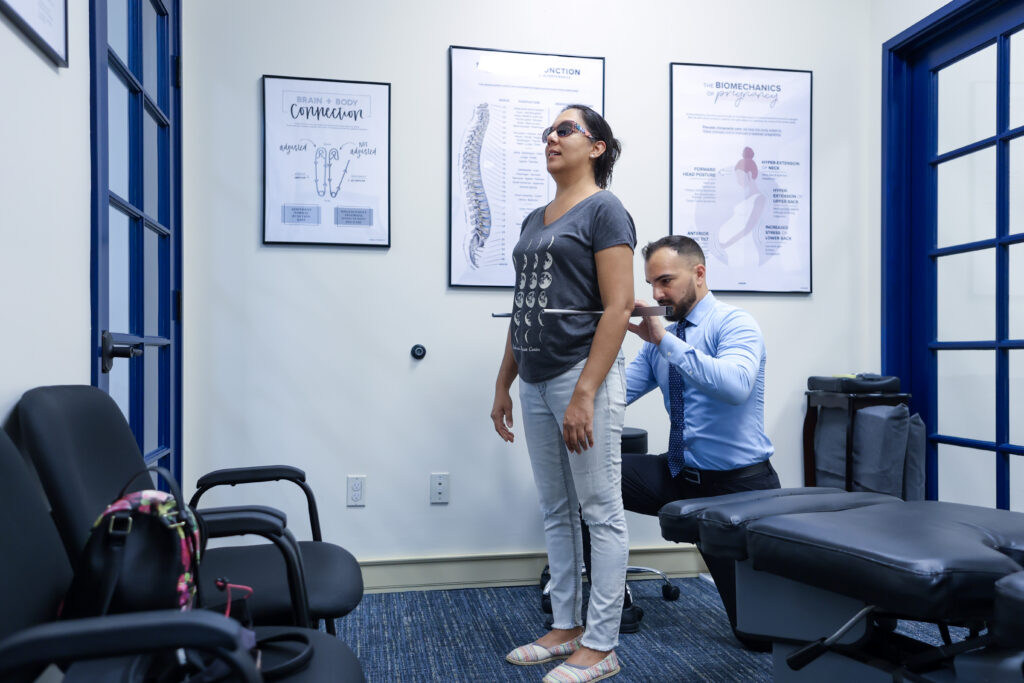
As a local chiropractor, I want to emphasize the importance of maintaining good posture in your recovery journey after managing pain with ice and heat therapy. Many individuals may not realize that poor posture can contribute to muscle strain and back pain, making it essential to pay attention to how you sit, stand, and move throughout your daily activities.
When you’re sitting, ensure your feet are flat on the floor and your back is straight against the chair. I recommend using ergonomic furniture whenever possible, as it’s designed to support the natural curve of your spine.
While standing, it’s important to distribute your weight evenly on both feet and engage your core muscles to help stabilize your back.
When lifting objects, always remember to bend your knees instead of your back and keep the item close to your body to avoid unnecessary strain.
It’s a good practice to regularly check your posture, especially during prolonged periods of sitting or standing. By prioritizing good posture, you can’t only promote healing but also reduce discomfort and prevent future strain on your muscles and spine.
Taking these steps can greatly enhance your overall well-being and support your recovery in a natural way.
Stay Active With Low-Impact Exercises
As a local chiropractor, I want to emphasize the importance of staying active, even if you’ve recently experienced muscle strain or back pain. It might be tempting to take a break and rest completely, but gentle low-impact exercises are crucial for your recovery and overall well-being.
Engaging in light movements not only helps maintain your flexibility and strength but also reduces stiffness and encourages blood flow to the affected areas, which is vital for healing.
Consider activities such as walking, swimming, or cycling. These activities are gentle on your joints and can still get your body moving effectively. You don’t need to exert yourself excessively; even short sessions of 20-30 minutes a day can contribute significantly to your recovery.
As you start to feel more comfortable, you can gradually increase the intensity of your workouts. Incorporating stretching exercises into your routine is also beneficial. These stretches can help relieve tension and enhance your range of motion, supporting your chiropractic care.
Remember to always listen to your body. If something feels uncomfortable or painful, it’s important to modify your routine accordingly.
Consider Professional Treatment Options
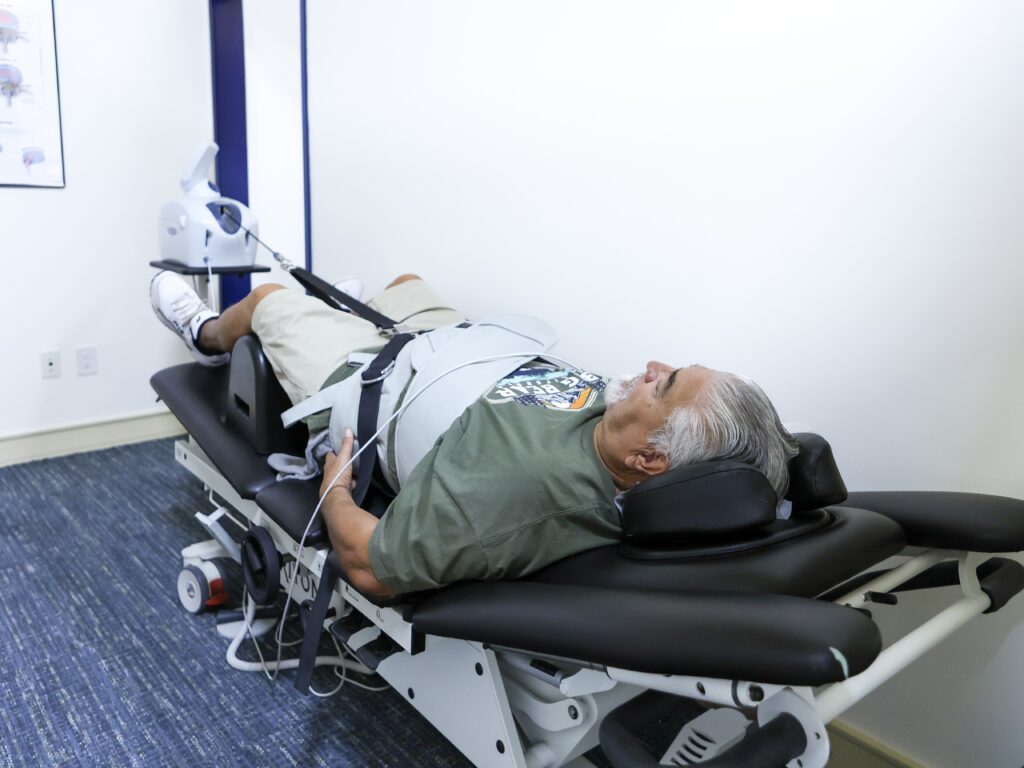
As a local chiropractor, I want to share some insights into how chiropractic care can support your recovery from muscle strains and back pain. While engaging in low-impact exercises is beneficial, there are times when professional treatment can make a significant difference in your healing process.
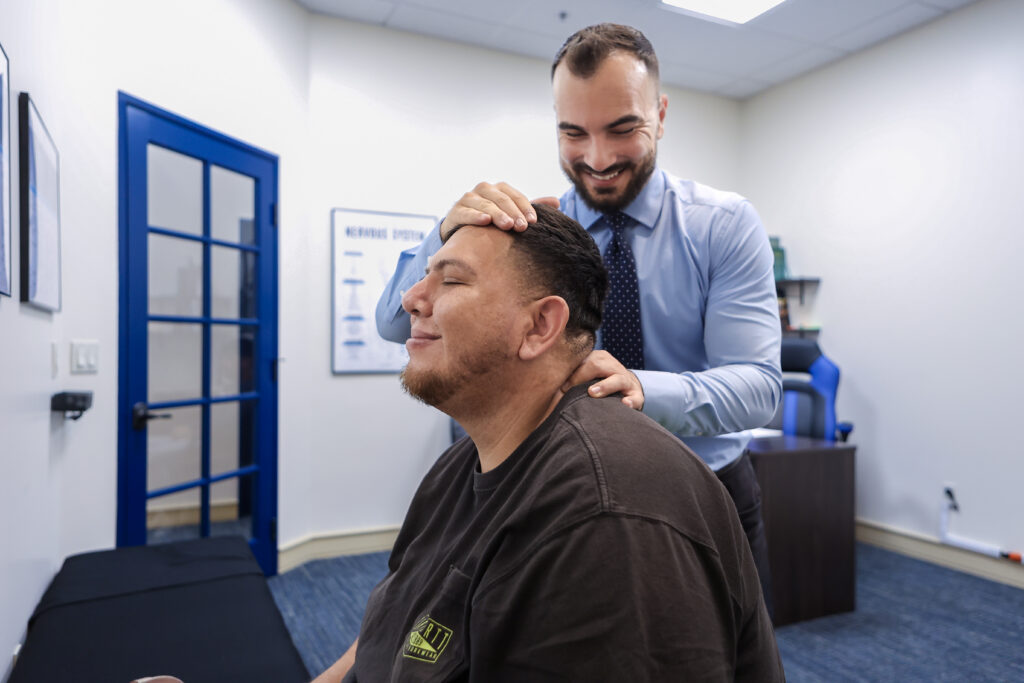
Chiropractic care focuses on your spine and overall alignment. By using hands-on techniques, I can adjust your spine, which helps relieve pressure on nerves and reduces discomfort. Many patients find that spinal adjustments not only alleviate pain but also enhance their overall mobility and well-being.
In addition to spinal adjustments, I can work with you on a tailored rehabilitation program. This program will include specific exercises designed to strengthen your muscles and improve flexibility, helping you recover more effectively and prevent future injuries.
You may also be interested in complementary therapies such as acupuncture. This holistic approach involves using fine needles to stimulate specific points on your body, which can promote healing and pain relief.
Don’t overlook the benefits of massage therapy either. A skilled massage therapist can help ease muscle tension and improve circulation, further aiding your recovery process.
Conclusion
As a local chiropractor, I want to share some valuable insights on how to relieve muscle strain and back pain naturally. By implementing these five strategies, you can take an active role in your healing process.
First, consider incorporating regular stretching and strengthening exercises into your routine. This not only helps alleviate tension but also supports your muscles in maintaining proper alignment.
Next, utilize ice and heat therapy to soothe inflammation and promote circulation. Alternating between these treatments can provide relief and speed up recovery.
Maintaining good posture is crucial; it can significantly impact your spinal health and overall comfort. Be mindful of your posture when sitting, standing, or lifting to prevent unnecessary strain on your back.
Staying active with low-impact exercises, such as walking or swimming, is also essential. These activities promote flexibility and strength without putting excessive stress on your body.
Lastly, don’t hesitate to explore professional treatments like chiropractic adjustments. A chiropractor can help realign your spine and offer personalized care tailored to your specific needs.
Your body deserves the best care possible, so I encourage you to take these steps to foster healing and enhance your overall well-being. Don’t let pain dictate your life—start incorporating these strategies today for a healthier, more comfortable future!