
If you’ve recently experienced whiplash, you understand just how challenging neck pain can be. Taking proactive steps is essential not only for managing your discomfort but also for promoting healing naturally. Chiropractic care is one of the best approaches to achieve optimal health and relieve pain effectively. From gentle adjustments to lifestyle changes, there are several strategies you can adopt to support your recovery. Let’s explore some effective tips for relieving neck pain after whiplash that you can start implementing today.
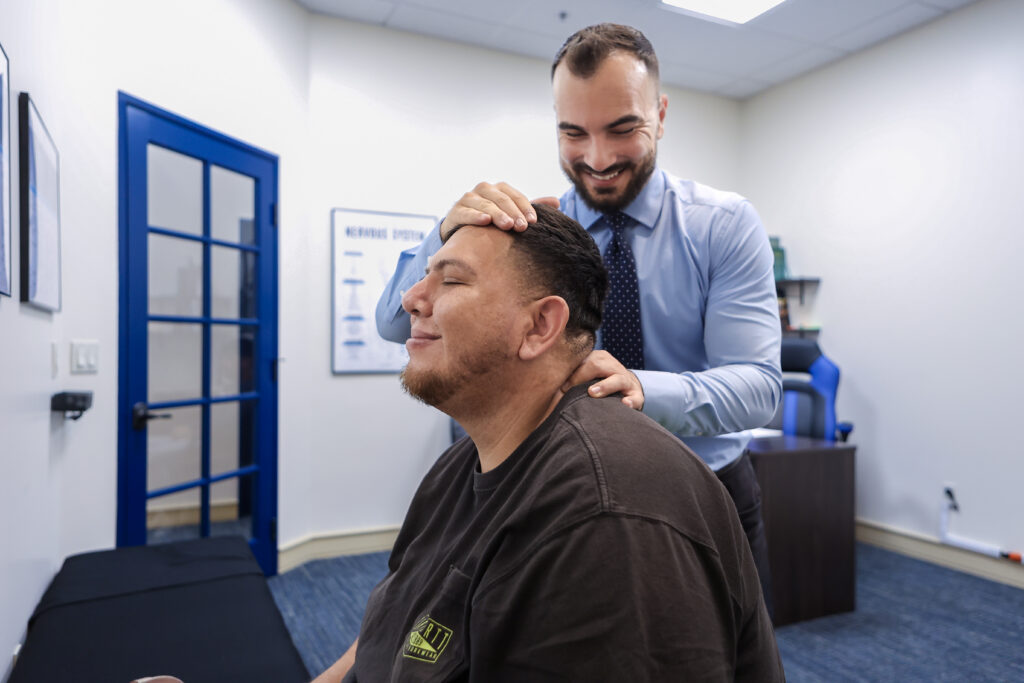
- Visit Your Chiropractor: The first step in your recovery journey should be a visit to a chiropractor. They can assess your spine and neck, providing gentle adjustments to realign your vertebrae, relieve pressure, and restore mobility.
- Apply Ice and Heat: For immediate relief, try applying ice to your neck for the first 48 hours after your injury. This can help reduce swelling and numb the pain. After that, switch to heat therapy, like a warm compress, to promote circulation and relax tense muscles.
- Practice Gentle Stretches: Engage in gentle neck stretches to improve flexibility and reduce stiffness. Simple movements, like tilting your head from side to side, can help ease tension. Always consult with your chiropractor for specific stretches that are safe for you.
- Mind Your Posture: Pay attention to your posture throughout the day. Keeping your head aligned over your spine reduces strain on your neck. Consider ergonomic adjustments to your workspace to support better posture.
- Stay Active: While rest is important, gentle activity can help maintain mobility. Walking or light exercises recommended by your chiropractor can enhance circulation and promote healing.
- Hydrate: Drinking plenty of water supports spinal health and keeps your muscles hydrated. Staying hydrated can help reduce muscle tension, making it easier for your body to heal.
- Consider Massage Therapy: Complement your chiropractic care with massage therapy. A licensed massage therapist can work on your neck and shoulders to relieve tension and improve blood flow, aiding in your recovery.
- Use Supportive Pillows: Your sleeping position can significantly impact your neck pain. Use a supportive pillow that keeps your neck in a neutral position, helping to reduce strain while you sleep.
- Limit Screen Time: Reduce the amount of time you spend looking down at screens, whether on your phone or computer. Take regular breaks and practice good ergonomics to minimize neck strain.
- Stay Informed: Educate yourself about neck health and wellness. Understanding the mechanics of your spine can empower you to make better choices for your health and prevent future injuries.
By incorporating these strategies, you can effectively manage your neck pain after whiplash and support your journey toward optimal health. Remember, chiropractic care is a powerful tool in your recovery, promoting natural healing and wellness. If you haven’t already, schedule an appointment with your chiropractor to discuss your specific needs and develop a personalized plan for relief.
Key Takeaways
10 Tips for Neck Pain Relief After Whiplash
- Start by applying ice therapy to your neck for 15-20 minutes. This helps to reduce inflammation and numb any pain you may be feeling after your whiplash injury. Ice is a natural way to soothe your body!
- Gentle stretching exercises are your friend! They can help release tightness in your neck and improve flexibility. Simple neck rolls and side stretches can go a long way in easing discomfort.
- Maintaining good posture is crucial for healing. Align your ears with your shoulders while sitting or standing, and choose supportive chairs that keep your spine in a natural position. This can prevent further strain on your neck.
- Don’t forget to stay hydrated! Drinking plenty of water supports the healing process by keeping your spinal discs flexible and reducing inflammation. It’s a simple yet effective way to aid your recovery.
- Regular visits to a chiropractor can make a significant difference in your healing journey. Chiropractic care focuses on realigning your spine and promoting natural healing, which can provide long-term relief from neck pain.
- Consider incorporating heat therapy after the initial inflammation has subsided. A warm compress can help relax tight muscles and promote blood flow to the area, aiding in recovery.
- Pay attention to your sleeping position. Use a supportive pillow that keeps your neck aligned with your spine. Good sleep can enhance your healing process and help you wake up feeling better.
- Engage in light activities that don’t strain your neck, such as walking. Movement can help keep your body active and encourage circulation, which is essential for healing.
- Practice relaxation techniques like deep breathing or meditation. Stress can contribute to muscle tension, so finding ways to relax can help ease your neck pain.
- Lastly, listen to your body. If something doesn’t feel right, consult with your chiropractor. They can provide personalized guidance and adjustments to ensure you’re on the right path to recovery.
By focusing on these natural and supportive strategies, you can empower yourself in your healing journey and embrace a healthier, pain-free life with the help of chiropractic care!
Apply Ice or Heat Therapy
When dealing with neck pain after a whiplash injury, it’s important to consider natural methods for relief, such as ice and heat therapy. These techniques can complement your chiropractic care and help you find comfort as you heal.
If you opt for ice therapy, simply wrap a cold pack or some ice cubes in a cloth and apply it to the affected area for about 15-20 minutes. This can help reduce inflammation and numb pain, providing some immediate relief. Be sure to take breaks between applications to protect your skin from frostbite.
On the flip side, heat therapy can be beneficial as well. Using a warm towel or a heating pad for the same duration can promote blood flow and help relax those tight muscles in your neck. However, avoid using heat if there’s noticeable swelling, since it can exacerbate inflammation.
Another effective approach is to alternate between ice and heat. This technique can offer a balanced way to manage pain and discomfort. Just be sure to listen to your body—what feels good for one person may not work for another. Adjust your methods based on your own comfort and needs.
Remember, while these therapies can be helpful, regular chiropractic visits can play a crucial role in your recovery. Chiropractors are trained to address the underlying issues causing your pain, helping your body heal naturally and regain optimal function.
Always consult with your chiropractor for personalized advice on managing your pain and enhancing your overall wellness.
Practice Gentle Stretching Exercises
Gentle stretching exercises can be a fantastic way to relieve neck pain, especially after experiencing a whiplash injury. Incorporating these stretches into your daily routine not only promotes flexibility but also helps reduce tension in your neck muscles, supporting your overall well-being.
Start with a simple stretch by gently tilting your head to one side, holding it for about 15-30 seconds before switching to the other side. This movement helps to release tightness and improve your range of motion.
Another beneficial stretch is slowly turning your head from left to right, ensuring that you only move as far as feels comfortable for you.
Don’t forget your shoulders! Gently rolling them forward and backward can ease stiffness and promote relaxation in the upper body. Throughout these stretches, remember to breathe deeply. Deep breathing is a great way to relax your muscles and enhance the effectiveness of your stretches.
Aim to perform these gentle stretches several times a day, particularly when you start feeling tightness in your neck. Listen to your body—if you experience any pain during a stretch, it’s important to stop immediately.
With consistent practice, you should notice improved mobility and a significant reduction in discomfort.
As a chiropractor, I want to emphasize that these exercises are a natural and effective way to support your healing journey. By incorporating gentle stretching into your daily routine, you can promote your body’s natural ability to heal and maintain optimal health.
Maintain Good Posture
Maintaining Good Posture for Optimal Health
As a chiropractor, I can’t emphasize enough how crucial good posture is—not just for alleviating neck pain after a whiplash injury, but also for preventing future discomfort and promoting overall wellness.
When we slouch or adopt poor posture, we place unnecessary strain on our neck and back, which can lead to increased pain and discomfort. By being mindful of your posture throughout the day, you can support your healing journey and enhance your overall health.
Here are some simple tips to help you maintain good posture:
- Align Your Ears and Shoulders: Keep your ears aligned with your shoulders. Avoid leaning forward, as this can create tension in your neck.
- Sit Smartly: When sitting, make sure your back is straight and your shoulders are relaxed. Choose a chair that provides support for your lower back to encourage proper alignment.
- Stand Tall: Distribute your weight evenly on both feet when standing, and avoid locking your knees. This helps maintain balance and reduces the strain on your spine.
- Device Awareness: Pay attention to your posture when using devices. Hold them at eye level to minimize neck strain, keeping your spine in a neutral position.
Remember, chiropractic care can be a powerful ally in your journey towards better posture and pain relief.
Regular adjustments can help realign your spine, alleviate discomfort, and support your body’s natural healing processes. By incorporating these posture tips into your daily routine and seeking chiropractic care, you can take significant steps towards achieving optimal health and wellness.
Use Ergonomic Support
To alleviate neck pain following a whiplash injury, incorporating ergonomic support into your daily routine is crucial for your recovery. As a chiropractor, I emphasize the importance of creating a workspace that promotes good posture and reduces strain on your neck.
Start by adjusting your chair to the correct height, ensuring that your feet are flat on the ground and your knees are level with or slightly below your hips. Position your desk monitor at eye level to keep your neck in a neutral position while you work. This simple adjustment can significantly reduce unnecessary strain on your cervical spine.
In addition to these changes, consider using supportive pillows when resting or sleeping. A good-quality pillow can help maintain the natural curve of your neck, providing the comfort and support your body needs during recovery.
Remember, while these ergonomic tips can help ease discomfort, regular chiropractic care is an excellent way to address the root causes of your neck pain. Chiropractors can provide targeted adjustments to align your spine properly, promote healing, and enhance overall well-being.
If you’re experiencing persistent neck pain, consider visiting your local chiropractor for a personalized plan to support your journey toward optimal health.
Choose Proper Chair Height
As a local chiropractor, I want to share how choosing the proper chair height can significantly aid in relieving neck pain, especially after experiencing whiplash. An ergonomic chair not only enhances comfort but also promotes better posture, which is crucial for reducing strain on your neck and spine.
Here are some simple tips to help you select the right chair height for optimal support:
- Ensure your feet rest flat on the ground or on a footrest. This helps maintain proper blood circulation and reduces pressure on your lower back.
- Your knees should be at a 90-degree angle, aligned with your hips. This positioning encourages a balanced posture and can alleviate tension in your neck and back.
- The backrest of your chair should provide adequate support to your lower back, allowing you to sit upright without leaning forward. Good lumbar support is essential for maintaining the natural curve of your spine.
- Your arms should rest comfortably at your sides, with your elbows bent at a 90-degree angle. This position helps prevent shoulder strain and promotes relaxation throughout your upper body.
By making these adjustments, you can create a more supportive environment that encourages better posture and reduces discomfort.
Adjust Desk Monitor Position
Adjusting your desk monitor position is crucial for promoting a healthy spine and preventing neck pain, especially after experiencing a whiplash injury. It’s important to ensure that your monitor is at eye level. This way, you won’t have to strain your neck to see the screen, which can contribute to discomfort and hinder your recovery.
If your monitor is too low, it can lead to you bending your neck downward, exacerbating any pain you may already be experiencing. Ideally, the top of your monitor should align with your eyes when you’re seated comfortably.
Keeping your monitor about an arm’s length away not only reduces eye strain but also encourages a better posture, which is essential for spinal health. Consider using a monitor stand or an adjustable arm to achieve the right height.
This simple adjustment can make a big difference in how you feel throughout the day. Remember, maintaining a neutral neck position is vital for healing and comfort during your recovery journey.
As your chiropractor, I encourage you to pay attention to your workstation setup. Small changes can lead to significant improvements in your overall well-being.
If you’re dealing with pain, chiropractic care can be an effective way to promote natural healing and enhance your quality of life. By taking these steps and prioritizing your spinal health, you’re on the right path to a more comfortable and pain-free existence.
Use Supportive Pillows
Proper ergonomic support goes beyond just your desk setup; it also includes the pillows you choose for sleep and relaxation.
As a local chiropractor, I want to emphasize that selecting the right pillows can significantly alleviate neck pain, especially after experiencing whiplash. Here are some helpful tips to consider when choosing your pillows for optimal support and wellness:
- Opt for a contoured pillow: This type of pillow is designed to support the natural curve of your neck, promoting better alignment while you sleep.
- Choose the right height: It’s essential to find a pillow that matches your personal comfort level. A pillow that’s too high or too low can place unnecessary strain on your neck and lead to discomfort.
- Use a firm pillow: A firmer pillow often provides better support than a soft one, allowing your neck to maintain proper alignment throughout the night.
- Consider your sleep position: Different sleep positions require different types of support. For instance, side sleepers may benefit from a thicker pillow to fill the space between the shoulder and neck, while back sleepers might find a flatter option more comfortable.
Remember, the goal is to maintain a good alignment of your spine while you sleep.
By making these simple changes, you can improve your comfort and support your overall health and wellness.
If you continue to experience discomfort, don’t hesitate to reach out for chiropractic care. It can be a natural and effective way to help relieve pain and enhance your quality of life.
Stay Hydrated
Stay Hydrated for Optimal Recovery
When recovering from whiplash, staying hydrated is not just a good idea—it’s essential. Proper hydration plays a crucial role in maintaining the elasticity of your spinal discs, which is vital for healing. When you’re dehydrated, your body struggles to function properly, which can intensify your discomfort and slow down your recovery.
Here’s a simple breakdown of how staying hydrated can benefit your healing process:
| Hydration Benefit | How It Helps |
|---|---|
| Improves Blood Flow | Ensures that nutrients reach your injured tissues more effectively. |
| Reduces Inflammation | Aids in flushing out toxins, which helps decrease swelling and discomfort. |
| Supports Muscle Function | Keeps neck muscles relaxed, preventing cramps and stiffness. |
| Boosts Energy Levels | Helps you feel more alert and less fatigued, aiding in your overall recovery. |
To make hydration a part of your daily routine, aim to drink water consistently throughout the day. If plain water isn’t your favorite, consider adding slices of lemon or cucumber for a refreshing twist!
Remember, staying hydrated is just one piece of your recovery puzzle. Complement your hydration efforts with regular chiropractic care. Chiropractic adjustments can enhance your body’s natural healing processes, improve your spinal health, and provide effective relief from pain. Together, hydration and chiropractic care can set you on the path to optimal health and well-being.
Take care of your body, and it will take care of you!
Consider Over-the-Counter Pain Relievers
While staying hydrated is vital for your recovery, it’s important to consider natural approaches to managing discomfort, such as chiropractic care. Chiropractic adjustments not only help alleviate pain but also address the underlying issues contributing to your discomfort.
Here are some insights into how chiropractic care can support your healing process:
- Spinal Alignment: Misalignments in your spine can lead to pain and discomfort. Chiropractic adjustments help realign the spine, relieving pressure on nerves and promoting better overall function.
- Muscle Relaxation: Chiropractic care can help relax tight muscles, which often contribute to pain. Gentle adjustments and techniques can ease muscle tension and promote relaxation.
- Enhanced Mobility: Regular chiropractic visits can improve your range of motion, making it easier to perform daily activities without pain.
- Natural Healing: Unlike over-the-counter pain relievers, chiropractic care focuses on your body’s innate ability to heal itself. By addressing the root cause of your pain, chiropractic care fosters long-term wellness rather than just masking symptoms.
In addition to chiropractic care, here are some general tips to help manage your neck pain naturally:
- Practice Good Posture: Be mindful of your posture, especially when sitting at a desk or using your phone. Keeping your spine aligned can prevent unnecessary strain.
- Stay Active: Gentle stretching and low-impact exercises can improve blood flow and reduce stiffness. Activities like walking or yoga can be particularly beneficial.
- Use Heat or Cold Therapy: Applying a warm compress or an ice pack to the affected area can provide temporary relief and reduce inflammation.
- Focus on Ergonomics: Ensure your workspace is set up to support good posture, with your computer screen at eye level and your chair providing proper back support.
Explore Physical Therapy Options
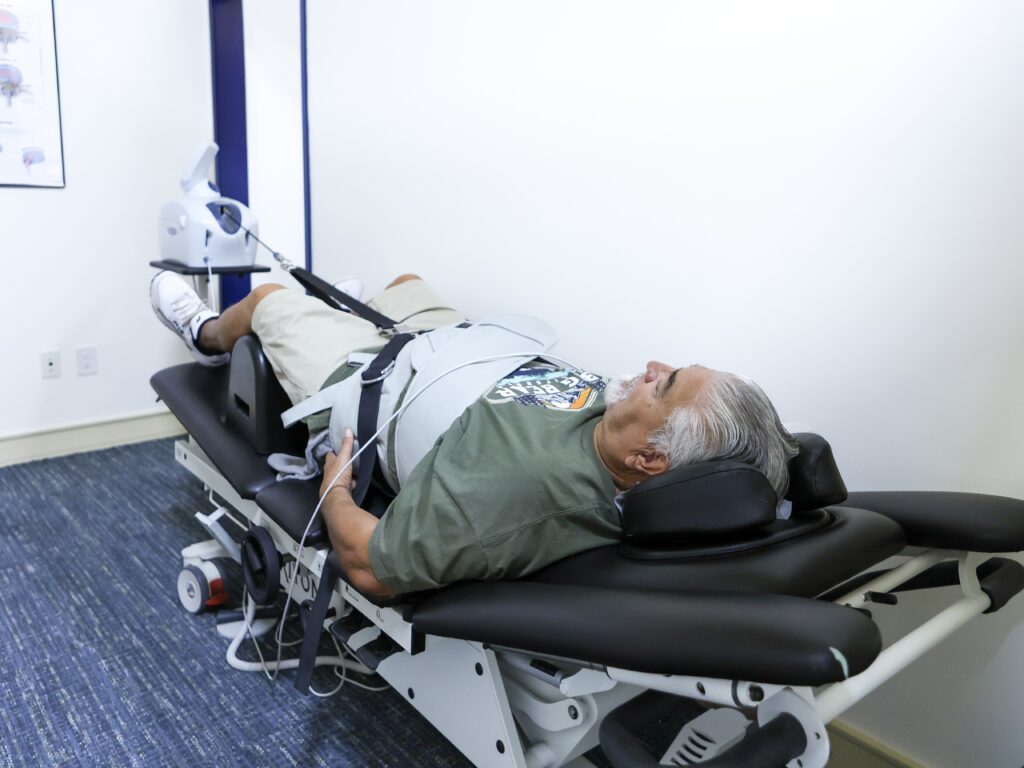
If you’re dealing with neck pain after experiencing whiplash, chiropractic care may be your best option for relief and recovery. Chiropractors specialize in understanding how the spine and nervous system work together, and they can provide natural solutions that help restore your body’s balance and function.
During your visit, your chiropractor will assess your condition and develop a personalized treatment plan tailored to your specific needs. This plan may include spinal adjustments to realign your vertebrae, which can help alleviate pain and tension in your neck while also enhancing your overall mobility.
In addition to adjustments, your chiropractor may incorporate various techniques to support your healing. These can include gentle stretching and strengthening exercises, which are designed to improve flexibility and promote strength in your neck muscles.
Heat or cold therapy might also be used to help reduce inflammation and provide comfort.
It’s important to stay consistent with your chiropractic visits, as regular adjustments can lead to significant improvements over time. Feel free to discuss any concerns or progress with your chiropractor; open communication is key to optimizing your recovery.
Chiropractic care not only focuses on relieving pain but also empowers you to take control of your neck health and overall wellness. By choosing chiropractic, you’re opting for a natural approach that can help you regain your daily activities with confidence.
Try Massage Therapy
Massage therapy can be a beneficial addition to your recovery from whiplash-related neck pain, but as a local chiropractor, I want to emphasize that chiropractic care is the most effective way to achieve pain relief and promote natural healing.
Chiropractic adjustments target the root cause of your discomfort, aligning the spine and ensuring proper function of the nervous system. Here’s why chiropractic care should be your first choice in your recovery journey:
- Addresses the source of pain: Unlike massage therapy, which focuses on muscle tension, chiropractic care identifies and corrects misalignments in the spine that may be contributing to your pain.
- Promotes overall wellness: Chiropractic adjustments not only alleviate neck pain but also enhance your body’s natural ability to heal, improving your overall health and vitality.
- Supports mobility: Regular chiropractic visits can improve your range of motion and flexibility, making daily activities easier and more enjoyable.
- Reduces stress: Chiropractic care can help lower anxiety by promoting relaxation and a sense of well-being, which is essential for healing.
If you’re experiencing neck pain or discomfort, consult with a licensed chiropractor who can assess your condition and create a personalized treatment plan.
Embrace this holistic approach to health, and you’ll likely find that chiropractic care is the key to your optimal recovery and well-being.
In addition to chiropractic care, here are some general tips to support your healing process:
- Stay active: Gentle exercises and stretches can help maintain mobility and prevent stiffness.
- Apply heat or cold: Using a warm compress or ice pack can relieve pain and reduce inflammation.
- Practice good posture: Maintaining proper alignment while sitting and standing can reduce strain on your neck.
Utilize Relaxation Techniques
To ease neck pain after experiencing whiplash, incorporating relaxation techniques into your routine can be incredibly beneficial. One of the simplest yet most effective methods is deep breathing exercises. By taking slow, deep breaths, you can calm both your mind and body, which helps to alleviate tension in the neck area.
Additionally, progressive muscle relaxation is a fantastic technique to consider. This involves systematically tensing and then relaxing different muscle groups in your body, allowing you to become more aware of where you hold tension—and how to release it.
Guided visualization can also play a key role in promoting healing; by imagining a peaceful, healing environment, you can create a sense of tranquility that aids in recovery.
As a chiropractor, I recommend these techniques not just for immediate relief, but to complement your chiropractic care. Regular chiropractic adjustments can help restore proper alignment and function to your spine, which is essential for long-term wellness.
Deep Breathing Exercises
Neck pain from whiplash can be a significant challenge, but incorporating deep breathing exercises into your daily routine can provide much-needed relief and promote relaxation.
As a chiropractor, I believe in the power of natural healing and the body’s ability to recover when given the right tools. Deep breathing not only helps to alleviate tension in your neck but also encourages overall well-being.
Here are some simple techniques to get you started on your path to healing:
- Inhale deeply through your nose, allowing your lungs to expand fully. This helps increase oxygen flow, which is essential for healing.
- Hold your breath for a few seconds to let that fresh oxygen circulate through your body, nourishing your muscles and tissues.
- Exhale slowly through your mouth, consciously releasing any tension or stress you may be holding in your neck and shoulders.
- Repeat this process for several minutes, focusing on your breath and allowing your mind to settle. This mindfulness can enhance your healing journey.
Remember, while these breathing techniques are a great complement to your recovery, chiropractic care is the cornerstone of achieving optimal health.
Regular adjustments can help realign your spine, alleviate pain, and improve your overall function. Pairing chiropractic care with deep breathing exercises creates a powerful approach to healing and wellness.
Embrace these practices, and you’ll be on your way to a healthier, pain-free life!
Progressive Muscle Relaxation
As you seek relief from neck pain after experiencing whiplash, incorporating Progressive Muscle Relaxation (PMR) can be a transformative addition to your wellness journey. This technique not only helps reduce tension but also complements the benefits of chiropractic care by promoting relaxation and enhancing overall healing. Here’s how you can practice PMR effectively:
| Step | Action | Focus Area |
|---|---|---|
| 1. Tense | Gently squeeze your neck muscles | Neck |
| 2. Relax | Slowly release the tension | Neck |
| 3. Breathe | Take deep, calming breaths | Whole body |
After focusing on your neck, you can repeat this process for other muscle groups throughout your body. Regularly practicing PMR can not only alleviate discomfort but also foster a sense of calm, which is essential for recovery.
In addition to PMR, consider incorporating chiropractic adjustments into your routine. Chiropractic care focuses on aligning the spine and improving nervous system function, which can significantly enhance your body’s natural ability to heal. Remember, maintaining good posture and staying hydrated are also vital for neck health.
Guided Visualization Techniques
Guided visualization techniques can be an effective way to support your recovery from neck pain after whiplash, especially when integrated with chiropractic care and other natural relaxation methods.
By harnessing the power of your imagination, you can create calming mental images that help alleviate stress and promote healing in your body. Here are some straightforward tips to help you get started:
- Choose a Quiet Space: Find a comfortable and peaceful area where you won’t be interrupted. This allows you to focus entirely on your healing process.
- Deep Breathing: Close your eyes and take slow, deep breaths. Inhale deeply through your nose, hold for a moment, and exhale gently through your mouth. This helps to calm your mind and body.
- Visualize Serenity: Picture a tranquil setting that brings you joy and relaxation, such as a sunny beach or a quiet forest. Imagine the sounds, smells, and sights of this place to deepen your experience.
- Release Tension: As you visualize, pay special attention to your neck and shoulders. Imagine warmth and healing energy flowing through these areas, helping to release any tightness and discomfort.
Incorporating these guided visualization techniques into your daily routine can enhance your overall wellness, complementing the benefits of chiropractic care.
Remember, your mind plays a significant role in the healing process, so don’t underestimate its power!
By focusing on natural methods like chiropractic adjustments and visualization, you can achieve optimal health and well-being without the need for medications or surgeries.
Embrace these practices, and take charge of your recovery journey!
Consult a Medical Professional
If you’re experiencing neck pain after a whiplash injury, seeking help from a chiropractor can be a pivotal step in your recovery. Chiropractors specialize in diagnosing and treating musculoskeletal issues, focusing on the spine and its impact on overall health. Addressing your neck pain early on can prevent more serious complications down the line.
Here’s a helpful guide to consider when visiting a chiropractor:
| Key Points | Details |
|---|---|
| Symptoms | Take note of where you feel pain and how intense it is. This information will help your chiropractor understand your condition better. |
| Chiropractic Treatments | Discuss various chiropractic techniques that can relieve your pain, such as spinal adjustments, soft tissue therapies, and exercises tailored to your needs. |
| Self-Care Tips | Incorporate gentle stretching and proper posture into your daily routine to support healing and prevent future issues. |
During your visit, your chiropractor may suggest specific exercises or lifestyle changes that promote natural healing. Remember to ask questions; understanding your treatment plan is crucial for effective recovery. By choosing chiropractic care, you’re prioritizing a holistic approach to your health, targeting the root of the problem rather than just masking symptoms. Embrace this natural path to wellness and take charge of your recovery today!
Conclusion
Incorporating these tips into your recovery routine can significantly relieve neck pain after experiencing whiplash. As a chiropractor, I want to emphasize the importance of natural healing and spinal health in your recovery journey.
Start with ice therapy to reduce inflammation and heat therapy to relax tight muscles. Gentle stretches can help improve flexibility, but be sure to listen to your body and avoid any movements that cause pain. Maintaining good posture is crucial; it can prevent further strain on your neck and support overall spinal health.
Staying hydrated is another key factor in your recovery. Proper hydration helps keep your muscles functioning well and supports the healing process. Consider exploring chiropractic care, as it focuses on aligning your spine and relieving tension, which can be incredibly beneficial for neck pain.
Using ergonomic supports, such as a well-designed chair or pillow, can also help you maintain good posture and reduce strain during daily activities. Additionally, relaxation techniques like deep breathing or meditation can help manage stress, which may contribute to muscle tension.
Always consult a chiropractor for personalized advice tailored to your specific needs. With consistent effort and the right approach, including chiropractic care, you’ll be on your way to feeling better naturally in no time!