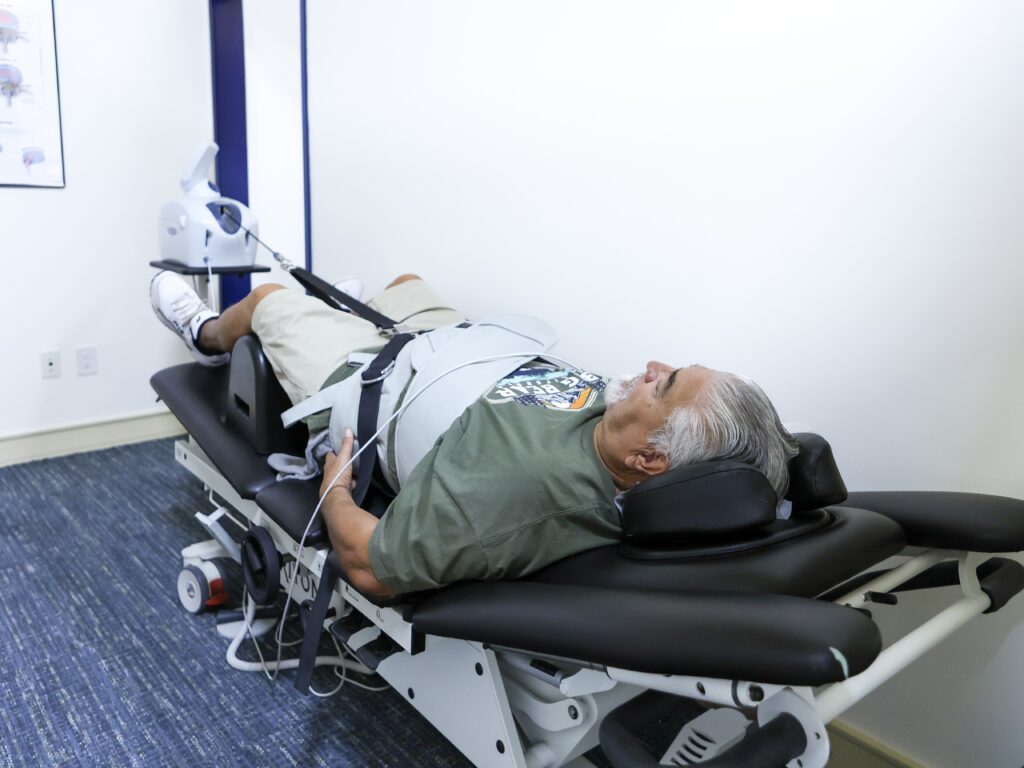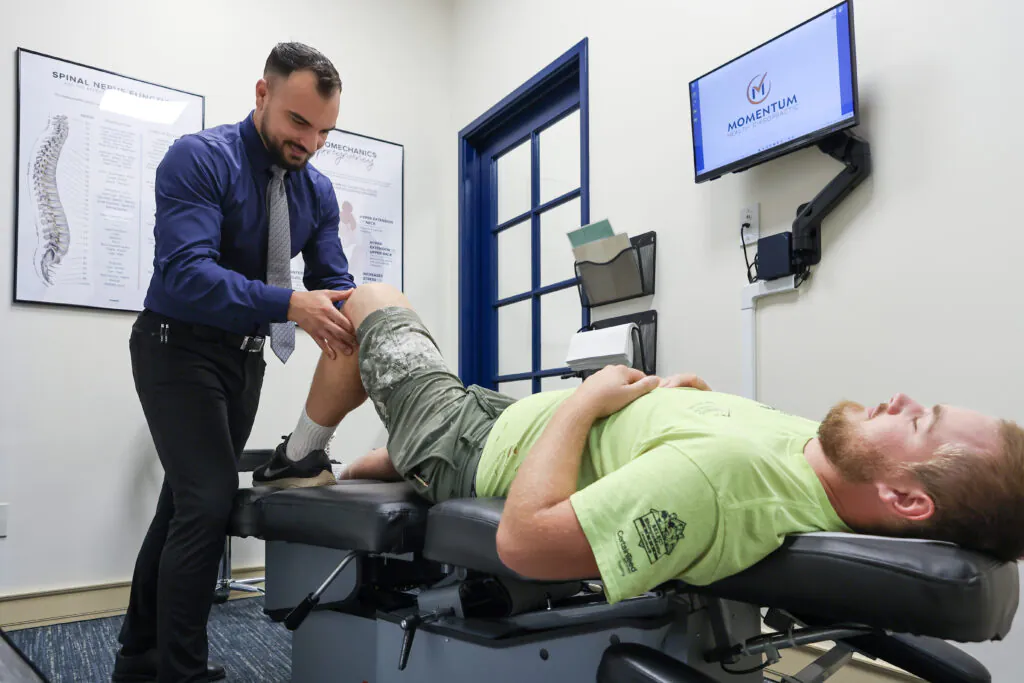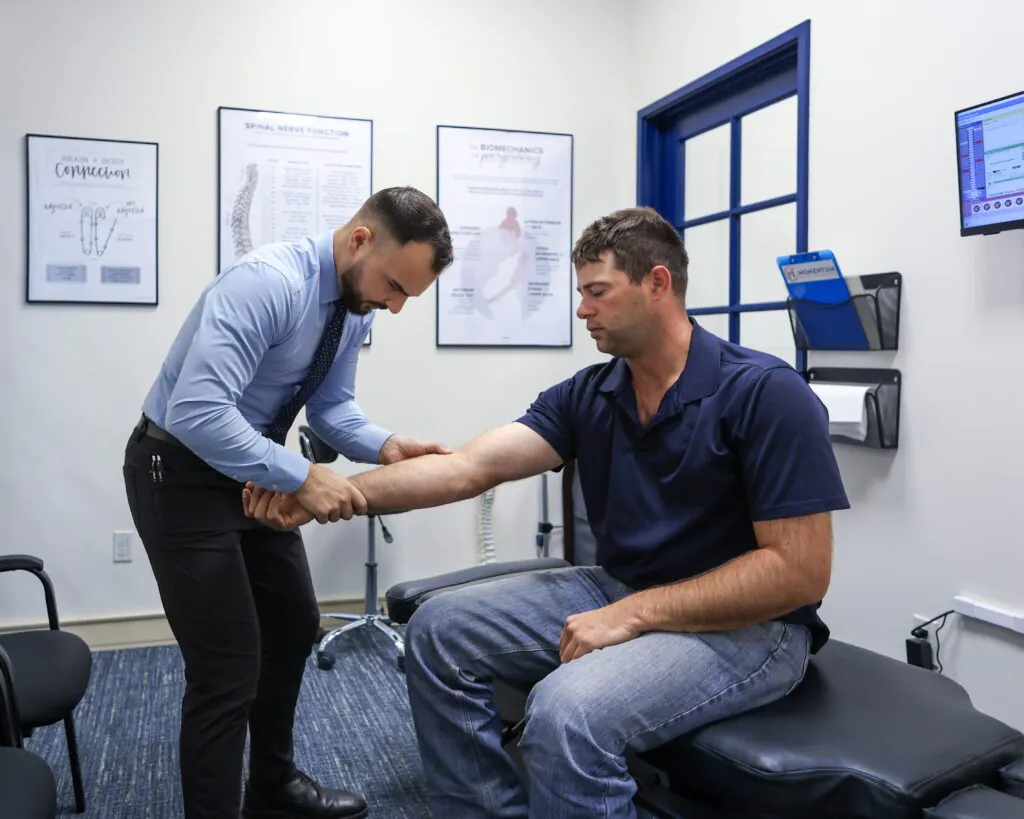

As a chiropractor, I understand that managing chronic back pain can seem daunting. However, you have the power to take control of your health. By learning about your pain triggers and making some straightforward adjustments to your daily habits, you can experience significant relief. One of the key elements we focus on in chiropractic care is posture correction, which plays a crucial role in alleviating discomfort. Additionally, exploring alternative therapies such as spinal adjustments, massage, and stretching can offer effective relief.
If you’re open to discovering practical solutions that can enhance your quality of life, I encourage you to consider chiropractic care. Together, we can create a personalized plan that addresses your unique needs and helps you find the right approach to managing your pain. Remember, you don’t have to navigate this journey alone; I’m here to support you every step of the way.
Understand Your Pain Triggers
As a local chiropractor, I want to emphasize the importance of understanding your pain triggers when it comes to managing chronic back pain. One effective way to start this process is by keeping a pain diary. This involves documenting when your pain occurs and the activities you were engaged in at that time. By doing this, you may start to notice patterns—certain movements, positions, or even emotional stress may be contributing to your discomfort.
It is also essential to consider environmental factors that might be affecting your back, such as the quality of your mattress or the ergonomics of your office chair.
Once you identify your specific pain triggers, we can work together to create proactive strategies to avoid them. For example, if you find that lifting heavy objects worsens your pain, we can discuss safer lifting techniques or ways to delegate those tasks.
If stress is a contributing factor, I can guide you through relaxation techniques like deep breathing exercises or yoga, which can also complement our chiropractic adjustments.
Understanding your pain triggers is a powerful step towards effective pain management and improving your overall quality of life. Awareness is the first step towards relief, and I’m here to help you navigate this journey to better health through natural healing methods.
Maintain Good Posture
As a local chiropractor, I want to emphasize the importance of maintaining good posture, especially for those of you who may be dealing with chronic back pain.
Many people don’t realize that poor posture can’t only increase discomfort but also lead to more serious issues over time. By consciously aligning your body, you can alleviate strain on your back and enhance your overall health.
Here are some practical tips to help you adopt better posture throughout your daily routine:
- Sit Properly: Ensure your feet are flat on the floor, your knees are at hip level, and choose a chair that provides proper support for your lower back. This can make a significant difference in how your back feels throughout the day.
- Stand Tall: When standing, aim to distribute your weight evenly on both feet. Keep your shoulders back and down, and engage your core muscles. This alignment helps support your spine and reduces the risk of pain.
- Lift Correctly: Always bend at your knees rather than your back when lifting heavy objects. Keep the items close to your body to minimize strain on your back muscles.
- Use Ergonomic Tools: Consider investing in ergonomic office furniture and tools designed to promote proper alignment while you work. This is especially important if you spend long hours at a desk.
By incorporating these posture practices into your daily life, you can take significant strides toward managing your back pain and improving your overall health.
If you have more questions about how chiropractic care can help you maintain good posture or relieve pain, feel free to reach out to me!
Incorporate Regular Exercise
As a local chiropractor, I want to emphasize the importance of good posture as a foundation for effective movement, but I also want to stress that incorporating regular exercise is crucial in managing chronic back pain. Engaging in a consistent workout routine not only strengthens your core muscles—those essential muscles that support your spine—but it also significantly reduces strain on your back.
I recommend aiming for low-impact exercises that are gentle on your body, like swimming, walking, or cycling. These activities can help promote flexibility and endurance, while minimizing stress on your joints, which is particularly important for those of you dealing with chronic pain.
Stretching is another vital component of your exercise routine. It enhances your range of motion and alleviates muscle tension. Consider adding yoga or Pilates to your regimen; these practices focus on body awareness and strength, which can be incredibly beneficial for your overall health and pain management.
Always listen to your body. If any activity causes you pain, it’s essential to stop immediately and consult a healthcare professional—like myself—who can help guide you through safe and effective options.
Consistency is key in your journey toward better health. Set realistic goals for yourself and gradually increase your activity level over time.
Use Ergonomic Furniture
As a local chiropractor, I want to emphasize the importance of using ergonomic furniture in your daily life, particularly when it comes to supporting your back. Many patients aren’t aware that the right furniture can significantly impact your spinal health.
For instance, an adjustable desk allows you to alternate between sitting and standing, which can alleviate tension and promote better posture throughout your workday.
Additionally, selecting a chair that’s designed with ergonomics in mind is crucial. A well-designed chair can help minimize strain on your back, leading to greater comfort and a more productive workspace.
Importance of Proper Support
As a local chiropractor dedicated to helping you find relief from chronic back pain, I want to emphasize the importance of proper support, especially if you’re spending long hours sitting.
The right ergonomic furniture can significantly enhance your comfort and promote better posture, which is crucial for your spinal health. Here are four essential features to consider when choosing your seating and workspace:
- Lumbar Support: Look for a chair that offers adjustable lumbar support. This feature is vital as it helps maintain the natural curve of your spine, reducing the risk of pain and discomfort.
- Seat Height: Ensure that your chair’s height allows your feet to rest flat on the floor. This positioning is important to alleviate strain on your back and promote a healthy sitting posture.
- Armrests: Properly positioned armrests can make a world of difference. They help relieve tension in your shoulders and neck, which is often a source of discomfort for many people.
- Desk Depth: A desk with adequate depth allows you to sit back comfortably while keeping your screen at eye level. This setup minimizes unnecessary strain on your neck and back.
Investing in ergonomic furniture not only enhances your comfort but can also play a significant role in managing and minimizing back pain throughout your daily activities.
Adjustable Desk Benefits
As a local chiropractor, I often see the impact that workspace ergonomics can have on your overall health. While many individuals are accustomed to traditional desks, I encourage you to consider the significant benefits of adjustable desks.
These innovative desks allow you to alternate between sitting and standing, which can promote better posture and significantly reduce strain on your back.
By customizing the height of your desk to fit your specific comfort level, you can help alleviate chronic pain and fatigue that may arise from prolonged sitting.
Furthermore, using an adjustable desk encourages movement throughout your day, which is essential for enhancing productivity and focus.
Switching to an adjustable desk can also create a more dynamic work environment, making your tasks feel less monotonous and more engaging.
Investing in one of these desks not only supports your physical health by promoting natural alignment but also contributes to a more enjoyable and efficient working experience.
As you consider options for your workspace, remember that your well-being is paramount. Making the switch to an adjustable desk can be a simple yet effective step toward better health and productivity.
Chair Design Considerations
As a chiropractor, I understand the importance of proper seating in maintaining your comfort and spinal health, especially during those long hours at work. Selecting the right chair can significantly lower your risk of chronic back pain, which is a common concern for many people.
Here are some crucial design elements to consider when choosing an ergonomic chair:
- Lumbar Support: It’s vital to find a chair with adjustable lumbar support. This feature helps to preserve the natural curve of your spine, which is crucial for preventing discomfort and promoting spinal health.
- Seat Height: Ensure that the seat height is appropriate for you. Your feet should rest flat on the floor, which supports good posture and minimizes strain on your back.
- Backrest Angle: A chair with a backrest that can recline slightly is beneficial. This adjustability can help relieve pressure on your lower back, allowing for better circulation and comfort during extended periods of sitting.
- Armrests: Look for chairs that come with adjustable armrests. Properly positioned armrests can help prevent shoulder strain and support your arms, leading to a more relaxed upper body.
Investing in an ergonomic chair isn’t just about comfort; it’s about supporting your overall well-being and health. By taking these design considerations into account, you can create a workspace that contributes positively to your posture and spinal health.
Practice Stress Management Techniques
As a local chiropractor, I want to emphasize that managing chronic back pain involves more than just spinal adjustments; it also includes addressing the emotional and psychological factors that can impact your experience of pain.
One key element to consider is stress, which can intensify discomfort. That’s why I encourage my patients to incorporate effective stress management techniques into their daily lives.
One simple yet powerful practice is deep breathing exercises. By taking a few moments each day to focus on your breath, you can help calm your mind and release muscle tension.
Another beneficial approach is mindfulness meditation. This technique encourages you to stay present in the moment, which can significantly reduce anxiety and enhance your ability to manage pain.
Additionally, regular physical activity—such as walking or practicing yoga—not only helps strengthen your body but also uplifts your mood and mitigates stress levels.
I also recommend journaling as a way to process your thoughts and feelings. Writing down your emotions can help you identify triggers that may contribute to your pain.
Lastly, don’t hesitate to lean on your support network—friends, family, or even a therapist can provide valuable assistance on this journey.
By effectively managing stress, you can enhance your overall well-being and improve your ability to cope with chronic back pain.
Maintain a Healthy Weight
As your local chiropractor, I want to emphasize that managing stress is vital for your overall health, but equally crucial is maintaining a healthy weight. Carrying excess weight can place significant strain on your spine, leading to increased pain and discomfort.
Here are some practical tips to help you achieve and sustain a healthy weight, which can also support your chiropractic care:
- Eat Balanced Meals: Incorporate a variety of fruits, vegetables, whole grains, and lean proteins into your daily diet. This not only nourishes your body but also supports your spine and joints.
- Stay Active: Aim for at least 150 minutes of moderate exercise each week. Activities such as walking, swimming, or even gentle yoga can enhance flexibility and strength, benefiting your overall spinal health.
- Monitor Portion Sizes: Being mindful of serving sizes can prevent overeating and help you manage your calorie intake. This awareness is key to achieving a healthy weight and supporting your body’s natural alignment.
- Stay Hydrated: Drinking plenty of water is essential. Not only does it help curb hunger, but it also aids in maintaining the health of your spinal discs and overall bodily functions.
By focusing on these strategies, you can support your journey to a healthier weight while enhancing the benefits of your chiropractic care.
Consider Physical Therapy
When it comes to managing chronic back pain, exploring chiropractic care can be a transformative step in your healing process. As a local chiropractor, I’m dedicated to evaluating your unique condition and creating a personalized treatment plan that addresses your specific needs.
Through gentle spinal adjustments and targeted therapies, I aim to restore proper alignment to your spine, which can alleviate pain and enhance your overall function. Chiropractic care focuses on strengthening the muscles that support your back and improving your flexibility and stability.
You’ll also learn about proper body mechanics and posture, both of which play a crucial role in preventing future injuries and minimizing discomfort during your everyday activities.
In addition to spinal adjustments, I may incorporate natural healing techniques such as soft tissue therapy and nutritional advice to support your recovery. Maintaining a consistent treatment routine is essential, and together, we’ll work toward making your health goals attainable.
As you engage in this holistic approach, you’ll likely experience improved mobility and reduced pain, empowering you to enjoy your daily life once again.
I encourage you to reach out and discover how chiropractic care can help you on your journey to better health.
Explore Alternative Therapies
As a local chiropractor, I want to share some insights about alternative therapies that can enhance your journey toward relief from chronic back pain. Many patients are unaware of the benefits that these natural approaches can provide, often complementing traditional treatments effectively.
Here are some options you might consider:
- Acupuncture: This ancient therapy involves the insertion of fine needles into specific points on the body. By stimulating these points, acupuncture can help activate your body’s natural healing processes, potentially reducing pain and discomfort.
- Chiropractic Care: Regular chiropractic adjustments are designed to restore proper spinal alignment. This not only alleviates pain but also improves your overall mobility. Many of my patients find that chiropractic care is an essential part of their pain management strategy.
- Massage Therapy: Therapeutic massage can be a valuable addition to your care plan. By relieving muscle tension and improving blood circulation, massage therapy can provide substantial relief for those dealing with chronic pain issues.
- Mindfulness and Meditation: Incorporating mindfulness and meditation techniques can empower you to manage your pain perception. These practices help reduce stress and enhance your overall well-being, making them excellent tools in your pain management arsenal.
I encourage you to explore these alternative therapies alongside your conventional treatment options. Together, we can create a comprehensive plan tailored to your unique needs and lifestyle.
Stay Hydrated and Nourished
As a local chiropractor, I want to emphasize the importance of staying hydrated and nourished, especially if you’re dealing with chronic back pain.
Proper hydration and a diet rich in nutrients play a crucial role in supporting your body’s natural healing processes. When you consume enough water and nutritious foods, you’re not only fueling your body, but also aiding in recovery.
Additionally, the timing of your meals can significantly impact your energy levels and overall well-being. Eating balanced meals at regular intervals helps maintain your energy throughout the day, which is vital for managing pain and promoting a healthier lifestyle.
Importance of Hydration
As a local chiropractor dedicated to promoting natural healing, I want to emphasize the critical role hydration plays in managing chronic back pain. Proper hydration is vital for maintaining the elasticity of your spinal discs, which are essential for a healthy spine, and it supports your overall bodily functions.
Staying well-hydrated not only alleviates tension in your back but can also boost your energy levels and enhance your mood. Here are some practical tips to help you improve your hydration:
- Drink water regularly: Aim to consume at least eight 8-ounce glasses of water each day to keep your body well-hydrated.
- Carry a water bottle: Having a water bottle with you throughout the day serves as a constant reminder to take small sips regularly.
- Set reminders: Utilize your phone or hydration apps to send you reminders to drink water at regular intervals.
- Monitor your intake: Keep track of how much water you drink daily to ensure you’re meeting your hydration goals.
By incorporating these habits into your daily routine, you can support your spine’s health and contribute to a more effective management of chronic back pain.
Nutrient-Rich Foods
As a local chiropractor, I often emphasize the importance of diet in managing back pain and promoting overall health. Did you know that what you eat can significantly impact your body’s ability to heal and respond to pain? By focusing on nutrient-rich foods, you can support your body’s natural healing processes and potentially alleviate some of that discomfort.
Start by incorporating plenty of fruits and vegetables into your meals. These foods aren’t only delicious but also packed with antioxidants and anti-inflammatory properties that can help reduce pain and inflammation. Look for vibrant options like berries, leafy greens, and cruciferous vegetables.
Don’t overlook the benefits of omega-3 fatty acids, found in foods like salmon and walnuts. These healthy fats are known for their ability to combat inflammation, making them excellent choices for anyone dealing with chronic pain.
Whole grains should also be a staple in your diet. They provide essential fiber and energy, which are vital for maintaining a healthy body. Consider options such as quinoa, brown rice, and whole-grain bread.
Adding lean proteins, such as chicken, turkey, or legumes, can further support your muscle health, which is crucial for a strong back and overall stability.
Staying nourished with the right nutrients is an integral part of your wellness journey. Remember, the food you choose can influence your body’s response to pain, so I encourage you to make mindful and healthful choices.
Together with chiropractic adjustments, a balanced diet can lead to better outcomes in managing your back pain and improving your quality of life.
Meal Timing Strategies
As a local chiropractor dedicated to your well-being, I want to emphasize the importance of not just what you eat, but when you eat, especially if you’re dealing with chronic back pain. Meal timing can significantly influence your body’s healing process and your overall energy levels.
Here are some strategies I recommend for optimal nutrition:
- Hydrate Early: Begin your day with a glass of water to rehydrate after a night’s rest. This simple step can help kickstart your metabolism and prepare your body for the day ahead.
- Regular Meals: I encourage you to eat smaller, more frequent meals throughout the day. This approach helps maintain steady energy levels and prevents large spikes in blood sugar, which can affect your mood and pain levels.
- Post-Workout Nutrition: After any physical activity, it’s crucial to nourish your body. Aim to consume a balanced meal or snack within 30 minutes of exercising. This can aid in your recovery and support your body’s natural healing processes.
- Limit Late Eating: Try to avoid heavy meals close to bedtime. Eating too late can interfere with your sleep quality and digestion, both of which are essential for effective recovery and pain management.
By incorporating these meal timing strategies into your routine, you can complement the chiropractic care you’re receiving and enhance your overall health and well-being.
If you have any questions or need guidance on how to implement these changes, feel free to reach out during your next visit!
Consult With a Healthcare Professional
As a local chiropractor, I want to emphasize the importance of consulting with a healthcare professional when dealing with chronic back pain. Each person’s condition is unique, and understanding the specific factors contributing to your discomfort is crucial for effective management.
In my practice, I focus on identifying the root causes of your pain through a thorough assessment of your medical history and physical examination. Chiropractic care offers a holistic approach to healing, and I may recommend various treatments tailored to your specific needs. This could include spinal adjustments, therapeutic exercises, and lifestyle modifications that can significantly alleviate your pain.
I encourage open communication—sharing your symptoms and concerns is essential for developing a personalized treatment plan. In addition, I can guide you on exercises and natural remedies that complement chiropractic care, helping you achieve long-term relief.
Regular follow-up visits allow us to monitor your progress and make necessary adjustments to your treatment plan, ensuring that you’re on the right path to recovery. Remember, my goal is to help you restore your body’s natural function and improve your overall well-being.
Conclusion
As a local chiropractor, I want to empower you to take control of your chronic back pain and enhance your overall well-being. One effective approach is to keep a record of your pain triggers, which can help us identify patterns and develop a tailored treatment plan. Maintaining good posture is crucial, and I can guide you on proper techniques to support your spine. Staying active with low-impact exercises is another important aspect of your recovery, and I can recommend specific routines that are safe and beneficial for your condition.
Additionally, exploring ergonomic furniture can make a significant difference in your daily comfort. I also advocate for alternative therapies, such as chiropractic adjustments, massage, and acupuncture, which may provide relief tailored to your needs. Don’t overlook the importance of stress management; techniques like mindfulness and relaxation exercises can greatly support your healing process. Staying hydrated and focusing on a balanced diet will further aid your recovery.
Remember, consulting with a chiropractor can offer you valuable insights and personalized guidance on managing your pain naturally. Together, we can work towards a healthier, pain-free life.