
As your local chiropractor, I want to share some important insights for those of you struggling with chronic back pain. It’s crucial to know that finding relief is achievable through a series of practical and natural approaches. By focusing on key factors such as improving your posture, managing your weight, and integrating regular exercise into your routine, you can make significant strides toward feeling better.
However, these steps are just the beginning of your healing journey. There are also various alternative therapies, including chiropractic adjustments, that can support your recovery. Additionally, incorporating stress management techniques can greatly enhance your overall well-being and contribute to reducing your pain.
Let’s dive into these strategies together so you can take an active role in improving your back health and overall quality of life. Remember, you don’t have to face this challenge alone; I’m here to guide you every step of the way.
Understand the Causes of Your Back Pain
As your local chiropractor, I want to emphasize the importance of understanding the root causes of your back pain to seek effective relief.
It all begins with evaluating your daily habits and lifestyle choices. For instance, maintaining poor posture during prolonged periods of sitting can place significant strain on your back. Engaging in heavy lifting or awkward twisting movements can also contribute to discomfort. Moreover, repetitive activities may lead to muscle fatigue or even injury over time.
Consider any recent injuries or accidents that might’ve initiated your back pain. It’s also worth noting that underlying conditions, such as arthritis or herniated discs, could be factors in your discomfort.
Additionally, emotional stress and anxiety can manifest physically, leading to muscle tension and pain.
To better address your concerns, I recommend keeping track of your symptoms. Pay attention to when the pain occurs, its intensity, and any specific activities that seem to exacerbate it.
This information will be invaluable as we work together to pinpoint the underlying cause of your pain and create a customized treatment plan. By gaining a deeper understanding of your pain, you can take proactive measures toward relief and enhance your overall quality of life through natural healing methods.
Maintain a Healthy Weight
As your local chiropractor, I want to help you understand that relieving chronic back pain goes beyond just addressing its symptoms.
It’s essential to look at the underlying causes and make healthy lifestyle choices that promote your overall well-being. One of the most important factors in this journey is maintaining a healthy weight.
Excess weight can place additional strain on your back, leading to discomfort and pain. By managing your weight, you can alleviate some of that pressure and improve your spine’s alignment, which is crucial for your overall health.
I encourage you to incorporate regular physical activity into your daily routine. Aim for at least 150 minutes of moderate exercise each week—this can be anything from walking and swimming to cycling.
The key is to find activities that you enjoy, as this will make it easier to stay consistent.
In addition to exercise, focusing on balanced nutrition is vital. Aim to fill your plate with whole foods like fruits, vegetables, lean proteins, and whole grains.
These nutritious choices not only provide your body with the fuel it needs but also support weight management, helping you shed those unwanted pounds.
Remember, your journey to a healthier back and body is a holistic one. By prioritizing a healthy weight through exercise and nutrition, you can significantly improve your back pain and overall quality of life.
If you have any questions or need guidance, feel free to reach out—I’m here to help you on your path to natural healing.
Practice Good Posture
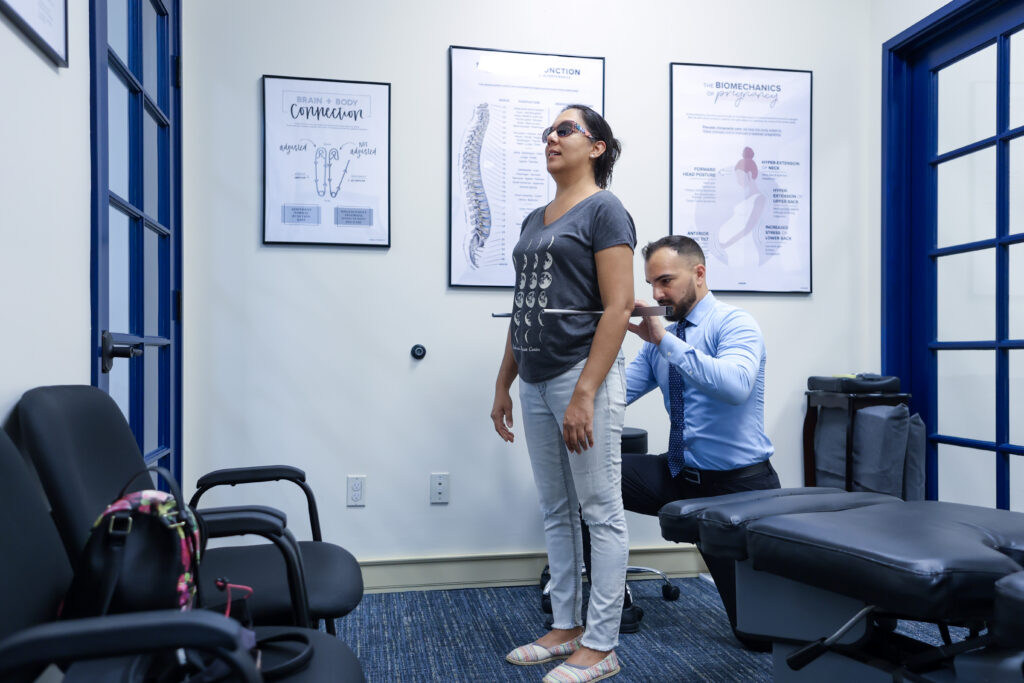
As a local chiropractor, I want to emphasize the importance of practicing good posture, especially for those experiencing chronic back pain. While maintaining a healthy weight is vital, the way you sit, stand, and move can profoundly affect your spinal health.
When you’re seated, it’s crucial to keep your shoulders back and your head aligned with your spine. Make sure your feet are flat on the ground, and if you work at a desk, adjust your chair and monitor so they support a neutral spine. This setup helps reduce strain on your back and promotes overall comfort.
When you stand, try to distribute your weight evenly on both feet. Avoid locking your knees, as this can lead to discomfort and imbalance. If you carry a bag, remember to switch sides regularly—this simple action can help prevent muscle imbalances from developing.
Throughout your day, take a moment to check in with your posture. If you catch yourself slouching, make a conscious effort to correct it. These small adjustments may seem minor, but over time, they can strengthen your back muscles and help alleviate discomfort.
Remember, practicing good posture isn’t just about managing back pain; it also enhances your overall well-being and boosts your confidence.
Incorporate Regular Exercise
As your local chiropractor, I want to emphasize the vital role that regular exercise plays in managing chronic back pain and enhancing your spinal health. Many patients are surprised to learn that physical activity can be a powerful tool in alleviating discomfort and promoting healing.
When you engage in regular exercise, you aren’t just moving your body; you’re actively working to strengthen the muscles that support your spine, increase flexibility, and decrease stiffness. Here are three key benefits of incorporating exercise into your routine:
- Improved Strength: Focusing on building your core and back strength can significantly enhance your stability. This, in turn, reduces the risk of injuries and helps prevent painful flare-ups. Strong muscles provide better support for your spine.
- Enhanced Flexibility: Maintaining your spine’s range of motion is essential for performing daily activities comfortably. Regular movement keeps your muscles and joints flexible, making it easier to engage in everyday tasks without discomfort.
- Boosted Mood: Exercise isn’t just good for your body; it’s also beneficial for your mind. When you exercise, your body releases endorphins, which can help reduce stress and improve your overall mental well-being. A positive mindset can make a significant difference in how you cope with pain.
I recommend focusing on low-impact exercises such as walking, swimming, or cycling. These activities are gentle on your back while still providing excellent benefits.
Remember, consistency is crucial. Find activities that you genuinely enjoy, as this will make it easier to stick with your exercise routine.
Stretch and Strengthen
As your local chiropractor, I want to share with you the importance of stretching and strengthening in managing chronic back pain. Many of my patients have found that incorporating specific stretches into their daily routines can greatly enhance flexibility, alleviate tension, and improve mobility.
I recommend focusing on gentle stretches that target your back, hips, and hamstrings. By practicing these stretches consistently, you can experience relief from discomfort and reduce the likelihood of future pain.
Equally vital are strengthening exercises. These not only support your spine but also play a crucial role in improving your posture and core stability. I suggest incorporating exercises that focus on your abdominal and back muscles, such as planks and bridges.
It’s best to start with low resistance and gradually increase the intensity as your strength improves. Always pay attention to how your body feels during these activities. If you experience any pain, it’s important to stop and consult with a healthcare professional, like myself.
Utilize Heat and Cold Therapy
As a local chiropractor, I want to share with you some valuable insights on managing chronic back pain through natural methods like heat and cold therapy.
These techniques can truly be transformative in your pain relief journey.
Heat therapy is wonderful for soothing tight muscles and enhancing blood circulation, which can lead to a noticeable reduction in discomfort.
On the other hand, cold therapy is effective in combating inflammation and numbing painful areas, providing you with relief when you need it most.
By understanding how to properly incorporate both heat and cold into your daily routine, you can significantly enhance your overall well-being and manage your back pain more effectively.
If you have any questions or need guidance on how to best utilize these therapies, I’m here to help you navigate your path to better health!
Benefits of Heat Therapy
As a local chiropractor, I often recommend heat therapy as a natural and effective way to manage chronic back pain.
For those who may not be familiar with chiropractic care or alternative healing methods, understanding the benefits of heat therapy can significantly enhance your comfort and promote healing.
Here are three key benefits you can expect to experience:
- Improved Blood Circulation: Applying heat helps to dilate blood vessels, which enhances circulation. This increased blood flow delivers vital nutrients to your muscles and tissues, aiding in the healing process.
- Muscle Relaxation: The soothing warmth from heat therapy can help relax tight, tense muscles. This relaxation reduces stiffness and allows for greater flexibility, making it easier for you to move without discomfort.
- Effective Pain Relief: Heat therapy can provide immediate relief by interrupting pain signals sent to the brain. By soothing discomfort, it allows you to feel more at ease in your daily activities.
Incorporating heat therapy into your routine can greatly improve your overall well-being and help you manage chronic back pain more effectively.
As always, it’s important to use heat therapy safely—be mindful not to overheat or burn your skin.
If you have any questions about how to use heat therapy or other natural healing methods, feel free to ask during your next visit!
Cold Therapy Techniques
As a local chiropractor, I want to share with you how cold therapy techniques can be an effective addition to your pain management plan, especially if you’re dealing with chronic back pain.
Cold therapy works by using cold packs or ice wrapped in a towel to help reduce inflammation and numb sharp pain sensations. I recommend applying cold therapy for about 15 to 20 minutes at a time. It’s important to let your skin warm up between sessions to avoid any irritation.
For convenience, you might find a bag of frozen peas or a commercial cold pack works well. Just remember to never apply ice directly to your skin to prevent frostbite.
If you’re experiencing ongoing pain, alternating between cold therapy and heat can often provide maximum relief.
Listen to your body and adjust the treatment based on how you feel; everyone’s response can be a bit different. By combining these techniques, you can help regain your mobility and comfort naturally.
As always, if you have any questions or need guidance on how to incorporate these methods into your wellness routine, feel free to reach out!
Explore Alternative Therapies
As a local chiropractor, I want to share some insights on alternative therapies that can complement conventional treatments for chronic back pain. Understanding these options may help you find relief and enhance your overall well-being.
Here are three therapies worth considering:
1. Acupuncture: This ancient practice involves the insertion of very fine needles into specific points on the body. Many people find that acupuncture can effectively reduce pain and promote healing by stimulating the body’s natural energy flow, or “qi.”
It’s a holistic approach that can work well alongside chiropractic adjustments.
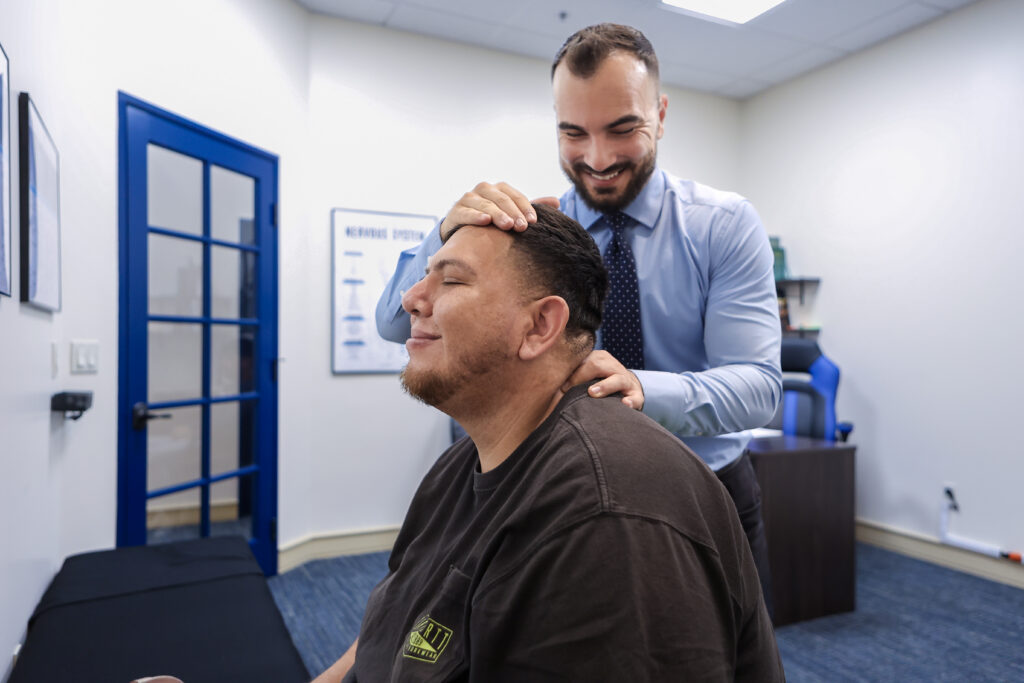
2. Chiropractic Care: As a chiropractor, I focus on spinal adjustments to improve alignment and alleviate tension in the body. Regular chiropractic visits can help you manage pain more effectively, enhance mobility, and support your body’s natural healing processes.
It’s important to address the root cause of your discomfort, and chiropractic care plays a significant role in that journey.
3. Massage Therapy: Therapeutic massage is another valuable resource for those suffering from back pain. By relaxing tight muscles and improving blood circulation, massage therapy can ease tension and reduce stress—two factors that often contribute to discomfort.
Combining massage with chiropractic care can amplify your results and promote a more balanced state of health.
I encourage you to explore these alternative therapies and see how they can work in harmony with your chiropractic care to provide you with the relief you seek.
Consider Ergonomic Adjustments
As a local chiropractor, I often see patients who suffer from chronic back pain, and I want to share some important tips on how making ergonomic adjustments in your workspace can help alleviate that discomfort.
One of the first things I recommend is ensuring your chair provides proper support for your lower back. This support helps maintain the natural curve of your spine, which is essential for reducing strain.
It’s also crucial that your feet rest flat on the floor. If they don’t reach, consider using a footrest to keep your posture aligned. Your desk height matters too; adjust it so that your elbows form a 90-degree angle while typing. This positioning helps to prevent tension in your shoulders and neck.
Speaking of neck strain, make sure your computer monitor is at eye level. This simple adjustment can prevent awkward neck angles that contribute to pain.
If you primarily use a laptop, I suggest investing in a laptop stand to elevate the screen, and pairing it with an external keyboard and mouse. This setup allows for a more comfortable wrist position and helps reduce tension that can lead to discomfort over time.
Don’t forget to incorporate regular breaks into your work routine. Standing up or stretching every hour can significantly relieve muscle fatigue and promote better circulation.
Investing in ergonomic tools, like a supportive chair or a standing desk, can have a profound impact on your comfort and overall well-being.
Manage Stress Effectively
As a local chiropractor, I want to emphasize the importance of managing stress, particularly when it comes to alleviating chronic back pain. Stress can exacerbate physical discomfort, making it crucial to adopt techniques that promote relaxation and well-being.
Incorporating mindfulness and meditation into your daily routine can significantly contribute to reducing tension in your body. These practices help you stay present and calm, which can lead to a better understanding of your body’s signals.
Additionally, simple breathing exercises can be incredibly effective in lowering stress levels and promoting a sense of peace.
Furthermore, implementing effective time management strategies can alleviate the pressures of daily life that often lead to stress. By organizing your tasks and prioritizing your responsibilities, you can create a more balanced lifestyle that supports your overall health.
Let’s work together to explore these approaches and see how they can positively impact your life and help you manage your back pain more effectively.
Mindfulness and Meditation Techniques
As your local chiropractor, I understand that chronic back pain can feel overwhelming at times. However, integrating mindfulness and meditation techniques into your daily routine can significantly help manage stress and enhance your well-being.
These practices not only promote relaxation but also shift your focus away from discomfort, empowering you to feel more in control. Here are three effective techniques that I recommend:
- Body Scan Meditation: Find a comfortable position, whether lying down or sitting, and mentally scan your body from head to toe. Pay attention to areas of tension and relaxation. This practice enhances your body awareness and can help alleviate stress, complementing chiropractic adjustments.
- Mindful Breathing: Dedicate a few minutes to focus solely on your breath. Take deep inhales through your nose and slow exhales through your mouth. With each breath, visualize releasing any tension. This technique can help calm your nervous system and support your healing process.
- Guided Imagery: Take a moment to visualize a serene and peaceful scene, such as a quiet beach or a tranquil forest. This mental escape can help reduce anxiety and shift your perception of pain, making it a valuable tool alongside your chiropractic care.
Incorporating these techniques into your routine can enhance your ability to cope with pain and improve your overall quality of life.
Breathing Exercises for Relaxation
As a chiropractor dedicated to helping you achieve optimal health, I want to introduce you to the benefits of incorporating breathing exercises into your daily routine. These exercises not only promote relaxation but also play a vital role in stress management, which is crucial for your overall well-being.
To begin, find a comfortable position—whether sitting or lying down—and close your eyes. Take a deep breath in through your nose, allowing your belly to expand fully. Hold that breath for a moment, then exhale slowly through your mouth.
As you practice, aim to gradually lengthen both your inhales and exhales. As you breathe, visualize the stress and tension leaving your body with each exhale. This mindful breathing can significantly reduce your stress levels, which may also help alleviate any chronic back pain you might be experiencing.
I encourage you to incorporate these breathing exercises daily, even if it’s just for a few minutes. You’ll likely notice the positive impact on your body and mind, complementing the chiropractic care you receive.
Time Management Strategies
As a local chiropractor, I want to emphasize the importance of effective time management in not only reducing stress but also enhancing your overall well-being. Proper time management creates opportunities for relaxation and self-care, which are essential for alleviating chronic back pain.
Here are three strategies to help you manage your time effectively:
- Prioritize your health: Recognize the tasks that directly impact your well-being, such as appointments, exercise, and self-care routines. By focusing on these essential activities first, you can prevent feeling overwhelmed by less critical tasks.
- Set achievable wellness goals: Break down your health-related projects, like improving your posture or integrating regular chiropractic visits, into manageable steps. This approach keeps you motivated and focused, without adding unnecessary pressure to your daily routine.
- Incorporate restorative breaks: Schedule short breaks throughout your day to relax and decompress. These moments of rest are vital for recharging your body and mind, helping to prevent strain and discomfort that can lead to back pain.
Seek Professional Help
When chronic back pain becomes an unwelcome part of your daily life, it’s crucial to seek professional help, and as a chiropractor, I’m here to guide you on your journey towards relief.
Chiropractic care focuses on diagnosing and treating the root causes of your pain, rather than just masking the symptoms. By assessing your condition thoroughly, I can identify underlying issues and design a personalized treatment plan tailored specifically to your needs.
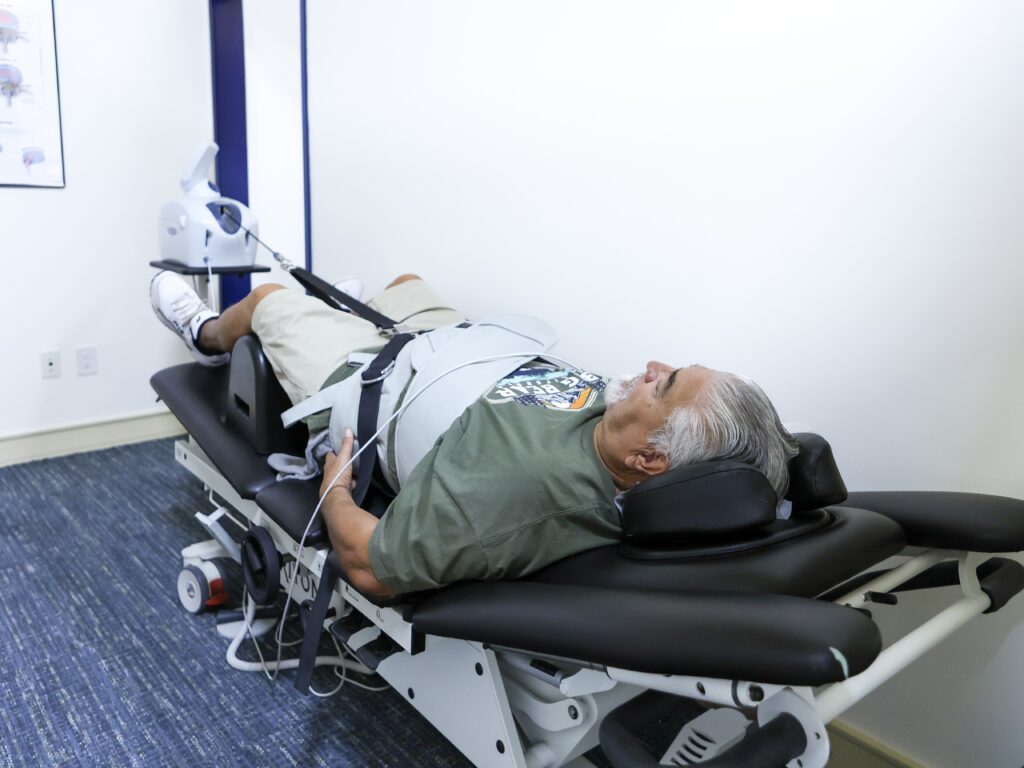
Many people may not realize that diagnostic tests, such as X-rays or MRIs, can play a vital role in understanding the source of your discomfort. With a clear diagnosis, we can explore a variety of effective treatment options, including spinal adjustments, targeted exercises, and lifestyle modifications that promote natural healing.
Don’t hesitate to reach out for a consultation. Together, we can uncover the insights and guidance necessary to help you reclaim your quality of life and find lasting relief from your chronic back pain.
Conclusion
As a local chiropractor, I want to share with you ten essential steps that can help alleviate your chronic back pain. Understanding your body and making a few simple adjustments can lead to significant improvements in your comfort and mobility.
First, maintaining a healthy weight is crucial, as excess weight can put additional strain on your back. Next, practicing good posture is key; it can help prevent unnecessary stress on your spine. Incorporating regular exercise and stretching into your daily routine is also vital, as it can strengthen the muscles that support your back and improve flexibility.
I encourage you to explore alternative therapies, such as chiropractic adjustments, which can provide natural relief and promote healing without relying on medication. It’s also important to seek professional guidance when needed; a chiropractor can tailor a plan specifically for you, addressing your unique needs.
With commitment and care, you can take control of your back pain and enhance your overall well-being. Remember, you don’t have to navigate this journey alone—I’m here to support you every step of the way.