
Migraines can be incredibly challenging, often leaving you feeling stuck in a painful cycle. However, by adjusting your headspace and considering how your spine and nervous system play a role in your overall health, you can find ways to break free from this discomfort.
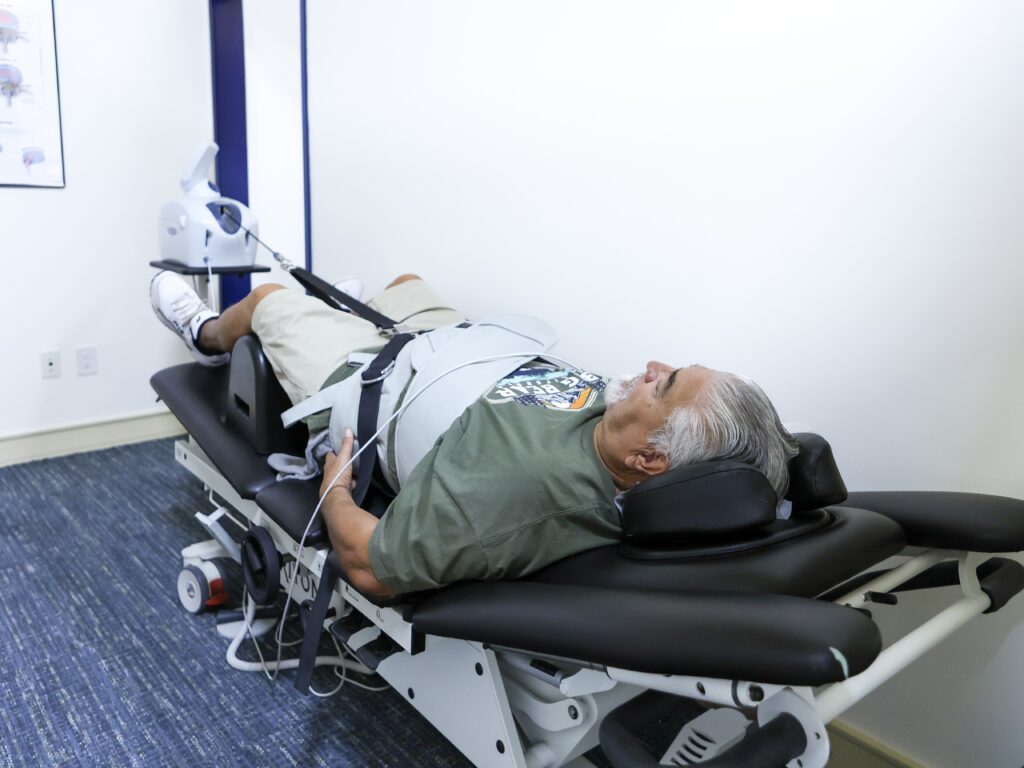
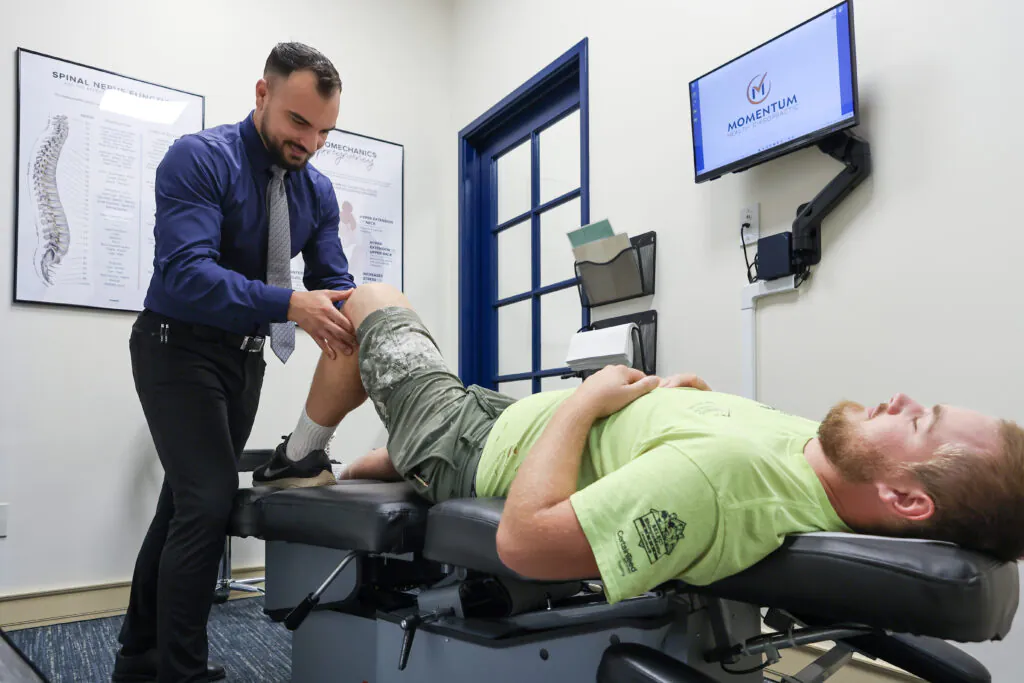
Understanding the connection between mental health and physical wellness is essential, as a misaligned spine can contribute to increased tension and stress, triggering migraines. Chiropractic care focuses on restoring proper alignment and function to your spine, which can help reduce the frequency and intensity of migraine episodes.
In the sections ahead, we’ll explore practical techniques you can incorporate into your daily routine to help manage migraine triggers. These may include practicing good posture, staying hydrated, and incorporating relaxation techniques into your day. As you embark on this journey towards migraine relief, remember that chiropractic care is a natural and effective option for achieving optimal health and wellness.
Are you ready to take the first step towards a pain-free life? Embrace these strategies and consider scheduling a visit with your local chiropractor to discuss how spinal health can support your journey to wellness.
Key Takeaways
Say Goodbye to Migraines: Adjust Your Headspace
As a local chiropractor dedicated to your health and wellness, I want to share some valuable insights on how to manage migraines naturally, emphasizing the benefits of chiropractic care in achieving optimal health.
- Start by incorporating mindfulness techniques into your daily routine. Simple practices like deep breathing and meditation can significantly reduce stress and anxiety, common triggers for migraines. These calming exercises can help you create a more balanced headspace.
- Regular physical activity is another key component in managing migraines. Engaging in activities like yoga, walking, or swimming not only enhances blood flow but also helps relieve tension in your body. Chiropractic adjustments can further support your physical activity by ensuring your spine is aligned, allowing for better movement and reduced discomfort.
- Maintaining a balanced diet is essential. Staying hydrated and being mindful of your food choices, such as avoiding aged cheeses and processed meats, can help minimize migraine occurrences. Remember, a healthy diet complements the benefits of chiropractic care, as it promotes overall wellness.
- Establishing a consistent sleep routine is crucial for reducing migraine susceptibility. Create a calming environment in your bedroom to enhance sleep quality. Quality rest supports the healing process, and regular chiropractic care can improve your sleep by alleviating discomfort and promoting relaxation.
- Lastly, consider regular chiropractic care as a proactive approach to managing migraines. Chiropractic adjustments can relieve muscle tension and address spinal misalignments, which may contribute to headache pain. By prioritizing your spinal health, you’re taking a significant step towards reducing the frequency and intensity of migraines.
Embracing these natural strategies, combined with the expertise of chiropractic care, can empower you to say goodbye to migraines and hello to a healthier, happier life. Remember, your journey to wellness is a partnership, and I’m here to support you every step of the way!
Understanding the Migraine-Mental Health Connection
When you suffer from migraines, it can be easy to forget the important connection between your mental health and these intense headaches. Many people don’t realize that anxiety and depression can make migraines happen more often and feel worse. Stress isn’t just a trigger; it can create a cycle where your pain affects your emotional well-being, leaving you feeling stuck.
When you’re feeling anxious or down, your body can respond by tightening up muscles or changing how you feel pain, which can lead to more migraines. Understanding this connection is key, and it can empower you to take charge of your health. One natural way to help manage these feelings is through chiropractic care. Regular adjustments can help relieve tension in your muscles and spine, leading to better overall health and potentially fewer migraines.
In addition to chiropractic care, consider adding some simple mindfulness practices to your daily routine, such as meditation or deep breathing exercises. These can help you manage your emotions and create a more balanced mental state. By focusing on both your mental health and the benefits of chiropractic care, you may find relief from migraines and break free from the cycle of pain and distress.
Identifying Triggers: Stress and Anxiety
Recognizing the factors that contribute to your migraines is essential for managing them effectively. Stress and anxiety are common triggers for many individuals, and addressing these issues is crucial for overall wellness. As a chiropractor, I believe that understanding these triggers can empower you to take proactive steps toward minimizing their impact on your life and achieving optimal health.
Tracking your stress and anxiety levels alongside your migraine occurrences can be a helpful tool in identifying patterns. Below is a simple table you can use to monitor these aspects:
| Day | Stress Level (1-10) | Migraine Occurrence (Yes/No) |
|---|---|---|
| Monday | 7 | Yes |
| Tuesday | 4 | No |
| Wednesday | 8 | Yes |
| Thursday | 5 | No |
| Friday | 2 | No |
As you fill out this table, pay attention to the patterns that emerge. When you notice that higher stress levels coincide with your migraines, it may be time to explore effective stress management techniques. Simple practices such as deep breathing, mindfulness, and gentle stretching can help reduce stress and promote relaxation, which is beneficial for your overall well-being.
Additionally, chiropractic care can play a vital role in managing stress and migraines. Regular chiropractic adjustments can improve spinal alignment, enhance nervous system function, and promote relaxation by alleviating tension in your body. This natural approach not only helps with pain relief but also supports your overall health, allowing your body to better cope with stressors.
Incorporating chiropractic care into your routine can be an excellent way to foster a healthier lifestyle. Remember, the goal is to take charge of your health and well-being. By understanding the connections between stress, anxiety, and migraines, and by utilizing the power of chiropractic care, you can work towards a more balanced and pain-free life.
Mindfulness and Meditation Techniques
Mindfulness and meditation techniques can be powerful allies in managing migraines, complementing the benefits of chiropractic care. By integrating these practices into your daily routine, you can enhance your overall wellness, reduce stress, and promote a calmer mental state, which is crucial for alleviating tension that may contribute to migraines.
Here are four simple techniques that can help:
- Deep Breathing: Start by focusing on your breath. Inhale deeply through your nose, hold it for a moment, and then exhale slowly through your mouth. Repeat this process for several minutes to help calm your mind and body.
- Body Scan: Lie down in a comfortable position and take a moment to mentally check in with each part of your body. Notice areas of tension and consciously relax them. This practice can help you become more aware of your body and identify any discomfort that may be linked to spinal health.
- Guided Meditation: Consider using apps or online resources that offer guided meditations aimed at stress relief and pain management. These can provide a structured way to practice mindfulness and can be a great complement to the benefits you receive from chiropractic adjustments.
- Mindful Observation: Spend a few minutes outdoors or in a peaceful setting, taking the time to observe your surroundings without judgment. Focus on the colors, sounds, and sensations around you. This practice can help clear your mind and reduce stress, supporting your journey toward optimal health.
Incorporating these mindfulness techniques can empower you to better manage your migraines and enhance your overall well-being.
The Role of Physical Activity in Migraine Prevention
When it comes to preventing migraines, the frequency and type of exercise you engage in can have a remarkable impact on managing your symptoms. As a local chiropractor, I want to emphasize the importance of physical activity not just for overall wellness but also for maintaining a healthy spine, which plays a crucial role in your body’s ability to function optimally.
Incorporating specific types of physical activities, such as gentle stretching, yoga, or low-impact exercises like walking or swimming, can help keep your body aligned and reduce tension that may trigger migraines. These activities promote blood flow, enhance flexibility, and can alleviate stress—all of which are key factors in migraine prevention.
To maximize the benefits, aim to include these exercises into your routine several times a week. Even short, consistent sessions can lead to significant improvements. Remember, it’s not about pushing your limits; it’s about finding what feels good for you and sticking with it.
Additionally, never underestimate the power of chiropractic care. Regular adjustments can help keep your spine in alignment, reduce muscle tension, and improve your overall well-being. This holistic approach can complement your exercise routine, providing you with a natural path to pain relief and migraine management.
Exercise Frequency Matters
Regular physical activity is an essential part of maintaining overall health and wellness, and it can also significantly help reduce the frequency and intensity of migraines. As a chiropractor, I believe that integrating exercise into your lifestyle, alongside chiropractic care, can lead to optimal health and natural healing.
Here are some key points to consider about exercise frequency:
- Aim for consistency: Strive to engage in physical activity at least 3-4 times a week. Regular movement not only strengthens your body but also supports spinal alignment, which is crucial for overall well-being.
- Start slow: If you’re just beginning your exercise journey, it’s important to ease into it. Gradually increase both the frequency and intensity of your workouts. This approach helps prevent injury and allows your body to adapt, promoting better spinal health.
- Mix it up: Incorporate a variety of workouts, such as walking, yoga, or swimming, to keep your routine enjoyable and effective. Different forms of exercise can enhance flexibility, strength, and balance, all of which are vital for maintaining a healthy spine.
- Listen to your body: Pay close attention to how your body feels during and after exercise. If you experience discomfort or pain, consider consulting with your chiropractor. They can provide personalized advice and adjustments to help you maintain a pain-free lifestyle.
Incorporating regular exercise with chiropractic care can empower you to achieve a healthier, more active life while naturally managing pain and supporting your body’s healing processes. Remember, the journey to wellness is a marathon, not a sprint, so be patient with yourself and enjoy the process!
Types of Beneficial Activities
Engaging in specific types of physical activities can significantly lower your chances of experiencing migraines. Incorporating aerobic exercises like walking, swimming, or cycling into your daily routine is essential for your overall health and wellness. These activities not only promote blood flow but also help reduce stress, both of which can play a crucial role in preventing migraines. Additionally, practices such as yoga and tai chi can enhance your flexibility and mindfulness, further alleviating tension that may contribute to headaches.
As a chiropractor, I want to emphasize that maintaining a healthy spine and nervous system is key to achieving optimal health. Here’s a quick overview of beneficial activities that can support your wellness journey:
| Activity | Benefits |
|---|---|
| Aerobic Exercise | Improves blood flow and reduces stress |
| Yoga | Enhances flexibility and promotes relaxation |
| Tai Chi | Reduces stress and improves balance |
| Strength Training | Builds muscle, boosts mood, and supports spinal health |
| Stretching | Relieves tension and improves mobility |
Nutrition’s Impact on Migraine Frequency
What you eat can significantly influence how often you experience migraines, and this is where a holistic approach to health, including chiropractic care, comes into play. Certain foods may trigger your migraine attacks, while others can help relieve symptoms and promote overall wellness. By understanding your nutrition and how it interacts with your body, you can take control of your migraine frequency and enhance your overall health.
Incorporating chiropractic care into your wellness routine can provide natural relief for migraines by addressing spinal alignment and improving nervous system function. A well-aligned spine can help reduce tension and promote better communication between your brain and body, which can be vital for managing migraines.
Here are some general tips to help you navigate your nutrition and migraine management:
- Stay Hydrated: Dehydration can often be a trigger for migraines. Make sure you drink plenty of water throughout the day.
- Identify Triggers: Keep a food diary to track what you eat and when migraines occur. This can help identify any specific food triggers.
- Opt for Whole Foods: Focus on a diet rich in whole, unprocessed foods. Fresh fruits, vegetables, lean proteins, and whole grains can provide your body with the nutrients it needs to function optimally.
- Regular Meals: Skipping meals can lead to a drop in blood sugar levels, which may trigger migraines. Try to eat balanced meals at regular intervals.
- Limit Processed Foods: Many processed foods contain additives and preservatives that could trigger migraines. Limit these where possible.
- Consider Omega-3 Fatty Acids: Foods rich in omega-3s, like fish and flaxseeds, may help reduce inflammation and improve overall health.
- Mindful Eating: Pay attention to how your body reacts to different foods, and practice mindful eating to foster a deeper connection with your nutritional habits.
Foods That Trigger Migraines
Many people often overlook how nutrition can impact their overall health, especially when it comes to managing migraines. At our chiropractic clinic, we believe that understanding which foods may trigger your migraines is essential for achieving optimal wellness. By making informed dietary choices, you can better support your body’s natural healing abilities. Here are four common food triggers you might want to keep an eye on:
- Aged cheeses – These delicious cheeses often contain tyramine, a substance that can provoke headaches. If you notice a pattern with your migraines, it might be worth reducing your intake of aged cheeses.
- Processed meats – Many processed meats contain nitrates and nitrites, which can lead to unwanted migraine episodes. Opting for fresh, whole food alternatives can be a better choice for your health.
- Alcohol – Red wine and beer are often linked to headaches due to the presence of sulfites and histamines. If you’re prone to migraines, consider limiting your alcohol consumption to help reduce the frequency of your headaches.
- Caffeinated beverages – While caffeine can offer temporary relief for some, excessive consumption may lead to withdrawal headaches. Balance is key; if you enjoy coffee or tea, try to consume them in moderation.
In addition to monitoring your diet, remember that regular chiropractic care can play a significant role in managing headaches and migraines. Chiropractic adjustments can help improve spinal alignment and enhance nervous system function, which may support your overall health and reduce pain.
If you’re experiencing frequent headaches, consider scheduling an appointment to discuss how chiropractic care can assist you on your journey to better health and wellness.
Nutrients for Migraine Relief
Optimizing your nutrient intake can play a crucial role in managing migraines and improving your overall well-being. As a chiropractor, I believe that natural healing and a balanced lifestyle are essential for achieving optimal health. One of the key nutrients to focus on is magnesium, which can significantly impact the frequency and severity of migraines. Incorporate magnesium-rich foods like spinach, nuts, and whole grains into your meals, as magnesium deficiency has been linked to migraine attacks.
Another important nutrient is riboflavin (Vitamin B2), which can be found in eggs, dairy, and green vegetables. This vitamin has shown potential in helping to reduce migraine frequency. Additionally, consider adding omega-3 fatty acids to your diet, which are abundant in fish like salmon and flaxseeds. These healthy fats can help lower inflammation, offering more relief from discomfort.
Hydration is also vital; staying well-hydrated can prevent dehydration, a common migraine trigger. Always try to drink plenty of water throughout the day. Furthermore, maintaining a balanced diet filled with colorful fruits, vegetables, lean proteins, and whole grains can support your overall health and wellness.
Finally, don’t forget that chiropractic care can be a powerful ally in your journey toward migraine relief. Regular adjustments can help ensure that your spine is properly aligned, which may reduce tension and improve your body’s function. By prioritizing these nutrients and considering chiropractic care as part of your wellness routine, you can take proactive steps toward managing migraines naturally and enhancing your overall health. Remember, small changes in your diet and lifestyle can lead to significant improvements in your well-being!
The Importance of Sleep Hygiene
Prioritizing sleep hygiene is crucial for reducing the frequency and intensity of migraines, which can often be linked to spinal health and overall wellness. By adopting better sleep habits, you can create an environment that promotes restorative rest—a key factor in effective migraine management. Here are four essential tips to enhance your sleep hygiene, naturally supporting your health and well-being:
- Maintain a Consistent Sleep Schedule: Aim to go to bed and wake up at the same time each day, including weekends. This consistency helps regulate your body’s internal clock, which can lead to improved sleep quality and reduced stress on your spine.
- Create a Relaxing Bedtime Routine: Engage in calming activities before bed, such as gentle stretching or deep breathing exercises. These practices not only help signal to your body that it’s time to wind down but can also relieve tension in the muscles around your spine, promoting better alignment and comfort.
- Limit Screen Time Before Bed: Try to reduce your exposure to phones, tablets, and computers at least one hour before sleep. The blue light emitted by these devices can disrupt your natural sleep cycle. Instead, consider reading a book or practicing mindfulness, which can further enhance relaxation and support your overall spinal health.
- Keep Your Sleep Environment Comfortable: Ensure that your bedroom is dark, quiet, and cool. A comfortable sleep environment is essential for restorative sleep, which plays a significant role in managing pain and maintaining your overall health. Consider using supportive pillows that promote proper spinal alignment while you sleep.
By implementing these simple yet effective tips, you can improve your sleep hygiene and potentially lessen the occurrence of migraines. Remember, chiropractic care can also be an excellent way to address underlying issues related to your spine, contributing to better sleep and overall well-being.
Prioritize your health naturally and take the steps necessary for a restful night’s sleep!
Creating a Supportive Environment
Creating a supportive environment can significantly enhance your ability to manage migraines effectively, and as a chiropractor, I believe that a holistic approach to wellness is essential. By focusing on your surroundings, you can create a space that promotes relaxation and healing, which can be beneficial in alleviating pain.
Here are some simple steps you can take to improve your environment:
| Element | Action | Benefit |
|---|---|---|
| Lighting | Use dimmers or soft lamps | Reduces eye strain and tension |
| Noise control | Incorporate soundproofing or white noise | Eases sensory overload and promotes calmness |
| Comfort items | Invest in ergonomic furniture | Supports good posture and relaxation |
By implementing these changes, you’ll create a sanctuary that aids in your migraine management. Additionally, surrounding yourself with calming colors and soothing scents, like lavender or eucalyptus, can further enhance your comfort.
Seeking Professional Help: Therapy and Counseling
When you’re dealing with migraines, finding the right support can make a significant difference. As a chiropractor, I believe that chiropractic care offers a natural and effective approach to managing migraines and enhancing your overall wellness. Here are some ways chiropractic care can help you:
- Spinal Alignment: Your spine plays a crucial role in your nervous system, which can influence headache patterns. Regular chiropractic adjustments can help align your spine, reducing nerve interference that may contribute to migraine onset.
- Muscle Tension Relief: Tension in the neck and shoulders is often a trigger for migraines. Chiropractic care includes techniques to relax these muscles, promoting better blood flow and reducing headache frequency.
- Posture Improvement: Poor posture can lead to tension and stress in the upper back and neck, which may trigger migraines. Chiropractic adjustments can help improve your posture, alleviating strain and discomfort.
- Holistic Health Approach: Chiropractic care focuses on treating the whole person, not just the symptoms. By addressing underlying issues related to stress, lifestyle, and overall wellness, you can reduce the impact of migraines on your life.
In addition to chiropractic care, here are some general tips to help manage migraines:
- Stay Hydrated: Dehydration can trigger migraines, so make sure to drink plenty of water throughout the day.
- Maintain a Regular Sleep Schedule: Establishing a consistent sleep routine can help regulate your body’s natural rhythms and reduce the likelihood of migraines.
- Practice Relaxation Techniques: Activities like yoga, meditation, or deep breathing can help reduce stress and tension, which are common migraine triggers.
If you’re struggling with migraines, consider reaching out for chiropractic care. It can empower you to take control of your health and lead to a more vibrant, headache-free life.