
If you’re dealing with chronic tension headaches, you’re certainly not alone. Many individuals experience this discomfort regularly, and it can significantly impact your quality of life. The good news is that there are effective remedies you can integrate into your daily routine that focus on natural healing and overall wellness. As a chiropractor, I believe that spinal health plays a crucial role in alleviating tension headaches. Simple adjustments and lifestyle changes can lead to significant relief.
Let’s dive into the top 10 remedies that can help you find the relief you need, with an emphasis on how chiropractic care can support your journey to better health:
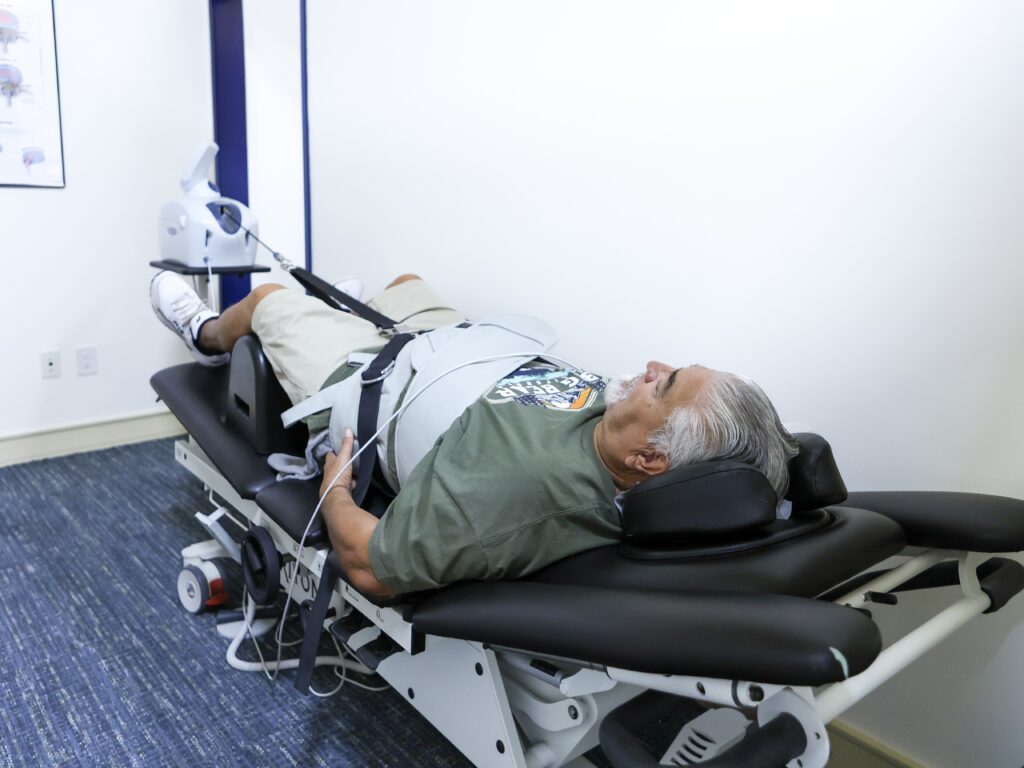
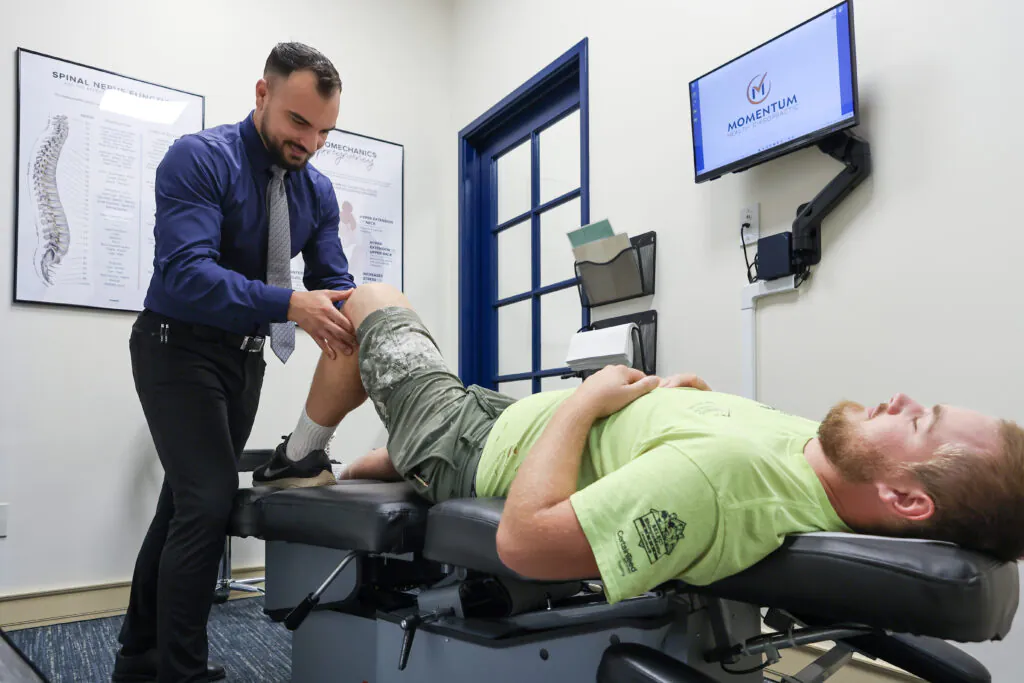
- Chiropractic Adjustments: Regular visits to your chiropractor can help align your spine, reduce tension in the muscles, and improve overall function. This is one of the most effective ways to relieve headache pain naturally.
- Posture Awareness: Maintaining proper posture, especially while sitting at a desk, can prevent unnecessary strain on your neck and shoulders. Be mindful of how you sit and consider ergonomic furniture to support your spinal alignment.
- Stress Management Techniques: Incorporate relaxation techniques such as deep breathing, meditation, or yoga into your daily routine. These practices can reduce stress and promote relaxation, which is essential for headache relief.
- Hydration: Stay well-hydrated, as dehydration can trigger tension headaches. Make it a habit to drink plenty of water throughout the day.
- Regular Exercise: Engage in regular physical activity to improve blood circulation and reduce muscle tension. Activities like walking, swimming, or stretching can be particularly beneficial.
- Heat Therapy: Applying a warm compress or heating pad to your neck and shoulders can help relax tight muscles and alleviate pain.
- Adequate Sleep: Ensure you’re getting enough restful sleep each night. Establish a calming bedtime routine to improve your sleep quality.
- Nutritional Support: Eating a balanced diet rich in fruits, vegetables, whole grains, and lean proteins can provide the nutrients your body needs to function optimally, which may help reduce headache frequency.
- Mindfulness and Meditation: Practicing mindfulness can help you become more aware of the triggers that lead to your tension headaches. Identifying these triggers can empower you to manage them better.
- Regular Chiropractic Care: Make chiropractic visits a part of your wellness routine. Regular adjustments can maintain spinal health, reduce tension, and ultimately lead to fewer headaches.
By incorporating these remedies into your lifestyle, you can take proactive steps towards alleviating chronic tension headaches. Remember, chiropractic care is a natural and effective approach to achieving optimal health and wellness. If you’re looking for relief, consider scheduling an appointment with a chiropractor to discuss how spinal health can make a difference in your life.
Key Takeaways
- Embrace deep breathing and mindfulness techniques to effectively reduce stress and muscle tension, which can help alleviate headache symptoms. These practices can enhance your overall well-being and support your body’s natural healing abilities.
- Ensure your workspace is ergonomically designed to prevent strain on your neck and shoulders, which can contribute to headaches. A proper setup encourages better posture and supports spinal health, making chiropractic care a fantastic option for maintaining your body’s alignment.
- Remember to check your posture regularly and incorporate gentle stretching throughout the day. This not only helps relieve tension but also promotes spinal alignment, which is essential for preventing headaches. Regular chiropractic adjustments can further enhance your posture and prevent tension from building up.
- Applying cold and warm compresses on your neck or forehead can provide immediate relief from headache pain. This simple technique can complement chiropractic care, which addresses the root causes of tension headaches.
- Staying hydrated and taking regular breaks to move and stretch can significantly reduce stiffness and prevent tension build-up. Consider integrating chiropractic care into your routine to keep your spine healthy and aligned, ultimately reducing the frequency of headaches.
By focusing on these natural remedies and the benefits of chiropractic care, you can take proactive steps toward achieving optimal health and wellness without relying on medications or invasive procedures.
Practice Relaxation Techniques
Chronic tension headaches can be quite debilitating, but as a chiropractor, I believe that incorporating natural healing techniques can offer significant relief. One of the best tools at your disposal is practicing relaxation techniques, which can help alleviate stress that often triggers these headaches.
Start by integrating deep breathing exercises into your daily routine. A simple yet powerful method is to close your eyes, take a deep breath in through your nose, hold it for a few seconds, and then exhale slowly through your mouth. This practice not only calms your mind but also helps reduce muscle tension, which can be a contributing factor to headaches.
Another fantastic technique is progressive muscle relaxation. Begin by tensing each muscle group for a few seconds, starting from your toes and working your way up to your head. As you relax each muscle, you’ll feel a wave of relief washing over you, promoting overall relaxation and well-being.
Mindfulness meditation is also a great addition to your wellness routine. Just a few minutes each day spent focusing on your breath and observing your thoughts can help foster a sense of calm, which is essential for managing tension headaches.
Remember, chiropractic care is an excellent option for addressing the root cause of tension headaches. Regular adjustments can help improve spinal alignment, relieve muscle tension, and enhance your overall well-being.
By combining chiropractic care with these relaxation techniques, you can achieve optimal health and significantly reduce the frequency and intensity of your tension headaches.
Incorporate these simple practices into your lifestyle, and don’t hesitate to seek chiropractic care to support your journey towards natural healing and pain relief. Your body will thank you!
Maintain Good Posture
Maintaining good posture is crucial for preventing chronic tension headaches, and as a chiropractor, I can tell you that proper alignment can make a world of difference in your overall wellness.
By focusing on ergonomics in your workspace and incorporating simple stretching and mobility exercises into your daily routine, you can significantly reduce strain on your body.
Chiropractic care plays a key role in achieving and maintaining good posture. Regular adjustments not only help align your spine but also promote better muscle function, which can alleviate tension and discomfort.
Additionally, practicing mindfulness can enhance your awareness of your posture throughout the day, helping you to avoid tension buildup.
Here are a few tips to help you maintain good posture and support your spinal health:
- Ergonomic Setup: Ensure your workspace is set up to support good posture. Your computer screen should be at eye level, and your chair should support your lower back.
- Stretch Regularly: Incorporate stretching breaks into your routine. Simple neck and shoulder stretches can help release tension.
- Stay Active: Engage in regular physical activity. This strengthens your muscles, supports your spine, and improves your overall posture.
- Mind Your Posture: Throughout the day, check in with yourself. Are your shoulders relaxed? Is your back straight? Adjust as necessary.
- Chiropractic Care: Consider regular visits to your chiropractor. Not only can they help correct misalignments, but they can also provide personalized advice on maintaining good posture.
By focusing on these tips and embracing chiropractic care, you can pave the way for a healthier, pain-free life.
Importance of Ergonomics
Good posture is vital for preventing chronic tension headaches, as it significantly influences the way your muscles and joints work together. When you embrace proper ergonomics, you reduce the strain on your neck and shoulders, leading to fewer headaches and enhanced overall well-being.
As a chiropractor, I emphasize the importance of good posture not just for pain relief, but for achieving optimal health naturally. Here are some simple tips to improve your posture and support your wellness journey:
- Chair Height: Choose a chair that supports your lower back and lets your feet rest flat on the floor. This alignment helps maintain a healthy spine and reduces tension.
- Monitor Position: Position your computer screen at eye level. This simple adjustment can prevent neck strain and help you stay focused without discomfort.
- Keyboard Placement: Make sure your keyboard and mouse are close enough so that your elbows are at a comfortable 90-degree angle. This helps keep your arms relaxed and reduces the risk of repetitive strain injuries.
- Frequent Breaks: Remember to take regular breaks to stretch and move around. This can prevent stiffness and tension from building up in your muscles, enhancing your overall comfort and productivity.
By incorporating these practices into your daily routine, you can take significant steps towards a healthier posture and reduce the likelihood of headaches. If you’re experiencing ongoing discomfort, consider visiting a chiropractor. We specialize in natural healing methods that can help restore balance to your body, improve your posture, and promote lasting wellness.
Your path to optimal health starts with understanding and caring for your spine!
Stretching and Mobility Exercises
Incorporating stretching and mobility exercises into your daily routine can significantly enhance your posture and help alleviate tension headaches, which are often linked to spinal misalignments. As a chiropractor, I encourage you to start with simple neck stretches; gently tilt your head side to side, holding each position for a few seconds to release tension.
Next, try shoulder rolls to ease tightness in your upper back. Standing tall, engage in thoracic extensions to open up your chest, which can improve spinal alignment and overall posture.
Don’t overlook your hips and lower back; hip flexor stretches are particularly beneficial for counteracting the effects of prolonged sitting, which can strain your spine. It’s essential to set reminders throughout the day to move and stretch, especially if you find yourself at a desk for long hours. By committing to these exercises, you’ll not only improve your posture but also reduce the frequency and intensity of those pesky tension headaches.
Remember, chiropractic care is an excellent choice for addressing the root causes of pain and promoting natural wellness. Regular chiropractic adjustments can enhance your overall mobility, support your stretching routine, and help your body function optimally.
Prioritizing these practices in your daily life can lead to significant improvements in your health and well-being.
Mindfulness and Awareness Techniques
As a local chiropractor, I want to emphasize the importance of posture in managing tension headaches. Many people may not realize that how they carry themselves can significantly impact their overall well-being. Poor posture can lead to muscle strain and tension, making headaches worse. By practicing mindfulness and staying aware of your posture throughout the day, you can help alleviate discomfort and promote a healthier spine.
Here are some simple tips to help you maintain good posture and support your journey to optimal health:
- Align Your Head: Keep your head aligned with your shoulders. Avoid leaning forward, as this can put unnecessary strain on your neck and upper back.
- Sit Up Straight: When sitting, ensure your feet are flat on the floor, and your back is straight against the chair. This position helps maintain the natural curve of your spine and reduces stress on your muscles.
- Take Breaks: Make it a habit to stand up and stretch every hour. Gentle stretches can relieve tension and promote better circulation, which is essential for overall health.
- Practice Deep Breathing: Focusing on your breath can help relax both your body and mind. Deep, calming breaths can reduce stress and tension, contributing to headache relief.
- Consider Chiropractic Care: Regular chiropractic adjustments can help align your spine and improve your posture. By addressing any underlying misalignments, chiropractic care can provide natural relief for headaches and promote overall well-being.
Remember, maintaining good posture is a crucial part of your health journey. By staying mindful of how you carry yourself and incorporating these tips into your daily routine, you can take proactive steps toward reducing tension headaches and enhancing your overall quality of life.
If you’re experiencing persistent headaches, a visit to your chiropractor may be the best choice for natural relief and wellness.
Stay Hydrated
Staying hydrated is crucial for preventing chronic tension headaches and supporting your overall health. When your body doesn’t get enough water, you may experience symptoms of dehydration, such as fatigue or dizziness, which can also contribute to discomfort in your spine and muscles. As a chiropractor, I emphasize the importance of hydration for not just your head but your entire body, including your spinal health.
Here are some simple hydration tips to keep you feeling your best:
- Drink Water Regularly: Aim to drink water throughout the day, rather than waiting until you’re thirsty. Keeping a water bottle with you can help remind you to hydrate.
- Infuse Your Water: If plain water isn’t appealing, try adding slices of fruits like lemon, lime, or cucumber for a refreshing twist.
- Eat Water-Rich Foods: Incorporate fruits and vegetables with high water content into your diet. Options like watermelon, cucumbers, and oranges not only hydrate you but also provide essential nutrients.
- Set Reminders: Use your phone or a hydration app to set reminders to drink water at regular intervals. This can help establish a routine.
- Connect Hydration with Movement: Every time you take a break to stretch or adjust your posture, take a sip of water. This won’t only keep you hydrated but also encourage better spinal alignment.
Chiropractic care plays a vital role in maintaining optimal health, and staying hydrated complements your treatment by supporting spinal health and reducing tension throughout your body.
Importance of Water Intake
Staying hydrated is essential for managing chronic tension headaches, as even mild dehydration can lead to discomfort. When you maintain proper hydration, you can help alleviate the frequency and intensity of your headaches, which is crucial for overall wellness.
Here are some simple tips to ensure you’re drinking enough water daily, supporting both your hydration and spinal health:
- Set a daily goal: Strive for at least 8 cups of water each day. This can enhance your body’s natural healing processes and support your spine.
- Carry a water bottle: Keep a reusable water bottle with you as a gentle reminder to drink throughout the day. Staying hydrated can help your body function optimally, which is vital for your overall health.
- Infuse your water: If plain water isn’t appealing, try adding slices of fruits or herbs for a refreshing twist. This can make drinking water more enjoyable and encourage you to increase your intake.
- Pair water with meals: Make it a habit to drink a glass of water with each meal. This not only helps you stay hydrated but also aids in digestion, supporting your body’s natural processes.
Signs of Dehydration
Recognizing the signs of dehydration is crucial for your overall health and can help prevent issues like chronic tension headaches. As a chiropractor, I want to emphasize the importance of staying hydrated, as it plays a vital role in spinal health and your body’s overall function. Symptoms of dehydration can include a dry mouth, fatigue, and dizziness, which all signal that your body needs more fluids.
Thirst is a clear indicator, but it’s best not to wait for that feeling—your body may already be in need of hydration. Pay attention to the color of your urine; if it’s darker than light yellow, you might be dehydrated. Frequent headaches can also be a sign that you’re not drinking enough water.
Moreover, if your skin feels less elastic or you notice a drop in your energy levels, these could also be warning signs of dehydration. Staying aware of these symptoms can empower you to take action before dehydration impacts your well-being and contributes to those pesky headaches.
To support your hydration and overall health, here are some simple tips:
- Carry a Water Bottle: Keep a refillable water bottle with you throughout the day to remind yourself to drink.
- Set Reminders: Use your phone to set reminders to drink water regularly.
- Infuse Your Water: If plain water doesn’t excite you, try infusing it with fruits or herbs for added flavor.
- Eat Hydrating Foods: Incorporate fruits and vegetables with high water content, like cucumbers, oranges, and watermelon, into your diet.
- Stay Active: Gentle exercises can encourage you to drink more water, especially in warmer weather.
Hydration Tips and Tricks
Staying hydrated is a crucial aspect of maintaining overall health and wellness, especially when it comes to preventing chronic tension headaches. As a chiropractor, I understand the importance of proper hydration in supporting your spine and overall bodily functions.
Here are four effective ways to boost your fluid intake and enhance your health naturally:
- Carry a reusable water bottle – Having a water bottle on hand encourages you to take regular sips throughout the day. This simple tool can help you stay mindful of your hydration needs.
- Set reminders – Utilize phone alarms or apps to give yourself gentle nudges to drink water regularly. Staying on top of your hydration can help keep headaches and discomfort at bay.
- Infuse your water – Make drinking water more enjoyable by adding slices of fruits, herbs, or cucumber. This not only enhances flavor but also makes hydration a delightful part of your routine.
- Eat water-rich foods – Incorporate fruits and vegetables with high water content, such as watermelon, cucumbers, and oranges, into your meals. These foods not only hydrate you but also provide essential nutrients that support spinal health.
Remember, staying hydrated is a key component of optimal health and wellness. By following these tips, you can enhance your hydration, support your spine, and promote a natural, pain-free lifestyle.
If you’re experiencing chronic pain or discomfort, consider visiting a chiropractor to explore natural healing options that focus on your body’s unique needs.
Apply Cold or Warm Compresses
Applying cold or warm compresses can be a simple yet effective way to find relief from chronic tension headaches. As a chiropractor, I encourage you to explore these natural methods to complement your journey towards optimal health. Depending on your personal comfort, you can choose between cold or warm compresses.
Cold compresses are excellent for numbing pain and reducing inflammation, while warm compresses can enhance blood flow and relax tight muscles, which is especially beneficial after a chiropractic adjustment.
Here’s a quick glance at the benefits of each type of compress:
| Compress Type | Benefits |
|---|---|
| Cold | Numbs pain |
| Reduces inflammation | |
| Warm | Increases blood flow |
| Relaxes tight muscles | |
| Eases tension |
To use a compress effectively, simply wrap ice or a heating pad in a towel and apply it to your forehead or neck for about 15-20 minutes. This is a great way to support the adjustments you’ve received in the office, as it can help alleviate tension that builds in your muscles.
Remember to listen to your body and feel free to alternate between cold and warm compresses to discover what provides the most relief for you. Incorporating these simple practices into your routine can enhance your overall wellness. And always consider regular chiropractic care as a proactive approach to managing pain and maintaining your health in a natural way.
Engage in Regular Exercise
Regular exercise isn’t just beneficial for your physical health; it can also play a significant role in alleviating chronic tension headaches. When you engage in physical activity, your body releases endorphins, which are natural pain relievers that can improve your mood and reduce discomfort.
Additionally, staying active helps relieve muscle tension and enhances blood circulation, both of which are essential for maintaining a healthy spine.
As a chiropractor, I believe that incorporating regular exercise into your routine can be a key component of a holistic approach to wellness. Here are four effective ways to introduce physical activity into your daily life, all of which can complement your chiropractic care:
- Walking: A brisk 30-minute walk can do wonders for your mind and body. It not only clears your thoughts but also helps ease tension. Plus, walking promotes good posture, which is vital for spinal health.
- Cycling: Whether you prefer riding outdoors or using a stationary bike at home, cycling is a great way to strengthen your legs and relieve stress. The motion helps keep your spine flexible and can improve your overall alignment.
- Swimming: This low-impact exercise is gentle on your joints and muscles, making it an excellent choice for relaxing tight areas in your body. Swimming can also enhance your range of motion, which is beneficial for spinal health.
- Dancing: Not only is dancing a fun way to get your heart rate up, but it also boosts your spirits! Moving your body to music encourages flexibility and coordination, both of which contribute to maintaining a healthy spine.
Remember, regular physical activity can enhance the benefits of chiropractic care by promoting natural healing and preventing future pain. Always listen to your body and consult with your chiropractor to develop an exercise plan that suits your specific needs.
Together, we can work towards achieving optimal health and wellness!
Incorporate Stretching and Yoga
Incorporating stretching and yoga into your daily routine can significantly help reduce chronic tension headaches, making them excellent complementary practices to chiropractic care. These activities promote relaxation and flexibility, which are essential for overall spinal health.
Gentle stretches can effectively release tight muscles, particularly in the neck and shoulders, where tension often builds up. Even dedicating just 10-15 minutes each day to stretching can lead to noticeable relief from discomfort.
Yoga is particularly beneficial, as it combines physical postures with deep breathing techniques that enhance overall well-being. Poses such as Child’s Pose and Cat-Cow are excellent for easing tension in your upper body.
While practicing yoga, focusing on your breath allows you to unwind and clear your mind, further reducing stress that can contribute to headaches.
If you’re new to yoga, consider joining a local class or following online tutorials to get started. Regular practice not only addresses current headaches but also acts as a preventive measure against future tension.
Use Over-the-Counter Pain Relievers
When you’re struggling with chronic tension headaches, it can be tempting to reach for over-the-counter pain relievers for quick relief. However, it’s important to consider a more holistic approach to managing your pain. Chiropractic care can be a powerful tool in addressing the underlying issues that contribute to tension headaches, such as misalignments in the spine and muscle tension.
Instead of relying solely on medication, consider scheduling an appointment with a chiropractor. They can assess your spine and overall posture, providing targeted adjustments that can alleviate tension and restore balance to your body. This natural approach not only helps with pain relief but also supports your overall wellness.
In addition to chiropractic care, here are some general tips to help manage tension headaches:
- Stay Hydrated: Dehydration can trigger headaches, so make sure you’re drinking plenty of water throughout the day.
- Practice Good Posture: Poor posture can strain your neck and back, leading to tension headaches. Be mindful of your posture while sitting, especially if you work at a desk.
- Incorporate Relaxation Techniques: Stress is a common trigger for tension headaches. Techniques such as deep breathing, meditation, or yoga can help reduce stress levels.
- Get Regular Exercise: Physical activity can help relieve tension and improve circulation, potentially reducing the frequency of headaches.
- Maintain a Consistent Sleep Schedule: Lack of sleep or irregular sleep patterns can lead to headaches. Aim for 7-9 hours of quality sleep each night.
Types of Pain Relievers
When it comes to managing chronic tension headaches, many people often reach for over-the-counter pain relievers as a quick fix. However, while these medications can provide temporary relief, they don’t address the root cause of the pain.
As a chiropractor, I believe it’s essential to focus on natural healing and overall wellness. Chiropractic care can be a powerful ally in your journey to optimal health and pain relief.
Here are some natural approaches and tips to consider for managing tension headaches:
- Chiropractic Adjustments: Regular spinal adjustments can help relieve tension in your neck and back, which may be contributing to your headaches. By improving spinal alignment, chiropractic care can reduce nerve irritation and promote better overall health.
- Posture Awareness: Poor posture can lead to muscle tension and headaches. Be mindful of your posture, especially if you spend long hours sitting at a desk. Keep your shoulders back, your feet flat on the floor, and your computer screen at eye level.
- Stress Management: Stress is a common trigger for tension headaches. Consider incorporating relaxation techniques such as deep breathing exercises, meditation, or yoga into your daily routine to help manage stress levels.
- Hydration and Nutrition: Dehydration and poor nutrition can contribute to headaches. Make sure to drink plenty of water throughout the day and maintain a balanced diet rich in fruits, vegetables, and whole grains to support your body’s needs.
- Regular Exercise: Physical activity can help reduce tension and improve circulation, which may alleviate headache symptoms. Aim to incorporate regular exercise into your routine, whether it’s walking, stretching, or participating in your favorite sport.
By focusing on these natural approaches, you can empower yourself to manage tension headaches effectively without relying on medications. Always consult with a healthcare professional or a chiropractor to explore the best strategies for your unique situation.
Dosage Guidelines to Follow
While natural remedies and chiropractic care can be highly effective for alleviating chronic tension headaches, there may be times when you feel the need for immediate relief. It’s important to remember that while over-the-counter pain relievers exist, they shouldn’t be your first choice. Instead, consider turning to chiropractic adjustments and other holistic approaches to address the root causes of your headaches.
Chiropractic care focuses on spinal alignment and overall wellness, which can significantly reduce the frequency and intensity of headaches. Many patients find that regular adjustments help relieve tension in the neck and shoulders—common culprits behind headaches.
Additionally, incorporating relaxation techniques, such as deep breathing exercises and gentle stretching, can help ease tension naturally.
If you’re looking for immediate relief, consider applying a cold or warm compress to your forehead or neck. Staying hydrated and maintaining a balanced diet can also play a vital role in headache prevention. Remember, keeping a headache diary to track triggers can provide valuable insights into what might be causing your discomfort.
If you have persistent headaches, consult with your chiropractor, who can work with you to develop a personalized plan aimed at achieving optimal health through natural methods. Emphasizing wellness and prevention is the key to a pain-free life, and chiropractic care is a powerful ally in this journey.
Potential Side Effects Risks
While over-the-counter pain relievers may offer quick relief for chronic tension headaches, relying on them can come with some risks that are worth considering. Instead of reaching for these medications, exploring natural alternatives like chiropractic care can provide a safer and more effective solution for long-term wellness.
Here are some potential downsides of frequent medication use:
- Stomach irritation – Regular use can lead to discomfort or even ulcers, making your digestive health a concern.
- Liver strain – Taking high doses of acetaminophen can put stress on your liver, which is essential for detoxifying your body.
- Kidney complications – Nonsteroidal anti-inflammatory drugs (NSAIDs) can negatively impact kidney function, which is crucial for filtering waste.
- Medication overuse headaches – Surprisingly, relying too much on these medications can lead to more frequent headaches instead of relief.
Instead of turning to pain relievers, consider the benefits of chiropractic care, which focuses on treating the root cause of tension headaches through spinal adjustments and holistic approaches.
Here are some helpful tips for managing headaches naturally:
- Stay hydrated: Dehydration can trigger headaches, so drink plenty of water throughout the day.
- Practice good posture: Keeping your spine aligned can help reduce tension in your neck and shoulders.
- Incorporate relaxation techniques: Activities like yoga, meditation, or deep breathing can lower stress levels and alleviate headache symptoms.
- Get regular chiropractic adjustments: These can help ensure your spine is properly aligned, which may reduce the frequency and intensity of headaches.
By prioritizing natural healing methods like chiropractic care, you can find long-lasting relief from tension headaches while promoting overall health and wellness.
It’s always a good idea to discuss your pain management strategies with a healthcare professional who understands the benefits of chiropractic care.
Consider Essential Oils
When you’re struggling with chronic tension headaches, a holistic approach can provide significant relief. As a chiropractor, I often emphasize the importance of spinal health in managing pain and promoting overall wellness. It’s essential to address any misalignments in your spine that may contribute to headache symptoms. Regular chiropractic adjustments can help restore balance and relieve tension in the neck and upper back, which often leads to headaches.
In addition to chiropractic care, incorporating essential oils into your routine can offer a soothing escape. Many individuals find that oils like lavender, peppermint, and eucalyptus can help alleviate headache symptoms. Lavender oil, known for its calming properties, is ideal for relaxation. You can inhale its scent or dilute it with a carrier oil and gently massage it onto your temples while practicing deep breathing.
Peppermint oil, with its cooling sensation, can enhance blood flow and provide quick relief. Just be sure to apply it away from your eyes for safety. Eucalyptus oil is beneficial for clearing sinus pressure, which can often contribute to tension headaches. You can use it in a diffuser to fill your space with its invigorating scent or mix it with a carrier oil for topical use.
Always remember to conduct a patch test before applying any oil directly to your skin, and consider discussing your headaches and essential oil use with your chiropractor, who can provide tailored advice based on your health needs. Prioritizing spinal health through regular chiropractic care, combined with these natural remedies, can help you achieve optimal wellness and alleviate those pesky headaches.
Manage Stress Effectively
Effectively managing stress is crucial for alleviating the frequency and intensity of chronic tension headaches. As a chiropractor, I believe that a holistic approach to wellness can significantly improve your overall health. Here are four effective ways to manage stress that can complement chiropractic care:
- Practice Mindfulness: Taking just a few minutes each day to focus on your breath or practice meditation can work wonders. These simple techniques help clear your mind and promote relaxation, making it easier for your body to heal.
- Exercise Regularly: Engaging in physical activity is a fantastic way to boost your mood naturally. Exercise releases endorphins, the body’s natural painkillers, which can help reduce stress. Aim for at least 30 minutes of moderate exercise most days; activities like walking, yoga, or swimming are great options that can also support spinal health.
- Establish Boundaries: Learning to say no and prioritize your time is essential for preventing overwhelm. By focusing on what truly matters, you can reduce stress levels and create space for activities that promote healing and well-being.
- Connect with Others: Sharing your feelings with friends or family can provide relief and strengthen your support network. Strong connections can enhance your emotional resilience, making it easier to manage stress and pain.
By incorporating these strategies into your daily routine, you can support not only your mental well-being but also your physical health. Remember, chiropractic care can be an excellent partner in your journey toward optimal health, helping to address pain and stress at their source.
Embrace these tips, and you may find a more balanced and healthier life awaits you!
Seek Professional Treatment
Managing stress is just one aspect of addressing chronic tension headaches, but there’s a holistic approach that can offer lasting relief—chiropractic care. If home remedies haven’t provided the relief you’re looking for, visiting a chiropractor can make a significant difference. A skilled chiropractor will assess your spine and overall health to develop a personalized treatment plan that targets the root causes of your headaches.
Chiropractic adjustments can help relieve muscle tension and improve spinal alignment, which in turn can alleviate headache pain. These adjustments work to restore proper function to your nervous system, promoting natural healing and overall wellness without the need for medications or invasive procedures.
In addition to chiropractic adjustments, there are simple lifestyle changes you can incorporate to reduce headache frequency and intensity. Staying hydrated, practicing good posture, engaging in regular physical activity, and utilizing relaxation techniques such as deep breathing or meditation can help manage stress and tension.