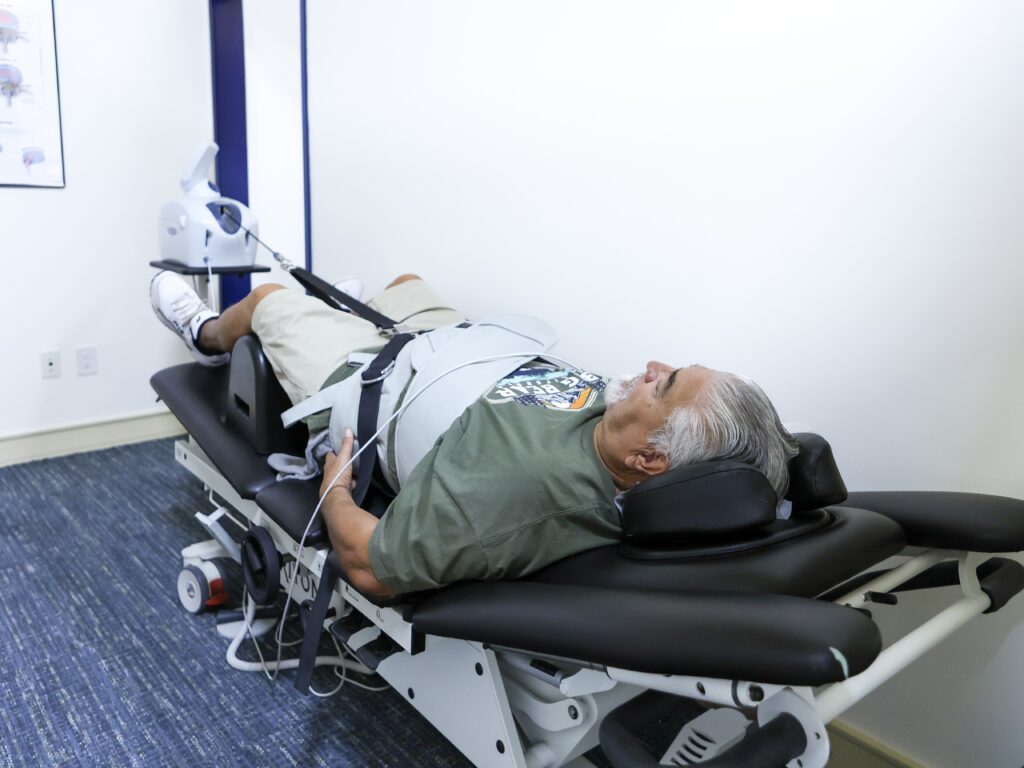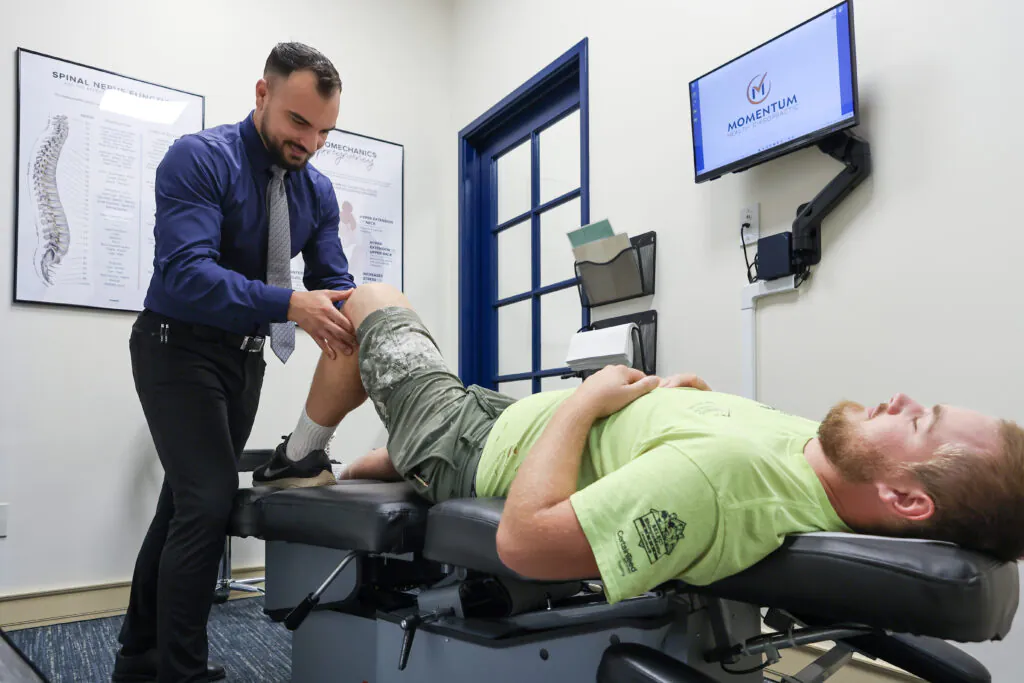

If you’re experiencing tension headaches, you may be pleasantly surprised to learn that chiropractic care and natural healing methods can provide significant relief. By focusing on simple lifestyle changes, effective stress management, and proper nutrition, we can address the root causes of your discomfort and enhance your overall well-being. So, what specific techniques can you incorporate into your daily routine to help alleviate tension headaches? Let’s delve into some effective strategies that can empower you to manage your headaches more effectively.
First and foremost, regular chiropractic adjustments can help realign your spine and reduce tension in your neck and shoulders, which are common areas that contribute to headaches. By maintaining proper spinal alignment, you can enhance your body’s ability to heal itself and alleviate pain naturally.
In addition to chiropractic care, consider integrating some simple lifestyle changes. Make sure to stay hydrated, as dehydration can often trigger headaches. Aim to drink plenty of water throughout the day.
Stress management is also crucial. Practices such as deep breathing exercises, mindfulness meditation, and gentle yoga can help reduce tension and promote relaxation. These techniques can complement your chiropractic treatments and further support your journey to wellness.
Lastly, pay attention to your nutrition. Consuming a balanced diet rich in whole foods can enhance your overall health and help prevent headaches. Foods high in magnesium, such as leafy greens, nuts, and seeds, may be particularly beneficial.
By incorporating these strategies and prioritizing chiropractic care, you can take meaningful steps toward relieving tension headaches and achieving optimal health. Remember, your journey to wellness is a collaborative effort, and we’re here to support you every step of the way.
Key Takeaways
- Embrace deep breathing and mindfulness techniques to manage stress and ease tension headache symptoms. These practices can enhance your body’s natural ability to heal and help you feel more centered.
- Ensure you stay hydrated by drinking plenty of water and enjoying hydrating foods like cucumbers and watermelon. Proper hydration supports overall wellness and can help reduce headache frequency.
- Incorporate gentle yoga or stretching exercises into your daily routine. These movements not only relieve physical tension but also promote muscle relaxation, which is essential for maintaining a healthy spine.
- Maintain proper ergonomic posture during your daily activities. Good posture helps prevent muscle strain, reduces the risk of tension headaches, and supports spinal health.
- Consider using natural remedies like peppermint oil to soothe muscle tension and ginger tea to help manage headache intensity. These options can complement your chiropractic care and enhance your overall wellness journey.
Remember, chiropractic care is a fantastic option for achieving optimal health and relieving pain. Regular adjustments can help align your spine, improve your posture, and reduce tension, leading to fewer headaches and a healthier, more vibrant life.
Understanding Tension Headaches: Causes and Symptoms
While you might consider tension headaches to be just a minor inconvenience, recognizing their causes and symptoms is essential for effective management and relief.
Tension headaches often arise from stress, poor posture, or muscle tension in your neck and shoulders. You may experience a dull, aching pain that feels like a band wrapping around your head, often coupled with tightness or pressure. This discomfort can hinder your ability to concentrate or enjoy your daily activities.
Common triggers for tension headaches include lack of sleep, eye strain from screens, and even dehydration. When a tension headache strikes, you might also feel fatigued or irritable. Being aware of these symptoms early on empowers you to take proactive steps towards relief.
As a chiropractor, I believe that understanding your body and its signals is crucial for optimal health. By identifying your triggers and recognizing how they impact your well-being, you’ll be in a better position to address headaches before they escalate. Here are some general tips to help manage tension headaches:
- Maintain Good Posture: Ensure that your workspace is ergonomically friendly. Keep your computer screen at eye level and take regular breaks to stretch your neck and shoulders.
- Stay Hydrated: Drink plenty of water throughout the day. Dehydration can contribute to headaches, so make sure to replenish your fluids.
- Practice Relaxation Techniques: Incorporate stress-relief practices such as deep breathing, yoga, or meditation into your daily routine. These can help reduce muscle tension and promote relaxation.
- Limit Screen Time: Take breaks from screens to reduce eye strain. Follow the 20-20-20 rule: every 20 minutes, look at something 20 feet away for at least 20 seconds.
- Chiropractic Care: Regular chiropractic adjustments can help alleviate muscle tension, improve posture, and enhance overall spinal health. This natural approach can be highly effective in managing and preventing tension headaches.
Relaxation Techniques to Reduce Stress
Managing tension headaches often begins with addressing the underlying stress that can exacerbate discomfort. As a chiropractor, I believe that a holistic approach to health, including stress management, can greatly enhance your well-being. One effective method to alleviate stress is through deep breathing exercises. Find a quiet space, close your eyes, and take slow, deep breaths. Inhale through your nose for a count of four, hold for four, and exhale through your mouth for four. This practice not only calms your mind but also helps to restore balance to your body.
Another beneficial technique is progressive muscle relaxation. By tensing and then relaxing each muscle group—from your toes up to your head—you can release physical tension that may be contributing to your headaches. This method works harmoniously with chiropractic care, as it helps to align your body and promote overall wellness.
Meditation can also play a significant role in your stress reduction journey. Dedicate a few minutes each day to focus on your breath or a calming mantra. This practice can enhance your mental clarity and improve your overall emotional health, complementing the benefits of chiropractic adjustments.
Additionally, incorporating gentle yoga or stretching into your routine can be incredibly helpful. These activities not only relieve physical tension but also foster a sense of tranquility. When paired with chiropractic care, they can help maintain proper alignment and promote a healthier lifestyle.
The Role of Nutrition in Headache Relief
When it comes to alleviating tension headaches, the food and drinks you choose can significantly impact your comfort. Staying well-hydrated is crucial; even mild dehydration can lead to headaches. It’s important to drink plenty of water throughout the day.
In addition to hydration, focusing on nutrient-rich foods can help provide your body with the vitamins and minerals it needs to fight off discomfort. Foods like leafy greens, lean proteins, and whole grains contribute to overall wellness and can support your body’s natural healing processes.
As a chiropractor, I believe that maintaining proper spinal health is key to preventing headaches. Regular spinal adjustments can help align your body, reduce tension, and improve overall function. Incorporating chiropractic care into your wellness routine not only aids in relieving headaches but also promotes a healthier lifestyle.
Here are a few simple tips you can use to help manage tension headaches:
- Stay Hydrated: Aim for at least 8 glasses of water a day.
- Eat Balanced Meals: Include a variety of fruits, vegetables, lean proteins, and whole grains.
- Practice Good Posture: Be mindful of your posture, especially if you work at a desk for long periods.
- Incorporate Regular Chiropractic Visits: Regular adjustments can help keep your spine aligned and reduce tension.
Hydration’s Impact on Headaches
Staying properly hydrated is crucial for your overall health and can play a significant role in preventing tension headaches. Even mild dehydration can lead to discomfort and exacerbate tension in your body, which can result in headaches. When you’re not drinking enough water, your body can’t perform at its best, and this can affect your spinal health as well.
As a chiropractor, I emphasize the importance of hydration not just for general wellness, but also for maintaining a healthy spine. Adequate hydration helps keep the discs in your spine well-lubricated and functioning optimally. Make it a habit to drink water throughout the day, aiming for at least eight 8-ounce glasses, or even more if you’re active.
Incorporating hydrating foods like fruits and vegetables into your diet can also enhance your fluid intake. Foods like cucumbers, watermelon, and oranges aren’t only refreshing, but they provide additional nutrients that support your wellness journey. Listen to your body; if you start to feel thirsty, it’s a clear signal that you need to replenish your fluids.
Remember, maintaining hydration goes beyond simply quenching thirst; it’s a proactive measure in reducing the frequency and severity of headaches, and it can support your overall spinal health. Keeping a water bottle handy and sipping regularly throughout the day is a simple yet effective strategy.
Nutrient-Rich Foods to Consider
Incorporating nutrient-rich foods into your diet can significantly influence your overall health and wellness, particularly when it comes to managing headaches. As a chiropractor, I believe that natural methods, including proper nutrition, can support your body’s healing process and improve your quality of life.
Start by focusing on foods high in magnesium, such as spinach, almonds, and black beans. Magnesium plays a crucial role in muscle relaxation, which can help alleviate tension and reduce headache frequency. Additionally, omega-3 fatty acids, found in salmon, walnuts, and flaxseeds, are known to help lower inflammation, potentially easing headache symptoms and promoting better spinal health.
Hydration is also key to maintaining your well-being. Incorporate hydrating fruits and vegetables like watermelon and cucumbers into your meals. They can help you stay hydrated while providing essential vitamins that support your body’s functions.
B vitamins are another important group to include in your diet. Foods like whole grains, leafy greens, and eggs are rich in B vitamins, which are vital for energy production and can help prevent headaches.
Don’t forget about ginger! This powerful root has anti-inflammatory properties that can be a natural way to relieve headache pain. You can easily add ginger to your meals or enjoy it as a soothing tea.
Herbal Remedies for Tension Headaches
If you’ve been struggling with tension headaches, consider exploring natural remedies alongside your chiropractic care for a holistic approach to relief. Herbal remedies can complement the benefits of spinal adjustments and alignments, promoting overall wellness. Here are some effective options you might consider:
- Peppermint: This invigorating herb can relax muscles and enhance circulation, helping to alleviate headache pain. Incorporating peppermint oil into your massage routine or enjoying peppermint tea can be a soothing addition to your care plan.
- Ginger: Known for its anti-inflammatory properties, ginger can help reduce the intensity of headaches and the nausea that sometimes accompanies them. You can enjoy ginger tea or add fresh ginger to your meals for added benefits.
- Lavender: The calming scent of lavender is excellent for reducing stress and promoting relaxation, which can be particularly helpful for tension headaches. Consider using lavender essential oil in your relaxation routines or adding dried lavender to your pillow for a restful night’s sleep.
- Feverfew: Traditionally used to prevent headaches, feverfew may help reduce their frequency and severity. You can find feverfew in tea or supplement form, but always discuss with your chiropractor to ensure it’s a good fit for your health journey.
Incorporating these herbs into your routine can be a natural way to support your wellness. Remember, while these remedies can be beneficial, regular chiropractic care plays a vital role in addressing the underlying causes of tension headaches, such as spinal misalignments and muscle tension.
Always consult with your chiropractor before starting any new remedies to ensure they complement your overall health plan.
In addition to herbal remedies, consider other practices such as maintaining good posture, managing stress through mindfulness or yoga, and staying hydrated. These simple changes can enhance your wellness journey and help you achieve relief from tension headaches.
The Importance of Proper Posture
Your posture is crucial for your overall well-being, particularly when it comes to managing tension headaches. When your body is misaligned, it can lead to muscle strain, discomfort, and a host of other issues. That’s why it’s so important to be mindful of how you sit, stand, and move throughout your day.
As a chiropractor, I can tell you that maintaining proper alignment not only helps relieve headaches but also supports your entire spine and nervous system.
Here are some practical tips to improve your posture and enhance your health:
- Sit Smart: When sitting, make sure your back is supported, and your feet are flat on the floor. Use a chair that encourages a straight back and helps keep your spine aligned.
- Stand Tall: When standing, distribute your weight evenly on both feet, and avoid locking your knees. Keep your shoulders relaxed and aligned with your ears for a balanced posture.
- Take Breaks: If you’re working at a desk for long periods, take regular breaks to stretch and move around. This helps to relieve tension and keep your muscles flexible.
- Mind Your Tech: When using your phone or computer, keep screens at eye level. This prevents you from looking down or straining your neck, which can contribute to headaches.
- Chiropractic Care: Regular visits to a chiropractor can help maintain your spinal health and correct any misalignments. Chiropractic adjustments can alleviate tension and promote natural healing, providing lasting relief from headaches and discomfort.
By focusing on these simple habits and incorporating chiropractic care into your wellness routine, you can significantly improve your posture, reduce tension headaches, and enhance your overall health.
Effects of Poor Posture
While many people may not realize it, poor posture can significantly contribute to the development of tension headaches. When you slouch or hunch over your devices, your neck and back muscles become strained, leading to discomfort. As a chiropractor, I want to share with you how poor posture affects your health and how chiropractic care can help you achieve optimal wellness.
Here are some effects of poor posture and tips to improve your posture for better health:
- Muscle Tension: When you hold your head forward and shoulders rounded, the muscles in your neck and shoulders tighten, creating pressure that can lead to headaches. Regular chiropractic adjustments can help relieve this tension by aligning your spine and improving muscle function.
- Reduced Blood Flow: Slouching can compress blood vessels, limiting the oxygen supply to your brain, which can contribute to headaches. By maintaining a healthy posture, you can enhance blood flow. Incorporating gentle stretches and mindful posture checks throughout your day can make a big difference.
- Increased Stress: Poor alignment puts unnecessary stress on your body and can worsen headache symptoms. Chiropractic care focuses on correcting your posture, which can help alleviate stress and promote relaxation. Make it a habit to take breaks and practice deep breathing to reduce tension.
- Nerve Compression: Misalignment in the spine can irritate nerves, leading to pain and discomfort. Regular visits to a chiropractor can help ensure your spine is aligned, relieving nerve pressure and improving your overall function.
To support your spinal health and prevent tension headaches, here are a few tips:
- Practice Good Posture: Keep your back straight and shoulders back when sitting or standing. Use ergonomic furniture to support proper alignment.
- Take Breaks: If you work at a desk or spend long hours on devices, take frequent breaks to move and stretch. This can help reset your posture and reduce muscle strain.
- Stay Active: Incorporate regular exercise into your routine to strengthen your back and core muscles, which support good posture.
- Stay Hydrated: Drinking plenty of water can help reduce muscle tension and keep your body functioning optimally.
Tips for Better Alignment
Proper posture is crucial for maintaining overall health and preventing tension headaches, and as a chiropractor, I can’t stress enough the importance of spinal alignment. Start by aligning your ears, shoulders, and hips in a straight line when sitting or standing. This alignment allows your spine to function optimally. Keep your feet flat on the ground and avoid crossing your legs, as this can disrupt your alignment and contribute to discomfort.
If you work at a desk, it’s essential to adjust your chair and monitor height so your eyes are level with the screen. This will help prevent strain on your neck and back. Remember to take regular breaks to stretch and reset your posture. Simple stretches can be incredibly beneficial in relieving tension and promoting better alignment.
Strengthening your core muscles through exercises like planks or yoga can greatly support your spine and help maintain proper posture. A strong core stabilizes your entire body, making it easier to keep your spine aligned throughout your daily activities.
Finally, practice mindfulness regarding your posture throughout the day. Being aware of how you hold your body can lead to significant improvements in your comfort and well-being. These simple tips can help reduce tension and promote a healthier lifestyle. And remember, chiropractic care is an excellent way to achieve and maintain optimal health, providing natural relief and supporting your body’s ability to heal itself.
Lifestyle Changes for Long-Term Relief
Making sustainable lifestyle changes can significantly enhance your relief from tension headaches, and chiropractic care can play a pivotal role in this journey. By embracing healthier habits, you can decrease both the frequency and intensity of these headaches, while also promoting overall wellness. Here are four essential changes to consider:
- Manage Stress: Stress is a common trigger for tension headaches. Incorporate stress-reducing techniques such as meditation, yoga, or deep breathing exercises into your daily routine. Regular chiropractic adjustments can also help alleviate stress by improving your spine’s alignment and function, which may enhance your overall sense of well-being.
- Stay Hydrated: Dehydration is a known headache trigger, so it’s crucial to drink plenty of water throughout the day. Staying hydrated supports the health of your spinal discs and joints, which can help reduce discomfort. Consider pairing hydration with gentle spinal stretching exercises to further promote mobility and ease tension.
- Improve Sleep Quality: Quality sleep is vital for your body to recover and rejuvenate. Aim for 7-9 hours of restful sleep each night, and establish a calming bedtime routine. Chiropractic care can also assist with sleep issues by ensuring your spine is properly aligned, which can lead to a more restful night.
- Exercise Regularly: Engaging in regular physical activity, such as walking, swimming, or even gentle yoga, can improve circulation and relieve muscle tension. Chiropractic care can enhance your exercise routine by ensuring that your spine and nervous system are functioning optimally, making your workouts more effective and enjoyable.
By focusing on these lifestyle changes and incorporating chiropractic care into your wellness routine, you can pave the way for long-term relief from tension headaches while fostering a healthier, more balanced life.
Always remember that your spine is the foundation of your overall health, and keeping it in top shape can lead to a happier, headache-free life.