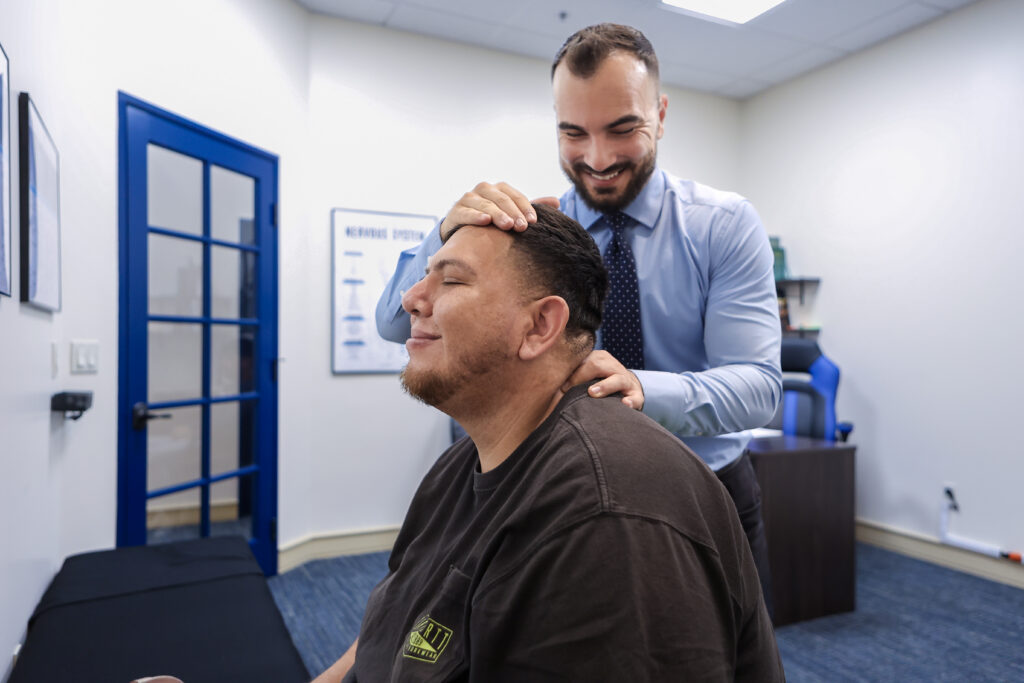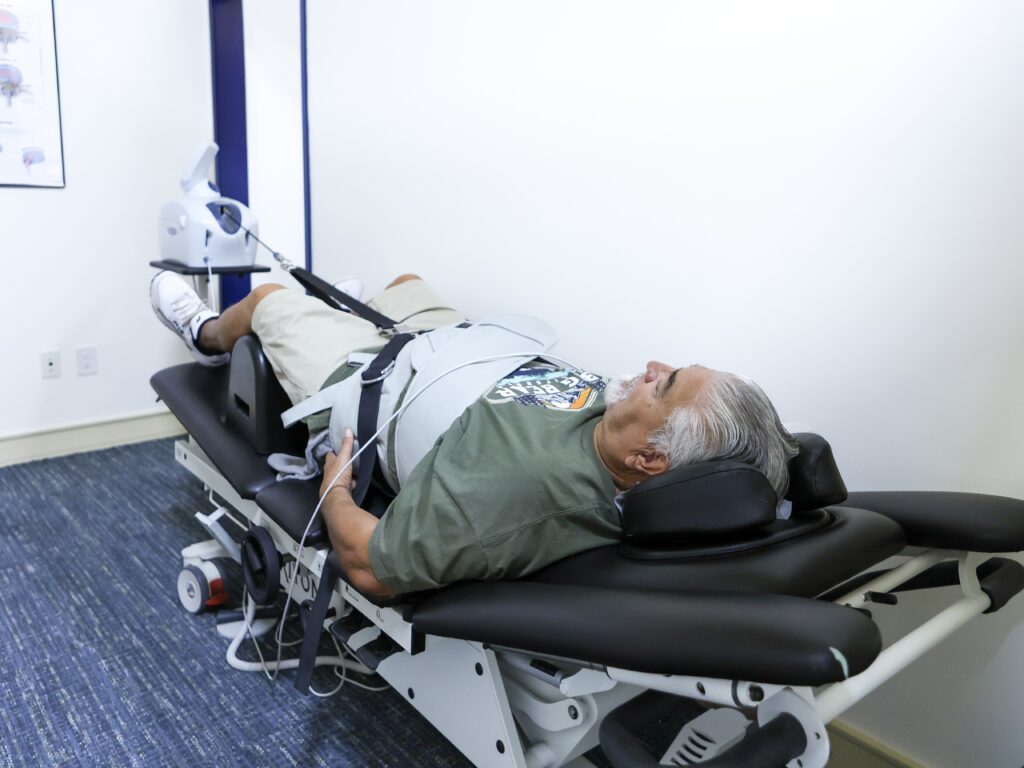

If you’ve recently experienced whiplash, you’re probably eager to find effective ways to relieve your symptoms and get back to your normal life. As a chiropractor, I want to emphasize that with the right approach, you can see significant improvement in just four weeks. Early intervention is key, and chiropractic care can play a crucial role in your recovery process.
So, what can you do to ensure the best results? Here are some essential steps to consider:
- Consult a Chiropractor: The first step in addressing whiplash is to seek the expertise of a chiropractor. We specialize in spinal health and can assess your condition to create a personalized treatment plan that focuses on restoring proper alignment and function to your spine.
- Gentle Exercises: Incorporating gentle neck and shoulder exercises can help improve mobility and reduce pain. Your chiropractor can guide you through specific stretches and strengthening exercises tailored to your needs, ensuring you’re doing them safely and effectively.
- Ice and Heat Therapy: Applying ice to the affected area can help reduce inflammation in the early stages of injury. After a few days, switching to heat therapy can help relax tight muscles and improve circulation. Just remember to use each method for about 15-20 minutes at a time.
- Maintain Good Posture: Being mindful of your posture while sitting and standing can greatly affect your recovery. Try to keep your head aligned over your spine and avoid slouching. Your chiropractor can provide tips on how to maintain good posture throughout your daily activities.
- Stay Hydrated and Nourished: Proper hydration and nutrition can support your healing process. Drinking plenty of water and eating a balanced diet rich in vitamins and minerals will provide your body with the nutrients it needs to recover.
- Lifestyle Modifications: Consider making adjustments to your daily routines. This might include taking regular breaks from screen time, using ergonomic furniture, and incorporating relaxation techniques such as deep breathing or gentle yoga.
Remember, the path to recovery from whiplash doesn’t have to involve medications or surgeries. Chiropractic care offers a natural and effective approach to alleviating pain and promoting overall wellness. By focusing on these strategies and working closely with your chiropractor, you can achieve optimal health and get back to feeling like yourself in no time.
Key Takeaways
- Make chiropractic care your first step after a whiplash injury to speed up recovery and reduce pain. A visit to your chiropractor can help realign your spine and relieve discomfort right from the start.
- Incorporate gentle neck stretches and upper back strengthening exercises into your daily routine. These movements can enhance your mobility and provide the support your spine needs to heal properly.
- Use ice and heat therapy wisely to help manage inflammation and ease your discomfort as your symptoms change. Ice can numb the area and reduce swelling, while heat can relax tight muscles and improve blood flow.
- Keep a daily pain journal to note your symptoms and how they change over time. This can help you and your chiropractor tailor your treatment plan for the best results.
- Focus on staying hydrated, getting quality sleep, and engaging in stress-reducing activities. These practices not only support your physical recovery but also boost your emotional well-being, making your healing journey smoother.
Remember, chiropractic care is a natural and effective way to achieve optimal health and wellness. Your journey to recovery is important, and with the right support, you can feel better and get back to your daily activities in no time!
Understanding Whiplash and Its Symptoms
If you’ve experienced a sudden movement of your head, such as during a car accident, you may be facing a condition known as whiplash. This neck injury occurs when your head quickly jerks forward and then backward, putting strain on the muscles and ligaments in your neck.
The symptoms of whiplash can differ from person to person, but commonly include neck pain, stiffness, headaches, dizziness, and fatigue. You might also notice a reduced range of motion in your neck or pain that radiates down your arms.
It’s important to listen to your body after such an incident. Symptoms may not appear right away; sometimes, they can take hours or even days to develop. If you start feeling discomfort or experience any of the symptoms mentioned, it’s crucial not to ignore them. Understanding whiplash and recognizing its symptoms is the first step toward finding relief.
Chiropractic care is an excellent option for addressing whiplash and promoting natural healing. A chiropractor can help assess your condition and develop a personalized treatment plan that focuses on restoring your spinal health, improving mobility, and alleviating pain without the need for medications or surgery.
In addition to seeking chiropractic care, here are a few general tips to support your recovery:
- Stay Active: Gentle movements and stretches can help maintain mobility in your neck. Avoid prolonged bed rest, as it can lead to stiffness.
- Apply Heat or Cold: Using a warm compress can help relax tight muscles, while ice packs can reduce inflammation and numb pain.
- Practice Good Posture: Be mindful of your posture, especially if you’re sitting for long periods. Keeping your neck aligned can help reduce strain.
- Stay Hydrated: Drinking plenty of water supports overall health and helps keep your muscles functioning well.
- Get Plenty of Rest: Allowing your body time to heal is essential. Aim for good sleep quality to support recovery.
By being aware of your body’s signals and taking proactive steps, you can help facilitate your healing journey.
Importance of Early Intervention
Receiving prompt chiropractic care after experiencing whiplash can significantly enhance your path to recovery. Early intervention through chiropractic adjustments helps alleviate pain, improve mobility, and prevent long-term complications. By seeking treatment quickly, you give yourself the best chance for a smoother healing process and the opportunity to regain your daily activities sooner.
Here’s a quick comparison of the benefits of early chiropractic intervention versus waiting to seek care:
| Early Chiropractic Intervention | Delayed Care |
|---|---|
| Reduces pain intensity | Increases risk of chronic pain |
| Promotes faster recovery | Slower healing process |
| Prevents secondary injuries | Higher chance of complications |
| Improves overall quality of life | May lead to prolonged discomfort |
| Facilitates optimal treatment outcomes | Limited options available |
Chiropractic care focuses on natural healing and wellness, making it a great choice for managing whiplash. Here are some general tips to consider for your recovery:
- Stay Active: Gentle movements and stretches can help maintain mobility. Always consult your chiropractor for specific exercises that suit your condition.
- Apply Ice: Ice packs can help reduce inflammation and numb pain in the first few days after injury.
- Stay Hydrated: Drinking plenty of water supports overall health and can aid in the healing process.
- Practice Good Posture: Maintaining proper posture can alleviate additional strain on your spine and muscles during recovery.
- Follow Your Chiropractor’s Advice: Stick to the treatment plan your chiropractor provides for the best results.
Targeted Exercises for Relief
To effectively relieve whiplash symptoms, targeted exercises can significantly enhance your recovery journey. As a chiropractor, I believe that incorporating specific neck stretching techniques, strengthening your upper back, and improving your posture are essential for regaining mobility and reducing pain.
These exercises not only promote healing but also support your overall spinal health, which is vital for achieving optimal wellness.
Let’s delve into how these exercises can benefit you:
1. Neck Stretches: Gentle neck stretches can help alleviate tension and improve flexibility. Simple movements, like tilting your head side to side, can ease tightness and promote blood flow to the affected muscles.
Remember to perform these stretches slowly and gently to avoid further strain.
2. Upper Back Strengthening: Strengthening the muscles in your upper back can provide better support for your neck. Exercises like rows or resistance band pull-aparts can help build strength in this area.
Stronger muscles lead to improved posture, which is crucial for long-term relief.
3. Posture Improvement: Maintaining good posture is key in preventing further discomfort. Be mindful of how you sit and stand throughout the day.
Consider ergonomic adjustments to your workspace and take regular breaks to stretch and move, which can help keep your spine aligned and reduce pressure on your neck.
In addition to these targeted exercises, regular chiropractic adjustments can play a vital role in your recovery. Chiropractic care focuses on restoring proper alignment and function to the spine, promoting natural healing and long-term wellness.
By addressing the root causes of your pain, chiropractic can offer a holistic approach to your health.
Remember, consistency is key when it comes to exercise and care. Incorporating these practices into your daily routine can lead to significant improvements in your symptoms.
Always consult with your chiropractor to tailor a plan that’s right for you. Your journey to a pain-free life starts with a commitment to your health and wellness!
Neck Stretching Techniques
Whiplash can leave you feeling stiff and uncomfortable, but incorporating targeted neck stretching techniques into your daily routine can significantly alleviate these symptoms.
As a local chiropractor, I want to emphasize the importance of natural healing and wellness through gentle movements rather than relying on medications or invasive procedures.
Begin with gentle neck tilts: slowly tilt your head to one side, holding the position for 15-30 seconds, then switch sides. This simple stretch helps improve flexibility and reduce tension.
Next, try neck rotations by gently turning your head to the right and left, holding each position for 15-30 seconds. These rotations promote better range of motion and can help relieve stiffness.
Another effective technique is the chin tuck. Gently pull your chin toward your chest and hold for a few seconds before releasing. This exercise strengthens the neck muscles and can help improve posture, which is essential for overall spinal health.
Throughout each stretch, remember to breathe deeply. Deep breathing enhances relaxation and can make your stretching routine more effective. Aim to repeat these stretches several times a day, and you’ll likely notice improved mobility and reduced discomfort.
Incorporating these simple stretches into your daily routine is a natural way to regain control of your neck’s flexibility.
However, if you continue to experience pain or discomfort, consider visiting your local chiropractor. Chiropractic care focuses on aligning the spine and promoting overall wellness, making it a powerful choice for those seeking pain relief and a healthier lifestyle.
Strengthening Upper Back
As you work on relieving whiplash symptoms, strengthening your upper back is vital for enhancing neck stability and reducing discomfort. Chiropractic care can be an excellent resource for addressing these issues naturally, helping you regain your health without relying on medications or invasive procedures.
Incorporating specific exercises into your routine can further support your healing journey. Try exercises like rows and reverse flys to build upper back strength. For rows, you can use resistance bands or dumbbells. Simply pull the weights towards your chest while keeping your elbows close to your body. This motion helps activate the muscles that support your neck.
For reverse flys, hinge at your hips and lift weights out to your sides while squeezing your shoulder blades together. This exercise is fantastic for improving posture, which is essential for recovery. Aim for two to three sets of 10 to 15 repetitions for each exercise, focusing on maintaining good form throughout.
Remember to rest between sets and listen to your body. If you’re ever uncertain about your exercises, consulting with your chiropractor can provide you with personalized guidance.
Strengthening these upper back muscles not only supports your neck but also contributes to overall spinal health. Embracing chiropractic care, combined with these simple exercises, can pave the way to a healthier, pain-free life.
Posture Improvement Exercises
Maintaining good posture is essential not just for alleviating whiplash symptoms but also for promoting overall wellness and supporting your recovery journey. Incorporating posture improvement exercises into your daily routine can significantly strengthen your neck and upper back, helping to reduce discomfort naturally.
One effective exercise to start with is the wall angel. Stand against a wall, ensuring your back is flat and your arms are positioned at a 90-degree angle. Slowly raise your arms while keeping them in contact with the wall. This movement helps to open up your shoulders and align your spine.
Next, consider doing chin tucks. This exercise involves gently pulling your chin back towards your neck, which creates a stretch in the neck area. Hold this position for a few seconds, then relax. This simple maneuver can greatly assist in improving your neck alignment.
Additionally, practice shoulder blade squeezes. Pull your shoulder blades together and hold for five seconds. This exercise not only strengthens your upper back but also enhances your posture. Aim for three sets of ten repetitions for each of these exercises.
Consistency is key! By making these exercises a regular part of your routine, you can significantly improve your posture and aid in your recovery process.
Lifestyle Adjustments to Support Recovery
Making certain lifestyle adjustments can greatly enhance your recovery from whiplash symptoms, and chiropractic care is an excellent way to support your healing journey. By focusing on your daily habits and incorporating chiropractic treatments, you can promote optimal health and wellness. Here are three key adjustments to consider:
1. Hydration: Drinking plenty of water throughout the day is essential. Staying hydrated helps maintain healthy tissues and can speed up the healing process.
Consider visiting your chiropractor for personalized advice on how hydration can be integrated into your recovery plan.
2. Sleep Quality: Prioritizing good sleep is crucial for recovery. Aim for 7-9 hours of restorative rest each night.
Create a comfortable sleeping environment, and don’t hesitate to discuss any sleep concerns with your chiropractor, who can provide tips on how to improve your sleep posture and overall spinal health.
3. Stress Management: Engage in stress-reducing activities such as meditation, yoga, or deep breathing exercises.
Reducing stress not only alleviates muscle tension but also enhances your overall recovery process. Your chiropractor can also introduce you to specific exercises and stretches tailored to your needs to further support your wellness journey.
By making these adjustments and incorporating chiropractic care into your routine, you’ll be taking significant steps toward a healthier, pain-free life.
Therapeutic Options for Whiplash
When dealing with whiplash, it’s crucial to explore therapeutic options that can truly support your recovery. Chiropractic care stands out as a natural and effective approach to achieving optimal health and wellness. By focusing on spinal alignment and overall body function, chiropractic adjustments can help improve mobility and reduce pain associated with whiplash.
In addition to chiropractic adjustments, it’s beneficial to incorporate gentle exercises and stretches into your routine. These can help promote healing and restore strength to the affected muscles. Remember to listen to your body and take things slow as you recover.
Effective pain management is also a key component of healing, and chiropractic care can provide lasting relief without the need for medications or invasive procedures. Techniques such as massage, heat therapy, and proper posture can further enhance your comfort and support your healing journey.
As you navigate your recovery, here are some general tips to keep in mind:
- Stay hydrated to help maintain your body’s natural healing processes.
- Apply ice or heat to the affected area, depending on what feels best for you.
- Maintain a good posture, especially when sitting or using electronic devices, to avoid additional strain on your neck.
- Consider regular chiropractic visits to ensure your spine stays aligned and your body functions optimally.
Physical Therapy Techniques
As a local chiropractor, I understand how challenging it can be to deal with whiplash symptoms. Fortunately, there are natural ways to alleviate discomfort and support your recovery. Chiropractic care is a holistic approach that focuses on the spine and overall wellness, making it an ideal choice for those seeking relief.
Here are three effective techniques you may find beneficial:
- Chiropractic Adjustments: Gentle spinal adjustments can help restore proper alignment to your neck, which not only alleviates pain but also enhances your overall mobility. By addressing misalignments, we can help your body heal naturally.
- Neck Mobility Exercises: Incorporating simple neck stretches and mobility exercises into your daily routine can improve flexibility and reduce stiffness. These movements can be easily done at home and will promote better range of motion, allowing you to move your head comfortably.
- Soft Tissue Therapy: Techniques such as myofascial release or massage can be incredibly effective in relieving muscle tension in the neck and upper back. This not only helps to ease pain but also improves blood flow, which is essential for healing.
In addition to these techniques, it’s important to maintain good posture and stay active. Simple habits like sitting straight at your desk and taking breaks to stretch can make a big difference in your recovery journey.
Pain Management Strategies
Dealing with whiplash can be quite challenging, but embracing effective pain management strategies can significantly enhance your recovery journey. One of the best first steps is to apply ice packs to the affected area within the first few days. This helps to reduce swelling and numb the pain.
Chiropractic care should be your go-to option for managing discomfort. A chiropractor can assess your condition and provide tailored adjustments that help realign your spine, which may alleviate tension and promote healing. Gentle stretching and mobility exercises are also beneficial, as they keep your neck flexible. Just remember to listen to your body and take it easy—there’s no need to push through pain.
Once the initial swelling has gone down, heat therapy can be introduced. This can help relax tight muscles and improve blood flow, further aiding your recovery. In addition, massage therapy can be a wonderful complement to chiropractic adjustments, relieving tightness and enhancing circulation.
Don’t forget the importance of maintaining good posture in your daily activities. Proper alignment supports your healing process and can prevent further discomfort.
If you find that your pain persists, it’s always a good idea to consult your chiropractor. They can provide insights into your specific situation and explore additional natural therapies that align with your wellness goals.
Tracking Your Progress and Staying Motivated
As you work towards recovery from whiplash, tracking your progress isn’t only beneficial but can also serve as a significant source of motivation. Keeping a record of your healing journey allows you to celebrate small victories and remain dedicated to your wellness goals.
Here are three effective and straightforward ways to monitor your progress:
- Daily Pain Journal: Take a moment each day to jot down your pain levels. This can be as simple as rating your discomfort on a scale from 1 to 10. By noting any changes or patterns over time, you can gain insights into what activities or treatments provide relief. This can be particularly helpful in understanding how chiropractic care and adjustments positively impact your recovery.
- Exercise Log: Keeping track of your exercises is essential. Document the types of movements you perform, how long you do them, and any increases in intensity. Watching your progress in strength and flexibility can be incredibly empowering. Engaging in gentle movements and stretches recommended by your chiropractor can enhance healing and promote overall wellness.
- Mood Tracker: Your emotional well-being plays a crucial role in recovery. Take a moment to reflect on your mood each day. Stress and anxiety can influence how you feel physically, so identifying triggers can be beneficial. Sharing these insights with your chiropractor can help them tailor your treatment plan to support your mental and emotional health better.
By actively tracking your progress, you’re not just observing your journey; you’re taking control of it. Remember, chiropractic care is a natural and effective approach to achieving optimal health and wellness.
Celebrate every step forward, no matter how small, and don’t hesitate to reach out to your chiropractor for guidance tailored to your unique recovery process.
Conclusion
In just four weeks, you can significantly relieve whiplash symptoms by taking proactive steps right away. As a local chiropractor, I encourage you to seek early chiropractic care, which is one of the most effective ways to address whiplash. Our specialized techniques focus on aligning your spine, reducing pain, and improving mobility naturally.
In addition to chiropractic adjustments, committing to targeted exercises can further enhance your recovery. Simple neck stretches and strengthening exercises can help restore movement and reduce stiffness. Remember, consistency is key!
Making some lifestyle adjustments can also support your healing journey. Staying hydrated, maintaining good posture, and incorporating gentle movement into your daily routine can make a big difference.
Don’t forget to track your progress along the way. Keeping a journal of your symptoms and improvements can help you stay motivated and see how far you’ve come.
With dedication and the right chiropractic approach, you can regain your mobility and reduce pain, leading to a much-improved quality of life. Start your healing journey today, and take control of your health naturally!