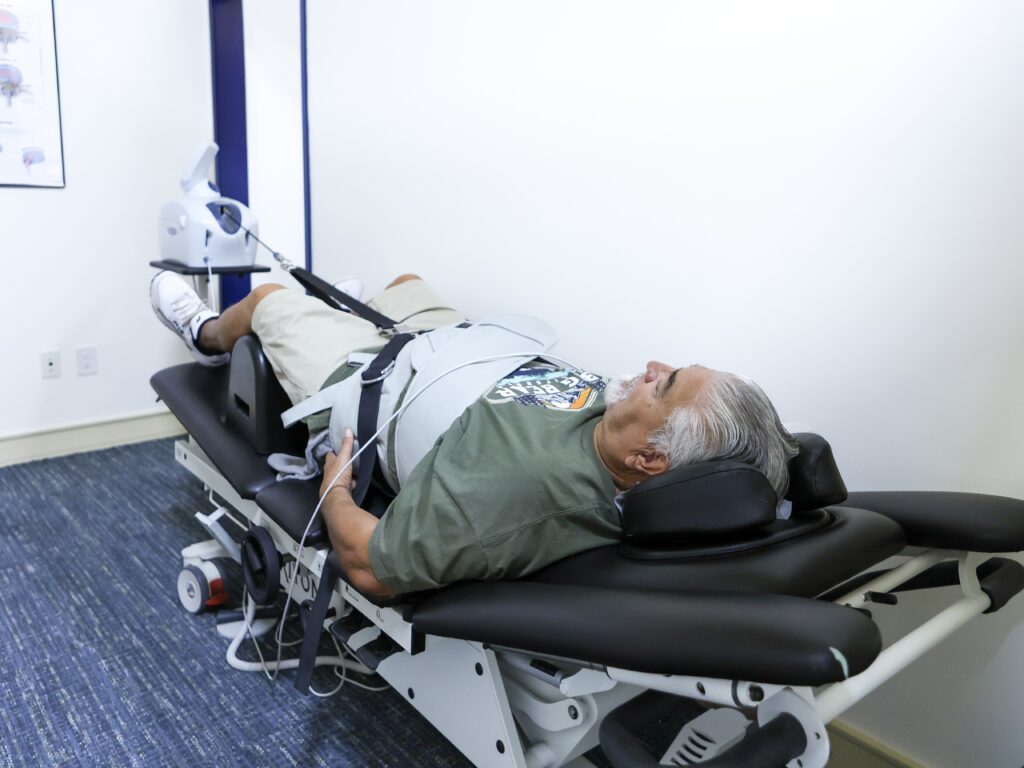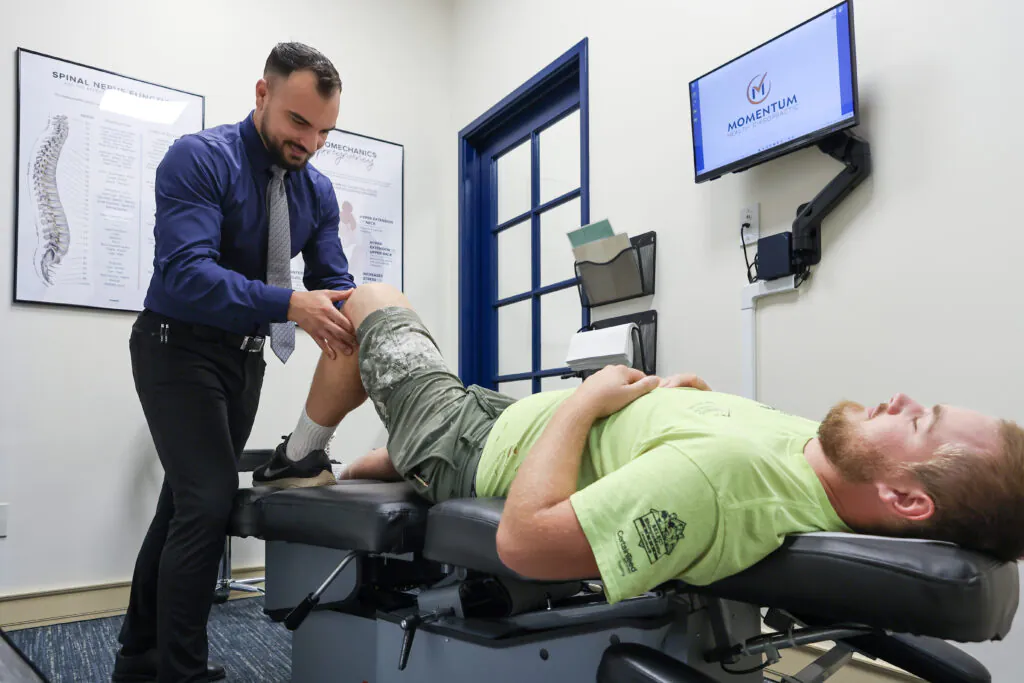

Are you feeling overwhelmed by those persistent tension headaches that seem to interrupt your daily life? You’re certainly not alone, and there are effective, natural ways to manage and alleviate them—without resorting to medications or surgeries. One of the best approaches is through chiropractic care, which focuses on restoring balance and function to your spine and nervous system.
By identifying your headache triggers—such as stress, poor posture, or lack of hydration—you can make simple adjustments to your daily routine that may help ease your discomfort. Here are some practical habits and quick relief strategies that can support your journey to feeling better:
- Maintain Good Posture: Pay attention to your posture while sitting, especially if you spend long hours at a desk. Aim to keep your back straight, shoulders relaxed, and screen at eye level. This can help reduce strain on your neck and upper back, which are common culprits for tension headaches.
- Stay Hydrated: Dehydration can lead to headaches, so make sure you’re drinking enough water throughout the day. Keeping a water bottle nearby can serve as a reminder to stay hydrated.
- Incorporate Regular Stretching: Simple stretches can relieve tension in your neck and shoulders. Try gently tilting your head from side to side and rolling your shoulders to release built-up tension.
- Practice Relaxation Techniques: Stress is a major trigger for tension headaches. Techniques such as deep breathing, meditation, or yoga can help calm your mind and reduce stress levels.
- Schedule Regular Chiropractic Visits: Regular adjustments from a chiropractor can help keep your spine aligned and reduce the frequency of tension headaches. Chiropractors can also provide personalized advice on lifestyle changes that can enhance your overall well-being.
- Prioritize Sleep: Ensure you’re getting enough restful sleep each night. A consistent sleep schedule can significantly impact your headache frequency and intensity.
By implementing these strategies, you may find significant relief from tension headaches. Remember, chiropractic care is a holistic approach that not only addresses the symptoms but also works towards the root cause of your discomfort. If you’re struggling with persistent headaches, consider reaching out to your local chiropractor to discuss how they can help you achieve optimal health and wellness. You might be pleasantly surprised by the positive changes you experience!
Key Takeaways
Relieve Tension Headaches With Effective Techniques
As a chiropractor, I understand how debilitating tension headaches can be. Fortunately, there are several natural ways to alleviate discomfort and promote overall wellness. Here are some effective techniques to help you find relief:
- Deep Breathing: Start with deep breathing techniques to help relax your mind and body. Focus on taking slow, deep breaths—inhale through your nose, hold for a moment, and exhale gently through your mouth. This practice not only helps reduce muscle tension but also enhances oxygen flow, which is vital for your overall health.
- Guided Imagery: Utilize guided imagery by visualizing peaceful scenes, such as a serene beach or a calm forest. This mental escape can help shift your focus away from headache pain and promote relaxation. Imagine the sights, sounds, and smells of these calming environments to further enhance the experience.
- Ergonomic Workspace: It’s important to maintain an ergonomic desk setup. Position your monitor at eye level and ensure your chair offers proper support. Good posture is crucial for spinal health and can significantly reduce the strain that contributes to tension headaches.
- Regular Movement: Incorporate movement breaks and stretches into your daily routine. Simple stretches can relieve tension in your neck and shoulders, while regular movement improves circulation and supports spinal health. Aim to take a break every hour to stand, stretch, or walk around.
- Stay Hydrated and Nourished: Keeping hydrated and eating balanced meals is essential for preventing headaches caused by dehydration and missed meals. Drink plenty of water throughout the day and opt for whole foods that nourish your body, supporting your overall wellness.
By incorporating these techniques into your daily life, you can effectively manage tension headaches naturally. Remember, chiropractic care is a powerful ally in achieving optimal health and wellness. Regular adjustments can help ensure your spine is aligned, reducing tension and pain while promoting a healthier lifestyle. If you’re struggling with frequent headaches, consider visiting a chiropractor to explore personalized treatment options that work for you. Your path to relief and wellness begins here!
Identify and Manage Triggers
When it comes to relieving tension headaches, identifying and managing your triggers is key to achieving optimal health and wellness. As a chiropractor, I believe in the power of natural healing and the body’s ability to heal itself when given the right support. A great first step is to keep a headache diary. By tracking the frequency, duration, and intensity of your headaches, as well as potential triggers like stress, sleep patterns, and diet, you can begin to uncover patterns that may contribute to your discomfort.
Next, take a close look at your daily routines. Are you spending too much time hunched over a desk? Are you drinking enough water throughout the day? Small adjustments, such as taking regular breaks to stretch and staying hydrated, can greatly enhance your overall well-being. Additionally, paying attention to your posture is crucial; poor alignment can lead to muscle tension, which may exacerbate headaches.
Don’t forget the significant impact of stress on your body. Identifying stressful situations in your life can empower you to find ways to cope or lessen their effects. Techniques such as mindfulness, deep breathing exercises, or gentle movement can help reduce tension and promote relaxation.
As a chiropractor, I encourage you to embrace a holistic approach to health. By recognizing and managing your triggers, you can take proactive steps toward reducing the frequency and severity of your tension headaches, all while fostering a healthier, pain-free lifestyle. Remember, chiropractic care is a powerful ally in your journey to natural wellness—helping align your body and restore balance, so you can live your best life.
Practice Relaxation Techniques
To ease tension headaches, practicing relaxation techniques can be incredibly effective, and as a chiropractor, I want to emphasize the importance of holistic approaches to pain relief.
One great way to start is through deep breathing exercises. By focusing on your breath, you can calm both your mind and body, which can help relieve stress that may contribute to headaches.
Guided imagery is another technique worth exploring. It allows you to visualize a peaceful and serene place, helping to shift your focus away from pain and tension. Incorporating these methods into your daily routine can significantly reduce the frequency and intensity of headaches.
Additionally, regular chiropractic care can play a vital role in preventing and alleviating tension headaches. By ensuring proper alignment of the spine and improving overall nervous system function, chiropractic adjustments can enhance your body’s natural ability to heal itself.
Deep Breathing Exercises
Practicing deep breathing exercises can significantly help alleviate tension headaches by promoting relaxation and reducing stress, which are essential for overall spinal health. As a chiropractor, I encourage you to incorporate these simple yet effective exercises into your daily routine to enhance your well-being naturally.
To start, find a quiet space where you can sit comfortably, allowing your spine to align properly. Close your eyes and take a slow, deep breath in through your nose, filling your lungs completely while imagining your spine elongating. Hold that breath for a moment, then gently exhale through your mouth, picturing any tension in your neck and shoulders melting away.
Repeat this process for several minutes, focusing on the calming rhythm of your breath. You can visualize tension leaving your body with each exhale, which can greatly contribute to spinal relaxation.
For added focus, consider counting your breaths—this can help center your mind and reduce distractions. Regularly incorporating these deep breathing exercises can improve your stress management and potentially decrease the frequency of tension headaches, which often relate to poor posture and spinal alignment.
Guided Imagery Sessions
Building on the relaxation techniques you’ve started with deep breathing, guided imagery sessions can be an excellent complement to chiropractic care in managing tension headaches. These sessions encourage you to visualize peaceful scenes that foster relaxation and help reduce stress, which is crucial for overall wellness.
To begin, find a quiet space where you can feel comfortable. Close your eyes and take a few deep breaths to center yourself. Now, picture a calming landscape—perhaps a tranquil beach or a lush forest. Engage your senses by imagining the soft sound of waves lapping at the shore, the refreshing scent of pine trees, or the gentle warmth of sunlight on your skin. As you focus on these soothing images, allow yourself to feel the tension in your body gradually dissipate.
Incorporating these guided imagery sessions into your daily routine, even for just a few minutes, can strengthen the mind-body connection, which is vital for easing headache discomfort. Remember, chiropractic care not only addresses physical misalignments that may contribute to headaches but also supports your body’s natural healing processes.
By combining chiropractic adjustments with relaxation techniques like guided imagery, you can enhance your journey toward optimal health and well-being.
For best results, consider practicing these techniques regularly, and don’t hesitate to discuss any concerns with your chiropractor. They can provide personalized advice tailored to your unique needs, helping you achieve lasting relief and a healthier lifestyle.
Improve Posture and Ergonomics
To alleviate tension headaches, it’s essential to pay attention to your posture and the setup of your workspace. Proper alignment of your body can significantly affect your overall well-being. Start by adjusting your desk and ensuring your monitor is at eye level to prevent strain on your neck and shoulders. Your chair should provide adequate support to maintain a healthy spine curvature.
These simple adjustments not only enhance your comfort but also help reduce the risk of developing chronic pain. Remember, a well-aligned posture can lead to improved nervous system function, which is key to achieving optimal health. Incorporating regular chiropractic care into your routine can further support your body’s natural healing processes and promote better posture.
In addition to these workspace adjustments, consider taking breaks to stretch and move throughout the day. This can help relieve tension and keep your spine healthy. By focusing on these practices, you can create a more comfortable and supportive environment that fosters wellness and minimizes discomfort. Embrace the power of chiropractic care as a natural approach to achieving lasting relief and enhancing your quality of life.
Desk Setup Adjustments
Revamping your desk setup can significantly improve your posture and minimize the risk of tension headaches, which are common complaints for many people. As a chiropractor, I encourage you to create a workspace that supports your spine’s natural alignment. Here are some simple adjustments you can make to enhance your comfort and well-being:
- Chair Height: Your chair should support your lower back effectively. Make sure your feet are flat on the floor to promote proper circulation and spinal alignment.
- Desk Height: Adjust your desk so that your elbows are at a 90-degree angle when you’re working. This helps keep your arms relaxed and reduces strain on your neck and shoulders.
- Monitor Distance: Position your computer monitor about an arm’s length away. This distance helps prevent eye strain and encourages a neutral head position, which is vital for spinal health.
- Keyboard Position: Your keyboard should be at or slightly below elbow height. This will encourage a natural wrist position and help prevent discomfort.
Here’s a quick reference table to help you adjust your workspace effectively:
| Aspect | Adjustment Tips |
|---|---|
| Chair Height | Feet flat on the floor |
| Desk Height | Elbows at a 90-degree angle |
| Monitor Distance | About an arm’s length away |
| Keyboard Position | At or slightly below elbow height |
Monitor Height Alignment
Properly aligning your monitor height is crucial for maintaining good posture and supporting your spinal health, which can help reduce the risk of tension headaches and other discomforts. Ideally, your monitor should be positioned at eye level. This way, you won’t have to tilt your head up or down, which can strain your neck and shoulders over time. When you sit comfortably, your eyes should naturally meet the top of the screen. This simple adjustment can make a significant difference in preventing strain and promoting a healthier spine.
To achieve the right monitor height, consider adjusting your chair or using a monitor stand. Keep the screen about an arm’s length away to further reduce eye strain. It’s also essential to take regular breaks and shift your focus throughout the day. Not only does this help alleviate tension, but it allows your body to reset and reduces the risk of discomfort.
Remember, chiropractic care is an excellent approach to enhancing your overall health and wellness. Regular adjustments can help address any misalignments caused by poor posture or prolonged screen time. By optimizing your monitor height and incorporating chiropractic care into your routine, you’ll create a healthier workspace and minimize discomfort in the long run.
Take charge of your health today, and make these simple adjustments for a better tomorrow!
Chair Support Importance
Investing in a quality chair is crucial for your spinal health and overall well-being. As a chiropractor, I can’t emphasize enough how a well-designed chair can support your spine’s natural curve, which helps reduce strain on your back and neck.
When you sit properly, you’re less likely to slouch, a common cause of tension headaches.
Make sure your chair allows your feet to rest flat on the floor and that your knees are at a 90-degree angle. This simple adjustment can make a world of difference. Look for chairs with adjustable features such as lumbar support and armrests; these can be tailored to meet your unique needs and provide the support your spine craves.
A comfortable chair not only encourages you to maintain good posture but also minimizes discomfort, ultimately promoting productivity. Remember, prioritizing the right chair is an essential step in preventing those nagging tension headaches and maintaining your spinal health.
In addition to choosing the right chair, consider incorporating regular chiropractic care into your wellness routine. Chiropractic adjustments can help keep your spine aligned and functioning optimally, paving the way for a healthier lifestyle.
Incorporate Regular Exercise
Incorporating regular exercise into your daily routine can be a powerful way to relieve tension headaches, and as a local chiropractor, I want to emphasize how this natural approach can enhance your overall well-being. Engaging in physical activity helps increase blood flow and reduce muscle tension, both of which play a significant role in alleviating headache pain. Aim for at least 30 minutes of moderate exercise most days. Choose activities you enjoy, such as brisk walking, cycling, or dancing, to keep yourself motivated.
Exercise isn’t just great for your physical body; it also boosts the production of endorphins, which are your body’s natural painkillers. This means that regular physical activity can help ease headache symptoms and improve your mood. Moreover, maintaining an active lifestyle can enhance your mental well-being by reducing stress and anxiety—common triggers for tension headaches.
It’s important to listen to your body. If you’re feeling fatigued, consider gentler options like yoga or stretching, which can also promote spinal health and flexibility. By making exercise a consistent part of your life, you not only work towards alleviating headaches but also support your body’s natural healing processes.
Incorporating chiropractic care into your wellness routine can further enhance these benefits. Regular adjustments can help align your spine, reduce tension, and improve your overall health. Together, exercise and chiropractic care create a powerful combination for achieving optimal health and wellness. Remember, investing time in your physical activity and spinal health is a step towards a happier, pain-free life.
Utilize Massage and Stretching
Massage and stretching are excellent methods for relieving tension headaches, and they complement the benefits of chiropractic care. By incorporating these techniques into your self-care routine, you can ease muscle tightness and enhance relaxation, which are crucial for overall spinal health. Here are three simple methods you can try:
- Neck and Shoulder Massage: Start by gently kneading the muscles at the base of your skull and along your shoulders. This area often holds a lot of tension, so take the time to apply pressure on tight spots for a minute or two. Remember to breathe deeply during this process; it helps promote relaxation and blood flow.
- Chin Tucks: This exercise is fantastic for improving your posture and relieving neck tension. Sit or stand with your back straight. Tuck your chin slightly and pull your head back, ensuring that it aligns with your spine. Hold this position for 5 seconds before releasing. Repeat several times to help alleviate any strain in your neck muscles.
- Upper Back Stretch: For a gentle stretch that opens up your upper back, interlace your fingers and extend your arms in front of you, rounding your upper back. Hold this position for 15-30 seconds, and feel the stretch across your shoulders and back. This simple movement can help relieve tension and promote better spinal alignment.
Incorporating these techniques into your daily routine can support your overall well-being and enhance the effectiveness of your chiropractic care. Remember, regular chiropractic visits can help maintain proper spinal alignment and address any underlying issues that may contribute to headaches.
Prioritizing your spinal health is key to achieving optimal wellness and living a healthier, more pain-free life.
Explore Alternative Therapies
If you’re seeking effective ways to alleviate tension headaches, chiropractic care should be at the top of your list. As a local chiropractor, I can tell you that spinal alignment plays a crucial role in overall health and wellness. Misalignments in the spine can lead to increased tension and headaches, so regular chiropractic adjustments can help relieve that pressure and promote relaxation.
In addition to spinal adjustments, incorporating mindfulness and meditation techniques into your routine can significantly help manage stress, a common trigger for tension headaches. Simple practices, like deep breathing exercises or guided imagery, can create a calming effect that reduces tension and improves your well-being.
You might also find relief through gentle yoga, which not only promotes relaxation but also enhances your posture. Good posture is vital for preventing headaches, as it reduces strain on your neck and back.
While some people explore other alternative therapies like acupuncture or aromatherapy, I encourage you to focus on chiropractic care as a holistic solution. It addresses the root cause of your headaches rather than just masking the symptoms.
As you explore natural healing options, remember that maintaining a healthy lifestyle—staying hydrated, getting enough sleep, and managing stress—are all key factors in preventing tension headaches. By prioritizing chiropractic care and these wellness tips, you can take significant steps toward achieving optimal health and lasting relief from headaches.