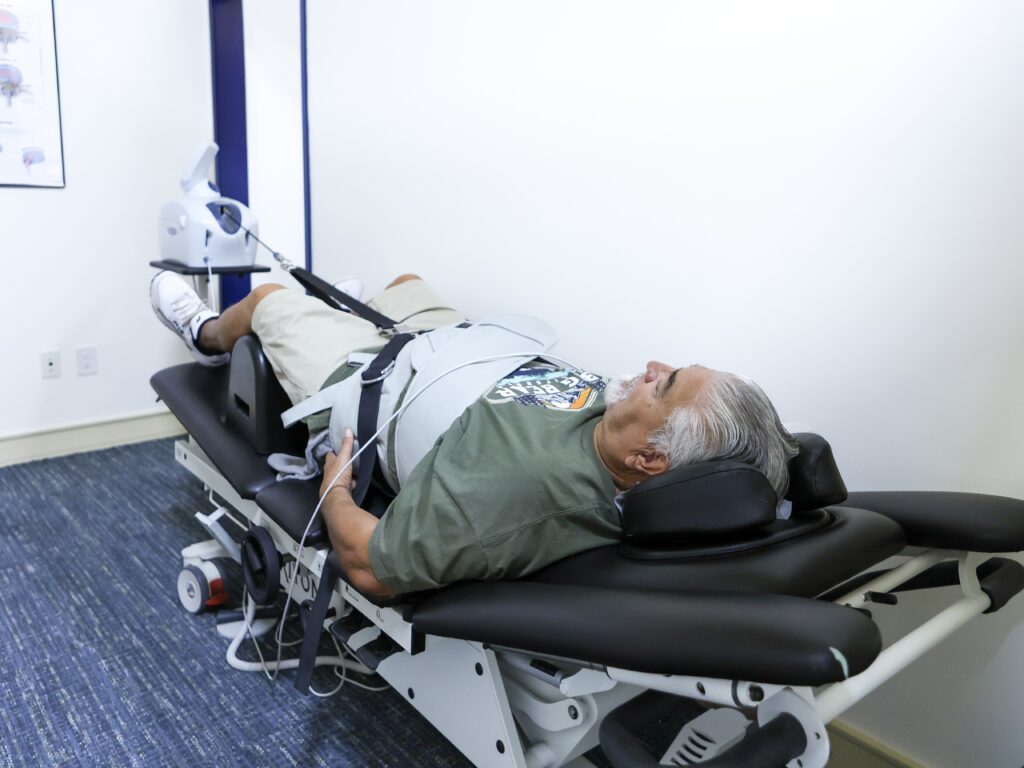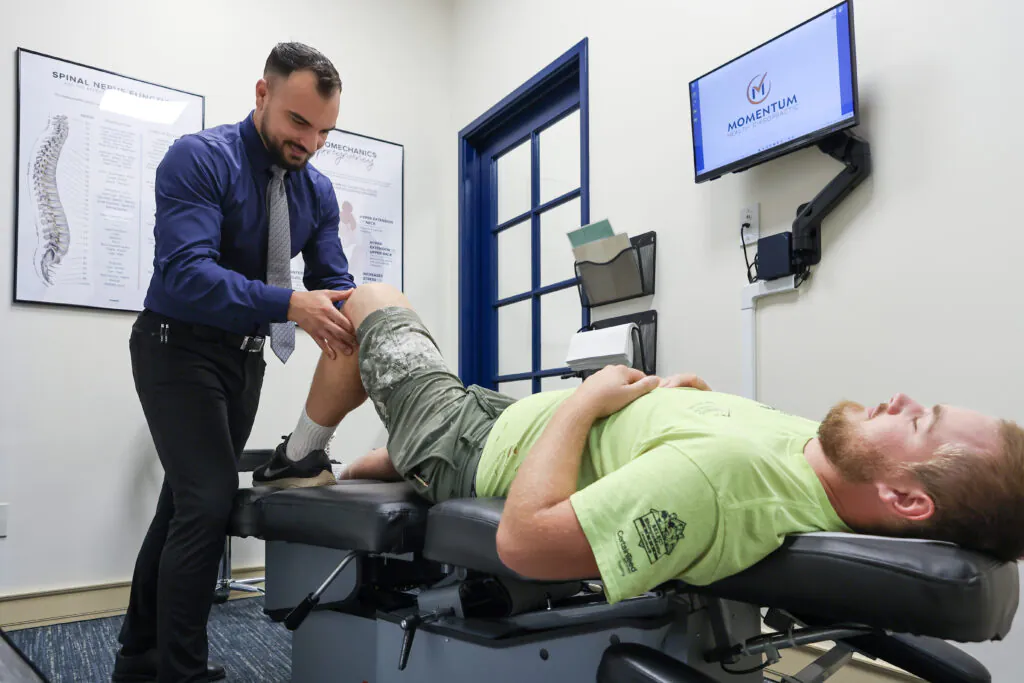

As a local chiropractor, I understand that living with fibromyalgia can be incredibly challenging, impacting both your physical and emotional well-being. Many patients I see are looking for ways to manage their symptoms more effectively, and that's where a holistic approach can be particularly beneficial.
Holistic care isn't just about treating pain; it's about nurturing your entire being—body, mind, and spirit. By incorporating mindful practices, such as meditation or deep-breathing exercises, balanced nutrition to fuel your body, and gentle movement like stretching or yoga, you may discover new pathways to alleviating discomfort and enhancing your quality of life.
So, what specific strategies can you adopt to foster a more harmonious balance in your life? It could be as simple as adjusting your posture, incorporating regular chiropractic adjustments to improve spinal alignment, or learning about nutritional changes that can reduce inflammation. These methods, combined with a commitment to self-care, can create significant improvements in how you feel day-to-day. Let's explore these options together and find a personalized plan that works for you.
Understanding Fibromyalgia
Fibromyalgia is a multifaceted condition that affects countless individuals, often leading to widespread pain, fatigue, and cognitive challenges. As a chiropractor, I want to help you understand this condition better, as it can significantly impact your daily life. The symptoms of fibromyalgia can vary greatly from day to day, making it essential to find effective ways to manage its effects.
While the exact cause of fibromyalgia is still not fully understood, research indicates that it may stem from a mix of genetic, environmental, and psychological factors. Many patients experience a heightened sensitivity to pain, which is referred to as central sensitization. This means that even minor discomfort can feel intense, leading you to avoid activities you once enjoyed. As a chiropractor, I believe that understanding your body's responses is key to reclaiming your life.
Cognitive difficulties, often described as "fibro fog," can make it challenging to concentrate, remember, or organize tasks. You may feel overwhelmed during conversations or struggle to complete daily activities, which can understandably lead to frustration. I encourage you to explore holistic approaches, including chiropractic care, which may help alleviate some of these symptoms by promoting overall well-being and balance in your body.
Additionally, sleep disturbances are prevalent among those suffering from fibromyalgia. You might find it difficult to achieve restorative sleep, resulting in increased fatigue and worsening of your symptoms. Chiropractic adjustments and natural healing techniques can support better sleep quality and help your body heal more effectively.
It's important to remember that you aren't alone on this journey. Many individuals face similar challenges, and there are natural and holistic options available to help you manage your symptoms. As your chiropractor, I'm here to guide you through understanding fibromyalgia and supporting your path to improved health and vitality.
The Holistic Approach
As a local chiropractor, I want to emphasize how embracing a holistic approach can significantly improve your journey in managing fibromyalgia symptoms. This means looking beyond medications and considering various aspects of your life that can contribute to your overall well-being. A holistic approach focuses on the whole person—body, mind, and spirit—allowing you to address multiple factors affecting your health.
First, let's talk about the importance of your diet. Nutrition plays a vital role in how you feel. By incorporating anti-inflammatory foods, such as fresh fruits, vibrant vegetables, whole grains, and healthy fats, you can help reduce pain and enhance your energy levels. As a chiropractor, I often recommend dietary changes as part of a comprehensive care plan.
Next, consider the importance of physical activity. Gentle exercises like yoga, swimming, or even leisurely walks can help improve your flexibility and strength. These activities also stimulate the release of endorphins, which are natural pain relievers. I can guide you on specific exercises that align with your chiropractic treatments to promote better mobility and reduce discomfort.
Lastly, don't underestimate the power of social support. Building connections with friends, family, or support groups can provide emotional stability, making you feel more understood and less isolated in your journey. As part of your holistic care, I encourage you to foster these relationships, as they can significantly enhance your emotional well-being.
To summarize, I recommend:
- Focusing on a balanced diet rich in anti-inflammatory foods to support your health.
- Engaging in regular, low-impact physical activities to elevate your mood and energy levels.
- Seeking social connections to improve your emotional health.
Mindfulness and Meditation
As a local chiropractor, I want to share with you the benefits of mindfulness and meditation, especially for those managing fibromyalgia symptoms. These practices can be invaluable in helping you cope with pain by focusing your attention on the present moment, which can significantly reduce stress and anxiety—common triggers for increased discomfort.
To begin your journey, find a quiet space where you can sit comfortably. Close your eyes and take several deep breaths. As you inhale, visualize calmness flowing into your body, and as you exhale, picture tension and pain dissipating. This simple exercise can help ground you and enhance your awareness of your body, creating a more connected experience with your physical sensations.
While practicing mindfulness, pay close attention to how different areas of your body feel. If you detect tightness or discomfort, acknowledge those feelings without judgment. Accepting your sensations can help decrease the emotional weight tied to pain, making it easier for you to manage.
Incorporating guided meditations into your daily routine can also be beneficial. These sessions provide a structured approach, especially if you're new to meditation. There are many apps and online platforms that offer sessions specifically tailored for pain management and relaxation.
I encourage you to set aside a few minutes each day for mindfulness and meditation. Consistency is essential; the more you engage with these practices, the more profound their impact will be on your overall well-being.
Over time, you may discover that not only do these techniques alleviate your fibromyalgia symptoms, but they also enhance your overall quality of life. Embrace this journey as a vital component of your holistic healing process, and remember that as a chiropractor, I'm here to support you every step of the way.
Nutrition and Diet
As a local chiropractor, I want to emphasize that managing fibromyalgia symptoms involves more than just mental practices—nutrition plays a crucial role in your overall well-being. By adopting a well-balanced diet, you can effectively reduce inflammation, enhance your energy levels, and elevate your mood.
Focusing on whole foods and nutrient-dense options empowers your body to combat fatigue and discomfort more effectively.
Here are some dietary strategies that I encourage you to consider as part of your journey toward better health:
- Incorporate anti-inflammatory foods: Make it a habit to include a variety of fruits, vegetables, whole grains, nuts, and seeds in your diet. These foods are known to fight inflammation. Additionally, consider adding foods rich in omega-3 fatty acids, such as salmon and flaxseeds, which can be particularly beneficial for your condition.
- Stay hydrated: Proper hydration is key to maintaining your health. Aim for at least eight glasses of water a day to keep your body functioning optimally. Herbal teas are also a great way to stay hydrated while offering added health benefits, including relaxation and pain relief.
- Limit processed foods: It's important to be mindful of the foods you consume. Processed foods often contain additives and unhealthy fats that can worsen your symptoms. Try to cut back on sugary snacks, refined grains, and trans fats, and instead focus on fresh, whole ingredients that nourish your body.
By making these dietary changes, you can support not only your chiropractic care but also your overall health and well-being.
Physical Activity and Movement
As a local chiropractor, I want to share with you how incorporating physical activity into your routine can significantly benefit those managing fibromyalgia.
Engaging in gentle exercises, stretching techniques, and mindful movement practices can't only help alleviate your symptoms but also enhance your overall well-being.
Chiropractic care emphasizes the importance of movement in promoting health.
By integrating specific exercises tailored to your needs, we can work together to improve your flexibility, reduce pain, and increase your energy levels.
Let's explore some effective strategies to help you get moving and feel better, all while embracing a natural approach to healing.
Gentle Exercise Recommendations
As a local chiropractor, I want to share how gentle exercise can significantly help manage fibromyalgia symptoms while also supporting your overall health and well-being.
Integrating low-impact activities into your daily routine can lead to improved mobility, decreased pain, and a better mood. It's essential to pay attention to your body and select exercises that feel right for you.
Here are some gentle exercise recommendations that align with natural healing principles:
- Walking: This is a straightforward and effective way to elevate your heart rate without putting undue stress on your muscles and joints. Aim for a comfortable pace that feels both easy and refreshing.
- Swimming or Water Aerobics: Exercising in water is particularly beneficial as the buoyancy helps reduce strain on your joints, creating a perfect setting for gentle movement. Many patients find water activities not only enjoyable but also invigorating.
- Yoga or Tai Chi: Both of these practices emphasize slow, controlled movements combined with deep breathing. They're excellent for promoting relaxation, enhancing flexibility, and lowering stress levels—key elements in managing fibromyalgia.
Incorporating these gentle exercises into your routine can complement the chiropractic care you receive, helping to foster a holistic approach to your health and healing journey.
Always remember to consult with your chiropractor to tailor these recommendations to your individual needs.
Stretching Techniques Benefits
As a local chiropractor, I want to share how incorporating stretching techniques into your daily routine can significantly enhance the benefits of gentle exercise, especially for those dealing with conditions like fibromyalgia. Stretching is a vital component of your health journey as it improves flexibility, which can help alleviate the stiffness often associated with this condition. By stretching regularly, you can enhance your range of motion, making daily activities more manageable and less painful.
Furthermore, stretching promotes increased blood flow to your muscles, which can relieve tension and soreness. This improved circulation not only helps ease discomfort but can also combat fatigue, giving you the energy you need for your daily tasks. Many of my patients have found that a consistent stretching routine is instrumental in managing their symptoms more effectively.
Additionally, stretching can cultivate relaxation. When you focus on your breath and movements, it fosters a calming effect that helps reduce stress and anxiety—common challenges for those living with fibromyalgia. This relaxation can further contribute to reducing pain and discomfort.
If you're new to stretching, I recommend starting with simple stretches that target major muscle groups. Aim to hold each stretch for 15-30 seconds, and remember, it's important not to push yourself too hard. Always listen to your body and adjust as needed.
Mindful Movement Practices
As a local chiropractor dedicated to your holistic health, I want to share how mindful movement practices can enhance your physical activity, particularly if you're dealing with fibromyalgia. These practices emphasize the crucial connection between your body and mind, allowing you to engage in movement with awareness and intention. This mindful approach can help alleviate pain and improve your overall well-being.
Incorporating mindful movement into your daily routine is easier than you might think. Here are a few simple activities that promote relaxation and mindfulness:
- Yoga: Engaging in gentle yoga can significantly improve your flexibility and reduce stress while fostering a deeper connection to your body. This practice not only helps with physical symptoms but also encourages mental clarity.
- Tai Chi: This slow and flowing martial art focuses on synchronized breath and movement, offering a gentle way to build strength and balance without putting undue stress on your body. It's particularly beneficial for those experiencing chronic pain.
- Walking Meditations: Taking a leisurely walk while concentrating on your breath and the world around you allows you to enjoy movement at a comfortable pace. This practice promotes mindfulness and helps you stay present in the moment.
By integrating these mindful movement practices into your routine, you can support your body's natural healing processes and enhance your overall quality of life.
As always, I'm here to help guide you through your wellness journey and answer any questions you may have about chiropractic care and natural healing methods.
Herbal Remedies and Supplements
As a local chiropractor dedicated to your health and well-being, I want to share some insights on managing fibromyalgia through natural healing methods. Many patients are surprised to learn that certain herbal remedies and nutritional supplements can play a significant role in alleviating symptoms.
For example, incorporating herbal options like turmeric and ginger into your diet may help reduce inflammation and discomfort.
Additionally, key supplements such as magnesium and vitamin D can be beneficial for your overall health, potentially improving your energy levels and mood.
It's important to remember that these natural solutions can complement traditional chiropractic care, which focuses on aligning the spine and improving your body's function.
Let's explore how integrating these remedies into your daily routine can enhance your journey toward wellness.
I'm here to guide you on this path to better health through a holistic approach that respects your body's natural healing abilities.
Effective Herbal Options
As a local chiropractor, I want to share some insights on how exploring herbal remedies and supplements can complement your journey to alleviate fibromyalgia symptoms naturally. These herbal options can play a significant role in managing pain, reducing fatigue, and promoting better sleep, which are essential for your overall well-being.
Here are a few effective herbal choices that you might find helpful:
- Turmeric: This vibrant root is renowned for its anti-inflammatory properties. It contains curcumin, which may assist in reducing pain and swelling, making it an excellent addition to your health routine.
- Ginger: Known for its warming effects, ginger can help alleviate muscle pain and soreness. Additionally, it may support digestive health, which is often a concern for those dealing with fibromyalgia.
- Ashwagandha: As an adaptogenic herb, ashwagandha is known to help combat stress and fatigue, potentially enhancing your energy levels and overall sense of well-being.
Before incorporating these herbal options into your regimen, I strongly recommend consulting with a healthcare professional. This ensures that any new supplement is appropriate for your unique situation.
It's wise to start with one remedy at a time so you can effectively monitor its impact on your symptoms.
Integrating these natural supplements into your daily routine can be a gentle and supportive way to manage fibromyalgia. Remember, consistency is crucial, and combining these remedies with other holistic practices, such as chiropractic care, can lead to even better results on your path to relief.
I'm here to guide you on this journey and help you discover the best strategies for your health.
Key Nutritional Supplements
As your local chiropractor, I want to share how incorporating key nutritional supplements can significantly support your journey in managing fibromyalgia symptoms. These supplements are designed to address specific deficiencies and promote overall wellness, making them a valuable addition to your health regimen.
Omega-3 fatty acids, commonly found in fish oil, are known for their ability to reduce inflammation and enhance joint function. This is particularly beneficial for those dealing with fibromyalgia.
Magnesium is another important supplement; it plays a crucial role in muscle function and can help ease pain and fatigue that many of you may experience.
Vitamin D is essential for maintaining bone health and has been shown to help alleviate chronic pain. I recommend checking your vitamin D levels to determine if supplementation may be necessary for you.
Additionally, B vitamins, particularly B12 and B6, are vital for energy production and nerve function. This can be incredibly helpful for those of you facing fatigue and nerve-related symptoms.
Coenzyme Q10 is another powerful antioxidant that may boost your energy levels and reduce muscle discomfort, making it a great option for supporting your overall well-being.
Herbal supplements like turmeric and ginger can also offer anti-inflammatory benefits, potentially easing your pain.
However, it's crucial to consult with your healthcare provider, including myself, before starting any new supplement regimen. Together, we can determine the right dosages and combinations tailored specifically to your needs.
By integrating these nutritional supplements with a holistic approach to your care, you may find greater relief from your fibromyalgia symptoms.
Acupuncture and Massage Therapy
As a local chiropractor, I want to share with you the benefits of incorporating acupuncture and massage therapy into your wellness routine, especially if you're dealing with fibromyalgia. These natural therapies can be powerful allies in managing the chronic pain and fatigue that often accompany this condition.
Acupuncture involves the insertion of thin needles at specific points on your body. This practice aims to enhance the flow of energy, or "qi," which can help alleviate pain. Many patients with fibromyalgia have reported significant relief after regular acupuncture sessions. Additionally, this therapy can improve mood and enhance sleep quality—both vital components for managing fibromyalgia symptoms.
Massage therapy, on the other hand, focuses on relieving muscle tension and enhancing blood circulation. This can lead to reduced pain and improved mobility. Techniques like deep tissue massage target specific areas of discomfort, while relaxation massages can help alleviate stress and promote a sense of tranquility.
To get the most out of acupuncture and massage therapy, consider these tips:
- Choose a qualified practitioner: It's important to seek licensed professionals who've experience in treating fibromyalgia. They'll understand the nuances of your condition and tailor their approach accordingly.
- Stay consistent: Regular treatments can yield better long-term results. Establishing a routine will help your body adapt and respond more effectively to these therapies.
- Communicate your needs: Be open with your practitioner about your symptoms and personal preferences. This communication is essential in tailoring the treatment to match your unique needs.
Building a Support Network
Building a support network can significantly enhance your journey towards better health and managing conditions like fibromyalgia. As a chiropractor, I often emphasize the importance of surrounding yourself with individuals who understand your health challenges. Having a strong support system can provide both emotional relief and practical assistance in your healing process.
Start by reaching out to your friends and family members. Sharing your experiences with them and educating them about fibromyalgia will help them better empathize with your struggles and support you in your healing journey.
Consider joining local or online support groups focused on fibromyalgia and chronic pain. These communities create a safe space where you can connect with others who are facing similar challenges. Here, you can exchange valuable tips, coping strategies, and insights that can aid in your management of fibromyalgia. Online forums and social media groups can be particularly useful, as they allow you to connect with others at your convenience.
It's also essential to involve healthcare professionals in your support network. A supportive chiropractor, along with other healthcare providers such as doctors, therapists, or nutritionists, can guide you through the complexities of managing fibromyalgia. We can offer tailored advice and treatment options that align with a holistic approach to healing, helping you to address not just the symptoms but also the underlying issues.
Additionally, consider incorporating wellness practitioners into your support circle. Professionals such as massage therapists, acupuncturists, and yoga instructors can play vital roles in your overall well-being. Their expertise can complement your chiropractic care and help alleviate symptoms, enhancing your quality of life.
Lastly, it's important to set boundaries and surround yourself with those who uplift and support you. Be aware of relationships that may drain your energy rather than enhance your healing journey.
Building a strong support network takes time, but it's a crucial step in effectively managing fibromyalgia. Through shared experiences, you'll find strength, resilience, and hope for a healthier future.
Conclusion
As a local chiropractor, I want to share how a holistic approach can significantly enhance your well-being when managing fibromyalgia symptoms. By integrating chiropractic care with mindfulness practices, anti-inflammatory nutrition, and gentle movement into your daily life, you can take a proactive step toward alleviating discomfort.
Don't underestimate the value of a supportive network—friends, family, and support groups can play a vital role in your healing journey. Additionally, consider exploring therapies such as acupuncture and massage, which can complement chiropractic adjustments and help relieve pain.
By nurturing your body, mind, and spirit through these natural healing methods, you can create a balanced lifestyle that improves your quality of life, even in the face of fibromyalgia. Together, we can work towards a healthier, more vibrant you.