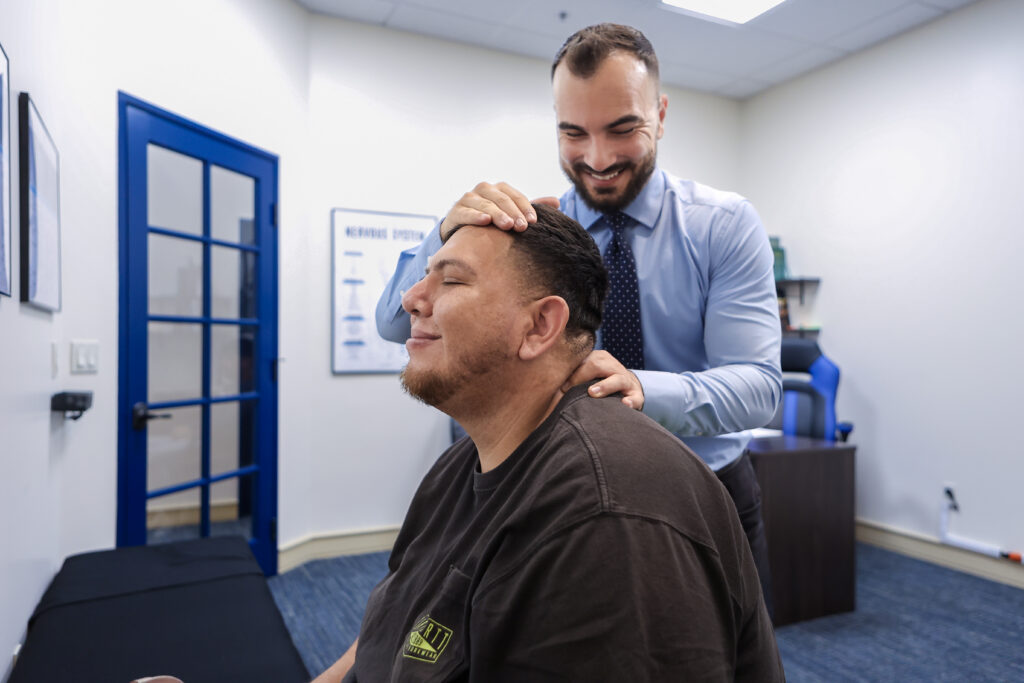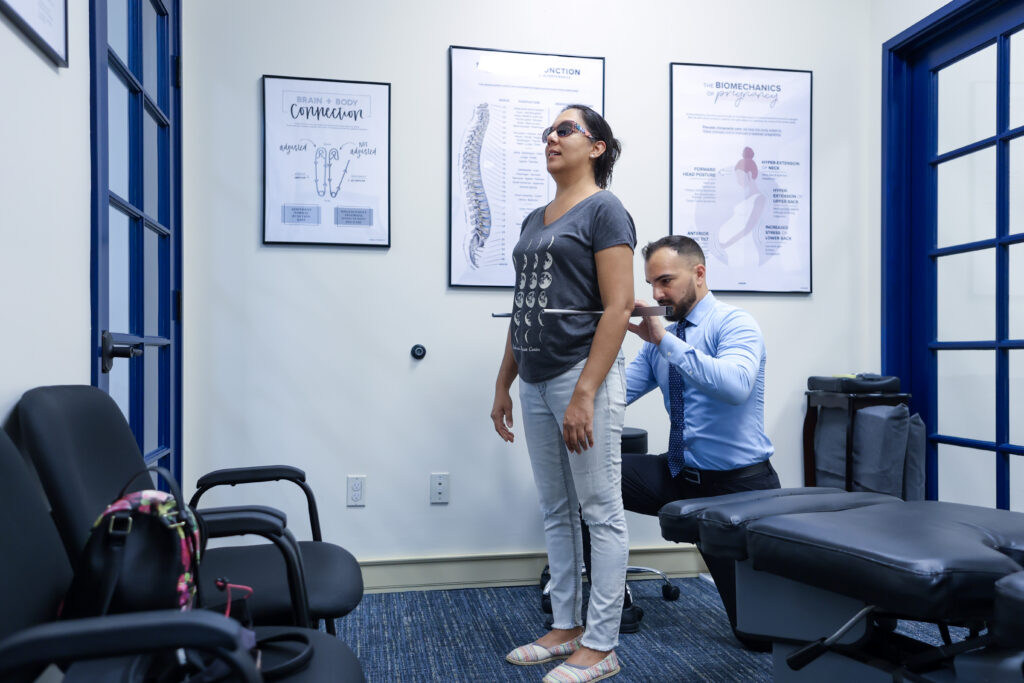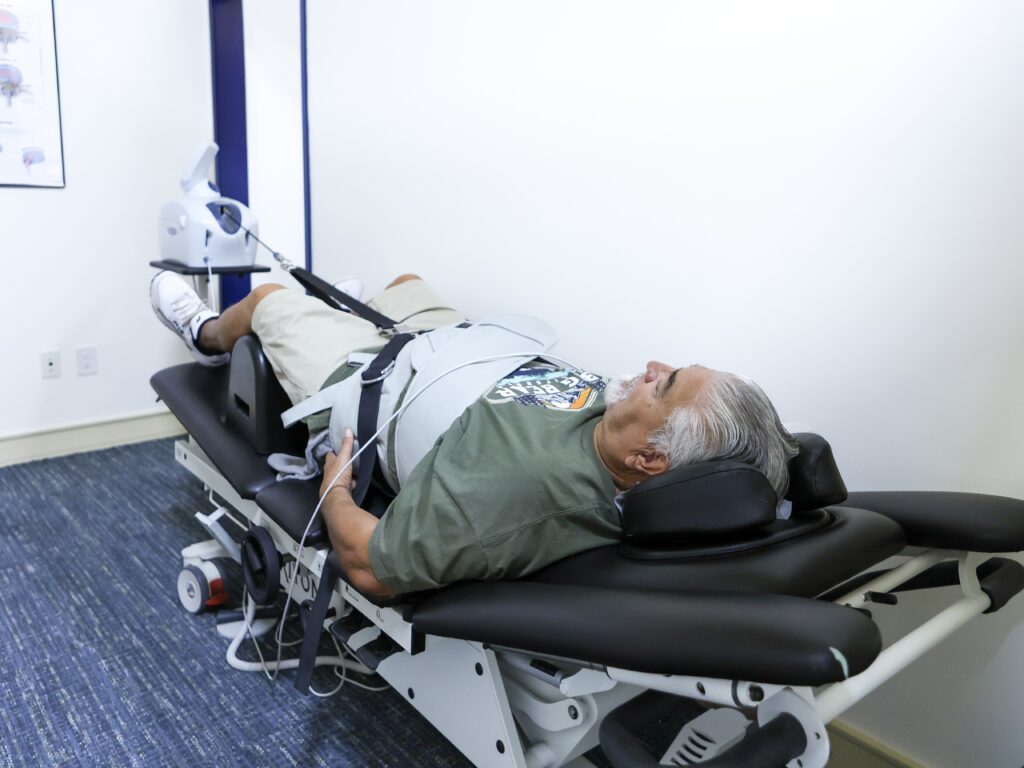

As a local chiropractor, I want to share some insights about how chiropractic adjustments can do more than just alleviate physical discomfort; they can also significantly enhance emotional well-being, particularly for those struggling with anxiety. Many of my patients have reported experiencing a remarkable sense of calm after their sessions, often linking this feeling to the release of built-up tension in their bodies.
You may be wondering how such straightforward adjustments can lead to meaningful improvements in mental health. The truth is, the spine and nervous system play a crucial role in regulating our emotional state. By realigning the spine and improving nervous system function, we can help foster a more balanced mood and reduce feelings of anxiety.
In my practice, I've seen specific adjustments that have been particularly effective in promoting relaxation and a sense of tranquility. These adjustments can be seamlessly integrated into a broader strategy for managing anxiety, which may include lifestyle changes, mindfulness practices, and other natural healing methods.
If you're curious about how chiropractic care can support your emotional well-being, I encourage you to explore the possibilities. Together, we can create a plan that not only addresses your physical health but also nurtures your mental and emotional balance.
Mindfulness and Meditation Practices
As a local chiropractor, I often see patients who are struggling with anxiety and stress. You may be surprised to learn that mindfulness and meditation practices can be beneficial not just for mental health but also for your overall well-being. You might wonder how these techniques can help you find calm amidst the chaos of daily life.
When you practice mindfulness, you focus on the present moment. This allows you to observe your thoughts and feelings without judgment, which can significantly reduce anxiety by helping you let go of worries about the future or regrets from the past. In my practice, I've seen how this mental clarity can positively impact physical health as well.
Meditation offers a structured approach to cultivate mindfulness. Starting with just a few minutes a day, you can focus on your breath or a calming mantra. This simple act can ground you and create a safe space where anxiety can dissipate.
As you engage in these practices regularly, you may notice that your responses to stressors improve. You'll likely find your mind clearer, leading to a greater sense of control over your emotional and physical state.
Guided meditations can be particularly beneficial, offering direction and support tailored to your needs. There are many apps and online resources available that make it easy to incorporate these practices into your daily routine.
Remember, it's about progress, not perfection. Even small steps can lead to significant improvements in both your mental and physical health.
Ultimately, by embracing mindfulness and meditation alongside chiropractic care, you create a holistic approach to your well-being. Each moment spent in mindfulness can enhance your coping skills, helping you navigate anxiety more effectively.
Physical Activity and Exercise
As a local chiropractor, I often see patients who may not realize the profound effect that physical activity and exercise can have on managing anxiety. Engaging in regular exercise isn't just about physical health; it significantly impacts your mental well-being as well. When you move your body, it releases endorphins—natural chemicals that elevate your mood and help alleviate feelings of anxiety. This surge of feel-good hormones can greatly enhance your overall sense of well-being.
You don't need to engage in intense workouts, such as running a marathon or lifting heavy weights, to experience these benefits. Even moderate activities like walking, dancing, or practicing yoga can make a significant difference in how you feel. By incorporating physical activity into your daily routine, you can disrupt the cycle of anxious thoughts. Focusing on your movements allows your mind to take a break from stressors, creating a mental space that encourages relaxation and calmness.
Establishing a consistent exercise routine can also lead to improved sleep quality, which is essential for effectively managing anxiety. Quality sleep enables you to tackle daily challenges with a clearer mind and less overwhelm. Additionally, the discipline that comes with maintaining an exercise schedule can enhance your confidence and sense of control, further reducing feelings of anxiety.
I encourage you to discover activities that you genuinely enjoy, and don't hesitate to mix things up. Whether it's joining a local sports team, attending a group fitness class, or exploring outdoor adventures, staying active should feel rewarding rather than burdensome.
Pay attention to how your body responds to different movements. You may find that incorporating physical activity not only eases your anxiety but also enriches your overall quality of life. This makes it a vital component of your journey toward natural healing and wellness.
Dietary Changes That Help
As a local chiropractor, I want to emphasize that your diet plays a crucial role in managing anxiety and overall mental health. Many people aren't aware of how the foods we consume can significantly impact our well-being. By making thoughtful dietary changes, you can effectively reduce anxiety symptoms and support your mental clarity.
First, let's talk about the importance of whole foods. Incorporating fresh fruits, vegetables, whole grains, and lean proteins into your meals provides essential nutrients that support brain function and stabilize mood. These foods nourish not only your body but also contribute to a healthier mind.
Hydration is another key factor. Staying adequately hydrated is vital, as dehydration can lead to fatigue and irritability, both of which can exacerbate feelings of anxiety. I recommend aiming for at least eight glasses of water per day. Additionally, consider herbal teas like chamomile or peppermint, which are known for their calming effects.
Don't overlook the benefits of omega-3 fatty acids. Consuming foods such as salmon, walnuts, and flaxseeds can enhance brain health and help alleviate anxiety. On the flip side, it's wise to limit processed foods and refined sugars, as these can contribute to mood swings and heightened anxiety levels. Instead, focus on complex carbohydrates like oatmeal or brown rice, which provide a steady source of energy.
The gut-brain connection is also important to consider. Including probiotics in your diet through fermented foods like yogurt, sauerkraut, and kimchi can improve gut health, which is closely linked to mental well-being.
Lastly, maintaining a regular eating schedule is essential. Skipping meals can lead to fluctuations in blood sugar levels, which might trigger anxiety.
Sleep Hygiene Improvements
As a local chiropractor, I want to share how improving your sleep hygiene can significantly reduce anxiety and boost your overall well-being.
Establishing a consistent bedtime routine and creating a sleep sanctuary is essential for setting the stage for restful nights. These simple adjustments can greatly enhance your sleep experience, allowing your body to heal naturally and function optimally.
Let's delve into how these changes can positively impact your health and well-being.
Establishing a Routine
As a local chiropractor, I want to share how establishing a consistent bedtime routine can significantly enhance not only your sleep hygiene but also your overall well-being. A regular nighttime routine signals to your body that it's time to unwind, which is especially important for those of us who prioritize natural healing and holistic health.
To create an effective bedtime routine, consider incorporating these elements:
- Dim the lights: Lowering the lights in your environment can promote the production of melatonin, the hormone that regulates your sleep cycle. This is crucial for helping your body recover and repair itself overnight.
- Engage in relaxation techniques: Techniques like deep breathing or gentle stretching can help release tension built up throughout the day. As a chiropractor, I often emphasize the importance of relaxation for spinal health and overall wellness.
- Limit screen time: Aim for at least an hour without screens before bed. The blue light emitted from devices can interfere with your sleep quality. By reducing this exposure, you can help your body transition into a restful state more effectively.
- Read a book: Opt for light and enjoyable reading material to shift your focus away from daily stresses. This mental shift can ease the mind and prepare your body for a more restorative sleep.
Creating a Sleep Sanctuary
As a local chiropractor, I want to share how transforming your bedroom into a sleep sanctuary can significantly improve your sleep quality and overall well-being, which is essential for maintaining a healthy spine and body.
One of the first steps is to declutter your space; a tidy environment can help reduce stress and promote relaxation, which is crucial for your body to heal and recover.
Consider investing in blackout curtains to eliminate light, allowing your body to produce melatonin, the hormone that regulates sleep. A dark, restful atmosphere is key for restorative rest.
Next, let's talk about your bedding. It's important to choose comfortable, breathable materials that provide support and promote proper spinal alignment. A high-quality mattress and pillows tailored to your sleep style can enhance your comfort and reduce the risk of waking up with aches and pains.
Temperature also plays a vital role in sleep quality. Aim for a cool room, ideally between 60-67°F (15-19°C). This temperature range helps your body naturally prepare for sleep, which can aid in recovery and overall health.
Incorporating calming scents, such as lavender, through essential oils or candles can create a soothing ambiance that promotes relaxation.
It's also best to limit electronic devices in your bedroom, as the blue light they emit can disrupt your sleep cycle and, consequently, your body's natural healing processes. Instead, opt for soft lighting and relaxing sounds to set a peaceful mood.
Lastly, establishing a calming bedtime ritual, such as reading or gentle stretching, can help signal to your body that it's time to wind down. This practice not only prepares your mind for sleep but also promotes flexibility and reduces tension in your muscles.
Social Connections and Support
As a local chiropractor, I want to emphasize the importance of strong social connections for your overall well-being and health.
Cultivating supportive relationships with friends and family can significantly alleviate anxiety and provide a crucial buffer against life's stresses. Engaging with others not only distracts you from anxious thoughts but also fosters a sense of belonging, which is essential for holistic healing.
Here are some ways that social support can complement your chiropractic care:
- Sharing your feelings: Just as we discuss your physical health, talking openly about your anxieties with someone you trust can lighten your emotional burden, which in turn can positively impact your physical health.
- Finding encouragement: Your friends can motivate you to face your fears, reinforcing the idea that you aren't alone in your journey towards better health and wellness.
- Building a support system: Having a close-knit group of friends or family members allows you to lean on others during tough times, which is vital for emotional resilience and recovery.
- Participating in social activities: Engaging in clubs, classes, or community events not only helps you connect with like-minded individuals but also reduces feelings of isolation, enhancing your overall sense of well-being.
Breathing Techniques for Calm
As a local chiropractor, I often see patients struggling with anxiety and stress.
It's important to understand that our bodies and minds are interconnected, and breathing techniques can play a significant role in your overall well-being. Simple methods like diaphragmatic breathing and box breathing can be powerful tools for regaining a sense of calm.
Diaphragmatic breathing involves using your diaphragm effectively to promote deeper breaths, which can help lower stress levels and improve oxygen flow.
Box breathing, on the other hand, is a structured technique where you inhale, hold, exhale, and hold again for equal counts, creating a rhythmic pattern that can ground you and ease anxiety.
By incorporating these breathing techniques into your daily routine, you can help manage stress and promote relaxation, which in turn supports the natural healing processes that chiropractic care aims to enhance.
Let's work together to explore these methods and find what works best for you in achieving a state of calm and balance.
Diaphragmatic Breathing Methods
As a chiropractor, I often emphasize the importance of holistic approaches to health and well-being, and one effective technique I recommend for managing anxiety is diaphragmatic breathing, sometimes referred to as deep breathing. This method isn't only beneficial for calming the mind but also plays a crucial role in enhancing your overall health. By engaging your diaphragm, you allow for deeper and fuller breaths, which can activate your body's natural relaxation response, helping to alleviate stress and anxiety.
To practice diaphragmatic breathing, start by finding a comfortable position—either sitting or lying down. Place one hand on your chest and the other on your abdomen. As you inhale through your nose, concentrate on expanding your abdomen rather than your chest.
Visualize:
- The cool air filling your lungs, promoting a sense of calm throughout your body.
- Your abdomen rising gently, much like a wave, inviting tranquility into your being.
- Any tension you may feel dissipating with each exhale, similar to a balloon slowly releasing air.
- A warm feeling of peace surrounding you, anchoring you in the present moment.
Spend a few minutes focusing on this practice, allowing your breath to flow naturally. You might find that this technique not only reduces anxiety but also brings clarity to your thoughts.
By incorporating diaphragmatic breathing into your daily routine, you're not just enhancing your mental well-being; you're also supporting your physical health, creating a stronger foundation for navigating life's challenges.
Box Breathing Technique
As a local chiropractor dedicated to your holistic well-being, I want to share an effective technique for managing anxiety that complements our focus on natural healing: box breathing. This method can help you regain control of your breath and calm your mind, particularly during stressful moments that can impact your overall health.
To begin, find a comfortable seated position, close your eyes, and allow yourself to relax. Start by inhaling deeply through your nose for a count of four. As you breathe in, feel your belly expand, filling your lungs with vital oxygen.
Next, hold your breath for another count of four; this pause allows your body to fully absorb the oxygen and can enhance your energy levels.
Now, exhale slowly through your mouth for a count of four, consciously releasing any tension or stress you may be holding onto. After exhaling, hold your breath again for a count of four before you begin the cycle anew.
Repeat this process for several minutes. Focusing on the rhythm of your breath can quiet racing thoughts and significantly reduce anxiety.
Box breathing not only grounds you in the present moment but also promotes relaxation and mental clarity, which are essential for maintaining a healthy spine and nervous system.
I encourage you to incorporate this technique into your daily routine or whenever you feel anxious. With consistent practice, box breathing can become a powerful ally in navigating life's challenges and enhancing your overall well-being.
Journaling and Reflective Writing
As a chiropractor, I want to share with you the benefits of journaling and reflective writing as valuable tools for managing anxiety, which can also complement your journey toward natural healing. This practice provides a safe space for you to explore and process your thoughts and emotions, much like how we address physical discomfort through chiropractic care.
When you put pen to paper, you create a dialogue with yourself, fostering greater self-awareness and emotional clarity—an essential part of holistic health. There's no need to be concerned about grammar or structure; the goal is to let your thoughts flow freely.
Consider the benefits of journaling as you:
- Capture fleeting thoughts that may contribute to your anxiety, allowing you to confront and understand them more effectively, just as we address misalignments in your spine.
- Document your feelings in real-time, which helps identify patterns and triggers that may be affecting both your mental and physical well-being.
- Reflect on past experiences, transforming moments of distress into valuable lessons, much like how we learn from your body's responses during treatment sessions.
- Set intentions for your day or week, instilling a sense of purpose and direction that can enhance your overall wellness amidst life's uncertainties.
As you engage in this writing practice, you may find that your anxiety begins to lose its grip. By transforming your worries into tangible words, you diminish their power over you. This process can also provide a sense of accomplishment as you re-read your entries and witness your personal growth over time, similar to how you track your progress in chiropractic treatment.
Incorporating journaling into your routine can be a powerful complement to the physical healing we aim for in our practice, supporting both your mental and emotional health on your path to well-being.
Conclusion
As a local chiropractor, I want to share how incorporating chiropractic adjustments into your wellness routine can significantly impact your ability to manage anxiety. Many of my patients have experienced firsthand the physical relief from tension that comes with adjustments, which often leads to improved mental clarity and emotional calmness.
It's important to understand that while chiropractic care is a powerful tool, it works best when combined with other healthy habits. I always encourage my patients to engage in mindfulness practices, regular exercise, and to nurture strong social connections. By taking a holistic approach to your well-being, you can create a supportive environment that allows you to address anxiety effectively and lead a more balanced life. If you're curious about how chiropractic adjustments can help you, let's discuss how we can tailor a plan that fits your needs.