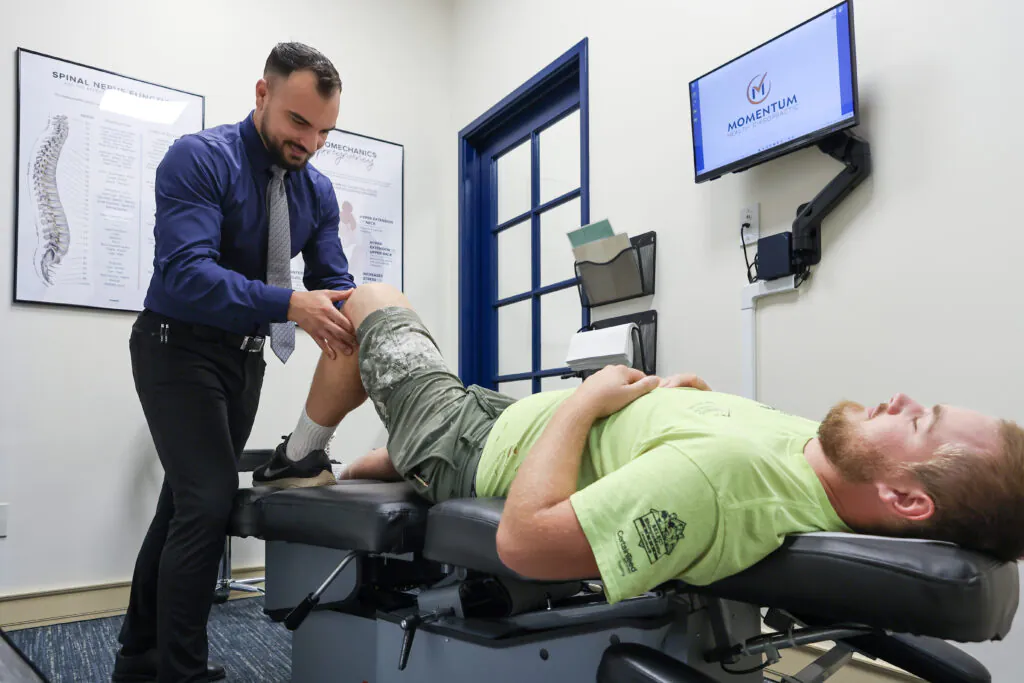

Managing pain at home can feel overwhelming, but there are proven techniques that can help you regain control and promote natural healing. As a chiropractor, I want to emphasize the importance of spinal health and how it plays a crucial role in your overall well-being. Gentle exercises, like stretching and strengthening routines, can significantly reduce discomfort and improve your mobility. Incorporating mindfulness practices, such as deep breathing or meditation, can also enhance your ability to cope with pain and stress.
It’s amazing how small changes in your environment, like maintaining good posture and ensuring your workspace is ergonomically friendly, can make a significant difference in your daily comfort. Additionally, regular chiropractic adjustments can help align your spine, relieve tension, and enhance your body’s natural healing processes.
Curious about specific strategies that can work for you? Here are some effective tips to consider:
- Stay Active: Engage in low-impact exercises like walking, swimming, or yoga to keep your body moving and promote flexibility.
- Mind Your Posture: Whether sitting or standing, maintaining proper alignment can help prevent strain and reduce pain.
- Incorporate Stretching: Regular stretching can alleviate tight muscles and improve your range of motion.
- Stay Hydrated: Drinking plenty of water supports overall health and helps maintain the elasticity of your spinal discs.
- Practice Relaxation Techniques: Incorporate deep breathing, meditation, or gentle yoga into your routine to manage stress and tension.
- Schedule Regular Chiropractic Visits: Regular adjustments can help keep your spine aligned, reduce pain, and promote overall wellness.
By focusing on these natural and holistic approaches, you can enhance your quality of life and find relief from pain. Remember, chiropractic care is a powerful ally on your journey to optimal health. Let’s explore these effective approaches together and work towards a healthier, pain-free you!
Key Takeaways
- Engage in gentle exercises such as walking, yoga, or Tai Chi. These activities not only improve mobility but also support spinal health, making chiropractic adjustments more effective.
- Implement heat and cold therapy at home to relax your muscles and diminish inflammation. This can enhance the benefits of your chiropractic care by preparing your body for adjustments and recovery.
- Focus on incorporating anti-inflammatory foods into your diet and ensure you stay hydrated. A healthy diet supports your overall wellness and complements the healing process facilitated by chiropractic care.
- Explore mindfulness and meditation techniques. These practices can help you manage pain and promote relaxation, making your chiropractic visits even more beneficial.
- Design a comfortable and supportive home environment with ergonomic furniture and calming decor. A space that reduces stress can enhance the effectiveness of your chiropractic treatment and promote better overall health.
Remember, chiropractic care is a natural and holistic approach to achieving optimal health and relieving pain. By integrating these practices into your daily life, you can enhance the benefits of your chiropractic journey.
Understanding Chronic Pain
Chronic pain can feel like a persistent shadow that follows you throughout your day. It’s that nagging ache or sharp sensation that can make even the simplest tasks seem daunting. You might find yourself questioning why this pain refuses to go away, even after trying various treatments or resting.
Understanding chronic pain is vital, as it often originates from underlying conditions or injuries that can trigger your nervous system to send pain signals, even when there’s no visible damage.
As a chiropractor, I want to emphasize the importance of spinal health in managing chronic pain. Your spine plays a crucial role in your overall well-being and can significantly impact how your body perceives pain. Misalignments in the spine can irritate nerves and lead to discomfort. This is where chiropractic care shines, offering a natural and effective way to address the root causes of your pain without the need for medications or surgeries.
It’s also essential to recognize how stress, anxiety, and even your sleep quality can intensify your pain experience. By managing these factors, you can help reduce your pain levels. Here are a few tips to consider:
- Stay Active: Gentle movement can promote healing and help keep your body functioning well. Activities like walking, stretching, or yoga can be beneficial.
- Mind Your Posture: Good posture can relieve pressure on your spine. Be mindful of your sitting and standing positions throughout the day.
- Practice Relaxation Techniques: Techniques such as deep breathing, meditation, or even a warm bath can help to alleviate stress and reduce pain.
- Get Quality Sleep: Prioritize your sleep by creating a calming bedtime routine and ensuring your sleep environment is comfortable.
- Stay Hydrated and Eat Well: Proper nutrition and hydration can have a positive effect on your body’s healing processes.
Tracking your pain levels and patterns is also crucial. This information can be invaluable when discussing your condition with your chiropractor, allowing them to create a personalized care plan aimed at alleviating your discomfort.
Remember, you’re not alone in this journey. By understanding the nature of your pain and taking proactive steps, you can explore effective strategies to cope and reclaim your life with the help of chiropractic care.
Together, we can work towards achieving your health goals and enhancing your quality of life in a natural and holistic way.
Natural Remedies for Pain Relief
When it comes to finding relief from pain, chiropractic care is an excellent option that can truly transform your wellness journey. You may be surprised to learn how effective spinal adjustments and holistic techniques can be in alleviating discomfort and promoting overall health.
By focusing on the alignment of your spine, chiropractic care addresses the root causes of pain, rather than just masking the symptoms.
In addition to chiropractic adjustments, you can explore natural remedies such as herbal treatments and essential oils to complement your healing process. These approaches can enhance the benefits of chiropractic care by providing soothing relief and promoting relaxation.
For instance, using essential oils like lavender or peppermint can help ease tension and support a calm mind, which is essential for healing.
Here are some general tips to enhance your pain relief journey:
- Stay Active: Gentle exercises, like walking or stretching, can help maintain flexibility and reduce stiffness in your muscles and joints.
- Practice Good Posture: Being mindful of your posture can reduce strain on your spine and prevent pain from recurring. Consider ergonomic furniture and regular breaks if you sit for long periods.
- Stay Hydrated: Drinking plenty of water is vital for keeping your body functioning optimally, including maintaining healthy discs in your spine.
- Incorporate Mindfulness and Relaxation Techniques: Stress can contribute to physical pain. Techniques like deep breathing, meditation, or yoga can help manage stress levels and promote a sense of well-being.
- Follow a Nutrient-Rich Diet: Eating a balanced diet rich in anti-inflammatory foods can support your body’s healing processes and enhance your overall health.
Remember, chiropractic care is a holistic approach that focuses on your whole body, not just the symptoms.
By integrating natural remedies and lifestyle changes with regular chiropractic adjustments, you can achieve optimal health and lasting pain relief.
Your path to wellness starts here—let’s work together to help you feel your best!
Herbal Treatments Effectiveness
How effective are herbal treatments in managing pain? While many people find relief with natural remedies, it’s essential to understand that chiropractic care can often provide even more effective and holistic pain relief.
Herbs like turmeric, ginger, and willow bark do have anti-inflammatory and analgesic properties, but they should be seen as complementary tools rather than the primary solution for pain management.
Incorporating herbal remedies into your wellness routine can help reduce discomfort and improve mobility, but chiropractic care addresses the root causes of pain, such as misalignments in the spine and joint dysfunctions.
By focusing on spinal health, chiropractic adjustments can enhance your body’s natural healing abilities and provide lasting relief.
It’s important to remember that not all herbal treatments work for everyone. Individual responses can vary, so it’s best to discuss any new regimen with your chiropractor, who can guide you on the best practices for your specific needs.
Additionally, always choose high-quality herbs from reputable sources to ensure safety and effectiveness.
For optimal health and wellness, consider integrating regular chiropractic visits into your routine. This proactive approach, combined with healthy lifestyle choices, can lead to improved overall well-being.
Essential Oils Benefits
Essential oils can be a wonderful complement to your overall wellness routine, especially when you’re looking for natural ways to manage pain. While chiropractic care is often the best choice for addressing the root causes of discomfort, essential oils can provide additional relief for issues like headaches and muscle tension.
For example, lavender oil is renowned for its calming properties, which may help ease stress-related headaches. Peppermint oil, with its refreshing cooling effect, can also be beneficial for joint pain and soreness. Just remember to dilute a few drops with a carrier oil, like coconut or olive oil, and gently massage it into the affected area.
Eucalyptus oil is another great option; it not only helps open up your airways but also offers anti-inflammatory benefits that can assist in your recovery. Incorporating these oils into your routine can enhance your wellness journey, but it’s important to remember that they work best when combined with regular chiropractic care.
Chiropractic adjustments help align the spine and improve your body’s function, which can significantly reduce pain and discomfort. As part of your self-care, consider experimenting with different essential oils to find the ones that suit you best.
Always keep in mind that natural healing takes time, so be patient with your body as you explore these options. By embracing a holistic approach that includes both chiropractic care and essential oils, you’re taking proactive steps toward achieving optimal health and wellness.
The Power of Heat and Cold Therapy
Harnessing the Power of Heat and Cold Therapy for Natural Pain Relief
As a chiropractor, I understand that whether you’re grappling with chronic pain or recovering from an injury, finding effective pain relief is essential. One of the simplest yet most effective ways to manage discomfort at home is through heat and cold therapy. These techniques can offer significant benefits and can be easily incorporated into your daily routine.
Here’s how you can utilize these methods to support your healing journey:
– Heat Therapy: Using a heating pad or a warm towel can work wonders in relaxing tense muscles and enhancing blood circulation. This is particularly beneficial for alleviating stiffness and tension in your body.
Heat therapy can be especially helpful before your chiropractic adjustments, as it prepares your muscles for treatment.
– Cold Therapy: On the flip side, applying ice packs or a cold compress helps numb pain and reduce inflammation. This is especially useful for managing swelling following an injury or flare-up.
Cold therapy can also be a great complement to chiropractic care, as it can soothe pain before or after your adjustment sessions.
– Alternating Methods: For optimal results, consider alternating between heat and cold therapy. This balanced approach can enhance your body’s healing response and provide greater relief.
For instance, you might start with heat to loosen tight muscles, followed by cold to reduce any swelling.
Always remember to protect your skin by placing a cloth barrier between your skin and the heat or ice sources, and limit each application to 15-20 minutes. This will help prevent any potential skin damage.
Incorporating these therapies into your routine can greatly enhance your comfort and aid in your recovery process. However, it’s important to remember that while heat and cold therapy can be beneficial, they’re most effective when used alongside chiropractic care.
Chiropractic adjustments can address the root causes of your pain, helping to restore proper function and alignment to your spine.
For a holistic approach to pain relief and overall wellness, consider scheduling a chiropractic appointment. Together, we can create a tailored plan that aligns with your health goals.
Mindfulness and Meditation Techniques
Mindfulness and meditation are excellent complementary approaches for managing pain, especially when combined with chiropractic care. As a chiropractor, I believe that nurturing both your mind and body is essential for overall wellness. By incorporating simple breathing exercises and guided imagery into your routine, you can cultivate a sense of calm that helps alleviate discomfort.
Breathing exercises, for example, can help you focus your mind and relax your muscles, which is crucial for maintaining a healthy spine and preventing further pain. Take a moment each day to practice deep, slow breaths. Inhale deeply through your nose, allowing your abdomen to rise, and then exhale slowly through your mouth. This not only calms your mind but also promotes better oxygen flow to your body.
Guided imagery is another technique that can enhance your pain management routine. Visualize a peaceful place where you feel safe and relaxed, allowing your mind to escape from the distractions of pain. This practice can help you tap into your body’s natural healing abilities, supporting the work we do in chiropractic care.
Remember, chiropractic adjustments can address the root causes of your pain by ensuring your spine is aligned and your nervous system is functioning optimally. When you combine chiropractic care with mindfulness and meditation techniques, you’re taking proactive steps towards achieving a healthier, pain-free life.
Breathing Exercises
As a local chiropractor, I want to share some effective home pain management techniques that can significantly enhance your overall well-being. One key component of this approach is incorporating breathing exercises into your daily routine. These exercises not only help reduce stress and promote relaxation but also support the healing process that chiropractic care facilitates.
Here are three simple breathing exercises that can complement your journey to optimal health:
- Deep Breathing: This is a straightforward technique that can help calm your mind and body. Inhale deeply through your nose, allowing your abdomen to expand. Hold your breath for a count of four, then exhale slowly through your mouth. Repeat this several times to experience a sense of peace and relaxation.
- 4-7-8 Breathing: This technique is excellent for managing anxiety and discomfort. Inhale deeply for four seconds, hold your breath for seven seconds, and then exhale slowly for eight seconds. Practicing this method can help alleviate tension and create a tranquil state of mind, enhancing the benefits of your chiropractic adjustments.
- Diaphragmatic Breathing: This exercise focuses on using your diaphragm to breathe deeply, which promotes better oxygen exchange and can aid in your recovery. Place one hand on your chest and the other on your belly. As you breathe in, focus on making your belly rise rather than your chest. This technique encourages relaxation and supports your body’s natural healing processes.
Incorporating these simple breathing techniques can lead to significant relief and complement the adjustments you receive in chiropractic care.
Guided Imagery Techniques
How can you harness the power of your imagination to support your pain management while promoting your overall well-being? One effective method is through guided imagery techniques, which can help you create vivid mental images that transport you away from discomfort and stress.
To get started, find a quiet and comfortable space where you can relax without distractions. Close your eyes and take a few deep breaths to center yourself. Now, visualize a peaceful scene—perhaps a sunny beach with gentle waves lapping at the shore or a serene forest filled with the sounds of chirping birds. Focus on the details of your chosen scene—what you see, hear, and feel. As you immerse yourself in this imagery, allow any tension or pain to melt away.
You can enhance this experience by pairing it with calming music or soothing scents, like lavender or eucalyptus, which can further promote relaxation. Regular practice of guided imagery can train your mind to respond better to pain and stress, making it a valuable tool in your pain management strategy.
Remember, chiropractic care is also an excellent avenue for achieving optimal health and wellness. By addressing the root causes of pain through spinal adjustments and natural healing methods, you can improve your body’s function and enhance your overall quality of life.
Incorporating guided imagery alongside regular chiropractic care can create a holistic approach to pain relief and wellness. Prioritize your health by exploring these natural techniques, and consider a visit to your local chiropractor to further support your journey to feeling your best.
Gentle Exercise and Stretching Routines
Incorporating gentle exercise and stretching routines into your daily life can significantly alleviate pain and enhance mobility, aligning perfectly with chiropractic care principles. Regular movement not only eases stiffness but also improves flexibility, making it easier for you to carry out your daily activities with comfort.
Here are some effective routines that complement chiropractic adjustments and support your journey to optimal health:
- Walking: This simple, low-impact activity is fantastic for boosting circulation and strengthening your muscles. It’s a great way to get your body moving while allowing your spine to maintain its natural alignment. Aim for a brisk 20-30 minute walk each day to reap the benefits.
- Yoga: Focus on gentle poses that promote stretching and relaxation. Yoga can help reduce tension in your muscles and improve your body’s overall alignment. Look for beginner classes or online videos that emphasize gentle movements, making it accessible for everyone.
- Tai Chi: This ancient practice is known for its slow, controlled movements, which can greatly improve your balance and flexibility. It’s particularly beneficial for those looking to enhance their body awareness and coordination, further supporting spinal health.
Remember, these routines should complement your chiropractic care rather than replace it. Regular visits to your chiropractor can help ensure that your spine stays aligned and that you’re on the right track toward pain relief and natural wellness.
Additionally, here are some general tips to help you maintain a healthy lifestyle:
- Listen to Your Body: Pay attention to what feels good and what doesn’t. If certain movements cause discomfort, consult your chiropractor for alternatives.
- Stay Hydrated: Drinking plenty of water can aid in muscle recovery and joint health, helping to keep your body functioning optimally.
- Practice Good Posture: Whether you’re sitting, standing, or moving, maintaining good posture can prevent strain on your spine and reduce the risk of pain.
- Incorporate Breathing Exercises: Deep breathing can help relax your muscles and reduce tension, supporting your overall wellness.
Dietary Changes to Alleviate Pain
Making simple dietary changes can significantly enhance your pain relief journey, especially when combined with chiropractic care. By incorporating anti-inflammatory foods and omega-3 fatty acids into your meals, you can help soothe discomfort and support your body’s natural healing processes. Staying properly hydrated is also crucial for overall wellness and can aid in reducing pain.
Here are some easy adjustments you can make to your diet that can complement your chiropractic treatments and promote a healthier lifestyle:
- Include Anti-Inflammatory Foods: Foods like berries, leafy greens, and nuts are known for their anti-inflammatory properties. These can help reduce irritation in your body, potentially alleviating pain.
- Embrace Omega-3 Fatty Acids: Incorporate fatty fish such as salmon or plant-based sources like flaxseeds and walnuts into your meals. Omega-3s are known to help combat inflammation, which is often a source of pain.
- Stay Hydrated: Drinking plenty of water throughout the day helps maintain joint lubrication and overall bodily function, which can be crucial for pain management.
- Limit Processed Foods: Reducing your intake of processed foods can help lower inflammation levels in your body. Focus on whole, unprocessed foods for better health outcomes.
- Mindful Eating: Pay attention to your body’s signals and eat slowly. This can help you recognize when you’re full and prevent overeating, which can lead to discomfort.
By making these dietary adjustments and continuing with your chiropractic care, you can create a powerful synergy that promotes optimal health and pain relief.
Remember, chiropractic care is a holistic approach that focuses on aligning your spine and improving your nervous system function, paving the way for your body to heal itself naturally.
Embrace these dietary tips alongside your chiropractic treatments, and you’ll be on your way to feeling your best.
Anti-inflammatory Foods Options
When you’re managing chronic pain, adding anti-inflammatory foods to your diet can significantly enhance your well-being. These foods not only help reduce inflammation but also support your body’s natural healing processes, which is vital in conjunction with chiropractic care.
Here are some easy-to-find options that can help you feel better:
- Leafy Greens: Incorporate spinach, kale, and Swiss chard into your meals. These greens are loaded with antioxidants and vitamins that promote healing and support overall health.
- Berries: Snack on blueberries, strawberries, and raspberries. These delicious fruits contain powerful compounds that help lower inflammation and protect your cells from damage.
- Nuts: Enjoy a handful of almonds or walnuts. These nuts are packed with healthy fats that can help decrease inflammation levels in your body, providing a great complement to your chiropractic treatments.
Additionally, staying hydrated and maintaining a balanced diet rich in whole foods can further enhance your body’s ability to heal.
Remember, while chiropractic care is an excellent choice for finding pain relief and achieving optimal health, combining it with these dietary practices can create a more holistic approach to your wellness journey.
Always be sure to consult with your chiropractor about any dietary changes to ensure they align with your individual health goals.
Omega-3 Fatty Acids
Incorporating omega-3 fatty acids into your diet can be a fantastic way to support your overall health and enhance your pain management efforts. These essential fats are widely recognized for their anti-inflammatory benefits, which can help alleviate joint pain and stiffness, complementing the chiropractic care you receive for optimal wellness.
As a chiropractor, I believe in a holistic approach to health, which includes the right nutrition alongside regular spinal adjustments. By adding omega-3-rich foods to your meals, you’re taking an important step toward natural healing and improved well-being.
Here’s a quick reference table to help you identify some omega-3 rich foods that can easily fit into your diet:
| Food Source | Omega-3 Content (per serving) |
|---|---|
| Salmon | 2,260 mg |
| Chia Seeds | 5,055 mg |
| Walnuts | 2,570 mg |
| Flaxseeds | 2,350 mg |
| Sardines | 1,950 mg |
Tips for Incorporating Omega-3s:
- Start Your Day Right: Add chia seeds or flaxseeds to your morning smoothie or oatmeal for a nutritious boost.
- Snack Smart: Keep a bowl of walnuts handy for a healthy snack option that’s rich in omega-3s.
- Enjoy Fish: Aim to include fatty fish like salmon or sardines in your meals a couple of times a week for delicious and nutritious options.
- Substitute Wisely: Instead of traditional cooking oils, try using flaxseed oil in salad dressings for added omega-3 benefits.
Hydration and Pain Relief
Staying properly hydrated can have a significant impact on your pain levels and overall well-being. When you drink enough water, it helps your body perform at its best, which can reduce inflammation and discomfort.
As a chiropractor, I believe that hydration is a key part of maintaining a healthy spine and promoting natural healing in your body. Here are some practical hydration tips to keep in mind:
- Drink water regularly: Aim for at least eight 8-ounce glasses a day, but remember to adjust this based on your activity level. Staying hydrated supports your spinal health and can help alleviate pain.
- Incorporate hydrating foods: Include foods that are high in water content, such as cucumbers, oranges, and watermelon, in your diet. These can help contribute to your daily hydration needs and support overall wellness.
- Limit dehydrating beverages: Try to cut back on caffeine and alcohol. These drinks can lead to increased sensitivity to pain and may negatively affect your spinal health.
Remember, proper hydration is just one piece of the puzzle for achieving optimal health. Along with regular chiropractic care, maintaining a balanced lifestyle can help you live pain-free and promote natural healing in your body.
Stay hydrated, and don’t hesitate to reach out for chiropractic support to enhance your wellness journey!
The Role of Sleep in Pain Management
Sleep is incredibly important for managing pain and enhancing overall health. When you get quality sleep, your body has a better chance to heal itself, reducing inflammation and discomfort. On the other hand, lack of sleep can make you more sensitive to pain, making it tougher to handle daily challenges. As a chiropractor, I believe that good sleep is a vital part of your journey to natural wellness and pain relief. Here are some simple strategies to improve your sleep quality, which can complement your chiropractic care:
| Sleep Strategy | Benefits | Tips |
|---|---|---|
| Establish a Routine | Helps your body know when it’s time to rest | Try to go to bed and wake up at the same time every day |
| Create a Relaxing Environment | Encourages deeper, more restful sleep | Keep your bedroom cool, dark, and quiet to foster relaxation |
| Limit Screen Time | Reduces distractions that can keep you awake | Put away screens at least an hour before bedtime to unwind |
| Avoid Heavy Meals | Prevents discomfort that can disturb sleep | Opt for lighter meals in the evening to help you feel more comfortable |
| Exercise Regularly | Helps you fall asleep faster and stay asleep longer | Aim for at least 30 minutes of physical activity each day, which can also support spinal health |
Aromatherapy and Essential Oils
While improving your sleep is crucial for managing pain, incorporating aromatherapy and essential oils into your daily routine can significantly boost your comfort and relaxation. These natural scents can help create a calming environment, reducing stress and promoting a sense of well-being, which is essential for healing.
Here are a few essential oils you might consider:
- Lavender: This oil is widely recognized for its calming effects. It can help reduce anxiety and promote restful sleep, allowing your body to recover and heal more effectively.
- Peppermint: Known for its refreshing scent, peppermint oil can help alleviate headaches and muscle tension. It provides a rejuvenating lift, which can be especially beneficial if you’re dealing with discomfort.
- Eucalyptus: If you’re facing respiratory challenges, eucalyptus oil can support deep breathing and help relieve tension. This can enhance your overall comfort, allowing for better rest and recovery.
To make the most of these essential oils, consider diffusing them in your home to create a relaxing atmosphere. You can also add a few drops to your warm bath for a soothing experience or mix them with a carrier oil for a gentle massage.
Experiment with different scents to find what resonates with you and enhances your relaxation.
Remember, while aromatherapy can be a wonderful addition to your wellness routine, regular chiropractic care is key to achieving optimal health. By addressing spinal alignment and overall body function, chiropractic treatment supports your body’s natural healing processes.
Consider scheduling a visit to your chiropractor to discuss how you can integrate these practices for a holistic approach to pain relief and wellness.
Creating a Comfortable Home Environment
Creating a comfortable home environment is vital for managing pain and promoting relaxation, especially for those seeking natural healing through chiropractic care. Start by decluttering your space. A tidy area not only reduces stress but also helps you feel more in control of your surroundings, which can benefit your overall well-being.
Choose soft lighting to create a soothing atmosphere. Using lamps with warm bulbs or dimmers can help in making your space feel more inviting and relaxing—ideal for those who suffer from discomfort.
Invest in comfortable furniture that supports your body, like ergonomic chairs or supportive cushions. This is essential for maintaining proper spinal alignment, which is crucial for reducing pain. Keep your favorite items within reach to create a sense of warmth and familiarity in your space, further enhancing your comfort.
Incorporate calming colors into your decor, such as blues or greens, as these can promote tranquility and have a positive impact on your mood. Use blankets and pillows to add coziness, making your environment feel inviting and secure.
Finally, maintain a pleasant scent with essential oils or fresh flowers. Aromas can have a significant effect on your mood and overall health.
Seeking Support and Professional Help
How can you ensure that you’re not facing pain alone? Seeking support and professional help is essential for effectively managing pain, and chiropractic care is a fantastic option for achieving relief and promoting overall wellness. You don’t have to navigate this journey by yourself. Connecting with others can provide emotional support and practical solutions.
Here are some ways to find support while emphasizing the benefits of chiropractic care:
- Talk to friends and family: Sharing your experiences with loved ones can lighten your emotional burden and strengthen your support system. They can also encourage you to explore chiropractic care as a natural way to alleviate pain.
- Join a support group: Engaging with others who understand your pain can offer comfort and shared strategies for coping. Many support groups also discuss alternative therapies, including chiropractic care, as a powerful tool for healing.
- Consult a chiropractor: A chiropractor specializes in understanding how your spine and nervous system affect your overall health. They can provide personalized treatment plans that focus on natural healing methods, helping you address pain at its source.
In addition to seeking support, here are some general tips for managing pain and enhancing your wellness:
- Stay active: Gentle exercises and stretches can help improve flexibility and reduce pain. Consider activities like walking, yoga, or swimming, which can complement your chiropractic adjustments.
- Maintain good posture: Proper posture can significantly reduce strain on your spine. Be mindful of how you sit, stand, and lift to protect your back.
- Practice relaxation techniques: Stress can exacerbate pain, so incorporating practices like deep breathing, meditation, or mindfulness can help promote relaxation and improve your overall well-being.
Conclusion
By incorporating these proven techniques into your daily routine, you can take charge of your pain management and enhance your overall wellness. One of the best ways to support your body is through chiropractic care, which focuses on spinal health and natural healing. Gentle exercises recommended by your chiropractor can help improve flexibility and strength, while also promoting better alignment.
Practicing mindfulness can also be beneficial. It encourages you to listen to your body and manage stress, which can often contribute to discomfort. Additionally, making dietary adjustments to include anti-inflammatory foods can support your body’s healing processes, aligning perfectly with the holistic approach of chiropractic care.
Creating a comfortable home environment is crucial. Consider how your furniture and workspace support your posture. Ergonomic setups can prevent strain on your spine. The application of heat and cold therapy can further aid in relieving tension and promoting circulation, complementing the benefits of regular chiropractic adjustments.
Lastly, remember that seeking support from a chiropractor is key to navigating your pain management journey. They can provide personalized care plans that focus on your unique needs, ensuring you have the right tools for relief and improved well-being. With these strategies, you’ll be well on your way to achieving optimal health and enjoying a more comfortable life.