
As your local chiropractor, I understand that chronic back pain can significantly impact your daily life. It’s not just an inconvenience; it can be frustrating and debilitating. Fortunately, there are proven techniques that can help you find relief naturally.
Incorporating targeted stretching exercises into your routine can improve flexibility and reduce tension in your muscles. Additionally, focusing on core strengthening is essential, as a strong core supports your spine and helps prevent further injury. Posture plays a critical role as well; by improving it, you can alleviate unnecessary strain on your back.
Regular physical activity is vital for overall back health, and making ergonomic adjustments in your workspace can further enhance your comfort and well-being. I’m here to guide you through these methods and help you discover which strategies work best for you. Together, we can work towards a pain-free life and improve your quality of living. Let’s take this journey to better health together!
Understanding Chronic Back Pain
As a local chiropractor, I want to help you understand how chronic back pain can feel like a heavy burden, affecting not just your body, but your entire life.
It’s important to recognize that this pain is more than just discomfort; it can significantly impact your mood, sleep quality, and overall well-being. You might find yourself avoiding activities that once brought you joy or having difficulty concentrating at work.
Identifying the root causes of your back pain is crucial for finding relief. Often, it can be traced back to issues like poor posture, muscle strain, or age-related changes in your spine.
Additionally, stress can play a major role, leading to muscle tension that can intensify your discomfort. By understanding these factors, you can begin to take control of your situation.
You may also notice that certain daily habits—such as how you sit at your desk or lift objects—contribute to your pain.
By becoming aware of these patterns, we can work together to make small yet impactful adjustments that can lead to significant improvements in your condition.
Remember, gaining knowledge about your body and its needs is the first step toward achieving relief and enhancing your quality of life.
As your chiropractor, I’m here to guide you on this journey to natural healing and wellness.
Physical Therapy and Rehabilitation Exercises
As a local chiropractor, I want to share how incorporating physical therapy and rehabilitation exercises can play a vital role in alleviating chronic back pain. Many patients may not realize the importance of these practices, but they can be incredibly beneficial.
By focusing on targeted stretching techniques, we can help you enhance your flexibility and relieve tension. Strengthening your core muscles is also essential; a strong core supports your spine and can significantly reduce discomfort.
Additionally, improving your posture is crucial, as it helps prevent further strain on your back.
These strategies not only promote healing but also empower you to regain mobility and enjoy a more comfortable daily life. Embracing chiropractic care along with these exercises can lead to lasting relief and a healthier spine.
Targeted Stretching Techniques
As a local chiropractor, I want to share with you the importance of targeted stretching techniques in managing back pain and enhancing your mobility. Many people aren’t aware that incorporating specific stretches into your daily routine can significantly relieve tension, improve flexibility, and support better posture.
For instance, consider trying the cat-cow stretch, which is excellent for increasing spinal flexibility, or the seated hamstring stretch to address tightness in your lower back. These stretches are simple yet effective tools in your pain relief arsenal.
While you stretch, remember to focus on your breathing. Taking deep, relaxing breaths can help you ease into each stretch more comfortably. I recommend holding each position for at least 20-30 seconds, and always pay attention to how your body feels—if something doesn’t feel right, it’s perfectly okay to ease out of it.
Consistency is vital; aim to stretch daily to reap the full benefits. As you become more flexible, you may find that your pain decreases and your overall comfort in daily activities improves.
This makes stretching an invaluable part of your journey toward natural healing and back pain relief. Embracing these techniques can complement the chiropractic care I provide and lead to a healthier, more active lifestyle.
Strengthening Core Muscles
As a local chiropractor, I want to emphasize the importance of strengthening your core muscles for alleviating back pain and improving your overall stability.
A robust core not only supports your spine but also helps maintain proper alignment, which can significantly reduce strain on your back.
If you’re new to chiropractic care and natural healing, here are some effective exercises that can easily be integrated into your daily routine:
- Planks: This exercise involves holding your body in a straight line while engaging your core. It’s great for building overall core strength.
- Bridges: In this exercise, you lift your hips off the ground while keeping your shoulders and feet firmly planted. This targets your glutes and lower back.
- Dead Bugs: Lie on your back and alternate extending opposite arms and legs. This movement helps improve coordination and engages your core effectively.
- Bird Dogs: On all fours, extend one arm and the opposite leg while maintaining your balance. This exercise encourages stability and strengthens your lower back.
I encourage you to incorporate these exercises gradually and consistently.
Over time, you’ll likely notice improved strength and a reduction in back pain, which aligns with the principles of natural healing and holistic wellness that we advocate in chiropractic care.
Posture Improvement Strategies
As a local chiropractor, I want to share how improving your posture can play an essential role in relieving chronic back pain. Many of my patients have found that simply being aware of their body alignment can lead to significant improvements.
Throughout your day, whether you’re sitting, standing, or walking, it’s important to keep your shoulders back and your spine aligned.
When sitting, opt for a chair that provides adequate support for your lower back, and be sure to keep your feet flat on the ground. This helps maintain a neutral spine and reduces unnecessary strain.
Incorporating physical therapy exercises tailored to enhance your flexibility and strength can also be beneficial. Focus on stretches for your hamstrings and hip flexors, as these areas often contribute to discomfort if they’re tight.
Strengthening your core is equally vital, as a strong core supports good posture. Activities like yoga or Pilates not only enhance your body awareness but also promote better alignment, which is crucial for preventing pain.
Remember, consistency is critical. Even small adjustments to your posture can lead to significant relief from discomfort and can greatly enhance your overall quality of life.
If you have any questions or need guidance on exercises, don’t hesitate to reach out to our office for support!
The Role of Medication in Pain Management
As a local chiropractor, I want to share how medication can be part of a broader approach to managing chronic back pain. While many people turn to medications for relief, it’s important to understand that there are also natural and holistic options available that can work hand-in-hand with medication or even serve as alternatives.
Here are some common types of medications that may be considered:
- Nonsteroidal anti-inflammatory drugs (NSAIDs): These medications can help reduce inflammation and alleviate pain, but they’re just one option in a comprehensive pain management plan.
- Muscle relaxants: If muscle spasms are contributing to your discomfort, muscle relaxants can help ease tension, but we also have techniques such as spinal adjustments and therapeutic exercises that can address the underlying issues.
- Antidepressants: Some antidepressants can be effective for chronic pain management, even if you’re not experiencing depression. However, exploring mind-body techniques and stress reduction strategies can also be beneficial.
- Topical treatments: Creams or patches can provide localized relief, but we also utilize natural remedies and targeted therapies to enhance healing in specific areas.
It’s crucial to speak with your healthcare provider about any medication plan, but remember that chiropractic care offers a holistic perspective that emphasizes the body’s natural ability to heal.
We focus on addressing the root causes of your pain, which can lead to long-lasting relief.
With the right combination of chiropractic adjustments, lifestyle changes, and, when necessary, medications, we can work together to significantly improve your quality of life and manage chronic back pain more effectively.
Let’s explore all your options for optimal healing!
Lifestyle Changes for Better Back Health
As a local chiropractor dedicated to your health, I want to share some key lifestyle changes that can significantly improve your back health.
First, it’s essential to set up an ergonomic workspace. This means arranging your desk and chair in a way that supports your spine and promotes good posture.
Additionally, incorporating a regular exercise routine tailored to your needs can make a big difference. Movement strengthens the muscles that support your spine and helps prevent discomfort.
Moreover, managing your weight is crucial, as excess weight can put additional strain on your back.
These adjustments not only support your spine but also enhance your overall well-being.
Ergonomic Workspace Setup
As a local chiropractor, I often see how the arrangement of your workspace can significantly impact your back health. Many people are unaware of how their daily environment contributes to discomfort and pain.
By creating an ergonomic workspace, you can enhance your comfort and support your spine’s natural alignment. Here are some essential tips to help you set up a back-friendly workspace:
- Chair Support: Invest in a chair that provides adequate lumbar support. This will help maintain the natural curve of your spine, reducing strain on your back.
- Screen Height: Ensure your computer screen is positioned at eye level. This adjustment can prevent neck strain and promote better posture while you work.
- Feet Placement: Keep your feet flat on the ground or use a footrest. This encourages proper posture and helps alleviate pressure on your lower back.
- Keyboard Position: Your keyboard should be at elbow height. This placement reduces strain on your wrists and contributes to overall comfort while typing.
By implementing these ergonomic changes in your workspace, you can significantly decrease discomfort and promote better back health.
A well-designed work environment not only enhances your productivity but also makes your everyday tasks much more enjoyable. Remember, your spine deserves the best care possible!
Regular Exercise Routine
As a local chiropractor, I want to emphasize the importance of incorporating a regular exercise routine into your daily life for better back health. Engaging in low-impact activities such as walking, swimming, or cycling can significantly strengthen your core muscles, which play a crucial role in supporting your spine. I recommend aiming for at least 30 minutes of exercise on most days to promote overall well-being.
Additionally, don’t overlook the importance of stretching exercises. These movements are essential for improving flexibility and preventing stiffness, which can lead to discomfort.
You may also want to consider adding strength training to your routine. Building muscle around your back and abdomen provides enhanced support to your spine, reducing the risk of injury.
It’s vital to listen to your body as you embark on this journey. If you experience any pain while exercising, please modify your approach or consult a healthcare professional.
Remember, consistency is key. By committing to a regular exercise routine, you’ll not only improve your back health but also experience a boost in your overall well-being, making daily activities more manageable and enjoyable.
Your journey towards better health can start today!
Healthy Weight Management
As a local chiropractor, I want to emphasize the importance of maintaining a healthy weight for your overall back health. Excess weight can place significant stress on your spine and the surrounding muscles, often leading to chronic pain and discomfort.
By managing your weight effectively, you can reduce this strain and improve your overall well-being. Here are some strategies I recommend to help you achieve and maintain a healthier weight:
- Prioritize a balanced diet: Focus on incorporating whole foods into your meals. This includes plenty of fruits, vegetables, lean proteins, and whole grains that nourish your body and support your health.
- Stay active: Regular physical activity is essential. Not only does it help you burn calories, but it also strengthens your back and improves your overall posture. Aim for activities that you enjoy, as this will make it easier to stick with it.
- Be mindful of portion sizes: It’s important to keep an eye on how much you’re eating. Being aware of serving sizes can help you avoid overeating and make healthier choices.
- Hydrate adequately: Drinking enough water is crucial. It supports your metabolism and can help you manage hunger levels throughout the day.
By implementing these changes, you can significantly enhance your back health and overall quality of life.
Alternative Therapies: Acupuncture and Chiropractic Care
As a local chiropractor, I want to help you understand the benefits of alternative therapies, particularly chiropractic care, in managing chronic back pain. Many individuals are unfamiliar with how these natural healing methods can provide effective relief.
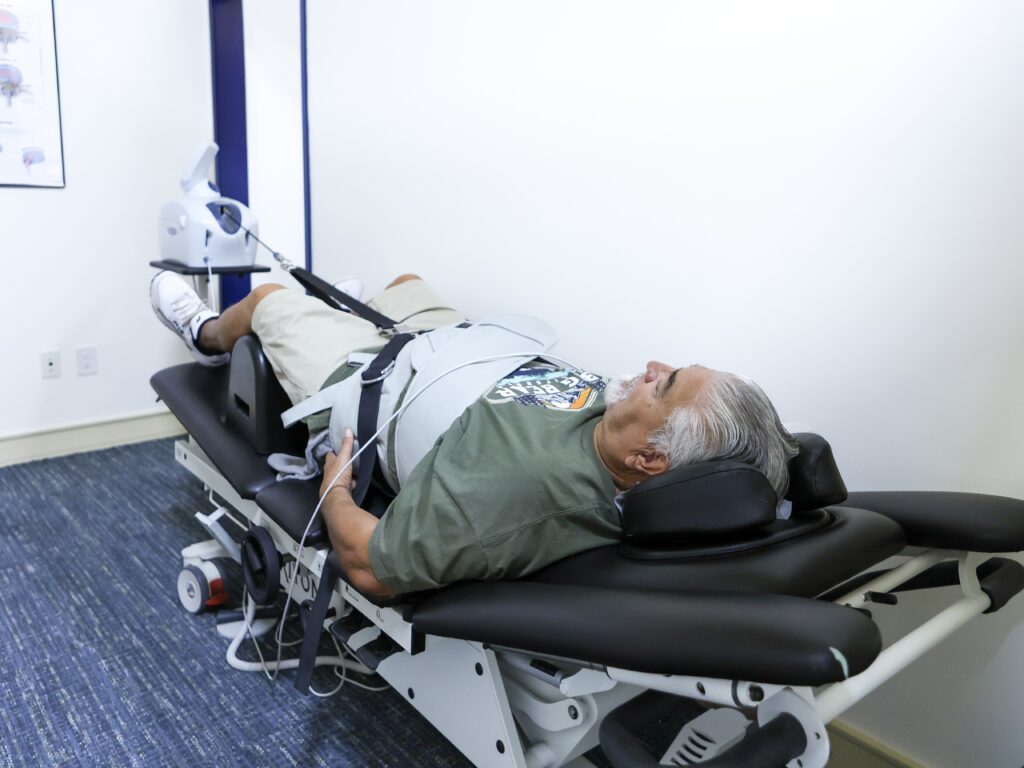
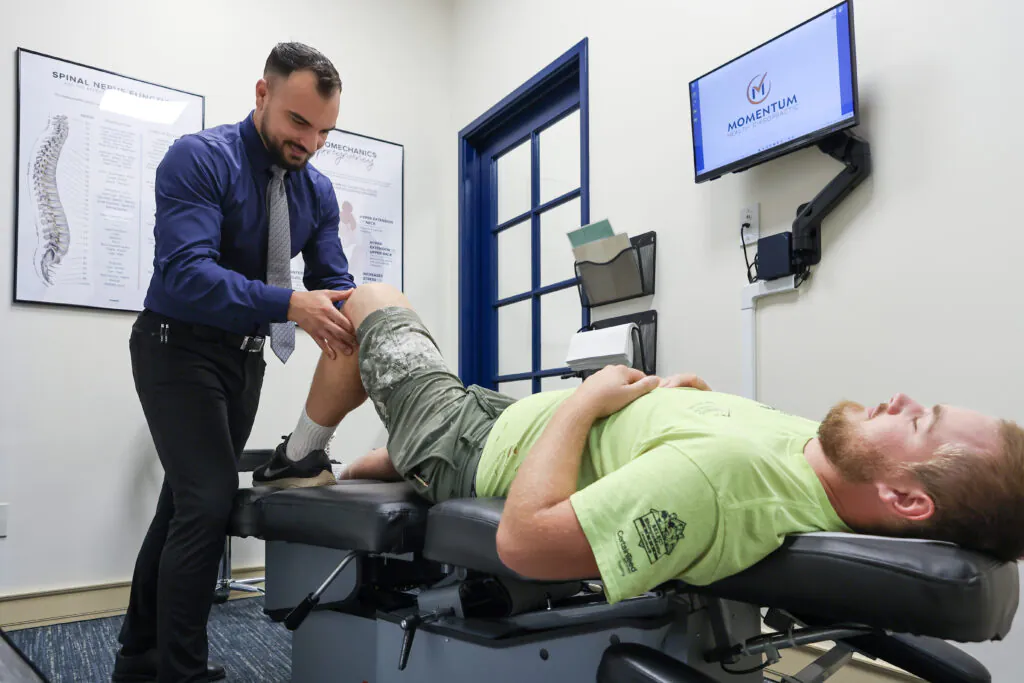
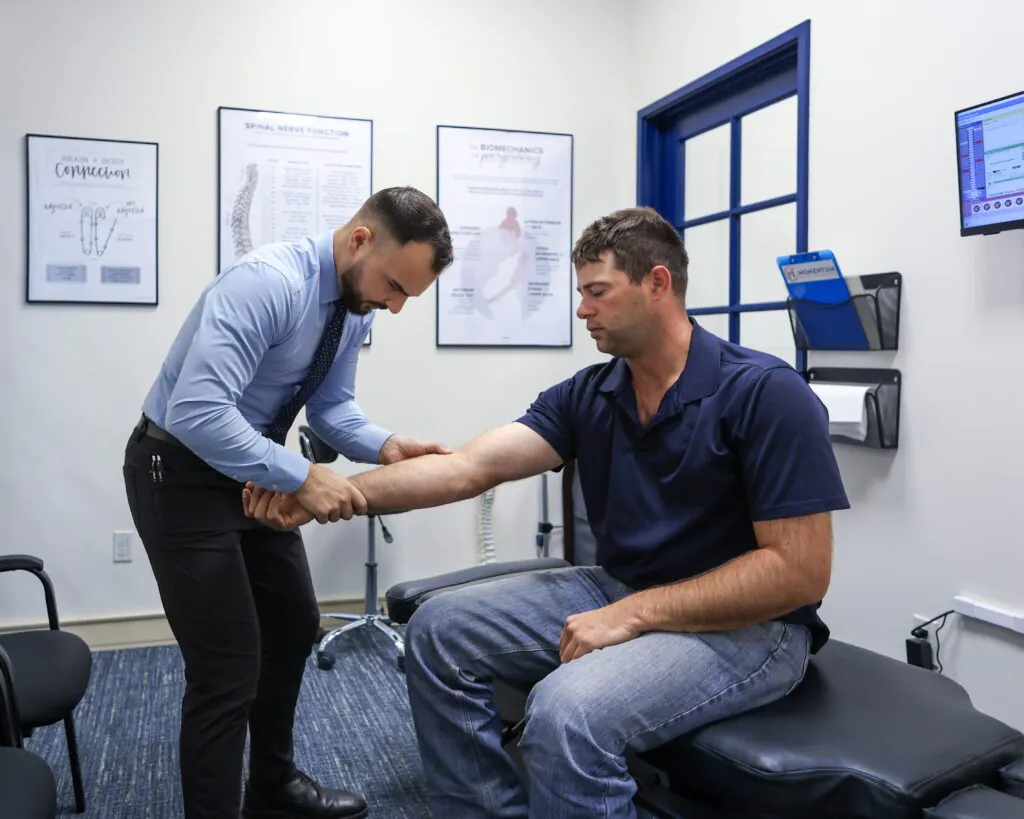
Chiropractic care primarily focuses on the alignment of your spine and musculoskeletal system through specialized manual adjustments. When your spine is misaligned, it can lead to discomfort and limit your mobility. By correcting these misalignments, we can enhance your body’s natural ability to heal itself and improve overall function.
Many of my patients experience significant improvements in their pain levels and functionality after just a few sessions.
In addition to chiropractic adjustments, I also recommend considering complementary therapies like acupuncture. This ancient practice involves inserting thin needles into specific points on your body to restore balance and alleviate pain. Patients often report reduced tension and increased relaxation, which can further contribute to a decrease in back pain.
Both chiropractic care and acupuncture can work together with traditional treatments to provide a holistic approach to pain management.
However, it’s essential to consult with me or your healthcare provider to determine the best course of action tailored to your needs. With the right combination of therapies, you could discover the relief you’ve been seeking.
Let’s work together to find the best solutions for your back pain!
Mindfulness and Stress Reduction Techniques
As a local chiropractor, I want to share how mindfulness and stress reduction techniques can significantly improve your experience with chronic back pain. By integrating these practices into your daily life, you can boost both your mental and physical health. Here’s how these techniques can help:
- Cultivating Awareness: Mindfulness allows you to observe your pain without judgment, which can lessen the emotional weight it carries. This awareness can empower you to respond to your pain more constructively.
- Deep Breathing: Concentrating on your breath activates your body’s relaxation response, calming the nervous system and helping to relieve tension in your back. This simple practice can be a powerful tool in your pain management arsenal.
- Meditation: Engaging in regular meditation fosters a state of relaxation and equips you with better stress management skills. Since stress can often lead to pain flare-ups, meditation serves as a beneficial practice to help keep your pain levels in check.
- Progressive Muscle Relaxation: This method involves systematically tensing and then relaxing different muscle groups, which can help release any accumulated tension in your body. By learning to recognize and let go of tension, you can create a more comfortable state for your back.
Incorporating these mindfulness techniques into your routine can complement your chiropractic care, leading to a more holistic approach to managing chronic back pain.
Ergonomics and Posture Improvement
As a local chiropractor, I want to share how integrating mindfulness practices into your daily routine can significantly enhance your physical health, especially when it comes to ergonomics and posture.
It all begins with assessing your workspace. Ensure that your chair and desk are designed to support the natural curve of your spine. Adjust the height of your chair so that your feet rest flat on the floor, and your knees form a 90-degree angle.
While sitting, it’s essential to roll your shoulders back and down, ensuring that your ears are aligned with your shoulders. If you’re working at a computer, make sure your monitor is positioned at eye level to prevent unnecessary strain on your neck.
I encourage you to take regular breaks to stand, stretch, and move around—this is crucial for counteracting the effects of prolonged sitting.
By practicing mindfulness, you can increase your awareness of your body’s alignment and tension, which enables you to make necessary adjustments throughout the day.
By focusing on these ergonomic principles, you’ll not only foster a healthier posture but may also find relief from chronic back pain.
The Importance of Sleep in Pain Relief
As your local chiropractor, I want to highlight the crucial role that sleep plays in managing chronic pain and enhancing your overall health. Many people underestimate the impact of quality sleep on their bodies, but it’s vital for healing and pain relief.
When you get enough restorative sleep, your body can repair itself, reduce inflammation, and alleviate discomfort. Conversely, when you don’t prioritize sleep, your sensitivity to pain can increase, making it more challenging to manage discomfort.
Here are a few key reasons why sleep is essential for pain relief:
- Supports bodily healing: During sleep, your body engages in the healing and regeneration of tissues, which is especially important if you’re dealing with chronic pain.
- Regulates pain perception: When you get adequate rest, you may find that your pain threshold improves, allowing you to cope with discomfort more effectively.
- Improves emotional well-being: A restful night’s sleep can enhance your mood, helping to reduce the stress and anxiety that often accompany chronic pain conditions.
- Enhances coping abilities: Individuals who are well-rested are generally better equipped to handle pain, often employing more effective strategies to cope with it.
By prioritizing sleep, you can significantly enhance your journey towards relief from chronic pain, including back pain.
Together, we can explore holistic approaches to care that support not just your spine, but your overall well-being.
When to Seek Professional Help
When should you think about reaching out for professional help regarding chronic back pain? If your discomfort lingers for more than a few weeks, even after trying self-care methods, it’s a good idea to consult with a chiropractor.
It’s crucial not to overlook any worsening symptoms, such as numbness, tingling, or weakness in your legs, as these could signal a more serious underlying issue.
If you’ve experienced severe pain following an injury or fall, it’s vital to get evaluated as soon as possible. Your body may be trying to communicate that something isn’t right, and a chiropractor can help identify and address the root cause of your pain.
Additionally, if your back pain is affecting your ability to perform daily activities, getting restful sleep, or fulfilling your work obligations, seeking professional guidance is essential. Chiropractors focus on natural healing methods and can provide tailored treatment plans designed to alleviate your pain and improve your overall function.
Be mindful of any other concerning signs as well, such as unexplained weight loss, fever, or issues related to bowel and bladder control.
These symptoms warrant immediate attention and shouldn’t be ignored. Remember, early intervention is key to achieving better outcomes. Don’t hesitate to reach out to a chiropractor for a comprehensive evaluation and a personalized approach to your care. Your health and well-being are of utmost importance!
Conclusion
As a local chiropractor, I want to share some proven techniques that can truly transform your experience with chronic back pain. By incorporating regular chiropractic adjustments into your routine, you’re actively working to align your spine and improve your overall health. Additionally, embracing physical therapy, making simple lifestyle changes, and practicing mindfulness can significantly enhance your healing process.
It’s also crucial to pay attention to ergonomics in your daily activities; the way you sit, stand, and move can greatly impact your back pain. And don’t underestimate the power of a good night’s sleep—rest is essential for recovery.
If you find that your pain persists despite these efforts, I encourage you to seek professional guidance. As a chiropractor, I’m here to support you on your journey to a pain-free life. You deserve to live comfortably, and these natural healing strategies can help you achieve that.