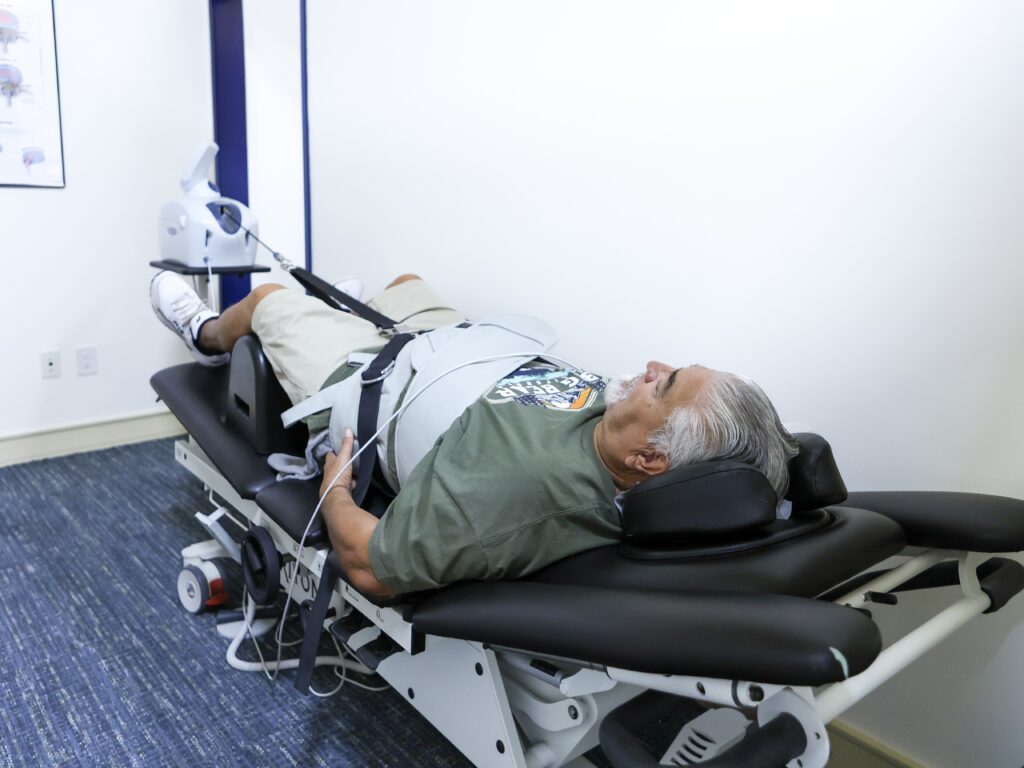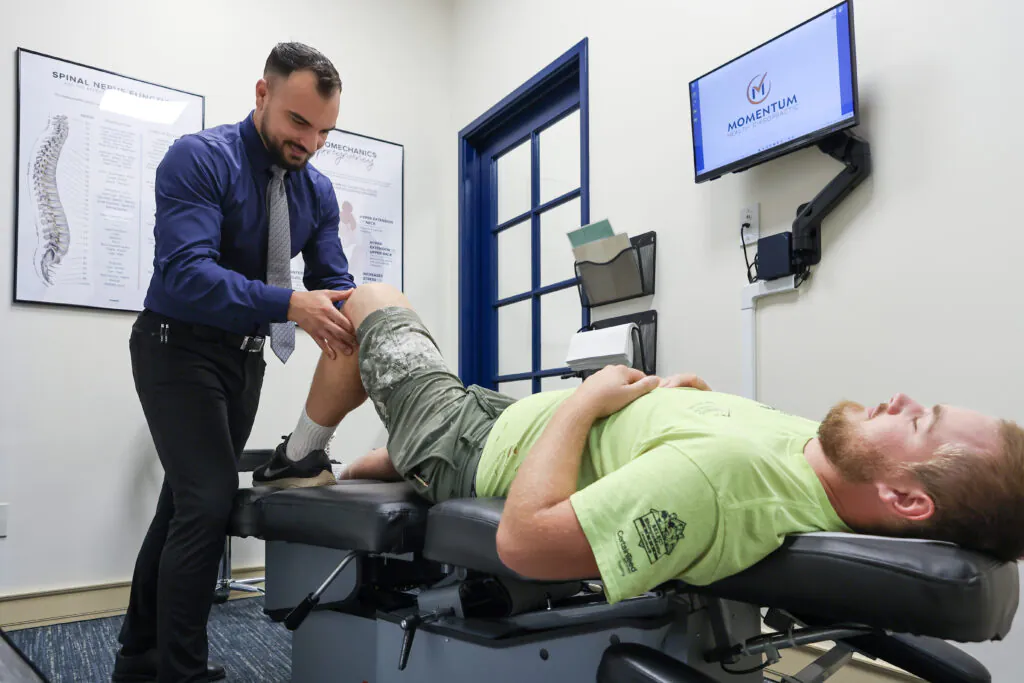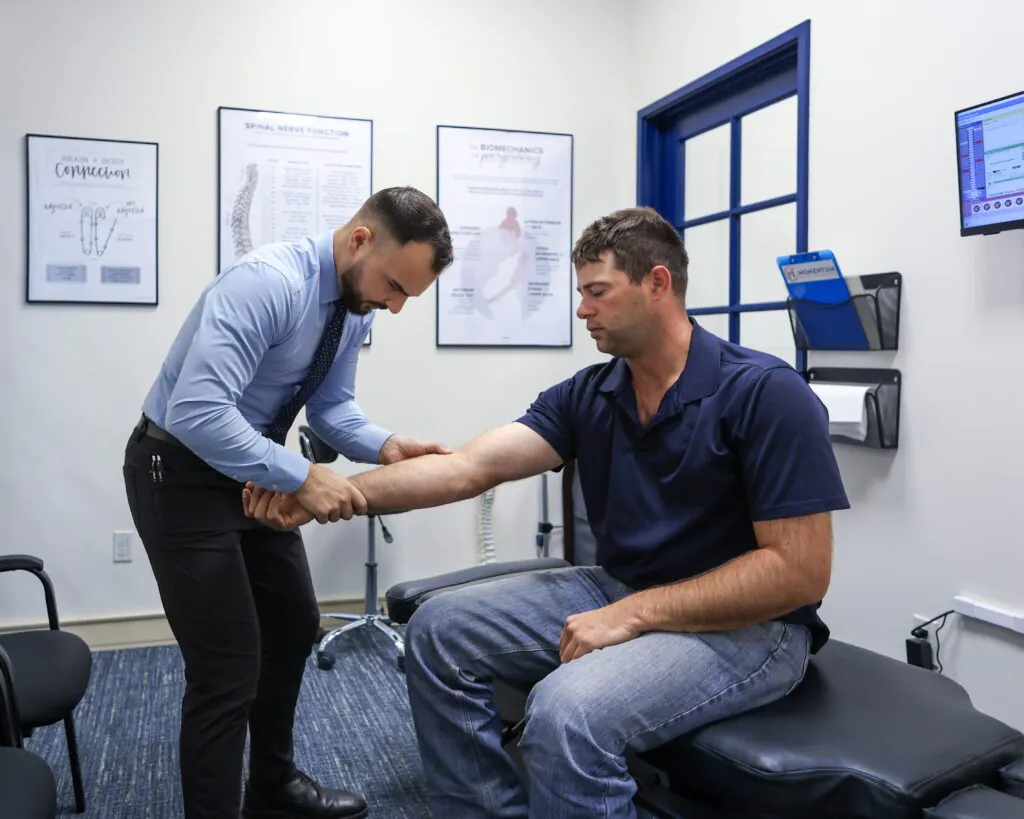

As a local chiropractor, I often see patients who may not fully realize how significantly poor posture can affect their daily lives. It can lead to chronic pain, fatigue, and decreased energy levels. The good news is that by making some simple adjustments, you can greatly enhance your overall well-being. Techniques like mindful sitting and creating an ergonomic workspace can truly be transformative.
Before we dive into these changes, it's important to understand the root causes of your posture issues. Many people may not be aware that their habits and lifestyle choices contribute to these problems. By addressing your posture, you might discover unexpected benefits that you hadn't considered before, such as improved focus, reduced discomfort, and increased vitality. Together, we can work towards a healthier you!
Understanding Poor Posture
As a local chiropractor, I want to emphasize the importance of good posture for your overall health and well-being. Many people underestimate how much their posture influences their body, often without even realizing it. The way you sit, stand, or walk can have a profound effect on your health. Poor posture can lead to various issues, including chronic pain and decreased energy levels. You may find yourself slouching in your chair or leaning forward while you work, and these seemingly minor habits can create tension in your muscles and joints.
Moreover, poor posture can significantly affect your breathing. When you hunch over, your diaphragm is restricted, which limits your ability to take in oxygen fully. This can leave you feeling sluggish and unfocused. It's essential to recognize that your physical health isn't the only aspect at stake; your mental well-being can also be impacted. Research shows that maintaining good posture can enhance your confidence and elevate your mood. So, if you often find yourself slumped, consider how this might be affecting your self-esteem and productivity.
Additionally, improper posture can lead to misalignment of your spine over time. This misalignment can contribute to degenerative issues, resulting in chronic pain and discomfort. You may experience headaches, back pain, or even digestive problems as a consequence.
Understanding the significance of proper posture is crucial. By recognizing how poor posture affects your body, you can take proactive steps to correct it. Whether it's adjusting your workspace ergonomically or incorporating specific posture exercises into your routine, making these adjustments can lead to substantial health improvements.
As your chiropractor, I'm here to guide you on this journey towards better posture and overall well-being.
Common Causes of Posture Issues
As a local Chiropractor, I often see patients dealing with posture issues that stem from everyday habits and environmental factors.
Many of these causes can go unnoticed, yet they significantly impact your alignment and overall well-being. By understanding these common contributors, you can take proactive steps to enhance your posture and health.
Here are three key factors that often lead to posture problems:
1. Prolonged Sitting: Many of us spend extended periods at desks or in front of screens, often leading to slouching or leaning forward. This can create muscle imbalances and discomfort over time.
I encourage my patients to take regular breaks, stand up, stretch, and adjust their workstations to foster a more ergonomic setup that promotes better posture.
2. Improper Footwear: The shoes you choose play a crucial role in your body's alignment. Wearing footwear that lacks proper support—such as flip-flops or high heels—can disrupt your posture.
Since your feet are the foundation of your body, selecting appropriate shoes is vital for maintaining stability and balance.
3. Weak Core Muscles: A strong core is essential for supporting your spine and helping you maintain an upright position.
If your abdominal and back muscles are weak, you're more likely to slouch or bend forward. I recommend incorporating core-strengthening exercises into your routine, as they can significantly improve your posture and overall spinal health.
By addressing these factors, you can take meaningful steps toward better posture and a healthier lifestyle.
If you have any questions or would like personalized advice, feel free to reach out during your next visit!
Health Risks Associated With Poor Posture
As a local chiropractor, I want to emphasize the importance of good posture for your overall health and well-being. Poor posture can lead to significant physical discomfort, manifesting as back and neck pain that can hinder your daily activities.
However, the impact goes beyond physical pain; it can also take a toll on your mental health. Increased discomfort and tension can elevate stress levels, affecting your mood and overall quality of life.
It's crucial to understand these risks associated with poor posture so that you can take proactive steps toward improvement. By making simple adjustments to your posture and seeking chiropractic care, you can alleviate pain, reduce stress, and enhance your overall health.
Together, we can work on developing healthier habits that promote not just physical alignment, but also a balanced mental state. Your journey to better posture and holistic health starts here!
Physical Pain Consequences
As a local chiropractor, I want to share with you the significant impact that your posture can have on your overall health. Many people are unaware that maintaining poor posture over time can lead to chronic discomfort and pain.
The way you sit, stand, or move plays a crucial role in your physical well-being, and neglecting proper alignment can create muscle imbalances and strain that disrupt your daily activities.
Here are three common consequences of poor posture that you might experience:
- Back Pain: When you slouch or lean forward, you place unnecessary pressure on your spine. This can result in persistent back pain, limiting your mobility and affecting your quality of life.
- Neck Strain: Poor alignment often causes the head to jut forward, which strains the neck muscles. This can lead to headaches and chronic discomfort that can be quite debilitating.
- Joint Pain: Misalignment can also affect your joints, causing stiffness or pain, particularly in the hips, knees, and shoulders. This discomfort can hinder your ability to engage in everyday activities.
It's important not to ignore these signs, as they can lead to more severe conditions if left unaddressed.
By correcting your posture now, you can alleviate pain and enhance your overall well-being. I encourage you to pay close attention to your body's alignment.
With a few adjustments, you may notice a significant improvement in how you feel physically.
Let's work together to ensure that poor posture doesn't dictate your comfort!
Mental Health Impacts
As a local chiropractor, I want to share with you how your posture plays a crucial role not just in your physical health, but in your mental well-being as well.
Many people don't realize that when you slouch or hunch over, it can lead to feelings of lethargy and a drop in confidence. This shift in posture can contribute to increased anxiety and even depression.
Research has shown that simply maintaining an upright posture can enhance your mood and boost your self-esteem. When you stand tall, you may feel more engaged and present in your daily activities.
On the other hand, poor posture can create a negative self-image, which may lead you to withdraw from social interactions or lose motivation for activities you once enjoyed.
This cycle of negative posture and mental health challenges can be tough to break, which is why it's important to consider how chiropractic care can help.
By addressing your posture and overall spinal health, we can work together to promote not only physical wellness but also improve your mental outlook and overall quality of life.
Let's take a holistic approach to your health, where posture is an essential piece of the puzzle.
Benefits of Correcting Posture
As your local chiropractor, I want to emphasize how correcting your posture can greatly enhance your overall well-being. Many people are unaware of the profound impact that good posture has on their health.
By aligning your spine and improving your posture, you can boost your breathing efficiency, which means your body can take in more oxygen. This results in increased energy levels throughout your day.
Moreover, adopting better posture can significantly alleviate pain and discomfort that you may experience in your back, neck, or shoulders. When your body is properly aligned, everyday activities become much more enjoyable and less strained.
I encourage you to consider the benefits of chiropractic care in helping you achieve and maintain better posture for a healthier, more vibrant life.
Enhanced Breathing Efficiency
As a local chiropractor, I want to emphasize how improving your posture can significantly enhance your breathing efficiency.
When your spine is properly aligned and your chest is open, your lungs can expand fully, allowing for deeper, more effective inhalations. This not only increases your energy levels but also boosts your overall physical performance.
Here are three vital benefits of enhancing your breathing efficiency through better posture:
- Increased Oxygen Intake: When you maintain correct posture, your diaphragm can work optimally, facilitating a greater exchange of oxygen and carbon dioxide. This improvement can lead to enhanced stamina during your daily activities or workouts.
- Reduced Stress Levels: Engaging in deep, efficient breathing triggers your body's relaxation response. By adopting a straighter posture, you can practice more effective breathing techniques that help alleviate stress and anxiety, promoting a sense of calm.
- Enhanced Focus and Clarity: More efficient breathing translates to increased oxygen supply to your brain. With improved posture, you may find it easier to concentrate and think clearly, which can enhance your productivity and overall well-being throughout the day.
By understanding the connection between posture and breathing, you can take meaningful steps toward better health and vitality.
If you have any questions or want to learn more about how chiropractic care can support your journey, feel free to reach out!
Reduced Pain and Discomfort
As a local chiropractor, I often see individuals who are unaware of the profound impact posture can have on their overall comfort and well-being. Many people only realize the benefits of proper alignment after experiencing the relief it brings. When you sit or stand with correct posture, you help distribute your body weight evenly, which significantly reduces the strain on your muscles and joints. This simple adjustment can lead to considerable pain relief, particularly in the back, neck, and shoulders.
Unfortunately, improper posture is a common issue that can lead to muscle fatigue, tension, and discomfort. If you frequently find yourself dealing with aches and pains after spending long hours at your desk or engaging in daily activities, it's essential to reassess your posture. By consciously engaging your core, aligning your spine, and relaxing your shoulders, you can alleviate unnecessary pressure on your body.
Furthermore, correcting your posture not only helps reduce existing pain but also plays a crucial role in preventing future discomfort. By cultivating good habits now, you're laying down a stronger foundation for your body, making it more resilient to physical strain. As you maintain proper alignment, you'll likely find that daily tasks become easier and more enjoyable.
I encourage you to take a moment to check in with your posture. Your body will certainly appreciate the effort, leading to less pain and greater comfort in your everyday life.
If you're interested in learning more about how chiropractic care can help improve your posture and overall health, don't hesitate to reach out.
Techniques for Posture Improvement
As a local chiropractor, I often see patients who underestimate the impact of posture on their overall health and comfort.
It's easy to forget about how we hold our bodies during everyday activities, but by implementing a few simple techniques, you can experience a remarkable difference. Here are three effective strategies to enhance your posture that I encourage my patients to adopt:
1. Mindful Sitting: When you're seated, aim to keep your feet flat on the ground and your knees bent at a right angle. Choosing a chair that offers lumbar support can be incredibly beneficial, as it helps maintain the natural curve of your lower back.
If you work at a desk, ensure your computer screen is at eye level to prevent leaning forward, which can lead to strain on your neck and spine.
2. Standing Tall: While standing, it's crucial to distribute your weight evenly across both feet. Relax your shoulders and draw them back slightly, and engage your core muscles to provide stability.
Picture a string pulling you up from the top of your head, helping you to align your head with your spine. This posture not only looks confident but also supports your musculoskeletal health.
3. Frequent Movement: Staying in one position for extended periods can wreak havoc on your posture and lead to discomfort.
I recommend taking breaks every 30 to 60 minutes to stand up, stretch, or take a short walk. This practice not only alleviates tension but also reinforces good posture habits throughout your day.
By adopting these techniques, you can improve your posture, enhance your comfort, and contribute to your overall health.
If you have any questions or need personalized guidance, feel free to reach out during your next visit!
Exercises for Better Posture
As a local chiropractor, I want to share with you some effective exercises that can significantly improve your posture and overall health. By focusing on strengthening essential muscle groups and enhancing flexibility, you can counteract the negative impacts of slouching and prolonged sitting, which many of us experience daily.
Here are some simple exercises that you can incorporate into your routine.
Let's start with wall angels. This is a fantastic exercise for posture improvement. Stand against a wall with your feet a few inches away from it. Make sure your head, shoulders, and buttocks are in contact with the wall. Raise your arms to create a "W" shape, then slide them up to form a "Y." Return to the starting position. Aim for 10 to 15 repetitions. This movement helps to open up your chest and strengthen your upper back.
Next, I recommend the cat-cow stretch. Begin on all fours, with your hands aligned under your shoulders and knees under your hips. Inhale deeply, arch your back, and lift your head—this is the cow position. Then, exhale, round your spine, and tuck your chin towards your chest to transition into the cat position. Repeat this flow for 10 cycles. This exercise enhances spinal flexibility, which is crucial for maintaining good posture.
Another excellent exercise is the bridge. Lie on your back with your knees bent and feet flat on the floor. Press through your heels, lift your hips towards the ceiling, and squeeze your glutes at the top of the movement. Hold for a few seconds before lowering back down. Aim for 10 to 15 repetitions. This exercise strengthens your lower back and glutes, supporting better alignment.
Finally, don't forget to include core-strengthening exercises like planks or bird-dogs in your routine. A strong core is vital for supporting your spine and promoting healthier posture.
By consistently practicing these exercises, you'll develop the necessary strength and flexibility for improved posture, reducing your risk of discomfort and pain.
Ergonomic Workspace Setup
As a local Chiropractor, I want to emphasize the importance of creating an ergonomic workspace to support your posture and overall health, especially for those of you who may be spending extended hours at a desk.
A thoughtfully designed workspace can alleviate strain on your body and enhance your ability to focus. Here are three crucial elements to consider when setting up your ergonomic workspace:
1. Chair Selection: It's essential to choose a chair that provides adequate support for your lower back. Your feet should rest flat on the floor, and the chair height should allow your knees to form a 90-degree angle.
If you find your feet dangling or if you're not quite at the right height, a footrest can be a helpful addition to promote better alignment.
2. Desk Height: The height of your desk is also critical. When typing, your elbows should be at a 90-degree angle.
If you notice yourself hunching over or reaching awkwardly for your keyboard, it might be time to adjust the desk height or consider investing in a height-adjustable desk. Proper desk height helps prevent musculoskeletal issues.
3. Monitor Position: Position your monitor at eye level, ideally about an arm's length away from you.
This placement can help avoid neck strain and encourages you to maintain an upright posture in your chair. If you work with multiple screens, ensure they're aligned properly to reduce the need for neck twisting.
By incorporating these elements into your workspace, you can significantly improve your posture and overall well-being.
Taking the time to adjust your environment won't only allow you to work more comfortably but can also lead to better health outcomes.
Mindfulness and Posture Awareness
As a local chiropractor, I want to share how practicing mindfulness can significantly improve your posture awareness, allowing you to recognize when you're slouching or holding tension in your body. By staying present in the moment, you can better tune into your body's signals, helping you catch poor posture habits before they become ingrained. This heightened awareness enables you to make conscious adjustments throughout your day, which is essential for your overall health.
To get started, consider incorporating short mindfulness exercises into your daily routine. Whether you're sitting at your desk, standing in line, or even watching TV, take a moment to check in on your posture. Notice if your shoulders are hunched or if your back is rounded. A simple, deep breath can ground you in the moment, serving as a reminder to align your spine and relax your shoulders.
As you continue practicing mindfulness, you'll notice that it encourages you to regularly check in with your body. It's not just about correcting your posture when you feel discomfort; it's about cultivating a habit of awareness. This means that even when you're deeply engaged in work or conversations, you can still maintain a healthy posture without much effort.
To support your journey toward better posture, try incorporating small reminders throughout your day. You could set alarms on your phone, use sticky notes as visual cues on your computer, or even find a posture buddy to keep each other accountable. These prompts can help you stay mindful and engaged with your body's positioning.
Over time, this practice will foster a more natural awareness of your posture, making it easier to maintain proper alignment without constant effort. Remember, mindfulness isn't just a tool for managing stress; it also plays a crucial role in enhancing your posture and, ultimately, your overall health and well-being.
As your chiropractor, I'm here to guide you on this journey toward a healthier, pain-free life.
Maintaining Long-Term Posture Health
Maintaining good posture isn't just a temporary goal; it's a lifelong commitment to your overall health and well-being. Many people believe that fixing posture is a one-time adjustment, but in reality, it's an ongoing journey that requires consistent effort.
As a chiropractor, I want to share some key habits that can help you ensure your posture remains optimal throughout your daily activities.
Here are three essential practices to help you maintain long-term posture health:
- Regular Movement Breaks: In our increasingly sedentary lifestyles, sitting for long periods can significantly impact your posture. I recommend setting a timer to remind yourself to stand up, stretch, and move around every 30 to 60 minutes. This simple practice not only relieves muscle tension but also helps reset your posture and keeps your spine healthy.
- Strengthen Core Muscles: Your core muscles play a vital role in supporting your spine and maintaining good posture. Incorporating exercises like planks, bridges, and abdominal workouts into your routine can make a significant difference. A strong core promotes proper alignment and reduces the risk of slouching, which is crucial for long-term spinal health.
- Invest in Ergonomics: Whether you're working from home or in an office, it's essential to create a workspace that supports good posture. Adjust your chair, desk, and computer screen to the correct heights to ensure your body is properly aligned. An ergonomic setup can greatly reduce strain on your body and help prevent discomfort and injury.
By adopting these practices, you not only enhance your posture but also support your overall health.
As your chiropractor, I'm here to guide you on this journey to better posture and wellness. Remember, good posture is a continuous effort, and every small change you make can lead to significant benefits in the long run.
Conclusion
As your local chiropractor, I want to emphasize the importance of posture correction in enhancing your overall health and well-being. When you prioritize your posture, you're making a significant investment in your physical and mental health. Simple techniques such as mindful sitting, taking regular movement breaks, and incorporating strengthening exercises into your routine can lead to substantial and lasting improvements in your posture.
It's important to understand that good posture is about more than just comfort; it can also positively influence your mood and boost your confidence. By staying aware of your body's alignment and committing to these practices, you can enjoy the long-term benefits of a healthier, more aligned body. Together, we can work on these strategies to help you achieve optimal health through natural healing methods.