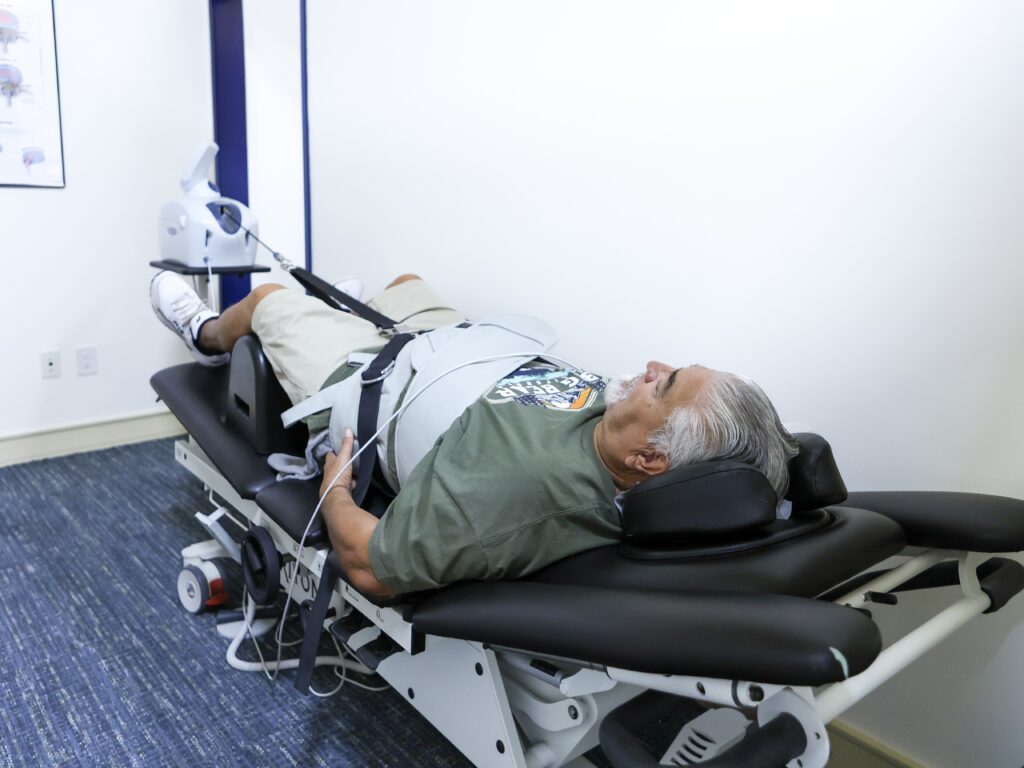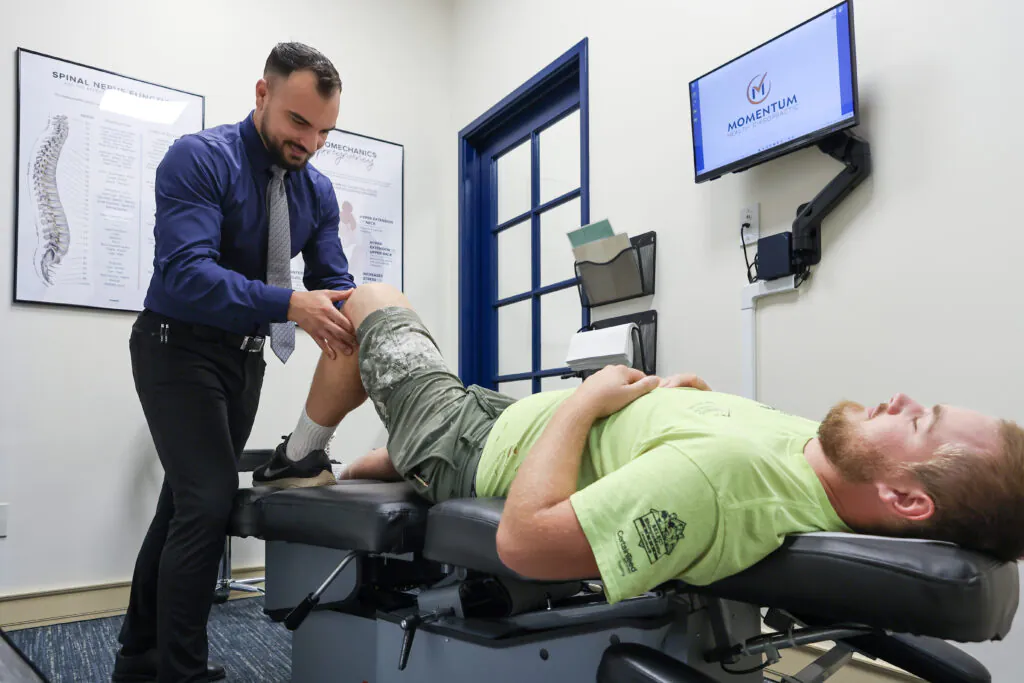

If you’re dealing with chronic headaches, figuring out the best frequency for chiropractic visits can greatly enhance your path to relief. Many patients find it beneficial to start with weekly appointments. This allows us to assess how well your treatments are working and make any necessary adjustments. As you begin to experience relief and your symptoms improve, we can shift our focus towards empowering you with self-management strategies.
But how do you know when it’s time to adjust your visit schedule? Understanding your unique condition, as well as the specifics of your treatment plan, is crucial. Here are some key factors to consider:
- Symptom Tracking: Keep a journal of your headaches. Note the frequency, intensity, and duration. This information can help you and your chiropractor determine how your body is responding to treatment.
- Progress Evaluation: Regular check-ins with your chiropractor will help assess your progress. If you’re noticing fewer headaches or reduced severity, this may be a sign to transition to bi-weekly or monthly visits.
- Self-Management Strategies: As you start feeling better, your chiropractor will guide you on self-care techniques. This might include exercises to strengthen your spine, posture corrections, and lifestyle changes that promote overall wellness.
- Lifestyle Factors: Consider your daily habits. Stress, diet, and sleep patterns can all influence headache frequency. Your chiropractor can provide advice on how to adjust these factors to support your health.
By focusing on these aspects, you can work closely with your chiropractor to find the optimal visit frequency that suits your needs. Remember, chiropractic care is a powerful tool for natural healing and achieving optimal health. Embrace it as part of your journey to wellness, and let’s work together to ensure you live a life free of discomfort.
Key Takeaways
- Adjust your visit frequency based on how you’re feeling; if you notice improvements, we can space out your visits. If your headaches persist or the pain levels change, we may want to increase the frequency to better address your needs.
- After a few visits, we will regularly check in to see how chiropractic care is helping you. This helps us tailor your care plan to make sure you’re getting the best results possible.
- Pay attention to how your headaches respond to the chiropractic adjustments. This feedback is crucial in helping us refine your treatment and find the ideal schedule for your visits based on what works best for you.
- Keeping a headache diary can be a valuable tool. By tracking your headaches, we can identify patterns that will help us make informed decisions on how often you should come in and how effective your treatment is.
- Combining chiropractic care with simple lifestyle changes can significantly boost your progress. Staying hydrated, getting enough sleep, and managing stress are great ways to enhance the effectiveness of your chiropractic adjustments in reducing headache frequency and intensity.
Remember, chiropractic care is a natural and effective way to achieve optimal health and wellness!
Understanding Chronic Headaches
When dealing with chronic headaches, it’s crucial to understand their underlying causes to find effective relief. Many headaches can be linked to various factors such as stress, hormonal fluctuations, or environmental triggers. By identifying what specifically triggers your headaches, you can better manage them. One helpful tool is a headache diary—keep track of when headaches occur, their intensity, and any potential triggers. This information can be invaluable for you and any healthcare provider you consult.
As a chiropractor, I emphasize the importance of lifestyle factors like sleep quality, hydration, and diet, as they can significantly affect the frequency and severity of headaches. Poor posture and excessive screen time can lead to tension headaches, so it’s essential to be mindful of your posture while sitting or working. Simple adjustments, such as taking regular breaks to stretch and ensuring your workstation is ergonomically friendly, can make a big difference.
Chiropractic care is a natural approach that can help alleviate headaches by addressing spinal misalignments and tension in the body. Regular adjustments can improve spinal health, which may reduce headache frequency and intensity. Additionally, incorporating relaxation techniques, like deep breathing or gentle yoga, can further aid in stress reduction and promote overall wellness.
Types of Healthcare Providers for Headache Management
Managing headaches effectively often involves a holistic approach to treatment, and chiropractic care can play a vital role in achieving optimal health and wellness. As a chiropractor, I believe in the natural healing power of the body and the importance of spinal health in managing headaches. Here’s a quick overview of how chiropractic care, along with other healthcare providers, can help you manage your headaches:
| Provider Type | Role in Headache Management | When to See Them |
|---|---|---|
| Chiropractor | Manual therapy and spinal adjustments to relieve tension and improve alignment | When experiencing tension headaches or neck pain |
| Primary Care Doctor | Initial diagnosis and treatment | If headaches are persistent or worsening |
| Neurologist | Expertise in neurological disorders | For severe or unusual headaches |
| Physical Therapist | Exercises and physical modalities | To address chronic pain and improve mobility |
| Psychologist | Behavioral therapy for stress management | When headaches are linked to anxiety or stress |
Chiropractors focus on identifying and correcting any misalignments in the spine, which can often be a contributing factor to headaches. Through gentle spinal adjustments and manual therapy, we can alleviate tension in the neck and upper back, which may help reduce headache frequency and intensity.
Here are some general tips you can incorporate into your daily routine to support headache relief:
- Stay Hydrated: Drink plenty of water throughout the day to prevent dehydration, a common headache trigger.
- Maintain Good Posture: Pay attention to your posture, especially if you sit for long periods. Proper alignment can reduce strain on your neck and back.
- Practice Relaxation Techniques: Incorporate stress-reducing practices like deep breathing, meditation, or yoga into your routine to help manage tension.
- Get Regular Chiropractic Care: Regular visits to a chiropractor can help maintain spinal health and prevent headaches from occurring in the first place.
- Stay Active: Engage in regular physical activity to promote overall wellness and reduce tension in the body.
Assessing the Severity and Frequency of Headaches
Regularly assessing the severity and frequency of your headaches is a key part of maintaining your health and well-being. As a chiropractor, I believe that understanding your headaches can lead to natural relief and improved quality of life. One effective way to start is by keeping a headache diary. In this diary, you can note down the date, how long your headache lasts, its intensity, and any potential triggers. This simple practice can help you spot patterns and identify what might be causing your discomfort.
When evaluating the pain, try rating it on a scale from 1 to 10. This can help you communicate how much your headaches impact your daily activities and clarify the urgency for treatment.
It’s also important to pay attention to how often these headaches occur. Are they happening every day, weekly, or just occasionally? Knowing the frequency is crucial in determining the best natural approach to address them.
Don’t forget to consider how headaches are affecting your overall life. Are they interfering with your work, social gatherings, or sleep? This information is vital for you and your chiropractic care provider to create a tailored treatment plan that focuses on natural healing techniques.
The Role of Personalized Treatment Plans
When it comes to managing your headaches, personalized treatment plans through chiropractic care can truly transform your experience. By focusing on your unique symptoms and triggers, we can develop tailored therapy approaches that target the root cause of your discomfort. Chiropractic adjustments can help relieve tension in the spine and neck, which may be contributing to your headaches.
Regular assessments are a key part of this personalized plan. They allow us to monitor your progress and make any necessary adjustments to keep your relief on track. Remember, everyone’s body is different, and what works for one person may not work for another.
In addition to chiropractic care, here are a few general tips that can enhance your wellness journey:
- Stay Hydrated: Drinking enough water can help prevent dehydration, which is a common headache trigger.
- Mind Your Posture: Maintaining good posture, especially while sitting at a desk, can reduce strain on your neck and spine.
- Practice Relaxation Techniques: Stress can lead to tension headaches, so incorporating relaxation methods such as deep breathing, yoga, or meditation can be beneficial.
- Get Regular Sleep: Aim for consistent sleep patterns to help your body recover and reduce the likelihood of headaches.
- Limit Screen Time: Take breaks from screens to reduce eye strain, which can also contribute to headaches.
Tailored Therapy Approaches
Tailoring your approach to headache relief through chiropractic care can significantly improve your comfort and well-being. By examining your individual triggers, symptoms, and lifestyle, we can develop a personalized plan that works best for you. This method ensures you receive the most effective strategies for relief, focusing on natural healing without the need for medications or invasive procedures.
Here’s a quick overview of some tailored chiropractic strategies:
| Approach | Description | Benefits |
|---|---|---|
| Chiropractic Adjustments | Gentle adjustments to the spine | Alleviates tension and improves alignment, which can help reduce headache frequency and intensity |
| Lifestyle Changes | Incorporating proper posture, hydration, and stress management | Promotes overall wellness and can minimize headache triggers |
| Natural Therapies | Techniques such as massage or relaxation exercises | Enhances relaxation and reduces muscle tension, providing complementary relief |
In addition to these tailored strategies, here are some practical tips you can incorporate into your daily routine:
- Stay Hydrated: Dehydration can trigger headaches, so be sure to drink plenty of water throughout the day.
- Practice Good Posture: Pay attention to your posture, especially if you spend long hours at a desk. Proper alignment can prevent tension headaches.
- Manage Stress: Engage in activities that help you relax, such as yoga or deep breathing exercises. Reducing stress can lessen the frequency of headaches.
- Regular Chiropractic Visits: Make regular chiropractic adjustments a part of your wellness routine to maintain spinal health and prevent headaches.
Regular Assessment Importance
Regular assessments are key to maximizing the benefits of your personalized chiropractic care for headache relief. By consistently evaluating your condition, you and your chiropractor can uncover patterns, identify triggers, and assess how well your body is responding to treatment. This continuous dialogue allows for adjustments tailored specifically to your needs, ensuring your care remains effective and relevant.
Moreover, regular check-ins not only help track your progress but also keep you motivated and engaged in your wellness journey. During these visits, you have the chance to discuss any changes you may have noticed, such as new symptoms or lifestyle adjustments. This empowers you to take an active role in your headache management, making it easier to discover the best natural strategies for relief.
In addition to regular assessments, consider incorporating some healthy habits into your routine. Staying hydrated, practicing good posture, getting adequate sleep, and managing stress through techniques like yoga or meditation can all contribute to reducing headaches. Remember, chiropractic care is a natural and effective way to promote overall health and well-being.
Factors Influencing Visit Frequency
Many patients often discover that a variety of factors influence how frequently they seek chiropractic care for headache relief. Your personal health history, the intensity of your headaches, and how well you’ve responded to chiropractic treatments can significantly impact your visit frequency. For instance, if you experience frequent and severe headaches, you might feel the need for more regular adjustments to help alleviate your pain. Conversely, if your headaches are mild and manageable, you may find that less frequent visits are sufficient.
Here’s a breakdown of some key factors that can influence your chiropractic visit frequency:
| Factor | Description | Impact on Frequency |
|---|---|---|
| Severity of Headaches | Intensity and duration of pain | Higher frequency of adjustments needed for relief |
| Treatment Efficacy | How effective chiropractic care is for you | Adjust visit frequency based on improvement |
| Personal Schedule | Your availability for appointments | May limit how often you can come in |
| Financial Considerations | Costs associated with chiropractic care | May influence how regularly you can visit |
| Support System | Encouragement from family or friends for visits | Can motivate you to seek care more often |
As you consider your health journey, remember that chiropractic care offers a natural and effective approach to managing headaches. Regular adjustments can not only help relieve pain but also promote overall wellness by improving your spinal health.
Here are some general tips to help you manage headaches and enhance your well-being:
- Stay Hydrated: Dehydration can often trigger headaches. Be sure to drink plenty of water throughout the day.
- Practice Good Posture: Maintaining proper posture, especially if you spend long hours at a desk, can prevent tension headaches.
- Get Regular Exercise: Physical activity can reduce stress and improve circulation, both of which can help minimize headaches.
- Incorporate Relaxation Techniques: Practices like deep breathing, meditation, or yoga can help manage stress levels and reduce headache frequency.
- Listen to Your Body: Pay attention to headache triggers, whether they’re related to food, stress, or lack of sleep, and try to address them proactively.
Balancing Appointments With Self-Management Strategies
Finding the right balance between chiropractic appointments and your own self-management strategies can significantly enhance your journey toward headache relief.
Regular visits to your chiropractor are crucial for addressing the root causes of headaches, but integrating self-management techniques allows you to take a proactive role in your health. Here are some simple yet effective strategies to consider:
- Stay Hydrated: Make it a habit to drink plenty of water throughout the day. Dehydration is a common headache trigger, so keeping your body well-hydrated can help prevent discomfort.
- Practice Relaxation Techniques: Incorporate deep breathing, meditation, or gentle yoga into your routine. These activities can help reduce stress and tension, which are often contributors to headaches.
- Maintain a Consistent Sleep Schedule: Aim for 7-9 hours of quality sleep each night. A regular sleep pattern is essential for your overall well-being and can help regulate your body’s systems, leading to fewer headaches.
- Track Your Triggers: Keeping a headache diary can be incredibly beneficial. Documenting when your headaches occur and what might’ve caused them can help you identify patterns and avoid potential triggers.
- Incorporate Regular Exercise: Engage in low-impact activities, such as walking or swimming. Regular movement enhances blood flow, which can reduce the frequency of headaches while also contributing to your overall health.
Remember, chiropractic care is designed to support your body’s natural healing processes and promote optimal health.
When to Increase or Decrease Visit Frequency
Knowing when to adjust your visit frequency is crucial for maintaining optimal health and managing headaches effectively. As a chiropractor, I encourage you to pay close attention to your symptoms and overall progress. If you notice changes in your headache patterns, or if your pain levels fluctuate, it may be time to consider scheduling more frequent visits.
Chiropractic care can play a vital role in your journey to wellness. Regular adjustments can help alleviate pain, improve spinal alignment, and enhance your body’s natural ability to heal. If you’ve recently made lifestyle changes—like starting a new exercise routine or adjusting your diet—these can also impact how often you should see your chiropractor.
Remember, your body communicates with you, and being attuned to its signals can inform your decisions about appointment scheduling.
Here are some tips to help you determine when to increase or decrease your visit frequency:
- Track Your Symptoms: Keep a simple diary of your headaches. Note their frequency, intensity, and any triggers. This information can be very helpful when discussing your needs with your chiropractor.
- Evaluate Your Progress: After a few visits, take a moment to reflect on how you feel. Are your headaches becoming less frequent or less intense? If so, you may consider reducing visit frequency. If not, more regular visits might be beneficial.
- Consider Lifestyle Changes: If you’ve started new activities or made dietary changes, consult with your chiropractor. They can provide personalized advice and adjust your treatment plan accordingly.
- Stay Engaged: Regular communication with your chiropractor about your health status is key. They can guide you on how often to come in for adjustments based on your individual needs.
Chiropractic care is a natural and effective way to manage pain and promote overall wellness. By staying in tune with your body and working closely with your chiropractor, you can achieve better health outcomes and enjoy a pain-free life.
Symptoms Monitoring and Analysis
Tracking your headache symptoms is crucial for understanding your overall health and knowing when to seek the supportive care of a chiropractor. By paying attention to your symptoms, you can make informed decisions about when to visit your chiropractor for optimal pain relief and wellness.
Here are some important indicators to monitor:
- Frequency: How often do you experience headaches? Keeping track of this can help you and your chiropractor identify underlying issues.
- Intensity: Rate your pain on a scale from 1 to 10. This will help your chiropractor tailor your treatment plan to effectively address your discomfort.
- Duration: Note how long your headaches typically last. Understanding this can assist in pinpointing potential causes and solutions.
- Triggers: Identify any patterns or specific triggers related to your headaches. This can include stress, posture, or lifestyle factors—areas where chiropractic care can provide significant help.
- Response to Treatment: Pay attention to how well your headache symptoms improve with chiropractic adjustments. This feedback is essential for refining your care plan.
In addition to tracking these symptoms, here are a few tips to enhance your wellness and potentially reduce headache occurrences:
- Stay Hydrated: Dehydration can lead to headaches, so drink plenty of water throughout the day.
- Practice Good Posture: Maintaining proper posture can prevent tension in your neck and shoulders, reducing headache triggers.
- Manage Stress: Incorporate relaxation techniques, such as deep breathing or yoga, to help manage stress levels.
- Get Regular Chiropractic Care: Regular adjustments can help align your spine and improve nerve function, which may reduce headache frequency and intensity.
Treatment Progress Assessment
As you keep track of your headache symptoms, it’s essential to regularly assess your treatment progress, particularly with chiropractic care. Take note of how your headaches respond to your current chiropractic adjustments and lifestyle changes. If you experience significant improvement, such as fewer headaches or reduced intensity, you might consider adjusting the frequency of your visits. On the flip side, if your headaches continue or worsen, it may be beneficial to increase your visits to fine-tune your treatment approach.
Communication with your chiropractor is key; they can work with you to determine the best path forward based on your experiences and feedback. Being proactive about your treatment can lead to better outcomes, helping you achieve a healthier and more balanced lifestyle.
In addition to your chiropractic care, here are some general tips to support your journey towards headache relief:
- Stay Hydrated: Dehydration can trigger headaches, so ensure you’re drinking plenty of water throughout the day.
- Maintain Good Posture: Poor posture can strain your spine and lead to headaches. Be mindful of your posture, especially when sitting for long periods.
- Manage Stress: Stress is a common headache trigger. Practice relaxation techniques such as deep breathing, yoga, or meditation to help manage stress levels.
- Regular Exercise: Engaging in regular physical activity can reduce muscle tension and improve overall wellness, which may help alleviate headaches.
- Get Enough Sleep: Aim for a consistent sleep schedule and ensure you’re getting enough restful sleep each night.
Lifestyle Changes Impact
Lifestyle changes can significantly influence how often you might need to see your chiropractor for headache relief. When you tweak your daily habits, it can either boost or hinder the effectiveness of your chiropractic treatments.
Here are some important adjustments to consider that can complement your journey towards better health and wellness:
- Diet: Eating a balanced diet rich in whole foods can help reduce headache triggers. Focus on incorporating plenty of fruits, vegetables, lean proteins, and whole grains into your meals. This not only supports your overall health but also enhances the benefits of your chiropractic care.
- Hydration: Staying well-hydrated is crucial for preventing headaches, especially those caused by dehydration. Aim to drink plenty of water throughout the day to keep your body functioning optimally.
- Sleep: Quality sleep is vital for your overall well-being and can help decrease the frequency of headaches. Establishing a consistent sleep routine and creating a restful environment can promote better sleep, which in turn supports your chiropractic treatment.
- Stress Management: Learning and practicing relaxation techniques, such as deep breathing, meditation, or yoga, can help manage stress and alleviate tension headaches. These practices can enhance your chiropractic care by helping to reduce muscle tension and improve spinal alignment.
- Exercise: Regular physical activity is essential for maintaining a healthy body and mind. Engaging in exercises that you enjoy can improve your overall well-being and help reduce the occurrence of headaches. Whether it’s walking, swimming, or any other form of movement, find what works for you!
By making these lifestyle changes, you can enhance the effectiveness of your chiropractic care and pave the way for a healthier, pain-free life.
The Importance of Follow-Up Care
Regular follow-up care is essential for effectively managing headaches, and as a chiropractor, I believe it plays a vital role in your overall health and wellness journey. By keeping track of your progress and assessing how well your treatment plan is working, we can make the necessary adjustments to help you feel your best.
During these visits, we can discuss any changes in your headache patterns, such as frequency or intensity, and identify potential triggers that may be contributing to your discomfort.
It’s also important to communicate any side effects you may be experiencing from other therapies or treatments. This open dialogue ensures we’re not just focusing on alleviating symptoms but also addressing the root causes of your headaches.
Regular check-ins can encourage you to stay committed to the lifestyle changes and natural therapies we discuss, providing you with the support you need to thrive.
Incorporating chiropractic care into your routine not only promotes accountability but helps you take a proactive approach to your health. By prioritizing follow-up appointments, you’re setting yourself on a clearer path toward headache relief and an improved quality of life.
Here are a few tips to help manage headaches naturally:
- Stay Hydrated: Dehydration can trigger headaches, so be sure to drink plenty of water throughout the day.
- Practice Good Posture: Poor posture can strain your neck and spine, leading to tension headaches. Focus on keeping your back straight and shoulders relaxed.
- Incorporate Stretching: Gentle stretches can relieve tension in your neck and shoulders, helping to prevent headaches.
- Engage in Regular Physical Activity: Exercise can reduce stress and improve circulation, both of which are beneficial in preventing headaches.
- Consider Chiropractic Adjustments: Regular adjustments can help align your spine, alleviate tension, and improve overall function, which may reduce headache frequency.
Tips for Maximizing Your Healthcare Visits
Maximizing your healthcare visits can significantly improve your journey towards effective headache management, especially when incorporating chiropractic care into your wellness routine. Here are some practical tips to help you make the most of your appointments:
- Keep a Headache Diary: Document your headache patterns, triggers, and any relief methods you’ve tried, including chiropractic adjustments. This information will help your chiropractor understand your unique situation and tailor a natural healing approach.
- Prepare Your Questions: Before your appointment, jot down any questions or concerns about your headaches or overall health. This ensures you cover all important topics during your visit, especially regarding how chiropractic care can help.
- Be Open About Your Symptoms: Clearly share the severity and frequency of your headaches with your chiropractor. Honest communication allows them to develop a personalized care plan focused on spinal alignment and overall wellness.
- Discuss Your Lifestyle: Talk about your daily habits, including posture, activity levels, and stress management techniques. Your chiropractor can provide guidance on how these factors affect your headaches and suggest natural ways to improve your health.
- Implement Recommendations: After your visit, try the advice or treatment changes suggested by your chiropractor. Whether it’s specific exercises, lifestyle adjustments, or regular adjustments, following these recommendations can lead to better outcomes.
By focusing on these tips during your healthcare visits, you can enhance your experience and work towards achieving optimal health through chiropractic care.