
If you’ve been dealing with whiplash, you understand just how challenging it can be to get back to your normal routine. The good news is that with the right recovery techniques, you can effectively regain your mobility and comfort. As a chiropractor, I believe that a combination of chiropractic care, tailored exercises, and mindful lifestyle adjustments can significantly enhance your healing process.
So, where should you begin to ensure a smooth recovery? Let’s dive into some key strategies that can support your journey toward optimal health and wellness after experiencing whiplash.
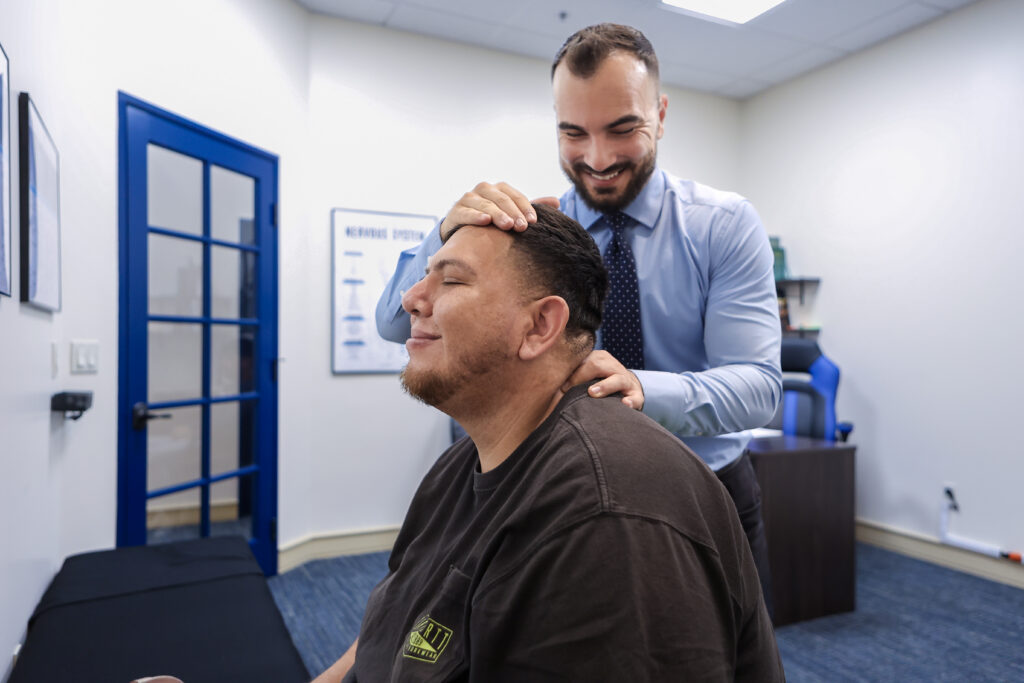
- Chiropractic Care: One of the most effective ways to address whiplash is through chiropractic adjustments. A trained chiropractor can help realign your spine, reduce pain, and improve your overall function. Regular visits can aid in restoring motion to your neck and enhancing your body’s natural healing abilities.
- Gentle Exercises: Incorporate gentle neck stretches and strengthening exercises into your daily routine. These movements can help loosen tight muscles, improve flexibility, and strengthen the surrounding support structures of your neck. Always consult with your chiropractor for guidance on the best exercises for your specific needs.
- Posture Awareness: Pay attention to your posture throughout the day. Maintaining proper posture can alleviate stress on your neck and spine. Try to keep your shoulders relaxed and your head aligned over your spine, especially when sitting or using electronic devices.
- Heat and Ice Therapy: Applying heat or ice to the affected area can provide relief. Ice can help reduce inflammation in the initial stages, while heat can relax tight muscles as your recovery progresses. Always wrap ice or heat packs in a cloth to protect your skin.
- Mindful Lifestyle Changes: Evaluate your daily habits. Make sure to take breaks if you find yourself in one position for too long, and incorporate relaxation techniques such as deep breathing or meditation to help manage stress. A calm mind can support your body’s healing processes.
By focusing on these strategies, you can take control of your recovery from whiplash. Remember, chiropractic care is a natural and effective way to relieve pain and promote overall wellness. If you’re ready to start your healing journey, reach out to a chiropractor who can guide you through personalized treatment options tailored to your needs. Your path to optimal health begins with the right support!
Key Takeaways
As a local chiropractor, I want to share some valuable insights on recovering from whiplash and achieving optimal health naturally. Here are some effective strategies to help you on your journey to wellness:
- Chiropractic Care: Regular visits to your chiropractor can be a game-changer for whiplash recovery. We provide spinal adjustments and tailored treatment plans that specifically target your needs, helping to restore proper function and alleviate pain in your neck.
- Heat and Cold Therapy: Applying heat can relax tense muscles, while cold therapy helps reduce inflammation. Alternating between these methods can be an easy way to find relief and speed up your recovery.
- Gentle Stretching and Strengthening: Incorporating gentle stretching exercises into your routine can improve flexibility and help prevent future injuries. Strengthening your neck and surrounding muscles also enhances resilience. Your chiropractor can guide you with specific exercises that are safe and effective for your condition.
- Posture Awareness: Maintaining good posture throughout your daily activities is crucial. Pay attention to how you sit, stand, and move to minimize strain on your neck. Ergonomic setups at work and home can make a big difference in your overall comfort.
- Listen to Your Body: Keep track of your symptoms. If you notice that your pain persists, worsens, or starts to interfere with your daily life, don’t hesitate to reach out to your chiropractor for further assistance. We’re here to help you navigate your recovery and ensure you get the support you need.
By focusing on these natural approaches and utilizing chiropractic care, you can promote healing and work towards a pain-free, healthier life. Remember, your well-being is our priority, and we’re committed to helping you achieve optimal health.
Understanding Whiplash: Causes and Symptoms
Whiplash is a common injury that often occurs after a sudden jolt or collision, such as in car accidents, sports injuries, or falls. It happens when your head is quickly thrown backward and then forward, which can put a lot of strain on the muscles and ligaments in your neck. This can lead to significant pain and discomfort that affects your daily life.
After experiencing whiplash, you may notice symptoms like neck pain, stiffness, headaches, and even fatigue. Some people also report tingling or numbness in their arms. It’s important to remember that these symptoms can show up right after the injury or may take a few days to develop. Always pay attention to how you’re feeling after any impact, as this awareness is crucial for your recovery.
While many folks recover from whiplash within a few weeks, some may face lingering discomfort. That’s where chiropractic care comes in. As a local chiropractor, I believe that understanding your specific symptoms is key to your healing journey. Chiropractic adjustments can help realign your spine, reduce pain, and improve mobility.
In addition to chiropractic treatment, here are some simple tips to help manage whiplash symptoms naturally:
- Gentle Stretching: Incorporate gentle neck stretches to relieve tightness. Move your head side to side and up and down slowly to maintain flexibility.
- Ice Therapy: Apply ice to the injured area for 15-20 minutes several times a day to reduce inflammation and numb the pain.
- Heat Therapy: After the first few days, use heat to soothe tight muscles. A warm compress or heating pad can be effective.
- Stay Active: Engage in light activities as tolerated. Movement helps promote healing and prevents stiffness.
- Good Posture: Maintain proper posture, especially when sitting for long periods. This can help alleviate strain on your neck.
- Hydration: Drink plenty of water to keep your body hydrated, which is important for healing.
The Role of Physical Therapy in Recovery
Chiropractic care is a vital component of your recovery from whiplash, offering natural and effective strategies to relieve pain and restore your body’s function. By focusing on the spine and surrounding muscles, chiropractic adjustments can enhance mobility, alleviate discomfort, and promote healing without the need for medications or surgery.
Here are some common chiropractic techniques that can help in your recovery:
| Technique | Purpose | Benefits |
|---|---|---|
| Spinal Adjustments | Realign the spine | Reduces pain and tension |
| Therapeutic Exercises | Strengthen supporting muscles | Stabilizes the neck and spine |
| Stretching Techniques | Improve flexibility | Alleviates tightness |
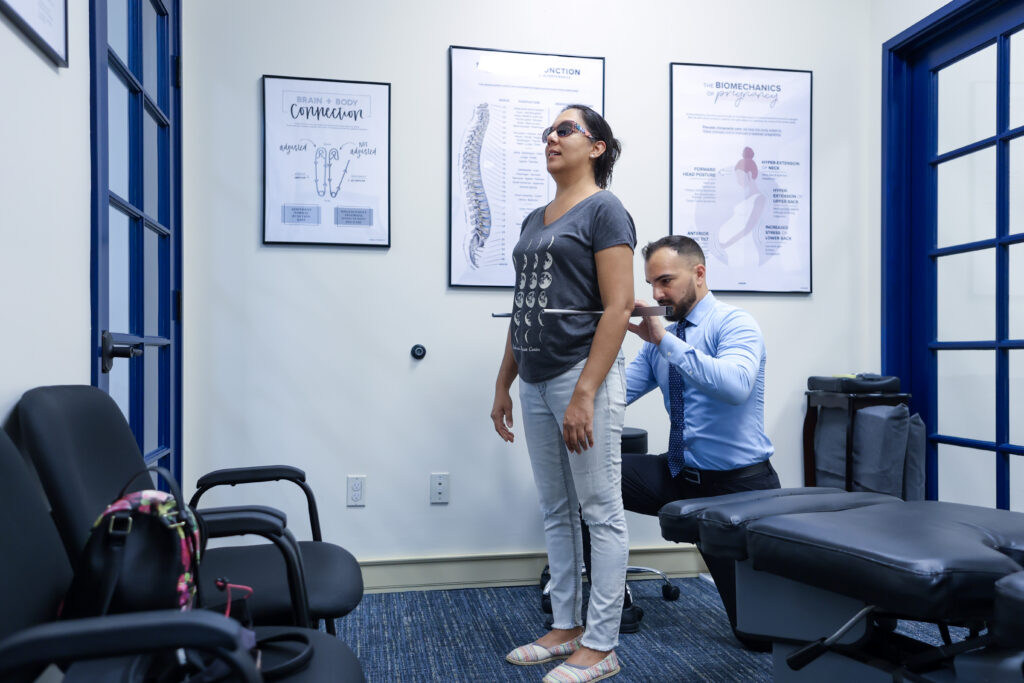
| Postural Correction | Enhance alignment | Prevents future injuries |
Incorporating these techniques into your routine can accelerate your healing process and help you regain confidence in your physical abilities. Remember, consistency is key to achieving the best results in your recovery journey.
Additionally, here are a few tips to support your recovery and promote overall wellness:
- Stay Hydrated: Drinking plenty of water can help keep your muscles hydrated and reduce stiffness.
- Practice Good Posture: Be mindful of your posture when sitting, standing, or using your phone to avoid unnecessary strain on your neck.
- Take Breaks: If you spend long hours at a desk or in front of a screen, make sure to take regular breaks to stretch and move around.
- Listen to Your Body: Pay attention to any signs of discomfort and communicate openly with your chiropractor about your progress.
Alternative Treatments: Chiropractic and Acupuncture
Chiropractic care is a vital component in the recovery process from whiplash, and it offers a range of benefits that can help you regain your health and wellness. When you receive chiropractic adjustments, the focus is on realigning your spine and enhancing your mobility, which can significantly alleviate pain and improve your overall function. By addressing any misalignments in your spine, chiropractors can effectively reduce inflammation and tension in your neck, paving the way for a quicker recovery.
While some people may consider other treatments like acupuncture, it’s important to understand that chiropractic care stands out as a natural and holistic approach for pain relief and wellness. Chiropractic adjustments not only help with immediate pain relief but also promote long-term health by ensuring your spine is functioning optimally. This can lead to better overall body function, a stronger immune system, and improved quality of life.
If you’re looking for additional ways to support your recovery, here are some tips you can incorporate into your routine:
- Stay Hydrated: Drinking plenty of water helps maintain healthy disc function and supports overall bodily health.
- Gentle Stretching: Incorporating gentle neck and shoulder stretches can help alleviate tension and improve flexibility.
- Posture Awareness: Be mindful of your posture, especially when sitting for extended periods. Proper posture can prevent further strain on your neck and spine.
- Regular Movement: Engaging in light physical activity, such as walking, can enhance blood flow and support healing.
- Rest and Recovery: Allow your body to rest and recover; listen to your body’s signals and avoid overexertion.
When considering alternative treatments, it’s always best to consult with a healthcare professional who can guide you in creating a comprehensive plan tailored to your specific needs.
The Importance of Rest and Ice Therapy
Chiropractic care is a powerful tool for achieving optimal health and pain relief, especially after an injury like whiplash. While chiropractic adjustments can help realign and soothe your spine, incorporating rest and ice therapy into your recovery plan is equally important.
After a whiplash injury, your body needs time to heal. Resting allows your neck to recover without additional strain. It’s essential to listen to your body; if you feel pain, don’t push through it. This can slow down your healing process and may even lead to more discomfort down the line.
Ice therapy is another crucial component of your recovery. Applying ice packs to the injured area can help reduce inflammation and numb any sharp pain you might be feeling. For best results, aim to ice your neck for 15 to 20 minutes every couple of hours, especially in the first 48 hours after your injury.
Just be sure to wrap the ice pack in a cloth to protect your skin from frostbite.
By prioritizing rest and ice therapy alongside your chiropractic care, you’ll set a solid foundation for your recovery. These simple steps can enhance the benefits of your chiropractic treatments and help you get back to feeling like yourself again.
Pain Management Strategies: Medications and Injections
When dealing with whiplash pain, finding the right approach to manage your discomfort is key. While you might be tempted to reach for over-the-counter pain relievers, I encourage you to consider the benefits of chiropractic care as a natural and effective solution for pain relief.
Chiropractic care focuses on restoring proper alignment and function of the spine, which can significantly reduce pain and promote healing. Instead of relying on medications or injections, our holistic approach addresses the root cause of your pain, allowing your body to heal naturally.
Here are some practical tips to help you manage whiplash pain while considering chiropractic care:
- Stay Active: Gentle movements and stretches can help maintain flexibility and prevent stiffness. Your chiropractor can guide you on safe exercises tailored to your condition.
- Apply Heat or Cold: Using a warm compress or ice pack can provide relief and reduce inflammation. Just be sure to alternate between the two for the best results.
- Posture Awareness: Pay attention to your posture, especially when sitting for long periods. Good posture can alleviate unnecessary strain on your neck and spine.
- Hydration: Drinking plenty of water supports overall health and helps maintain the elasticity of the spinal discs.
By choosing chiropractic care, you’re opting for a natural, drug-free approach that not only addresses your current pain but also promotes long-term wellness.
If you’re experiencing whiplash, I invite you to explore how chiropractic adjustments and tailored treatment plans can help you regain your quality of life. Your journey to recovery starts with a holistic approach to health!
Over-the-Counter Pain Relievers
Managing pain after a whiplash injury can be challenging, but it’s important to know that there are natural and effective ways to support your recovery without relying on medications. As a chiropractor, I believe that chiropractic care is one of the best approaches to achieving optimal health and wellness. Chiropractic adjustments can help realign the spine, alleviate discomfort, and promote healing from the inside out.
While some may consider over-the-counter (OTC) pain relievers, I encourage you to explore holistic methods first. Chiropractic care not only addresses the source of pain but also helps improve your overall function and mobility.
Here are some tips for managing whiplash pain that focus on natural healing:
- Chiropractic Adjustments: Regular visits to a chiropractor can help restore proper alignment to your spine, relieve tension in your neck, and enhance your body’s natural healing process.
- Gentle Stretching: Incorporate gentle neck stretches into your daily routine. This can help improve flexibility and reduce stiffness, aiding in your recovery.
- Heat and Cold Therapy: Applying heat or cold packs to the affected area can provide immediate relief. Heat can soothe tense muscles, while cold can reduce inflammation.
- Stay Active: Engage in light activities like walking or swimming to keep your body moving. This can promote circulation and help prevent stiffness.
- Hydration and Nutrition: Make sure to drink plenty of water and eat a balanced diet rich in anti-inflammatory foods. Your body needs proper nutrients to heal effectively.
- Mindfulness and Relaxation Techniques: Practices like deep breathing, meditation, or yoga can help you manage pain and stress levels, promoting overall wellness.
Remember, before starting any new treatment or exercise regimen, it’s always a good idea to consult with your chiropractor. They can provide personalized advice tailored to your specific situation and guide you toward a healthier, pain-free life.
Embracing chiropractic care can be a powerful step toward achieving your wellness goals and living your best life.
Prescription Medication Options
If you’ve sustained a whiplash injury, you may find yourself dealing with significant discomfort, even after trying natural healing techniques.
While some individuals may consider medications for pain relief, I want to emphasize the benefits of chiropractic care as a natural and effective solution for managing pain and promoting healing.
Chiropractic adjustments can help alleviate tension and restore proper alignment in your spine, which is crucial for reducing pain and discomfort in your neck.
By addressing the root cause of your pain through gentle manipulations, chiropractic care can aid in the recovery process without the need for medications.
In addition to chiropractic adjustments, there are several natural strategies you can incorporate into your healing journey. Here are a few tips:
- Gentle Stretching: Incorporate gentle neck stretches to improve flexibility and reduce stiffness. Always consult your chiropractor for specific stretches that are safe for your condition.
- Heat and Ice Therapy: Applying heat can help relax tight muscles, while ice can reduce inflammation. Alternate between the two for the best results.
- Proper Posture: Pay attention to your posture, especially when sitting or using electronic devices. Good posture can prevent further strain on your neck.
- Stay Active: Engage in low-impact activities, such as walking or swimming, to promote circulation and healing without putting too much stress on your neck.
- Hydration and Nutrition: Stay hydrated and eat a balanced diet rich in anti-inflammatory foods to support your body’s healing process.
Remember, chiropractic care not only focuses on pain relief but also on overall wellness.
By working with a chiropractor, you can develop a personalized treatment plan that addresses your specific needs and helps you regain your quality of life naturally.
Embrace the journey to healing, and consider chiropractic care as a holistic way to achieve optimal health and well-being.
Corticosteroid Injection Benefits
When it comes to managing pain from whiplash, many people are looking for effective, natural solutions. As a chiropractor, I want to highlight the benefits of chiropractic care, which focuses on promoting healing through spinal adjustments and overall wellness rather than relying on medications or injections.
Chiropractic adjustments can help reduce inflammation and improve mobility in the affected areas, allowing your body to heal naturally. By aligning your spine and optimizing your nervous system function, chiropractic care can alleviate pain and enhance your body’s ability to recover from injuries, including whiplash.
In addition to regular chiropractic treatments, there are some simple tips you can incorporate into your daily routine to support your healing journey. Gentle neck stretches and exercises can help maintain flexibility, while applying heat or cold packs can provide temporary relief.
Staying hydrated and nourishing your body with wholesome foods can also promote healing and wellness.
Remember, if you’re experiencing chronic pain, it’s essential to consult a chiropractor who can tailor a treatment plan to your specific needs. By choosing chiropractic care, you’re investing in a natural approach to pain relief that empowers your body to heal itself.
Embrace the journey toward optimal health and wellness!
Strengthening Exercises for Neck and Shoulder Muscles
To effectively support your recovery from whiplash, incorporating strengthening exercises for your neck and shoulder muscles is essential. These exercises not only help restore mobility but also build resilience against future injuries.
As a chiropractor, I believe that natural methods, such as these exercises, can greatly enhance your healing process and promote overall wellness. Here are three effective exercises you can easily incorporate into your routine:
- Neck Isometric Holds: This exercise is a gentle way to build strength in your neck without excessive movement. To do this, press your forehead into your palms while resisting the pressure. Hold for 5 seconds and repeat 10 times. This helps strengthen the neck muscles, reducing tension and discomfort.
- Shoulder Shrugs: This simple exercise targets the trapezius muscles, which support your shoulders and neck. Raise your shoulders towards your ears, hold for a moment, and then release. Aim for 2 sets of 10 repetitions. This can help relieve tension and improve posture, which is crucial for overall spinal health.
- Wall Angels: This exercise promotes shoulder mobility and stability. Stand with your back against a wall, arms raised and bent at 90 degrees. Slide your arms up and down while keeping contact with the wall. Aim for 10 repetitions. This not only strengthens your shoulder muscles but also encourages proper alignment, which can alleviate pain.
Incorporating these exercises regularly into your routine can significantly aid in your recovery journey and enhance your overall well-being.
Remember, while exercises are beneficial, regular chiropractic care can also play a vital role in your healing process. It helps to align your spine, reduce pain, and improve your body’s function naturally.
Be sure to visit your chiropractor to discuss a comprehensive plan tailored to your needs, ensuring you achieve optimal health and wellness.
Posture and Ergonomics: Preventing Future Injuries
Good posture and proper ergonomics are crucial for preventing future injuries, especially after experiencing whiplash. As a chiropractor, I want to emphasize that maintaining good posture not only supports your spine but also promotes overall health and wellness.
Start by being aware of your body position throughout the day. Keep your shoulders relaxed and pulled back, and align your ears with your shoulders to maintain a neutral spine.
When you’re sitting, choose a chair that provides support for your lower back, and ensure your feet are flat on the floor. This simple adjustment can make a significant difference in how your body feels.
It’s important to adjust your workstation to fit your body. Your computer screen should be at eye level to prevent straining your neck, and your keyboard should be positioned so that your wrists remain straight.
Regular breaks to stretch and move around are vital; they help relieve tension in your neck and shoulders, promoting better circulation and overall comfort.
If you spend time driving, make sure your seat is adjusted for comfort and support, allowing you to maintain that good posture.
Remember, incorporating these ergonomic practices into your daily routine is a powerful way to protect your neck and spine, ultimately reducing the risk of future injuries.
Consider visiting a chiropractor for personalized advice and care tailored to your needs. Chiropractic adjustments can help align your spine, enhance your posture, and support your journey toward optimal health.
Lifestyle Adjustments for a Speedier Recovery
Making lifestyle adjustments can significantly accelerate your recovery from whiplash and enhance your overall well-being. By incorporating a few simple changes into your daily routine, you can support your healing process and alleviate discomfort. Here are three effective adjustments you can make, along with the benefits of chiropractic care to complement your recovery:
1. Stay Hydrated: Keeping well-hydrated is essential for maintaining muscle flexibility and reducing stiffness. Aim for at least eight glasses of water a day.
Hydration supports your body’s natural healing processes, and when combined with chiropractic care, you can achieve optimal recovery and function.
2. Incorporate Gentle Exercise: Engage in light activities like walking or stretching. These activities promote blood circulation, alleviate tension in your neck and shoulders, and help you regain mobility.
Chiropractic adjustments can further enhance these benefits by ensuring your spine is aligned, which aids in reducing pain and improving movement.
3. Prioritize Sleep: Quality sleep is crucial for your recovery. Establish a calming bedtime routine and ensure your sleeping position supports your neck properly.
A chiropractor can provide personalized advice on sleep positions and spinal health to enhance your rest and recovery.
Remember, chiropractic care is a natural and effective way to manage pain and support your healing journey.
When to Seek Professional Help: Indicators and Advice
If you’re dealing with ongoing pain, it’s crucial to listen to your body. Signs like a limited range of motion or any changes in sensation, such as numbness or tingling, are important indicators that shouldn’t be overlooked.
These symptoms can often signal underlying issues that chiropractic care can address effectively.
As a chiropractor, I encourage you to seek professional help rather than relying on medications or surgeries, which may not target the root cause of your discomfort. Chiropractic care focuses on natural healing and can significantly enhance your recovery journey.
Here are a few general tips to help you manage your pain and promote wellness at home:
- Stay Active: Gentle movement can help maintain your range of motion. Simple stretching or light walking can be beneficial.
- Posture Awareness: Pay attention to your posture throughout the day, especially if you sit for long periods. Good posture can reduce strain on your spine.
- Hydration: Drinking plenty of water is vital for spinal health. It helps keep your discs hydrated and functioning properly.
- Ergonomic Workspaces: If you work at a desk, ensure that your workspace is set up to support your body. This can prevent additional strain and discomfort.
Persistent Pain Symptoms
While many people feel some discomfort following a whiplash injury, persistent pain symptoms can indicate a more serious concern that deserves your attention. If you’re dealing with ongoing pain, here are some key signs to look out for:
- Pain lasts longer than a few weeks: If your discomfort sticks around longer than the usual recovery period, this is a signal that it’s time to visit a chiropractor. They can help identify the root cause of your pain and assist you in your healing journey.
- Pain intensifies over time: If you notice that your pain is getting worse instead of better, this might point to an underlying issue that needs to be addressed. A chiropractor can provide targeted adjustments and therapies to help alleviate your discomfort and promote healing.
- Pain interferes with daily activities: When pain starts to affect your work, sleep, or personal life, it’s crucial to seek professional help. Chiropractic care is a natural and effective way to manage pain and restore your quality of life.
Remember, don’t ignore these signs. Early intervention from a chiropractor can lead to better outcomes, helping you regain your health and vitality more effectively.
In addition to seeking professional care, here are a few general tips you can incorporate into your daily routine to support your healing:
- Stay Active: Gentle movements and stretches can help keep your body limber. Regular, low-impact exercise can also boost circulation and promote healing.
- Maintain Good Posture: Pay attention to your posture whether you’re sitting at a desk or standing. Good alignment can help reduce strain on your spine and alleviate pain.
- Stay Hydrated: Drinking plenty of water helps keep your body functioning optimally, including your muscles and joints.
- Practice Stress Relief: Techniques such as deep breathing, meditation, or yoga can help manage stress, which can sometimes exacerbate pain.
Limited Range of Motion
Persistent pain symptoms often accompany whiplash injuries, but limited range of motion can be just as concerning. If you’re having trouble turning your head or lifting your arms without discomfort, it’s important to take notice.
When daily activities, like driving or looking over your shoulder, become a challenge, it’s time to seek professional help.
As a chiropractor, I believe that natural healing through spinal care can be a powerful solution. Chiropractic adjustments can help restore mobility, alleviate pain, and improve your overall well-being.
Gentle manipulations of the spine can relieve tension in the muscles and joints, allowing for better movement and reducing discomfort.
In addition to chiropractic care, there are some simple tips you can incorporate into your daily routine to promote healing and improve your range of motion. Consider these:
- Gentle Stretching: Incorporate gentle neck and shoulder stretches into your day. This can help keep your muscles flexible and relieve tension.
- Posture Awareness: Pay attention to your posture while sitting or standing. Keeping your spine aligned can prevent additional strain on your neck and shoulders.
- Heat Therapy: Applying a warm compress to the affected area can soothe tight muscles and improve blood circulation, which may enhance mobility.
- Stay Active: Engage in light activities, such as walking or swimming, to keep your body moving without overexerting yourself.
- Hydration: Drink plenty of water to keep your muscles hydrated and functioning optimally.
If you find that your range of motion isn’t improving within a few weeks or if it worsens, please consult with a chiropractor.
Early intervention is crucial for effective recovery and getting back to your daily activities. Ignoring these symptoms may lead to chronic issues, so prioritize your well-being and explore the benefits of chiropractic care today.
Your journey to optimal health starts here!
Neurological Changes Observed
Neurological changes following a whiplash injury can be a sign that something more serious may be happening, so it’s important to be aware of any unusual symptoms. If you notice any of the following, please reach out to a healthcare professional as soon as possible:
- Severe headaches – If you experience a sudden, intense headache, it could be a signal that you need to take action.
- Numbness or tingling – Feeling numbness or tingling in your arms or legs may indicate that nerves are being affected.
- Vision or balance issues – Trouble with your vision or maintaining your balance can be a sign of neurological distress.
Don’t ignore these signs, as they could lead to further complications. Consulting with a chiropractor can be a great way to address these issues naturally. Chiropractic care focuses on the health of your spine and nervous system, which is crucial for overall well-being.
In addition to seeking professional help, here are some general tips to support your recovery and wellness:
- Stay Hydrated – Drinking plenty of water can help keep your body functioning well.
- Gentle Stretching – Simple neck and back stretches can relieve tension and improve mobility.
- Rest and Recover – Giving your body time to heal is essential, so be sure to get plenty of rest.
- Focus on Posture – Maintain good posture to support your spine and reduce strain on your neck and back.
Conclusion
In summary, recovering from whiplash requires a holistic approach that emphasizes the importance of chiropractic care alongside targeted exercises and lifestyle adjustments. Chiropractic adjustments can effectively realign your spine, alleviate pain, and improve mobility, making it a cornerstone of your recovery journey.
To support your healing process, focus on maintaining good posture throughout your day, as this can help reduce strain on your neck and back. Incorporating heat and cold therapy is also beneficial; heat can relax tight muscles while cold therapy can reduce inflammation and numb pain.
Adopting an anti-inflammatory diet rich in fruits, vegetables, and healthy fats can further enhance your recovery. Foods like salmon, nuts, and leafy greens can help combat inflammation and promote overall wellness.
Remember, being proactive about your recovery is crucial. If you find yourself dealing with persistent pain or discomfort, don’t hesitate to reach out for professional help. Regular chiropractic visits can provide the relief you need and help you get back to your daily activities pain-free.
With dedication to these natural healing strategies, you can achieve optimal health and wellness. Embrace the journey to recovery with chiropractic care as your trusted partner.