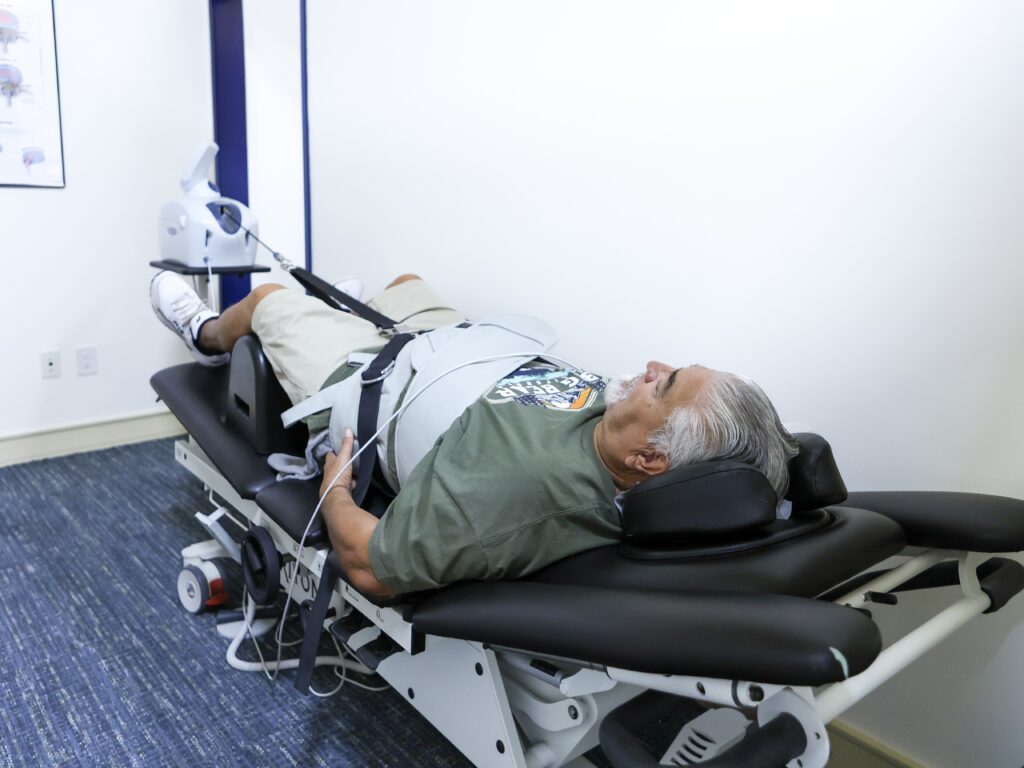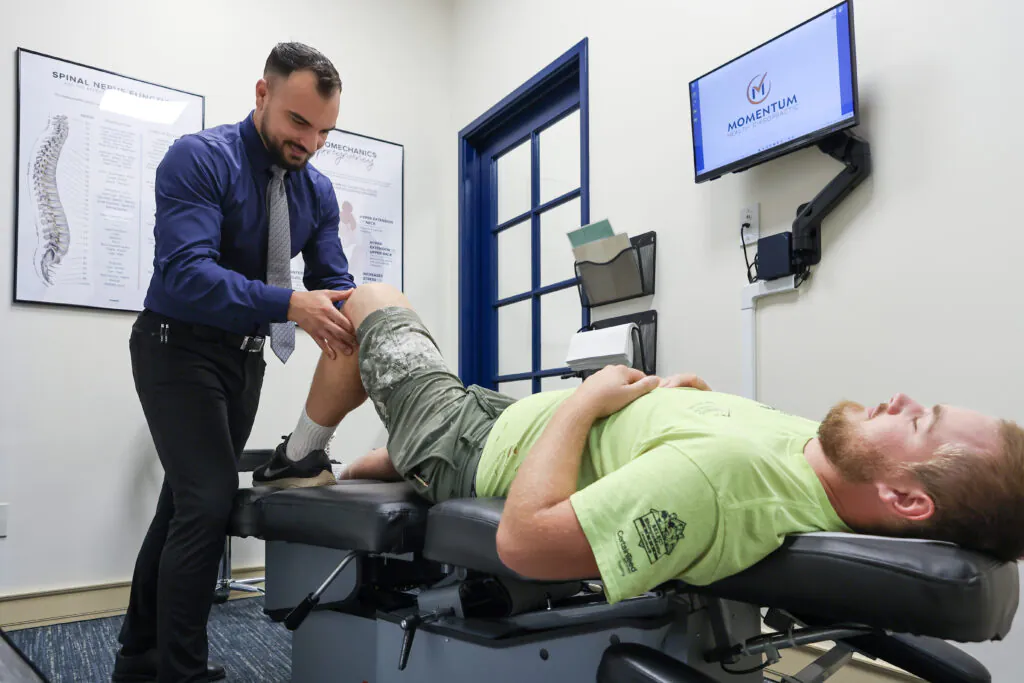

If you’re experiencing chronic tension headaches, know that you’re not alone in this struggle. Many individuals face this challenge, but there are new and effective approaches that can provide much-needed relief. As a chiropractor, I believe that combining posture-focused care, hands-on therapies, and healthy lifestyle changes is key to reducing both the frequency and intensity of your headaches.
Chiropractic care is a natural and holistic way to address the underlying causes of tension headaches. By ensuring your spine is properly aligned, we can help relieve pressure on the nerves and muscles that may contribute to your discomfort. Regular chiropractic adjustments not only help alleviate pain but also promote overall wellness, leading to a healthier, more vibrant life.
Here are some simple yet effective strategies to manage and prevent tension headaches:
- Improve Your Posture: Pay attention to your posture throughout the day, especially if you sit for long periods. Use ergonomic furniture and take regular breaks to stretch and move around.
- Stay Hydrated: Dehydration can lead to headaches, so make sure you’re drinking plenty of water throughout the day.
- Practice Stress Management: Engage in relaxation techniques such as deep breathing exercises, meditation, or yoga. These practices can help reduce stress levels and, in turn, alleviate headache symptoms.
- Get Regular Chiropractic Care: Regular visits to your chiropractor can help maintain spinal alignment, reduce muscle tension, and support your overall health.
- Incorporate Physical Activity: Regular exercise can improve circulation and reduce tension in your body. Aim for activities that you enjoy, whether it’s walking, cycling, or swimming.
- Create a Sleep Routine: Ensure you are getting enough restful sleep. Establish a bedtime routine and create a comfortable sleeping environment to promote quality rest.
By implementing these tips and considering chiropractic care as a primary approach to pain relief, you can take significant steps towards a more comfortable and fulfilling life. If you’re curious about how these techniques can work for you, I encourage you to reach out and explore the benefits of chiropractic care for your tension headaches. Your journey to wellness starts here!
Key Takeaways
- As a chiropractor, I encourage you to make ergonomic adjustments in your workspace. This promotes proper posture, which can significantly reduce muscle strain and tension that often lead to headaches. Simple changes, like adjusting your chair height and ensuring your computer screen is at eye level, can make a world of difference.
- Remember to incorporate regular movement breaks and gentle stretching into your daily routine. These practices not only help alleviate built-up tension but also enhance your overall muscle health. Even a few minutes of stretching every hour can keep your muscles relaxed and prevent tension headaches from setting in.
- Chiropractic care is a fantastic option for restoring spinal balance and relieving muscle tension effectively. By visiting a chiropractor, you can receive personalized care that targets the root causes of your headaches and promotes long-term wellness.
- Prioritize your sleep hygiene by maintaining a consistent sleep schedule and creating a peaceful sleeping environment. Quality sleep is essential for recovery and plays a crucial role in preventing headaches. Consider incorporating a relaxing bedtime routine to signal to your body that it’s time to wind down.
- Staying hydrated and eating balanced meals are key to preventing headaches triggered by dehydration or low blood sugar levels. Drinking plenty of water throughout the day and choosing nutritious foods can significantly contribute to your overall well-being and help keep those tension headaches at bay.
By embracing these natural, chiropractic-focused strategies, you can take control of your health and find lasting relief from chronic tension headaches. Your journey to optimal wellness starts with simple, everyday choices!
Understanding Chronic Tension Headaches
Chronic tension headaches can be quite a nuisance, particularly when they interfere with your daily activities. These headaches often feel like a tight band around your head, causing discomfort that can last for hours or even days. You may find they appear after a long day at work or during stressful situations. While they don’t typically come with nausea or sensitivity to light like migraines do, they can still significantly diminish your focus and energy levels.
Identifying your headache triggers is crucial. Common culprits include stress, poor posture, and lack of sleep. By recognizing what sparks your headaches, you can take proactive steps to manage them effectively. One of the best strategies is to pay close attention to your body and its reactions to different situations. This awareness can empower you to make beneficial changes in your life.
For instance, adjusting your workspace to promote better posture and incorporating regular breaks can lead to significant relief. Simple stretches or exercises can also help alleviate tension in your neck and shoulders. Additionally, chiropractic care is an excellent option for addressing the underlying issues that contribute to tension headaches. A chiropractor can help realign your spine, improve your posture, and reduce muscle tension, leading to natural, long-lasting relief.
The Role of Mindfulness and Meditation
Mindfulness and meditation can be powerful tools for managing chronic tension headaches, but they work best when combined with chiropractic care.
As a local chiropractor, I want to emphasize the importance of spinal health in achieving overall wellness. Poor spinal alignment can contribute to tension headaches, and chiropractic adjustments can help restore balance to your body, relieving pressure and promoting relaxation.
Incorporating mindfulness into your daily routine can further enhance the benefits of chiropractic care.
Here are some simple techniques to help you manage stress and find relief from headaches:
- Deep Breathing: Take a few moments each day to focus on your breath. Inhale deeply through your nose, hold for a few seconds, and exhale slowly through your mouth. This practice can help reduce tension and promote relaxation.
- Regular Stretching: Gentle neck and shoulder stretches can alleviate tightness that contributes to headaches. Make it a habit to stretch during your workday or after sitting for long periods.
- Posture Awareness: Pay attention to your posture throughout the day. Keeping your spine aligned not only supports your overall health but also helps prevent tension headaches.
- Mindful Walking: Take a short walk each day and focus on your surroundings. This can help clear your mind and reduce stress, complementing the relief you gain from chiropractic care.
- Establish a Routine: Consistency is key. Set aside time each day for mindfulness practices and chiropractic visits to ensure you’re on the path to better health.
Remember, while mindfulness and meditation are beneficial, they should be part of a comprehensive approach to health that includes regular chiropractic adjustments.
Benefits of Mindfulness Practice
Practicing mindfulness and meditation can be a valuable addition to your wellness routine, especially when it comes to alleviating chronic tension headaches. By learning to focus on the present moment, you can effectively reduce anxiety and stress, which are often key triggers for headaches. This increased awareness allows you to identify tension in your body and release it before it escalates into pain.
Incorporating mindfulness into your daily life promotes relaxation, which can lead to better sleep quality and an overall sense of well-being. As you continue to practice mindfulness, you may notice improvements in your emotional resilience, making it easier to handle everyday stressors. This can be particularly beneficial if you’re also receiving chiropractic care, as both practices support a holistic approach to health.
Additionally, consistent mindfulness practice can help enhance your clarity and focus. With a clearer mind, you may find that the frequency of your headaches diminishes, allowing you to enjoy daily activities without discomfort.
Remember, while mindfulness is a great tool for managing stress and pain, regular chiropractic adjustments can help address the underlying causes of headaches by ensuring your spine is aligned and your nervous system is functioning optimally. Together, these practices can empower you to take charge of your health and improve your overall quality of life.
Meditation Techniques for Relief
Tension headaches can be quite uncomfortable, but there are natural ways to find relief, and chiropractic care can play a key role in your wellness journey. By maintaining proper spinal alignment and reducing tension in your body, you can significantly lessen the intensity of headaches.
One effective method to support your health is through meditation techniques. Begin with simple breath awareness: find a comfortable position, close your eyes, and take deep, slow breaths. As you inhale, imagine the tension melting away from your body. If distracting thoughts pop up, acknowledge them without judgment, and gently guide your focus back to your breath.
Incorporating guided meditations specifically designed for headache relief can also be beneficial, as they help you maintain focus and promote relaxation. Additionally, practicing body scans during meditation can enhance your awareness of tension in specific areas, enabling you to release it more effectively.
Remember, regular chiropractic adjustments can help keep your spine aligned, which supports your nervous system and can reduce the frequency and severity of tension headaches. Pairing chiropractic care with meditation practices can transform your overall stress response and lead to lasting relief.
Take these steps to prioritize your health and wellness: maintain a good posture, stay hydrated, and incorporate stress-reducing activities into your daily routine. By embracing these natural methods, you can achieve optimal health and well-being without relying on medications or surgeries.
Integrating Mindfulness Into Daily Life
Integrating mindfulness into your daily life can significantly improve how you handle stress and contribute to your overall wellness, especially when it comes to managing pain. As a chiropractor, I emphasize the importance of a holistic approach to health, which includes both mindful practices and spinal health.
Start by dedicating a few minutes each day to mindfulness techniques. This could be as simple as sitting quietly and practicing deep breathing or engaging in a short meditation. By becoming more aware of your thoughts and feelings without judgment, you can start to recognize what triggers your stress and tension.
You can easily incorporate mindfulness into your everyday activities, such as eating or walking. Focus on the sensations and experiences during these moments. This not only enhances your mindfulness practice but can also help you develop a healthier relationship with your body.
When you feel a tension headache coming on, take a moment to pause and engage in a quick mindfulness exercise. Reconnect with your breath, which can help alleviate some of that discomfort.
Remember, maintaining a healthy spine is crucial for overall wellness. Regular chiropractic adjustments can help keep your spine aligned, reducing tension and promoting better nerve function, which in turn supports your mindfulness practices.
Over time, these small changes can help build your resilience to stress, lead to a calmer mind, and improve your ability to manage chronic tension headaches naturally. Keep in mind that chiropractic care is a powerful tool for achieving optimal health and wellness. By combining it with mindfulness, you can cultivate a more balanced and pain-free life.
Physical Therapy Techniques for Relief
When it comes to managing chronic tension headaches, chiropractic care can provide you with effective relief that focuses on natural healing and optimal health. By utilizing manual therapy techniques, stretching and mobility exercises, and strategies for improving your posture, you can experience significant improvements in your comfort and overall well-being. Let’s delve into how each of these chiropractic approaches can help alleviate your pain.
Manual Therapy Techniques
Chiropractors are skilled in hands-on techniques that can help realign the spine and relieve tension in the muscles surrounding the head and neck. This gentle manipulation can help restore proper function, reduce stiffness, and promote healthier blood flow, which may contribute to headache relief.
Stretching and Mobility Exercises
Incorporating specific stretching and mobility exercises into your daily routine can greatly benefit your neck and upper back. Simple neck stretches, like tilting your head from side to side and gently rolling your shoulders, can help release built-up tension.
Ask your chiropractor for personalized exercises that suit your needs.
Posture Correction Strategies
Poor posture is a common culprit for tension headaches. By focusing on maintaining a healthy posture, especially when sitting for long periods, you can reduce the strain on your neck and spine.
Your chiropractor can provide tips on how to sit and stand correctly to minimize discomfort. Remember to take regular breaks to stretch and move throughout your day.
General Tips for Relief
- Stay hydrated: Dehydration can worsen headaches, so drink plenty of water throughout the day.
- Practice stress management: Techniques such as deep breathing, meditation, or gentle yoga can help reduce stress levels, which may contribute to headache frequency.
- Get enough sleep: Prioritize restful sleep to support overall health and reduce headache triggers.
Manual Therapy Techniques
Manual therapy techniques can be a transformative part of your journey toward relief from chronic tension headaches. As a local chiropractor, I want to share how these hands-on approaches can effectively target the muscles and tissues contributing to your discomfort. Techniques such as myofascial release, trigger point therapy, and joint mobilization not only alleviate tension but also support overall wellness by improving blood flow and promoting relaxation.
Here’s a simple breakdown of these techniques:
| Technique | Description | Benefits |
|---|---|---|
| Myofascial Release | Applying gentle pressure to tight fascia | Reduces pain and enhances mobility |
| Trigger Point Therapy | Focusing on specific painful areas | Alleviates muscle tension |
| Joint Mobilization | Using controlled movements of joints | Increases range of motion |
| Soft Tissue Mobilization | Manipulating soft tissues for relief | Promotes relaxation |
| Craniosacral Therapy | Using light touch on the skull and spine | Calms the nervous system |
Incorporating these techniques into your wellness routine can lead to significant improvements in your quality of life. Remember that chiropractic care goes beyond just treating pain; it addresses the underlying issues in your body, allowing for natural healing and better health overall.
Here are a few tips you can use alongside these techniques:
- Stay Hydrated: Drinking plenty of water helps keep your muscles hydrated and can reduce tension.
- Practice Good Posture: Being mindful of your posture, especially while sitting at a desk, can prevent strain on your neck and shoulders.
- Incorporate Stretching: Regular stretching can help keep muscles flexible and reduce the risk of tension headaches.
- Manage Stress: Techniques such as deep breathing or mindfulness can help manage stress, which is a common trigger for headaches.
If you’re struggling with tension headaches, consider reaching out to a chiropractor. Together, we can explore how manual therapy techniques and chiropractic adjustments can support your journey to optimal health and wellness.
Stretching and Mobility Exercises
Incorporating stretching and mobility exercises into your daily routine can significantly enhance your relief from chronic tension headaches. These exercises promote better blood flow, reduce muscle tightness, and improve flexibility, all of which are essential for alleviating discomfort. As a chiropractor, I emphasize the importance of gentle neck stretches, shoulder rolls, and upper back mobility to help release tight muscles and support your overall spinal health.
Simple movements, such as tilting your head from side to side or gently rotating your shoulders, can make a big difference. Aim to hold each stretch for 15 to 30 seconds to maximize the benefits. This approach not only helps with headache relief but also promotes a healthier spine.
Consider integrating practices like yoga or Pilates into your weekly routine. These activities focus on mindful movement and can complement your chiropractic care by further relieving tension and enhancing your overall well-being. Remember to always listen to your body—if something doesn’t feel right, ease off.
Consistency is key; aim to practice these exercises regularly for lasting effects. By prioritizing your spinal health and incorporating these gentle exercises, you can take significant steps toward natural wellness and pain relief. Chiropractic care, combined with these simple practices, can help you achieve optimal health and a more comfortable life.
Posture Correction Strategies
Good posture is essential not only for physical comfort but also for overall wellness, especially in reducing chronic tension headaches. When we maintain proper body alignment, we can significantly alleviate strain on our neck and shoulders, which are often culprits in headache discomfort.
To start, focus on relaxing your shoulders and ensuring your head is aligned over your spine. It’s helpful to routinely check your posture whether you’re sitting, standing, or working. Additionally, incorporating gentle exercises that strengthen your core and back muscles can provide the necessary support for proper alignment.
Here are some valuable posture tips along with their benefits and emotional impact:
| Posture Tips | Benefits | Emotional Impact |
|---|---|---|
| Sit with feet flat | Reduces neck strain, promoting spinal health | Increased confidence |
| Keep screens at eye level | Prevents slouching, enhancing proper alignment | Enhanced focus |
| Use ergonomic chairs | Supports lumbar curve, improving overall posture | Greater comfort |
| Take breaks | Eases muscle tension, allowing your body to reset | Boosts positivity |
| Engage in stretching | Improves flexibility, contributing to better mobility | Fosters relaxation |
Implementing these strategies can help you minimize headaches and promote a healthier lifestyle. Remember, chiropractic care focuses on restoring your body’s natural alignment and function, which is the most effective way to achieve optimal health and well-being. By prioritizing your posture and seeking chiropractic adjustments, you can experience lasting relief and enjoy a more balanced life.
Dietary Changes to Combat Headaches
Many individuals experience chronic tension headaches, and surprisingly, simple dietary changes can significantly alleviate the frequency and intensity of these headaches. As a chiropractor, I encourage you to consider how your diet impacts your overall wellness, including your spinal health.
First and foremost, staying hydrated is crucial. Dehydration is a common trigger for headaches, so aim for at least eight glasses of water each day. Proper hydration supports not only your muscles and joints but also helps maintain the health of your spine.
Next, focus on the foods you eat. Incorporate magnesium-rich options like spinach, nuts, and whole grains into your meals. Magnesium deficiency can lead to increased headaches, and these nutrient-packed foods can promote overall health.
It’s also wise to limit processed foods, artificial sweeteners, and excessive caffeine, as these can sometimes worsen headache symptoms. Instead, prioritize whole foods—like fresh fruits and vegetables—that provide vital nutrients and support your body’s natural healing processes.
Keeping a food diary can also be beneficial in identifying your specific dietary triggers. By noting what you eat and how you feel, you can find patterns that may lead to headaches and address them proactively.
Lastly, don’t skip meals! Low blood sugar can be a significant headache trigger. Regular, balanced meals help maintain your energy levels and keep your body functioning optimally.
Acupuncture and Alternative Therapies
If you’re struggling with chronic tension headaches, chiropractic care may be the best solution for you. Unlike acupuncture, which uses fine needles to target specific points, chiropractic focuses on realigning the spine and ensuring that your nervous system functions optimally. By addressing the root cause of your headaches, chiropractic adjustments can promote relaxation and pain relief without the need for medications or invasive procedures.
In addition to regular chiropractic adjustments, there are several natural strategies you can incorporate into your daily routine to manage headaches effectively. Here are some tips to consider:
- Maintain Good Posture: Poor posture can strain your neck and back, leading to tension headaches. Be mindful of your posture, especially when sitting for long periods. Keep your back straight and shoulders relaxed.
- Stay Hydrated: Dehydration can trigger headaches. Make sure to drink plenty of water throughout the day to keep your body well-hydrated.
- Practice Stress Management: High stress levels can contribute to tension headaches. Engage in relaxation techniques such as deep breathing, meditation, or yoga to help reduce stress.
- Regular Exercise: Physical activity can improve circulation and reduce muscle tension. Aim for at least 30 minutes of moderate exercise most days of the week.
- Get Enough Sleep: Lack of sleep can exacerbate headache symptoms. Establish a regular sleep routine to ensure you’re getting quality rest.
- Limit Caffeine and Alcohol: Both substances can lead to dehydration and tension headaches. Moderation is key when it comes to caffeine and alcohol intake.
Acupuncture Techniques Explained
In the realm of natural health and wellness, chiropractic care is an exceptional method for alleviating chronic tension headaches. Unlike other treatments, chiropractic focuses on the spine and how it impacts the overall nervous system, which plays a crucial role in managing pain. By aligning the spine and improving its function, you can help restore balance to your body and reduce headache symptoms.
During a chiropractic session, you’ll be comfortably positioned while a licensed chiropractor evaluates your spine and posture. They’ll identify areas of misalignment that may contribute to tension in your neck, shoulders, and head.
Many patients find that chiropractic adjustments not only relieve their headaches but also promote a sense of overall relaxation and well-being.
To further support your journey toward wellness, here are some simple tips you can incorporate into your daily routine:
- Maintain Good Posture: Keep your back straight and shoulders relaxed, especially while sitting at a desk or using devices.
- Stay Hydrated: Drinking plenty of water can help reduce headache triggers and keep your body functioning optimally.
- Incorporate Stretching: Gentle neck and shoulder stretches can alleviate tension that contributes to headaches.
- Practice Stress Management: Techniques such as deep breathing, meditation, or yoga can help reduce stress levels, which are often linked to tension headaches.
With regular chiropractic care and these healthy practices, you may notice a significant decrease in the frequency and intensity of your headaches. Chiropractic care isn’t just about treating pain; it’s about achieving optimal health and wellness for a better quality of life.
Other Alternative Therapies
As a chiropractor, I believe that achieving optimal health and wellness often starts with a holistic approach, and chiropractic care is a key component in this journey. While chiropractic adjustments can significantly relieve chronic tension headaches, there are also complementary methods that can enhance your overall wellness.
One such method is acupuncture, which focuses on specific points in the body to relieve pain and tension. Many individuals report that regular acupuncture sessions not only help reduce the frequency of their headaches but also promote a deeper sense of relaxation.
Massage therapy is another effective option that can help alleviate muscle tension and enhance circulation, providing immediate relief from headaches. Incorporating regular massage into your routine can complement the benefits of chiropractic care and support your body’s natural healing process.
Additionally, herbal remedies like feverfew or butterbur may help prevent headaches, but it’s always best to consult with a healthcare provider before trying new supplements. Mindfulness practices such as yoga and meditation can also strengthen your coping strategies, helping you manage stress and tension that may contribute to headaches.
Incorporating these practices alongside your chiropractic care can create a comprehensive approach to managing headaches and improving your overall health. Remember, consistency is key, and making these healthy choices part of your daily routine can lead to lasting benefits. Always prioritize your spinal health, as it plays a crucial role in your overall well-being.
Stress Management Strategies
Managing stress effectively is crucial for alleviating chronic tension headaches, and chiropractic care plays a vital role in this process. First, it’s important to identify your stress triggers, whether they stem from work, personal life, or your environment. Understanding what stresses you out allows you to develop personalized coping strategies.
Chiropractic adjustments can help alleviate physical tension in your body, making it easier to manage stress. Techniques like deep breathing, mindfulness meditation, or progressive muscle relaxation can help calm both your mind and body, and chiropractic care enhances these practices by promoting better spinal alignment and overall well-being.
Incorporating regular physical activity into your routine is another excellent way to combat stress. Exercise releases endorphins that boost your mood and reduce tension, while chiropractic care can improve your mobility and enhance your physical activity, allowing you to stay active with ease.
Don’t underestimate the power of connection; talking to friends or family can provide much-needed support. Chiropractic care also emphasizes the importance of a healthy lifestyle, encouraging you to engage in meaningful relationships that uplift your spirits.
Setting aside time for hobbies or activities you enjoy can give you a much-needed break from daily stressors. Chiropractic care supports this by ensuring your body feels good, allowing you to fully enjoy your favorite activities. Lastly, consider keeping a journal to express your thoughts and feelings, helping you process stressors and gain clarity.
The Importance of Sleep Hygiene
Good sleep hygiene plays a crucial role in managing stress and reducing the frequency of chronic tension headaches, which is where chiropractic care can make a significant difference. Prioritizing quality sleep isn’t just about the duration; it’s also about creating an environment that supports your body’s natural healing processes.
Start by ensuring your bedroom is dark, cool, and quiet. This kind of atmosphere can help your body relax and prepare for restorative sleep. Establishing a consistent sleep schedule—going to bed and waking up at the same time every day, even on weekends—can help regulate your body’s internal clock. This is important for maintaining balance and promoting overall well-being.
It’s also wise to limit screen time before bedtime. The blue light emitted from devices can interfere with melatonin production, making it harder to fall asleep. Instead, consider winding down with calming activities such as reading or gentle stretching. These practices not only help signal your body that it’s time to relax but can also alleviate muscle tension that may contribute to headaches.
Be mindful of your diet in the hours leading up to bedtime. Heavy meals, caffeine, and alcohol can disrupt your sleep cycle and may worsen headache patterns. Opt for light snacks if you’re hungry, and focus on hydration throughout the day.
By adopting these habits, you’ll not only enhance your sleep quality but also support your body’s ability to heal naturally. As a chiropractor, I encourage you to explore how spinal health and alignment can further improve your sleep and overall wellness. Regular chiropractic adjustments can relieve tension in your body, leading to better sleep and less frequent tension headaches.
Ergonomic Adjustments for Daily Comfort
Making ergonomic adjustments in your daily environment can significantly improve your comfort and help reduce the risk of chronic tension headaches. As a chiropractor, I believe that maintaining proper posture and spinal alignment is crucial for your overall health. Let’s explore some simple changes you can implement in your workspace and home to enhance your well-being.
Start by evaluating your workspace. Ensure that your chair offers adequate lumbar support to keep your lower back aligned. Your feet should rest flat on the floor, helping to maintain proper posture. Position your computer screen at eye level to avoid straining your neck. If you spend long hours at a desk, opt for a keyboard and mouse that allow your wrists to remain straight, minimizing the risk of discomfort.
Pay attention to your sitting posture. Keep your back straight, shoulders relaxed, and elbows close to your body. It’s also essential to take frequent breaks to stretch and move around—this can alleviate muscle tension and refresh your body throughout the day.
At home, consider adjusting your seating and sleeping arrangements. Use supportive pillows and a mattress that promote spinal alignment while you sleep. This can help prevent discomfort and ensure that you wake up feeling rested. Additionally, when lifting heavy items, always use your legs instead of your back to avoid strain.
These simple adjustments can make a significant difference in your daily comfort and well-being. Remember, chiropractic care is an excellent option for achieving optimal health, as it focuses on natural healing and promoting a healthy spine. By incorporating these ergonomic tips into your routine, you can support your body and enhance your overall quality of life.
Natural Supplements and Herbal Remedies
Many individuals suffering from chronic tension headaches often seek relief through natural methods, and while chiropractic care remains a top recommendation for overall wellness and pain relief, certain natural supplements and herbal remedies can complement your journey to better health.
One key player you might want to consider is magnesium. This mineral is known for its ability to help relax muscles, which can aid in reducing the frequency of headaches. Additionally, riboflavin (Vitamin B2) is another supplement that could be beneficial, as research suggests it may decrease the intensity and duration of headaches.
Incorporating herbs into your routine can also be a great way to support your health. Feverfew is a popular herb that many individuals have found helpful for preventing headaches. It’s believed to work by reducing inflammation and promoting relaxation of blood vessels. Similarly, peppermint oil, when applied topically, can give a soothing, cooling effect that may help alleviate headache pain.
Don’t underestimate the calming effects of chamomile tea; its soothing properties can help ease tension, making it a great addition to your daily routine. Moreover, omega-3 fatty acids, commonly found in fish oil, boast anti-inflammatory benefits that may assist in headache prevention.
While exploring these natural options, remember that chiropractic care is a powerful ally for managing pain and enhancing your overall well-being. Regular chiropractic adjustments can help keep your spine aligned, which plays a crucial role in preventing headaches and tension. Always consult with your chiropractor before starting any new supplement regimen to ensure it aligns with your health goals and complements your chiropractic care.
When to Seek Professional Help
Natural remedies and supplements can be beneficial for managing chronic tension headaches, but there are times when seeking professional help is crucial. If your headaches become more frequent or worsen despite trying various home treatments, it’s important to consult with a chiropractor. Persistent headaches that interfere with your daily activities or sleep may indicate an underlying issue that chiropractic care can help address.
Pay close attention to any additional symptoms, such as changes in vision, nausea, or neurological signs. These could point to a more serious condition that requires immediate attention. If you find yourself relying heavily on over-the-counter medications for relief, it’s a sign to reach out for professional assistance. A chiropractor can help identify the root causes of your headaches, suggest lifestyle changes, and provide natural, drug-free treatments that promote healing and wellness.
Remember, you don’t have to endure discomfort alone—seeking chiropractic care is a proactive step towards reclaiming your health and well-being. Here are some general tips to help manage headache symptoms at home:
- Stay Hydrated: Dehydration can trigger headaches, so make sure you’re drinking enough water throughout the day.
- Practice Good Posture: Poor posture can contribute to tension headaches. Make a conscious effort to sit and stand straight, especially if you work at a desk.
- Incorporate Relaxation Techniques: Stress can be a significant contributor to headaches. Techniques like deep breathing, meditation, or gentle yoga can help you unwind.
- Regular Exercise: Engaging in regular physical activity can help reduce tension and improve overall wellness.
- Sleep Hygiene: Ensure you’re getting adequate sleep by maintaining a consistent sleep schedule and creating a restful environment.