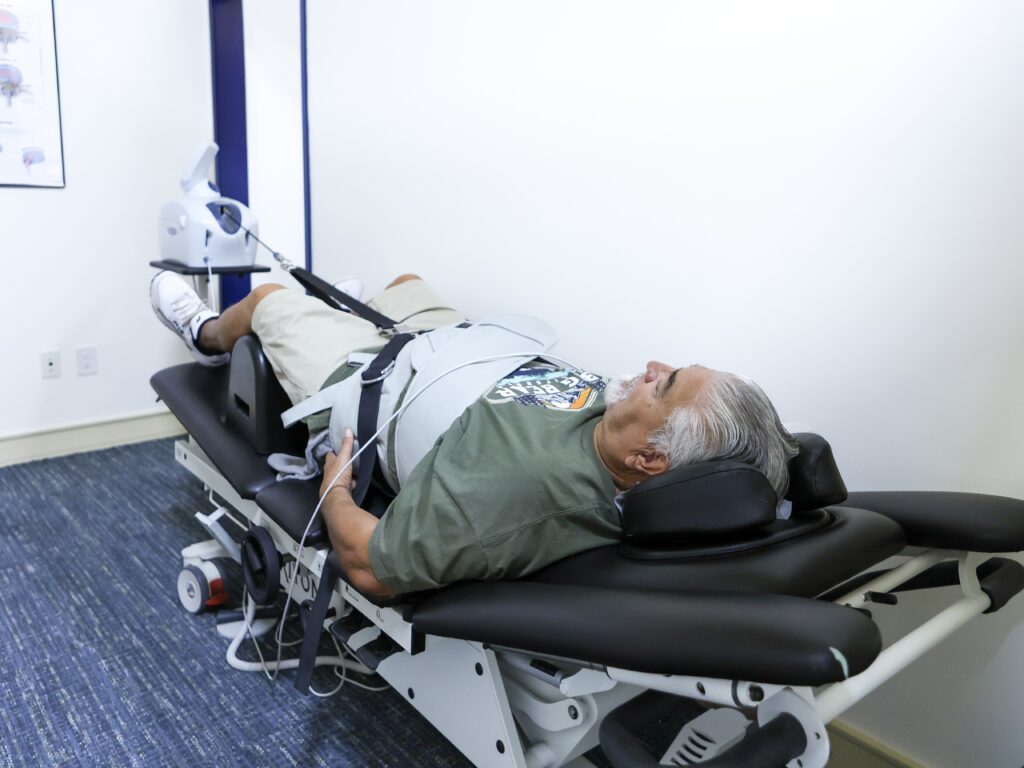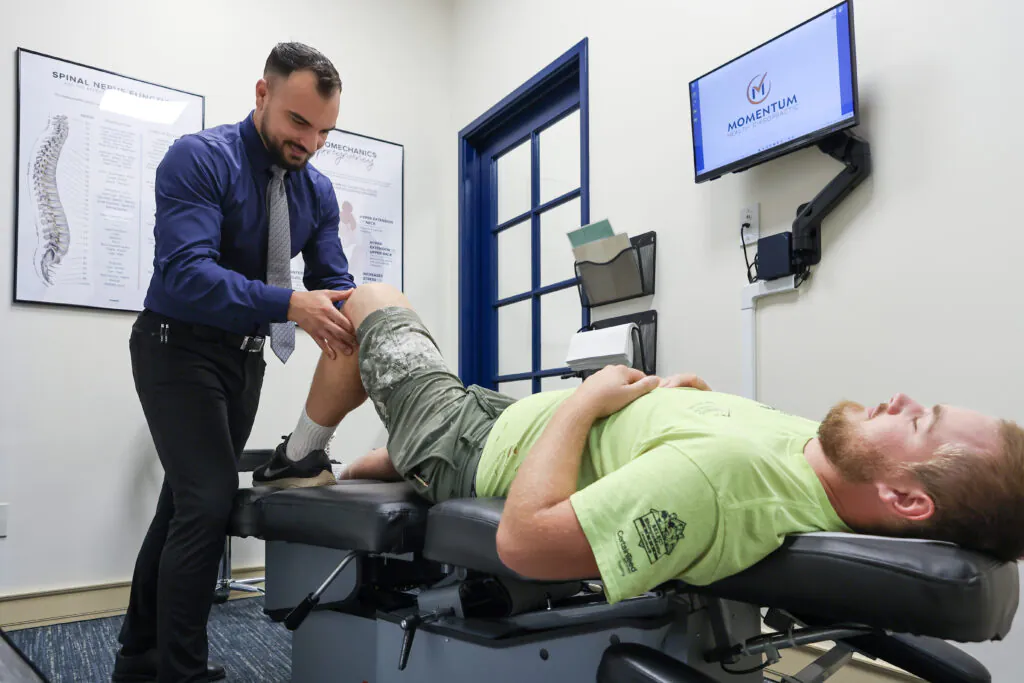

Neck pain can be a persistent issue that impacts your daily life, but you may not realize just how much your posture and everyday habits contribute to that discomfort. As a chiropractor, I want to emphasize that understanding the root causes of neck pain is key, and one of the best ways to address it is through chiropractic care. By incorporating simple stretches and adjustments, you can start to feel relief and improve your overall wellness.
But it’s not just about exercises; your workspace setup and stress levels also play crucial roles in your neck health. For instance, ensuring that your computer screen is at eye level and using ergonomic furniture can drastically reduce strain on your neck. Additionally, managing stress through relaxation techniques can lead to fewer tension headaches and less neck pain.
Chiropractic care not only helps alleviate existing pain but also focuses on preventing future issues by promoting proper spinal alignment. Regular adjustments can enhance your body’s natural ability to heal and function optimally.
Here are some effective strategies to help you thrive without pain:
- Maintain Good Posture: Keep your head aligned over your shoulders and avoid slumping. This simple adjustment can reduce unnecessary strain on your neck.
- Take Frequent Breaks: If you work at a desk, remember to take short breaks to stretch and move around. This will keep your muscles engaged and reduce stiffness.
- Incorporate Gentle Stretches: Simple neck stretches can help relieve tension. Try gently tilting your head from side to side or rolling your shoulders to loosen tight muscles.
- Manage Stress: Incorporate relaxation techniques like deep breathing or yoga into your routine. Reducing stress can lead to a significant decrease in neck pain.
- Schedule Regular Chiropractic Visits: Regular adjustments can help maintain spinal health and prevent pain from returning. A chiropractor can provide personalized care tailored to your needs.
Embracing these strategies can lead you toward a pain-free life. Remember, chiropractic care is a natural and effective way to achieve optimal health and wellness. Don’t let neck pain hold you back—take charge of your health today!
Key Takeaways
- Embrace Good Posture: Align your ears with your shoulders and hips. This simple adjustment can significantly reduce strain on your neck and help you feel more comfortable throughout your day.
- Create an Ergonomic Workspace: Position your monitor at eye level and keep your elbows bent at a 90-degree angle. This setup not only fosters better posture but also minimizes stress on your neck and spine, promoting overall wellness.
- Incorporate Gentle Neck Stretches: Daily neck stretches and strengthening exercises help improve flexibility and bolster neck health. Simple movements can make a big difference in how you feel.
- Manage Stress Effectively: Engaging in deep breathing, practicing mindfulness, and staying active can alleviate tension in your neck muscles. Reducing stress is essential for maintaining a healthy spine and overall well-being.
- Consider Chiropractic Care: If you experience persistent neck pain, chiropractic care can be a game-changer. Our approach focuses on restoring alignment in your spine, which not only alleviates pain but also enhances your overall health. By choosing chiropractic, you’re opting for a natural and holistic path to wellness without the need for medications or surgeries.
Taking these steps can empower you to live a healthier, pain-free life. Remember, we’re here to support you on your journey to optimal health!
Understanding the Causes of Neck Pain
Understanding the Causes of Neck Pain: A Chiropractic Perspective
When it comes to neck pain, it’s crucial to recognize the different factors that could be at play. One of the most common culprits is poor sleeping positions. If your pillow isn’t offering the right support, it can lead to discomfort that affects your daily life.
Many people spend hours hunched over computers or looking down at their phones, which can strain the neck muscles over time. These repetitive motions may seem harmless, but they can lead to significant tension and discomfort.
Injuries, such as whiplash from car accidents, can also cause pain that lingers long after the initial incident. Additionally, stress plays a big role in neck tension, often leading to tightness that can be quite uncomfortable.
Conditions like arthritis or herniated discs can contribute to chronic neck pain as well, but the good news is that chiropractic care can help address these issues naturally. Rather than turning to medication or surgery, consider how chiropractic adjustments can align your spine and relieve tension in your neck.
If you’ve noticed a sudden increase in pain, it’s a good idea to consult a chiropractor. By identifying the root cause of your discomfort, we can work together to develop a plan that focuses on natural healing and wellness.
Here are a few tips you can incorporate into your daily routine to help alleviate neck pain:
- Optimize Your Sleep Position: Use a supportive pillow that keeps your neck aligned with your spine. Sleeping on your back or side is generally better than on your stomach.
- Take Breaks: If you spend a lot of time at a desk, remember to take short breaks every hour. Stand up, stretch, and move around to reduce tension.
- Practice Good Posture: Keep your computer screen at eye level and avoid slouching. This simple adjustment can make a big difference in how your neck feels.
- Manage Stress: Incorporate relaxation techniques like deep breathing, yoga, or meditation into your daily routine to help reduce tension.
- Stay Active: Regular exercise helps keep your muscles strong and flexible, which can prevent neck pain from becoming a chronic issue.
Importance of Good Posture
Good posture is vital for maintaining a healthy neck and spine. It helps evenly distribute your body weight and reduces strain on your muscles, which is essential for overall wellness.
When you slouch or hunch, you place extra pressure on your neck, leading to pain and discomfort. As a chiropractor, I want to share some simple tips that can help improve your posture and support your journey toward natural healing:
- Align your ears with your shoulders and hips while sitting or standing. This alignment is crucial for spinal health and can help reduce discomfort.
- Choose ergonomic furniture that supports your back and neck, especially at your workstation. Proper support can make a significant difference in how you feel throughout the day.
- Keep your feet flat on the floor or on a footrest while seated. This promotes correct alignment and can prevent strain on your lower back.
- Take breaks to stretch and reset your posture, especially during long periods of sitting. Simple stretches can help relieve tension and rejuvenate your spine.
Remember, maintaining good posture isn’t just about looking confident; it’s about taking care of your body.
Chiropractic care can be an excellent choice for addressing posture-related issues, offering natural pain relief and a pathway to better health. By prioritizing your posture, you can support your spine and overall well-being.
Effective Neck Stretches and Exercises
When it comes to relieving neck pain, gentle stretches and strengthening exercises can be incredibly beneficial. As a chiropractor, I believe that incorporating these practices into your daily routine not only improves flexibility but also supports your neck’s overall health.
Let’s explore some effective techniques that can help ease discomfort and build strength, while highlighting the importance of chiropractic care in achieving optimal wellness.
First and foremost, it’s essential to listen to your body. If you’re experiencing neck pain, consider visiting a chiropractor who can provide personalized assessments and adjustments tailored to your needs. Chiropractic care addresses the root cause of pain, rather than just masking symptoms, and can lead to lasting relief.
Now, let’s look at some simple stretches and exercises you can do at home:
- Neck Tilts: Gently tilt your head to one side, bringing your ear towards your shoulder. Hold for about 15-30 seconds, then switch sides. This stretch helps to relieve tension in the neck muscles.
- Chin Tucks: While sitting or standing, tuck your chin in towards your chest without tilting your head down. This exercise strengthens the muscles that support your neck and improves posture.
- Shoulder Rolls: Roll your shoulders back and down in a circular motion. This can help loosen tightness in the upper back and neck, promoting better blood circulation.
- Neck Rotation: Slowly turn your head to one side and hold for a few seconds, then switch to the other side. This stretch increases your neck’s range of motion and reduces stiffness.
In addition to these exercises, here are some general tips to enhance your neck health:
- Maintain Good Posture: Be mindful of your posture whether you’re sitting, standing, or using your phone. Proper alignment can prevent strain on your neck.
- Stay Hydrated: Drinking enough water keeps your spinal discs hydrated, supporting your neck and spine.
- Ergonomic Workspace: If you work at a desk, ensure your computer screen is at eye level and your chair supports your lower back. This can significantly reduce neck strain.
- Regular Chiropractic Check-ups: Regular visits to your chiropractor can help keep your spine aligned, which is vital for overall health and can prevent future neck pain.
Gentle Neck Stretches
Neck pain is a common issue for many people, but incorporating gentle stretches into your daily routine can provide significant relief and enhance your overall mobility.
As a local chiropractor, I believe that these simple exercises, combined with chiropractic care, can help you achieve optimal health and wellness. Here are four effective neck stretches you can easily integrate into your day:
- Neck Tilt: Start by gently tilting your head to one side, allowing your ear to move toward your shoulder. This stretch helps to relieve tension in the neck muscles. Hold this position for about 15-30 seconds, then switch to the other side.
- Chin Tucks: While sitting up straight, tuck your chin in slightly to align your head with your spine. This exercise strengthens your neck muscles and promotes better posture. Hold the tuck for 5 seconds and repeat several times.
- Shoulder Shrugs: Raise your shoulders toward your ears, hold for a moment, and then let them drop back down. This stretch can alleviate tightness in the shoulders and neck area. Aim to repeat this 10 times.
- Neck Rotation: Slowly turn your head to one side, feeling the stretch along your neck. Hold for about 15 seconds, then rotate to the other side. This helps improve your range of motion.
Incorporating these stretches into your daily routine can help ease tension and enhance flexibility.
However, for lasting relief from neck pain, consider visiting your local chiropractor. Chiropractic care not only addresses the underlying issues causing pain but also promotes natural healing and overall wellness.
Strengthening Neck Exercises
Strengthening your neck is vital for overall health and wellness, and it can significantly enhance your stability while reducing discomfort. Incorporating targeted neck exercises into your daily routine can be an excellent complement to chiropractic care, which focuses on natural healing and optimal health.
Begin with chin tucks: while sitting or standing, gently tuck your chin towards your chest, hold for five seconds, and then release. Aim to repeat this ten times. This simple movement can help align your spine and improve neck strength.
Next, consider neck side bends. Slowly tilt your head towards one shoulder, hold for five seconds, and then switch sides. This exercise promotes flexibility and can alleviate tension in the neck and shoulders.
For added strength, you can perform isometric exercises. Press your forehead into your hands without moving your head, holding for five seconds. This technique can provide stability to your neck muscles and enhance their strength.
Finally, don’t forget about shoulder shrugs. Lift your shoulders towards your ears and then relax them down. This exercise helps relieve tension and promotes better posture.
By regularly incorporating these exercises, you can enhance neck strength, improve posture, and alleviate discomfort.
Ergonomic Office Setup
To prevent neck pain while working, it’s essential to create an ergonomic office setup that supports your spine’s natural alignment.
Start by adjusting your desk height so that your elbows are at a 90-degree angle when typing. Ensure your monitor is at eye level, allowing you to maintain a neutral head position. This simple adjustment can significantly enhance your comfort and productivity, reducing the strain on your neck and spine.
Remember, chiropractic care is an effective way to address discomfort and improve overall wellness. Regular visits to your chiropractor can help ensure your spine remains aligned and functioning optimally, allowing your body to heal naturally.
Here are some additional tips to promote a healthier workspace:
- Take frequent breaks to stand, stretch, and move around. This helps relieve tension in your muscles and keeps your spine healthy.
- Use a chair that supports your lower back, encouraging proper posture as you work.
- Keep your feet flat on the floor or on a footrest to maintain good alignment.
By prioritizing these ergonomic adjustments and incorporating chiropractic care into your routine, you can enjoy better health and wellness while reducing the risk of pain.
Your body will thank you!
Desk Height Adjustment
When you adjust your desk height properly, you can significantly reduce neck pain and enhance your overall comfort while working.
As a chiropractor, I want to share some helpful tips to help you achieve the ideal desk height for better spinal health and well-being:
- Elbow Position: Keep your elbows at a 90-degree angle while typing. This ensures your forearms are parallel to the floor, which helps maintain a relaxed posture and reduces strain on your neck and shoulders.
- Feet Flat: Make sure your feet are flat on the ground or on a footrest. This helps promote a stable posture, which can prevent discomfort and support your spine’s natural alignment.
- Knees Under the Desk: Position your knees slightly below the desk level. This allows for free movement and circulation, preventing stiffness and promoting overall comfort throughout the day.
- Wrist Alignment: Ensure your wrists are straight and relaxed while using your keyboard. Proper wrist alignment can help avoid strain, allowing for smoother movements and reducing the risk of repetitive strain injuries.
Remember, while adjusting your workspace is vital for your comfort, regular chiropractic care can also play a crucial role in maintaining your spinal health.
A chiropractor can provide personalized advice and adjustments to help you achieve optimal wellness.
Prioritizing your health through natural methods can lead to a more comfortable and productive work life.
Monitor Positioning Tips
Proper monitor positioning is crucial for reducing neck strain and supporting your overall well-being. As a chiropractor, I want to emphasize that maintaining good posture is essential for spinal health. Start by placing your monitor at eye level, which encourages a natural neck position. Ideally, your gaze should be slightly downward, keeping your spine aligned and minimizing strain.
Position your monitor about an arm’s length away. This distance helps prevent eye strain and reduces the chances of leaning forward, which can adversely affect your spine. If you wear glasses, be sure to account for your prescription when setting up your screen.
Tilting your monitor back slightly, between 10 to 20 degrees, can help reduce glare and enhance visibility. This small adjustment not only makes it easier to see but also encourages you to maintain an upright posture, which is vital for your spinal health.
Ensure the top edge of your screen aligns with your line of sight. This alignment allows your head to remain upright and reduces the tendency to slouch, which can lead to discomfort and long-term issues.
Lastly, adjust the brightness and contrast settings to create a comfortable working environment that minimizes eye fatigue.
Remember, a well-positioned monitor can significantly improve your comfort and support your journey to optimal health. By taking these simple steps, you can help protect your spine and overall well-being.
If you’re experiencing neck pain or discomfort, consider visiting a chiropractor for personalized guidance on achieving a healthier posture and lifestyle.
Stress Management Techniques
While stress can be an unavoidable part of our daily lives, effectively managing it can significantly alleviate neck pain and enhance your overall well-being.
As a chiropractor, I believe that incorporating stress management techniques not only helps you regain control but also complements chiropractic care in easing tension throughout the body.
Here are four strategies you can easily implement to support your journey toward optimal health:
- Deep Breathing: Dedicate a few minutes each day to focus on your breath. Inhale deeply through your nose, hold for a moment, and exhale slowly through your mouth. This simple practice can help calm your mind and relax your muscles, reducing tension in your neck.
- Mindfulness Meditation: Spend 10-15 minutes each day practicing mindfulness. This technique allows you to center your thoughts and reduces anxiety, creating a peaceful state that can enhance your body’s natural healing processes.
- Regular Exercise: Engage in physical activities you enjoy, such as walking, yoga, or swimming. Regular exercise not only releases endorphins that lower stress levels but also strengthens your muscles and improves your posture, which is essential for spinal health.
- Journaling: Writing down your thoughts and feelings can provide clarity and help you process stressors more effectively. This practice can aid in emotional healing, which is just as important as physical health when it comes to your overall wellness.
By integrating these stress management techniques into your daily routine alongside chiropractic care, you can enhance your natural healing abilities and achieve a healthier, pain-free life.
The Role of Sleep in Neck Health
Sleep is vital for maintaining neck health, allowing your body the chance to recover and repair itself. Restorative sleep relaxes your neck muscles, which helps to reduce tension and strain. This is essential for preventing chronic pain and stiffness in the neck.
To promote better neck health while you sleep, the right pillow choice is crucial. Look for a pillow that supports the natural curve of your neck, ensuring that your spine stays aligned. Avoid sleeping on your stomach, as this position can twist your neck and lead to discomfort.
Additionally, creating a sleep-friendly environment can significantly enhance your rest. Keep your bedroom cool, dark, and quiet to encourage deeper, more restorative sleep. Establishing consistent sleep patterns by going to bed and waking up at the same time every day can also make a big difference.
As a chiropractor, I encourage you to consider regular chiropractic care as a key component of your wellness routine. Chiropractic adjustments can help alleviate neck pain and improve overall spinal health, allowing for better sleep and recovery.
When to Seek Professional Help
How can you tell when neck pain is a signal to seek professional help? Understanding when to reach out is crucial for preventing further complications and ensuring your overall well-being. Here are some key indicators that it’s time to consult a chiropractor:
- Persistent Pain: If your neck pain sticks around for more than a week, even after trying home remedies like gentle stretching or proper posture, it’s wise to get a professional evaluation. A chiropractor can help identify the root cause and provide targeted care.
- Radiating Symptoms: If you notice pain radiating to your shoulders, arms, or hands, it may indicate nerve involvement. A chiropractor specializes in spinal adjustments that can relieve pressure on nerves and help restore proper function.
- Weakness or Numbness: Experiencing weakness, numbness, or tingling in your arms or hands is a sign that something isn’t right. These symptoms can often be alleviated through chiropractic care, which focuses on restoring balance to the nervous system.
- Limited Range of Motion: Struggling to move your neck without significant pain? This limitation can impact your daily life. Chiropractic adjustments can help enhance mobility and reduce discomfort, allowing you to move freely again.
Don’t overlook these important signals. Seeking chiropractic care early can lead to better outcomes and help prevent chronic issues down the road.
Remember, maintaining a healthy spine is essential for your overall health!
Plus, regular chiropractic visits can provide ongoing support to keep your neck and spine in optimal condition. Embrace a healthier lifestyle with the natural healing approach of chiropractic care!
Maintaining Long-Term Neck Health
After taking care of any immediate neck pain issues, it’s crucial to shift your focus towards maintaining long-term neck health. One of the best ways to do this is by incorporating regular stretching into your daily routine. Simple neck stretches can enhance flexibility and alleviate tension, making them a great addition to your day.
Be mindful of your posture, particularly when sitting at a desk or using your phone; keep your screen at eye level and remember to relax your shoulders to prevent strain.
Strengthening your neck muscles is also vital for maintaining a healthy spine. Simple exercises like chin tucks and shoulder shrugs can help build support around your cervical spine, which is essential for preventing future discomfort.
Additionally, consider using a supportive pillow that keeps your neck aligned while you sleep, promoting proper spinal alignment.
Staying active is important, too! Engaging in regular aerobic exercise not only benefits your overall well-being but also helps prevent muscle stiffness that can lead to neck pain.
Lastly, don’t overlook the impact of stress on your neck health; practicing relaxation techniques, such as deep breathing or meditation, can significantly reduce tension in your neck.
By consistently following these practices, you’ll be investing in your long-term neck health.
Conclusion
By prioritizing good posture, incorporating gentle neck stretches, and creating an ergonomic workspace, you can significantly reduce neck pain. Remember that stress management and quality sleep are crucial for your overall recovery and well-being. A holistic approach to health, including chiropractic care, can provide you with the best path to relief and long-term neck health.
Chiropractic adjustments can help align your spine, which plays a vital role in alleviating discomfort and promoting natural healing. These adjustments, combined with lifestyle changes, can enhance your daily activities and overall quality of life.
Here are some simple tips to take charge of your neck health:
- Maintain Good Posture: Keep your head aligned with your spine. Avoid slouching and try to sit and stand tall.
- Incorporate Neck Stretches: Gentle stretches can help alleviate tension. Try tilting your head side to side and forward and backward, holding each position for a few seconds.
- Ergonomic Workspace: Ensure your desk, chair, and computer screen are at the correct height to prevent strain on your neck.
- Manage Stress: Practice relaxation techniques such as deep breathing, meditation, or yoga to reduce tension in your neck and shoulders.
- Quality Sleep: Use a supportive pillow that maintains the natural curve of your neck while you sleep.
If your neck pain continues, consider visiting a chiropractor for a personalized treatment plan. With these tips and the support of chiropractic care, you’ll not only find relief but also enhance your overall health and well-being. Start prioritizing your neck health today!