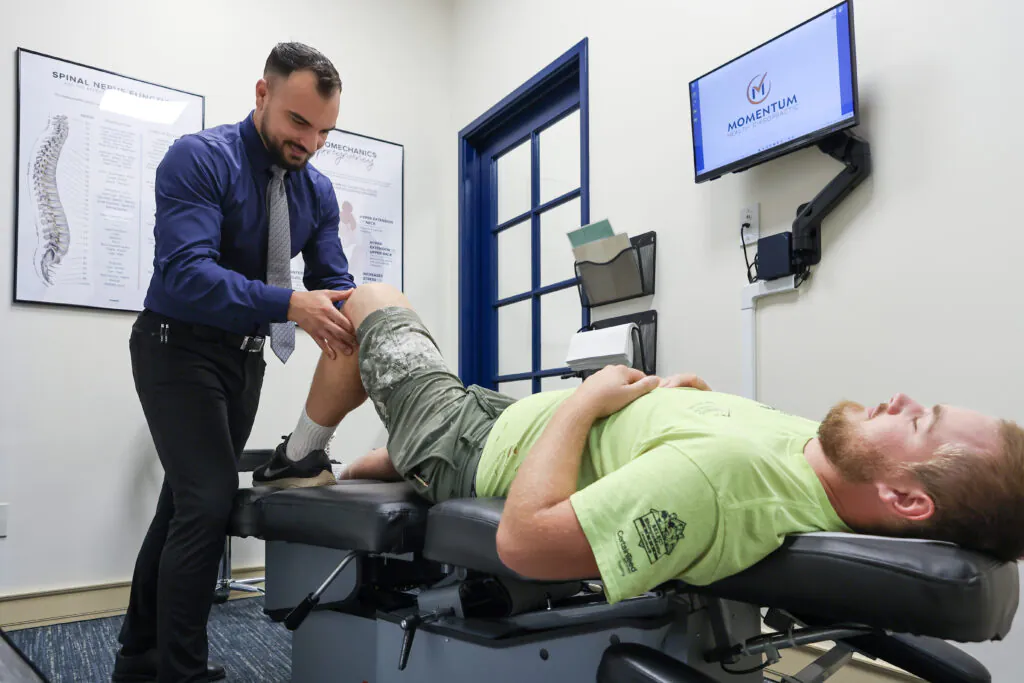

Headaches can be a real challenge, but there are natural ways to find relief without the need for medication. As a chiropractor, I want to emphasize the importance of a holistic approach to wellness that includes spinal health. Staying hydrated, managing stress, and focusing on proper nutrition can significantly impact your overall well-being and help alleviate headaches.
Have you ever considered how your daily habits might be affecting your discomfort? Poor posture, for instance, can lead to tension in the neck and shoulders, which may trigger headaches. Regular chiropractic adjustments can help realign your spine, reducing tension and promoting better overall health, which may lead to fewer headaches.
Incorporating techniques like acupressure can also be beneficial. Applying pressure to specific points on the body can help relieve tension and improve circulation. Additionally, practicing mindfulness and relaxation techniques can reduce stress, another common headache trigger.
Here are some effective strategies you can implement to manage your headaches naturally:
- Stay Hydrated: Drink plenty of water throughout the day to prevent dehydration, which is a common headache trigger.
- Practice Good Posture: Be mindful of your posture while sitting and standing. Proper alignment can reduce strain on your neck and back.
- Regular Chiropractic Care: Schedule regular visits to your chiropractor to help maintain spinal health and alleviate tension.
- Mindful Breathing: Take a few moments each day for deep breathing exercises to help reduce stress and promote relaxation.
- Balanced Nutrition: Focus on a diet rich in whole foods, including fruits, vegetables, and lean proteins, to support overall health.
By incorporating these strategies into your routine, you can take control of your health and potentially reduce the frequency and intensity of your headaches. Remember, chiropractic care is a natural and effective way to support your body’s ability to heal and maintain optimal wellness.
Key Takeaways
- Staying hydrated is essential for overall health and can help prevent headaches caused by dehydration. Make it a habit to drink plenty of water throughout the day and include hydrating foods in your meals, like cucumbers and oranges. Remember, proper hydration supports your body’s natural balance, which is crucial for maintaining optimal wellness.
- Regular chiropractic adjustments are a fantastic way to alleviate tension in your body and improve spinal alignment. When your spine is in proper alignment, it can significantly reduce the frequency and severity of headaches. Consider making chiropractic care a part of your wellness routine to enjoy long-term benefits.
- Managing stress is vital for both your mental and physical well-being. Techniques such as deep breathing exercises and mindfulness meditation can help lower muscle tension and emotional triggers that may lead to headaches. Incorporate these practices into your daily life to promote relaxation and enhance your overall health.
- Including magnesium-rich foods in your diet, such as spinach and nuts, can be beneficial for your brain and nervous system. Magnesium helps balance neurotransmitters, which may assist in reducing headache occurrences. Focus on a well-rounded diet to support your body’s healing processes naturally.
- Be mindful of your food choices, particularly regarding processed foods, caffeine, and alcohol, as these can contribute to headache triggers and dehydration. Opt for whole, natural foods whenever possible to support your body and minimize headaches. Making these adjustments can enhance your wellness journey and complement the benefits of chiropractic care.
By prioritizing chiropractic care and these natural approaches, you can take significant steps towards achieving optimal health and reducing headache pain effectively.
Understanding Different Types of Headaches
Headaches can strike unexpectedly, leaving you searching for answers and relief. Understanding the different types of headaches can empower you to take control of your health and find natural remedies that work for you.
Tension headaches, for instance, often feel like a tight band around your head. They can result from stress, poor posture, or muscle tension, and typically cause mild to moderate pain. Incorporating regular chiropractic adjustments can help alleviate tension in your neck and shoulders, ultimately reducing the frequency and intensity of these headaches.
Migraines, on the other hand, are more intense and often come with symptoms like nausea or sensitivity to light and sound. They can be debilitating, with throbbing pain usually on one side of the head lasting for hours or even days. Chiropractic care can play a crucial role in managing migraines by addressing spinal alignment and relieving nerve pressure, which may trigger these episodes.
Cluster headaches, while less common, are incredibly painful and occur in cyclical patterns, frequently disrupting sleep. Although they can be challenging to manage, regular chiropractic adjustments can improve your overall spinal health and potentially reduce the severity and frequency of these headaches.
Lastly, sinus headaches happen when your sinuses become inflamed, causing pressure in your forehead and cheeks. Chiropractic care can assist in promoting better sinus drainage and relieving overall tension in the head and neck area.
Identifying the type of headache you have is essential, as is choosing the best natural relief methods. Regular chiropractic care not only addresses the root causes of headaches but also supports your overall well-being. Remember to maintain good posture, stay hydrated, and manage stress through techniques like deep breathing or gentle exercise. By prioritizing your spinal health and incorporating chiropractic care into your wellness routine, you can achieve optimal health and reduce the impact of headaches in your life.
The Importance of Hydration
Staying hydrated is crucial for your overall health and can play a significant role in preventing headaches. Even mild dehydration can lead to discomfort, and many people don’t even realize they’re becoming dehydrated until it’s too late. This is where proper hydration comes in; it can help keep those pesky headaches at bay and support your overall well-being.
As a chiropractor, I emphasize the importance of a holistic approach to health, which includes maintaining proper hydration. When your body is well-hydrated, it functions more efficiently, including your spine and nervous system. Dehydration can lead to tension in the muscles surrounding your spine, which may contribute to headaches and discomfort.
Here are some simple tips to ensure you stay hydrated:
- Drink Water Regularly: Aim to drink water throughout the day, not just when you feel thirsty. Keeping a water bottle handy can serve as a reminder to sip consistently.
- Eat Hydrating Foods: Incorporate fruits and vegetables with high water content, such as cucumbers, oranges, and watermelon, into your diet. These can boost your hydration levels while providing essential nutrients.
- Limit Caffeine and Alcohol: Both can contribute to dehydration, so be mindful of your consumption. If you enjoy these beverages, balance them with extra water.
- Listen to Your Body: Pay attention to signs of dehydration, such as dry mouth, fatigue, or dizziness. If you notice these symptoms, increase your water intake.
- Consider Your Activity Level: If you’re physically active or live in a hot climate, you may need to drink more water than usual. Be proactive about your hydration needs.
In addition to these tips, regular chiropractic care can also enhance your body’s natural healing processes. A properly aligned spine supports optimal nerve function, which can help your body manage hydration more effectively and reduce the occurrence of tension headaches.
Hydration and Headache Connection
Dehydration can often sneak up on you, leading to headaches that can really put a damper on your day. As a chiropractor, I want to emphasize that staying hydrated isn’t just about quenching your thirst; it’s a vital part of maintaining your overall well-being and can significantly impact your spinal health.
When you’re not drinking enough water, your body may respond by tightening blood vessels, which can cause discomfort and tension in your head and neck areas.
Here are some simple tips to help you stay hydrated and support your health:
- Carry a water bottle: Keeping a water bottle with you makes it much easier to take sips throughout the day. This little habit can help prevent dehydration and the headaches that come with it.
- Set reminders: Use your phone or a hydration app to remind you to drink water regularly. Staying on track with your hydration can help maintain optimal spinal function and alleviate tension.
- Eat hydrating foods: Incorporate fruits and veggies into your diet—think watermelon, cucumbers, and oranges. These foods have high water content and can contribute to your hydration needs while providing essential nutrients that support your overall health.
Remember, proper hydration is essential not just for keeping headaches at bay, but also for supporting your spine and overall health. By making these small adjustments, you can take proactive steps towards a healthier, pain-free life.
And don’t forget, regular chiropractic care can help ensure your spine is aligned and functioning optimally, further enhancing your well-being!
Signs of Dehydration
When your body lacks sufficient water, it can signal that hydration is needed in several ways, and being aware of these signs is crucial for your overall health and wellness. You might experience a dry mouth or skin, fatigue, or even dizziness. If you’re feeling unusually tired or having trouble concentrating, it could be a gentle reminder from your body that it’s time to hydrate.
Another important indicator to watch for is the color of your urine; ideally, it should be light yellow. Dark yellow urine can be a clear sign that your body is in need of more fluids. Additionally, headaches can often arise from dehydration, which is why it’s essential to listen to your body’s signals and respond proactively.
To keep your body well-hydrated, consider carrying a water bottle with you and sipping throughout the day. Staying hydrated not only helps prevent headaches but also contributes to your overall well-being, which is vital for maintaining a healthy spine and optimal function.
As a chiropractor, I believe that incorporating good hydration habits into your daily routine, along with regular chiropractic care, can support your body’s natural healing process and enhance your quality of life. Remember, taking small steps towards better hydration can lead to significant improvements in your health. So, let’s prioritize hydration for a healthier, more vibrant you!
Stress Management Techniques
Managing stress effectively can significantly lessen the occurrence and severity of headaches, making it an important aspect of your overall health. When you learn to cope with stress, you pave the way for a more balanced and peaceful mind, which aligns perfectly with the principles of chiropractic care.
Here are some straightforward techniques to help you manage stress naturally:
- Deep Breathing: Engaging in slow, deep breaths can help calm both your mind and body. You can practice this by inhaling deeply for a count of four, holding your breath for another four, and then exhaling for four. This simple technique can also improve oxygen flow, which is beneficial for your spinal health.
- Mindfulness Meditation: Dedicate a few minutes each day to focus on the present moment. This practice not only clears your mind and reduces anxiety but also helps you connect with your body and promotes relaxation. A relaxed body is less likely to experience tension in the spine, which can lead to headaches.
- Journaling: Writing down your thoughts and feelings offers a valuable emotional release. It allows you to process what’s bothering you and can lead to insights that contribute to your well-being. By understanding your stressors, you can work with your chiropractor to develop strategies tailored to your needs, enhancing your path to natural wellness.
Incorporating these techniques into your daily routine can complement your chiropractic care, helping you achieve optimal health and wellness.
Incorporating Regular Exercise
Incorporating regular exercise into your routine can lead to a remarkable decrease in the frequency and intensity of headaches. As a chiropractor, I can tell you that engaging in physical activity not only boosts your mood but also helps to relieve tension in your body, making it a fantastic natural remedy against headaches.
When you keep your spine aligned and your muscles strong through regular exercise, you support your overall spinal health, which is essential for optimal function and well-being. Here are some types of exercises that can fit seamlessly into your lifestyle and promote a healthier spine:
- Walking: A simple yet effective way to get moving. Aim for at least 30 minutes a day. Walking can help improve circulation and reduce tension in your neck and shoulders, which are common areas for headache triggers.
- Stretching: Incorporating gentle stretches into your daily routine can enhance flexibility and relieve muscle tightness. Focus on neck and shoulder stretches to alleviate tension that may contribute to headaches.
- Yoga: This practice combines physical movement with breathing techniques, which can greatly reduce stress and promote relaxation. Many yoga poses help improve spinal alignment, making it a wonderful addition to your wellness routine.
- Strength Training: Building strength in your core and back muscles supports your spine, helping to prevent misalignments that can lead to pain. You don’t need to lift heavy weights; bodyweight exercises can be just as effective.
- Breathing Exercises: Deep breathing can reduce stress and tension in your body. Practice inhaling deeply through your nose, holding for a few seconds, and then exhaling slowly through your mouth.
As you incorporate these exercises into your life, remember that chiropractic care is your best ally for achieving optimal health. Regular adjustments can enhance your body’s natural ability to heal, relieve pain, and maintain a healthy spine.
By working with a chiropractor, you can ensure that your body is functioning at its best, allowing you to enjoy life without the burden of headaches.
Stay active, keep moving, and embrace the natural healing power of chiropractic care for a healthier, pain-free life!
Benefits of Physical Activity
Engaging in regular physical activity can significantly alleviate headaches and enhance your overall well-being.
When you exercise, your body releases endorphins—natural pain relievers that can reduce the frequency and intensity of headaches. Additionally, staying active can improve your mood and lower stress levels, both of which are common triggers for headaches.
As a chiropractor, I want to emphasize the importance of incorporating physical activity into your daily routine, not just for headache relief but for your overall health.
Here are some benefits you can expect from staying active:
- Improved Blood Circulation: Regular movement helps enhance blood flow, which can alleviate headache symptoms and promote better spinal health.
- Increased Energy Levels: When you stay active, you’ll feel more energized and less fatigued, which can help prevent tension headaches that often arise from stress and poor posture.
- Better Sleep Quality: Engaging in physical activity can promote deeper, more restorative sleep. Quality sleep is essential for preventing headaches related to sleep deprivation, and it also supports your body’s natural healing processes.
In addition to these benefits, don’t forget the importance of chiropractic care.
Regular adjustments can help ensure your spine is aligned, which can further reduce headache occurrences. By maintaining a healthy spine and engaging in physical activity, you’re taking proactive steps towards optimal health and wellness.
Here are some practical tips to incorporate into your routine:
- Start Small: If you’re new to exercising, begin with short walks or gentle stretches. Gradually increase the intensity as your body adjusts.
- Stay Hydrated: Dehydration can trigger headaches, so make sure to drink plenty of water throughout the day.
- Practice Good Posture: Whether you’re sitting at a desk or exercising, maintaining proper posture can help prevent tension headaches. Consider regular chiropractic check-ups to support your spinal alignment.
Remember, a holistic approach that includes regular physical activity and chiropractic care can significantly enhance your quality of life and help manage headaches naturally.
Let’s work together towards your health goals!
Recommended Exercise Types
Incorporating regular exercise into your routine can be a transformative step towards relieving headaches and enhancing your overall well-being. As a chiropractor, I understand the importance of maintaining a healthy spine and body alignment, and engaging in the right types of physical activity can significantly contribute to this. Here are some exercise types that can be particularly beneficial for easing tension and promoting a healthier lifestyle:
| Exercise Type | Duration | Benefits |
|---|---|---|
| Walking | 30 minutes | Reduces tension and improves circulation |
| Yoga | 30 minutes | Promotes relaxation and flexibility, aiding in spinal health |
| Cycling | 30 minutes | Boosts endorphins and supports cardiovascular health |
| Stretching | 15 minutes | Enhances flexibility, relieving muscle tension and improving posture |
Choose activities that you genuinely enjoy to keep yourself motivated. Aim for at least 150 minutes of moderate exercise each week. By prioritizing exercise along with regular chiropractic care, you can reduce the frequency and intensity of headaches while fostering a more balanced, pain-free life.
The Role of Nutrition in Headache Prevention
Nutrition plays a vital role in preventing headaches, and you might be surprised at how much your dietary choices can impact your overall health. Certain foods can either support your wellness or contribute to headache symptoms. By embracing a balanced diet, you can reduce your chances of experiencing those annoying pain episodes.
As a local chiropractor, I believe that combining proper nutrition with chiropractic care is a powerful way to achieve optimal health. Here are some straightforward nutritional tips to help you on your wellness journey:
- Stay Hydrated: One common headache trigger is dehydration. Make sure to drink plenty of water throughout the day to keep your body functioning smoothly. Staying hydrated not only helps prevent headaches but also supports your spinal health.
- Limit Processed Foods: Processed foods often contain additives and preservatives that can provoke headaches. Instead, choose whole, natural foods. Not only are they better for your body, but they also provide the nutrients necessary for a healthy spine and nervous system.
- Incorporate Magnesium-Rich Foods: Foods like spinach, nuts, and whole grains are rich in magnesium, which can help balance neurotransmitters and prevent headaches. Including these foods in your diet can support your overall health and complement the benefits of chiropractic adjustments.
Essential Oils for Headache Relief
Essential oils can be a valuable tool in easing headaches, but it’s important to understand which ones to use and how to apply them safely. While these natural remedies can provide relief, I always emphasize that the foundation of optimal health begins with chiropractic care. By addressing spinal alignment and nervous system function, chiropractic adjustments can significantly reduce headache frequency and intensity.
When considering essential oils for headache relief, some of the most effective options include peppermint, lavender, and eucalyptus. Peppermint oil can help improve circulation and provide a cooling sensation, which may alleviate tension. Lavender oil is known for its calming properties, making it an excellent choice for stress-related headaches. Eucalyptus oil can help open up the airways, which may be beneficial if sinus pressure is contributing to your discomfort.
To use these essential oils safely, consider the following tips:
- Dilution: Always dilute essential oils with a carrier oil, like coconut or olive oil, before applying them to your skin. A good rule of thumb is to use one drop of essential oil for every teaspoon of carrier oil.
- Inhalation: You can also enjoy the benefits of essential oils by inhaling them. Add a few drops to a diffuser or a bowl of hot water and inhale the steam. This can help create a calming environment while promoting relaxation.
- Massage: Gently massaging diluted essential oils onto your temples or the back of your neck can provide direct relief from tension headaches.
While essential oils can offer temporary relief, I encourage you to consider the long-term benefits of chiropractic care. Regular adjustments can help maintain proper spinal alignment, reduce muscle tension, and enhance overall wellness, ultimately leading to fewer headaches. If you’re experiencing chronic headaches, it’s essential to consult with a chiropractor who can assess your condition and provide a tailored treatment plan.
Best Essential Oils
As a local chiropractor, I want to share some insights on natural relief for headaches. While chiropractic care is one of the best ways to address the underlying issues that may be causing your headaches, certain essential oils can also be a helpful addition to your wellness routine. Here are three essential oils you might want to consider incorporating into your daily life for headache relief:
- Peppermint Oil: This oil has a refreshing cooling effect that can help ease tension in your head and neck. It may also improve blood circulation, which is essential for overall health. Applying diluted peppermint oil to your temples or inhaling its aroma can be a quick way to find relief.
- Lavender Oil: Known for its soothing properties, lavender oil can help reduce stress and promote relaxation. Stress is often a significant contributor to headaches, so taking time to inhale lavender oil or using it in a diffuser can support your overall well-being, complementing the benefits of chiropractic adjustments.
- Eucalyptus Oil: If your headaches are related to sinus congestion, eucalyptus oil can be particularly beneficial. It helps clear sinuses and may alleviate discomfort caused by pressure. Using eucalyptus oil in a steam inhalation or applying it to your chest can open up your airways and provide relief.
Remember, while these essential oils can offer temporary relief, they work best when combined with a holistic approach to health. Regular chiropractic care can help address the root causes of your headaches, such as spinal misalignments or muscle tension.
Application Techniques
Incorporating essential oils into your headache relief routine can be a wonderful complementary approach to achieving optimal health, especially when combined with chiropractic care. While essential oils like peppermint and lavender can provide soothing relief, understanding how to apply them effectively is essential.
Start by diluting a few drops of your chosen oil in a carrier oil, such as coconut or jojoba oil. This makes the application safe and enhances absorption. Gently massage the mixture onto your temples, forehead, and the back of your neck. This method not only helps the oils penetrate your skin but also promotes relaxation, which is vital for tension relief.
Additionally, using a diffuser can fill your space with calming scents, creating a tranquil environment that supports your overall well-being. For immediate relief, try inhaling the oils directly from the bottle. Experimenting with different oils or even combining them can lead you to a personalized blend that effectively targets your specific headache triggers.
Remember, while essential oils can play a role in your wellness routine, chiropractic care is a powerful foundation for pain relief and natural healing. Regular chiropractic adjustments can help align your spine, reduce tension, and improve overall function, making headaches less likely to occur.
Embrace these natural methods and let both chiropractic care and essential oils work together to enhance your health and wellness journey.
Safety Precautions
While essential oils can be a natural way to find relief from headaches, it’s important to approach their use with caution to ensure your safety.
Here are some straightforward tips to help you use essential oils effectively while also prioritizing your well-being:
- Dilute properly: Essential oils are potent and should always be mixed with a carrier oil, like coconut or olive oil, to prevent skin irritation. A good guideline is to aim for a 2-3% dilution, which means adding about 10-15 drops of essential oil to an ounce of carrier oil.
- Patch test: Before applying any essential oil to larger areas of your skin, perform a patch test. Just apply a small amount of the diluted oil to a discreet area and wait 24 hours to check for any reactions. This simple step can help you avoid discomfort.
- Consult a healthcare professional: If you’re pregnant, nursing, or have any pre-existing health issues, it’s wise to check with a healthcare provider before using essential oils. They can give you personalized advice based on your health needs.
In addition to using essential oils, consider incorporating chiropractic care into your wellness routine.
Chiropractic adjustments can help alleviate headaches by addressing spinal alignment issues that may contribute to tension and discomfort.
Regular visits to a chiropractor not only promote spinal health but also enhance your overall well-being, helping you to live a healthier, pain-free life.
Herbal Remedies to Consider
When it comes to finding relief from headaches, many people often seek natural solutions that can complement the benefits of chiropractic care. Herbal remedies can be a wonderful addition to your wellness routine, providing soothing effects without the harsh side effects that other treatments may involve. Here are some herbal options to consider, alongside the holistic benefits of chiropractic adjustments:
| Herb | Benefits |
|---|---|
| Feverfew | May help reduce the frequency and severity of migraines, allowing for a more comfortable everyday life. |
| Peppermint | Known to relax muscles and improve circulation, which can enhance the benefits you receive from chiropractic adjustments. |
| Ginger | Often alleviates nausea that can accompany headaches, helping you feel better overall. |
| Lavender | Promotes relaxation and reduces stress, which can contribute to less tension in your neck and spine. |
Incorporating these herbs into your daily routine can offer additional relief and support the natural healing process that chiropractic care provides. Whether you enjoy herbal teas, essential oils, or even capsules, these remedies are easy to integrate into your lifestyle.
It’s essential to remember that a holistic approach to health is often the most effective. Regular chiropractic adjustments can help realign your spine, relieve tension, and address any underlying issues that may be contributing to your headaches. Always consult with a healthcare professional before starting any new remedies, especially if you are on other medications or have existing health conditions.
Acupressure and Its Benefits
Alongside maintaining a healthy spine and posture, acupressure can be a valuable tool for managing headaches naturally. This ancient technique involves applying pressure to specific points on your body, which can help relieve tension and enhance circulation. The great news is that you don’t need any special equipment or extensive training—just your fingers and a bit of guidance.
Here are some benefits of acupressure for headaches:
- Reduces tension: By applying pressure to key points, you can help release tight muscles, which may alleviate discomfort associated with headaches.
- Improves circulation: Better blood flow can help lessen both the intensity and frequency of headaches, promoting overall wellness.
- Promotes relaxation: Acupressure fosters a sense of calm, which can be particularly beneficial for preventing headaches that stem from stress.
If you’re interested in trying acupressure, consider focusing on points like the space between your thumb and index finger, or the base of your skull. These areas can be particularly effective in relieving tension.
While acupressure is a great technique to explore, don’t forget the importance of regular chiropractic care for overall health and wellness. A chiropractor can help address underlying issues in your spine and nervous system, which may contribute to headaches. By working together with your chiropractor, you can develop a comprehensive approach that includes acupressure, proper posture, and spinal health to optimize your well-being.
Mindfulness and Meditation Practices
How can mindfulness and meditation practices help you manage headaches? Incorporating mindfulness and meditation into your daily life can be a natural way to alleviate headaches, particularly those triggered by stress and tension. By focusing on your breath and staying present, you can quiet your mind and reduce anxiety levels, which are common contributors to headache pain.
As you practice mindfulness, you’ll become more aware of your thoughts and feelings, allowing you to identify patterns that may lead to headaches. This awareness enables you to address potential triggers proactively, helping to prevent discomfort before it occurs.
Even just a few minutes of meditation each day can foster a sense of calm that may ease headache symptoms. You might consider using guided meditations to help you get started, as they provide structured techniques to support your relaxation journey.
Additionally, incorporating mindfulness into everyday activities—such as enjoying your meals or taking a leisurely walk—can boost your overall awareness and further diminish stress. By fostering a peaceful mindset, mindfulness and meditation can serve as effective tools in your headache management strategy.
As a chiropractic care provider, I encourage you to consider these holistic practices alongside regular chiropractic adjustments. Chiropractic care focuses on spinal health and overall wellness, which can enhance your body’s natural ability to heal and manage pain.
Together, these approaches can lead to a healthier, more balanced lifestyle, helping you achieve optimal well-being without the need for medications or invasive procedures.
Creating a Cozy Sleep Environment
Creating a peaceful sleep environment can significantly aid in relieving headaches, especially after incorporating mindfulness and meditation into your routine.
As a chiropractor, I understand the importance of a good night’s sleep for overall spinal health and wellness. Here are some simple yet effective tips to help you cultivate a cozy space that encourages restful sleep:
- Comfortable Bedding: Choose a mattress that provides the right support for your spine, and select soft pillows that align with your preferred sleeping position. Remember, a well-supported spine can help reduce tension and discomfort, which contributes to a more restful night.
- Dim Lighting: Light can be disruptive to your sleep cycle. Consider using blackout curtains or sleep masks to create a dark environment. Dimming the lights in your bedroom signals to your body that it’s time to relax and prepare for sleep, promoting a deeper rest.
- Cool Temperature: Aim to keep your bedroom at a cooler temperature, ideally between 60-67°F (15-19°C). A cooler environment can help your body regulate its temperature during sleep, allowing you to fall asleep more quickly and stay asleep longer. This is crucial for maintaining spinal health and reducing tension.
By creating a sleep environment that prioritizes comfort and tranquility, you can’t only improve your rest but also support your overall health and wellness.