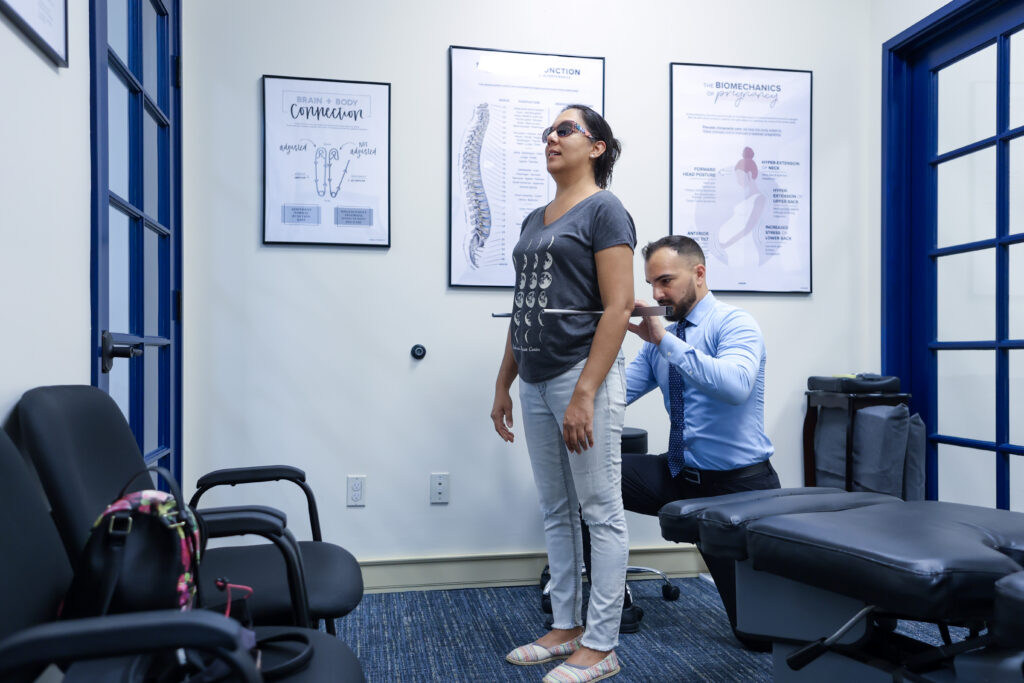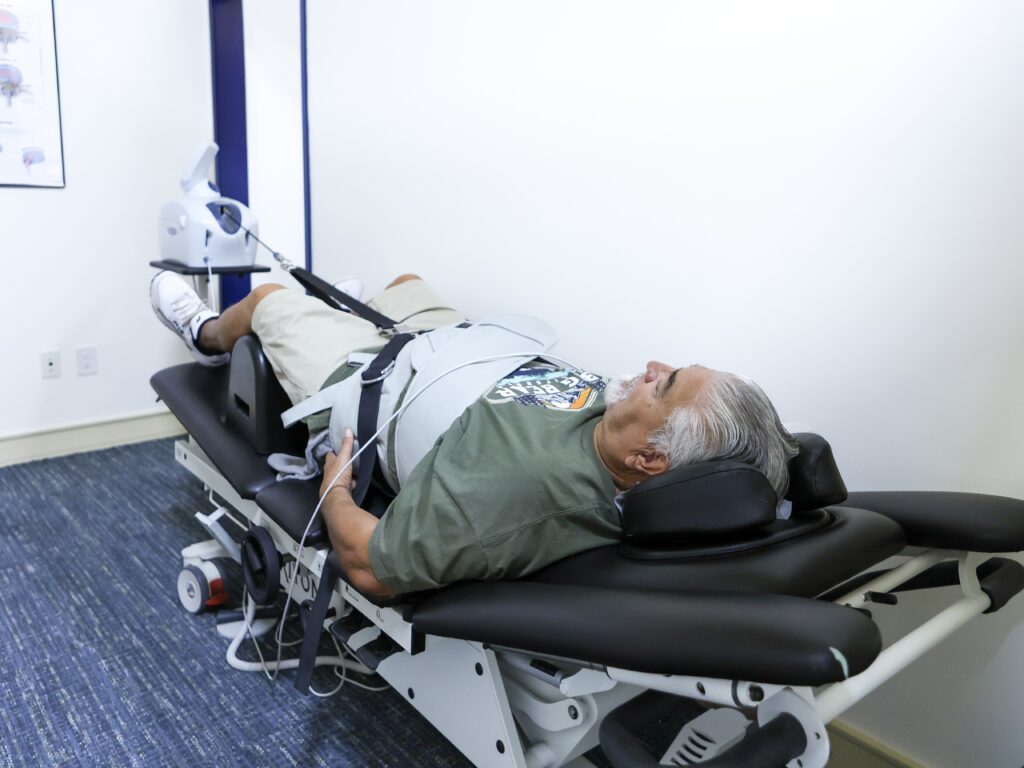

As a local chiropractor, I understand that many of you may be struggling with persistent back pain, and I want you to know that you’re not alone in this journey. Many individuals find relief through natural methods that can easily be implemented at home. Simple practices, such as stretching, maintaining proper posture, and engaging in mindful techniques, can truly make a significant difference in your overall comfort.
Additionally, utilizing heat and cold therapy is a great way to ease discomfort and promote healing. If you’re curious about specific exercises or dietary changes that could support your back health, I’m here to guide you. Together, we can explore effective strategies tailored to your unique needs, helping you to regain control over your well-being and improve your quality of life.
Stretching and Strengthening Exercises
As a local chiropractor, I want to share with you some effective strategies to alleviate back pain through natural healing methods, specifically by incorporating stretching and strengthening exercises into your routine. Many people aren’t aware of the profound impact these activities can have on your overall spinal health.
To begin with, gentle stretches are crucial. Techniques like the cat-cow stretch or child’s pose are excellent for loosening tight muscles and enhancing your flexibility. These movements boost blood circulation, which helps reduce stiffness and discomfort in your back.
It’s equally important to focus on strengthening your core muscles. Exercises such as planks and bridges are fantastic for stabilizing your spine and providing essential support to your back. A strong core can significantly alleviate pressure on your back, which in turn helps prevent further pain.
Additionally, we mustn’t overlook the role of your hamstrings and hips. Tightness in these areas can exacerbate back pain, so it’s essential to regularly incorporate stretches targeting these muscle groups into your routine.
I recommend aiming for at least 15-30 minutes of these exercises several times a week. Always listen to your body—if you feel pain, it’s important to ease up.
Proper Posture and Ergonomics
As a local chiropractor, I want to emphasize the importance of maintaining proper posture and ergonomics, especially when it comes to preventing and alleviating back pain. Many people are unaware that poor alignment can put unnecessary strain on your muscles and ligaments, leading to discomfort over time.
When you sit, it’s crucial to keep your feet flat on the floor and your knees at a right angle. I recommend using a chair that provides good support for your lower back. If you find it helpful, consider adding a cushion for extra comfort.
If you work at a desk, make sure your computer screen is positioned at eye level. This simple adjustment can help you avoid straining your neck.
When standing, try to distribute your weight evenly between both feet and avoid locking your knees. Engaging your core muscles not only supports your spine but also helps maintain stability.
If you need to lift objects, remember to bend at your knees while keeping your back straight, and hold the item close to your body to prevent injury.
Making small adjustments to your daily habits can lead to significant improvements in your back health. By being mindful of your posture and creating a more ergonomic environment, you can alleviate discomfort and promote overall well-being.
As your chiropractor, I’m here to help guide you on this journey toward better health through natural healing practices.
Heat and Cold Therapy
As a local chiropractor, I want to share some valuable insights into managing back pain through natural methods like heat and cold therapy. Many of my patients find that these simple techniques can provide quick relief and enhance the healing process.
When you apply heat to the affected area, it can help relax tight muscles and improve blood circulation, which often alleviates discomfort. You can use a heating pad or a warm towel, applying it for about 15-20 minutes. Just remember to test the temperature first—it’s important to avoid burns by ensuring it’s not too hot.
Conversely, cold therapy can be incredibly beneficial for reducing inflammation and numbing sharp pain. An ice pack wrapped in a cloth is an effective option; apply it for 15-20 minutes as well. Many of my patients find that alternating between heat and cold offers the best results, as it addresses both muscle tension and inflammation simultaneously.
It’s essential to listen to your body throughout this process. If one method seems to provide more relief than the other, feel free to stick with it.
However, if your pain continues or worsens, I always recommend consulting with a healthcare professional. Utilizing these natural approaches can significantly aid in managing your discomfort right from home.
Mindfulness and Relaxation Techniques
As a chiropractor, I understand that back pain can often feel overwhelming. However, I want to emphasize that incorporating mindfulness and relaxation techniques into your daily routine can significantly enhance your ability to manage discomfort.
These methods not only help reduce stress but also foster a deeper awareness of your body, which can alleviate pain. Here are three practical techniques you can try:
- Deep Breathing: I encourage you to set aside a few minutes each day to focus on your breath. Inhale deeply through your nose, hold for a brief moment, and then exhale slowly through your mouth. This straightforward practice not only calms your mind but also helps relax tense muscles, which is crucial for your recovery.
- Meditation: Finding some quiet time to meditate can be incredibly beneficial. Seek out a peaceful space, close your eyes, and concentrate on your breath or a calming mantra. Even dedicating just a few minutes to this practice can ground you and provide significant relief from discomfort.
- Progressive Muscle Relaxation: This technique involves tensing and then relaxing each muscle group, beginning from your toes and gradually moving upward. By doing this, you help release the physical tension that can accompany pain, facilitating a more relaxed state overall.
I recommend incorporating these practices into your daily routine to discover which ones resonate with you.
Dietary Considerations for Back Health
As a local chiropractor, I want to share how important your diet is for maintaining a healthy spine and managing back pain. While mindfulness and relaxation techniques can certainly aid in alleviating discomfort, the foods you choose to consume play a vital role in your spinal health.
Incorporating anti-inflammatory foods into your diet can significantly reduce inflammation and promote healing. Focus on adding plenty of leafy greens, vibrant berries, and fatty fish to your meals. These foods are rich in essential omega-3 fatty acids and antioxidants, which help your body combat inflammation effectively.
It’s also crucial to ensure you’re getting enough calcium and vitamin D in your diet. Dairy products, leafy greens, and fortified foods can help strengthen your bones, providing crucial support for your spine.
Don’t forget about hydration, as drinking plenty of water keeps your spinal discs healthy and flexible, contributing to overall back health.
I encourage you to steer clear of processed foods and excessive sugar, as these can exacerbate inflammation. Instead, prioritize whole, nutrient-dense foods that nourish your body.
Conclusion
As a local chiropractor, I want to share some natural methods that can help you alleviate back pain right at home. It’s important to incorporate gentle stretching and strengthening exercises into your daily routine; these can significantly improve your flexibility and support your spine. Equally crucial is maintaining proper posture throughout your day, whether you’re sitting at a desk or lifting objects.
You might also consider using heat or cold therapy to soothe discomfort. Heat can help relax tight muscles, while cold therapy can reduce inflammation. Additionally, don’t overlook the benefits of mindfulness practices and a well-balanced diet rich in anti-inflammatory foods, as these can play a vital role in your overall health.
By consistently focusing on these natural approaches, you can not only relieve your current discomfort but also foster long-term back health and well-being. If you have questions or need guidance, I’m here to support you on your journey to a healthier back.