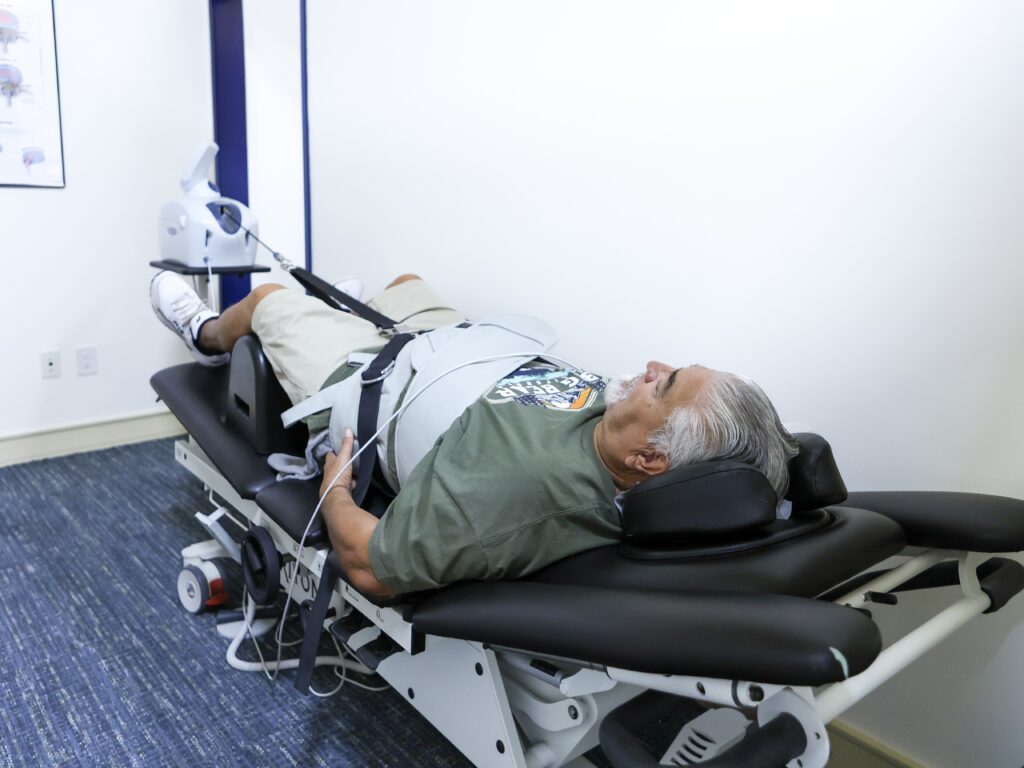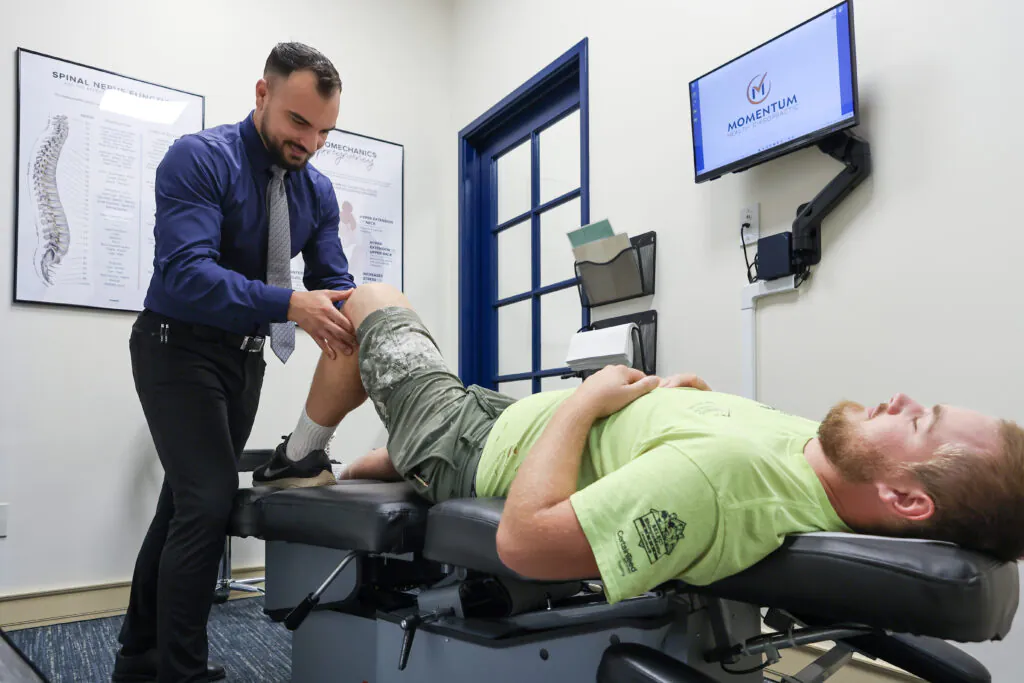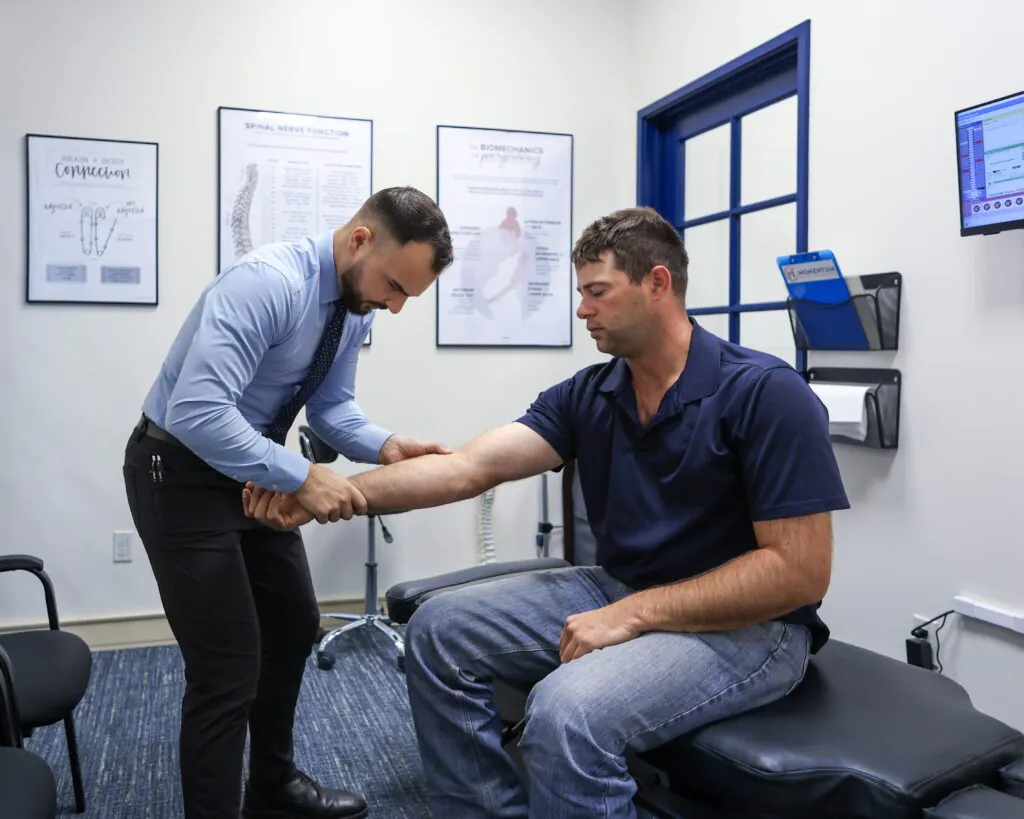

As a local chiropractor, I understand that many of you may be grappling with back pain and might not be familiar with the benefits of chiropractic care and natural healing techniques. It’s essential to know that there are effective ways to find relief without solely relying on medication.
Incorporating simple changes into your daily routine, such as stretching and strengthening exercises, can greatly improve your back health. You may be surprised to learn how small adjustments in your posture and workspace can lead to significant reductions in discomfort.
Are you ready to explore strategies that seamlessly integrate into your lifestyle? Let’s take a closer look at various natural methods that can empower you to take control of your back health and enhance your overall well-being. Together, we can work towards a pain-free life!
Understanding the Causes of Back Pain
As your local chiropractor, I want to help you understand the common causes of back pain so you can take control of your health. One of the major culprits is poor posture, which can place significant strain on your spine and muscles over time. If you’re sitting at a desk for long periods, you may notice that your back feels particularly tense or sore.
Another common cause of back pain is heavy lifting. Using improper techniques can create unnecessary pressure on your back, leading to injuries. It’s important to lift with your legs and maintain a neutral spine to prevent strain.
Additionally, stress can contribute to muscle tension, which often manifests as discomfort in the back. As we age, our bodies naturally go through wear and tear, which can lead to issues like degenerative discs or arthritis that may also contribute to your back pain.
In some cases, underlying medical conditions, such as herniated discs, might be responsible for your symptoms. By identifying these causes, you can gain valuable insight into what triggers your pain.
This understanding empowers you to make lifestyle changes and adopt preventive strategies, which are essential components of chiropractic care. Our goal is to help you achieve optimal back health and find relief from discomfort through natural healing methods.
Gentle Stretching Exercises
As a local chiropractor, I want to share the benefits of gentle stretching exercises for managing back pain and enhancing flexibility. Many of my patients have found that incorporating these simple but effective techniques into their daily routines can lead to significant improvements in their overall comfort and well-being.
Understanding the right frequency and duration of these stretches is essential. With consistent practice, you can help alleviate discomfort and promote a healthier spine.
I encourage you to explore how these gentle movements can positively impact your daily life and overall health. Remember, taking care of your body naturally is a vital part of maintaining your wellness.
Benefits of Stretching
As a local chiropractor, I want to emphasize the vital role that stretching plays in managing back pain. Many of my patients may not realize that regular stretching is key to enhancing flexibility and alleviating muscle tension.
When you incorporate stretching into your daily routine, you boost blood circulation to your muscles, which promotes healing and reduces stiffness.
Furthermore, stretching is beneficial for improving your posture, making everyday activities much easier and more comfortable. By embracing gentle stretches, you can expect to see a reduction in pain levels and an increase in your range of motion over time.
It’s also important to note that stretching can help relieve stress, a common factor that contributes to muscle tightness. By making stretching a consistent habit, you not only support the relief of back pain but also enhance your overall physical well-being.
This allows you to engage more fully in your daily life, making activities more enjoyable and less painful. If you’re unsure how to start, I’m here to guide you through effective stretches tailored to your needs.
Effective Stretching Techniques
As a local chiropractor, I want to share some gentle stretching techniques that can significantly help manage back pain and enhance your overall well-being.
One great starting point is the cat-cow stretch. To perform this, get on your hands and knees and alternately arch your back and round it. This movement not only increases flexibility but also alleviates tension in your back.
Another effective stretch to incorporate is the child’s pose. Simply kneel down, sit back on your heels, and extend your arms forward while resting your forehead on the ground. Hold this position for a few deep breaths to help release tightness in your back and hips.
You might also benefit from the seated forward bend. While sitting, reach for your toes while ensuring your back stays straight. This stretch is excellent for targeting your hamstrings and lower back, providing relief from discomfort.
Lastly, consider adding the spinal twist to your routine. While seated, gently twist your torso to one side and then to the other. This movement promotes mobility in your spine and can help alleviate stiffness.
By regularly practicing these stretches, you can reduce discomfort and enhance your back health.
Frequency and Duration
As a local chiropractor, I want to share with you the importance of incorporating effective stretches into your routine to help manage back pain. It’s not just about doing the stretches; understanding how often and how long to practice them can truly enhance your wellness journey.
I recommend aiming to stretch at least three to five times a week. Consistency is essential for success, so try to dedicate 15 to 30 minutes for each session.
When you stretch, focus on gentle, controlled movements. It’s important to listen to your body—aim for a slight tension that feels good, but avoid any pain.
If possible, integrate your stretching into your daily activities; for example, take a few moments to stretch during breaks at work or while you’re relaxing in front of the TV.
Remember, everyone’s body is different, so if you experience any discomfort, don’t hesitate to adjust how frequently or how long you stretch.
With commitment and care, you’ll likely see improvements in your flexibility and overall back health. If you have any questions or need guidance on specific stretches, feel free to reach out—we’re here to support your journey to better health!
Strengthening Your Core
As a local chiropractor, I want to emphasize the importance of core strength in managing back pain. Many individuals may not realize that a strong core is vital for supporting your spine and enhancing overall stability.
When your core is well-conditioned, it can help distribute weight evenly across your body, which significantly reduces strain on your back. To help you strengthen your core, I recommend incorporating the following three exercises into your routine:
- Plank: This exercise is fantastic for building endurance in your core muscles. Aim to hold a plank position for 20-30 seconds, ensuring that your body remains straight and your abdominal muscles are engaged throughout the hold.
- Bird-Dog: This exercise not only strengthens your core but also improves balance. Begin on your hands and knees, then extend one arm forward while simultaneously extending the opposite leg back. Keep your hips level, hold the position for a few seconds, and then switch sides.
- Dead Bug: This exercise is excellent for coordination and core stability. Lie on your back with your arms reaching towards the ceiling and your knees bent at a 90-degree angle. Slowly lower one arm and the opposite leg towards the floor, being mindful to return to the starting position without straining your back.
By incorporating these exercises into your daily routine, you can make a significant improvement in managing your back pain.
The Role of Posture in Back Health
As a local chiropractor, I want to emphasize the vital role that your posture plays in maintaining a healthy back. Many people may not realize just how much their sitting and standing habits can impact their spine.
For instance, slouching is a common posture that can lead to increased strain on your spine, resulting in discomfort and pain over time.
To help prevent these issues, I encourage you to consider incorporating ergonomic designs in your workspace. This can significantly support better posture and reduce the risk of back problems.
Importance of Ergonomic Design
As a local chiropractor, I want to emphasize the importance of ergonomic design in your workspace for maintaining good posture and preventing back pain.
Creating an environment that supports your body’s natural alignment can significantly reduce discomfort and improve your overall well-being. Here are three essential elements to consider:
- Chair Height: It’s vital that your chair allows your feet to rest flat on the ground, ensuring your knees are at a 90-degree angle. This position helps distribute your weight evenly and alleviates stress on your spine.
- Desk Position: Your desk should be set at elbow height. This way, your arms can rest comfortably while typing, which minimizes tension in your shoulders and reduces the risk of developing musculoskeletal issues.
- Monitor Placement: Positioning your computer screen at eye level is crucial. This prevents unnecessary strain on your neck and back, encouraging a more upright posture and reducing the likelihood of discomfort during long hours of work.
By being mindful of these ergonomic principles, you can create a healthier workspace that supports your body and enhances your overall health.
As always, I’m here to guide you in achieving optimal alignment and wellness through chiropractic care.
Effects of Slouching Posture
As a local chiropractor, I want to emphasize the vital role that posture plays in your overall health. Many individuals underestimate the importance of maintaining good posture, especially when working at a desk or using electronic devices.
When you slouch, it places unnecessary strain on your back muscles and spine, which can lead to discomfort and pain. This misalignment doesn’t just cause immediate aches; it can also lead to long-term issues such as herniated discs and chronic pain conditions.
Moreover, slouching compresses your internal organs, which can hinder your breathing and reduce oxygen flow throughout your body. This, in turn, can leave you feeling fatigued and less productive.
It’s crucial to be mindful of your posture throughout the day. By consciously adjusting your position—keeping your shoulders back, your spine straight, and your feet flat on the floor—you can alleviate these negative effects.
Simple adjustments to your posture can significantly improve your back health and overall well-being. As a chiropractor, I encourage you to prioritize your posture. Your body will truly thank you in the long run, and you may find yourself feeling more energetic and focused as a result.
Mindfulness and Relaxation Techniques
As a local chiropractor, I understand that back pain can often feel overwhelming and frustrating. However, incorporating mindfulness and relaxation techniques into your routine can significantly enhance your ability to manage discomfort.
These practices not only help alleviate stress but also promote a sense of calm, enabling you to cope better with your pain. Here are three effective techniques that I recommend for my patients:
- Deep Breathing: Take a moment to focus on your breath. Inhale deeply through your nose, allowing your abdomen to expand, and exhale slowly through your mouth. This simple practice can lower tension in your body and improve oxygen flow to your muscles, which is vital for healing.
- Meditation: Setting aside just a few minutes each day for quiet reflection or guided meditation can have profound benefits. This practice helps clear your mind, allowing you to shift your focus away from pain and cultivate a more peaceful mindset.
- Progressive Muscle Relaxation: This technique involves systematically tensing and then relaxing each muscle group in your body, starting from your toes and working your way up to your head. Not only does this help reduce muscle tension, but it also enhances your body awareness, which is essential for understanding how your body responds to pain.
By integrating these mindfulness and relaxation techniques into your daily life, you can support your body’s natural healing processes and improve your overall well-being.
If you have any questions or would like to learn more about how chiropractic care can assist you in managing back pain, please feel free to reach out.
The Benefits of Heat and Cold Therapy
As a local chiropractor, I want to share some valuable insights on how heat and cold therapy can be effective in managing your back pain. Many of my patients have found these methods to be powerful tools in their healing journey, particularly when used thoughtfully and strategically.
Applying heat to your back can work wonders by relaxing tight muscles and enhancing blood circulation. This increased blood flow helps alleviate stiffness and discomfort, making it easier for you to move. You might consider using a heating pad, wrapping a warm towel around the affected area, or even indulging in a warm bath to experience these soothing benefits.
Conversely, cold therapy plays a crucial role in reducing inflammation and numbing sharp pain. For this, I recommend using ice packs or cold compresses on the painful area for about 15-20 minutes at a time. This can be especially helpful after engaging in activities that might worsen your back pain.
What I often advise my patients is to alternate between heat and cold therapy to discover which combination provides the most relief for their specific situation. Always pay attention to your body’s signals, and be sure to adjust the temperature to prevent any risk of burns or frostbite.
By incorporating these simple yet effective techniques into your routine, you may find significant relief from your back pain, enhancing your overall well-being.
Nutritional Approaches to Pain Relief
As a local chiropractor, I often see patients who are unaware of the significant role nutrition can play in pain management, particularly when it comes to alleviating back pain.
It’s important to understand that the right dietary choices can’t only help reduce discomfort but also promote healing in the body. Here are three nutritional approaches I recommend considering for better back health:
1. Omega-3 Fatty Acids: Incorporating foods rich in omega-3 fatty acids, such as fatty fish like salmon and plant-based options like walnuts, can be beneficial. These healthy fats have been shown to decrease inflammation, which may help ease your pain and support recovery.
2. Fruits and Vegetables: Aim to fill your plate with colorful fruits and vegetables! Options like berries, leafy greens like spinach, and cruciferous vegetables such as broccoli are packed with antioxidants.
These nutrients work to combat oxidative stress and inflammation, ultimately benefiting your overall health and well-being.
3. Whole Grains: Choosing whole grains such as brown rice, quinoa, and oats can provide essential nutrients and fiber. These foods not only support digestive health but also help manage your weight, reducing unnecessary strain on your back.
By incorporating these foods into your daily diet, you may notice a positive change in your pain levels and overall health.
As a chiropractor, I encourage you to view nutrition as a key component of your holistic approach to pain relief and wellness.
Alternative Therapies: Acupuncture and Massage
As a local chiropractor, I want to share some insights on effective ways to manage back pain through alternative therapies such as acupuncture and massage. These methods can provide significant relief and complement the chiropractic care you receive.
Acupuncture, for instance, involves the insertion of thin needles into specific points on your body. This practice aims to balance your body’s energy, reduce inflammation, and alleviate pain. Many of my patients have reported that consistent acupuncture sessions not only help improve their mobility but also diminish their discomfort, making it a valuable addition to their overall treatment plan.
Massage therapy is another excellent option. It focuses on manipulating soft tissues to increase circulation and relieve muscle tension. Whether you’re experiencing tightness in a specific area or generalized pain, massage can target those problem spots, promoting relaxation and an overall sense of well-being.
Integrating both acupuncture and massage into your care can offer a holistic approach to managing your back pain. I encourage you to consult with licensed practitioners in these fields to tailor treatments that align with your unique needs.
Creating a Sustainable Self-Care Routine
As a local chiropractor, I want to emphasize the importance of creating a sustainable self-care routine to effectively manage back pain. Incorporating various therapies, including chiropractic care, can greatly enhance your recovery, but establishing a consistent routine is crucial for supporting your body.
Here are three key components I recommend for your self-care regimen:
- Daily Stretching: It’s important to include gentle stretches that specifically target your back and the surrounding muscles. I suggest dedicating at least 10-15 minutes each day to these stretches. This practice will improve your flexibility and help reduce tension, which can significantly alleviate discomfort.
- Mindfulness Practices: Stress can be a major contributor to back pain, and engaging in mindfulness activities can help manage it effectively. Consider incorporating meditation or deep-breathing exercises into your daily routine. Even setting aside a few minutes each day for these practices can lead to noticeable improvements in your overall comfort and well-being.
- Regular Movement: Keeping your body active is vital for strengthening your back and promoting overall health. Aim to move regularly throughout the day—whether it’s going for a walk, practicing light yoga, or engaging in low-impact exercises. This consistent movement not only helps with your back pain but also enhances your overall physical condition.
By integrating these components into your daily life, you can create a supportive environment for recovery and take an active role in managing your back pain naturally.
Conclusion
As your local chiropractor, I want to share some effective natural techniques for managing back pain that can significantly improve your overall well-being. It’s essential to incorporate gentle stretching into your daily routine, as this helps to maintain flexibility and reduce tension in your back. Strengthening your core muscles is also crucial, as a strong core supports your spine and promotes good posture.
In addition to physical exercises, I encourage you to explore mindfulness and relaxation practices. These techniques can help reduce stress, which often exacerbates back pain. Utilizing heat and cold therapy can provide immediate relief by reducing inflammation and increasing blood flow to the area.
Don’t overlook the potential benefits of nutritional approaches and alternative therapies such as acupuncture and massage. These modalities can work in tandem with chiropractic care to enhance your healing process and alleviate discomfort.
Remember, consistency is key. Together, we can create a personalized self-care routine that fits your lifestyle and helps you stay committed to your health journey. If you have any questions about how chiropractic care can assist you in managing your back pain, don’t hesitate to reach out. Your well-being is our priority!