
If you’ve ever faced the challenge of persistent headaches, you understand just how disruptive they can be to your daily life. What many people don’t realize is the significant connection between spine alignment and headache relief. As a chiropractor, I want to share how spinal adjustments can not only target the underlying causes of your discomfort but also offer a natural alternative to medications.
So, how do these adjustments work? When your spine is misaligned, it can create tension and pressure in the nerves and muscles surrounding your head and neck. By gently realigning the spine, chiropractic adjustments help relieve this tension, promoting better blood flow and reducing headache symptoms. This natural approach empowers your body to heal itself without relying on medications or invasive procedures.
During a chiropractic visit, you can expect a thorough assessment of your spine and overall health. I’ll take the time to understand your specific symptoms and lifestyle to create a personalized treatment plan. You might feel some immediate relief after your first adjustment, but consistent care often leads to more lasting results.
Here are a few tips to help manage headaches naturally alongside chiropractic care:
- Stay Hydrated: Dehydration can trigger headaches, so ensure you’re drinking enough water throughout the day.
- Maintain Good Posture: Poor posture can strain your neck and spine, leading to tension headaches. Be mindful of your posture while sitting or standing.
- Incorporate Relaxation Techniques: Stress can be a significant headache trigger. Practices like deep breathing, meditation, or gentle yoga can help reduce stress levels.
- Regular Exercise: Engaging in regular physical activity can release endorphins, which act as natural pain relievers, and improve overall wellness.
- Sleep Hygiene: Ensure you’re getting adequate rest. A consistent sleep schedule and a comfortable sleep environment can greatly benefit your headache management.
By embracing chiropractic care and these healthy habits, you can take charge of your well-being and find effective relief from headaches. Remember, your journey to optimal health is within your reach!
Key Takeaways
- Spinal adjustments are an effective way to correct misaligned vertebrae, which can help reduce nerve irritation and muscle tension often associated with headache pain. By ensuring that your spine is properly aligned, we can alleviate the discomfort you may be experiencing.
- When your spine is aligned, it enhances nerve function, allowing for better communication between your brain and body. This natural process can lead to significant relief from headaches without the need for medications.
- Chiropractic care is a holistic approach that not only helps in reducing the frequency and intensity of headaches but also promotes overall well-being. By focusing on your spinal health, we can support your body’s natural ability to heal itself.
- Regular spinal adjustments can also help with associated issues like neck pain and stress, which can further improve your energy levels and overall quality of life. Taking care of your spine is crucial for maintaining a healthy and active lifestyle.
- To enhance the benefits of spinal adjustments, consider incorporating simple self-care practices into your daily routine. Staying hydrated, practicing good posture, and managing stress can all play a significant role in headache relief and prevention. Remember, your health is a journey, and chiropractic care is here to support you every step of the way!
Understanding Headaches: Types and Causes
Headaches can often feel overwhelming, but understanding their types and causes is a crucial step toward finding relief, and chiropractic care can play a significant role in your journey to wellness. There are several types of headaches, including tension headaches, migraines, and cluster headaches.
Tension headaches are the most common and often stem from stress, poor posture, or muscle tension in the neck and upper back. You may notice a dull, aching sensation and tightness around your forehead. Regular chiropractic adjustments can help alleviate this tension by improving spinal alignment and reducing muscle strain, leading to less frequent and less intense headaches.
Migraines, on the other hand, can be intense and debilitating, frequently accompanied by nausea or sensitivity to light and sound. Various triggers, such as certain foods or hormonal changes, can set them off. Chiropractic care can assist in managing migraines by focusing on spinal health and overall body function. Techniques like spinal adjustments and soft tissue therapy can help reduce the frequency and severity of these episodes.
Cluster headaches are less common but occur in cyclical patterns, causing severe pain around one eye. While they can be challenging to manage, chiropractic care can still offer support. By addressing underlying spinal issues and promoting relaxation, you may find some relief from the intense discomfort associated with these headaches.
By identifying the type of headache you’re experiencing, you can gain insight into its underlying causes. This understanding empowers you to take proactive steps in managing your discomfort. Here are some general tips to help you find relief:
- Stay Hydrated: Dehydration can trigger headaches, so make sure you’re drinking plenty of water throughout the day.
- Maintain Good Posture: Pay attention to your posture, especially if you spend long hours sitting at a desk. Good alignment can help reduce tension headaches.
- Manage Stress: Incorporate relaxation techniques such as deep breathing, yoga, or meditation into your routine to help lower stress levels.
- Regular Chiropractic Care: Consider regular visits to a chiropractor to keep your spine aligned, which can help minimize headaches and improve your overall health.
The Role of Spine Alignment in Headache Relief
Spinal alignment is crucial when it comes to finding relief from headaches, especially for those dealing with tension headaches and migraines. A misaligned spine can create muscle tension and irritate nerves, which are common triggers for headaches. Many people may not realize that factors like poor posture, stress, or injuries can disrupt the natural balance of the spine, leading to discomfort that extends to the head.
As a local chiropractor, I want to emphasize the importance of maintaining a healthy spine for overall wellness. Chiropractic care focuses on aligning your spine to alleviate tension and restore proper nerve function, which can significantly reduce headache occurrences. By addressing the root cause rather than just masking symptoms, chiropractic treatment offers a natural and effective solution for headache relief.
Here are a few simple tips you can incorporate into your daily routine to promote better spinal alignment and potentially reduce headaches:
- Practice Good Posture: Be mindful of your posture when sitting, standing, or walking. Keep your shoulders back and avoid slouching, particularly if you work at a desk for long hours.
- Stay Hydrated: Dehydration can contribute to headaches. Ensure you drink plenty of water throughout the day to keep your body hydrated.
- Take Regular Breaks: If you’re sitting for extended periods, take short breaks to stretch and move around. This helps relieve tension in your muscles and keeps your spine aligned.
- Invest in Ergonomics: Use ergonomic furniture and tools that support good posture. For example, a chair with proper lumbar support can make a big difference.
- Manage Stress: Chronic stress can lead to muscle tightness and headaches. Engage in relaxation techniques such as deep breathing, meditation, or yoga to help manage stress levels.
How Spinal Adjustments Work
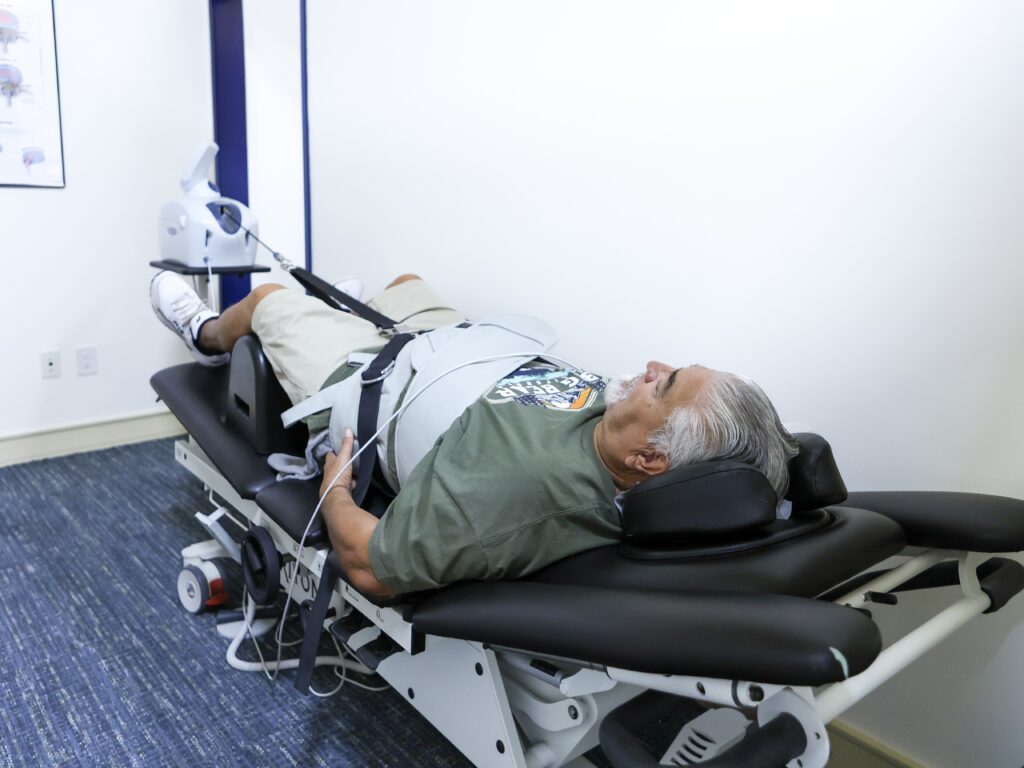
When you come in for a spinal adjustment, I apply controlled pressure to specific joints in your spine. This technique helps restore proper alignment and function. Misaligned vertebrae can lead to tension and disrupt nerve signals, which is why addressing these misalignments is crucial for your overall health. By gently adjusting these joints, I encourage your body to tap into its natural healing abilities.
Many patients report feeling immediate relief during and after an adjustment, as pressure is released from the surrounding muscles and nerves. This relief can improve blood flow, making it easier for your body to deliver essential nutrients and oxygen where they’re needed most.
Spinal adjustments also help relax tight muscles, which can be a common cause of tension headaches. By stimulating the nervous system, these adjustments enhance communication between your brain and your body, promoting a sense of well-being. This holistic approach not only helps reduce the frequency of headaches but also supports a healthier lifestyle overall.
Incorporating regular chiropractic care into your routine can be one of the best choices you make for pain relief and natural wellness. Additionally, consider adding some simple habits to your daily life, such as maintaining good posture, staying active with gentle exercises, and practicing stress-reducing techniques like deep breathing or yoga. Remember, your body is designed to heal itself, and with the right support, you can achieve optimal health and wellness.
Benefits of Chiropractic Care for Headaches
Many individuals find incredible relief from headaches through chiropractic care. By correcting spinal misalignments, chiropractic adjustments not only alleviate tension but also enhance your overall body function. This means you’re likely to experience fewer headaches with less intensity, leading to an improved quality of life.
Chiropractic care boosts blood circulation and optimizes nerve function, which can significantly diminish headache symptoms. Instead of turning to medications, you can embrace a natural approach that encourages healing and wellness from within.
A frequent benefit reported by my patients is a decreased need for pain relievers, as consistent adjustments help keep headaches at bay. Plus, chiropractic care often provides relief from related issues like neck pain and stress, promoting a more relaxed and balanced state of being.
To maximize the benefits of chiropractic care, here are a few simple tips you can incorporate into your routine:
- Stay Hydrated: Proper hydration can help reduce headache frequency.
- Maintain Good Posture: Be mindful of your posture, especially if you spend long hours at a desk. Good alignment can help prevent tension buildup.
- Practice Relaxation Techniques: Incorporate deep breathing or meditation to help manage stress, which can trigger headaches.
- Regular Adjustments: Consider scheduling regular chiropractic visits to keep your spine aligned and your body functioning optimally.
What to Expect During a Chiropractic Visit
During your chiropractic visit, you can look forward to a comprehensive assessment of your health and any specific concerns you may have. Your chiropractor will begin by asking about your headache history, symptoms, and any other relevant medical conditions. This inquiry is essential as it helps us get to the root cause of your discomfort and address it effectively.
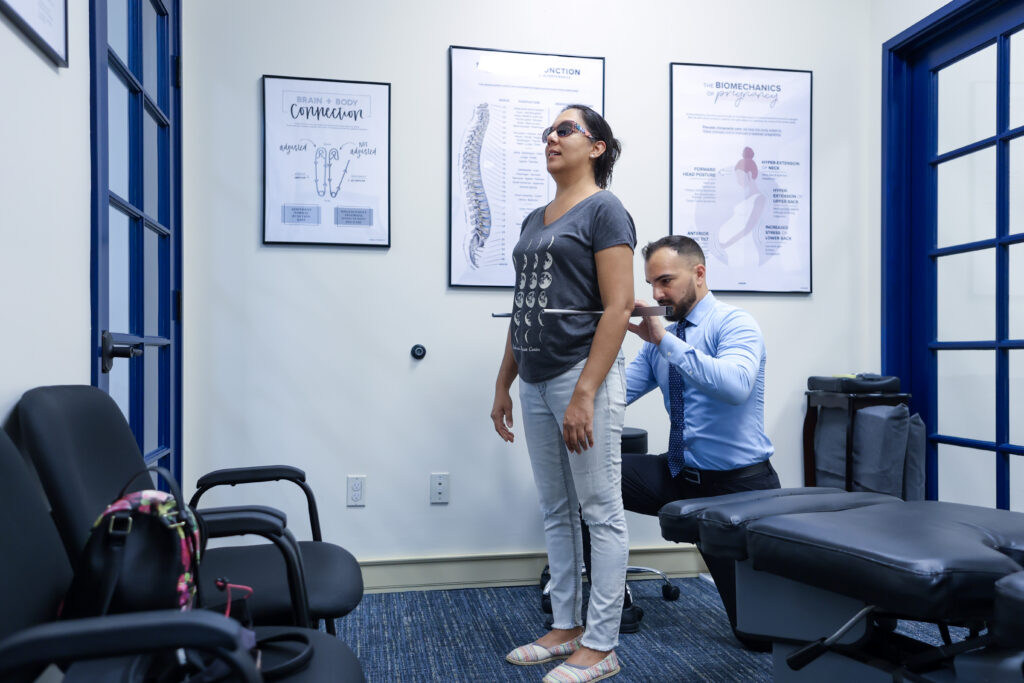
Following this, a physical examination will take place. We’ll evaluate your posture, spinal alignment, and range of motion. You may also undergo some simple neurological tests to assess how your body is functioning. Based on this thorough evaluation, your chiropractor will create a personalized treatment plan designed just for you.
During your first visit, you’ll likely receive your initial spinal adjustment. This adjustment is typically a quick procedure and can provide immediate relief. After your adjustment, your chiropractor may recommend follow-up appointments or additional therapies, such as specific exercises or lifestyle changes, to enhance your results and promote your overall well-being.
Throughout your visit, expect open communication and a collaborative approach focused on your health. Remember, chiropractic care isn’t just about treating pain; it’s about achieving optimal health and wellness naturally.
Here are a few general tips to enhance your wellness journey:
- Maintain good posture, especially when sitting for long periods.
- Stay active with regular exercise to support your spine and overall health.
- Ensure you’re hydrated and eat a balanced diet to nourish your body.
- Practice stress-relief techniques, such as deep breathing or meditation, to help reduce tension.
Case Studies: Success Stories of Spinal Adjustments
Patients often share inspiring success stories about how spinal adjustments have positively impacted their lives, especially when it comes to headaches.
Take Sarah, for example. She dealt with chronic migraines for years, feeling like they were a constant cloud over her daily life. After receiving a series of spinal adjustments, she experienced a remarkable reduction in both the frequency and intensity of her headaches. With less pain, she was able to fully engage in her daily activities without the constant worry of an impending migraine.
Then there’s Tom, who struggled with tension headaches caused by poor posture from long hours spent at his desk. After undergoing targeted spinal adjustments, he found relief within just a few weeks. This not only helped alleviate his headaches but also improved his focus and energy levels throughout the day.
These personal experiences are a testament to the power of spinal adjustments in relieving headache symptoms. If you’re considering this treatment, keep in mind that everyone’s journey is unique. However, many individuals have discovered hope and relief through chiropractic care.
To support your journey toward a pain-free life, here are a few tips to incorporate alongside your spinal adjustments:
- Maintain Good Posture: Be mindful of your posture, especially when sitting for long periods. Make sure your workspace is ergonomically designed to support your spine.
- Stay Hydrated: Dehydration can contribute to headaches. Drinking plenty of water throughout the day can help maintain overall health and reduce headache occurrences.
- Practice Relaxation Techniques: Stress can be a major trigger for headaches. Consider incorporating practices like deep breathing, yoga, or meditation into your routine to help manage stress levels.
- Get Regular Exercise: Engaging in regular physical activity can strengthen your muscles and improve your posture, which may help in reducing headaches.
- Prioritize Sleep: Ensure you’re getting enough restful sleep, as poor sleep can lead to increased headache frequency.
Chiropractic care is a natural, effective approach to achieving optimal health and wellness. Your path to relief may be just a few adjustments away!
Complementary Therapies to Enhance Relief
While spinal adjustments are a cornerstone of effective headache relief for many individuals, incorporating complementary therapies can significantly enhance your overall well-being. One valuable option is acupuncture, which helps alleviate tension and improve your body’s energy flow, potentially providing additional relief. Massage therapy is another excellent choice, as it eases muscle tightness and reduces stress, making headaches less frequent.
Consider exploring the soothing benefits of essential oils, like lavender or peppermint. When used in aromatherapy or applied topically, these oils can offer a natural way to ease headache symptoms. Additionally, practices such as yoga and mindfulness meditation can be incredibly beneficial, promoting relaxation and helping to lower stress levels, which are common headache triggers.
Don’t forget the basics: staying properly hydrated and eating a balanced diet are crucial. These habits ensure your body receives the nutrients it needs to function optimally. By integrating these complementary approaches with your chiropractic care, you can maximize the benefits of your spinal adjustments and create a comprehensive strategy for headache relief.
Tips for Maintaining Spine Health at Home
To maintain a healthy spine at home, start with your workspace setup. Creating an ergonomic environment is key to ensuring that you feel comfortable and supported throughout your day. A well-aligned chair and desk can help prevent strain on your back and neck, which are crucial for overall spinal health.
In addition to a proper workspace, it’s essential to incorporate regular stretching exercises into your routine. These exercises not only enhance flexibility but also help alleviate tension in your muscles, which can reduce discomfort. Simple stretches like neck rolls, back bends, and hamstring stretches can be done easily at home.
Remember, chiropractic care is an excellent way to achieve optimal health and pain relief. Regular visits to your chiropractor can help keep your spine in alignment, allowing your body to function at its best. By combining good posture, ergonomic setups, and chiropractic care, you can ensure a healthier spine and a happier, more active life.
Prioritize your spinal health today for a better tomorrow!
Ergonomic Workspace Setup
Creating an ergonomic workspace at home is crucial for maintaining your spine health and preventing discomfort, such as headaches. As a chiropractor, I understand the importance of proper posture and support while working from home. Here are some simple tips to help you set up your workspace in a way that promotes natural wellness and reduces strain on your body:
| Element | Tip |
|---|---|
| Chair | Choose a chair with good lumbar support to maintain the natural curve of your lower back. |
| Desk Height | Adjust your desk so your elbows are at a comfortable 90-degree angle, allowing for relaxed shoulders. |
| Monitor Position | Position the top of your monitor at eye level to keep your neck aligned and reduce strain. |
| Keyboard & Mouse | Keep your keyboard and mouse close enough so that you can use them without reaching, which can lead to tension in your arms and shoulders. |
Regular Stretching Exercises
Incorporating regular stretching exercises into your daily routine can significantly enhance your spine health and overall well-being. As a chiropractor, I often emphasize the importance of stretching, as it helps improve flexibility, alleviate muscle tension, and promote better posture—factors that can contribute to reducing headaches caused by muscle strain.
To get started, consider simple stretches like neck rotations, shoulder rolls, and spinal twists. Each stretch should be held for 15-30 seconds, allowing your muscles to relax and benefit from the movement. I recommend setting aside a few minutes each day for these stretches, whether in the morning or after long periods of sitting.
Remember to listen to your body; if you feel any pain during a stretch, ease off. The goal is to nurture your spine and create a sense of calm, which can help you manage stress and discomfort more effectively.
While stretching is beneficial, it’s important to complement it with regular chiropractic care. Chiropractic adjustments can help realign your spine, improve mobility, and enhance the overall effectiveness of your stretching routine. Together, these practices can lead to optimal health and a more vibrant lifestyle.
Stay committed to both stretching and chiropractic care for the best results!