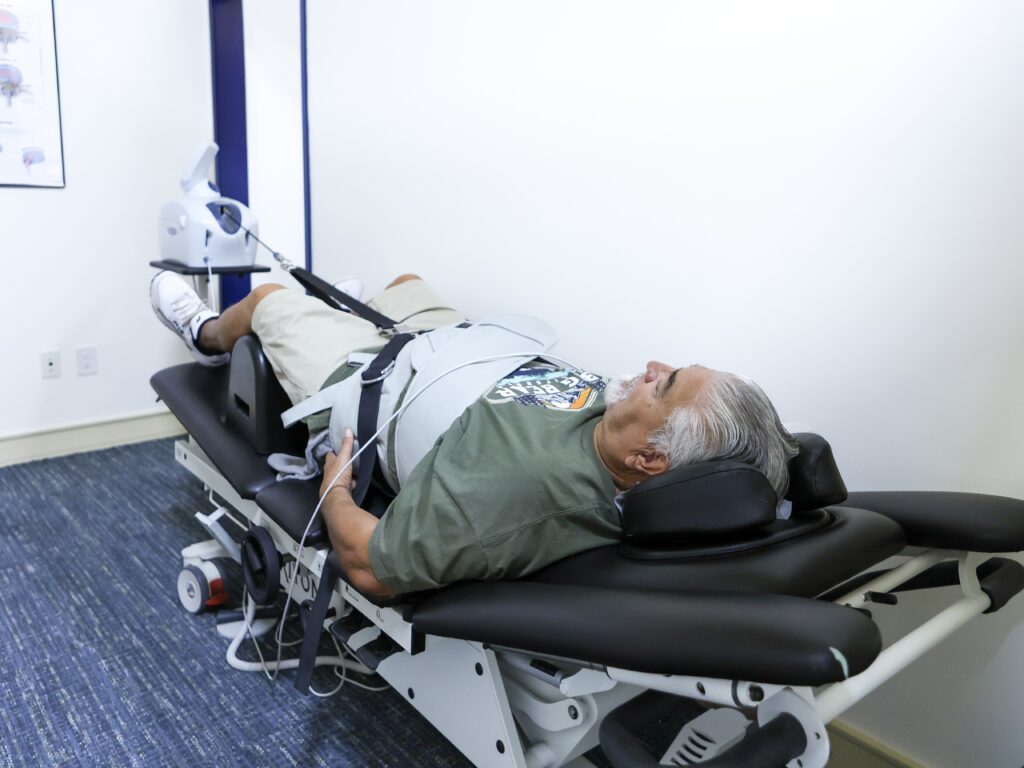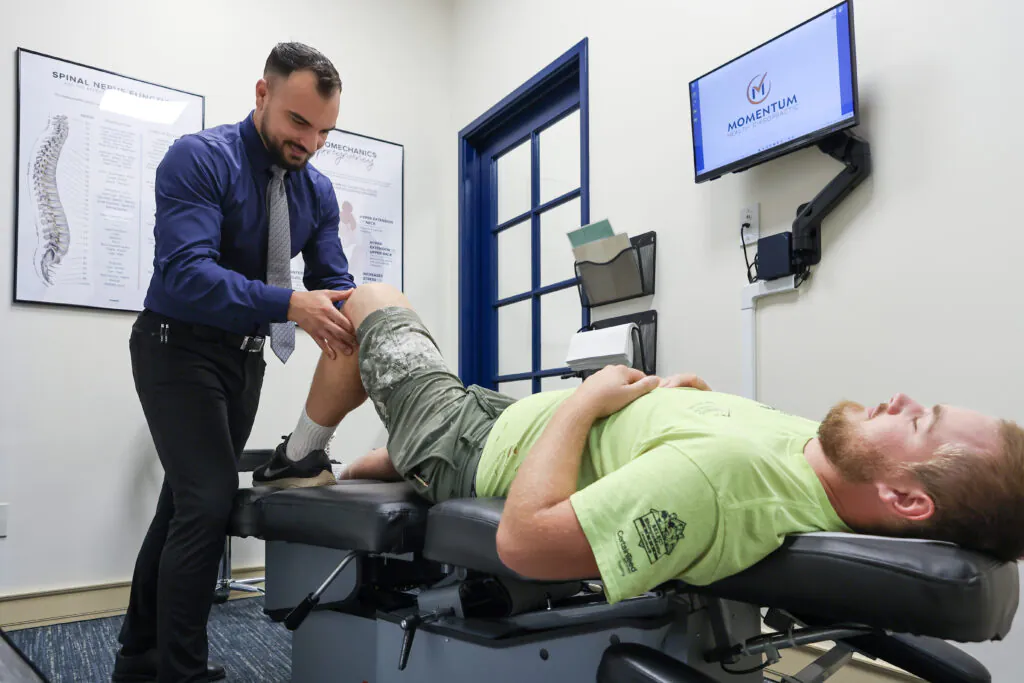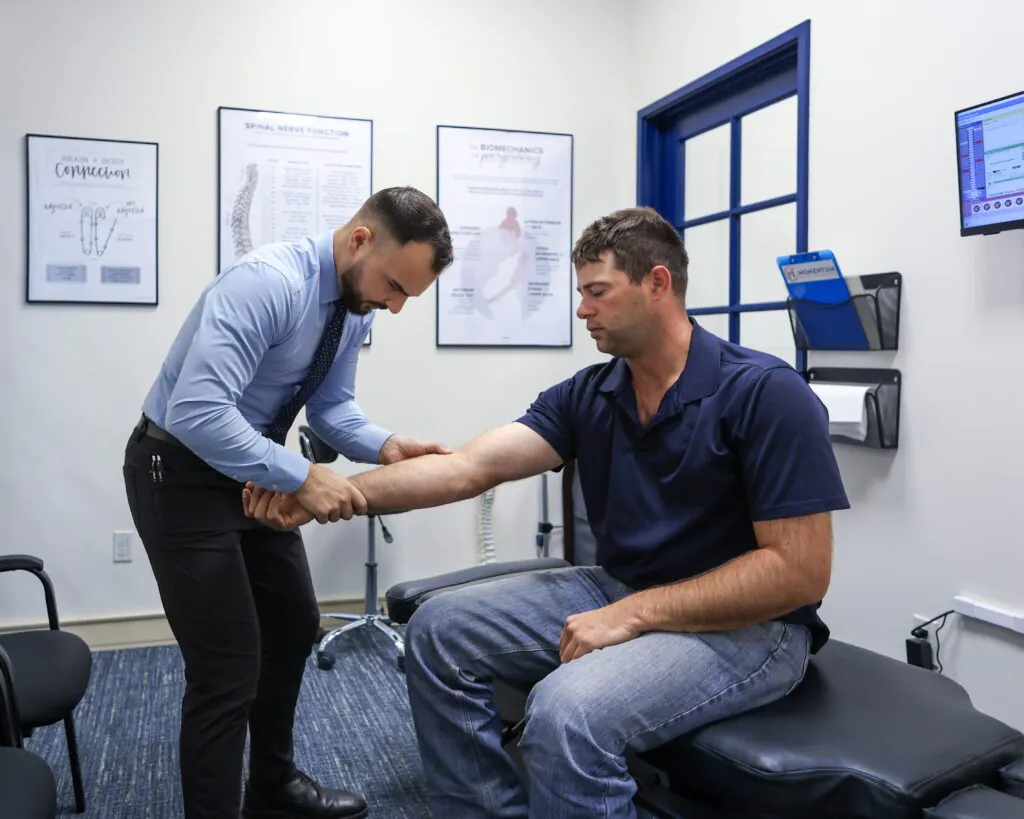

As a local chiropractor, I want to emphasize that finding relief from back pain is often a journey that involves more than just quick fixes. It’s crucial to adopt a comprehensive approach that includes proper posture, consistent exercise, and ergonomic adjustments in your daily life. Have you thought about how even minor changes in your routine could lead to significant long-term improvements in your back health?
Let’s delve into some effective strategies that I often recommend to my patients. By focusing on these holistic methods, you can transform not only your experience with back pain but also your overall well-being. Remember, chiropractic care is about more than just alleviating pain; it’s about fostering a healthier lifestyle and preventing future issues.
Understanding the Causes of Back Pain
As a local chiropractor, I want to help you understand the causes of back pain so that you can find effective, natural relief. Back pain can arise from a variety of factors, including muscle strains, improper lifting techniques, or even the effects of sitting for long periods.
If you’ve recently lifted something heavy or twisted your body in an unusual way, that could be the source of your discomfort. Additionally, injuries from sports activities or accidents can lead to persistent pain.
It’s also important to recognize that certain medical conditions, such as arthritis or herniated discs, may contribute to your back pain. Furthermore, stress and anxiety can create tension in your muscles, making the situation worse. By identifying these triggers, you can take proactive steps towards alleviating your pain.
In our practice, we focus on understanding the root cause of your discomfort. This allows us to address it directly through chiropractic adjustments, targeted exercises, and lifestyle changes tailored to your needs.
Importance of Posture in Preventing Back Pain
As a local chiropractor, I want to emphasize the crucial role that maintaining proper posture plays in preventing back pain and supporting your overall spinal health.
When you adopt good posture while sitting, standing, or moving, you help distribute your body weight evenly across your spine. This practice significantly reduces the strain on your muscles and ligaments, helping to prevent discomfort and tension.
Conversely, slouching or hunching can create muscle imbalances, leading to pain and stiffness.
To help you maintain good posture, I recommend keeping your shoulders back and aligning your head with your spine.
If you find yourself sitting for extended periods, consider using ergonomic chairs designed to support your back. It’s also essential to take regular breaks to stretch and move your body.
Additionally, be mindful of your posture during everyday activities—whether you’re lifting objects or using your phone, proper alignment can make a world of difference in your spinal health.
Benefits of Regular Exercise and Strength Training
As a local chiropractor, I want to emphasize the incredible benefits of regular exercise and strength training for your overall health.
By incorporating these practices into your routine, you can significantly enhance your core stability, making daily tasks easier and safer. Not only will you experience improved flexibility and mobility, but you’ll also be better equipped to prevent injuries and alleviate discomfort.
Strengthening your back through these methods is crucial, as it supports not just your spinal health but your entire well-being.
Embracing a lifestyle that includes exercise and strength training can lead to a healthier, more vibrant life.
Enhanced Core Stability
As a local chiropractor, I often see patients who mistakenly believe that back pain is solely a result of inactivity. However, I want to emphasize the importance of enhancing your core stability through targeted exercise and strength training. A strong core is essential for supporting your spine, which in turn reduces strain on your back muscles and promotes better posture.
When you make it a habit to engage in regular workouts that focus on your abdominal and back muscles, you’re essentially building a solid foundation for all your daily activities. This newfound stability empowers you to lift, bend, and twist with confidence, significantly minimizing the risk of injury.
I highly recommend incorporating exercises such as planks, bridges, and squats into your routine. Not only do these movements help build strength, but they also enhance your endurance.
As you cultivate a stronger core, many of my patients notice a remarkable reduction in their back pain, allowing them to embrace a more active and fulfilling lifestyle.
Improved Flexibility and Mobility
As a local chiropractor, I want to emphasize the importance of consistent exercise for your overall well-being, particularly when it comes to strengthening your core and enhancing your flexibility and mobility. Improved flexibility plays a crucial role in reducing the risk of injury and alleviating back pain, which many of my patients experience.
By integrating regular strength training and stretching into your daily routine, you can reap numerous benefits that contribute to your health:
- Increased Range of Motion: This allows your joints to move more freely, making everyday tasks easier.
- Enhanced Muscle Elasticity: More elastic muscles can better withstand stress and strain, reducing the likelihood of injury.
- Better Posture and Alignment: Proper alignment helps prevent discomfort and can improve your overall health.
- Reduced Muscle Tension and Stiffness: Easing tension in your muscles can lead to a significant decrease in pain and improve your quality of life.
As you become more flexible and mobile, you’ll notice that you can perform movements with greater ease and comfort. This not only helps you feel better on a daily basis but also supports long-term relief from back pain.
I encourage you to commit to a consistent exercise routine, as it can be a powerful tool in your journey toward natural healing and overall wellness. Together, we can work towards improving your flexibility and mobility, setting the foundation for a healthier, pain-free life.
Incorporating Flexibility and Stretching Routines
As a local chiropractor, I want to emphasize the importance of incorporating flexibility and stretching routines into your daily life, especially if you’re seeking relief from back pain. Just a few minutes each day dedicated to these practices can significantly enhance your range of motion and alleviate muscle tension.
I recommend starting with gentle stretches that focus on your lower back, hips, and hamstrings. Effective movements include the cat-cow stretch, child’s pose, and seated forward bends—all of which can work wonders for your body.
To reap the most benefits, aim to stretch at least three times a week, though daily practice is even more advantageous. It’s crucial to listen to your body; while some discomfort is normal, you should never push through pain.
Consider making stretching a part of your morning routine to energize your day or as a calming practice in the evening to help you wind down.
Additionally, you might find yoga or Pilates beneficial, as both disciplines emphasize flexibility and core strength, which are vital for maintaining a healthy spine.
As you become more consistent with these routines, you’re likely to experience not only relief from pain but also improvements in your posture and overall well-being.
The Role of Ergonomics in Daily Activities
As a local chiropractor, I want to share with you how your daily activities may be impacting your back health.
Many people don’t realize that poor posture and an improperly designed workspace can significantly contribute to back pain. It’s essential to be mindful of how you sit and how your environment is set up.
Simple adjustments—like ensuring your chair supports your lower back or that your computer screen is at eye level—can lead to remarkable improvements in your comfort and overall well-being.
By making these changes and incorporating good habits into your daily routine, you can take an active role in supporting your back health and enhancing your quality of life.
Proper Sitting Posture
As a local chiropractor, I can’t stress enough the importance of proper sitting posture in preventing back pain and promoting overall spinal health. Many individuals underestimate how their sitting habits can significantly affect their well-being.
To help you maintain good posture throughout your daily activities, here are some essential tips to keep in mind:
- Make sure to sit all the way back in your chair, allowing it to fully support your back. This will help maintain the natural curve of your spine.
- Keep your feet flat on the floor or utilize a footrest if needed, as this helps distribute your weight evenly and reduces strain on your lower back.
- Position your knees at or just below hip level to encourage proper alignment of your spine.
- Ensure that your computer screen is at eye level. This alignment helps prevent unnecessary strain on your neck and shoulders.
By following these simple guidelines, you can enhance your posture, reduce discomfort, and support your body’s natural healing processes.
Workplace Design Considerations
As a local chiropractor, I want to share some important insights about preventing back pain, particularly in your workplace. Many people may not realize that good posture is just one component of a larger picture.
It’s crucial to examine your entire work environment, from the height of your chair to the arrangement of your desk. Investing in an ergonomic chair is essential; it should support your lower back and allow your feet to rest flat on the floor. This simple adjustment can make a significant difference in how your body feels throughout the day.
Additionally, positioning your computer monitor at eye level will help reduce strain on your neck, which is often a source of discomfort. It’s also vital to keep frequently used items within arm’s reach. This minimizes the need for excessive stretching or twisting, which can lead to strain and discomfort.
Another key aspect of maintaining a healthy workspace is incorporating regular breaks. Standing up, stretching, and moving around periodically can greatly benefit your spinal health.
By making these thoughtful adjustments to your work environment, you can create a healthier space that supports your body and helps alleviate back pain in the long run. Remember, prioritizing ergonomics is an investment in your well-being, and your back will certainly appreciate the care you give it.
If you have any questions or need personalized advice, feel free to reach out for guidance!
Nutritional Choices for Bone and Muscle Health
As a local chiropractor, I want to emphasize the importance of your nutritional choices for maintaining strong bones and muscles. Many people may not realize how crucial a balanced diet is to your overall musculoskeletal health.
Here are some key nutrients to focus on:
- Calcium: This mineral is vital for bone density, and you can find it in dairy products, leafy greens, and fortified foods. Ensuring adequate calcium intake is essential for preventing bone-related issues.
- Vitamin D: This vitamin plays a key role in helping your body absorb calcium effectively. You can boost your vitamin D levels through sunlight exposure, fatty fish, and fortified dairy products.
- Protein: Essential for muscle repair and growth, incorporating lean meats, poultry, fish, beans, and legumes into your diet is crucial. Adequate protein intake supports not just muscle health but also overall recovery and strength.
- Magnesium: This mineral is important for both muscle function and bone structure. You can find magnesium in nuts, seeds, whole grains, and green vegetables. It helps keep your muscles relaxed and supports your skeletal system.
By focusing on these essential nutrients, you can enhance your bone and muscle health naturally, complementing the benefits of chiropractic care for optimal well-being.
Stress Management Techniques for Pain Relief
As a chiropractor, I often see patients who are dealing with pain exacerbated by stress. It’s crucial to understand that managing stress can play a significant role in alleviating pain. One effective technique I recommend is deep breathing. By concentrating on your breath, you can soothe both your mind and body, which helps to ease tension. I suggest trying to inhale deeply through your nose, hold it for a few seconds, and then exhale slowly through your mouth. This simple practice can make a noticeable difference in how you feel.
Another beneficial approach is mindfulness meditation. Just a few minutes each day spent in quiet reflection can help you distance yourself from pain and stress. I encourage my patients to take this time to observe their thoughts without judgment, which can lead to greater emotional resilience.
Incorporating gentle yoga or stretching into your daily routine can also be incredibly helpful. These movements not only promote relaxation but also enhance your flexibility and strength, contributing to overall well-being.
Lastly, I want to highlight the importance of social support. Sharing your feelings with friends or family can significantly lighten your emotional burden. Engaging in these stress management techniques can lead to a reduction in your pain levels, promoting a healthier and more balanced life.
As your chiropractor, I’m here to guide you on this journey toward natural healing and improved health.
Creating a Sleep Environment for Better Recovery
As a local chiropractor, I want to emphasize the importance of a restful sleep environment in your recovery from back pain. Quality sleep is essential for your body to heal and rejuvenate.
Here are some practical tips to help you create an ideal sleep space:
- Choose the right mattress: A supportive mattress is crucial for proper spinal alignment. Look for one that suits your individual needs and provides the right balance of comfort and support.
- Maintain an optimal temperature: Keeping your bedroom cool, ideally between 60-67°F (15-19°C), can significantly enhance the quality of your sleep. A comfortable temperature helps your body relax and promotes deeper rest.
- Reduce noise disturbances: Disruptive sounds can interrupt your sleep cycle. Consider using earplugs or a white noise machine to create a more peaceful sleeping environment.
- Ensure darkness: A dark room is vital for quality sleep. Invest in blackout curtains to eliminate any light disturbances that may interfere with your ability to fall asleep and stay asleep.
By prioritizing these elements in your sleep environment, you can support your recovery process and enhance your overall well-being.
Alternative Therapies for Long-Term Relief
As a local chiropractor, I want to share with you the incredible benefits of alternative therapies for long-term relief from back pain. While traditional treatments like medication and physical therapy can certainly help, many of my patients have discovered that incorporating natural healing methods can lead to more sustainable relief.
One effective approach is chiropractic care, which focuses on spinal alignment. By carefully adjusting the spine, we can alleviate discomfort and improve your mobility. This method not only addresses your immediate pain but also promotes overall wellness by ensuring that your nervous system functions optimally.
In addition to chiropractic adjustments, I encourage you to consider complementary techniques such as acupuncture. This ancient practice targets specific points in the body to stimulate healing and reduce pain. Many patients report significant improvements after just a few sessions.
Practices like yoga and tai chi are also beneficial, as they enhance flexibility and strength while promoting relaxation—key elements in managing and reducing back pain over time.
Mindfulness and meditation can further assist you in transforming your perception of pain, making it more manageable.
Don’t overlook the power of herbal remedies either. Natural anti-inflammatory options like turmeric and ginger can support your recovery journey. However, it’s crucial to consult with me or another healthcare provider before starting any new therapy. This ensures that all treatments align with your specific health needs.
By exploring these alternative therapies alongside your chiropractic care, you may find a holistic approach that not only complements your existing treatment plan but also enhances your overall well-being.
Let’s work together to find the best path for your health!
Developing a Personalized Self-Care Plan
As a local chiropractor, I want to share with you how incorporating alternative therapies can significantly enhance your approach to managing back pain. A personalized self-care plan tailored to your individual needs is essential for optimizing your healing journey.
It’s important to recognize that everyone’s body and lifestyle are different, so let’s explore how you can create a plan that truly resonates with you.
Here are some vital components to consider including in your personalized self-care plan:
- Physical Activity: Engage in exercises specifically designed to strengthen your back and enhance your flexibility. Activities like swimming, walking, or targeted strength training can be very beneficial.
- Mindfulness Practices: Incorporate techniques such as meditation or yoga into your routine. These practices can help reduce stress and promote mental well-being, which is particularly important for physical recovery.
- Nutrition: Focus on a balanced diet rich in anti-inflammatory foods. Foods like leafy greens, fatty fish, and nuts can support your body’s healing processes and reduce inflammation.
- Sleep Hygiene: Prioritize a consistent sleep schedule. Quality sleep is crucial for recovery, so create a calming bedtime routine and ensure your sleep environment is conducive to rest.
By considering these elements and tailoring them to your lifestyle, you can create a comprehensive self-care plan that supports your back health and overall well-being.
Conclusion
As a local chiropractor, I want to share some valuable insights on achieving long-term relief from back pain. By adopting a few key strategies into your daily routine, you can significantly improve your quality of life. It all begins with paying attention to your posture; maintaining proper alignment can prevent strain on your spine. Regular exercise is crucial too, as it helps strengthen your core muscles, which support your back.
Additionally, making ergonomic adjustments in your workspace can make a world of difference. A chair that supports your lower back and a desk at the right height can alleviate unnecessary pressure. It’s also important to manage stress effectively, as it can exacerbate physical discomfort. Prioritizing a supportive sleep environment is essential for your recovery—make sure your mattress and pillows cater to your spine’s needs.
Don’t overlook the potential benefits of alternative therapies, such as chiropractic adjustments, which can help restore balance to your body and promote healing. By working together to develop a personalized self-care plan, you’re taking significant strides toward a pain-free life. Remember, I’m here to guide you through this journey and help you understand the natural healing process.