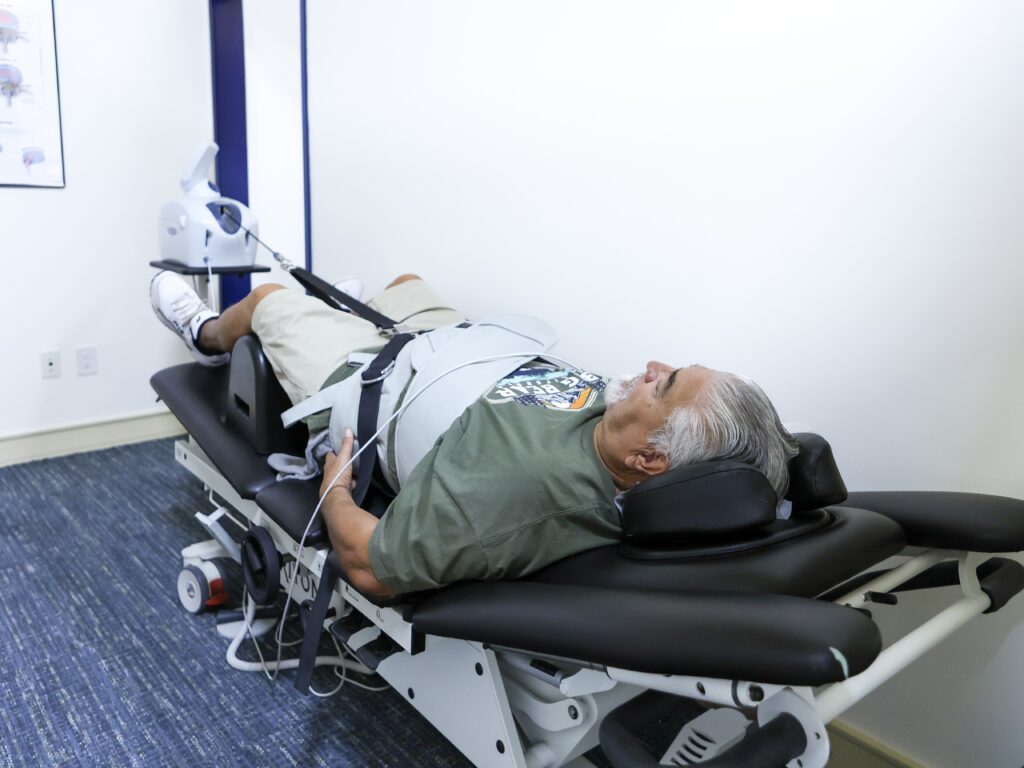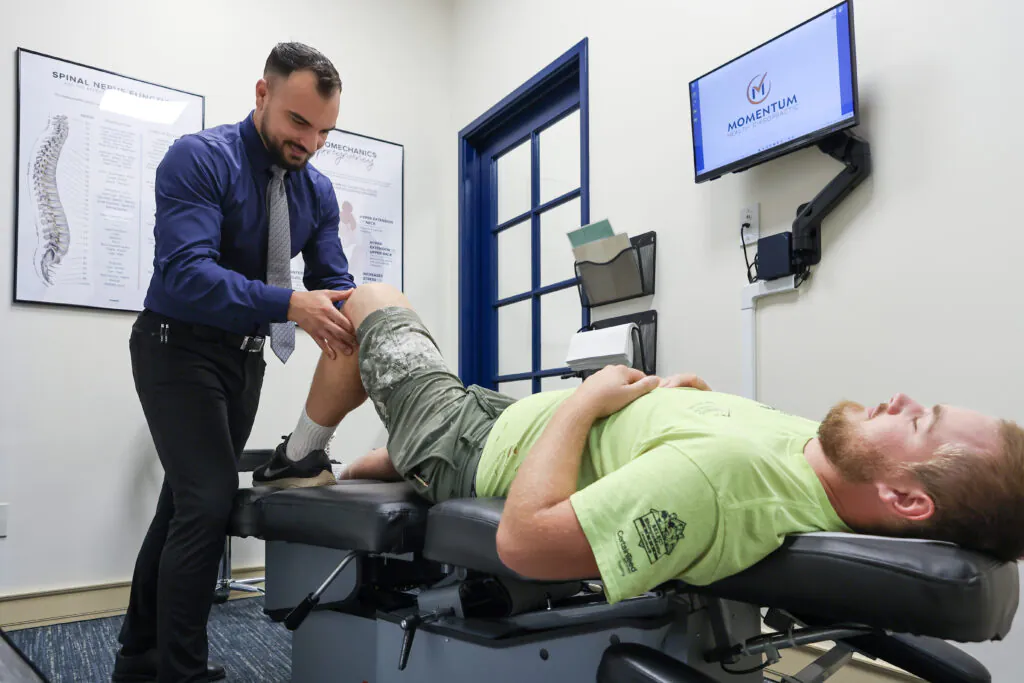

If you’re tired of dealing with tension headaches, chiropractic care can be an excellent way to find natural relief. By focusing on spinal health and alignment, we can address the root causes of your headaches rather than just masking the symptoms. Alongside regular chiropractic adjustments, there are several natural strategies you can adopt to enhance your well-being.
Start by adjusting your workspace to ensure proper ergonomics. A comfortable chair and a desk at the right height can reduce strain on your neck and shoulders, which often contribute to tension headaches.
Incorporating relaxation techniques such as deep breathing exercises, yoga, or meditation can also be beneficial. These practices not only promote relaxation but can help to alleviate muscle tension and stress, common culprits of headaches.
Understanding your personal triggers is essential. Common triggers include stress, dehydration, and poor posture. Keeping a headache diary can help you identify patterns and make necessary adjustments.
Maintaining a balanced lifestyle is crucial. Ensure you’re getting enough sleep, staying hydrated, and eating a nutritious diet rich in fruits, vegetables, and whole grains. Regular physical activity can also enhance your overall health and reduce the frequency of headaches.
Curious about how these simple adjustments can help? Remember, regular visits to your chiropractor can support your journey toward optimal health and wellness, helping you prevent those nagging headaches naturally. Let’s work together to keep you feeling your best!
Key Takeaways
- Maintain proper posture by keeping your ears aligned with your shoulders. This simple adjustment can significantly reduce strain on your neck and shoulders, which are often culprits in tension headaches. Regular chiropractic adjustments can also help align your spine and improve your posture for long-term relief.
- Incorporate relaxation techniques into your daily routine. Practices like deep breathing exercises or meditation not only help manage stress but can also enhance the effectiveness of chiropractic care by promoting overall relaxation and well-being.
- Engage in regular physical activity tailored to your comfort level. Activities such as walking or yoga can reduce muscle tension and improve circulation. Many of my patients find that combining these exercises with chiropractic adjustments enhances their results and supports a healthier lifestyle.
- Stay hydrated! Drinking plenty of water throughout the day is key, as dehydration can contribute to headaches. Additionally, consuming water-rich fruits and vegetables can support your overall health. Proper hydration can help your body function optimally, which is crucial for maintaining a healthy spine.
- Keep track of your headache patterns by maintaining a headache diary. This can help you identify specific triggers and share them with your chiropractor. Understanding your unique patterns allows for more personalized care and effective chiropractic adjustments that target your specific needs.
Remember, natural wellness is a journey, and chiropractic care is a powerful ally in achieving optimal health and pain relief. By incorporating these tips into your lifestyle, you can take meaningful steps toward reducing tension headaches and enhancing your overall well-being.
Understanding Tension Headaches
Tension headaches, often caused by stress or muscle strain, can really put a damper on your day and leave you feeling exhausted.
These headaches usually show up as a dull, aching pain around your forehead, temples, or the back of your head and neck. You might also feel tightness in your muscles, especially in your shoulders and scalp.
While tension headaches are distinct from migraines—usually lacking nausea or sensitivity to light and sound—they can still disrupt your daily activities. That’s why it’s important to recognize their signs and symptoms.
By understanding what a tension headache feels like, you can take proactive steps to ease the discomfort and prevent future headaches.
One of the best ways to manage tension headaches is through chiropractic care. A chiropractor can help relieve muscle tension, improve spinal alignment, and reduce the frequency of these headaches.
Regular adjustments can promote better posture and enhance your body’s natural ability to heal.
In addition to chiropractic adjustments, here are some simple tips you can incorporate into your daily routine to help reduce tension headaches:
- Practice Good Posture: Be mindful of your posture when sitting or standing. Keeping your spine aligned can help prevent muscle strain.
- Manage Stress: Incorporate relaxation techniques into your day, such as deep breathing, yoga, or meditation, to help keep stress levels in check.
- Stay Hydrated: Drink plenty of water throughout the day, as dehydration can contribute to headache symptoms.
- Take Breaks: If you’re working at a desk or staring at a screen for long periods, take regular breaks to stretch and relax your muscles.
- Get Enough Sleep: Aim for a consistent sleep schedule to help your body recover and reduce the likelihood of headaches.
By focusing on these strategies and seeking chiropractic care, you can take charge of your health and work towards a headache-free life.
Identify Triggers and Patterns
Identifying the triggers and patterns of your headaches is an important step toward achieving optimal health and well-being. As a chiropractor, I believe that understanding these factors can lead to more effective management and ultimately enhance your quality of life. One effective way to start is by keeping a headache diary. This will allow you to track when your headaches occur, how intense they feel, and how long they last.
Make sure to note any activities, foods, or stressors that seem to precede the onset of your headaches. By doing this, you can spot trends and work towards avoiding potential triggers in the future, leading you closer to a pain-free life. Remember, chiropractic care can also help alleviate headaches by addressing spinal misalignments and improving overall body function.
Here’s a simple table to help you organize your observations:
| Date | Trigger | Intensity (1-10) |
|---|---|---|
| 2023-10-01 | Skipped lunch | 5 |
| 2023-10-02 | Stressful meeting | 7 |
| 2023-10-03 | Late night screen time | 6 |
In addition to tracking your headaches, consider these general tips for natural wellness:
- Stay Hydrated: Dehydration can often trigger headaches. Aim to drink plenty of water throughout the day.
- Maintain a Healthy Diet: Eating balanced meals with plenty of fruits and vegetables can help prevent headaches.
- Practice Stress Management: Techniques like yoga, meditation, or even regular chiropractic adjustments can help reduce stress levels.
- Get Plenty of Rest: Ensure you’re getting enough sleep each night, as fatigue can contribute to headaches.
Practice Relaxation Techniques
To help prevent tension headaches, incorporating relaxation techniques like deep breathing exercises and mindfulness meditation can be incredibly beneficial. These methods not only alleviate stress but also foster a calming effect on your body and mind, which can be especially helpful in maintaining spinal health.
In addition to these practices, regular chiropractic care is an excellent way to address the underlying issues that may lead to tension headaches. By ensuring that your spine is aligned and functioning properly, you can enhance your body’s natural ability to heal and maintain a state of well-being.
Consider setting aside a few minutes each day for deep breathing or meditation, and make chiropractic visits a part of your wellness routine. Together, these practices can significantly improve your overall health and help you manage tension headaches naturally, without the need for medication or invasive treatments.
Prioritize your health by embracing these natural approaches to well-being!
Deep Breathing Exercises
Practicing deep breathing exercises can be a powerful tool in managing tension headaches and promoting overall wellness. As a chiropractor, I believe in the importance of natural healing methods, and deep breathing is a simple yet effective practice that can complement your chiropractic care. Here’s how to incorporate deep breathing into your routine:
- Find a Relaxing Environment: Choose a quiet, comfortable spot where you can focus without distractions.
- Breathe In: Inhale deeply through your nose for a count of four, allowing your abdomen to expand. This helps fill your lungs fully and brings in oxygen that your body craves.
- Hold Your Breath: Keep the air in for a count of four. This pause lets your body absorb the oxygen and encourages calmness.
- Exhale Slowly: Release your breath through your mouth for a count of six. This longer exhalation helps to rid your body of tension and stress.
- Repeat: Continue this cycle for several minutes, letting your mind clear and your body relax.
Incorporating these deep breathing exercises into your daily routine can significantly enhance your ability to manage stress and tension, which are often contributors to headaches. Remember, when you feel a headache coming on, take a moment to practice these exercises.
Not only will you feel more relaxed, but you may also notice a reduction in headache frequency and intensity.
Chiropractic care is all about promoting natural wellness and helping you achieve optimal health, and practices like deep breathing can be a great complement to your treatments. Embrace these techniques as part of your journey toward a healthier, pain-free life!
Mindfulness Meditation Practices
In addition to deep breathing exercises, mindfulness meditation can significantly improve your ability to manage tension headaches and promote overall wellness. By focusing your attention and eliminating distractions, you create a calming environment that helps reduce stress—a key contributor to headaches.
Set aside a few minutes each day to find a quiet space, sit comfortably, and close your eyes. Concentrate on your breath, feeling the rise and fall of your chest. If thoughts arise, acknowledge them without judgment and let them drift away like clouds passing in the sky. This practice not only enhances your awareness of tension in your body but also allows you to consciously release that tension.
Incorporating mindfulness meditation into your routine can complement chiropractic care, which is designed to address the root causes of pain and promote natural healing. By nurturing your mind alongside your body, you can build resilience against stress, leading to a reduction in the frequency and intensity of headaches.
Maintain Good Posture
Maintaining good posture is essential not only for preventing tension headaches but also for promoting overall spinal health and wellness. As a chiropractor, I emphasize that simply adjusting how you sit or stand can lead to significant improvements in your comfort and well-being.
By being mindful of your posture throughout the day, you can alleviate unnecessary strain on your neck and shoulders, which can reduce the risk of headaches and other discomforts.
Here are some practical tips to help you maintain good posture and support your spinal health:
- Keep your feet flat on the floor or use a footrest to ensure a stable base, which helps align your spine correctly.
- Align your ears with your shoulders while sitting to maintain a neutral spine position. This simple adjustment can greatly reduce tension in your neck.
- Choose a chair that supports your lower back. A chair that fits your body can make a world of difference in how you feel throughout the day.
- Position your computer screen at eye level to prevent leaning forward or looking down, which can strain your neck and upper back.
- Take regular breaks to stretch and move around. This won’t only help keep your muscles relaxed but also promote better circulation and spinal health.
Incorporating these habits into your daily routine can be a game-changer in preventing tension headaches and enhancing your overall health. Remember, your posture affects more than just your comfort; it plays a crucial role in your spinal health and overall well-being.
Stay Hydrated
Maintaining good posture is essential for overall health, but it’s equally important to remember the role hydration plays in your well-being. When we don’t drink enough water, dehydration can lead to tension headaches, which can add unnecessary stress to your body. Staying hydrated is crucial for your body to function at its best, and even mild dehydration can lead to discomfort that may affect your spine and overall health.
To support your wellness journey, make it a habit to sip water throughout the day. Aim for at least eight 8-ounce glasses, and if you’re active or it’s hot outside, you might need even more. Keeping a water bottle close by serves as a great reminder to drink regularly.
Incorporate water-rich foods like fruits and vegetables into your diet to enhance your hydration levels. Your body will let you know when it needs more water—if you’re feeling thirsty or have a dry mouth, it’s time to hydrate. By prioritizing hydration, not only will you support your overall well-being, but you may also help prevent those pesky tension headaches that can interfere with your daily life.
Incorporate Regular Exercise
Incorporating regular exercise into your daily routine can significantly alleviate the frequency and intensity of tension headaches. As a chiropractic professional, I want to emphasize that movement not only benefits your body but also plays a vital role in spinal health. Engaging in physical activity releases endorphins, which are your body’s natural painkillers, while also helping to relieve stress and muscle tension—two common contributors to headaches.
To experience these benefits, aim for at least 30 minutes of moderate exercise most days of the week. Here are some easy options to consider as part of your wellness journey:
- Walking: This is one of the simplest ways to get your heart rate up and is excellent for spinal mobility. A brisk walk can also clear your mind and reduce stress.
- Yoga: This practice emphasizes stretching and relaxation, which can help ease muscle tension and improve flexibility. It’s a great way to connect your body and mind while promoting spinal alignment.
- Swimming: A fantastic full-body workout that’s gentle on your joints and back. The buoyancy of the water provides support while allowing for an effective exercise session.
- Cycling: Whether indoors or outdoors, cycling boosts cardiovascular health and strengthens your muscles. It’s a fun way to explore your surroundings while being kind to your spine.
- Strength training: This can be particularly beneficial for building core strength, which supports your spine and helps combat stress through focused effort.
Remember, before starting any new exercise program, it’s a good idea to consult with your chiropractor. They can provide personalized recommendations tailored to your specific needs, ensuring that you engage in activities that support your overall health and well-being.
Explore Dietary Changes
As a local chiropractor, I want to share how the foods you eat can significantly influence your overall health and help prevent tension headaches. Embracing a balanced diet filled with certain nutrients not only supports your wellness journey but can also complement the benefits of chiropractic care. By making a few simple dietary changes, you may find relief from tension headaches while promoting a healthier lifestyle.
Here’s a handy reference table to help you make informed food choices:
| Food Type | Benefits |
|---|---|
| Leafy Greens | Packed with magnesium for muscle relaxation |
| Fatty Fish | Loaded with omega-3 fatty acids to reduce inflammation |
| Nuts and Seeds | Offer healthy fats that support brain function |
| Fruits and Vegetables | Provide hydration and essential vitamins for overall health |
Incorporating these foods into your daily meals can create a solid foundation for preventing headaches. Don’t forget that staying hydrated is just as important! Aim to drink plenty of water throughout the day to keep your body functioning optimally.
Remember, small changes in your diet can lead to significant improvements in your health and well-being over time. And while you’re making these adjustments, don’t overlook the benefits of regular chiropractic care. It can help align your spine, improve your posture, and relieve tension, complementing your efforts toward a healthier lifestyle.
Utilize Home Remedies
As a local chiropractor, I believe in the power of natural healing and the body’s ability to find balance. If you’re experiencing tension headaches, there are effective home remedies that can provide relief without the need for medication. Incorporating these simple strategies into your daily routine can help alleviate discomfort and promote relaxation, supporting your overall wellness.
- Warm compress: Applying a warm cloth to your forehead or neck can work wonders. The heat helps to soothe tight muscles, promoting relaxation and reducing headache tension.
- Peppermint oil: A gentle massage with diluted peppermint oil on your temples can offer a refreshing cooling effect. This natural remedy can help ease headache discomfort while also providing a pleasant aroma.
- Hydration: Staying well-hydrated is essential for overall health and can prevent dehydration, a common headache trigger. Aim to drink plenty of water throughout the day to keep your body functioning optimally.
- Herbal tea: Sipping on chamomile or ginger tea can be a wonderful way to unwind. Both herbs are known for their calming properties, which can help reduce stress and tension.
- Gentle stretches: Incorporating neck and shoulder stretches into your day can relieve built-up tension and improve circulation. Simple movements can help keep your spine in alignment and support your overall well-being.
While these home remedies can provide relief, it’s important to remember that chiropractic care is an excellent option for addressing the root causes of tension headaches. Regular adjustments can help enhance spinal health, improve nervous system function, and promote a greater sense of well-being.
If you find that headaches persist, consider visiting your chiropractor to explore personalized care that can help you achieve optimal health.