
If you’ve experienced whiplash, you know how debilitating the symptoms can be. It’s crucial to understand effective techniques that can help alleviate your discomfort naturally. As a chiropractor, I want to share with you some strategies that focus on gentle movements, proper application of heat and cold, and the benefits of chiropractic care in your recovery process.
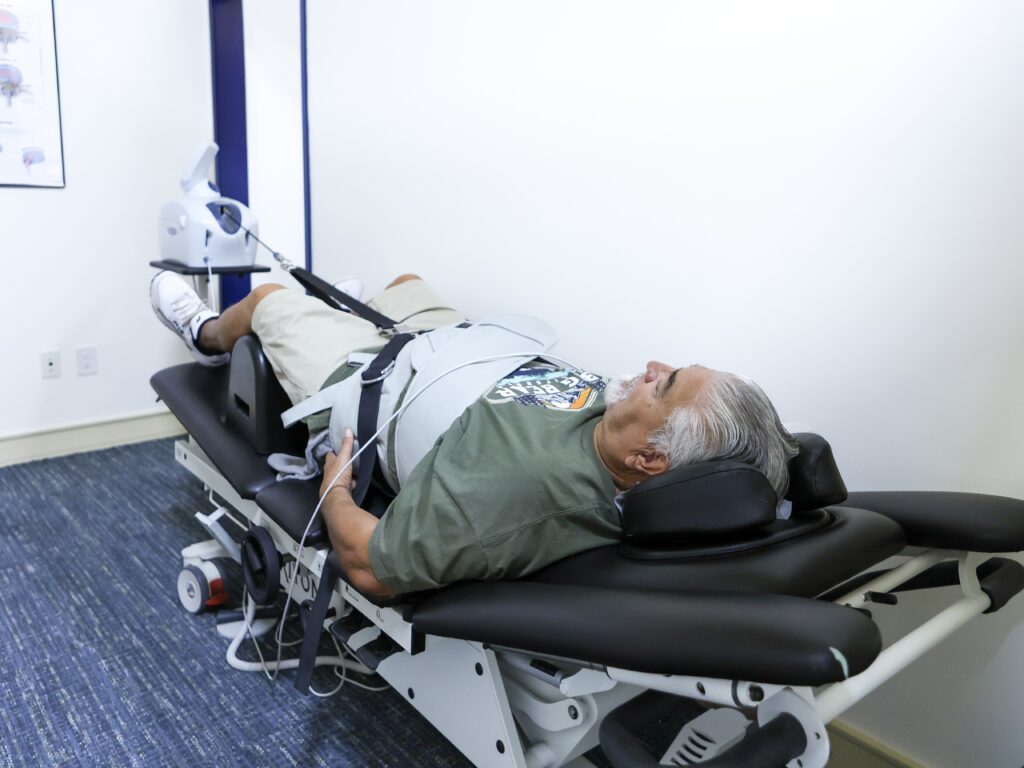
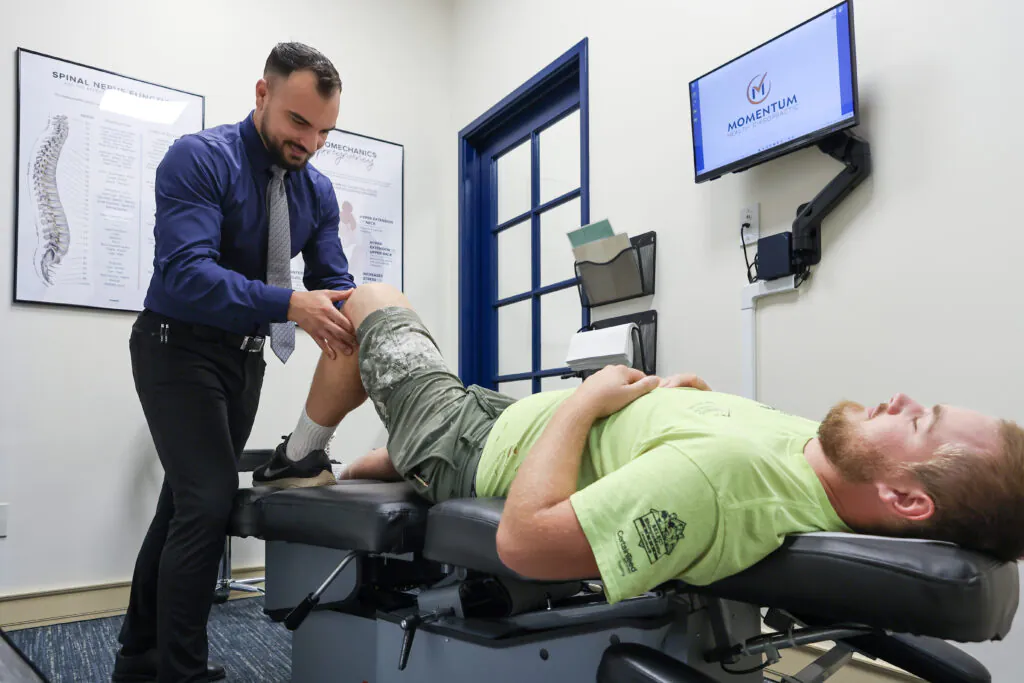
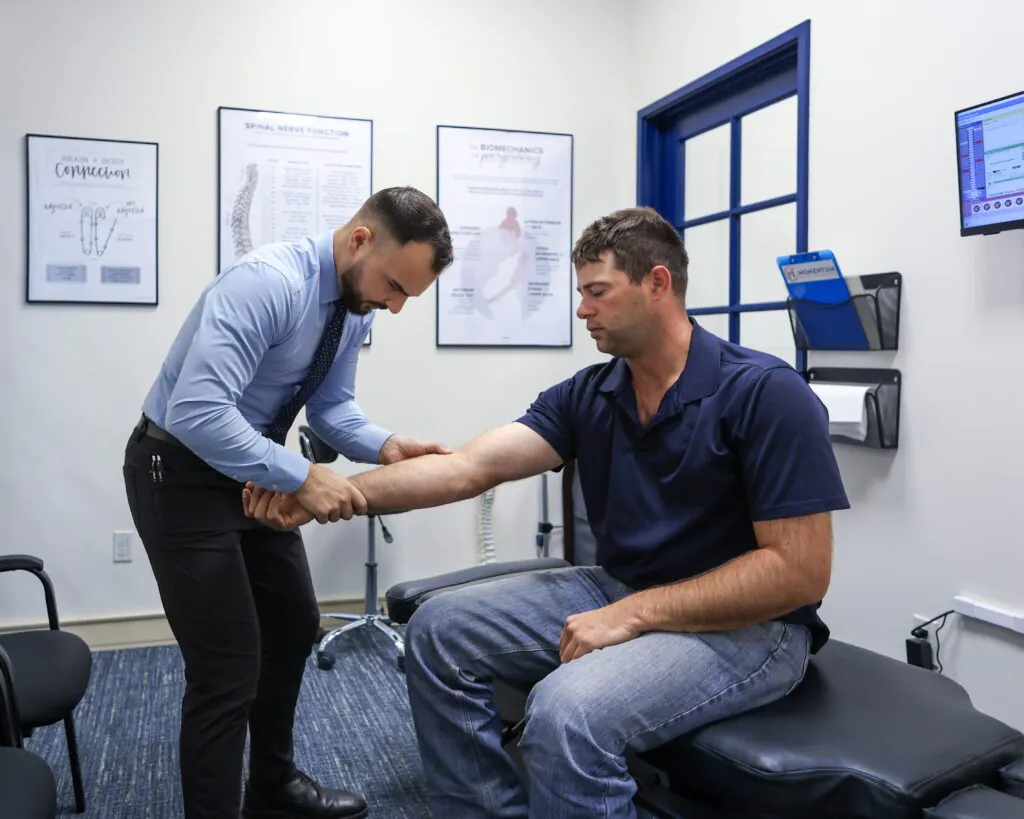
First and foremost, chiropractic care is an excellent choice for addressing whiplash. A chiropractor can assess your condition and tailor a treatment plan specifically for your needs. Through gentle adjustments, we can help restore proper alignment in your spine and reduce pain and stiffness.
In addition to chiropractic adjustments, incorporating gentle exercises can be beneficial. Simple neck stretches can help improve flexibility and relieve tension. Always remember to start slow and listen to your body; if something feels uncomfortable, ease back.
Heat and cold therapy can also be effective in managing symptoms. Applying a warm compress can help relax tight muscles, while an ice pack can reduce inflammation. Alternate between the two for optimal relief, but never apply either directly to your skin—always use a cloth barrier.
Moreover, consider exploring alternative therapies like massage or acupuncture. These can complement chiropractic care and promote relaxation and healing.
Remember to prioritize rest and allow your body the time it needs to heal. Staying hydrated and maintaining a healthy diet can also support your recovery and overall wellness.
By choosing chiropractic care and integrating these natural strategies into your routine, you can take control of your healing journey and work towards a pain-free life. Don’t hesitate to reach out to your local chiropractor to discuss your symptoms and discover how we can help you on the path to recovery.
Key Takeaways
- Begin your recovery by applying ice packs to the injured area for the first 48 hours. This helps reduce inflammation and numb the pain. After that, switch to heat packs to relax your muscles and improve blood flow, which is crucial for healing.
- Incorporate gentle neck stretches and isometric exercises into your routine. These movements can help relieve tension and increase flexibility without putting additional strain on your neck. Remember, always listen to your body and avoid any movements that cause pain.
- Maintaining good posture while sitting and during daily activities is essential for reducing strain on your neck and spine. Make sure your workspace is ergonomically set up, and take breaks to move around and stretch.
- Explore the benefits of alternative therapies such as acupuncture or massage therapy, which can complement chiropractic care by promoting pain relief and enhancing circulation. These treatments work well alongside chiropractic adjustments to help you recover faster.
- Keep a journal to track your daily activities and identify any patterns or triggers that may worsen your symptoms. Additionally, prioritize staying hydrated and eating a balanced diet, as proper nutrition plays a significant role in your overall recovery and wellness.
Remember, chiropractic care is a natural, drug-free approach that addresses the root cause of your pain. Regular adjustments can help restore proper alignment, improve mobility, and support your body’s healing process. Always consult with your chiropractor to develop a personalized plan for your recovery.
Understanding Whiplash and Its Symptoms
Whiplash is a common neck injury that often occurs due to sudden movements, especially in car accidents. When your head snaps forward and then backward quickly, it can strain the muscles and ligaments in your neck. You may start to feel symptoms immediately or even a few days later. Common signs include neck pain, stiffness, and difficulty moving your head. Additionally, headaches, dizziness, or fatigue can arise, impacting your daily routine.
It’s essential to pay attention to these symptoms, as they can vary in intensity. Some days might feel better than others, but ongoing pain is a signal that shouldn’t be ignored. If you notice swelling or tenderness in your neck, seeking a chiropractic consultation can be a beneficial first step. Chiropractors specialize in understanding how your spine and neck work together, and they can provide natural, effective treatments to help alleviate pain and support your recovery.
Incorporating chiropractic care into your wellness routine can lead to significant improvements in your health. Gentle adjustments can help restore proper alignment, reduce inflammation, and promote healing in your neck.
Additionally, here are some general tips to help manage whiplash symptoms:
- Ice and Heat Therapy: Apply ice packs to your neck for the first 48 hours to reduce swelling, followed by heat packs to relax tight muscles.
- Gentle Stretching: Engage in light neck stretches to maintain mobility. Just be cautious and avoid any movements that increase pain.
- Posture Awareness: Maintain good posture, especially when sitting for long periods. Keep your head aligned with your spine to alleviate strain on your neck.
- Stay Active: Gentle movements and walking can keep your body engaged without putting too much stress on your neck.
- Hydration: Drink plenty of water to keep your body hydrated, which supports overall health and recovery.
Focusing on these natural healing methods, especially through chiropractic care, can help you regain your range of motion and find relief from whiplash symptoms. Remember, your health is a journey, and making informed choices can lead you toward optimal wellness.
The Role of Physical Therapy in Recovery
While managing whiplash symptoms can be tough, chiropractic care is a vital part of your recovery journey. A skilled chiropractor will assess your condition and create a personalized treatment plan tailored to your unique needs. This plan often includes gentle adjustments to realign your spine, reducing pain, improving mobility, and supporting the healing of your neck muscles.
Through specific spinal manipulations and focused exercises, you can enhance your range of motion and ease discomfort. Your chiropractor will also provide guidance on maintaining proper posture and ergonomics, helping you avoid future strains during daily activities.
As you make progress, they’ll adapt your treatment to ensure you’re continually supported while minimizing the risk of further injury. Regular visits to your chiropractor are essential; consistency will help maximize your recovery.
It’s also important to communicate openly with your chiropractor about any concerns or changes in your symptoms. With commitment and the right chiropractic care, you can significantly enhance your quality of life after a whiplash injury.
Here are a few general tips to keep in mind:
- Stay active with gentle movements and stretches to avoid stiffness.
- Apply heat or cold packs to the affected area to relieve discomfort.
- Focus on good posture, especially when sitting or using electronic devices.
- Incorporate relaxation techniques, such as deep breathing, to help manage pain.
Choosing chiropractic care not only addresses the immediate pain but also supports your overall health and wellness naturally. Embrace this holistic approach to achieve lasting relief and optimal health!
Gentle Exercises to Relieve Neck Pain
Gentle exercises can significantly aid in relieving neck pain, especially after experiencing whiplash. As a local chiropractor, I want to emphasize that incorporating neck stretches, strengthening exercises, and posture improvement techniques can promote healing and help you regain mobility without relying on medications or surgeries.
Neck stretches are a fantastic way to gently ease tension. Simple movements like tilting your head from side to side or gently rolling your shoulders can provide relief and improve flexibility. It’s important to listen to your body and only stretch to a comfortable point.
Strengthening exercises are also key. Strengthening the muscles around your neck can provide better support and reduce pain. Consider incorporating isometric exercises, where you push against your hand without moving your neck. This can help build strength safely.
Posture improvement is crucial as well. Maintaining good posture can alleviate strain on your neck and spine. Be mindful of how you sit at your desk or use your phone. Keep your head aligned over your shoulders and take regular breaks to move around.
In addition to these exercises, regular chiropractic care is an excellent choice for achieving optimal health and natural wellness. Chiropractors can help align your spine, improve your overall posture, and relieve pain through gentle adjustments tailored to your needs.
Neck Stretches Benefits
When you experience neck pain, adding neck stretches to your daily routine can offer tremendous relief. These gentle exercises not only help improve flexibility and reduce tension but also promote better blood flow to the affected area. Regularly practicing neck stretches can alleviate discomfort and enhance your overall neck mobility, making it easier for you to go about your day.
As a chiropractor, I believe that addressing neck pain through natural methods is key to achieving optimal health. Chiropractic care focuses on spinal health and offers a holistic approach to wellness, allowing your body to heal itself naturally. While neck stretches can be beneficial, combining them with chiropractic adjustments can provide even greater relief and support your overall well-being.
Here’s a quick reference table for some effective neck stretches you can incorporate into your routine:
| Stretch Name | Benefits |
|---|---|
| Neck Tilts | Reduces stiffness and improves flexibility |
| Chin Tucks | Enhances posture and spinal alignment |
| Side Neck Stretch | Relieves tension along the sides of your neck |
| Upward Neck Stretch | Stretches and relaxes upper neck muscles |
Incorporating these stretches into your daily life can make a noticeable difference in managing and reducing neck pain. Remember, the goal is to not only relieve discomfort but also to support your spinal health. For the best results, consider scheduling regular chiropractic visits. Your chiropractor can provide personalized care, helping you maintain a healthy spine and prevent future issues. Embrace the journey to a pain-free life through natural healing!
Strengthening Exercises Overview
Incorporating strengthening exercises into your routine can significantly enhance your neck’s stability and resilience, especially if you’re experiencing discomfort. These exercises are designed to gently build the muscles that support your neck, helping to alleviate pain and prevent future injuries.
A great starting point is to practice isometric exercises. This simply means pushing against your own hand without moving your head, which helps activate the muscles without straining them. As you become more comfortable, you can introduce light resistance using a resistance band or small weights. Just remember to maintain proper form to avoid any additional strain.
Focus on movements like neck flexion (bending your head forward), extension (leaning your head back), and rotation (turning your head side to side). These targeted movements engage different muscle groups, providing a well-rounded approach to neck strength.
Make sure to breathe steadily throughout the exercises, and avoid any sudden movements that could lead to injury. Consistency is crucial for seeing significant improvements, so aim to dedicate a few minutes each day to these exercises.
Listen to your body—if something doesn’t feel right or if pain persists, it’s always a good idea to consult with your chiropractor. They can provide personalized guidance and adjustments to support your journey to wellness.
Posture Improvement Techniques
Improving your posture is essential for reducing neck pain and enhancing your overall comfort, and as a chiropractor, I believe that natural methods are the best path to achieving optimal health.
One effective technique to start with is the chin tuck exercise. This simple move involves gently pulling your chin towards your chest. This helps align your head with your spine, promoting a healthier posture. Hold this position for a few seconds before releasing.
Another great way to relieve tension is by incorporating shoulder rolls into your routine. Just roll your shoulders forward and backward in a circular motion. This will help release built-up stress in your upper body.
When you’re sitting—whether at work or home—it’s important to keep your back straight and shoulders relaxed. Make sure your feet are flat on the floor and consider using a supportive chair to maintain proper alignment.
If you spend a lot of time at a desk, position your computer screen at eye level. This simple adjustment can significantly reduce strain on your neck.
Remember, consistency is key! By regularly practicing these techniques, you can make a noticeable difference in relieving neck pain and enhancing your overall wellness.
Chiropractic care is an excellent choice for maintaining a healthy spine and preventing discomfort, so consider visiting your local chiropractor for personalized guidance and support on your wellness journey.
Heat and Cold Therapy Techniques
As a local chiropractor, I want to share some effective techniques for managing whiplash symptoms through heat and cold therapy. These natural methods can complement your chiropractic care and promote healing in a holistic way.
Applying heat can be beneficial for relaxing tight muscles and enhancing blood circulation, which helps reduce stiffness in your neck. You can easily use a warm towel, a heating pad, or enjoy a soothing warm shower. Just be cautious and limit the application of heat to about 15-20 minutes at a time to prevent any risk of burns.
Conversely, cold therapy is excellent for numbing pain and minimizing inflammation. Ice packs or cold compresses can work wonders when applied for 15-20 minutes, especially within the initial 48 hours after your injury. Always remember to wrap ice packs in a cloth to protect your skin from frostbite.
For optimal relief, consider alternating between heat and cold therapy. Start with cold therapy to tackle swelling, then switch to heat to encourage healing. Each individual is unique, so take the time to experiment with both techniques to find the combination that provides you with the greatest comfort and relief.
Remember, while these therapies can be helpful, regular chiropractic adjustments are the best way to support your recovery and maintain overall wellness. A chiropractor can help realign your spine and enhance your body’s natural healing abilities, leading to improved health and vitality.
Embrace these natural approaches and let chiropractic care guide you toward optimal health!
Alternative Therapies for Whiplash Relief
While heat and cold therapy can provide immediate relief, exploring alternative therapies can enhance your journey to managing whiplash symptoms. These therapies work harmoniously with chiropractic care, which I believe is the best choice for natural healing and pain relief. Here are some additional options to consider:
- Acupuncture: This ancient practice can be beneficial by targeting specific pressure points to reduce pain and improve your mobility. While acupuncture can be helpful, remember that chiropractic care focuses on restoring spinal alignment, which directly impacts your overall health.
- Chiropractic Care: As a chiropractor, I emphasize that spinal adjustments are crucial for restoring proper alignment and relieving tension in your neck. By addressing the root causes of pain, chiropractic care not only alleviates discomfort but also promotes long-term wellness and healing.
- Massage Therapy: Therapeutic massage can help relieve muscle tightness and improve circulation, fostering relaxation and healing. However, combining massage with chiropractic adjustments can enhance the benefits by ensuring your spine is aligned while addressing muscle tension.
- Physical Therapy: A physical therapist can create a tailored exercise program to strengthen your neck and enhance flexibility. While this is valuable, integrating physical therapy with chiropractic care can optimize your recovery by aligning your spine and supporting your body’s natural healing processes.
Incorporating these alternative therapies alongside chiropractic care can significantly help you find relief from whiplash symptoms and support your recovery.
Always consult with a healthcare professional, like a chiropractor, to discuss the best approach for your individual needs. Remember, taking care of your spine is key to achieving optimal health and wellness!
Self-Care Strategies for Ongoing Relief
Self-care is a vital component in managing whiplash symptoms and achieving lasting relief. As a chiropractor, I encourage you to integrate gentle stretching exercises into your daily routine. These stretches can help maintain neck mobility and alleviate stiffness, making it easier for your body to heal naturally.
Heat therapy is another effective tool in your self-care arsenal. Applying a warm compress to the affected area for 15-20 minutes can help soothe muscle tension and promote relaxation. Remember, a well-rested body is key to recovery.
Proper posture is crucial for spinal health. Whether you’re working at your desk or driving, ensure that your neck and spine are properly aligned. This simple adjustment can prevent further strain and support your overall well-being.
Keeping a journal of your daily activities can also be beneficial. By tracking how different movements or tasks affect your symptoms, you can identify potential triggers and adjust your habits accordingly.
Don’t forget the impact of hydration and nutrition on your recovery. Drinking plenty of water and eating a balanced diet rich in vitamins and minerals can support your body’s healing processes.
Lastly, setting aside time for relaxation techniques—like deep breathing or meditation—can help reduce stress, which is known to worsen pain. By prioritizing these self-care strategies, you empower yourself to manage your whiplash symptoms effectively.
Remember, chiropractic care is an excellent choice for pain relief and overall wellness. Regular adjustments can help restore proper alignment, improve mobility, and support your body’s natural healing processes.
Conclusion
Incorporating these gentle techniques can significantly ease your whiplash symptoms and promote healing. Understanding your condition is the first step towards recovery, and I encourage you to consider chiropractic care as your primary approach to pain relief and wellness. Engaging in gentle exercises, combined with the expertise of your chiropractor, can help restore movement and flexibility in your neck.
Utilizing heat and cold therapy is another effective way to soothe discomfort. Heat can relax tense muscles, while ice can reduce inflammation. Applying these therapies intermittently can provide relief and support your healing process.
Exploring alternative treatments, such as chiropractic adjustments, can also play a vital role in alleviating pain. Chiropractic care focuses on aligning the spine and improving nervous system function, which can enhance your overall well-being and speed up recovery from whiplash.
Don’t underestimate the importance of good posture in your daily life. Maintaining proper alignment while sitting, standing, and sleeping can prevent future strain and discomfort. Regular self-care practices, like stretching and mindful movement, can further support your healing journey.
Stay connected with your chiropractor for personalized guidance tailored to your specific needs. Together, you can develop a plan that promotes a healthier, pain-free neck, allowing you to enjoy life to the fullest. Remember, chiropractic care is a natural, effective choice for achieving optimal health and wellness!