
As a local chiropractor, I understand that chronic back pain can be a frustrating challenge for many individuals. However, I want to share with you some natural ways to find relief that don’t involve medication. By focusing on gentle exercises and maintaining proper posture, you can begin to alleviate discomfort and move towards a healthier back.
Incorporating simple adjustments into your daily routine can lead to significant improvements. I encourage you to explore effective strategies and lifestyle changes that promote healing. Chiropractic care can play a key role in your journey to a pain-free life, as it emphasizes the importance of spinal alignment and overall wellness. If you’re interested in learning more about how chiropractic techniques and natural healing can support your recovery, I’m here to guide you every step of the way.
Understanding Chronic Back Pain
As a local chiropractor, I want to help you understand chronic back pain and how it can affect your daily life. This condition can be incredibly frustrating and debilitating, but it’s important to recognize that it often arises from a variety of causes, such as muscle strain, herniated discs, or even underlying medical issues. You might feel sharp, shooting pains or a persistent dull ache that lasts for weeks, months, or even longer.
Identifying what triggers your pain is crucial. Factors such as improper lifting techniques, a sedentary lifestyle, or even stress can worsen your discomfort. I often see how lifestyle choices play a significant role in pain management. For example, a lack of regular exercise can weaken your back muscles, leaving you more vulnerable to injuries.
Chiropractic care focuses on natural healing and restoring proper function to your spine and nervous system. By understanding the root causes of your pain and addressing them through adjustments and lifestyle modifications, we can work together to alleviate your symptoms and improve your overall well-being.
I’m here to guide you on a path to better health through natural solutions.
The Importance of Posture
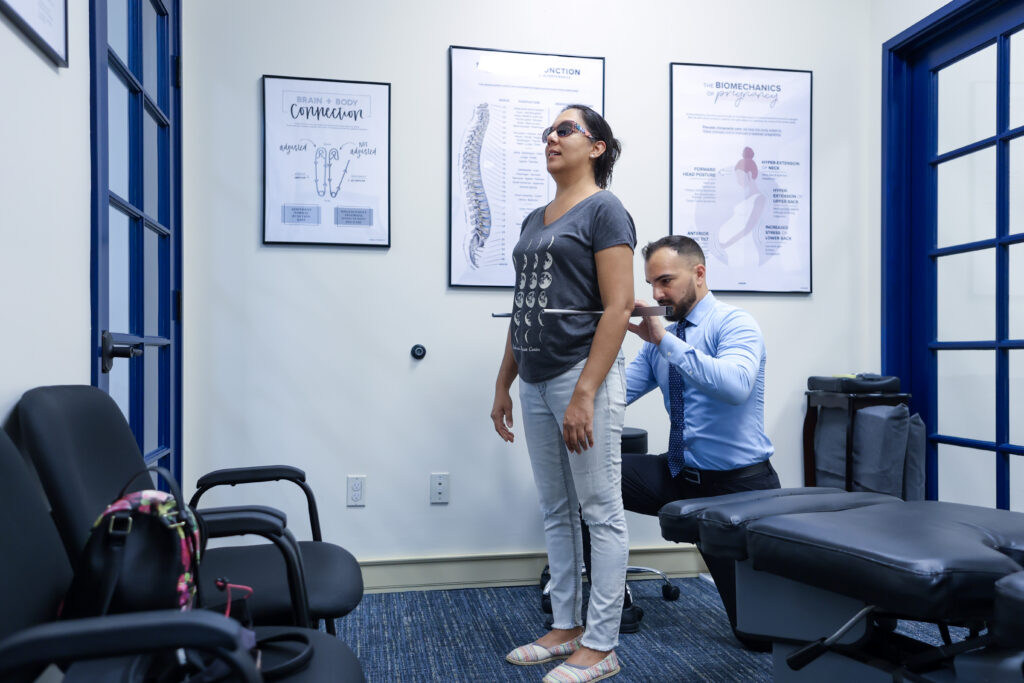
As a local chiropractor, I want to emphasize the significance of maintaining good posture for your overall health, especially for your spine. Many people may not realize that proper alignment when sitting, standing, or walking can significantly reduce the risk of back pain. When your body is aligned correctly, you distribute your weight evenly, which helps prevent unnecessary strain on your muscles and ligaments.
Think about how you feel when you slouch—tension builds up, leading to discomfort and pain. By being conscious of your posture, you can create a supportive environment for your spine, which is crucial for your well-being.
I encourage you to keep your shoulders back, align your head with your spine, and ensure your feet are flat on the ground when seated. If you’re working at a desk, it’s important to adjust your chair and monitor so that you maintain a neutral spine position.
Practicing good posture not only alleviates existing discomfort but also serves as a proactive approach to prevent future issues. I invite you to take a moment throughout your day to check in on your posture.
Your back will thank you for making these small adjustments, and it can lead to better overall health! Remember, chiropractic care can also be a valuable resource in helping you achieve and maintain optimal posture.
Gentle Exercises for Relief
As a local chiropractor, I want to emphasize the importance of maintaining proper posture as a crucial foundation for a healthier back. However, it’s not just about posture; incorporating gentle exercises into your daily routine can greatly enhance relief from discomfort. Simple stretches and low-impact movements can help increase your flexibility and strengthen the muscles that support your back.
One effective exercise is the cat-cow stretch, which improves spinal mobility. To perform this, get on all fours and alternate between arching and rounding your back. This movement can help alleviate tension and promote better alignment.
Another beneficial exercise is the pelvic tilt. While lying on your back with your knees bent, gently flatten your lower back against the floor and hold that position for a few seconds. This exercise helps engage your core and supports your lower back.
Walking is also an excellent low-impact activity that contributes to overall fitness and back health. It’s simple, yet effective in keeping your body active without putting too much strain on your back.
Additionally, gentle yoga can be a wonderful way to incorporate mindful movement into your routine. Poses like child’s pose or downward-facing dog focus on stretching and strengthening your back in a safe and supportive way.
Always remember to listen to your body; avoid any movements that cause pain and consult with a chiropractor if you’re unsure.
Incorporating Mindfulness and Relaxation Techniques
As a local chiropractor, I want to share some valuable insights on how you can enhance your overall wellness while focusing on gentle exercises to relieve back pain. One crucial aspect of this process is incorporating mindfulness and relaxation techniques into your daily routine. Mindfulness allows you to stay present, which can significantly reduce the stress that often makes pain worse.
I recommend setting aside just a few minutes each day to practice deep breathing. This simple technique can be very effective—inhale slowly through your nose, allowing your abdomen to rise, and then gently exhale through your mouth. This practice helps calm your mind and body.
In addition to deep breathing, you might explore meditation or guided imagery. These techniques can cultivate a sense of tranquility, and visualizing a peaceful place can serve as a powerful distraction from discomfort while promoting relaxation.
Activities like yoga and tai chi are also excellent choices. They not only keep you moving but also integrate mindfulness, which enhances your flexibility and strength.
Don’t overlook the power of soothing music or the sounds of nature as you unwind. Establishing a regular relaxation routine can empower you to manage your pain more effectively.
Nutrition and Dietary Adjustments
As your local chiropractor, I want to emphasize the significant impact your diet can have on managing chronic back pain.
Incorporating anti-inflammatory foods into your meals and ensuring you stay well-hydrated can greatly support your joint health and recovery process.
It’s essential to understand that the nutrients you consume can play a critical role in your healing journey.
By making mindful dietary choices, you can complement the chiropractic care you receive and enhance your overall well-being.
Let’s discuss how specific nutrients can aid in your recovery and help alleviate discomfort.
Anti-inflammatory Foods Benefits
As a local chiropractor, I often see patients who are seeking relief from chronic back pain. One of the most effective strategies I recommend is incorporating anti-inflammatory foods into your diet. These foods play a crucial role in combating inflammation, which is a common contributor to pain.
Start by adding a variety of colorful fruits and vegetables to your meals, such as berries, spinach, and kale. These are packed with antioxidants that help reduce inflammation.
Fatty fish like salmon and mackerel are also fantastic choices, as they provide omega-3 fatty acids known for their anti-inflammatory properties.
Don’t overlook the benefits of nuts, seeds, and whole grains; they can also be beneficial for managing inflammation. Additionally, spices such as turmeric and ginger offer natural anti-inflammatory effects that can enhance your overall health.
By prioritizing these foods, you not only support your back health but also boost your immune system and improve digestion.
Making small dietary adjustments can lead to significant improvements in your pain levels and overall well-being. Embrace these changes for lasting relief and a healthier lifestyle!
Hydration and Joint Health
As your local chiropractor, I want to emphasize the importance of staying properly hydrated for your joint health and to help alleviate chronic back pain. When you maintain adequate hydration, your joints benefit from better lubrication, which minimizes friction and discomfort.
On the other hand, dehydration can lead to stiffness and aggravate existing pain, making it essential to focus on your fluid intake.
Here are some helpful tips to ensure you stay hydrated:
- Make it a habit to drink water throughout the day rather than waiting until you feel thirsty. This proactive approach can make a significant difference.
- Incorporate hydrating foods like fruits and vegetables into your meals. These can contribute to your overall fluid intake while providing essential nutrients.
- Be mindful of your caffeine and alcohol consumption, as both can contribute to dehydration. Limiting these can help you maintain optimal hydration levels.
- Set reminders on your phone to take regular water breaks. This simple practice can help you develop a consistent hydration routine.
By prioritizing hydration, you’re taking an important step towards supporting your joint health and enhancing your overall well-being.
If you have any questions about how hydration impacts your health or how chiropractic care can assist in your wellness journey, feel free to reach out!
Essential Nutrients for Recovery
As a local chiropractor dedicated to your overall health and well-being, I want to share some insights on how the right nutrients can significantly enhance your recovery process. It may seem overwhelming to identify the best foods for healing, but focusing on certain anti-inflammatory options can make a big difference. I encourage you to incorporate foods such as fatty fish, nuts, and leafy greens into your meals.
For example, omega-3 fatty acids, which are abundant in salmon and walnuts, play a crucial role in reducing inflammation and promoting faster healing. Vitamin D, which you can obtain from sunlight and fortified foods, is essential for maintaining strong bones.
Additionally, magnesium—found in foods like spinach and avocados—supports muscle function and helps alleviate tension, which is key in chiropractic care.
Protein is another vital component for recovery. Lean meats, legumes, and dairy products aren’t just good for building muscle; they’re essential for repairing tissues as well.
Lastly, don’t overlook the power of antioxidants. Fruits and vegetables are packed with these beneficial compounds, which help combat oxidative stress and support your overall recovery.
By prioritizing these essential nutrients in your diet, you can facilitate a smoother healing journey and complement the chiropractic adjustments you receive.
Natural Therapies and Remedies
As a local chiropractor, I understand that chronic back pain can be a challenging issue to navigate. Many individuals are unfamiliar with the benefits of chiropractic care and the variety of natural therapies and remedies that can provide relief without the side effects associated with medication.
It’s important to know that there are effective approaches to help you regain control over your body and enhance your quality of life. Here are some options I recommend considering:
- Hot and cold therapy: Applying heat can help relax tense muscles, while cold therapy can effectively reduce inflammation and numb painful areas. This simple technique can be a great addition to your pain management routine.
- Massage therapy: Regular massages not only relieve tension but also improve circulation, helping to nourish your muscles and facilitate recovery. Many patients find this to be a complementary treatment to chiropractic adjustments.
- Mindfulness and meditation: These practices are powerful tools for managing pain. By reducing stress and promoting relaxation, you can change your body’s response to pain, making it easier to cope with discomfort.
- Herbal supplements: Natural anti-inflammatories such as turmeric and ginger have been shown to alleviate pain for some individuals. Incorporating these into your diet may provide additional support.
Integrating these therapies into your daily routine can offer a holistic approach to managing chronic back pain.
As always, I encourage you to consult with a healthcare professional before starting any new treatment to ensure it’s suitable for your specific circumstances.
Creating a Supportive Environment
Creating a supportive environment plays a crucial role in effectively managing chronic back pain, and as your local chiropractor, I want to share some insights to help you achieve this.
First and foremost, it’s important to ensure that your workspace is ergonomically designed. This means adjusting your chair and desk height so that your feet rest flat on the floor, and your elbows are at a 90-degree angle. Incorporating cushions or lumbar support can also help maintain proper spinal alignment, which is essential for your back health.
At home, it’s vital to foster a relaxing space that promotes rest and recuperation. Consider investing in supportive furniture, such as a firm mattress and chairs that encourage good posture. A clutter-free living area can also make a significant difference by reducing unnecessary strain when you move around.
Equally important is your emotional environment. Surrounding yourself with supportive friends and family who understand your pain can make a big impact. Engaging in uplifting activities—whether it’s reading, listening to music, or practicing mindfulness—can greatly enhance your overall well-being.
Conclusion
As a local chiropractor, I want to share some effective natural strategies to help you alleviate chronic back pain. It’s essential to understand that good posture plays a significant role in your spinal health, so being mindful of your alignment throughout the day can make a big difference. Engaging in gentle exercises tailored to your needs can also strengthen your muscles and improve flexibility, reducing discomfort over time.
In addition to these practices, mindfulness techniques can help you manage pain more effectively by promoting relaxation and reducing stress. Another important aspect of your healing journey is nutrition; incorporating anti-inflammatory foods into your diet can support your body in combating pain and inflammation.
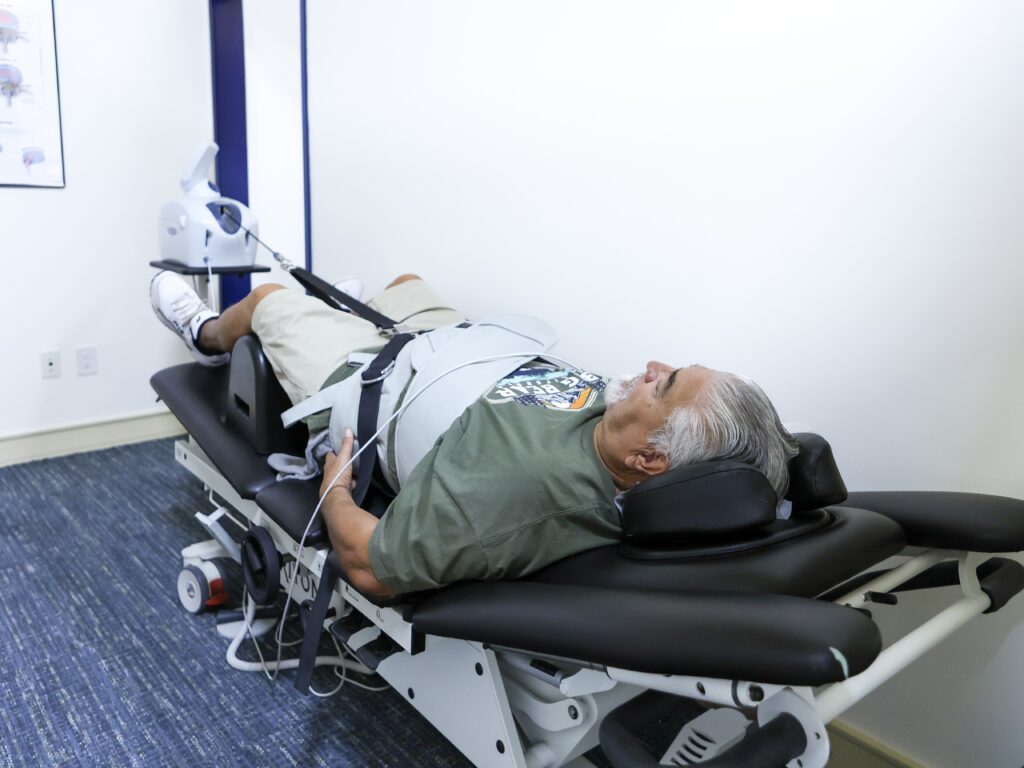
I also recommend considering natural therapies such as chiropractic adjustments, which can realign your spine and relieve pressure on nerves. Creating a supportive environment, both at home and in the workplace, is crucial for minimizing strain on your back. By taking these proactive steps, you can work towards a healthier, pain-free life. Remember, your well-being is a priority, and I’m here to guide you on this journey.