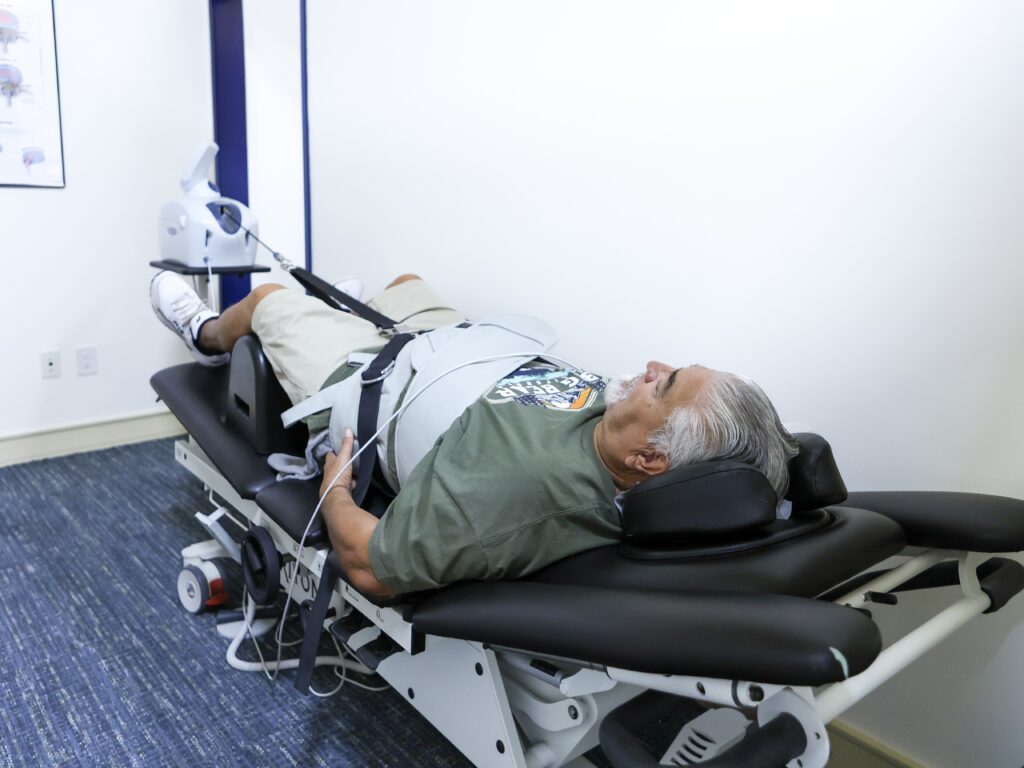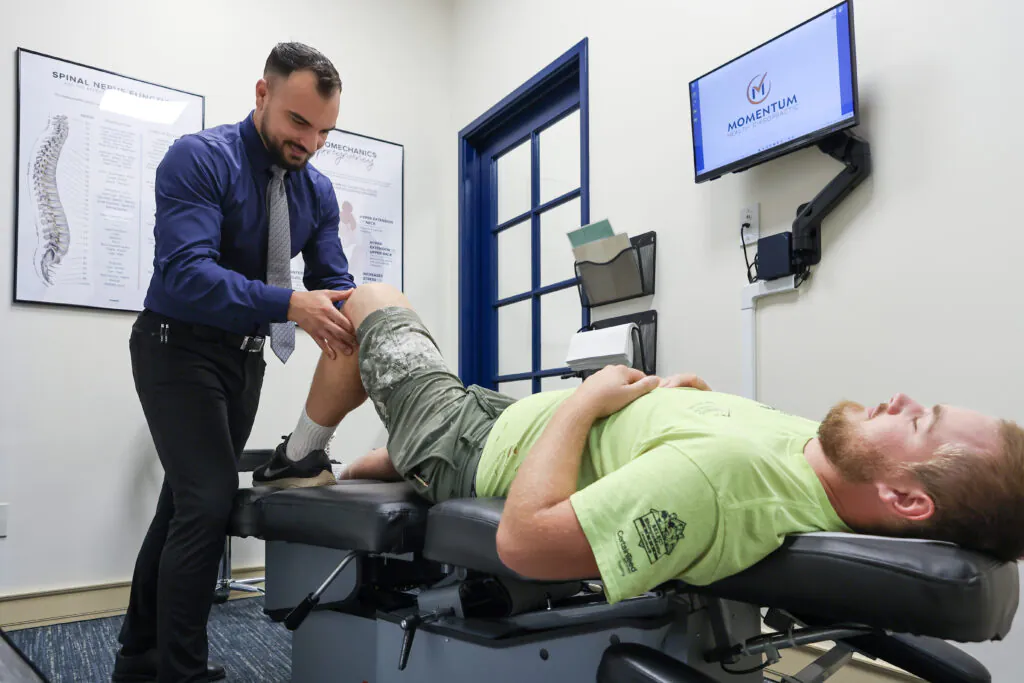

When it comes to finding relief from migraines, the frequency of your chiropractic visits can greatly depend on your individual symptoms and wellness goals. As your local chiropractor, I recommend starting with weekly or bi-weekly sessions to effectively address acute issues. This approach allows us to closely monitor your progress and make necessary adjustments to your treatment plan.
As we work together, you may find that your visit frequency can evolve. It’s important to consider several factors when determining the best schedule for you, such as the severity and frequency of your migraines, your overall health, and how quickly you respond to treatment.
Here are a few general tips to enhance your migraine relief journey:
- Stay Hydrated: Dehydration can contribute to migraines, so make sure you’re drinking plenty of water throughout the day.
- Maintain a Healthy Diet: A balanced diet rich in fruits, vegetables, and whole grains can support your overall health and may help reduce the frequency of migraines.
- Practice Stress Management: Techniques like deep breathing, yoga, or meditation can help alleviate stress, which is often a trigger for migraines.
- Prioritize Sleep: Establishing a regular sleep schedule can improve your sleep quality and help prevent migraines.
- Communicate: Keep an open line of communication with your chiropractor about what works for you and any changes you experience. This will help us tailor your care effectively.
By focusing on chiropractic care, you are choosing a natural and holistic approach to achieving optimal health and wellness. Together, we can create a personalized plan that not only addresses your migraines but also promotes your overall well-being. Let’s work towards a healthier, pain-free life!
Key Takeaways
As a local chiropractor dedicated to your health and wellness, it’s essential to understand how often you should visit for effective migraine relief.
When you first come in, we’ll conduct a comprehensive assessment to determine the best course of action for your specific needs. After starting your chiropractic treatment, follow-up visits are usually scheduled within a few weeks to monitor your progress and make any necessary adjustments.
To maintain spinal health and manage migraines effectively, regular chiropractic visits are recommended weekly or bi-weekly. This consistent care helps keep your spine aligned, which is crucial for reducing the frequency and intensity of migraines.
In addition to your regular visits, it’s beneficial to have follow-up consultations every three to six months. These appointments help us maintain your progress and address any new concerns that may arise.
Keeping a migraine diary can also be a powerful tool. Documenting the frequency and severity of your migraines can provide valuable insights and help us determine when you might need to schedule additional chiropractic visits.
Your treatment plan may evolve as we monitor your progress, and it’s important to maintain open communication with me. Together, we can adjust your care to ensure you’re getting the most benefit from your chiropractic visits.
Remember, seeking chiropractic care not only offers natural relief from migraines but also promotes overall wellness. Simple lifestyle changes, like staying hydrated, managing stress, and practicing good posture, can also support your journey towards optimal health. Embrace chiropractic care as a safe and effective way to enhance your well-being naturally!
Understanding Migraines: Types and Triggers
When you experience a migraine, understanding its types and triggers can be essential for managing your pain naturally.
Migraines generally fall into two categories: migraine without aura and migraine with aura. The first type, which is more common, doesn’t involve any warning signs, while the latter includes visual disturbances or sensory changes before the headache starts.
Identifying your triggers is equally important.
Common triggers include stress, certain foods, hormonal changes, and environmental factors like bright lights or strong smells. Keeping a migraine diary can be incredibly helpful; it allows you to notice patterns and pinpoint what might be sparking your attacks.
As a chiropractor, I want to emphasize that understanding your migraine triggers and the type of migraine you have is crucial for taking proactive steps to minimize your discomfort.
By becoming aware of these factors, you empower yourself to seek relief in a natural way. Incorporating chiropractic care can help reduce the frequency and intensity of migraines by addressing any underlying spinal misalignments that may contribute to your pain.
In addition to chiropractic care, consider these general tips for managing your migraines:
- Stay Hydrated: Dehydration can be a significant trigger, so make sure you’re drinking enough water throughout the day.
- Practice Stress Management: Techniques such as yoga, meditation, or deep breathing can help alleviate stress, which is a common trigger for many people.
- Maintain a Consistent Sleep Schedule: Irregular sleep patterns can lead to migraines, so aim for a regular bedtime and wake-up time.
- Monitor Your Diet: Certain foods can trigger migraines. Pay attention to what you eat and try to eliminate any identified triggers from your diet.
- Create a Calm Environment: If you sense a migraine coming on, find a quiet, dark space to relax. Reducing sensory input can help lessen the pain.
By incorporating these strategies and considering chiropractic care, you can take significant steps toward achieving optimal health and improving your quality of life.
The Importance of Professional Guidance
Seeking professional guidance is essential for effectively managing migraines, and chiropractic care can be a valuable ally in this journey. A chiropractor can help tailor a natural treatment plan to your specific needs, focusing on spinal health and overall wellness. It’s common to feel overwhelmed by the various options available for migraine relief, but a chiropractor simplifies this process. They’ll assess your symptoms, identify potential triggers, and evaluate your spinal health to recommend the most effective approaches.
Chiropractic adjustments can help alleviate tension in the neck and shoulder areas, which are often contributing factors to migraines. By ensuring that your spine is aligned and functioning properly, you may experience fewer headaches and enhanced overall health. Regular visits to a chiropractor not only support immediate relief but also contribute to long-term wellness. As your condition evolves, your chiropractor can adapt your treatment plan to meet your changing needs.
In addition to spinal adjustments, chiropractors can provide valuable insights into lifestyle changes that promote better health. This can include tips on posture, ergonomic workspaces, hydration, nutrition, and stress management techniques—all of which can play a role in migraine management.
Ultimately, chiropractic care empowers you to take control of your migraines and improve your quality of life naturally. Don’t hesitate to reach out to a chiropractor—your well-being deserves it! Remember, achieving optimal health is a journey, and having a dedicated professional by your side can make all the difference.
Assessing the Frequency of Your Migraines
Regularly evaluating the frequency of your migraines is crucial for effective management and achieving optimal health. Understanding how often you experience migraines can help you identify patterns and potential triggers that may be linked to your overall wellness. Start by keeping a simple diary, noting the date, duration, and severity of each episode. This can reveal whether your migraines are becoming more frequent or changing in nature.
While assessing your migraine frequency, consider how they impact your daily life. Are they hindering your work, social activities, or overall well-being? If you notice an increase in frequency, it’s important to address it promptly.
Chiropractic care can play a significant role in managing migraines and promoting natural healing. By focusing on spinal alignment and overall wellness, chiropractors can help alleviate tension that may contribute to migraines. Regular adjustments can support your nervous system, improve blood flow, and reduce the frequency of migraine episodes.
In addition to chiropractic adjustments, there are several general tips you can incorporate into your routine for better migraine management. Staying hydrated, maintaining a consistent sleep schedule, and practicing stress-reduction techniques like yoga or meditation can all contribute to your overall well-being.
Initial Consultation: What to Expect
During your initial consultation, you’ll have the opportunity to share your medical history and discuss how migraines impact your daily life. As a chiropractor, I focus on understanding the root causes of your discomfort and how we can address them through natural, drug-free methods.
We’ll explore various chiropractic techniques that can help alleviate migraine pain and improve your overall wellness. Together, we’ll create a personalized care plan that not only addresses your current symptoms but also promotes long-term health.
In addition to chiropractic adjustments, I’ll provide you with practical tips for managing migraines at home. Simple lifestyle changes, such as staying hydrated, maintaining a consistent sleep schedule, and practicing stress-relief techniques, can significantly enhance your well-being.
Through regular follow-ups, we’ll monitor your progress and adjust your treatment plan as needed to ensure you’re on the path to optimal health. Remember, chiropractic care is a holistic approach that supports your body’s natural healing abilities, paving the way for a healthier, pain-free life.
Your Medical History
When you arrive for your initial consultation at our chiropractic office, sharing your medical history is essential for understanding your migraines and overall well-being. Be ready to discuss not only your current symptoms but also any past conditions, treatments, and lifestyle factors that could be influencing your health.
Your chiropractor will ask about how often you experience migraines, how long they last, and their intensity. Identifying any triggers, such as stress or certain foods, can be particularly helpful. Don’t forget to mention if migraines run in your family, as this can give insights into your condition.
Being open about your daily habits, including your diet, sleep patterns, and stress levels, is crucial. These factors can greatly affect how your body feels and functions.
Chiropractic care focuses on natural healing and aims to restore balance in your body. By addressing spinal alignment and overall health, we can help alleviate migraine symptoms and improve your quality of life. In addition to chiropractic adjustments, consider incorporating relaxation techniques, staying hydrated, and maintaining a regular sleep schedule to support your wellness journey.
This comprehensive understanding allows us to create a personalized care plan that aligns with your health goals, helping you achieve optimal health without relying on medications or surgeries. Remember, taking proactive steps in your health can lead to significant improvements in how you feel!
Treatment Options Available
As you prepare for your initial consultation, it’s important to explore all the natural treatment options available that can help you find relief from migraines. As a chiropractor, I believe in the power of the body’s natural ability to heal itself and the importance of holistic approaches to wellness. Here’s how chiropractic care can be a key part of your journey towards migraine relief:
| Treatment Type | Description | Emotional Impact |
|---|---|---|
| Chiropractic Care | Spinal adjustments to improve alignment and reduce tension | Renewed hope for a pain-free life |
| Lifestyle Guidance | Advice on maintaining a healthy diet and exercise routine | Confidence in your well-being |
| Stress Management | Techniques to manage stress, like deep breathing and relaxation exercises | Empowerment in taking control |
Chiropractic care focuses on restoring proper function to the spine, which can alleviate tension that often triggers migraines. By improving spinal alignment, we can enhance your overall health and reduce pain without relying on medications or invasive procedures.
In addition to chiropractic adjustments, consider incorporating lifestyle changes such as maintaining a balanced diet rich in anti-inflammatory foods and establishing a regular exercise routine. Also, practicing stress management techniques can be incredibly beneficial. Simple practices like deep breathing exercises or yoga can make a significant difference in how you feel.
Follow-Up Care Plan
Your initial consultation is a crucial step in developing an effective follow-up care plan for managing your migraines, and as a chiropractor, I’m here to help you explore natural solutions. During your visit, we’ll take a thorough look at your medical history and discuss your migraine triggers, as well as assess your symptoms. This is your opportunity to share how often you experience migraines, what treatments you’ve tried, and how they’ve affected your daily life.
Based on this information, we can create a personalized care plan that emphasizes natural healing methods, such as chiropractic adjustments, which can help relieve tension in the spine and reduce the frequency and intensity of your migraines. Additionally, we might explore lifestyle changes that can support your overall wellness, such as proper hydration, regular exercise, and stress management techniques.
It’s essential to ask questions and communicate any concerns during your consultation. After our initial meeting, follow-up appointments will be key to monitoring your progress and making any necessary adjustments to your care plan. Together, we’ll work towards minimizing the impact of migraines on your daily life, and I’ll provide you with tips and tricks to enhance your well-being naturally.
Treatment Options: Medications and Therapies
Exploring effective treatment options for migraines can significantly enhance your quality of life. While many people turn to medications and therapies, it’s important to consider holistic approaches that focus on natural healing and overall wellness. Chiropractic care is a fantastic option for managing migraines, as it targets the root causes of pain and promotes optimal health without the need for medications.
Here are some effective strategies you might consider:
- Chiropractic Adjustments: Regular chiropractic adjustments can help alleviate tension in your spine and neck, which may contribute to migraine symptoms. By realigning your spine, you can improve nerve function and reduce pain.
- Lifestyle Modifications: Keeping a healthy lifestyle is crucial. Consider maintaining a balanced diet, staying hydrated, and getting regular exercise. Simple activities like walking or stretching can help reduce stress and tension that may trigger migraines.
- Stress Management Techniques: Incorporating relaxation techniques such as deep breathing exercises, meditation, or yoga can be beneficial. These practices help lower stress levels, which are often a significant trigger for migraines.
- Posture Awareness: Pay attention to your posture, especially if you spend long hours sitting at a desk. Good posture can reduce strain on your neck and back, potentially decreasing the frequency of migraines.
- Sleep Hygiene: Ensure you’re getting enough restorative sleep. Establish a regular sleep schedule, create a calming bedtime routine, and make your sleep environment comfortable.
Discuss these natural approaches with your chiropractor to develop a personalized plan that fits your needs. Embracing chiropractic care not only helps manage migraine symptoms but also promotes overall wellness, allowing you to live a healthier, happier life.
When to Schedule Follow-Up Appointments
Knowing when to schedule follow-up appointments is crucial for effectively managing your migraines and overall wellness.
If you’ve recently started a new chiropractic treatment or therapy, it’s beneficial to check in with your chiropractor within a few weeks. This allows you to discuss any improvements or concerns you may have and assess how well the treatment is working for you.
It’s also a good idea to plan a follow-up if you notice any significant changes in your migraine frequency or intensity. Keeping track of these changes can help your chiropractor customize your treatment plan to better suit your needs.
Moreover, if you’re considering new therapies, lifestyle changes, or simply want to enhance your wellness journey, regular chiropractic appointments can provide the ongoing support and guidance you need. Remember, scheduling follow-ups every three to six months can help maintain open communication with your chiropractor, ensuring that your treatment plan stays on track and aligned with your health goals.
In addition to follow-up appointments, here are some general tips for managing migraines naturally:
- Stay Hydrated: Dehydration can worsen migraines, so drink plenty of water throughout the day.
- Maintain a Consistent Sleep Schedule: Aim for regular sleep patterns to help reduce migraine frequency.
- Practice Stress-Relief Techniques: Incorporate relaxation techniques such as deep breathing, yoga, or meditation into your daily routine.
- Focus on Nutrition: A balanced diet rich in whole foods can support your overall health and potentially reduce migraine triggers.
The Role of Lifestyle Changes in Migraine Management
While chiropractic care can offer effective relief for migraines, integrating healthy lifestyle changes is essential for long-term management.
By adopting simple yet impactful habits, you can help reduce the frequency and intensity of your migraine attacks. Here are some lifestyle adjustments to consider:
- Stay Hydrated: Dehydration is a common trigger for migraines. Make it a habit to drink plenty of water throughout your day to keep your body well-hydrated.
- Maintain a Consistent Sleep Schedule: Irregular sleep can contribute to migraines. Aim to go to bed and wake up at the same time every day, allowing your body to establish a healthy sleep rhythm.
- Manage Stress: High stress can lead to painful migraine episodes. Explore relaxation techniques such as yoga, meditation, or simple deep breathing exercises to help manage stress levels effectively.
By focusing on these lifestyle changes alongside regular chiropractic care, you can enhance your overall well-being and work towards achieving optimal health.
Tracking Your Progress: Keeping a Migraine Diary
Keeping a migraine diary can be an incredibly helpful tool for understanding the factors that contribute to your discomfort, and it’s a step towards achieving optimal health through natural methods like chiropractic care.
By regularly noting the date, time, duration, and intensity of each migraine, you can start to uncover patterns that may lead to relief without the need for medications or invasive treatments.
Along with tracking your migraines, consider including details about your diet, sleep quality, stress levels, and any chiropractic adjustments you’ve received.
This holistic approach can help identify correlations that may not be immediately apparent, allowing you to make more informed choices about your health.
Don’t forget to pay attention to environmental factors as well.
Changes in weather or exposure to certain smells can impact your well-being.
Over time, your diary will become a valuable resource, helping you recognize your unique triggers and communicate effectively with your chiropractor.
This information will empower them to tailor your care plan specifically to your needs.
For optimal results, remember to update your diary consistently.
The more diligent you are, the clearer your insights will become.
Embracing this practice not only gives you a greater sense of control over your migraines but also reinforces the benefits of natural healing methods like chiropractic care.
By taking these steps, you’re on the path to better health and wellness, empowering yourself to find relief through natural means.
Consider incorporating chiropractic care into your routine as a proactive approach to maintaining your overall well-being.
Working With Specialists: Neurologists and Pain Management
When you’re dealing with migraines, seeking help from specialists can provide valuable support, but integrating chiropractic care into your wellness plan can offer a natural and effective approach to managing pain. As a chiropractor, I believe that understanding the root causes of migraines and maintaining a healthy spine are key components in achieving optimal health.
Here are some important points to consider when looking for relief from migraines:
- Spinal Health: A healthy spine plays a crucial role in your overall well-being. Misalignments in the spine can lead to tension and pressure that may trigger migraines. Regular chiropractic adjustments can help restore proper alignment, relieve tension, and promote better nerve function.
- Natural Treatment Options: Instead of relying on medications, which can have unwanted side effects, chiropractic care offers natural treatment options. Techniques such as spinal adjustments, massage therapy, and lifestyle recommendations can help alleviate migraine symptoms without the need for pills.
- Holistic Approach: Chiropractic care takes a holistic approach to health, addressing not just the symptoms, but also the underlying causes of your migraines. By focusing on your entire body, chiropractors can help identify factors like posture, stress, and nutrition that may contribute to your headaches.
- Lifestyle Tips: Incorporating healthy habits into your daily routine can make a significant difference. Staying hydrated, maintaining a balanced diet, getting regular exercise, and practicing stress relief techniques like yoga or meditation can all support your overall health and may help reduce the frequency of migraines.
Always feel free to communicate openly with your chiropractor about your experiences and any concerns you may have. Effective communication is essential for creating a personalized care plan that works best for you.
Developing a Long-Term Care Plan for Migraines
To effectively manage migraines over the long term, it’s essential to create a comprehensive care plan that aligns with your unique needs and promotes overall wellness. As a chiropractor, I believe that understanding and addressing the root causes of your migraines is key to achieving relief and enhancing your quality of life.
Start by identifying your migraine triggers, which could include stress, certain foods, or disruptions in sleep patterns. Keeping track of these triggers can help you develop better habits and make informed choices about your lifestyle.
Incorporating chiropractic care into your wellness routine can be a powerful way to alleviate migraine pain naturally. Regular adjustments can help improve spinal alignment, reduce tension, and promote better nerve function. In conjunction with chiropractic care, consider adopting the following strategies:
| Element | Description | Frequency |
|---|---|---|
| Trigger Journal | Track triggers and symptoms | Daily |
| Chiropractic Visits | Regular adjustments for spinal health | Weekly or bi-weekly |
| Exercise Routine | Engage in regular physical activity | 3-5 times a week |
| Stress Management | Practice relaxation techniques | Daily |
Remember that maintaining an active lifestyle can help reduce the frequency and intensity of your migraines. Activities such as yoga, walking, or swimming can be beneficial, as they not only improve physical health but also help manage stress levels.
Moreover, practicing stress management techniques, such as deep breathing, meditation, or gentle stretching, can further support your journey towards wellness.