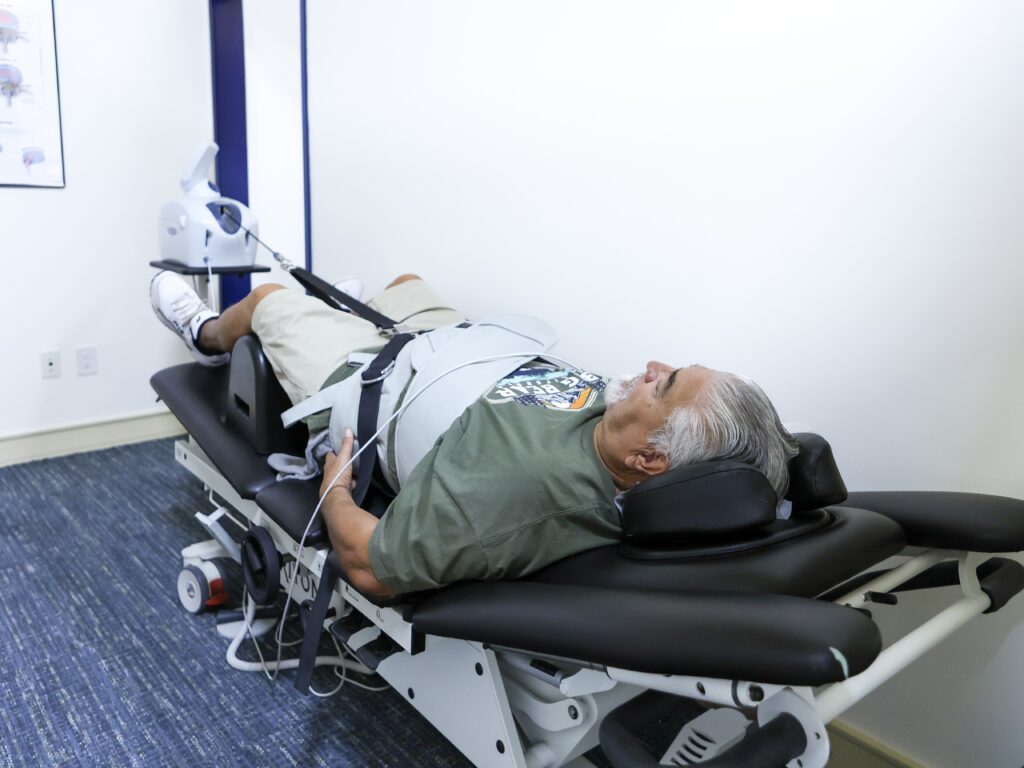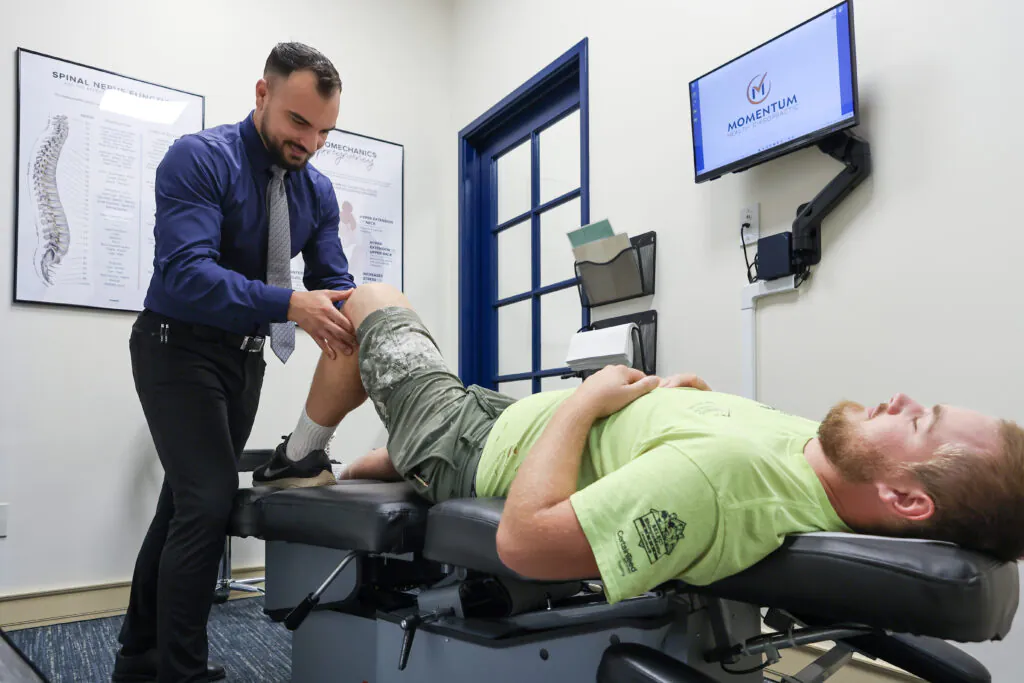

When it comes to managing migraines, many people are curious about how often they should visit their chiropractor for effective relief. Your treatment plan should be tailored to your unique symptoms, how well you respond to adjustments, and your overall wellness goals. For many, starting with weekly chiropractic appointments can help in alleviating migraine pain and restoring balance to the body. As you begin to feel better, this frequency can be adjusted to suit your needs.
Understanding your migraines is key to developing the best approach. Consider factors such as the frequency of your headaches, any triggers you’ve identified, and how your body reacts to chiropractic care. Regular chiropractic adjustments can help realign your spine, improve nervous system function, and promote natural healing, all of which can play a significant role in reducing migraine frequency and intensity.
Here are some tips to enhance your migraine management:
- Keep a Migraine Diary: Track your headaches, noting when they occur, their duration, and any triggers. This information can be valuable for your chiropractor in creating a personalized treatment plan.
- Stay Hydrated: Dehydration can trigger migraines for some people. Make sure you’re drinking plenty of water throughout the day.
- Maintain a Consistent Sleep Schedule: Poor sleep can exacerbate migraines. Aim for regular sleep patterns to help manage your overall health and wellness.
- Incorporate Stress-Relief Techniques: Stress is a common trigger for migraines. Consider practices like deep breathing, yoga, or meditation to help keep stress levels in check.
- Regular Chiropractic Visits: Consistent chiropractic care can help keep your spine aligned, support your nervous system, and reduce tension in your body, all of which can contribute to fewer migraines.
Remember, chiropractic care offers a natural and holistic approach to achieving optimal health and wellness. If you’re struggling with migraines, consider scheduling a visit to see how chiropractic adjustments can help you find relief and enhance your quality of life.
Key Takeaways
How Often Should You Visit for Migraine Relief?
If you’re struggling with acute migraine pain, it’s important to take a proactive approach to your health and wellness. As a chiropractor, I recommend starting with weekly visits for the first month. This allows us to closely monitor your response to chiropractic adjustments and other natural therapies designed to alleviate your migraines.
As we work together and you begin to feel better, we can gradually reduce the frequency of your visits. During the stabilization phase, many patients find that bi-weekly appointments are effective in maintaining their progress. Once you’re feeling more stable, monthly maintenance visits can help ensure that you stay on track with your health goals.
It’s also essential to stay in tune with your body. If you notice that your migraines become more frequent or intense, or if you aren’t experiencing the relief you expected, don’t hesitate to reach out. Early intervention can make a big difference!
Remember, every individual is different, and it may take some time to find the visit frequency that works best for you. This is all part of creating a personalized care plan that focuses on your unique needs.
Here are some general tips to support your journey to wellness:
- Stay Hydrated: Dehydration can trigger migraines, so make sure you’re drinking plenty of water throughout the day.
- Maintain a Regular Sleep Schedule: Consistent sleep patterns can help reduce migraine frequency.
- Identify Triggers: Keeping a migraine diary can help you pinpoint foods, activities, or stressors that may be contributing to your symptoms.
- Practice Relaxation Techniques: Stress management through yoga, meditation, or deep breathing can be beneficial in reducing migraine occurrences.
By embracing chiropractic care, you’re taking a natural and effective step towards optimal health and wellness. Together, we can work to alleviate your migraine pain and enhance your overall quality of life!
Understanding Your Migraine Triggers
How familiar are you with your migraine triggers? Knowing what sets off your migraines is key to managing them effectively, and chiropractic care can play a vital role in that process. Start by keeping a detailed diary of your headaches. Record when they happen, how intense they are, and potential triggers such as certain foods, stress levels, weather changes, or hormonal shifts. You might be surprised by the patterns that reveal themselves.
Common migraine triggers can include caffeine, alcohol, and certain foods like aged cheese or processed meats. Stress is another significant factor; incorporating relaxation techniques and regular chiropractic adjustments can help reduce stress and, in turn, minimize migraine frequency. Chiropractic care focuses on spinal health which can improve your overall well-being, potentially leading to fewer headaches.
Don’t overlook environmental factors either—bright lights, loud noises, and strong smells can all contribute to migraines. By understanding your unique triggers and considering how chiropractic care can support your body’s natural healing processes, you can make informed lifestyle changes to reduce the frequency of your migraines.
Taking proactive steps empowers you to take control of your health, allowing you to enjoy life more fully and significantly decreasing the chances of those debilitating episodes. Remember, a well-aligned spine can lead to improved nerve function, which plays a crucial role in how your body manages pain and stress. So, consider chiropractic care as a natural, effective approach to achieving optimal health and wellness.
Evaluating the Severity of Your Migraines
Recognizing your migraine triggers is just the first step in managing your condition. The next important step is to evaluate the severity of your migraines to truly understand how they impact your daily life. A great way to do this is by keeping a headache diary. In this diary, you can note down the frequency, duration, and intensity of your migraines. Rate your pain on a scale from one to ten, and make sure to pay attention to any accompanying symptoms, like nausea or sensitivity to light.
By tracking this information, you can identify patterns that may emerge over time. For example, ask yourself: Are your migraines becoming more frequent or more intense? Understanding these changes is crucial, as it can help guide your discussions with your chiropractor about how to best manage your pain.
If you find that your migraines interfere with your work, social activities, or overall quality of life, it’s essential to bring this up during your chiropractic sessions. Chiropractic care focuses on improving your spinal health, which can play a significant role in alleviating migraine symptoms. Regular adjustments can help reduce tension and improve overall body function, leading to fewer headaches.
In addition to chiropractic adjustments, consider incorporating some simple lifestyle changes that can also help manage your migraines. Staying hydrated, maintaining a consistent sleep schedule, and practicing relaxation techniques like deep breathing or meditation are great ways to support your overall wellness.
Treatment Options and Their Impact on Visit Frequency
When it comes to treating migraines, chiropractic care is a powerful option that can significantly influence how often you visit for relief. If you choose manual therapies like spinal adjustments, you’ll likely start with more frequent visits to address acute pain.
These adjustments can help realign your spine and promote better function, which may reduce the intensity and frequency of your migraines over time. As your body begins to heal, you might find that you need fewer visits to maintain your progress and overall health.
In addition to chiropractic care, making lifestyle changes can also lead to fewer migraines. Focus on a balanced diet, staying hydrated, and managing stress through relaxation techniques like deep breathing or yoga.
These simple changes can support your well-being and help reduce the occurrence of migraines, potentially leading to fewer chiropractic visits.
Integrating therapies like acupuncture or physical therapy alongside your chiropractic care can further enhance your recovery and well-being. These treatments can complement the adjustments you receive, supporting your journey towards optimal health.
Remember, your treatment plan should be tailored to your specific needs and lifestyle. By prioritizing chiropractic care and making healthy choices, you can enjoy a more vibrant life with fewer migraines.
Stay proactive about your health, and consult your chiropractor regularly to ensure you’re on the right path to wellness!
The Role of Preventative Medications
Managing migraines can be a challenging journey, but there are natural approaches that can help alleviate these headaches and promote overall wellness.
One of the best options is chiropractic care, which focuses on spinal health and can significantly reduce the frequency and intensity of migraines.
Chiropractic adjustments work by improving spinal alignment and function, which can relieve tension and pressure that contribute to migraine headaches.
By addressing the root cause of your discomfort, chiropractic care offers a holistic approach to pain relief without the need for medications or invasive procedures.
In addition to regular chiropractic adjustments, there are several lifestyle tips you can incorporate to support your health and wellness:
- Stay Hydrated: Dehydration can trigger migraines, so make sure you’re drinking plenty of water throughout the day.
- Maintain Good Posture: Poor posture can strain your neck and back, leading to headaches. Being mindful of your posture, especially when sitting for long periods, can make a significant difference.
- Manage Stress: Stress is a common migraine trigger. Consider practicing relaxation techniques such as deep breathing, yoga, or meditation to help reduce stress levels.
- Get Enough Sleep: Establishing a regular sleep schedule can help prevent migraines. Aim for 7-9 hours of quality sleep each night.
- Balanced Nutrition: Eating regular, nutritious meals can help stabilize blood sugar levels, which can also reduce the likelihood of migraines.
Regular consultations with your chiropractor will help you find a personalized approach to managing your migraines effectively.
They can assess your spinal health and recommend tailored treatments to enhance your well-being.
Types of Preventative Medications
When it comes to managing migraines, many people often overlook the powerful benefits of chiropractic care. Instead of relying on medications, which can come with unwanted side effects, consider how chiropractic adjustments and natural wellness practices can play a crucial role in reducing the frequency and intensity of your migraine attacks.
Here are a few ways chiropractic care can help you find relief:
- Spinal Alignment – Misalignments in your spine can lead to tension and stress, which may trigger migraines. Regular chiropractic adjustments can help keep your spine aligned, reducing nerve interference and promoting overall well-being.
- Stress Reduction – Chiropractic care not only addresses physical issues but also helps reduce stress. Techniques such as spinal manipulation and massage can lead to relaxation, which is essential for preventing migraine attacks.
- Improved Blood Flow – Chiropractic adjustments can enhance circulation, ensuring that your brain receives adequate blood flow and nutrients, which may help alleviate migraine symptoms.
- Lifestyle Guidance – A chiropractor can provide you with valuable lifestyle tips, including exercises, stretches, and dietary advice that promote better spinal health and reduce the likelihood of migraines.
Remember, it’s essential to consult with your chiropractor about your specific migraine patterns and how they can tailor a wellness plan just for you.
By focusing on natural healing and maintaining optimal spinal health, you can pave the way for a healthier, migraine-free life.
Embrace chiropractic care as your primary choice for pain relief and wellness!
Effectiveness Over Time
While many people are looking for quick relief from migraines, it’s important to understand how long-term management can be more effective, especially through natural methods like chiropractic care. Unlike medications that often take weeks or months to show results, chiropractic adjustments can provide immediate relief by addressing the root causes of migraines, such as spinal misalignments and tension in the body.
As you commit to regular chiropractic care, you may notice a gradual improvement in the frequency and severity of your migraines. Tracking your symptoms and sharing any changes with your chiropractor can help tailor your care plan to suit your needs. Remember, what works for one person mightn’t work for another, so finding the right approach may take some time and exploration.
In addition to chiropractic adjustments, consider incorporating some simple lifestyle tips to enhance your wellness journey. Staying hydrated, practicing good posture, managing stress through techniques like deep breathing or yoga, and ensuring you get enough sleep can all contribute to a healthier, migraine-free life.
Consultation Frequency Guidelines
Regular visits to your chiropractor can be a powerful way to manage migraines naturally, allowing you to find relief without relying on medications or invasive procedures.
Here’s a simple guide to help you understand how often you should consult with your chiropractor for the best results:
- Initial Phase: Start by visiting your chiropractor once a week for the first month. This allows your chiropractor to closely monitor how your body responds to treatment and any lifestyle changes you may have made.
- Stabilization: Once you begin to notice some improvements, you can reduce your visits to every two weeks for the next month. This helps maintain your progress and keeps your body aligned.
- Maintenance: After you’ve reached a stabilized state, aim for monthly appointments. These sessions are essential for ongoing monitoring of your condition and can help make necessary adjustments to your care.
- Reassessment: If you experience a resurgence of migraines or notice they’re becoming more frequent or intense, it’s important to check in with your chiropractor sooner. They can reassess your situation and tweak your treatment plan to better suit your needs.
By following these guidelines, you can take charge of your migraine management while enhancing your overall well-being through the natural, holistic approach of chiropractic care.
Managing Acute Migraine Attacks
Managing acute migraine attacks can be challenging, but there are natural approaches to help alleviate pain and discomfort effectively. One of the first steps is to identify your triggers and do your best to avoid them. Stress, certain foods, and lack of sleep are common culprits. When a migraine strikes, consider utilizing chiropractic care to address the underlying issues that may be contributing to your headaches. Spinal adjustments can help relieve tension and improve overall body function, potentially reducing the frequency and severity of your migraines.
Creating a serene environment is essential when experiencing a migraine. Seek out a dark, quiet space where you can relax. Resting your body allows it to recover and your nervous system to reset. Applying a cold compress to your forehead can also provide soothing relief. Additionally, staying hydrated is crucial, as dehydration can exacerbate symptoms. Try to drink plenty of water throughout the day.
If nausea accompanies your migraine, natural remedies such as ginger tea can be beneficial. Ginger has been known to help soothe the stomach and reduce nausea.
Keeping a migraine diary can also be a helpful tool. By tracking your headaches and any treatments you try, you can identify patterns and discover what works best for you. This information can be valuable for discussions with your chiropractor, who can tailor a wellness plan to help manage your migraines effectively.
Importance of Regular Check-Ins With Your Healthcare Provider
Regular check-ins with your chiropractor are vital for effectively managing migraines. Consistent visits ensure that your wellness plan is tailored to your specific needs and can lead to significant improvements in your overall quality of life. Here’s why these check-ins are important:
- Natural Pain Relief: Chiropractic adjustments can help alleviate pain and tension that may trigger migraines. Your chiropractor can assess your spine and make necessary adjustments to promote better alignment and reduce discomfort.
- Understanding Triggers: During your appointments, you can discuss any patterns or triggers you’ve noticed. Your chiropractor can offer insights into how your posture, stress levels, and lifestyle choices may be contributing to your migraines.
- Holistic Approach: Your chiropractor looks at your health as a whole, addressing not just your migraines but also any other conditions that may be affecting your well-being. This comprehensive care promotes overall health and enhances your body’s natural healing abilities.
- Supportive Resources: Chiropractors can provide valuable advice on nutrition, exercise, and stress management techniques that can help you manage migraines naturally. They can guide you on lifestyle changes that contribute to your overall wellness.
Incorporating regular chiropractic care into your routine can empower you to take charge of your health and find relief from migraines without relying on medications or invasive procedures. Make sure to prioritize these check-ins for the best outcomes in your journey towards optimal health.
When to Seek Immediate Medical Attention
When you’re dealing with severe pain episodes that aren’t improving with your usual self-care methods, it’s important to consider seeking help from a chiropractor.
Chiropractic care focuses on natural healing and can provide relief by addressing the root causes of your pain. If you notice any unusual neurological symptoms, like sudden changes in vision or difficulty speaking, it’s essential to seek help promptly, as these could indicate a more serious issue that may require immediate attention.
Additionally, if you’re experiencing concerning side effects from any treatments or therapies you’re trying, it’s a good idea to consult with your chiropractor. They can guide you toward natural alternatives that support your health and wellness journey.
Remember, maintaining a healthy spine is crucial for overall well-being. Here are some general tips to support your spinal health:
- Stay active with regular exercise to strengthen your back and core muscles.
- Practice good posture, whether sitting or standing, to alleviate unnecessary strain on your spine.
- Incorporate stretching and mobility exercises into your daily routine to enhance flexibility and prevent stiffness.
- Stay hydrated, as proper hydration is vital for maintaining healthy discs in your spine.
Severe Pain Episodes
If you find yourself suddenly experiencing a severe migraine that feels different from your usual pain, it’s important to pay attention to your body and consider seeking help. While many people turn to medications for relief, chiropractic care can offer a natural approach to managing headaches and migraines. Here are some signs to watch for and tips on how chiropractic care can support your wellness:
- Intensity: If the pain is sharper or more intense than your typical migraines, this could be a sign of an underlying issue. Chiropractic adjustments can help relieve tension in the spine and neck, addressing potential triggers for your headaches.
- Duration: When a migraine lasts longer than you’re used to, it’s essential to explore holistic options. Regular chiropractic care can improve your overall spinal health, potentially reducing the frequency and duration of migraine episodes.
- Medication Ineffectiveness: If over-the-counter or prescribed medications aren’t providing relief, consider visiting a chiropractor. They can assess your spinal alignment and offer adjustments that may alleviate pressure and tension, leading to a more natural recovery.
- Change in Symptoms: Notice a significant shift in your migraine pattern? This is a signal to investigate further. A chiropractor can conduct a thorough evaluation to identify possible misalignments or stresses in your body that could be contributing to these changes.
Remember, your health is a priority! Don’t hesitate to reach out for chiropractic care if you notice any of these signs. By focusing on natural healing and spinal health, you can work towards achieving optimal wellness.
Here are some general tips to help you manage headaches:
- Stay Hydrated: Dehydration can trigger headaches, so make sure to drink plenty of water throughout the day.
- Maintain Good Posture: Poor posture can lead to tension in the neck and spine, contributing to migraines. Be mindful of your posture, especially if you spend long hours at a desk.
- Regular Exercise: Engage in regular physical activity to help reduce stress and tension in your body, which can help prevent headaches.
- Limit Stress: Practice relaxation techniques such as deep breathing, meditation, or yoga to manage stress effectively.
Chiropractic care can be a valuable part of your wellness journey, helping you find relief from migraines and promoting a healthier lifestyle. Your path to a pain-free life starts with understanding and nurturing your body!
Neurological Symptoms Present
While many migraines can lead to discomfort that is manageable, the presence of neurological symptoms is a sign that something more serious could be happening. It’s essential to listen to your body and respond accordingly. If you notice any of the following symptoms, it’s crucial to prioritize your health and seek professional help right away:
| Symptom | Recommended Action |
|---|---|
| Sudden vision changes | Immediately consult a healthcare professional |
| Weakness on one side | Reach out for support or assistance |
| Severe confusion | Get evaluated as soon as possible |
| Loss of coordination | Seek attention from a healthcare provider |
| Difficulty speaking | Visit a medical facility promptly |
These symptoms might indicate serious conditions, such as a stroke, which require immediate attention. However, it’s also important to understand that maintaining a healthy spine and nervous system can contribute to overall wellness and potentially lessen the frequency and severity of migraines.
Incorporating chiropractic care into your wellness routine can help ensure that your nervous system is functioning optimally, which is vital for your overall health. Regular chiropractic adjustments can aid in reducing tension, improving spinal alignment, and promoting better blood flow, all of which may help manage migraine symptoms.
Here are some additional tips for managing migraines and supporting your health naturally:
- Stay Hydrated: Drink plenty of water throughout the day to prevent dehydration, which can trigger migraines.
- Maintain Good Posture: Proper posture can help alleviate tension in your neck and shoulders, reducing the likelihood of migraines.
- Manage Stress: Consider relaxation techniques, such as deep breathing exercises, yoga, or meditation, to help keep stress levels in check.
- Regular Exercise: Engaging in regular physical activity can improve circulation and reduce stress, both of which may help in preventing migraines.
- Healthy Diet: Pay attention to your diet and identify any potential food triggers that could contribute to your migraines.
Medication Side Effects
Managing migraines can be challenging, but there are effective natural approaches to help alleviate symptoms and promote overall wellness. As a chiropractor, I believe that understanding your body and the way it functions is key to achieving optimal health. While medication may be a common route for some, it’s essential to consider natural alternatives that focus on healing rather than masking symptoms.
Here are some important tips to keep in mind when dealing with migraines:
- Listen to Your Body: If you experience unusual symptoms such as a severe headache that feels different than your usual migraines, it’s crucial to pay attention. This could be your body signaling that something needs to be addressed.
- Stay Hydrated: Dehydration can often trigger migraines. Make sure you’re drinking enough water throughout the day to keep your body functioning optimally.
- Manage Stress: Stress is a common trigger for migraines. Incorporate stress-reducing activities like yoga, meditation, or gentle chiropractic adjustments to help relieve tension in your body.
- Regular Chiropractic Care: Many patients find that chiropractic adjustments can help reduce the frequency and intensity of migraines. By aligning the spine and relieving nerve pressure, chiropractic care promotes better overall health and wellness.
- Keep a Migraine Diary: Tracking your migraines can help identify triggers and patterns. This can be beneficial for you and your chiropractor to create a tailored wellness plan.
- Healthy Lifestyle Choices: Eating a balanced diet rich in whole foods, getting regular exercise, and ensuring you have consistent sleep can contribute positively to your overall health and help manage migraine symptoms.